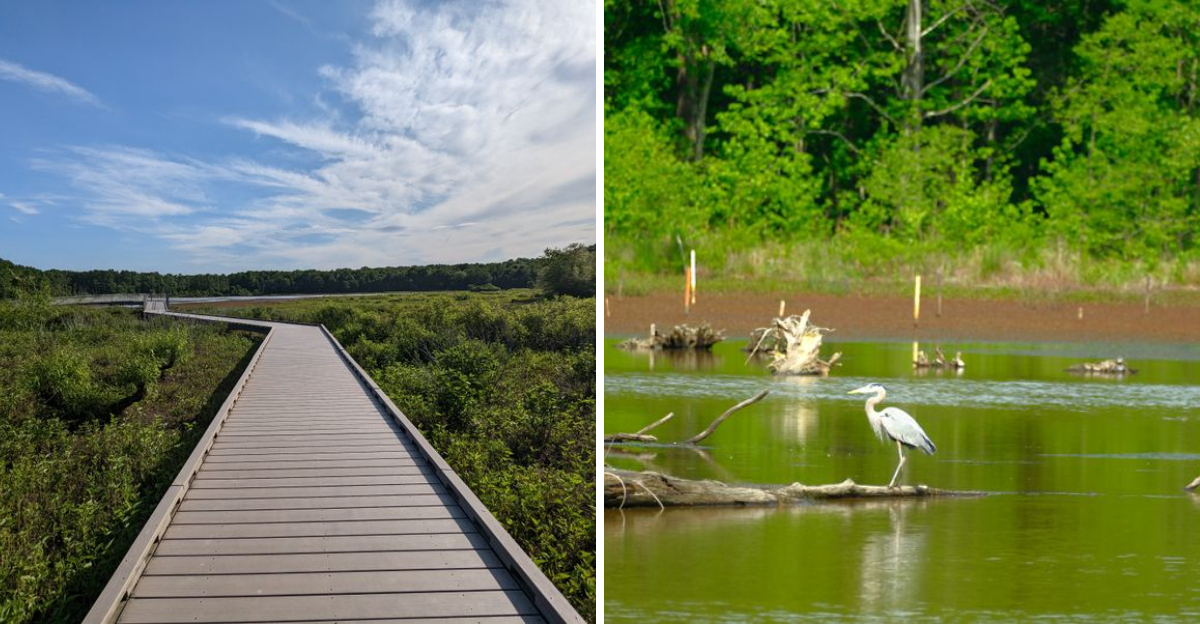
Tucked away in Alexandria, Virginia, Huntley Meadows Park offers a peaceful escape from the busy streets that surround it. This wetland sanctuary covers over 1,500 acres and provides visitors with a chance to see wildlife up close without traveling far from the city.
Locals have long treasured this park for its quiet trails and incredible opportunities to watch birds, turtles, beavers, and other creatures in their natural habitat.
Whether you are a nature photographer, a curious explorer, or simply someone who needs a break from the noise, Huntley Meadows Park delivers an experience that feels worlds away from everyday life.
The Famous Boardwalk Through the Wetlands
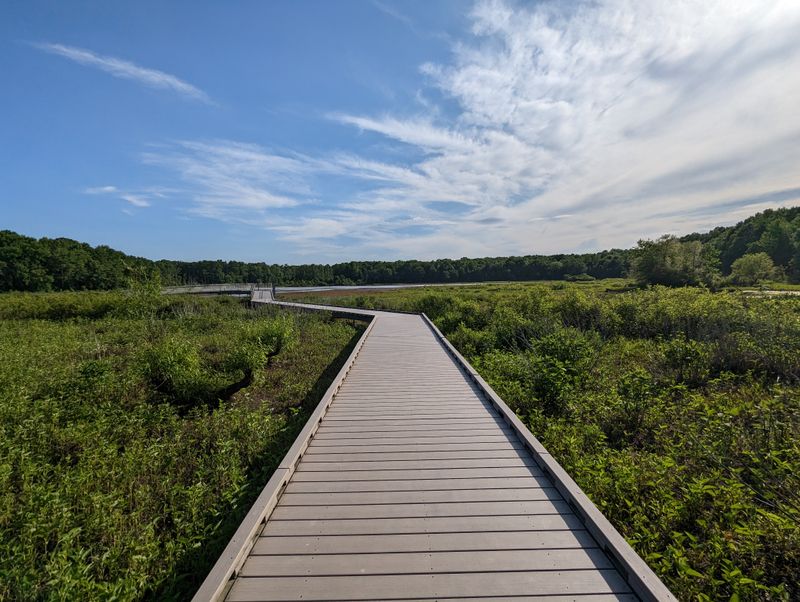
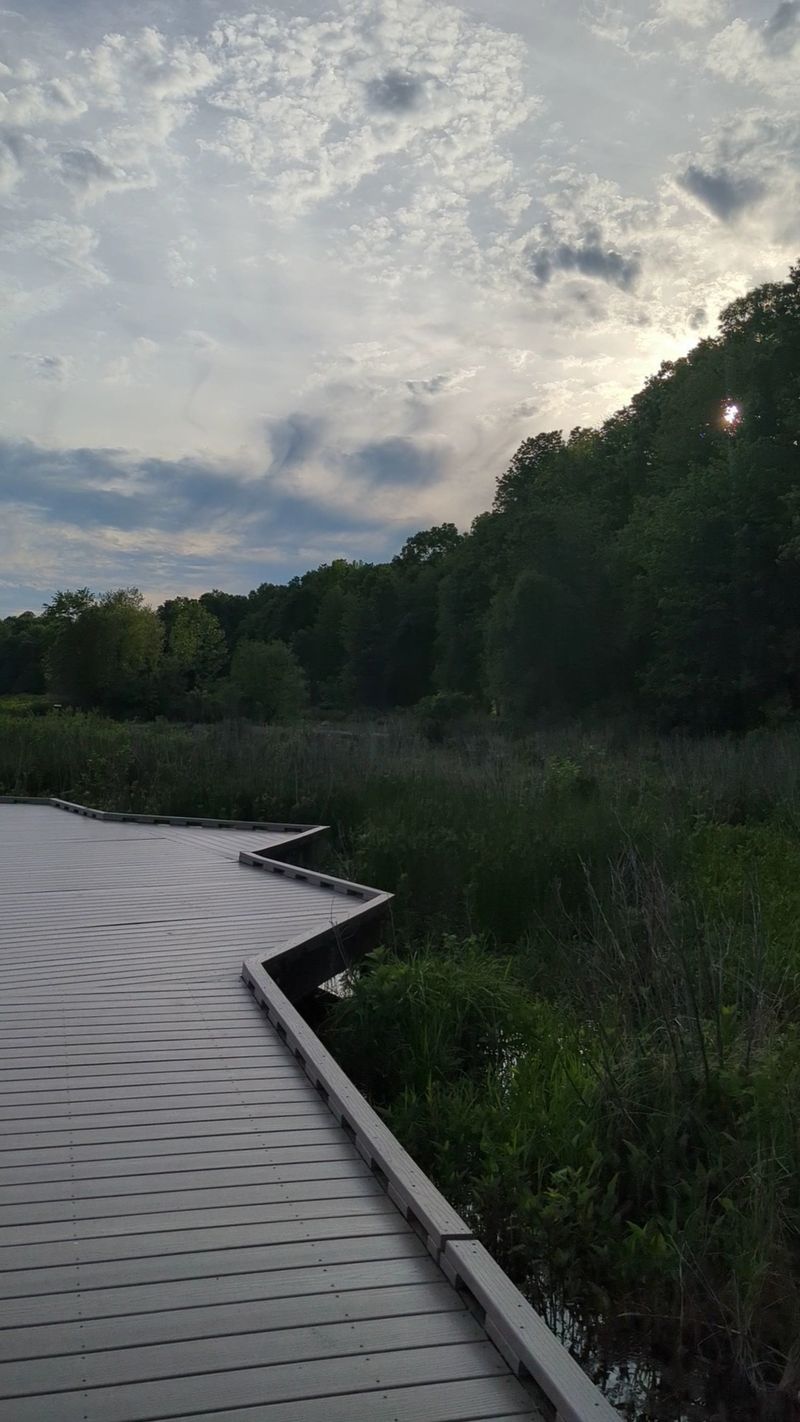
Walking along the boardwalk at Huntley Meadows Park feels like stepping into a different world.
The wooden pathway stretches through the heart of the wetlands, giving visitors an up-close view of the marshes without disturbing the delicate ecosystem.
Smooth and well-maintained, the boardwalk makes it easy for people of all ages to explore the park.
Wheelchair users can navigate most sections without difficulty, though some observation towers require stairs.
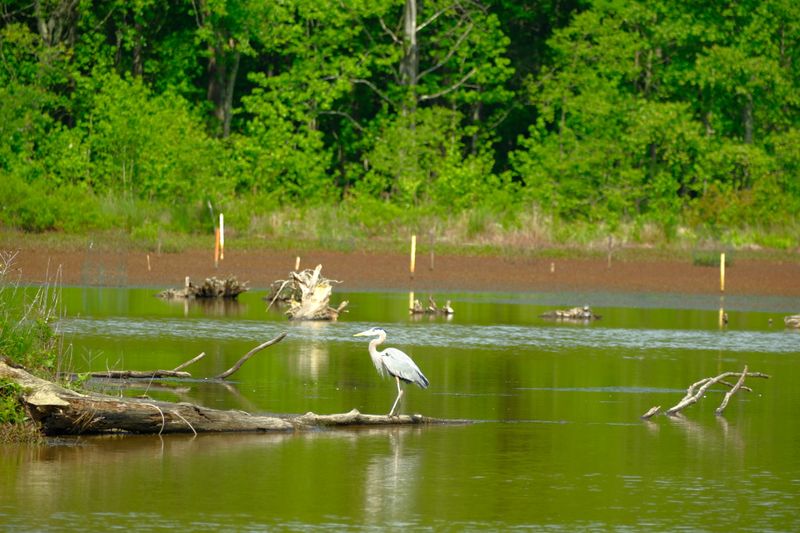
As you stroll along, the sounds of chirping birds and rustling leaves replace the hum of traffic from nearby roads. Photographers often line the boardwalk rails, cameras ready to capture herons wading through shallow water or turtles sunbathing on logs.
Parents appreciate that the boardwalk provides a safe way for children to experience nature, though supervision is important in areas without railings.
Early morning visits reward walkers with mist rising off the water and wildlife at its most active.
During different seasons, the boardwalk reveals changing landscapes, from vibrant green vegetation in summer to golden leaves reflected in still water during autumn.
The boardwalk serves as the centerpiece of the park experience, connecting visitors directly to the wetlands while protecting the sensitive habitat below.
Benches along the route invite you to sit and absorb the tranquility that makes this Virginia destination so special. No matter how many times you visit, the boardwalk offers something new to discover with each trip.
Wildlife Viewing Opportunities Throughout the Year
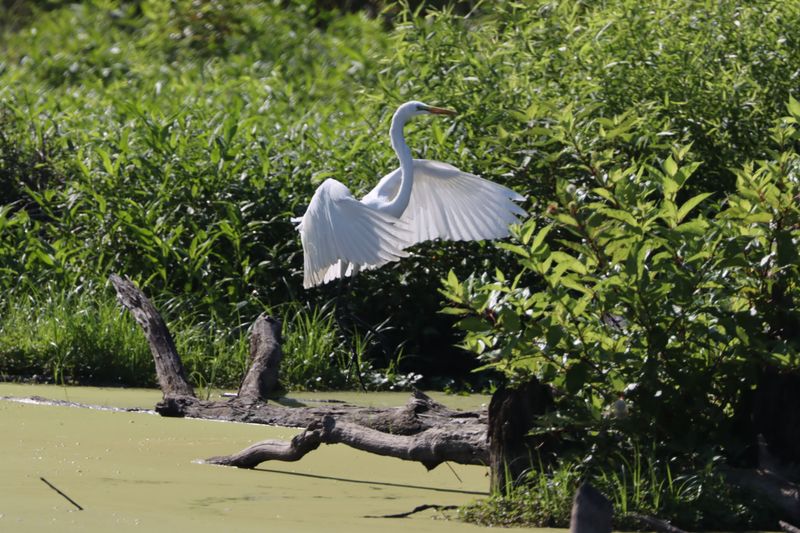
Huntley Meadows Park stands out as one of the best places in the region to observe animals in their natural environment.
The wetlands attract an impressive variety of creatures, from tiny frogs to large beavers that build dams and lodges visible from the trails.
Bird enthusiasts flock here because the park hosts over 200 species throughout the year, including great blue herons, wood ducks, and red-winged blackbirds.
Lucky visitors might spot a bald eagle soaring overhead or perched in a tall tree overlooking the marsh.
Turtles are abundant, with painted turtles and snapping turtles frequently seen basking on logs or swimming through the water.
Spring brings a chorus of frogs and the chance to see tadpoles developing in shallow pools.
Muskrats create ripples as they swim across open water, while beavers tend to be most active during dawn and dusk hours.
Snakes, though sometimes startling to encounter, play an important role in the ecosystem and are generally harmless to people who keep a respectful distance.
Dragonflies and butterflies add splashes of color during warmer months, hovering over wildflowers and wetland plants.
Seasonal changes bring different wildlife patterns, making repeat visits worthwhile for anyone interested in nature observation.
The park’s protected status ensures that animals can thrive without excessive human interference, creating authentic wildlife encounters that feel rare in suburban settings.
Peaceful Forest Trails Away from the Wetlands
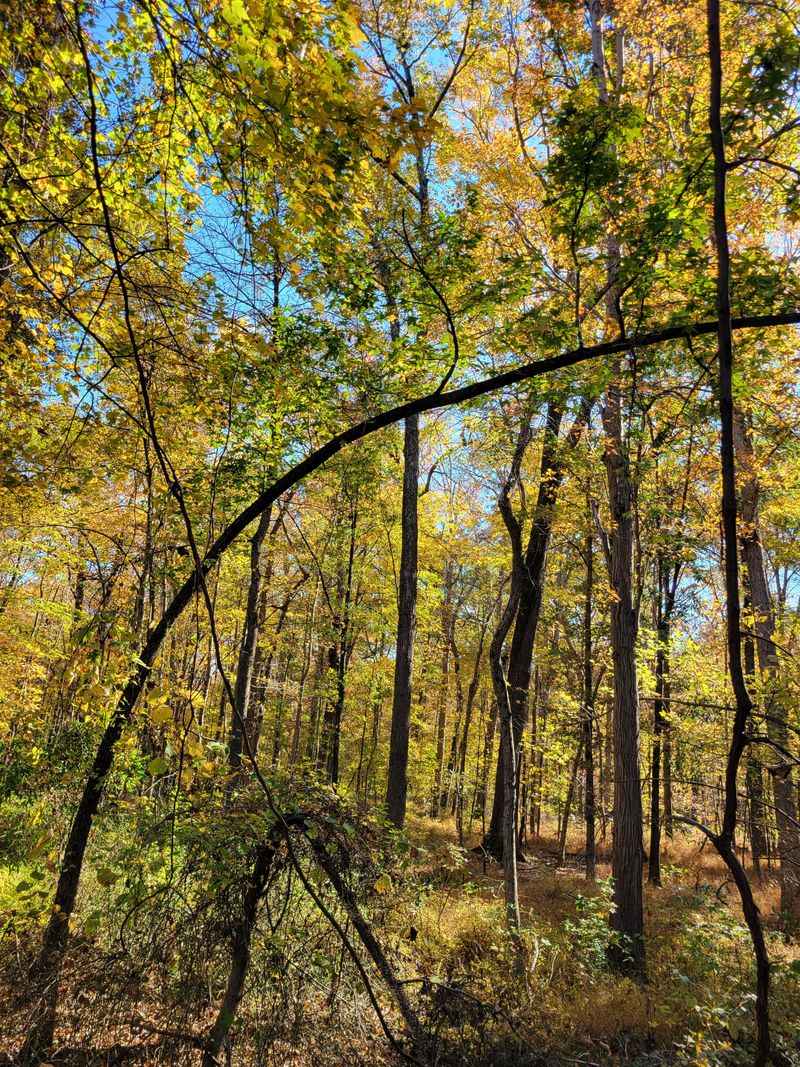
Beyond the wetlands, Huntley Meadows Park offers wooded trails that wind through mature forests filled with towering trees.
These shaded paths provide a cooler alternative during hot summer days when the open boardwalk can feel warm under direct sunlight.
The forest trails showcase a different side of the park, with hardwood trees creating a canopy overhead and ferns carpeting the forest floor.
Hikers appreciate the quiet atmosphere, where the crunch of leaves underfoot and occasional birdcalls create a soothing soundtrack.
Unlike the wetland boardwalk, these trails allow visitors to bring dogs on leashes, making them popular with pet owners seeking nature walks.
The forest ecosystem supports different wildlife than the marsh, including woodpeckers, squirrels, and various songbirds that prefer tree cover.
Trail markers help prevent anyone from getting lost, though the paths are straightforward enough that navigation rarely poses a challenge.
Fallen logs and natural debris along the trails demonstrate the park’s commitment to maintaining a natural environment rather than overly manicured landscapes.
Autumn transforms the forest into a spectacular display of reds, oranges, and yellows that rival any scenic drive.
Winter walks reveal the park’s structure without the dense foliage, offering clear views deeper into the woods.
The trails connect to the boardwalk system, allowing visitors to experience both wetland and forest habitats in a single visit.
For those seeking solitude, the forest trails often feel less crowded than the popular boardwalk areas.
The Helpful Visitor Center and Educational Resources
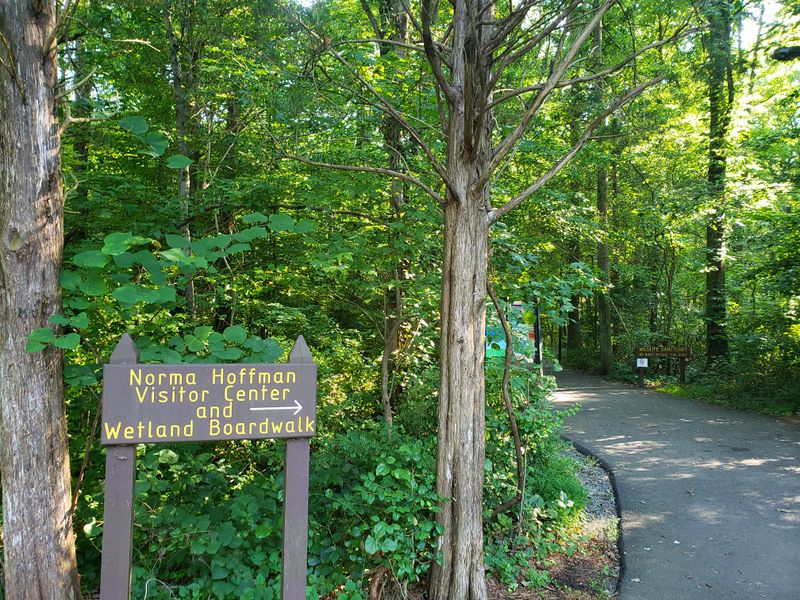
Before heading out on the trails, many visitors stop at the small but informative visitor center located near the parking area.
Staff members and volunteers greet guests with friendly smiles and helpful advice about what to look for during different seasons.
The center houses displays about the park’s ecosystem, including information about wetland formation, native plants, and resident wildlife species.
Children enjoy the hands-on exhibits that make learning about nature interactive and fun rather than feeling like a classroom lesson.
Trail maps are available at the center, though most people find the park easy to navigate without constant reference to printed guides.
Restrooms inside the visitor center provide a convenient option before starting your walk, with additional facilities available along the trails.
The center also serves as a starting point for educational programs offered through the county park system, including evening bat walks and birding workshops.
Volunteers passionate about conservation often share their knowledge with curious visitors, pointing out seasonal highlights or recent wildlife sightings.
A small selection of field guides and nature-related items helps visitors identify what they see during their exploration.
The building itself maintains a low profile, designed to blend with the natural surroundings rather than dominate the landscape. During extreme weather, the visitor center offers a brief respite before or after trail walks.
The address is 3701 Lockheed Blvd, Alexandria, VA 22306, making it easy to find with GPS navigation.
Observation Towers for Panoramic Wetland Views
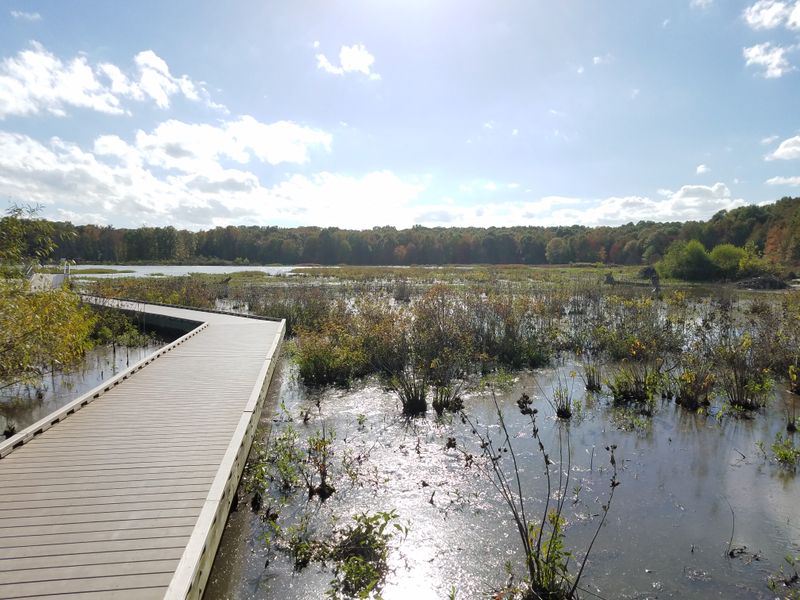
Several observation towers rise above the boardwalk, offering elevated perspectives that reveal the true scale of the wetlands.
Climbing the stairs rewards visitors with sweeping views across the marsh, where open water meets dense vegetation in a patchwork of habitats.
From these vantage points, you can spot wildlife that might be hidden from ground level, including distant herons fishing or beavers swimming far from the boardwalk.
Photographers value the towers for capturing wide-angle shots that show the wetland ecosystem in its entirety.
Benches at the top of some towers invite visitors to sit and simply absorb the scenery, making them perfect spots for quiet reflection.
The towers provide excellent locations for sunrise or sunset viewing when light transforms the water into mirrors reflecting colorful skies.
During migration seasons, birdwatchers use the height advantage to scan for species passing through the area.
The structures are sturdy and well-maintained, though they are not wheelchair accessible due to the stair requirements.
On clear days, the views extend far enough to make you forget that busy roads and buildings exist just beyond the park boundaries. The towers also serve as landmarks that help orient visitors navigating the boardwalk system.
Interpretive signs near some towers explain what you are seeing, identifying common plants and describing wetland ecology.
These elevated platforms transform a simple walk into an immersive experience where you can appreciate both details and the bigger picture of this Virginia treasure.
Seasonal Changes That Transform the Landscape
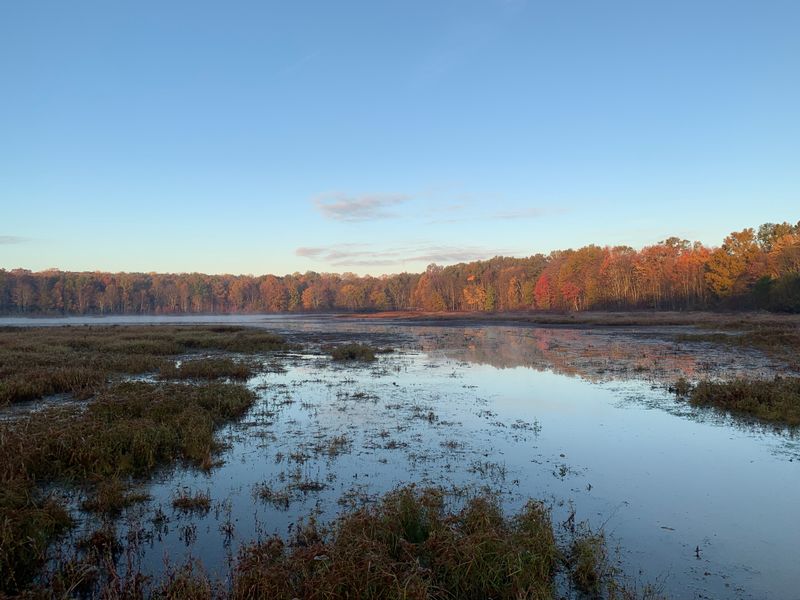
Each season brings dramatic changes to Huntley Meadows Park, ensuring that no two visits feel exactly the same.
Spring awakens the wetlands with an explosion of life as migrating birds return, frogs begin their mating calls, and wildflowers bloom along the trails.
Mallow roses burst into pink blooms during summer, creating stunning natural displays that photographers rush to capture.
The warmer months also bring lush green vegetation that sometimes grows so thick it creates natural curtains along the boardwalk.
Autumn paints the forest in warm colors while the marsh grasses turn golden, creating beautiful contrasts against blue skies and dark water.
Cooler fall temperatures make hiking more comfortable, and the reduced foliage allows better wildlife viewing through the thinning vegetation.
Winter reveals the park’s bones, with bare trees standing stark against grey skies and ice occasionally forming along the water’s edges.
Snow transforms the landscape into a scene that visitors compare to magical winter wonderlands, quiet and pristine.
Heavy rainfall causes water levels to rise dramatically, changing the character of the wetlands and creating rushing flows that ducks and geese enjoy.
Seasonal programs at the park help visitors understand these changes and learn what to look for during different times of year.
The ever-changing nature of the park means that regular visitors develop a deeper appreciation for natural cycles and ecological rhythms.
No matter when you visit this Virginia destination, the season adds its own special character to the experience.
Photography Opportunities at Every Turn
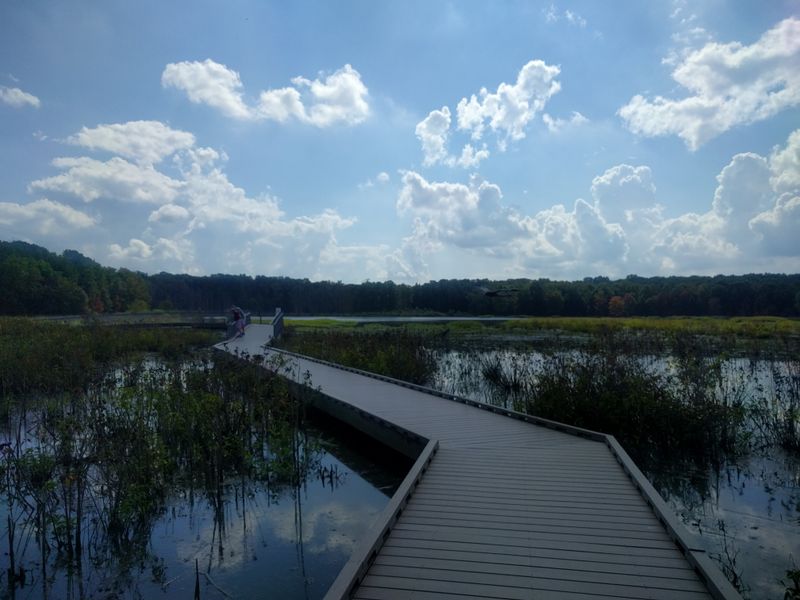
Huntley Meadows Park has earned a reputation as a paradise for photographers of all skill levels.
The combination of accessible boardwalks, diverse wildlife, and beautiful scenery creates endless opportunities for capturing stunning images.
Wildlife photographers arrive early in the morning when animals are most active and the light is soft and golden.
The boardwalk provides stable platforms for setting up tripods and waiting patiently for the perfect shot of a heron catching fish or a turtle emerging from the water.
Macro photographers find abundant subjects in the form of dragonflies, butterflies, wildflowers, and interesting fungi growing on decaying logs.
Landscape photographers appreciate the reflections in still water, the patterns created by marsh grasses, and the interplay of light and shadow through the forest canopy. The observation towers offer elevated angles that add drama to wide-angle compositions.
Seasonal changes provide constantly rotating subject matter, from ice patterns in winter to blooming flowers in spring.
Other photographers you encounter along the trails often share tips about recent sightings or particularly photogenic spots.
The park’s natural lighting conditions vary throughout the day, with morning mist creating atmospheric effects and late afternoon sun casting warm glows across the wetlands.
Both amateur photographers with smartphones and professionals with expensive gear find rewarding subjects at Huntley Meadows.
The relaxed pace of the park allows time to set up shots carefully rather than rushing from one location to another.
Family-Friendly Nature Education Experiences
Huntley Meadows Park serves as an outdoor classroom where families can introduce children to the natural world.
The easy trails and boardwalks make the park accessible for young children who might struggle with more challenging hikes.
Kids become excited when they spot turtles, frogs, or colorful birds, creating memorable experiences that foster lifelong appreciation for nature.
The visitor center offers educational materials designed to help children learn about wetland ecosystems in engaging ways.
Scavenger hunt activities encourage kids to look carefully at their surroundings and notice details they might otherwise miss.
Parents appreciate that the park provides a safe environment where children can explore without the dangers present in more rugged wilderness areas.
The boardwalk’s design allows strollers to navigate easily, making the park accessible even for families with very young children.
Seeing tadpoles develop into frogs or watching beavers build dams teaches children about animal behavior and life cycles in ways that books cannot match.
The park’s proximity to Alexandria means families can visit for just a few hours without requiring a full day commitment.
Educational programs offered through the park system provide structured learning opportunities for different age groups.
Volunteers and staff members patiently answer children’s questions, nurturing curiosity about the natural world.
The park demonstrates that incredible nature experiences do not require traveling to distant national parks, making environmental education accessible to local Virginia families.
Conservation Success in an Urban Setting
The existence of Huntley Meadows Park represents a significant conservation achievement in the midst of suburban development.
Surrounded by buildings, roads, and residential neighborhoods, the park preserves a vital wetland ecosystem that might otherwise have been lost to development.
The wetlands serve important ecological functions, including flood control, water filtration, and providing habitat for species that have disappeared from other areas.
Beavers have returned to the park and actively modify the landscape, creating ponds and wetland expansions that benefit numerous other species.
The park demonstrates how protected natural areas can thrive even when surrounded by human development.
Native plant restoration efforts help maintain the health of the ecosystem and support the insects, birds, and animals that depend on these plants.
Visitors gain an appreciation for wetland conservation when they see firsthand the incredible biodiversity these habitats support.
The park serves as a living laboratory where researchers study wetland ecology and monitor wildlife populations.
Educational programs at the park teach visitors about the importance of wetlands and inspire conservation efforts beyond the park boundaries.
The success of Huntley Meadows proves that urban and suburban communities can coexist with thriving natural areas when proper protection and management are in place.
Future generations of Virginia residents will benefit from the foresight that preserved this special place.
The park stands as a model for how communities can balance development with environmental stewardship.
Practical Information for Planning Your Visit
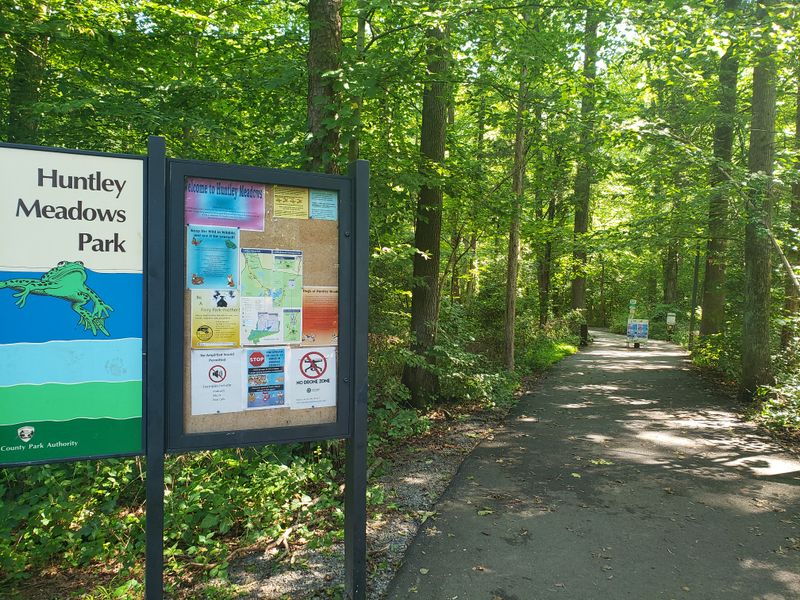
Huntley Meadows Park welcomes visitors throughout the week, with gates opening early in the morning to accommodate sunrise enthusiasts. The park typically closes in the evening, with hours adjusting seasonally to match daylight availability.
Parking is free, though the lot can fill up during peak times like weekend mornings in spring and fall when wildlife viewing is at its best.
Arriving early helps secure a parking spot and provides the best wildlife viewing opportunities before afternoon heat reduces animal activity.
The park does not charge admission fees, making it an affordable destination for families and individuals seeking outdoor recreation.
Visitors should wear comfortable walking shoes suitable for boardwalks and natural trails, though the paths do not require specialized hiking boots.
Bringing binoculars enhances the experience by allowing closer views of distant birds and other wildlife.
Water bottles and snacks are recommended, though the park asks visitors to carry out all trash to maintain the pristine environment.
Dogs are welcome on some trails but not permitted on the boardwalk to minimize disturbance to sensitive wetland wildlife.
The park discourages visitors from leaving valuables visible in vehicles, as break-ins have occasionally been reported in the parking area.
Cell phone service is generally available, though some areas of the trails may have weak signals.
Contact the park at 703-768-2525 for current conditions or visit their website for updates about trail closures or special programs.
Dear Reader: This page may contain affiliate links which may earn a commission if you click through and make a purchase. Our independent journalism is not influenced by any advertiser or commercial initiative unless it is clearly marked as sponsored content. As travel products change, please be sure to reconfirm all details and stay up to date with current events to ensure a safe and successful trip.
