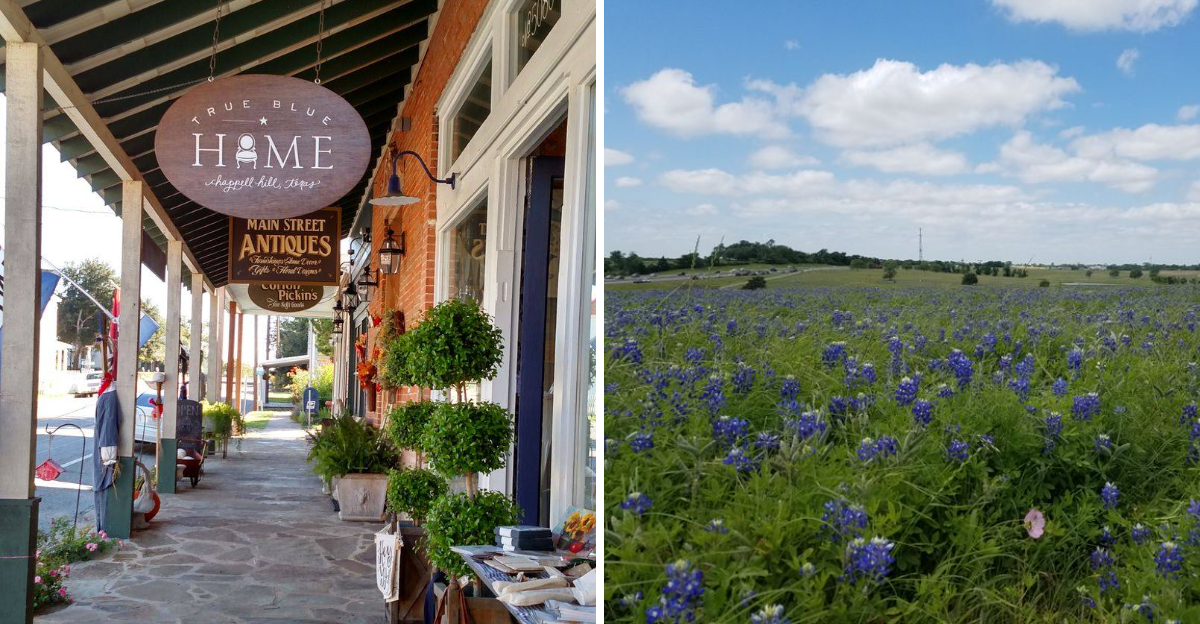
Chappell Hill is one of those places that made me slow down without even realizing it. I drove in and immediately felt the pace change, with quieter roads, old buildings that look like they have been there forever, and open countryside stretching out in every direction.
Visiting in spring meant bluebonnets everywhere, lining the roads and filling the fields, making it hard not to pull over every few minutes just to look around. I spent most of my time wandering, taking photos, and watching other people do the same, all without the town ever feeling crowded or rushed.
Knowing this area sits inside Stephen F. Austin’s original colony adds a layer of history, but it never feels heavy.
For me, it just made the whole experience feel more grounded, like this is a place that knows exactly what it is and does not need to rush to be anything else.
Wildflower Photography Opportunities
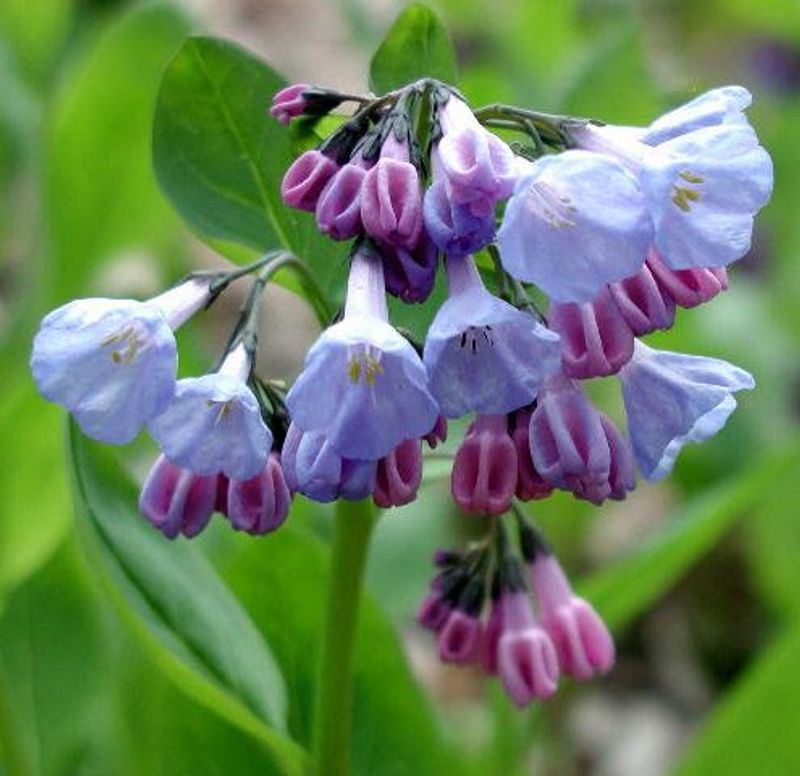
If you love photography, Chappell Hill in spring is basically paradise. The wildflowers create natural compositions everywhere you look, from roadsides to open fields to the spaces between old fences.
I brought my camera expecting good shots but wasn’t prepared for just how photogenic every corner of this area would be. The mix of bluebonnets, Indian paintbrush, and other native wildflowers creates layers of color that change with the light throughout the day.
Early morning offers soft, golden light that makes the flowers seem to glow from within. I found myself pulling over constantly, unable to resist another perfect scene.
The rural landscape provides endless variety too, with old barns, weathered fences, and historic churches serving as backdrops. One of my favorite spots was near the cemetery, where ancient oak trees frame wildflower meadows in a way that feels almost painterly.
Local photographers know the best locations and times, and I noticed several leading small groups through prime shooting spots during my visit. Even if you’re just using a phone camera, you’ll capture images worth sharing.
The key is patience and willingness to explore the back roads, where the most stunning displays often hide away from main thoroughfares.
Country Roads and Scenic Drives
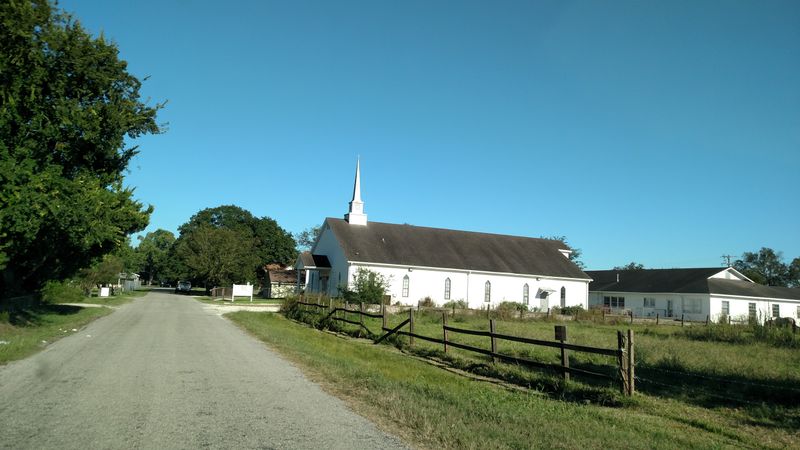
Some of my best memories from Chappell Hill came from simply driving the country roads that web through the area. These aren’t highways or even major routes, just two-lane farm roads that wind through fields, past old homesteads, and over gentle hills.
Spring transforms these roads into corridors of color, with wildflowers creating natural borders that seem to stretch forever. I found myself driving slowly, windows down, breathing in the fresh air and taking in views that felt quintessentially Texan.
The roads connect small communities and farmsteads, offering glimpses into rural life that many people rarely see. I passed cattle grazing in pastures, horses standing under shade trees, and old barns that have weathered decades of Texas seasons.
Each turn revealed something new, whether it was a particularly stunning wildflower display or an unexpected historical marker explaining some piece of local history.
What makes these drives special is the sense of discovery. There’s no set route or must-see destination, just the freedom to explore and see where curiosity leads.
I recommend bringing a good map or GPS because cell service can be spotty, but getting a little lost is part of the charm. The peaceful solitude and natural beauty make these country roads the perfect antidote to busy city life.
Historic Main Street Charm
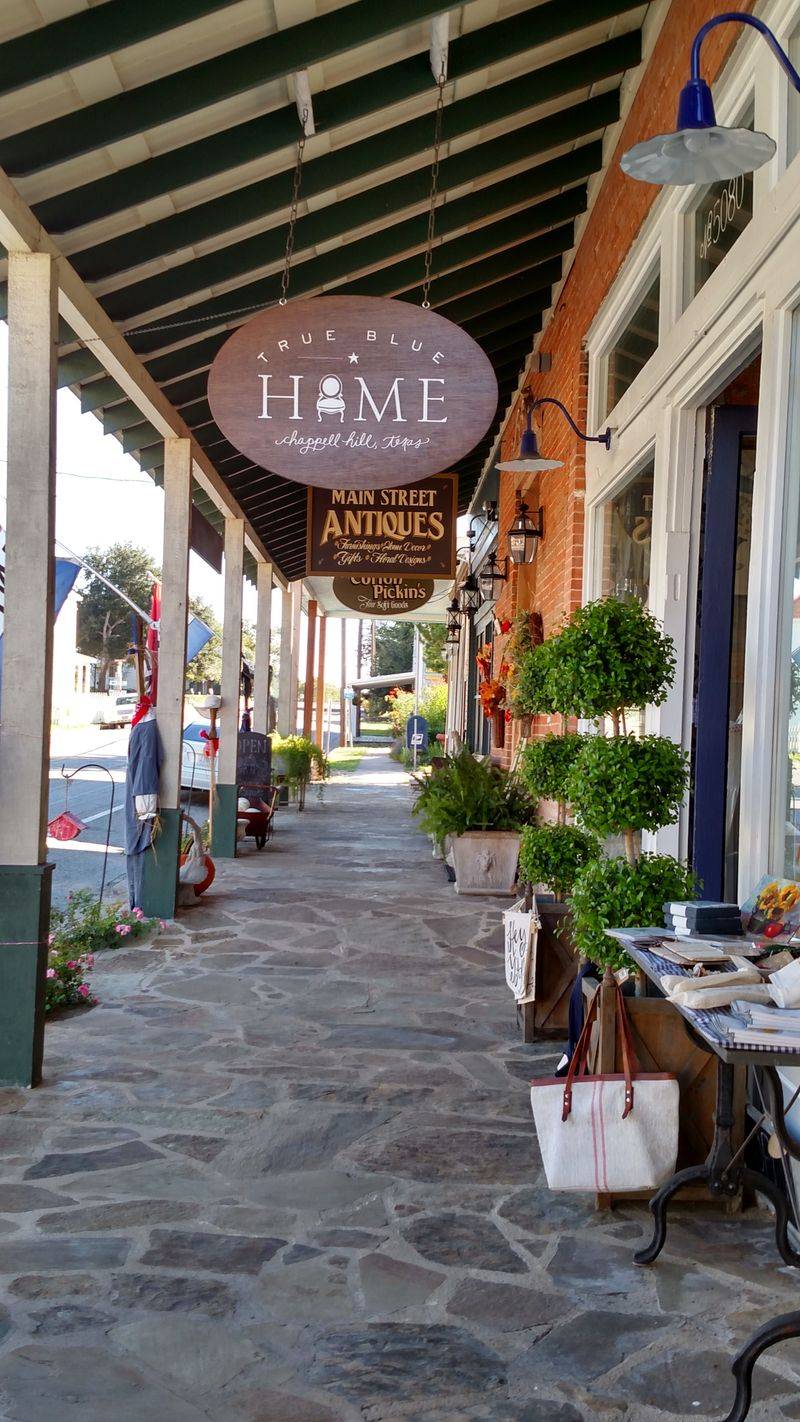
Walking down Chappell Hill’s main street feels like stepping into a different era, one where things moved slower and neighbors knew each other by name. The buildings here date back to the 1800s, and many have been carefully restored to preserve their original character.
I noticed the detailed woodwork on the storefronts, the old-fashioned window displays, and the way sunlight hit the weathered brick in the late afternoon.
Several antique shops line the street, each packed with treasures from generations past. I spent an hour browsing through vintage furniture, old photographs, and collectibles that told stories of Texas families who lived here long before me.
The shop owners were friendly and knowledgeable, happy to share the history behind certain pieces or point me toward hidden gems.
There’s also a general store that’s been operating for decades, selling everything from local honey to handmade quilts. What struck me most was how the town has managed to preserve these buildings without turning them into tourist traps.
They’re functional, lived-in spaces that serve the community while welcoming visitors. Spring brings fresh paint and flower boxes to many storefronts, adding splashes of color that complement the natural beauty surrounding the town.
Bluebonnet Festival Magic
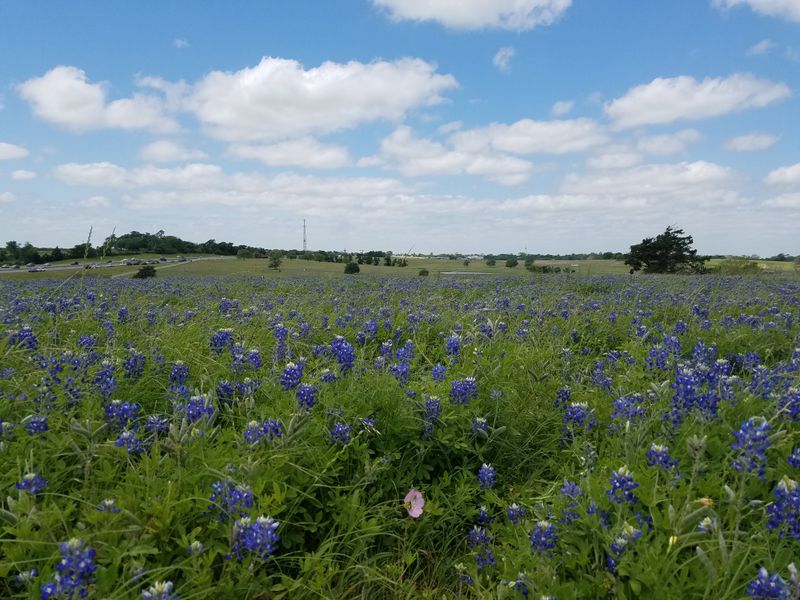
Every April, Chappell Hill hosts one of the most beloved wildflower festivals in Texas, and it’s easy to see why. The Bluebonnet Festival brings thousands of visitors to this quiet town, filling the streets with craft vendors, food stalls, and live music.
I wandered through rows of handmade jewelry, woodwork, and local art, each booth run by artists who seemed genuinely happy to chat about their work.
What makes this festival different from bigger city events is the atmosphere. There’s no rush, no overwhelming crowds pushing you along.
Families spread out blankets under oak trees, kids chase each other through the grass, and everyone seems content to just be there. The bluebonnets themselves are the real stars, carpeting the roadsides and fields in waves of purple and blue that seem almost too perfect to be real.
I watched parents pose their children among the flowers, cameras clicking away, capturing that classic Texas spring moment. The festival also features a parade, antique tractor displays, and plenty of homemade treats.
It’s the kind of event that reminds you why small towns matter, where community spirit isn’t just a phrase but something you can actually feel in the air around you.
St. Paul Lutheran Church
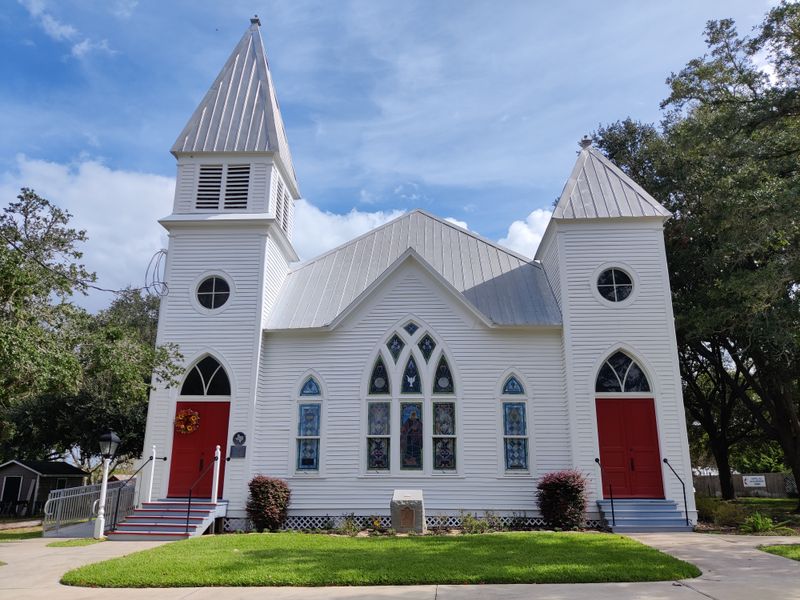
One of Chappell Hill’s most photographed landmarks, St. Paul Lutheran Church stands as a beautiful reminder of the area’s German heritage. The white wooden structure with its tall steeple looks especially striking in spring when wildflowers bloom all around the property.
I visited on a weekday afternoon and found the grounds peaceful and welcoming, with well-maintained gardens and historical markers explaining the church’s significance.
Built in the 19th century, this church served German immigrant families who settled in Washington County seeking religious freedom and new opportunities. The architecture reflects traditional German Lutheran style, simple yet elegant, with attention to craftsmanship visible in every detail.
Inside, the sanctuary maintains much of its original character, with wooden pews and period fixtures that transport you back in time.
What I appreciated most was how the church remains an active part of the community rather than just a historical site. Services still take place here, and the congregation maintains the building with obvious care and pride.
The surrounding cemetery contains graves dating back generations, telling stories of families who helped build this community. During spring, the combination of historic architecture and natural beauty creates scenes that photographers and history enthusiasts both treasure.
Local Artisan Community
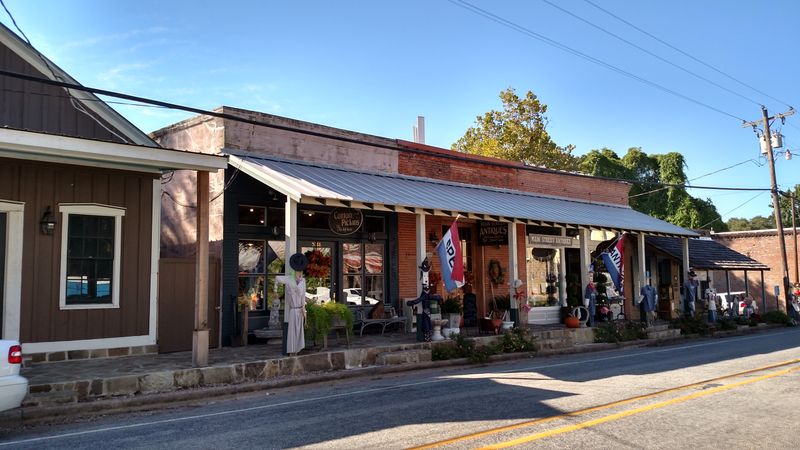
Chappell Hill supports a thriving community of artisans and craftspeople who create everything from pottery to paintings to handmade furniture. I discovered this aspect of the town somewhat by accident, wandering into a small gallery tucked into one of the historic buildings on Main Street.
Inside, I found work by local artists who draw inspiration from the surrounding landscape and the town’s rich history. The quality surprised me, these weren’t tourist souvenirs but genuine artistic expressions with skill and vision behind them.
Several artists maintain studios in and around Chappell Hill, and some welcome visitors by appointment. I met a woodworker who crafts furniture using traditional techniques passed down through generations, and a painter whose landscapes captured the subtle beauty of Texas in ways that felt both familiar and fresh.
The spring season brings additional opportunities to meet these creators, as many participate in the Bluebonnet Festival and other local events.
What impressed me was how the artistic community integrates with the town rather than existing separate from it. These aren’t outsiders who moved in seeking inspiration, but often people with deep roots here who express their connection to place through their work.
Supporting local artisans means taking home something with genuine story and soul, far more meaningful than mass-produced items.
Historic Cemeteries and Stories
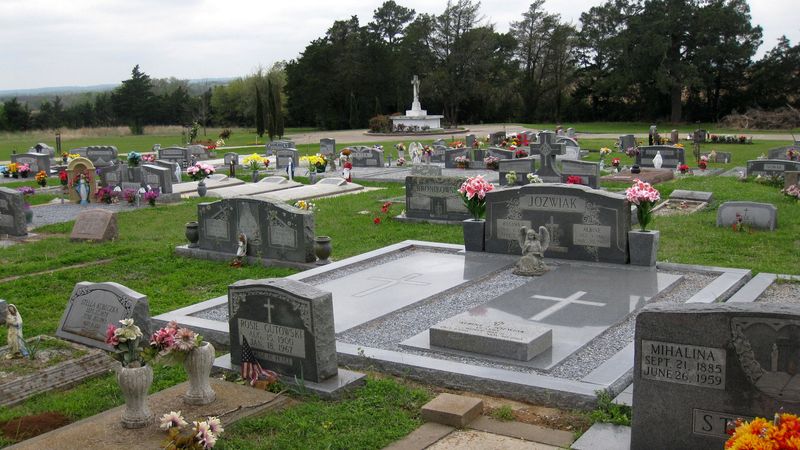
History comes alive in unexpected ways when you walk through Chappell Hill’s historic cemeteries. I’m not usually someone who seeks out graveyards, but these spaces tell compelling stories about the people who built this community.
The headstones date back to the early days of Anglo settlement in Texas, with names and dates that span generations of the same families. Spring brings wildflowers that grow naturally among the graves, creating a sense of peace rather than sadness.
I spent time reading inscriptions, noting the ages and relationships, imagining the lives these stones represent. Many graves belong to German immigrants who arrived in the mid-1800s, seeking new opportunities in Stephen F.
Austin’s colony. Others mark the resting places of Civil War veterans, pioneer women who raised families on the frontier, and children who died young in an era before modern medicine.
Each stone is a doorway into the past, a reminder of the courage and hardship that built Texas.
The cemeteries are well-maintained, with clear paths and informational signs explaining their historical significance. Local historical societies work hard to preserve these spaces and document the stories they contain.
Visiting during spring adds natural beauty to the experience, with bluebonnets and other wildflowers creating colorful tributes to those who came before.
Farm-to-Table Dining Experiences
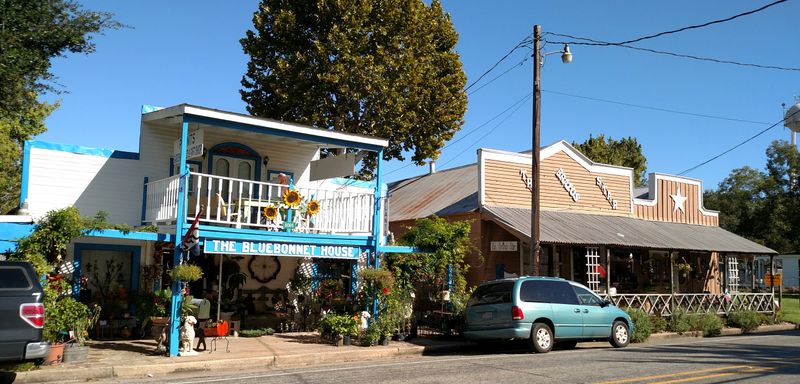
Finding good food in small Texas towns can be hit or miss, but Chappell Hill offers some surprisingly excellent dining options that emphasize local ingredients and home-style cooking.
I ate at a family-run restaurant where everything tasted fresh and made with care, the kind of meal that reminds you what real food should taste like.
The menu featured seasonal vegetables from nearby farms, meats from local ranchers, and recipes passed down through generations.
What makes dining here special is the connection to place. The ingredients come from the same land you’ve been admiring all day, and often the people serving you can tell you exactly which farm provided the tomatoes or which neighbor raised the beef.
This isn’t farm-to-table as a trendy marketing concept but as a practical reality of rural life. I tried chicken-fried steak that was perfectly crispy, sides that tasted like someone’s grandmother made them, and desserts that were worth every calorie.
Several establishments in and around Chappell Hill operate seasonally or on limited schedules, so checking ahead is smart. Spring brings special menus that take advantage of fresh produce and the influx of festival visitors.
The dining atmosphere tends to be casual and welcoming, with friendly service that makes you feel like a regular even on your first visit.
Antique Shopping Adventures
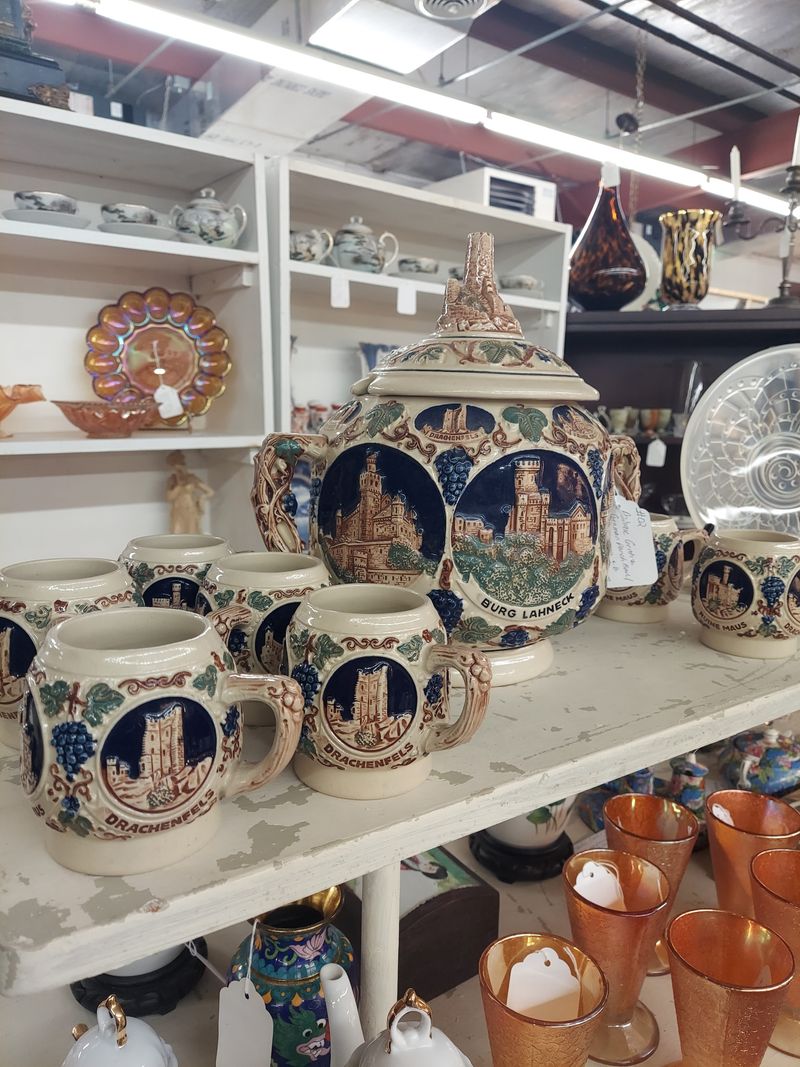
Antique enthusiasts will find plenty to explore in Chappell Hill’s several well-stocked shops. I’m not typically a big antique shopper, but I found myself drawn into these stores by their sheer variety and the quality of items available.
One shop specialized in furniture, with pieces ranging from simple farmhouse tables to ornate Victorian dressers. Another focused on smaller collectibles, glassware, vintage clothing, and the kinds of quirky items that make you wonder about their original owners.
The dealers here are knowledgeable and passionate about their inventory, happy to discuss provenance and history. I learned about different furniture styles, pottery makers, and the evolution of everyday objects through different eras.
Prices seemed fair, especially compared to big-city antique districts, and the selection included both high-end pieces and affordable treasures. Spring brings additional shoppers due to the festival, but the stores never felt overcrowded during my visit.
What I enjoyed most was the treasure hunt aspect, never knowing what might turn up in the next corner or back room. I saw everything from antique farm tools to vintage jewelry to old photographs that captured moments from Texas history.
Even if you don’t buy anything, browsing these shops offers insight into how people lived in earlier times and what they valued enough to preserve.
Peaceful Retreat from City Life
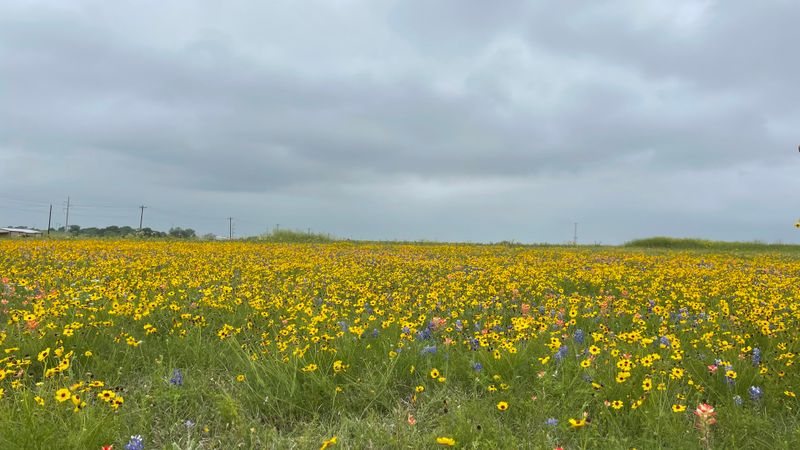
Perhaps the greatest gift Chappell Hill offers is something you can’t photograph or put in a guidebook, the sense of peace that comes from being somewhere truly quiet. I live in a city where noise and activity never really stop, so arriving here felt like my nervous system could finally relax.
The absence of traffic sounds, the slower pace, the way people have time to actually talk rather than rush past each other, all of it creates an atmosphere that feels healing.
Spring intensifies this peaceful quality because the natural beauty gives you reasons to simply sit and observe rather than constantly doing. I found myself stopping at roadside parks, turning off the engine, and just watching clouds move across the sky or listening to birds in the trees.
These moments of stillness felt valuable in a way that’s hard to explain, like my brain was finally getting a chance to rest from constant stimulation.
The town doesn’t offer elaborate entertainment or endless activities, and that’s exactly the point. Coming here means accepting a different rhythm, one that prioritizes being over doing.
For anyone feeling burned out or overwhelmed by modern life, Chappell Hill provides a reminder that peaceful places still exist, where spring arrives the same way it has for generations, beautiful and unhurried and worth the trip.
Dear Reader: This page may contain affiliate links which may earn a commission if you click through and make a purchase. Our independent journalism is not influenced by any advertiser or commercial initiative unless it is clearly marked as sponsored content. As travel products change, please be sure to reconfirm all details and stay up to date with current events to ensure a safe and successful trip.
