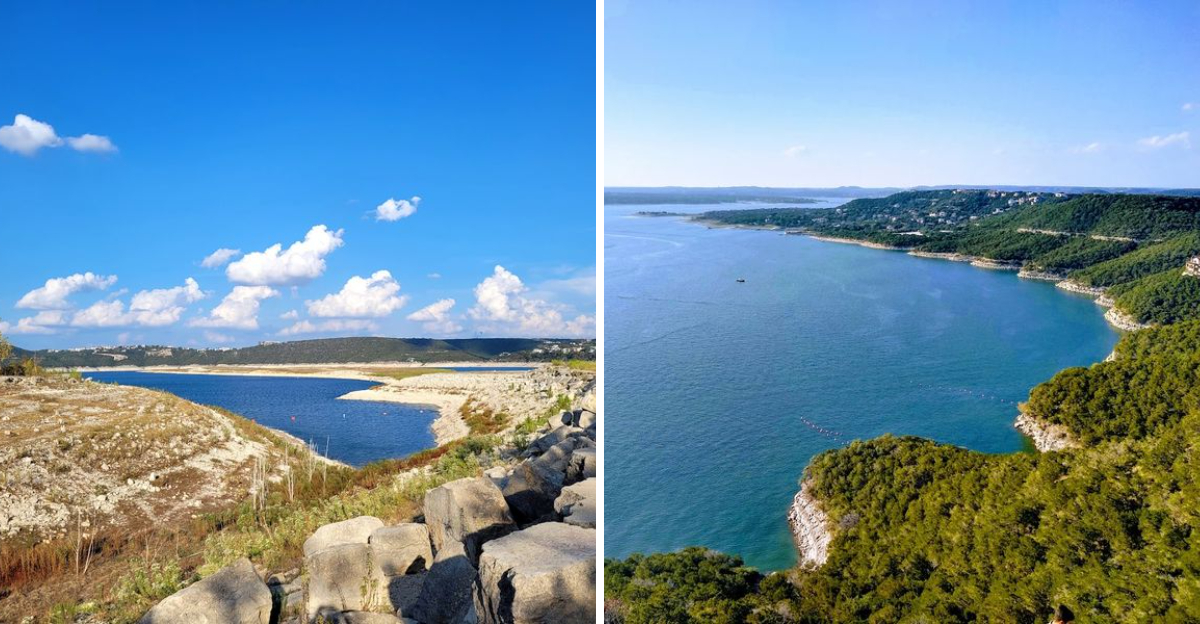
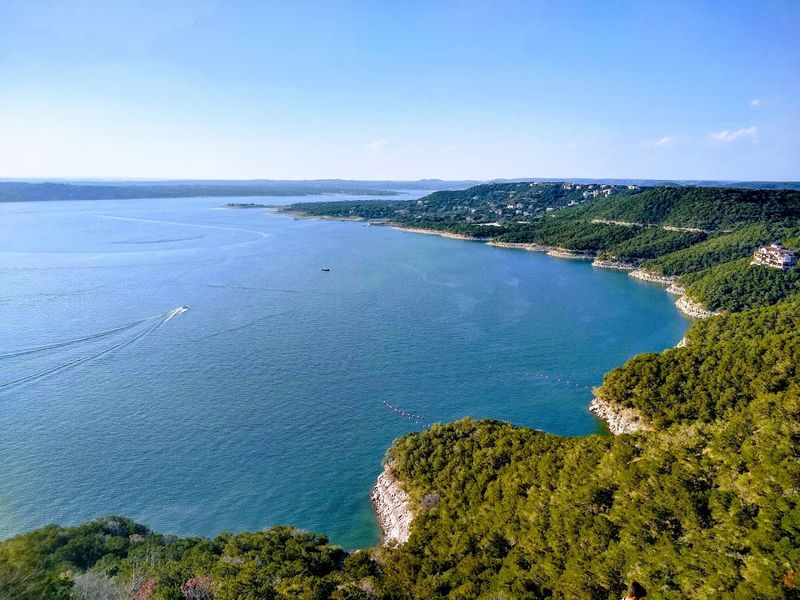
There is something about Lake Travis that grabs you the moment you round that last hill and catch your first glimpse of the water. The blue stretches out wider than you expect, and the Texas Hill Country rises up around it like a natural amphitheater built just for this view.
I drove out from Austin on a Saturday morning thinking I would have a quiet, easy day by the water. What I found instead was a lake buzzing with boats, packed parking lots, and families staking out every shady spot they could find.
It was still gorgeous, still worth every mile of those winding roads, but I understood right away why longtime locals have started shaking their heads. Lake Travis is one of Central Texas’s most beloved spots, and the secret has been well and truly out for a while now.
The Sheer Size of Lake Travis and Why It Still Feels Small on Weekends
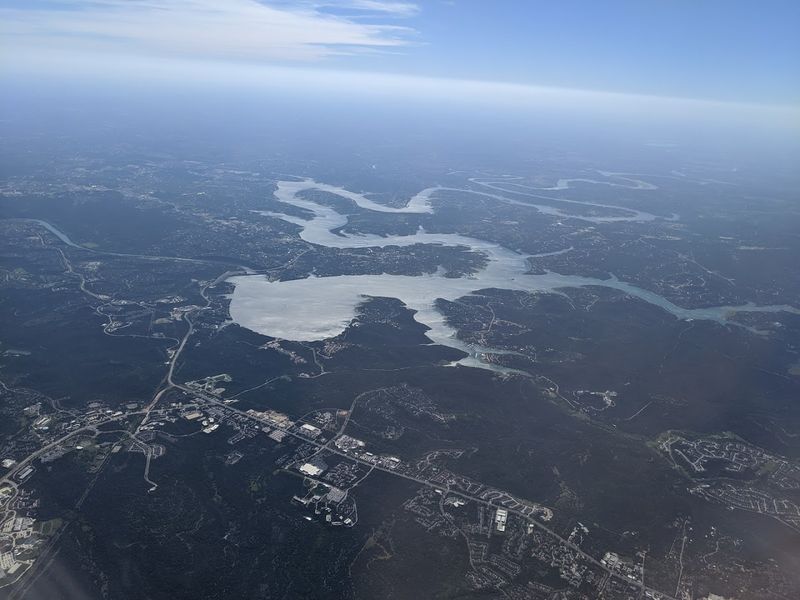
Spanning over 63 miles in length with roughly 271 miles of shoreline, Lake Travis sounds like a place where you would never feel crowded. The reservoir sits on the Colorado River, held back by Mansfield Dam, and it honestly looks enormous when you see it from a high vantage point for the first time.
But size does not always equal breathing room. On summer weekends and holiday stretches, every marina, every boat ramp, and every public swim area fills up faster than you would believe.
The lake can hold a massive number of watercraft, yet the popular coves and shallow swim spots get packed shoulder to shoulder by mid-morning.
Weekdays are a completely different experience. The water feels calmer, the parking lots have actual open spaces, and you can find a quiet stretch of shoreline without much effort.
Locals who have been coming here for years have quietly shifted their visits to Tuesday or Wednesday mornings just to reclaim some of that original magic. The lake itself has not changed.
The crowd around it absolutely has.
Mansfield Dam Park and the Crowds That Gather Below It
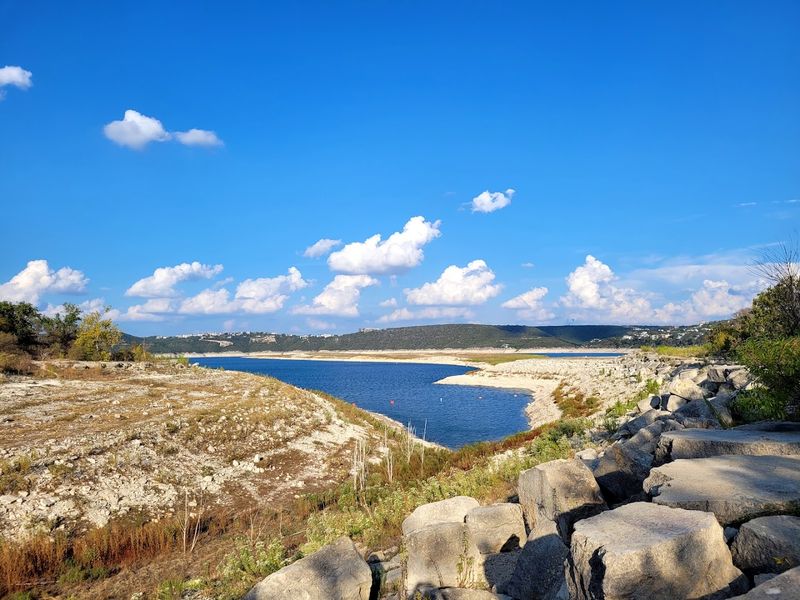
Mansfield Dam Park sits right at the edge of the dam that created Lake Travis back in 1942, and it draws a steady stream of visitors every single weekend. The park has a rocky shoreline that drops into surprisingly refreshing water, and on a hot Texas afternoon that combination is basically irresistible.
Shoes are a smart idea here since the rocks can be rough underfoot.
There is a playground for younger kids, open grassy areas for picnics, and enough space to spread out, at least on a slow day. During peak season though, the parking area fills up early and the swim areas get genuinely congested.
Families arrive before 9 a.m. just to claim a good spot near the water.
What makes this park worth visiting despite the crowds is the drama of the dam itself looming above the water. It gives the whole place a unique, almost industrial backdrop that you do not find at most lake parks.
Early fall visits tend to be the sweet spot, warm enough to swim but quiet enough to actually enjoy the scenery without bumping into someone every few steps.
The Oasis on Lake Travis and Its Famous Sunset Views

Perched on a cliff above Lake Travis, the Oasis is one of those places that earns its reputation every single evening right around sunset. The multi-level outdoor decks face west over the water, and when the sky starts turning gold and pink, it feels like the whole restaurant holds its breath for a moment.
A bell rings at sunset, and the crowd erupts in cheers every time.
The food here ranges from casual Texas fare to sit-down dinners, and the views alone justify the trip even if you just stop in for something simple. Shops and smaller eateries fill out the complex, making it easy to spend a couple of hours wandering around.
Getting a table on the outer decks during summer weekends requires patience and an early arrival. The wait can stretch long, but most people do not seem to mind because the scenery keeps everyone entertained.
Visiting on a weeknight in the shoulder season gives you almost the same sunset without the elbow-to-elbow crowd, and that version of the Oasis feels genuinely special in a way that the packed weekend version sometimes cannot quite match.
Address: 6550 Comanche Trail, Austin, TX 78732.
Boating on Lake Travis and the Increasing Traffic on the Water
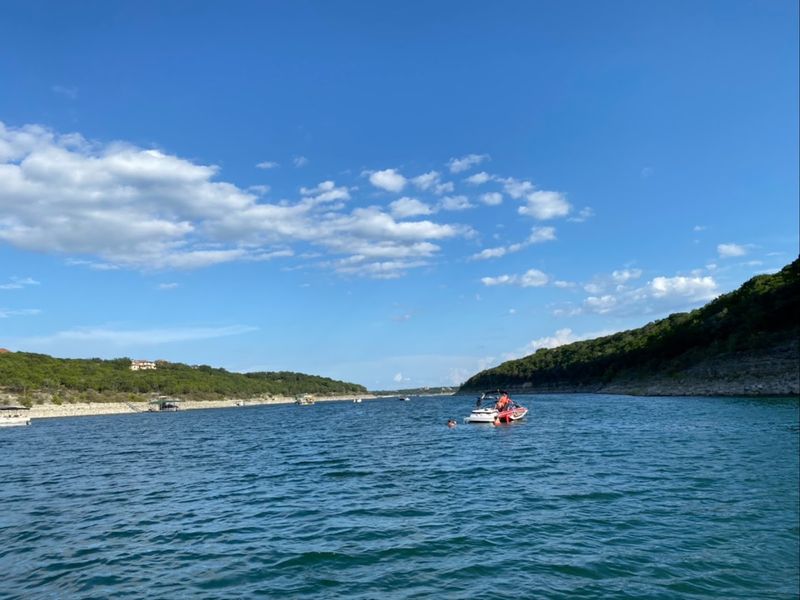
Getting out on the water at Lake Travis used to feel like an escape. The reservoir is deep enough for serious boating, and the Hill Country scenery rolling past on both sides gives the whole experience a cinematic quality that is hard to find anywhere else this close to a major city.
Rentals are available at several marinas if you do not have your own vessel.
The problem is that everyone else has figured this out too. Boat traffic on summer weekends has grown noticeably over the years, and navigating the popular coves requires real attention and patience.
Wake from passing boats can make anchoring in your favorite spot feel less relaxing than it used to.
Early mornings on weekdays remain the golden window. The water sits glassy and calm, the boat ramps are manageable, and you can cruise for long stretches without another vessel in sight.
Kayaks and paddleboards offer a slower, quieter way to experience the shoreline up close, especially in the narrower arms of the lake where motorized traffic naturally thins out. The lake rewards those who plan around the crowds rather than simply showing up and hoping for the best.
Swimming Spots Around the Lake and How to Find a Quiet One
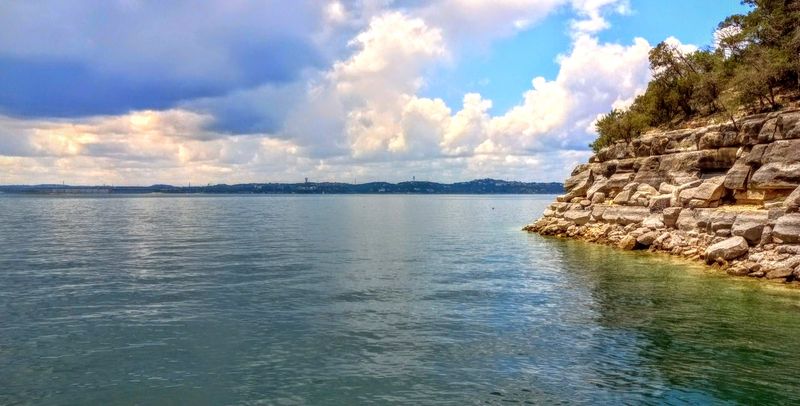
The water at Lake Travis runs surprisingly clear in the right conditions, and finding a good swimming spot used to be as simple as pulling over near the shoreline.
Limestone banks drop into cool water at dozens of points around the reservoir, and the natural scenery makes even a basic swim feel like a mini adventure.
The challenge now is that the best-known spots fill up fast. Places like Hippie Hollow Park, which is a county park along the north shore, attract consistent crowds on warm weekends.
Arriving early, before 8 a.m. if possible, is genuinely the difference between a peaceful morning swim and a crowded scramble for parking.
Some visitors have started exploring the less-publicized access points further from Austin to find calmer stretches of shore.
Water shoes are worth packing since the rocky bottom at many access points can be slippery and sharp. The water temperature stays refreshing well into September, which makes early fall one of the best times to visit for swimming.
Crowds thin out noticeably after Labor Day, and the lake often looks its most beautiful in that softer autumn light anyway, making the timing feel like a genuine reward for patience.
Camping Around Lake Travis and the Fight for a Good Site
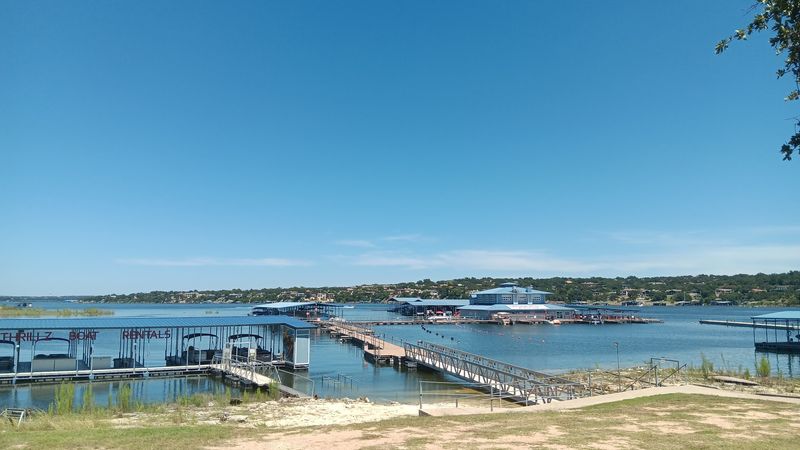
Camping near Lake Travis has always attracted people who want to combine outdoor adventure with easy access to Austin. Several parks and campgrounds ring the reservoir, offering everything from basic tent sites to RV hookups with views of the water.
Waking up to that Hill Country sunrise over the lake is the kind of thing that keeps people coming back year after year.
Reservations have become essentially mandatory for weekend stays during the warmer months. Spots at popular sites like Arkansas Bend Park fill up weeks in advance, and showing up without a booking during peak season often means turning around empty-handed.
That reality has frustrated longtime campers who remember when you could simply roll in on a Friday afternoon and find a site.
Weeknight camping still offers a more relaxed experience, and shoulder season visits in late September or October can feel almost like the old days.
The air cools down pleasantly after dark, the stars come out sharp and clear above the Hill Country, and the lake sounds different at night, quieter and somehow bigger.
Camping here during the off-peak window is one of the best ways to experience the lake the way locals remember it before the crowds arrived in full force.
Fishing on Lake Travis and What Anglers Are Noticing

Lake Travis has a solid reputation among anglers for largemouth bass, striped bass, and catfish. The deeper sections of the reservoir hold fish year-round, and the rocky points and submerged structure give them plenty of places to hide.
Fishing here early in the morning before the boat traffic picks up can feel genuinely peaceful, like the lake belongs just to you and the herons standing along the bank.
The growth in recreational boating has affected the fishing experience in noticeable ways. More wake, more noise, and more activity on the water pushes fish into less accessible areas and makes the popular bank fishing spots harder to enjoy on busy days.
Serious anglers have shifted their schedules to pre-dawn starts or weekday-only trips to work around the crowds.
Fall and winter fishing on Lake Travis tends to draw fewer casual visitors, which opens up better access to the productive spots. Striped bass fishing in particular picks up during cooler months when the fish become more active near the surface.
A fishing license is required for anyone 17 and older, and the Texas Parks and Wildlife Department website has current regulations and lake condition updates that are worth checking before any trip out to the water.
The Water Level Situation and How It Changes the Experience
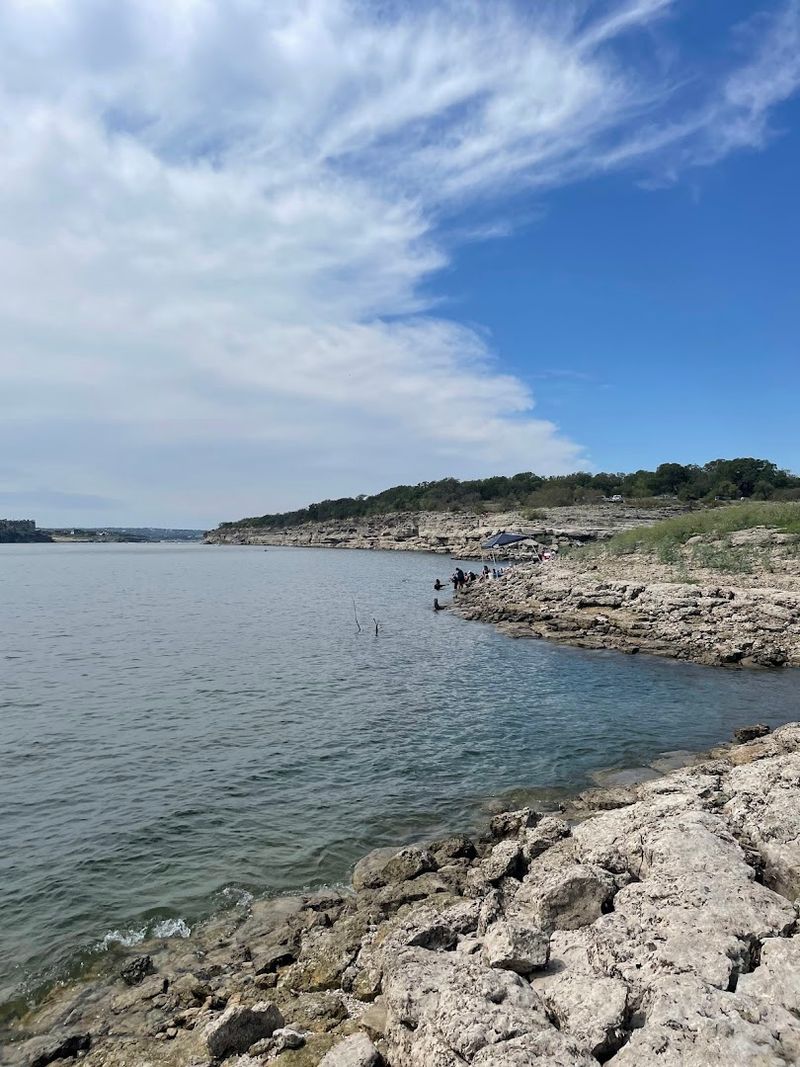
Lake Travis is a flood-control reservoir, which means its water level rises and falls depending on rainfall across the Colorado River watershed. In wet years the lake fills dramatically, covering shoreline features and pushing water right up to the banks.
In dry stretches the level can drop significantly, exposing pale limestone shelves and leaving boat docks sitting awkwardly above the waterline.
Visitors sometimes arrive expecting a full, glittering lake and find something that looks considerably smaller and rockier than the photos suggested. Checking the current lake level before planning a trip is genuinely useful, especially if boating or swimming is the main goal.
The Lower Colorado River Authority publishes regular lake level updates that take about thirty seconds to find online.
Interestingly, low water periods reveal an entirely different version of the lake. Exposed rock formations create natural wading areas, and the shoreline takes on a dramatic, almost otherworldly texture that photographers seem to love.
The crowds thin out when the water is low since casual visitors tend to stay away, which means those who do show up often get a surprisingly quiet experience. The lake in a low-water year has its own strange beauty that most people miss entirely.
Getting to Lake Travis and Navigating Those Wild Hill Country Roads
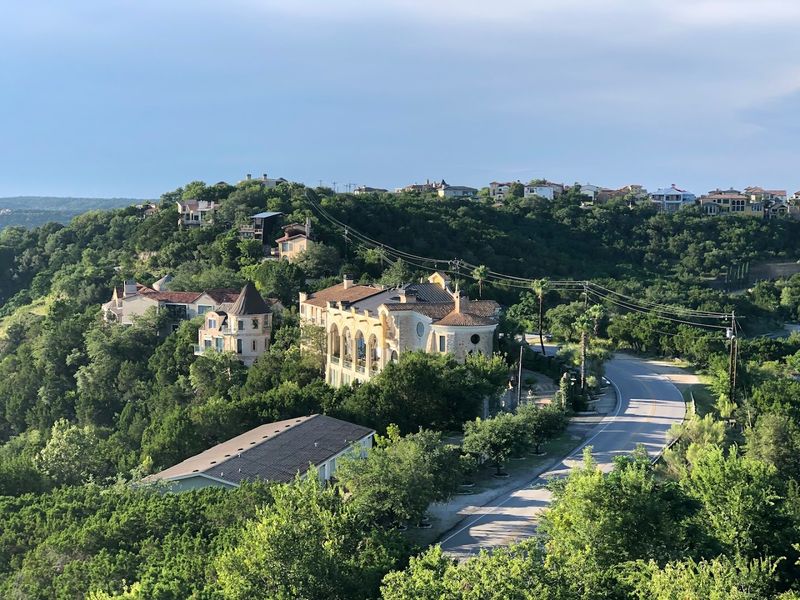
The drive out to Lake Travis from Austin is genuinely part of the experience, and not always in a comfortable way. The roads that wind through the Hill Country toward the lake are narrow, hilly, and full of sharp curves that catch first-time visitors off guard.
The scenery is beautiful, no argument there, but the driving demands real attention, especially when traffic backs up on summer weekends.
FM 620 and FM 2222 are the main arteries that most visitors use to reach the lake’s eastern and northern shores. Both roads can slow to a crawl on Saturday afternoons when everyone is heading home at the same time.
Locals who have been navigating these routes for years know the back roads and alternate exits, but visitors often end up stuck in the same bottlenecks.
Parking at the major access points fills up faster than most people expect. Arriving before 9 a.m. on weekends gives you a real advantage, and carpooling helps reduce the parking pressure at smaller parks that were not designed for today’s visitor numbers.
The lake is absolutely worth the drive and the traffic, but going in with a plan rather than just winging it makes the whole trip significantly more enjoyable from start to finish.
Why Locals Still Love Lake Travis Even as They Worry About Its Future
Ask someone who grew up around Lake Travis what they think about the crowds, and you will usually get a complicated answer. There is real affection for this place that goes deeper than a weekend trip.
Families have been coming here for generations, watching the water change with the seasons and the years, and that kind of connection does not disappear just because the parking lot is full.
The worry is real though. More development along the shoreline, more visitors every summer, and more strain on the infrastructure around the lake have created genuine conversations about how to protect what makes Lake Travis worth visiting in the first place.
Local conservation groups and the LCRA both work on water quality and access issues, but the pressure keeps growing alongside Austin’s population.
What keeps people coming back is something that is hard to put into words but easy to feel the moment you find a quiet spot on the water and watch the sun drop behind the hills. The lake still delivers that feeling, maybe not as easily as it once did, but it is still there.
Visiting with intention, respecting the environment, and choosing off-peak times is the best way to experience Lake Travis the way it deserves to be experienced.
Dear Reader: This page may contain affiliate links which may earn a commission if you click through and make a purchase. Our independent journalism is not influenced by any advertiser or commercial initiative unless it is clearly marked as sponsored content. As travel products change, please be sure to reconfirm all details and stay up to date with current events to ensure a safe and successful trip.
