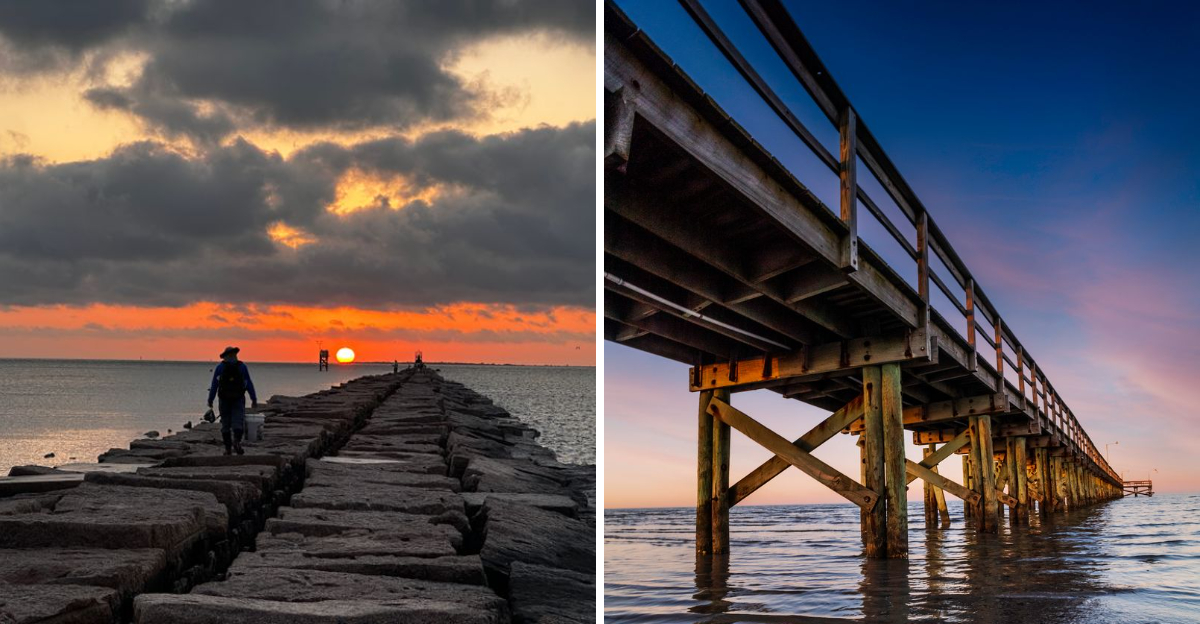
Driving into Port O’Connor feels like easing into a slower gear. Weathered boats rock gently in the harbor, bait shops sit close to the water, and the air carries that steady coastal breeze that never seems to rush.With fewer than a thousand residents, the town keeps things simple.
I spent most of my time watching boats come and go, chatting with locals who measure their days by tides instead of traffic, and letting the quiet settle in. There are no towering condos or packed boardwalks here.
Just fishing trips at sunrise, calm streets, and a sense that the place knows exactly what it wants to be. It is the kind of coast that feels real, the kind you hope stays exactly the way it is.
A Harbor That Still Works For A Living
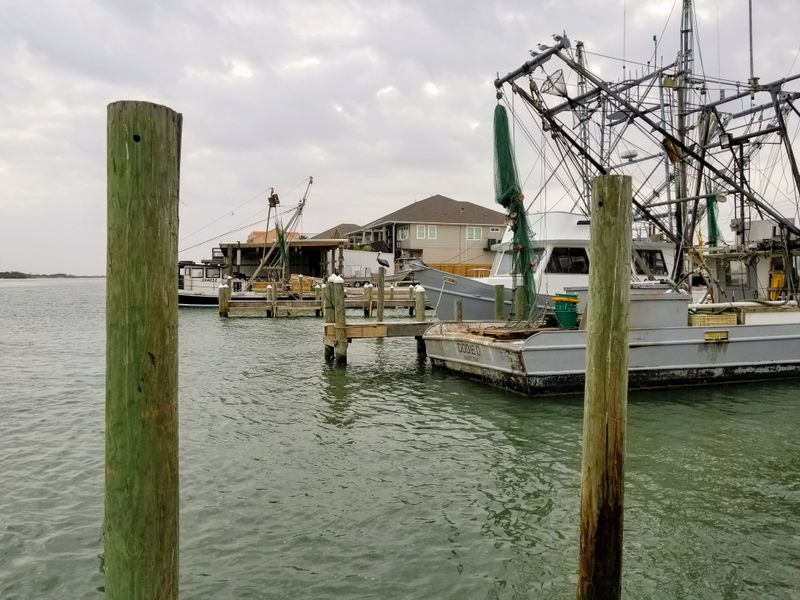
Walking along the harbor in Port O’Connor feels different from other coastal towns I’ve visited. The boats here aren’t just for show or weekend recreation.
They’re working vessels covered in nets, rigging, and the honest wear that comes from daily use on the Gulf waters.
Commercial fishing remains the heartbeat of this community, and you can see it in every detail. Fishermen start their days before sunrise, preparing gear and checking weather conditions with the kind of practiced routine that spans generations.
The docks smell like salt, diesel, and fresh catch, a combination that might not sound appealing but somehow fits perfectly here.
Local captains still know each other by name, and conversations about tide charts and fish runs happen naturally at the water’s edge. There’s no pretense or performance for visitors.
This is simply how Port O’Connor operates, the same way it has for decades.
Watching boats return in the afternoon with their hauls gives you a real appreciation for the work that sustains this village. The seafood restaurants here serve fish that was swimming in the Gulf just hours earlier, and that freshness makes every meal memorable.
Port O’Connor hasn’t abandoned its fishing heritage for tourism dollars, and that authenticity is increasingly rare along the Texas coast.
Bait Shops That Double As Community Centers
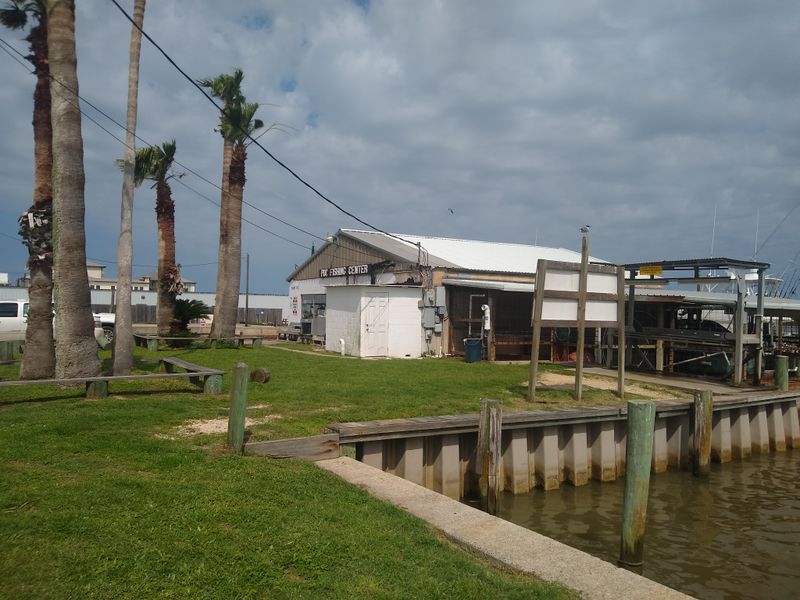
The bait shops in Port O’Connor serve a purpose beyond selling tackle and live shrimp. I discovered they function as unofficial gathering spots where locals exchange information, share fishing reports, and catch up on village news.
These aren’t sterile chain stores with corporate layouts.
They’re cluttered, lived-in spaces with personality in every corner. Faded photos of legendary catches line the walls, alongside hand-drawn maps marking productive fishing spots that regulars guard like family recipes.
The owners know their customers personally and can recommend specific lures based on what’s biting that particular week.
Spending time in these shops taught me more about Port O’Connor’s culture than any guidebook could. Conversations flow easily between strangers united by their love of fishing, and nobody seems in a hurry to leave.
Stories get swapped, techniques debated, and newcomers welcomed into the fold with genuine warmth.
The merchandise itself reflects practical needs rather than tourist trends. You’ll find serious fishing equipment chosen for effectiveness, not flashy packaging.
Everything from rod selections to bait options shows an understanding of local conditions and target species.
These shops represent something valuable that many coastal towns have lost. They’re authentic community spaces where relationships matter more than transactions, and where the old-school fishing village spirit stays alive through daily interactions.
Boat Launches Where Patience Still Matters
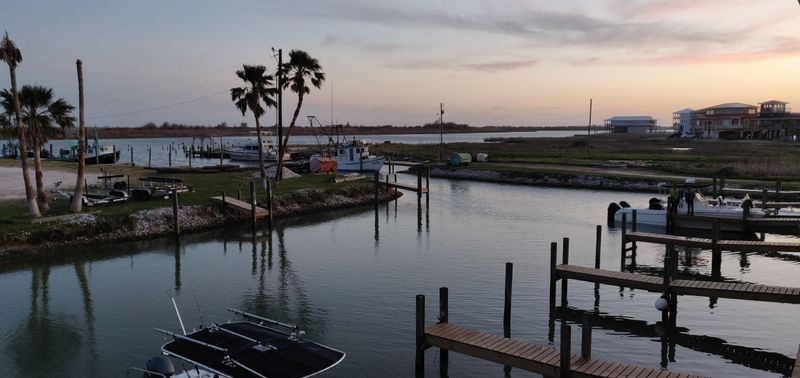
Using the boat launches in Port O’Connor requires a different mindset than busier coastal areas. There’s an unwritten code of courtesy that everyone seems to follow naturally.
People take their time, help each other with trailers, and nobody honks or complains about waiting a few extra minutes.
I watched this play out repeatedly during my visit. An older fisherman struggled slightly backing his trailer into position, and two younger guys immediately walked over to guide him without being asked.
That kind of automatic helpfulness defines the atmosphere here.
The launch facilities themselves are straightforward and functional rather than elaborate. They’re well-maintained by people who use them regularly and understand their importance to the community.
You won’t find fancy amenities or attendants, just solid ramps that do their job reliably.
Early mornings at the launches offer a glimpse into local routines. Regulars arrive in the pre-dawn darkness, moving through their preparations with quiet efficiency.
There’s a peaceful quality to these moments, watching boats slip into the water one by one as the sky gradually lightens.
What struck me most was the absence of stress or competition. Everyone gets their turn, and the shared understanding that fishing is supposed to be relaxing extends even to the launching process.
Port O’Connor’s boat ramps embody the patient, unhurried character that makes this village special.
Fishing Guides Who Learned From Their Fathers
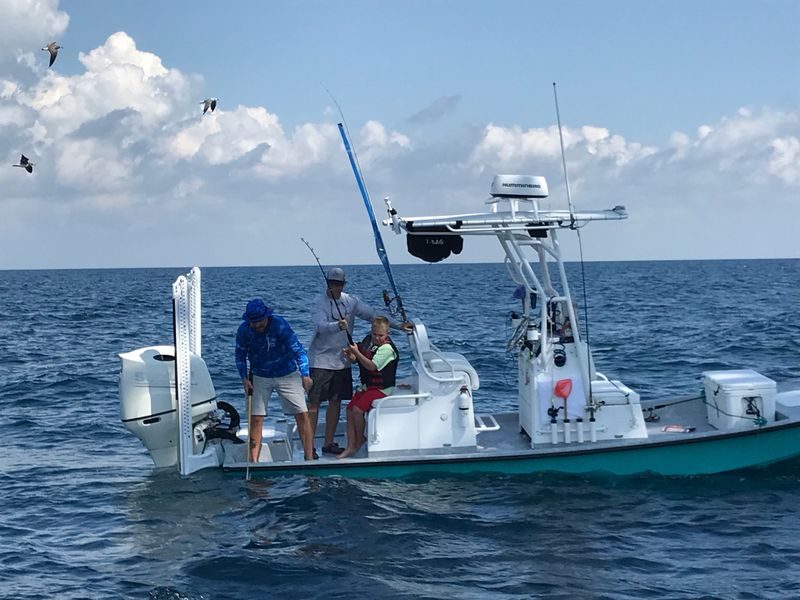
The fishing guides operating out of Port O’Connor carry knowledge passed down through generations. Many learned these waters from fathers and grandfathers who made their living on the Gulf.
That kind of inherited expertise can’t be replicated by someone who just moved to the coast and bought a boat.
Booking a trip with one of these guides means more than catching fish. You’re tapping into decades of accumulated wisdom about tides, seasons, weather patterns, and fish behavior specific to this stretch of coast.
They know which grass flats hold redfish in summer and where trout congregate when cold fronts push through.
What I appreciated most was their teaching approach. These aren’t guides trying to impress you with their skills while you watch passively.
They genuinely want you to learn and succeed, explaining techniques and answering questions with real patience.
Their boats show the wear of constant use but are impeccably maintained. Safety equipment gets checked regularly, and they know every inlet, channel, and shallow spot within miles.
There’s a confidence in their navigation that comes only from intimate familiarity with an area.
Many guides still live in Port O’Connor year-round, unlike seasonal operators in tourist-heavy destinations. Fishing isn’t just their job but their lifestyle, and that commitment shows in every aspect of how they run their charters and treat their clients.
A Coastline That Belongs To Nature First
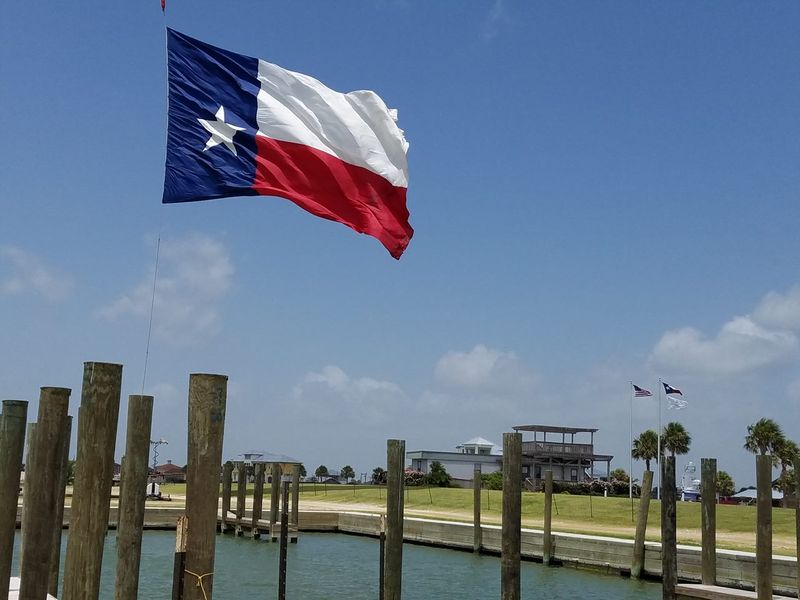
Port O’Connor’s surrounding coastline remains remarkably undeveloped compared to other Texas Gulf destinations. Vast stretches of marsh grass, tidal flats, and natural waterways extend in every direction with minimal human interference.
This isn’t accidental but rather the result of geography and a community that hasn’t pushed for aggressive development.
The Matagorda Island unit of Aransas National Wildlife Refuge lies just offshore, providing protected habitat for countless bird species and other wildlife. During migration seasons, the skies fill with birds following the Central Flyway, creating spectacular viewing opportunities for anyone paying attention.
Exploring these areas by boat or kayak reveals an ecosystem functioning much as it has for centuries. Dolphins surface in the channels, herons stalk the shallows, and the only sounds come from wind, water, and wildlife.
There’s something deeply satisfying about experiencing nature without constant reminders of human presence.
The lack of high-rise condos and sprawling resorts means the night sky actually gets dark here. Stars appear in numbers that surprise visitors accustomed to light-polluted coastal areas.
That darkness represents more than just good stargazing, it indicates a place that hasn’t sacrificed its natural character for development revenue.
Port O’Connor’s undeveloped surroundings provide the village with its essential character. The wildness pressing in from all sides reminds everyone that this is nature’s territory first, and humans are just temporary visitors.
Seafood Shacks Serving Yesterday’s Catch Today
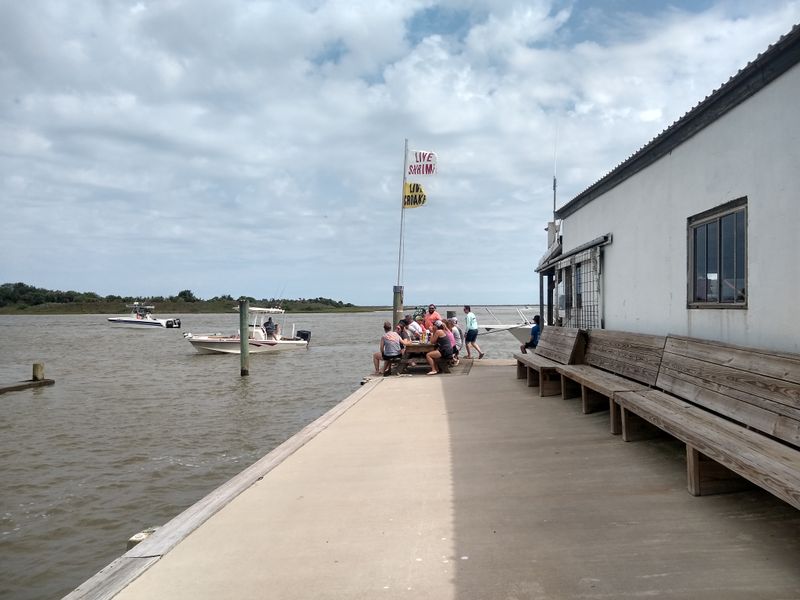
Dining in Port O’Connor means eating seafood that was swimming in the Gulf within the last day or two. The restaurants here don’t make a big fuss about their freshness because it’s simply expected.
Most establishments maintain direct relationships with local fishermen, buying catch straight off the boats.
The settings are casual in the best possible way. Picnic tables, paper plates, and roll-of-paper-towels instead of napkins set the tone.
Nobody’s trying to create a fancy dining experience when the food itself is the star attraction. Fried shrimp arrives hot and crispy, fish is grilled or blackened with simple seasoning that lets the natural flavors shine through.
I found the lack of pretension refreshing after visiting coastal restaurants that focus more on atmosphere than actual food quality. Here, the atmosphere is authenticity, and the quality speaks for itself.
Prices remain reasonable because these aren’t tourist traps inflating costs for visitors who don’t know better.
Local families eat at these same places regularly, which tells you everything you need to know about consistency and value. When residents choose to spend their own money at these establishments rather than cooking at home, that’s the highest recommendation possible.
The menus don’t change much because they focus on what the Gulf provides seasonally. That connection between water and table, between fisherman and diner, creates meals that taste like they belong specifically to this place and nowhere else.
A Town Where Everybody Waves
Something happens when you drive through Port O’Connor that doesn’t occur in most places anymore. People wave.
Not just occasionally, but consistently, whether they recognize your vehicle or not. That simple gesture captures the village’s friendly, unhurried character better than any description could.
The permanent population hovers under a thousand residents, and that small size creates a community where anonymity doesn’t really exist. Locals know each other’s trucks, boats, and routines.
Newcomers get noticed and welcomed rather than ignored or viewed with suspicion.
Walking around town, I experienced genuine friendliness that felt nothing like the forced hospitality of tourist destinations. Shopkeepers chat with customers about fishing conditions and family news.
Strangers offer unsolicited but helpful advice about where to eat or launch a boat. Nobody seems too busy for a brief conversation.
This social atmosphere reflects Port O’Connor’s working-class roots and tight-knit character. People depend on each other in practical ways, whether helping with boat repairs, sharing fishing intel, or just checking in after storms.
Those interdependencies create bonds that modern suburban life rarely fosters.
The waving habit might seem like a small detail, but it represents something larger about how Port O’Connor functions.
It’s a place where acknowledging other humans is still automatic, where community connection matters more than individual privacy, and where old-fashioned neighborliness survives as daily practice rather than nostalgic memory.
Sunsets Watched From Docks Instead Of Resorts
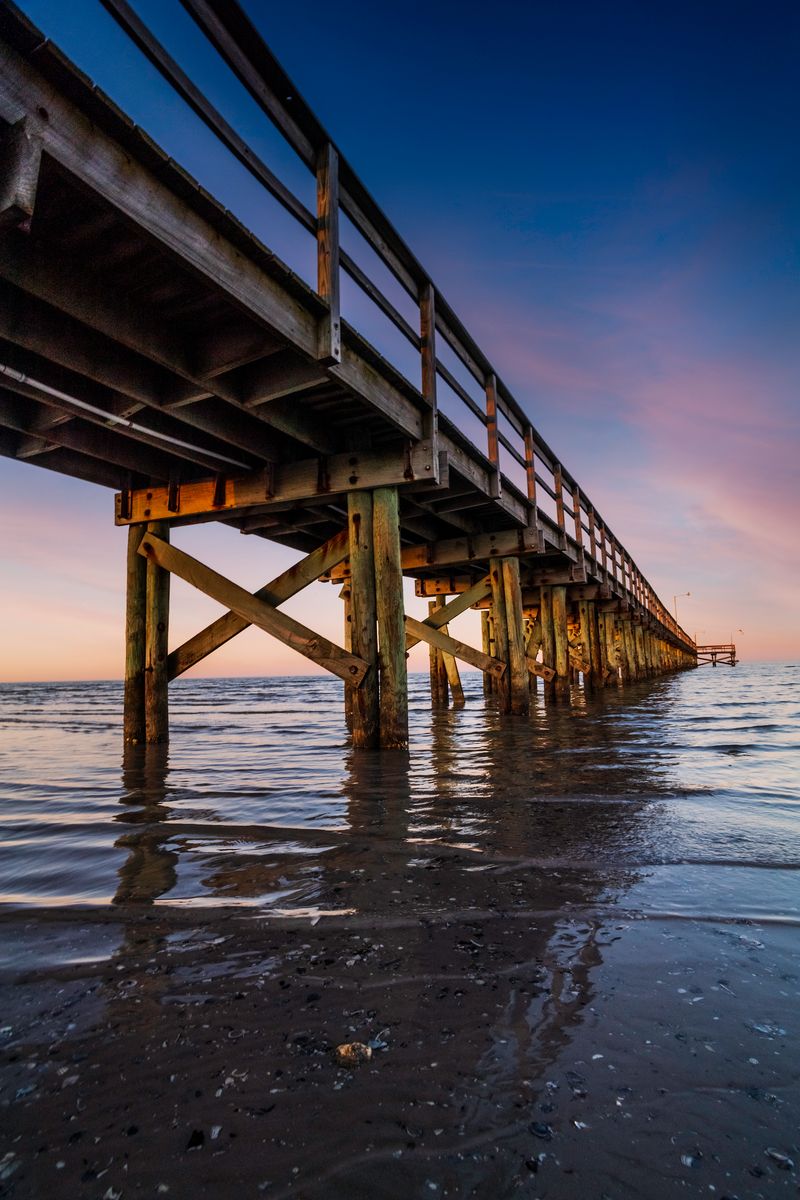
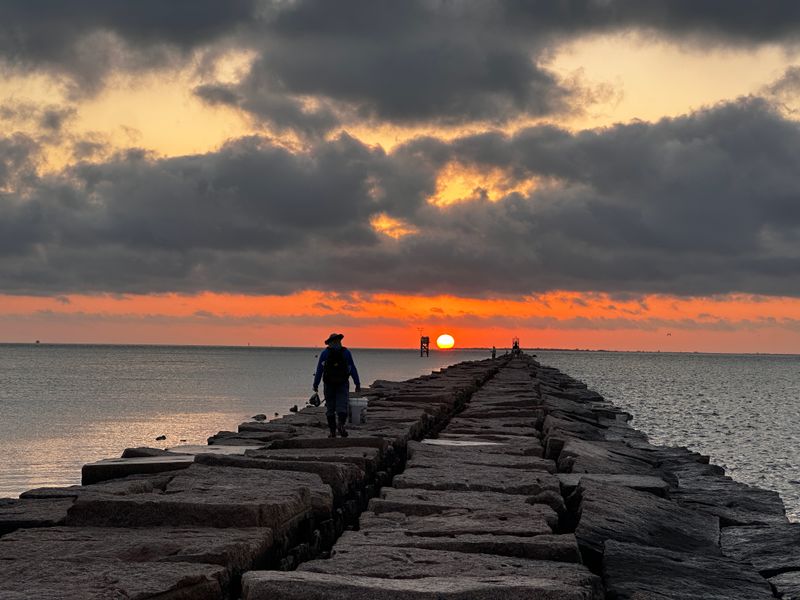
Evening entertainment in Port O’Connor doesn’t involve resort pools, beach bars, or organized activities. Instead, people gather on docks and piers to watch the sun sink toward the horizon over Matagorda Bay.
There’s something special about experiencing sunset as a communal yet quiet event, without music or crowds or commercial distractions.
The colors here can be spectacular when conditions align. Clouds catch fire in shades of orange and pink, reflecting off the calm water and creating moments of genuine beauty.
Nobody’s taking selfies or trying to capture the perfect Instagram shot, they’re just watching and appreciating.
Fishermen often stay out through sunset, their silhouettes dark against the colorful sky as they work the evening bite. The scene looks like it could come from any decade in the past century, timeless and unhurried.
That continuity with the past is part of what makes Port O’Connor feel so different from developed coastal areas.
As darkness settles, the village grows quieter still. Lights from boats and buildings reflect on the water, creating gentle patterns that shift with the current.
There’s no late-night party scene, no neon signs or loud entertainment venues. Port O’Connor simply settles into night the way it has for generations.
These peaceful evenings embody the village’s essential appeal for visitors seeking escape from hectic modern life. The entertainment is natural, free, and soul-restoring in ways that manufactured resort experiences can never match.
The Feeling Of Finding Something Real
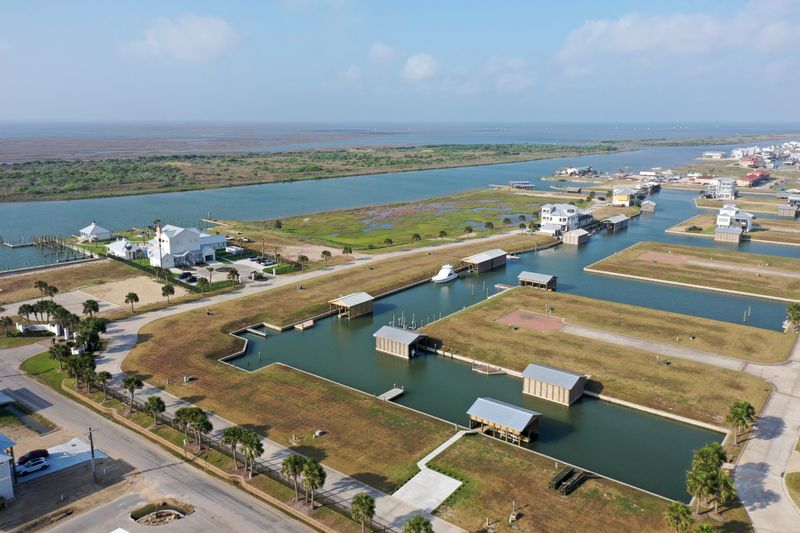
Port O’Connor delivers something increasingly rare along the Texas coast: authenticity. This isn’t a place performing a version of fishing village life for tourists while the real community exists somewhere else.
What you see is genuine, from the working harbor to the weathered buildings to the locals who’ve spent their entire lives here.
That realness creates a specific feeling that’s hard to describe but immediately recognizable when you experience it. There’s no polish or pretense, no attempt to sanitize or romanticize the fishing lifestyle.
Port O’Connor is what it is, take it or leave it, and that honesty is deeply appealing.
Visiting here feels like discovering a secret that hasn’t been spoiled yet. You won’t find tour buses or souvenir shops selling mass-produced coastal kitsch.
The village operates primarily for its residents, with tourism as a welcome but secondary consideration. That priority system keeps Port O’Connor grounded in reality rather than fantasy.
I left with the sense of having experienced something valuable that won’t last forever. Development pressure exists along the entire Texas coast, and places like Port O’Connor face constant challenges to maintain their character.
For now, though, this village remains stubbornly itself.
If you’re seeking an old-school coastal experience before such places disappear entirely, Port O’Connor deserves your attention.
It’s not fancy or exciting in conventional ways, but it offers something more valuable: a genuine connection to Texas’s fishing heritage and a pace of life that actually allows you to relax and breathe.
Dear Reader: This page may contain affiliate links which may earn a commission if you click through and make a purchase. Our independent journalism is not influenced by any advertiser or commercial initiative unless it is clearly marked as sponsored content. As travel products change, please be sure to reconfirm all details and stay up to date with current events to ensure a safe and successful trip.
