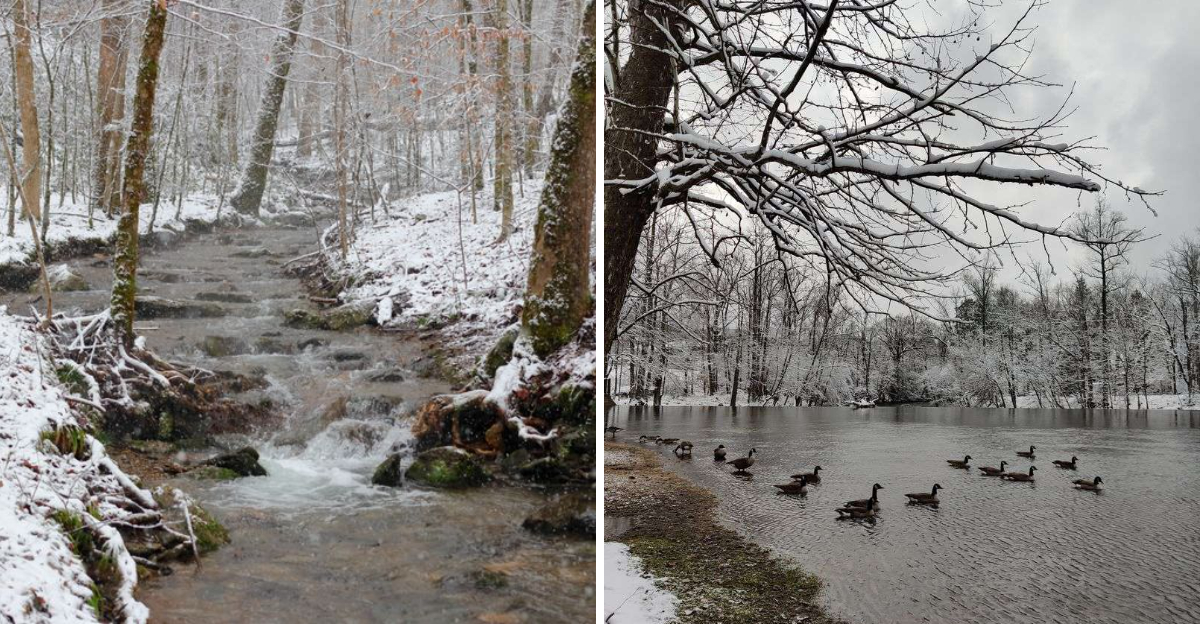
Tucked away in the foothills of the Great Smoky Mountains, Townsend, Tennessee offers travelers a peaceful escape from the crowded tourist destinations that dominate the region.
This charming mountain town, sits quietly along the Little River in Blount County, providing visitors with an intimate winter experience that feels worlds away from the hustle of nearby Gatlinburg and Pigeon Forge.
Founded in 1921 by individuals connected to the Little River Railroad and Lumber Company, Townsend has preserved its small-town character while offering access to some of Tennessee’s most stunning natural landscapes.
Winter transforms this hidden gem into a serene retreat where snow-dusted mountains, crisp mountain air, and the gentle sounds of flowing water create an atmosphere of complete tranquility that draws those seeking authentic mountain experiences.
The Quiet Side of the Smokies
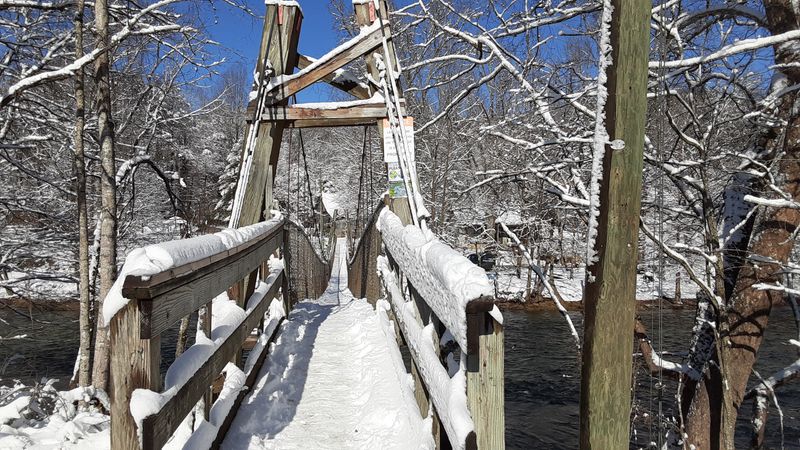
Townsend proudly calls itself the “Peaceful Side of the Smokies,” and this nickname captures the essence of what makes this destination so special for winter travelers.
While other gateway towns to Great Smoky Mountains National Park buzz with traffic and tourist attractions, Townsend maintains a slower pace that allows visitors to truly connect with the natural environment.
The western entrance to the park sits just minutes from downtown, providing immediate access to some of the most pristine wilderness areas in the eastern United States.
Winter brings a particular magic to this landscape as temperatures drop and crowds thin dramatically.
The mountains take on a softer appearance with bare trees revealing ridgelines that remain hidden during leafy seasons.
Occasional snowfall transforms the peaks into a winter wonderland, while lower elevations often remain accessible for exploration.
The absence of commercial development along the routes leading into the park from Townsend creates an uninterrupted visual experience of mountain beauty.
Wildlife becomes more visible against the winter landscape, with deer, wild turkey, and even black bears occasionally spotted foraging before deep winter sets in.
The quietness of the season means that the sounds of nature, from rushing water to bird calls, become the dominant soundtrack rather than car engines and tourist chatter.
For travelers seeking solitude and genuine mountain atmosphere, this peaceful approach to the Smokies offers exactly what modern life so often lacks.
Little River’s Winter Song
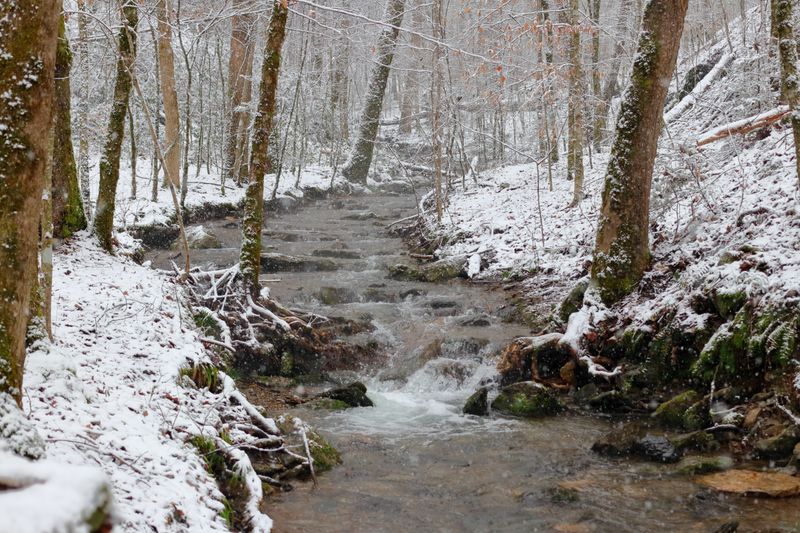
The Little River serves as the liquid heartbeat of Townsend, winding through town and providing both visual beauty and soothing sounds throughout the winter months.
This pristine waterway originates high in the Smoky Mountains and maintains remarkable clarity even during winter rains.
Cold temperatures cause the river to take on a crystalline quality, with water so clear you can count individual rocks on the bottom even in deeper pools.
Along the riverbanks, sycamore and river birch trees stand bare against winter skies, their pale bark creating striking contrast with evergreen rhododendron thickets that remain green year-round.
The sound of flowing water provides constant ambient music, from gentle ripples in shallow sections to more robust rushing where the gradient increases.
Several public access points allow visitors to walk right up to the water’s edge, and the River Road that parallels much of the waterway offers numerous pulloffs for contemplative moments.
Fly fishermen brave cold temperatures to pursue trout in these productive waters, their patient casting adding to the scenic tableau.
On particularly cold mornings, mist rises from the water’s surface where warmer water meets frigid air, creating ethereal scenes that photographers treasure.
The river’s presence influences the entire character of Townsend, keeping humidity levels comfortable and temperatures slightly moderated compared to locations away from flowing water.
Winter visitors often find themselves drawn repeatedly to the riverbanks, finding that each visit reveals different moods and lighting conditions.
Cades Cove’s Winter Solitude
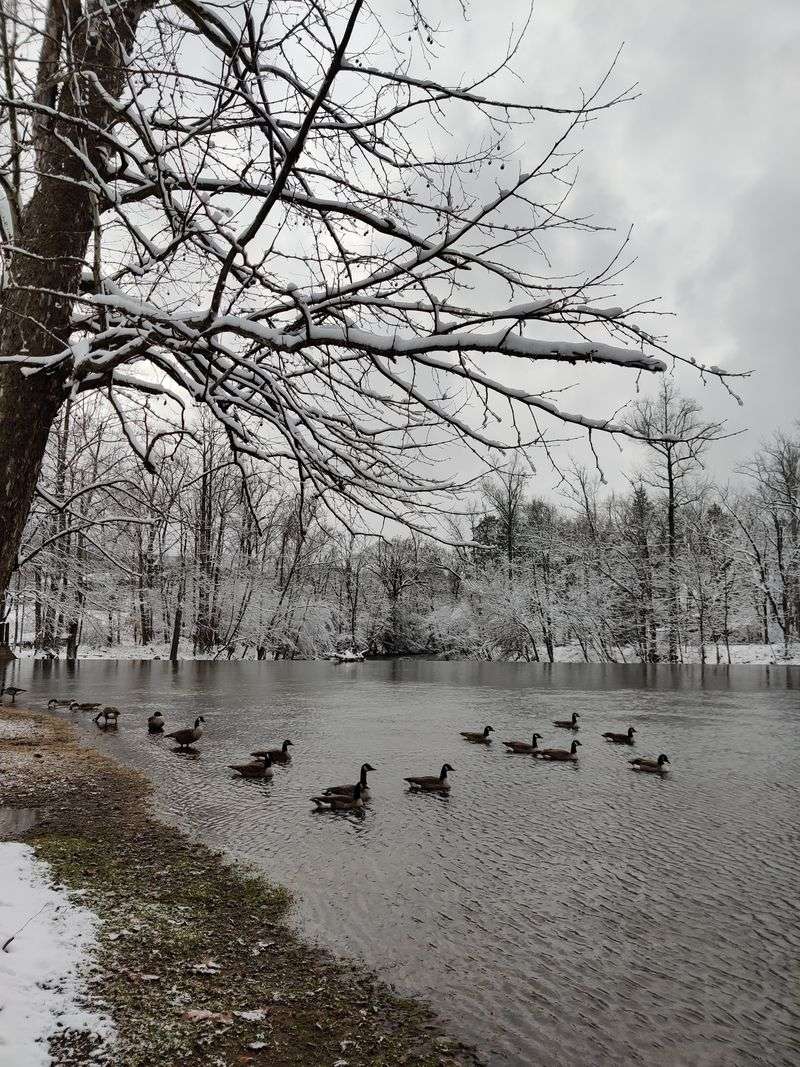
Just a short drive from Townsend, Cades Cove offers one of the most rewarding winter experiences in the entire Smoky Mountains region.
This broad, beautiful valley surrounded by mountains becomes almost mystical during cold months when visitor numbers drop dramatically from summer peaks.
The eleven-mile loop road that circles the cove remains open year-round except during severe weather, allowing winter travelers to experience this historic landscape in peaceful solitude.
Historic structures including log cabins, churches, and barns stand as reminders of the hardy settlers who carved out lives in this remote valley during the 1800s.
Winter strips away the visual clutter of leaves, making these buildings more visible from the road and easier to photograph without foliage interference.
Wildlife viewing reaches its peak during winter months as animals move to lower elevations and open areas where food remains accessible.
White-tailed deer congregate in fields, often in groups of a dozen or more, while wild turkeys scratch through leaf litter near forest edges.
Black bears occasionally appear before full hibernation, though sightings become less common as temperatures drop.
The surrounding mountains create a natural amphitheater effect, and on clear winter days, the views extend for miles with exceptional clarity.
Morning visits reward early risers with frost-covered fields and mist hanging in low areas, while afternoon light casts long shadows that emphasize the valley’s contours.
The combination of historical interest, wildlife opportunities, and scenic beauty makes Cades Cove an essential component of any winter visit to Townsend.
Historic Downtown Character
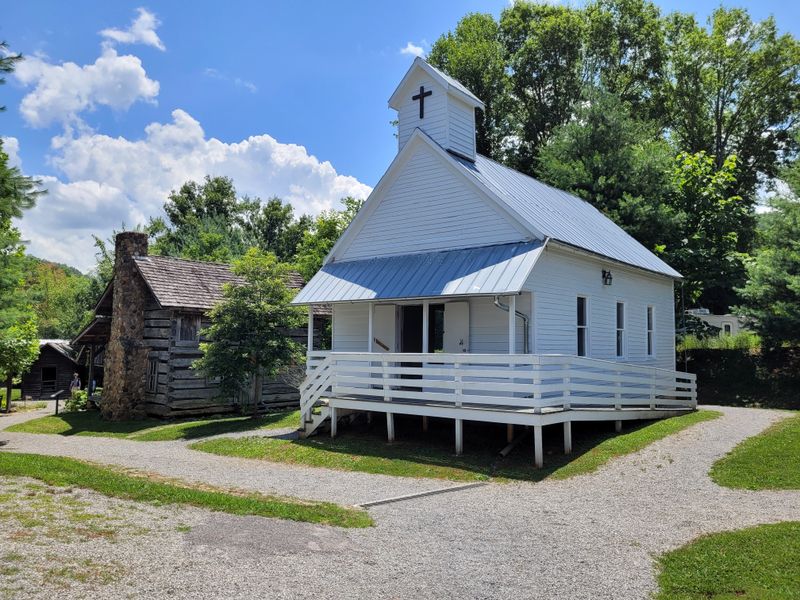
Downtown Townsend maintains an authentic small-town character that larger tourist destinations have long since abandoned in favor of commercial development.
The compact business district stretches along Highway 321, with locally owned shops, restaurants, and service businesses occupying modest buildings that reflect the town’s working-class heritage.
Unlike the neon-lit attractions of nearby tourist towns, Townsend’s downtown retains a quiet dignity that appeals to travelers seeking genuine mountain culture rather than manufactured entertainment.
Winter brings an even more intimate feel to these streets as foot traffic decreases and locals reclaim their town from the summer tourist season.
Several antique shops offer treasures from the region’s past, including items related to the logging industry that once dominated the local economy.
The Great Smoky Mountains Heritage Center, located at 123 Cromwell Drive, provides excellent historical context about the area’s development, from Native American inhabitants through the logging era to modern conservation efforts.
Art galleries showcase work by regional artists who draw inspiration from the surrounding mountains, with paintings, photography, and crafts reflecting Appalachian themes.
The lack of chain stores and corporate franchises means that each business has its own personality, and interactions with owners and staff feel genuinely personal rather than scripted.
Walking downtown Townsend in winter, with mountains visible at the end of every street, creates a sense of being somewhere special and apart from mainstream tourism.
This preservation of small-town character represents one of Townsend’s greatest assets for visitors tired of homogenized travel experiences.
Cozy Mountain Dining
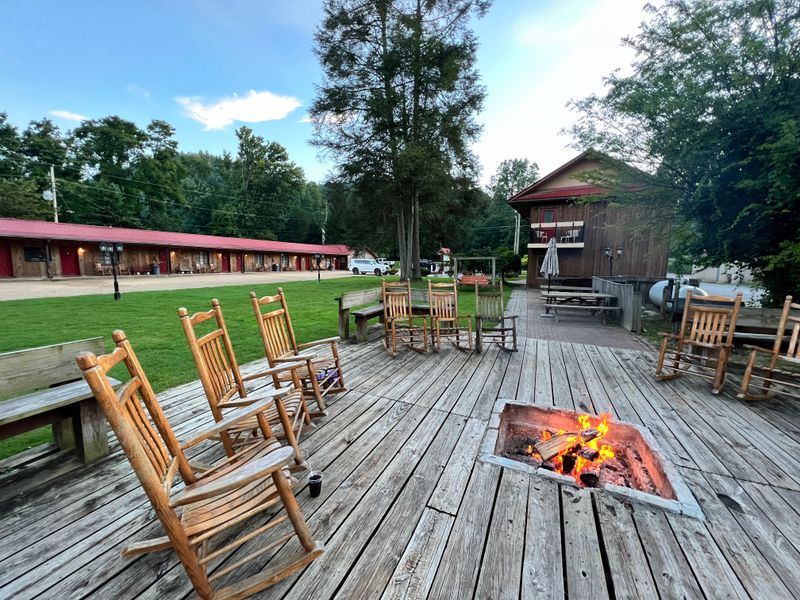
Townsend’s dining scene reflects the town’s unpretentious character, with restaurants focusing on hearty comfort food rather than trendy cuisine.
Winter dining in these establishments feels particularly satisfying after a day spent exploring cold mountain trails and riverbanks.
The Artistic Bean, located at 7130 East Lamar Alexander Parkway, serves as a popular gathering spot for both locals and visitors, offering coffee, breakfast items, and light lunch options in a warm, welcoming atmosphere.
Their location provides mountain views, and the casual environment encourages lingering over hot beverages while planning the day’s adventures.
For more substantial meals, several restaurants specialize in Southern and Appalachian cooking traditions, with menus featuring fried chicken, country ham, trout, and vegetables prepared in traditional styles.
These establishments understand that winter visitors arrive hungry and cold, so portions tend toward generous rather than restrained.
The absence of corporate chains means that recipes often reflect family traditions passed down through generations, with each restaurant maintaining its own loyal following.
Many dining rooms feature stone fireplaces, wood paneling, and decor celebrating local history, creating environments that feel authentically mountain rather than artificially themed.
Service tends toward friendly and unhurried, with staff happy to offer suggestions about local attractions and current conditions in the national park.
Winter evenings bring a particularly cozy quality to these dining experiences, with windows showing darkness and mountains while interior spaces glow with warm light and the sounds of conversation.
For travelers seeking nourishment that satisfies both body and spirit, Townsend’s restaurants deliver exactly what mountain dining should be.
Laurel Creek Road Adventures
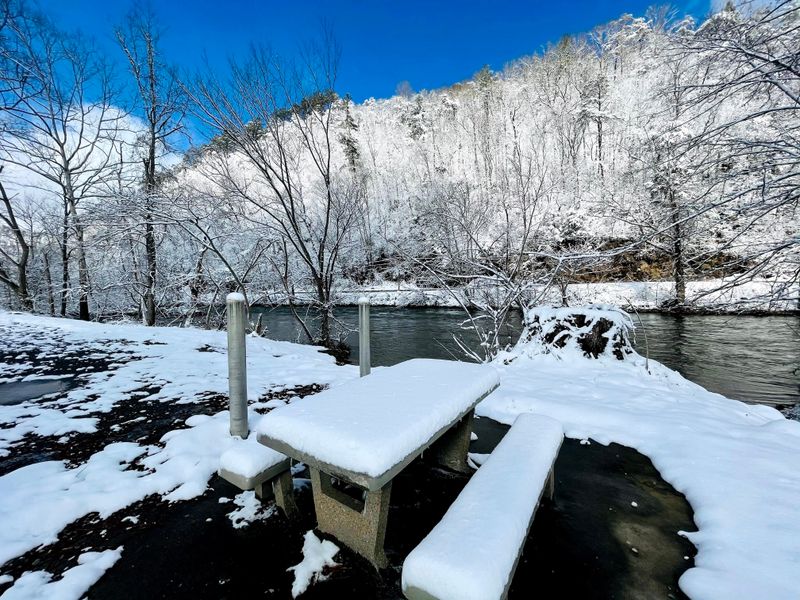
Laurel Creek Road provides the primary route from Townsend into the heart of Great Smoky Mountains National Park, and winter transforms this scenic drive into something truly special.
The road follows Laurel Creek upstream, gaining elevation gradually as it winds through forests and alongside mountain streams.
During winter, the bare hardwood forests allow expansive views that remain hidden during leafy seasons, with distant ridgelines visible through the trees.
Several pulloffs and parking areas provide opportunities to stop and explore, including access to hiking trails that range from easy riverside walks to challenging mountain ascents.
The road surface receives regular maintenance, but winter weather can bring ice and snow, particularly at higher elevations, adding an element of adventure to the drive.
Wildlife sightings occur frequently along this route, especially during early morning and evening hours when animals move between feeding and resting areas.
The combination of flowing water, mountain views, and forest environments creates constantly changing scenery that rewards slow, attentive driving rather than rushing toward a specific destination.
Photography opportunities abound, with compositions ranging from intimate creek details to sweeping mountain panoramas.
The relative lack of traffic during winter months means drivers can proceed at their own pace without feeling pressured by vehicles behind them.
This road ultimately connects to Cades Cove and other park destinations, making it a crucial route for exploring the western sections of the Smokies.
For visitors basing themselves in Townsend, Laurel Creek Road becomes a familiar friend, traveled repeatedly yet always offering something new to notice and appreciate.
Peaceful Accommodations
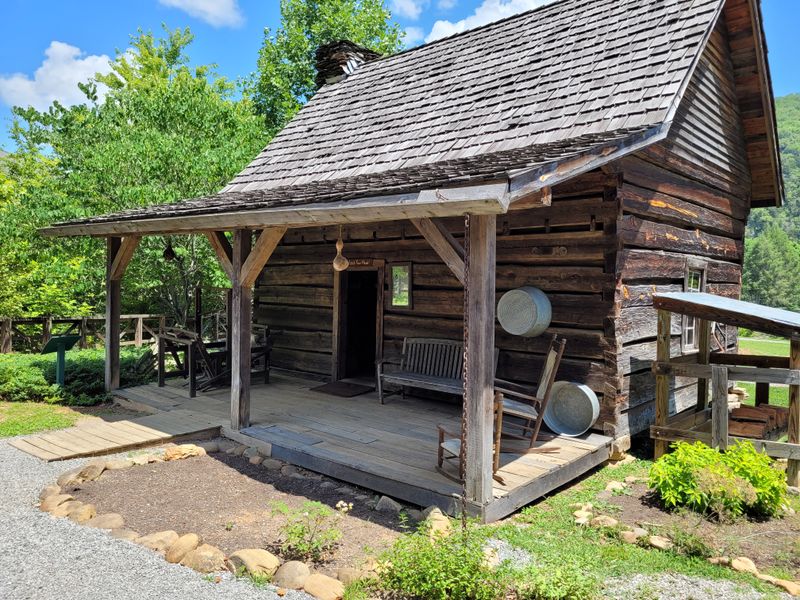
Townsend offers a range of accommodations that emphasize peaceful mountain settings over luxury amenities, perfectly matching the town’s overall character.
Cabin rentals represent the most popular lodging option, with properties ranging from modest one-bedroom retreats to larger family-sized homes.
These cabins typically sit on wooded lots along the river or on mountainsides, providing privacy and natural surroundings that make guests feel truly removed from everyday life.
Winter brings particular charm to cabin stays, with wood-burning fireplaces creating cozy environments and hot tubs offering the pleasure of warm water under cold skies.
Many cabins feature screened porches or decks that allow guests to enjoy mountain views and fresh air even during cold weather.
The sound of the Little River provides natural white noise for those fortunate enough to rent properties along its banks.
Several small inns and bed-and-breakfast establishments offer more traditional lodging with the added benefit of interaction with knowledgeable local hosts.
These properties often include breakfast and provide insider tips about lesser-known attractions and current conditions in the surrounding area.
Unlike the high-rise hotels of larger tourist towns, Townsend’s lodging options maintain low profiles that blend into the landscape rather than dominating it.
Winter rates typically drop significantly from peak season pricing, making quality accommodations surprisingly affordable for budget-conscious travelers.
The combination of comfortable lodging, natural settings, and peaceful surroundings creates the perfect foundation for a winter mountain retreat.
Guests often find themselves reluctant to leave their accommodations, discovering that simply being present in this environment provides its own form of entertainment and restoration.
Winter Hiking Opportunities
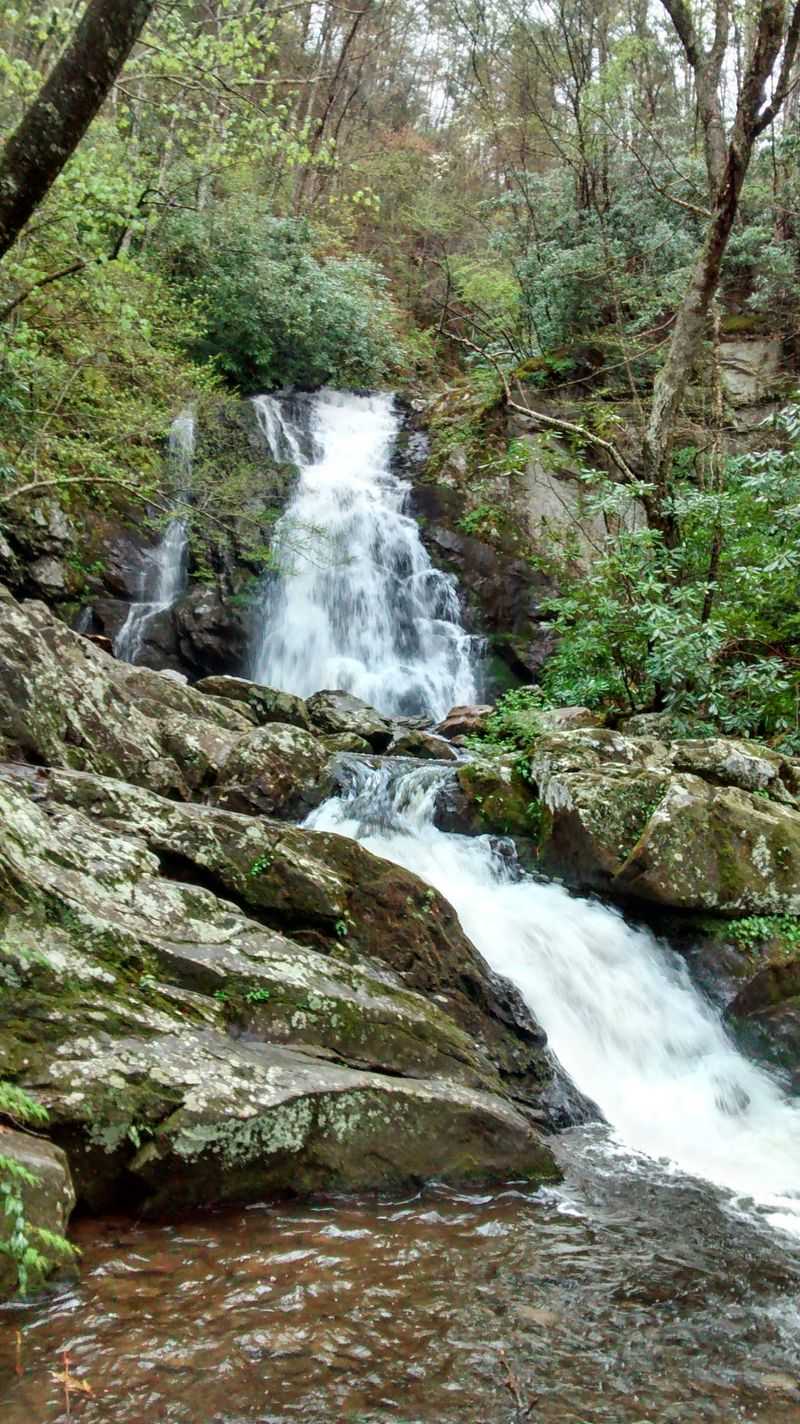
Winter hiking near Townsend offers rewards that summer trails cannot match, including solitude, extended views, and the satisfaction of experiencing mountains in their most unadorned state.
Numerous trailheads sit within minutes of downtown, providing access to hikes ranging from flat riverside rambles to steep mountain climbs.
The Townsend Wye area, where the Little River’s Middle and West Prongs converge, serves as a popular starting point for several excellent trails.
Lower elevation trails remain accessible throughout winter, though hikers should prepare for potentially muddy conditions and occasional ice on shaded sections.
The absence of leaves transforms the hiking experience, allowing views that extend for miles rather than being blocked by summer foliage.
Trail markers and blazes become much easier to follow when not obscured by vegetation.
Winter hiking requires appropriate preparation, including layered clothing, extra water, and awareness that days are shorter and temperatures can drop rapidly as afternoon turns to evening.
The reward for this preparation comes in the form of trails that might see only a handful of hikers all day, creating opportunities for genuine wilderness experiences.
Waterfalls take on different characters in winter, with reduced flow revealing rock formations hidden during high water periods, and cold snaps creating impressive ice formations.
The physical challenge of winter hiking, combined with the mental refreshment of forest surroundings, provides exactly the kind of active retreat that many travelers seek.
Returning to warm accommodations after hours on winter trails creates a sense of accomplishment and contentment that defines the best mountain experiences.
Fly Fishing in Cold Waters
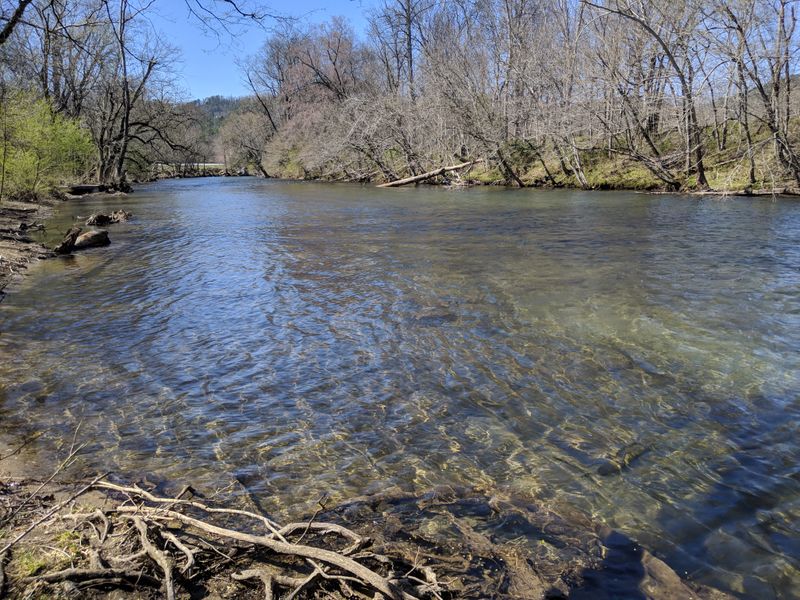
The streams and rivers around Townsend maintain excellent trout populations, and winter fishing offers unique opportunities for anglers willing to brave cold conditions.
The Little River and its tributaries hold rainbow, brown, and brook trout, with fish remaining active throughout winter despite lower water temperatures.
Winter brings exceptional water clarity as reduced rainfall and absence of algae growth allow visibility that can exceed ten feet in some pools.
This clarity means fish become more cautious, requiring stealthy approaches and careful presentations, which adds to the challenge and satisfaction of successful catches.
Several local outfitters provide guided trips, equipment rentals, and expert advice about current conditions and effective fly patterns for winter fishing.
These guides understand that winter anglers prioritize quality experiences over quantity of fish, focusing on teaching techniques and reading water rather than simply maximizing catch numbers.
The national park waters operate under special regulations designed to maintain healthy trout populations, with most areas restricted to artificial lures and catch-and-release practices.
Winter fishing requires specialized gear including neoprene waders, insulated boots, and layered clothing that allows freedom of movement while providing warmth.
The reward comes not just from catching fish but from standing in pristine mountain streams surrounded by winter landscapes with perhaps no other anglers in sight.
Early mornings can be particularly productive, with trout feeding actively during the brief period when water temperatures rise slightly after sunrise.
For dedicated anglers, winter fishing near Townsend represents one of the most authentic mountain experiences available, combining skill, patience, and appreciation for wild places.
Mountain Photography Paradise
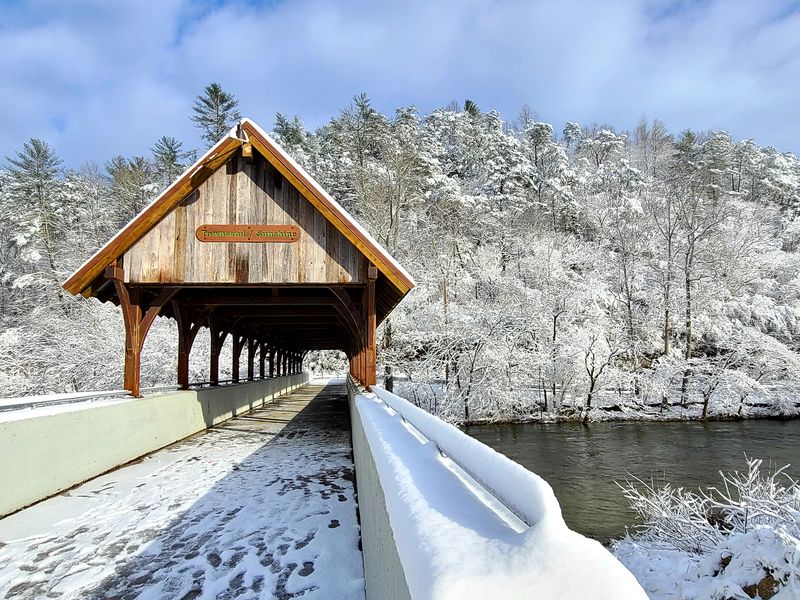
Photographers find endless inspiration in Townsend’s winter landscapes, with conditions that create images impossible to capture during other seasons.
The bare trees of winter reveal landscape structure and depth, allowing compositions that layer multiple mountain ridges receding into the distance.
Morning fog frequently fills valleys while peaks emerge above, creating dramatic separations between earth and sky that painters and photographers have celebrated for generations.
The low angle of winter sunlight produces warm golden tones during brief morning and afternoon periods, while midday light takes on a cooler quality that emphasizes the season’s character.
Rivers and streams photograph beautifully in winter, with techniques like long exposures transforming flowing water into silky ribbons that contrast with sharp rocks and banks.
Wildlife photography becomes more productive as animals stand out against simplified winter backgrounds rather than disappearing into summer’s visual complexity.
Historic structures in places like Cades Cove gain photographic impact when surrounded by dormant fields and bare trees rather than competing with lush vegetation.
The relatively sparse winter crowds mean photographers can work without tourists wandering into frames or waiting hours for popular locations to clear.
Weather changes happen rapidly in mountain environments, creating opportunities to capture storms approaching, clouds breaking, or light transforming landscapes within minutes.
Both sunrise and sunset offer excellent shooting opportunities, with the surrounding mountains creating natural frames and the clear winter air producing vivid colors.
For photographers seeking portfolio-quality images or simply wanting to document a special trip, Townsend’s winter landscapes provide subject matter that rewards both technical skill and artistic vision.
Seasonal Solitude and Renewal
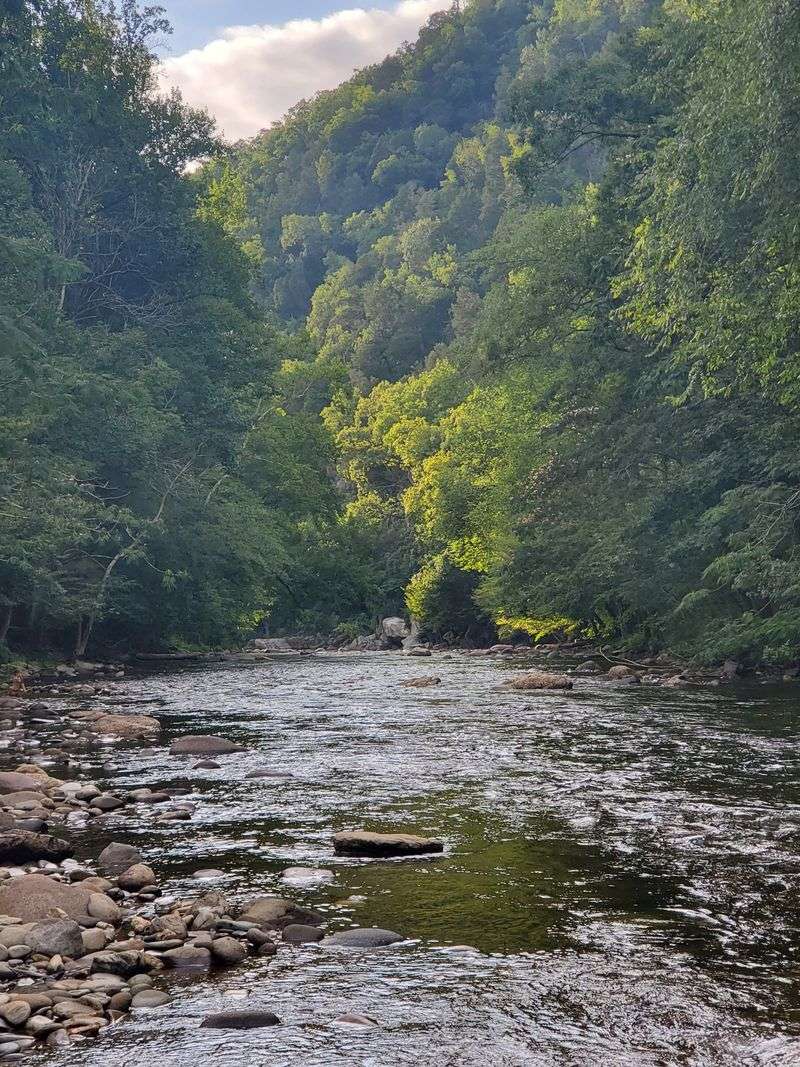
Beyond specific attractions and activities, Townsend’s greatest winter gift to travelers comes in the form of simple presence in a beautiful, quiet place.
Modern life fills days with noise, screens, obligations, and the constant pressure to be productive and connected.
Townsend in winter offers permission to step away from these demands and rediscover what it feels like to move at natural rhythms rather than artificial schedules.
Days can unfold without rigid plans, with decisions made based on weather, energy levels, and spontaneous interests rather than reservations and ticket times.
The mountain environment itself promotes this slower pace, with scenery that rewards contemplation rather than quick consumption.
Many visitors find themselves sitting for extended periods simply watching the river flow or observing how light changes on distant peaks.
These moments of stillness, often uncomfortable at first for people accustomed to constant stimulation, gradually reveal their value as mental clutter clears and genuine relaxation begins.
The small-town atmosphere means interactions with locals and other travelers feel authentic rather than transactional.
Conversations happen naturally, without the forced quality that characterizes encounters in heavily touristed areas.
Winter’s cold temperatures and shorter days create natural boundaries that encourage cozy evenings indoors, whether reading, playing games, or simply talking without digital distractions.
This combination of natural beauty, peaceful surroundings, and freedom from tourist crowds creates space for the kind of renewal that busy lives rarely allow.
Visitors often leave Townsend feeling not just rested but reconnected to simpler pleasures and clearer priorities that modern life tends to obscure.
Dear Reader: This page may contain affiliate links which may earn a commission if you click through and make a purchase. Our independent journalism is not influenced by any advertiser or commercial initiative unless it is clearly marked as sponsored content. As travel products change, please be sure to reconfirm all details and stay up to date with current events to ensure a safe and successful trip.
