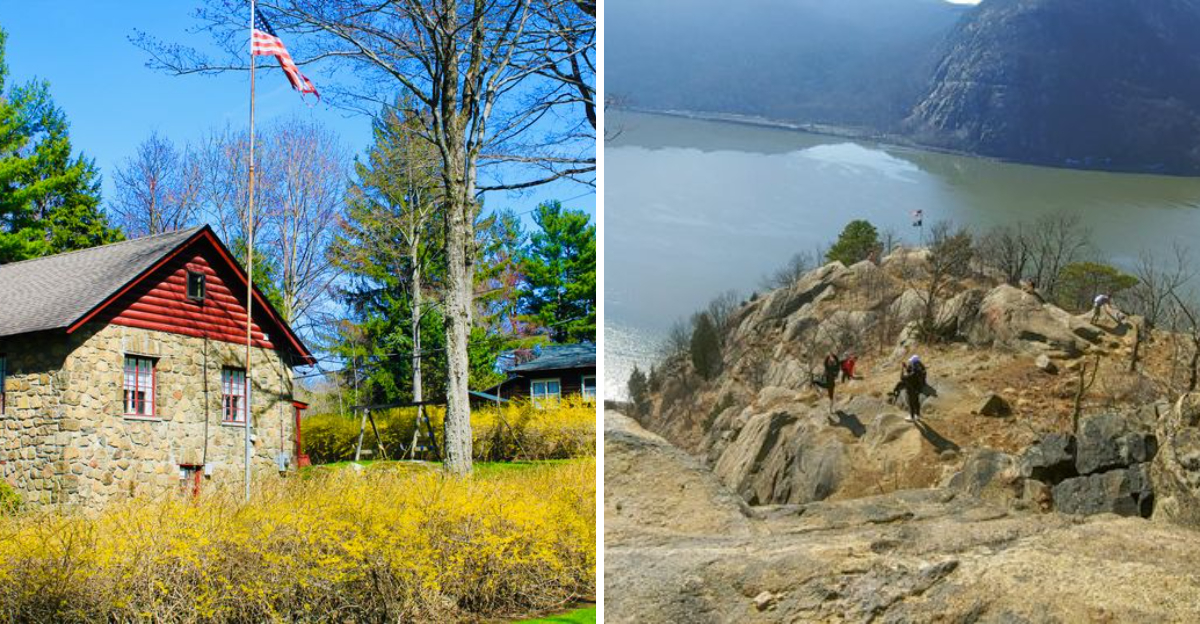
Tucked along the eastern banks of the Hudson River in Putnam County, Cold Spring is a charming village that offers an escape from Manhattan’s relentless pace without requiring a passport or even a long drive.
Part of the town of Philipstown, this historic community of fewer than 2,000 residents has preserved its 19th-century character while welcoming visitors who crave natural beauty, antique shops, and riverside tranquility.
Whether you arrive by Metro-North train or wind through scenic back roads, Cold Spring delivers an experience that feels both timeless and refreshingly accessible.
From waterfront parks to forested trails and a Main Street lined with independent boutiques, this Hudson Valley gem proves that you don’t need to travel far to find a place that feels worlds away.
Main Street’s Antique and Boutique Scene
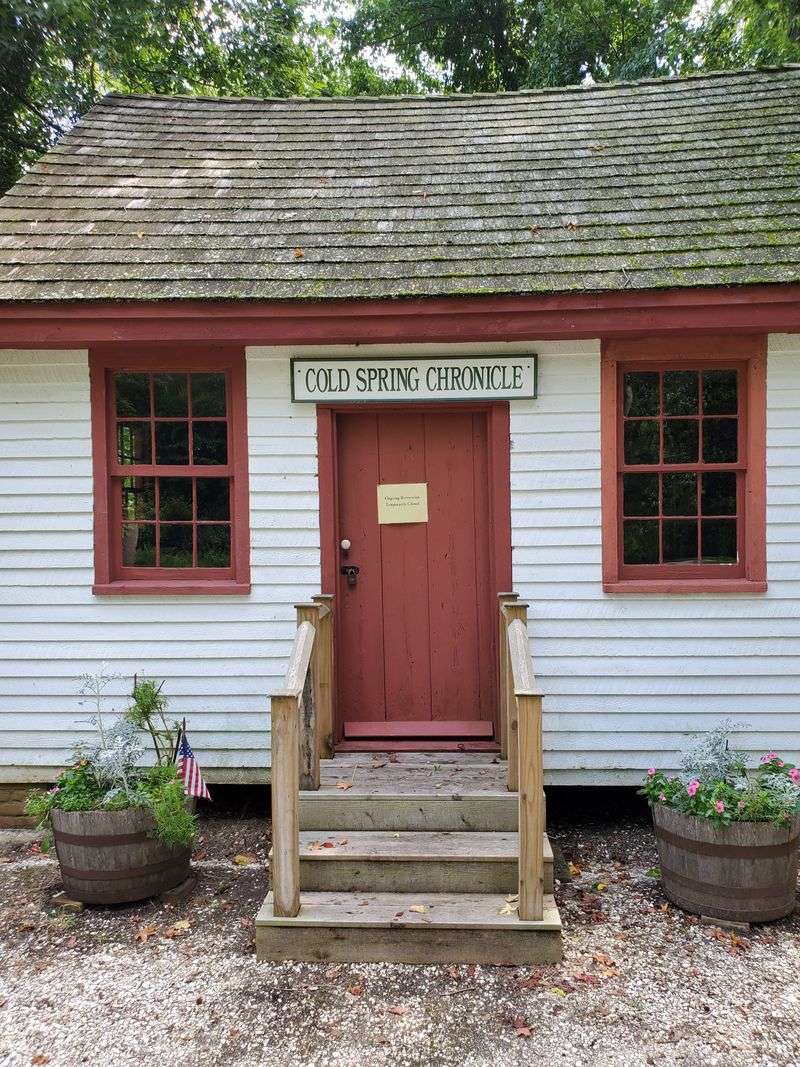
Walking down Main Street in Cold Spring feels like stepping onto a movie set designed to capture small-town America at its most picturesque.
The street stretches just a few blocks, but every storefront seems to hold a story, from vintage furniture dealers to artisan jewelry makers.
Unlike the chain-store monotony of suburban strips, this thoroughfare thrives on individuality and local ownership.
Antique hunters can spend hours combing through mid-century modern chairs, Victorian glassware, and rare books that smell of decades past.
Boutiques offer handmade soaps, locally crafted ceramics, and clothing that reflects the Hudson Valley’s creative spirit.
On weekends, the sidewalks buzz with couples peering into shop windows and families stopping for ice cream cones.
Yet even during peak visiting hours, the pace remains unhurried.
Shopkeepers greet you by name if you’ve visited before, and conversations linger over the counter.
The architecture itself deserves attention, with many buildings dating to the 1800s when Cold Spring served as a hub for iron foundries.
Brick facades, wide wooden porches, and hand-painted signs create a visual harmony that modern developments rarely achieve.
Between shops, small cafes and bakeries tempt visitors with fresh pastries and locally roasted coffee.
Main Street doesn’t try to compete with Fifth Avenue or SoHo.
Instead, it offers something those places can’t: genuine community character and the pleasure of discovering treasures at a human scale.
For travelers seeking authenticity over spectacle, this street delivers exactly what a village center should be.
Hudson River Waterfront Views
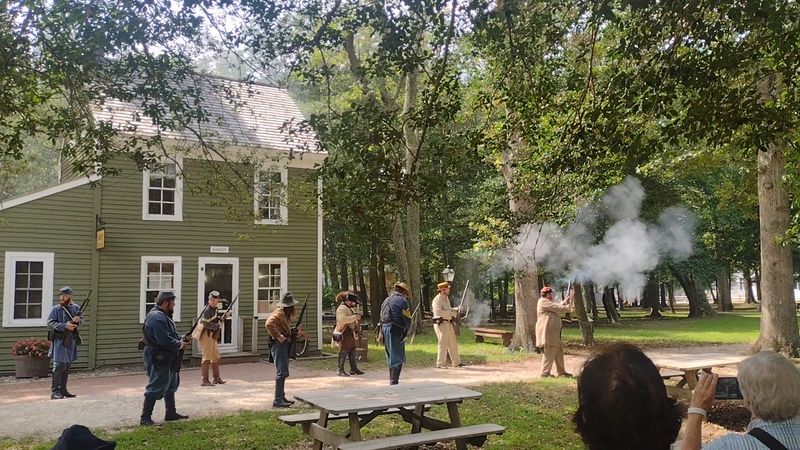
Few river views in the Hudson Valley rival the panorama you’ll find along Cold Spring’s waterfront, where the river stretches wide and the opposite bank rises into forested ridges.
From the village’s small parks and public access points, you can watch sailboats glide past, their white sails catching the light.
The river here runs deep and broad, creating a sense of openness that contrasts beautifully with the intimate scale of the village streets behind you.
During autumn, the hillsides across the water blaze with reds and golds, and photographers arrive early to capture the morning mist lifting off the surface.
In summer, the waterfront becomes a gathering spot where locals bring folding chairs and picnic baskets to enjoy the breeze.
Spring brings migratory birds, and patient birdwatchers set up scopes to identify warblers and raptors passing through.
Even winter has its appeal, when ice forms along the edges and the bare trees reveal distant views of Storm King Mountain.
The waterfront isn’t overdeveloped or commercialized.
You won’t find high-rise condos or noisy marinas cluttering the shoreline.
Instead, the village has preserved public access and kept the focus on natural beauty.
Benches face the water, inviting you to sit and simply watch the current flow south toward the city.
It’s a place where time slows down, where the rhythm of the river replaces the urgency of urban life.
For visitors arriving by train, the waterfront is just a short walk from the station, making it an immediate reward for the journey.
This is the Hudson River as generations before us knew it: powerful, serene, and endlessly captivating.
Breakneck Ridge Hiking Trail

Just north of Cold Spring village, Breakneck Ridge rises abruptly from the riverbank, offering one of the most challenging and rewarding day hikes in the entire Hudson Valley.
The trail wastes no time with gentle warm-ups.
Within the first quarter mile, you’re scrambling over exposed rock faces, using your hands as much as your feet to gain elevation.
This isn’t a stroll through the woods but a legitimate climb that demands attention, decent fitness, and sturdy footwear.
Yet the effort pays off almost immediately as the views open up behind you, revealing the river snaking between mountains and the village shrinking to toy-town proportions below.
On clear days, you can see for miles in every direction, with Storm King Mountain dominating the western skyline.
The trail continues along the ridgeline, alternating between steep ascents and more moderate stretches where you can catch your breath and take photos.
Wildflowers dot the rocky outcrops in spring, and hawks circle overhead, riding the thermals that rise from the valley.
Because the trail has gained popularity in recent years, weekends can see crowds, especially during peak foliage season.
Arriving early or choosing a weekday visit helps you experience the ridge with more solitude.
The descent options include looping back through the forest or continuing north to connect with other trails in Hudson Highlands State Park.
Hikers should carry plenty of water, as there are no facilities along the route.
Despite its challenges, Breakneck Ridge attracts everyone from serious mountaineers to ambitious families with older children.
The sense of accomplishment at the summit, combined with those sweeping views, makes this hike unforgettable.
West Point Foundry Preserve
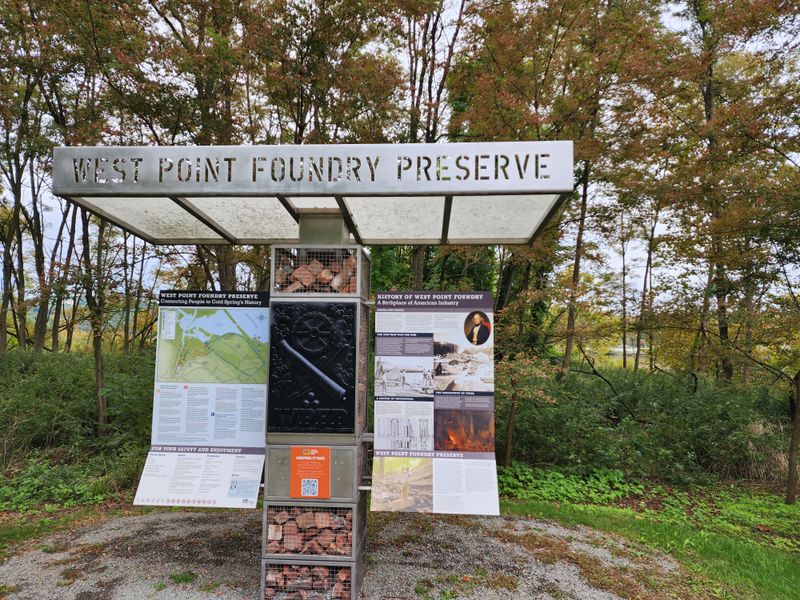
History and nature intertwine beautifully at the West Point Foundry Preserve, where the remains of a once-mighty industrial complex now stand as silent monuments within a restored wetland and forest.
Between 1817 and 1911, this foundry produced everything from steam engines to the iron for the USS Monitor, the Civil War ironclad that changed naval warfare forever.
At its peak, the foundry employed hundreds of workers and made Cold Spring a center of American manufacturing.
Today, visitors can walk among the massive brick ruins, reading interpretive signs that explain the site’s significance and imagining the heat and noise that once filled these spaces.
The preserve covers more than 80 acres, with trails winding through woodlands, along Foundry Brook, and past the foundry’s old water management systems.
Wooden boardwalks cross wetland areas where frogs sing in spring and dragonflies hover in summer.
The contrast between industrial heritage and ecological restoration makes this place unique.
Rather than erasing the past, the preserve celebrates it while allowing nature to reclaim what was once dominated by human industry.
Birdwatchers appreciate the diversity of species that have returned to the restored habitats.
Photographers find endless subjects in the interplay of crumbling brick, green moss, and filtered sunlight.
The preserve is located at 80 Kemble Avenue in Cold Spring, easily accessible from the village center by a short walk or drive.
Admission is free, and the trails are open year-round from dawn to dusk.
Educational programs and guided tours are offered seasonally, providing deeper insights into both the industrial history and the ecological restoration work.
This is a place where the past feels present, where you can touch history while surrounded by regenerating wilderness.
Little Stony Point Park
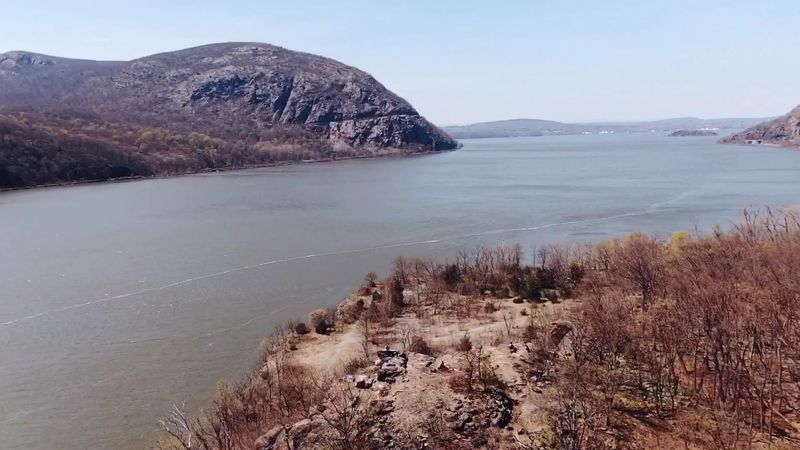
Nestled between Cold Spring and Breakneck Ridge, Little Stony Point offers a gentler alternative to the region’s more strenuous hikes while still delivering beautiful river views and a sense of peaceful seclusion.
This small peninsula juts into the Hudson, creating a natural viewing platform where you can watch boats pass and scan the opposite shore for wildlife.
The trail from the parking area to the point is easy and family-friendly, making it accessible to visitors of all ages and fitness levels.
You’ll walk through mixed hardwood forest, where the canopy provides shade in summer and brilliant color in fall.
The path is well-maintained and clearly marked, with only gentle elevation changes.
At the point itself, flat rocks create natural seating areas where people spread out blankets, read books, or simply gaze at the water.
On warm days, you might see kayakers launching from the small beach area or children exploring the shallow edges under watchful parental eyes.
The views extend both north and south along the river, with Storm King Mountain visible to the west and Breakneck Ridge rising dramatically to the north.
Because the park is relatively small and the main attraction is concentrated at the point, it never feels overwhelming even when other visitors are present.
The atmosphere remains relaxed and contemplative.
Sunrise and sunset are particularly magical times to visit, when the light transforms the river into molten gold or dusky purple.
The park has limited parking along Route 9D, so arriving early on weekends is advisable.
There are no facilities, so plan accordingly.
For travelers who want to experience the Hudson’s natural beauty without committing to a challenging hike, Little Stony Point provides the perfect solution.
It’s a place to pause, breathe deeply, and remember why the Hudson Valley has inspired artists and writers for generations.
Cold Spring’s Historic Architecture
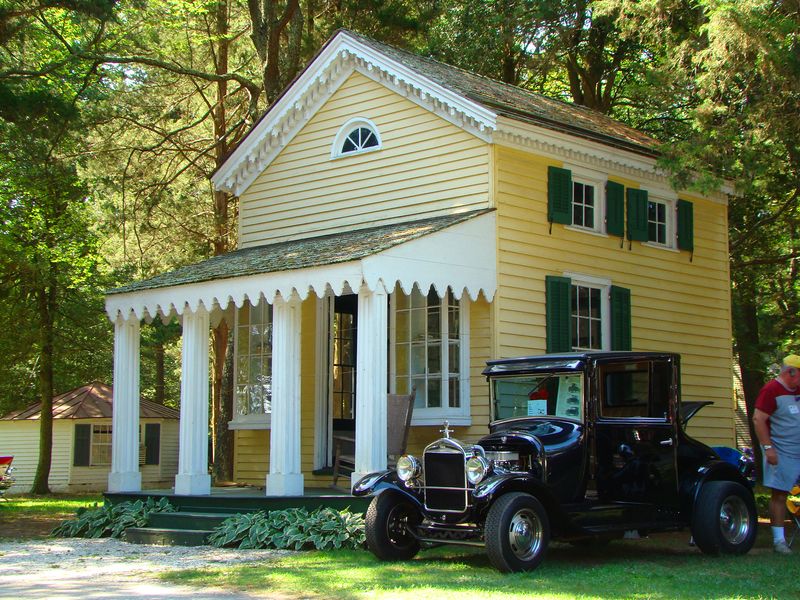
Architecture enthusiasts find much to admire in Cold Spring, where the village has preserved an impressive collection of 19th-century buildings that tell the story of a prosperous industrial past.
Unlike many American towns that demolished their historic cores in favor of modern development, Cold Spring recognized the value of its architectural heritage and protected it.
Walking the residential streets that branch off from Main Street, you’ll encounter Greek Revival homes with their characteristic columns and triangular pediments, reflecting the style that dominated American architecture in the mid-1800s.
Victorian-era houses display the ornate details that came into fashion later in the century: decorative trim, bay windows, and wraparound porches.
Many buildings feature the local brick produced when Cold Spring was an industrial center, giving the village a cohesive visual character.
The Chapel of Our Lady, perched on a hillside above the village, is a Gothic Revival gem built in 1834, its white clapboard exterior and pointed arch windows standing out against the green hillside.
The building that once housed the foundry offices still stands, converted to modern uses but retaining its historical integrity.
Even the train station, though modest in size, maintains its period character and serves as a functional link between the village and the wider world.
What makes Cold Spring’s architecture particularly appealing is its scale.
These aren’t grand mansions or imposing monuments but human-scaled buildings that reflect a working community’s pride and prosperity.
The village has established design guidelines that help new construction blend with historic structures, ensuring that the architectural character endures.
For visitors interested in architectural history, simply wandering the streets with observant eyes provides an education in 19th-century American building styles.
This is living history, not a museum, where people still inhabit and care for structures that have stood for more than a century.
Seasonal Foliage and Natural Beauty
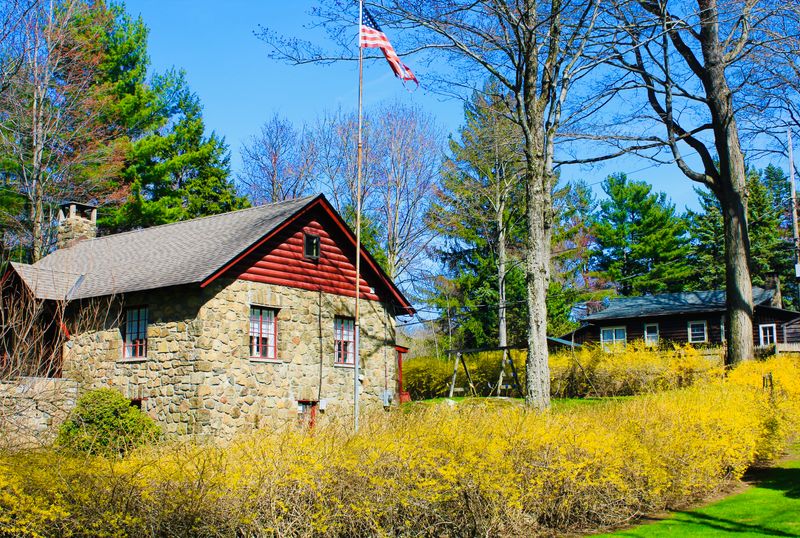
Cold Spring’s reputation as a getaway destination reaches its peak during autumn, when the surrounding forests explode into the reds, oranges, and yellows that have made the Hudson Valley famous among leaf-peepers.
From late September through early November, depending on weather patterns, the hillsides surrounding the village transform into a painter’s palette of warm hues.
The combination of diverse tree species creates layers of color that shift as you move through the landscape.
Sugar maples contribute brilliant reds, oaks add russets and browns, and birches provide splashes of yellow gold.
The effect is amplified by the river, which reflects the colors and doubles their impact.
But Cold Spring offers natural beauty in every season, not just fall.
Spring brings wildflowers to the forest floor and returning songbirds to the trees, while the river swells with snowmelt from the mountains.
Summer provides lush green canopies and warm evenings perfect for waterfront strolls.
Winter, though quieter in terms of visitor numbers, offers its own stark beauty when snow blankets the village and ice crystals glitter on bare branches.
The surrounding Hudson Highlands create a dramatic backdrop in any season, their rounded peaks forming a protective amphitheater around the village.
These mountains are old, worn smooth by time, giving them a gentler profile than the jagged ranges of the American West.
Yet they still impress, especially when morning mist clings to their slopes or storm clouds gather over their summits.
The natural beauty here isn’t wilderness in the untouched sense but rather a harmonious blend of human settlement and preserved landscape.
The village has resisted the sprawl that consumes so much of suburban America, maintaining clear boundaries between built environment and natural areas.
This restraint allows visitors to experience genuine natural beauty within steps of village amenities.
Local Dining and Cafes
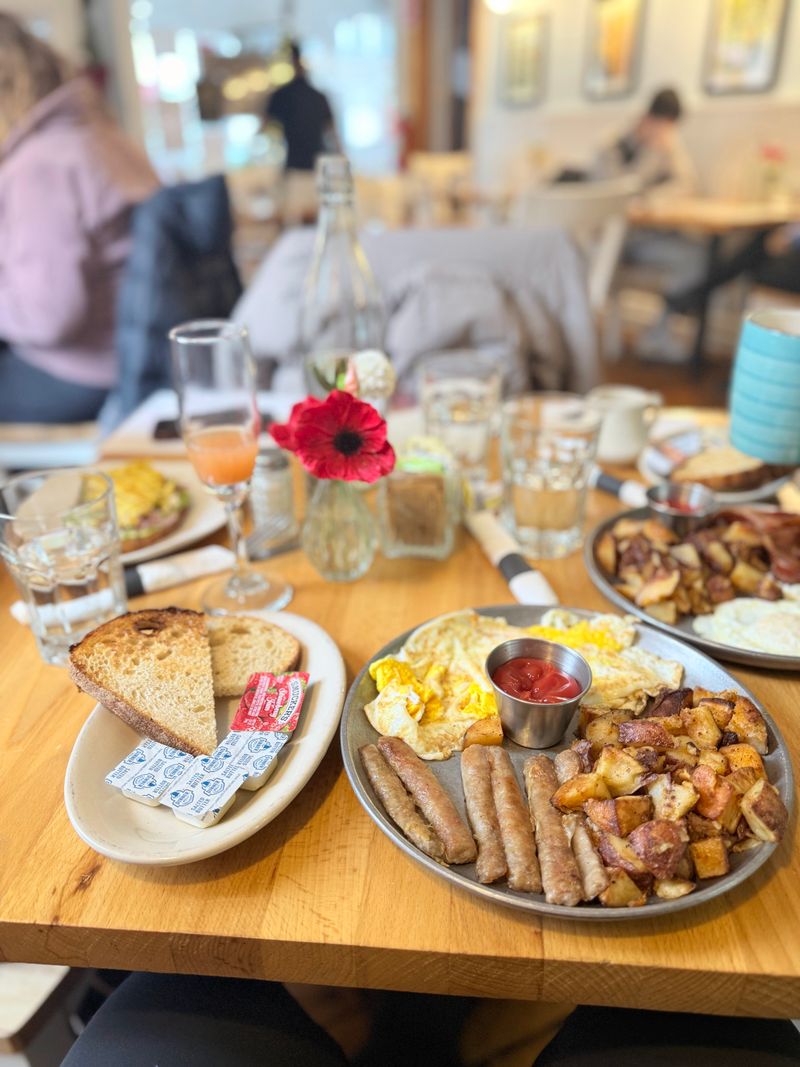
Cold Spring’s dining scene reflects the village’s character: unpretentious, locally focused, and genuinely welcoming.
You won’t find celebrity chefs or Michelin stars here, but you will discover places where the food is prepared with care and the atmosphere invites you to linger.
Main Street and its side streets host a variety of options, from casual cafes perfect for breakfast to restaurants suitable for special dinners.
Many establishments emphasize regional ingredients and change their menus seasonally to reflect what’s available from Hudson Valley farms.
The village’s small size means that restaurant owners often work the floor themselves, greeting regulars and making newcomers feel like neighbors.
Breakfast spots serve strong coffee and homemade pastries, with outdoor seating that fills quickly on pleasant mornings.
Lunch options range from sandwich shops to bistros offering soups and salads made from scratch.
For dinner, several restaurants provide more refined experiences without the formality or prices of Manhattan establishments.
You might find Hudson Valley duck on the menu alongside locally caught fish and grass-fed beef from nearby farms.
Wine lists tend to feature New York State producers, giving visitors a chance to explore the region’s growing wine industry.
Several establishments have liquor licenses and serve craft cocktails made with small-batch spirits.
The pace of service matches the village’s overall rhythm: attentive but never rushed, allowing meals to unfold at a civilized tempo.
During busy weekends, reservations are recommended for dinner, as seating is limited and demand is high.
Some restaurants close on certain weekdays during the off-season, so checking ahead prevents disappointment.
What makes dining in Cold Spring particularly satisfying is the sense of authenticity.
These aren’t corporate chains or tourist traps but genuine local businesses that depend on quality and reputation to survive.
The result is food and service that feel personal and genuine, enhancing the overall experience of visiting this Hudson River village.
Metro-North Accessibility
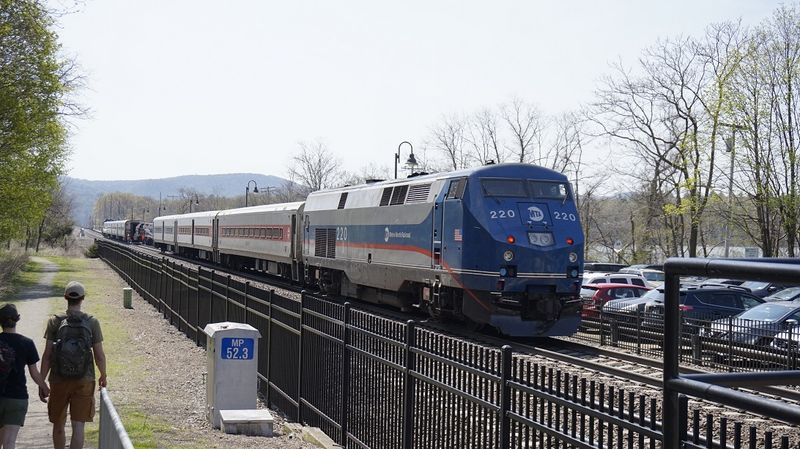
One of Cold Spring’s greatest assets is its accessibility via Metro-North Railroad’s Hudson Line, which connects the village directly to Grand Central Terminal in Manhattan.
This rail connection transforms what could be a complicated road trip into a relaxing journey where someone else does the driving while you watch the scenery unfold.
Trains run regularly throughout the day, with increased frequency during peak commuting hours and weekends.
The journey from Grand Central takes approximately 90 minutes, depending on whether you catch an express or local train.
As the train heads north from the city, the urban landscape gradually gives way to suburbs, then to increasingly rural scenery.
By the time you reach Cold Spring, you’re traveling along the river’s edge with water views on one side and forested hillsides on the other.
The Cold Spring station itself is a charming stone structure that fits the village’s historic character.
It sits right on the waterfront, meaning you step off the train directly into the scenic environment you came to experience.
From the station, Main Street is just a short uphill walk, and most of the village’s attractions are within easy walking distance.
This car-free accessibility makes Cold Spring particularly appealing to New Yorkers who don’t own vehicles or who simply want to avoid highway traffic and parking hassles.
Families with children appreciate not having to keep kids entertained during a long drive.
The train ride itself becomes part of the adventure, with river views that prompt excited pointing and photo-taking.
Weekend getaways are entirely feasible without a car, as everything you need is within the village or accessible by short taxi or rideshare trips.
The return journey to the city allows you to decompress and reflect on your visit while the train carries you back to urban reality.
This seamless connection makes Cold Spring feel simultaneously remote and accessible, worlds away yet remarkably close.
Year-Round Village Events and Community Spirit
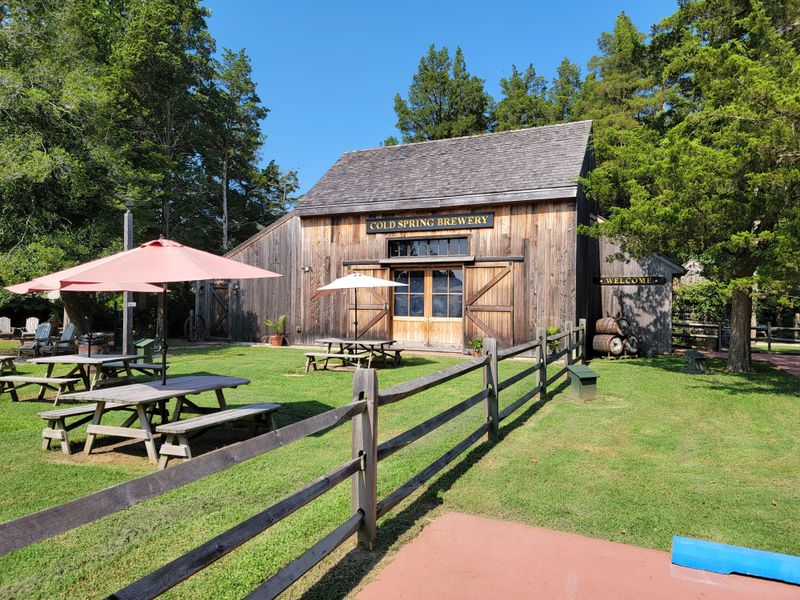
Despite its small population, Cold Spring maintains an active calendar of community events that draw both residents and visitors into shared experiences throughout the year.
These gatherings reveal the village’s strong sense of community and provide travelers with opportunities to experience local culture beyond typical tourist activities.
The summer months bring outdoor concerts where local musicians perform in parks or on Main Street itself, with families spreading blankets and settling in for evenings of music under the stars.
Farmers markets appear seasonally, offering Hudson Valley produce, artisan cheeses, fresh-baked goods, and handcrafted items directly from the people who make them.
These markets become social events where neighbors catch up on news and visitors get a taste of local flavors.
Art walks and gallery openings happen regularly, showcasing work by Hudson Valley artists and providing opportunities to meet creative people who call this region home.
The village’s small galleries and studios often host receptions where wine flows and conversations range from artistic technique to local history.
Holiday celebrations bring special character to Cold Spring, with December featuring tree lighting ceremonies, caroling, and shops staying open late for festive shopping evenings.
The village decorates with a light touch that enhances rather than overwhelms its historic character.
Spring and fall bring special events tied to the seasons: maple sugaring demonstrations, harvest festivals, and guided nature walks that help visitors understand the region’s ecology and history.
What makes these events special is their authentic community focus.
They’re not manufactured tourist attractions but genuine expressions of local life that visitors are welcome to join.
The scale remains intimate, allowing for real interactions rather than anonymous crowds.
This community spirit, more than any single landmark or attraction, gives Cold Spring its distinctive character and explains why so many visitors return year after year.
The village feels less like a destination and more like a place you’re visiting friends, where you’re welcomed into the rhythms of a life that moves at a more human pace.
Dear Reader: This page may contain affiliate links which may earn a commission if you click through and make a purchase. Our independent journalism is not influenced by any advertiser or commercial initiative unless it is clearly marked as sponsored content. As travel products change, please be sure to reconfirm all details and stay up to date with current events to ensure a safe and successful trip.
