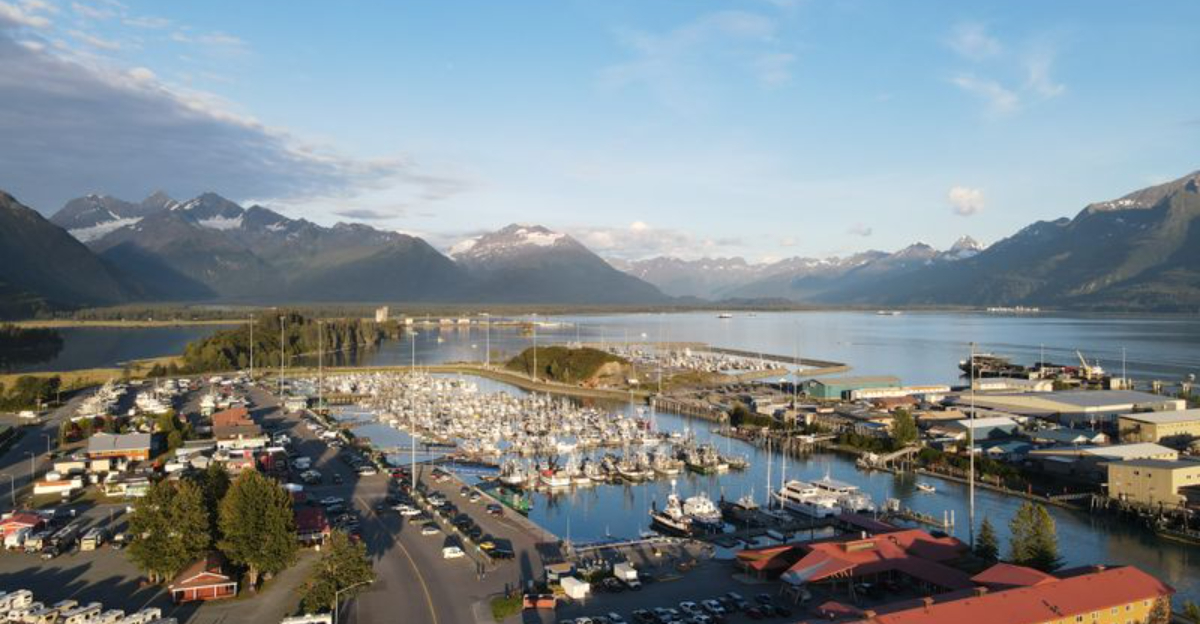
Nestled along the shores of Prince William Sound in southern Alaska, Valdez is a small coastal city where rugged mountains meet the sea in dramatic fashion.
This remote community of just under 4,000 residents offers travelers an authentic Alaskan experience filled with stunning natural beauty, outdoor adventures, and a rich maritime history.
Visitors are drawn to Valdez for its spectacular glaciers, world-class fishing, and the chance to witness wildlife in one of the most pristine environments on Earth.
Whether you arrive by ferry, cruise ship, or the scenic Richardson Highway, this mountain-ringed town promises unforgettable memories framed by some of Alaska’s most breathtaking scenery.
The Majestic Chugach Mountains Backdrop
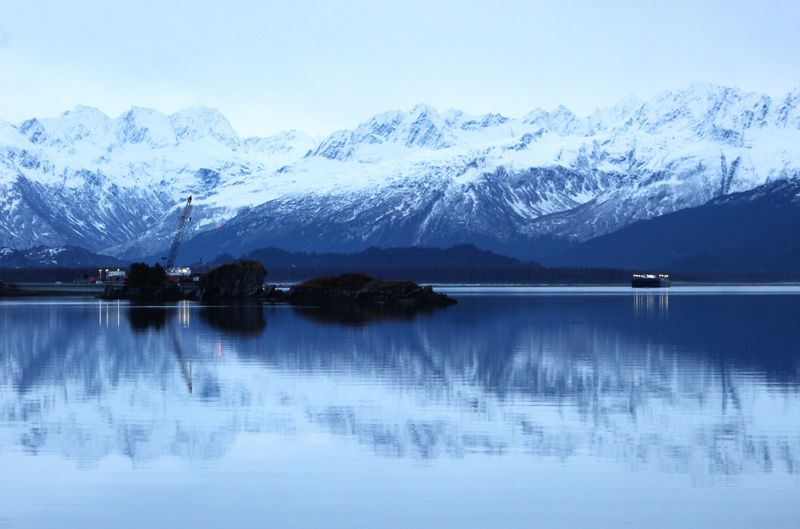
Standing anywhere in Valdez, you cannot help but feel dwarfed by the towering Chugach Mountains that rise dramatically from the water’s edge.
These ancient peaks, covered in snow and ice for much of the year, create a natural amphitheater around the town that makes every vista feel like a postcard.
The mountains shift in appearance throughout the day as sunlight plays across their faces, painting them in shades of purple at dawn and golden orange at dusk.
During summer months, wildflowers carpet the lower slopes while permanent snowfields cling to the highest elevations.
Winter transforms the range into a pure white fortress that seems to protect the town from the outside world.
Photographers find endless inspiration in these peaks, which provide different compositions depending on where you stand along the waterfront.
The mountains also influence the local weather patterns, trapping moisture from the Gulf of Alaska and creating the heavy snowfall that makes Valdez one of the snowiest places in North America.
Hikers can access several trails that climb into the lower reaches of the range, offering increasingly spectacular views with every step upward.
The Mineral Creek Trail and Solomon Gulch Trail both provide accessible routes into this alpine wilderness.
These mountains are not just scenery but an integral part of daily life in Valdez, shaping everything from recreation to weather to the community’s very identity.
They remind visitors that nature here operates on a grand scale, where human presence feels temporary against geological timescales.
Prince William Sound’s Protected Waters
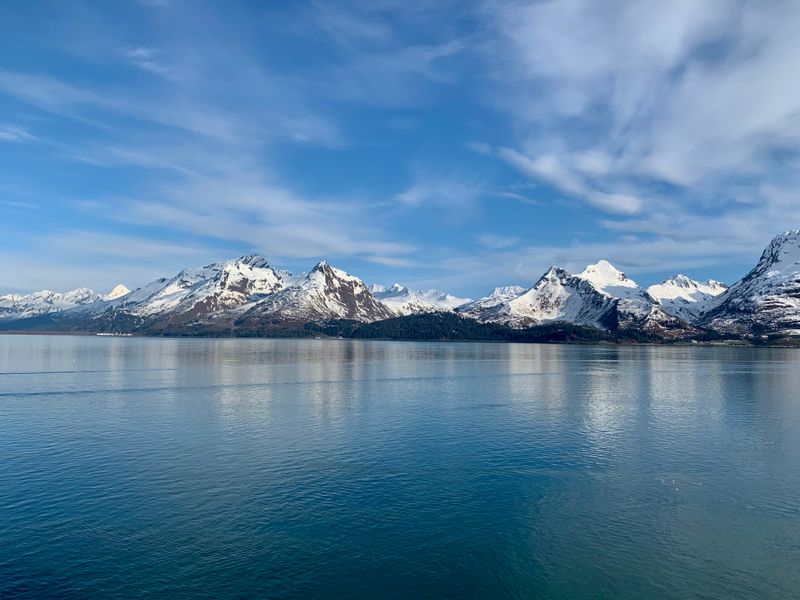
Prince William Sound stretches before Valdez like a vast liquid wilderness, its protected waters offering some of the most sheltered boating in Alaska.
This massive sound covers approximately 15,000 square miles and contains countless islands, fjords, and passages that create a maritime maze of stunning beauty.
The water itself changes character with the seasons, from mirror-smooth summer surfaces that perfectly reflect surrounding peaks to the choppier conditions of autumn storms.
Harbor seals often pop their heads above the surface near the docks, while sea otters float on their backs cracking open shellfish.
The sound’s cold, nutrient-rich waters support an abundance of marine life that attracts both wildlife and the people who come to observe them.
Charter boats depart daily from the Valdez harbor to explore deeper into the sound, visiting tidewater glaciers and remote coves.
Kayakers find paradise in the protected bays where they can paddle among icebergs calved from nearby glaciers.
The water temperature stays cold year-round, typically between 40 and 50 degrees Fahrenheit, which means proper gear is essential for any water activities.
Commercial fishing vessels share these waters with recreational boaters, continuing a maritime tradition that has sustained Valdez for generations.
At the town’s small boat harbor, you can watch fishermen unload their catches of salmon, halibut, and rockfish.
The sound’s history includes both triumph and tragedy, from being a vital transportation route to the site of the devastating Exxon Valdez oil spill in 1989.
Today, these waters appear pristine again, a testament to nature’s resilience and ongoing conservation efforts.
Columbia Glacier’s Frozen Grandeur
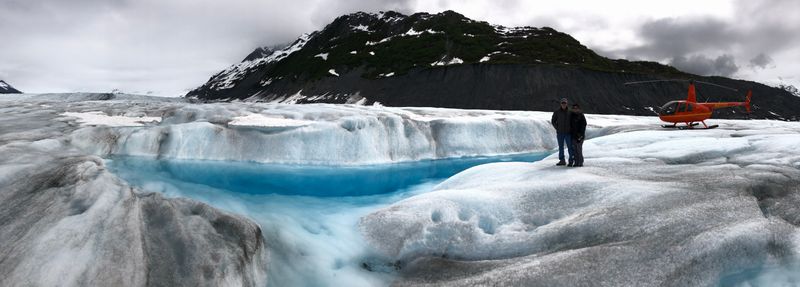
Just a boat ride from Valdez lies Columbia Glacier, one of the fastest-moving glaciers in the world and a centerpiece of any visit to the area.
This massive river of ice once filled the entire bay but has been retreating rapidly since the 1980s, creating a constantly changing landscape of ice and water.
The glacier’s face rises several stories high where it meets the sea, displaying brilliant shades of blue within the ancient compressed ice.
When chunks break off in a process called calving, the sound echoes like thunder across the water, followed by massive splashes and waves.
Tour boats maintain a safe distance from the face, as falling ice can create dangerous conditions even hundreds of yards away.
The water surrounding the glacier fills with icebergs of all sizes, from house-sized blocks to smaller pieces known locally as bergy bits.
Seals often rest on these floating ice platforms, basking in whatever sunshine breaks through the clouds.
The glacier itself stretches back more than 30 miles into the Chugach Mountains, though visitors only see the terminal face.
Scientists study Columbia Glacier intensively as an indicator of climate change impacts on Alaska’s frozen landscapes.
Despite its retreat, the glacier remains an awe-inspiring sight that puts human timescales into perspective.
Photography opportunities abound, though the constantly changing light and weather conditions mean no two visits ever look the same.
The best viewing occurs during summer months when tour boats can navigate safely through the ice-choked waters to get closer views.
The Historic Richardson Highway Approach
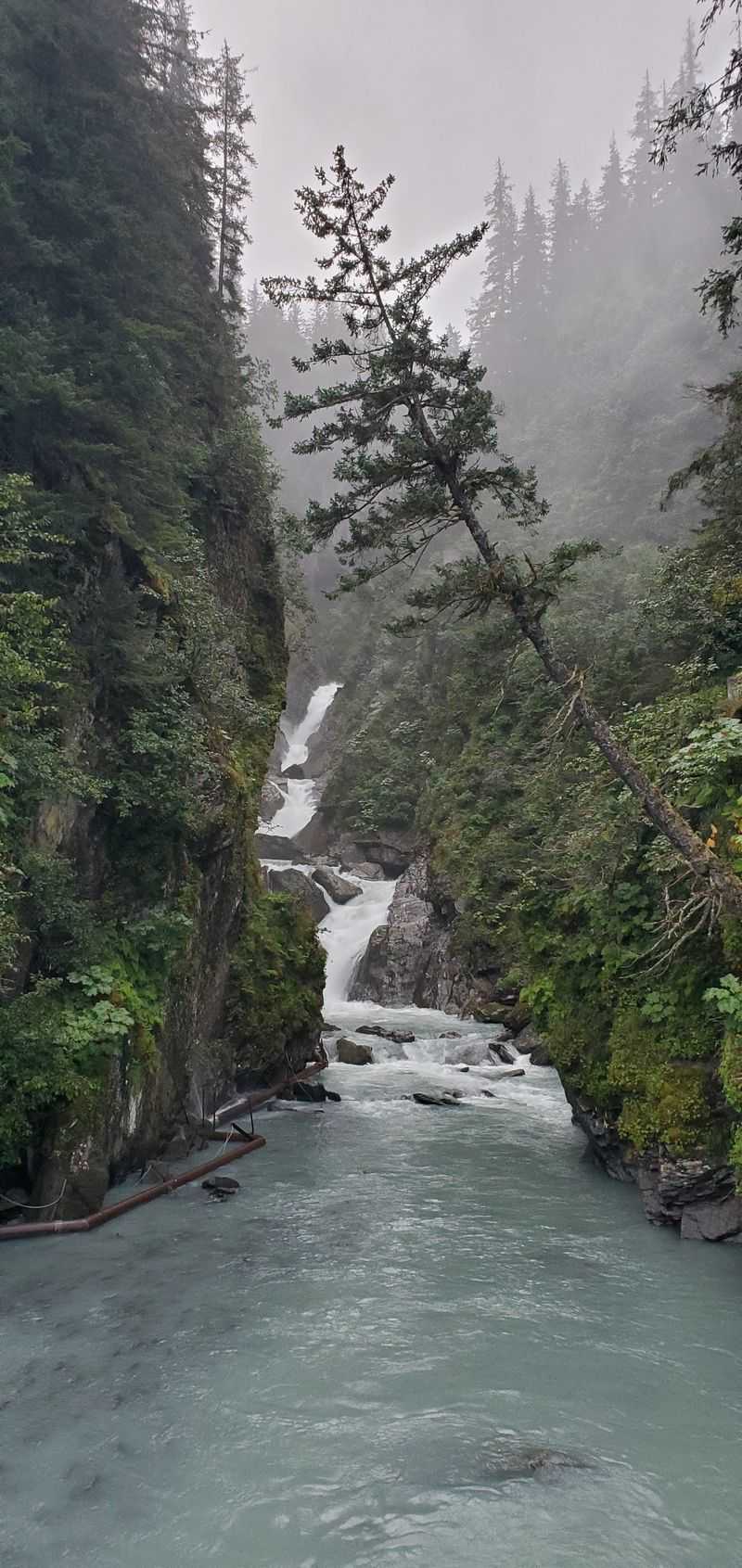
Driving into Valdez via the Richardson Highway ranks among Alaska’s most spectacular road journeys, with every curve revealing new wonders.
This historic route, designated as Alaska Route 4, connects Valdez to the rest of the state through Thompson Pass and Keystone Canyon.
Thompson Pass sits at 2,678 feet elevation and holds the Alaska record for snowfall, receiving an average of 500 inches annually.
During winter, snow walls tower above vehicles as plows work constantly to keep the highway open through this mountain gap.
Summer transforms the pass into a green alpine meadow dotted with wildflowers and frequented by grazing mountain goats.
Worthington Glacier lies just off the highway near the pass, accessible via a short trail that allows visitors to walk right up to the ice.
Descending toward Valdez, the highway threads through Keystone Canyon, where sheer rock walls rise hundreds of feet on either side.
Bridal Veil Falls and Horsetail Falls cascade down these canyon walls, visible right from the road.
The canyon also holds historical significance as the site of violent confrontations during the early 1900s railroad construction wars.
Bullet holes from those conflicts can still be seen in some of the old wooden structures along the route.
RV travelers should note that the highway includes steep grades and tight corners that require careful navigation with larger vehicles.
The journey from Anchorage takes approximately six hours but deserves a full day to properly appreciate the scenery and stops along the way.
Salmon Fishing Paradise
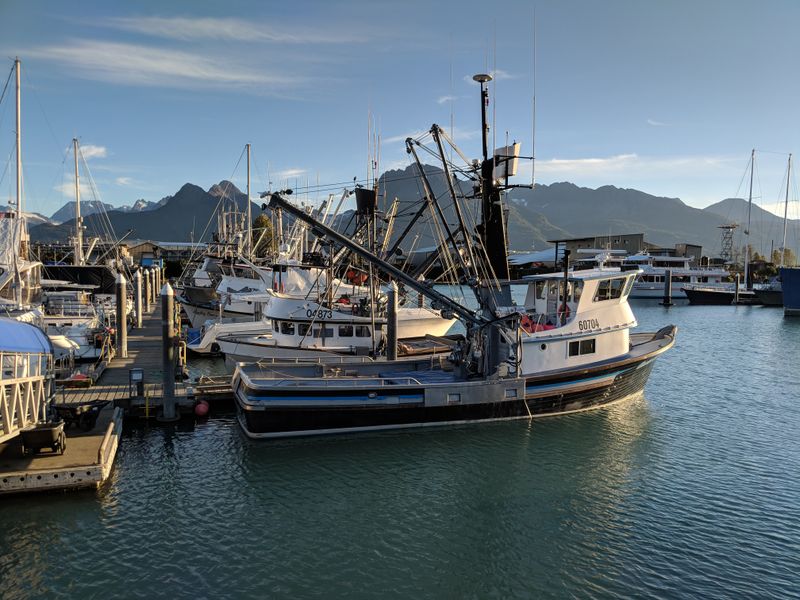
Anglers travel from around the world to test their skills in the waters around Valdez, which offer some of Alaska’s most productive salmon fishing.
Five species of Pacific salmon return to these waters, with pink and silver salmon providing the most abundant catches during summer and fall.
The Valdez Silver Salmon Derby, held each August, attracts competitive fishermen hoping to land a trophy-sized coho and claim substantial cash prizes.
Shore fishing is possible from several spots around town, including the Valdez Duck Flats and the area near the Solomon Gulch Hatchery.
Charter boats offer half-day and full-day excursions into Prince William Sound, where captains know the best spots for salmon, halibut, and rockfish.
Halibut fishing peaks during summer months, with barn-door-sized flatfish weighing over 100 pounds occasionally brought to the dock.
The Alaska Department of Fish and Game maintains strict regulations to ensure sustainable fishing, including catch limits and seasonal closures.
Visitors need to purchase an Alaska fishing license, available online or at local sporting goods stores in Valdez.
Several fish processing facilities in town will clean, fillet, vacuum-pack, and freeze your catch for shipping home.
Even non-fishermen enjoy watching the action at the harbor as boats return with their catches each evening.
The abundance of fish also attracts marine mammals and seabirds, creating excellent wildlife viewing opportunities.
Fishing here connects visitors to Alaska’s heritage, where harvesting salmon has sustained communities for thousands of years and continues today.
Winter Wonderland Adventures
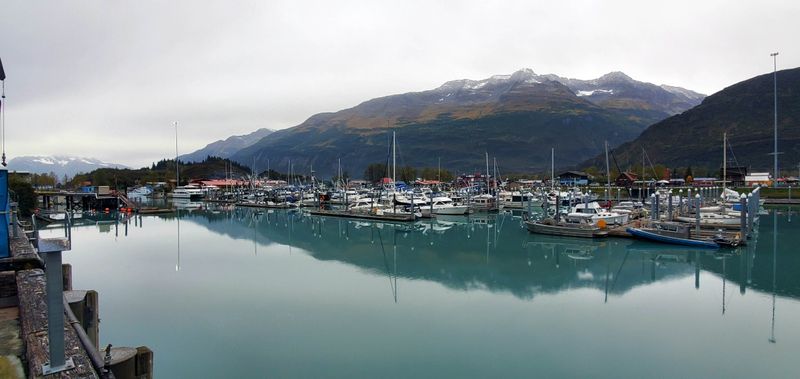
When winter blankets Valdez in massive amounts of snow, the town transforms into a paradise for powder enthusiasts and winter sports adventurers.
Snowfall totals regularly exceed 300 inches in town and much more in the surrounding mountains, creating conditions that attract extreme skiers and snowboarders.
Helicopter skiing operations based in Valdez offer access to untracked slopes and chutes that would be impossible to reach any other way.
These guided backcountry experiences come with significant costs but provide once-in-a-lifetime descents through pristine Alaska wilderness.
Snowmobiling is more accessible to average visitors, with rental operations and guided tours exploring the vast snowfields around Thompson Pass.
The terrain varies from gentle beginner areas to challenging mountain riding that tests even experienced sledders.
Cross-country skiers find groomed trails at the Valdez Glacier and other areas maintained by local volunteers.
Ice climbing attracts technical climbers to the frozen waterfalls in Keystone Canyon, where Horsetail Falls becomes a vertical ice playground.
Winter days are short this far north, with only about six hours of daylight in December, but the long twilight periods provide beautiful soft light.
The town itself takes on a magical quality under deep snow, with buildings nearly buried and streets transformed into narrow corridors between snow walls.
Visitors should come prepared with serious cold-weather gear, as temperatures can drop well below zero, especially when combined with wind chill.
Winter travel requires extra planning, as weather can close the Richardson Highway and delay ferry service for days at a time.
Wildlife Encounters in Natural Habitat
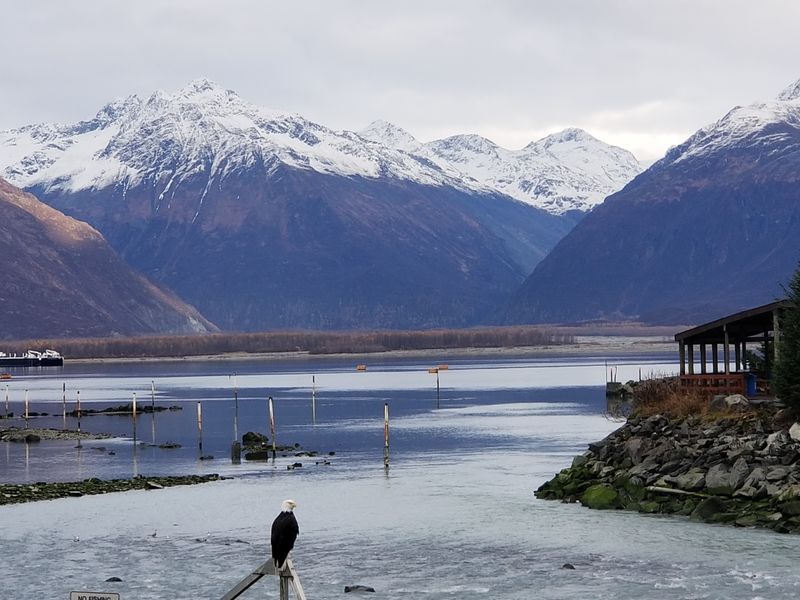
Wildlife viewing opportunities abound in and around Valdez, where animals thrive in relatively undisturbed habitats throughout the region.
Sea otters are frequently spotted in the harbor and along the coastline, floating on their backs and using rocks to crack open shellfish.
These charismatic marine mammals were hunted nearly to extinction for their fur but have made a remarkable recovery in Prince William Sound.
Harbor seals haul out on rocks and floating ice, their spotted coats glistening in the sun as they rest between fishing expeditions.
Bald eagles perch in trees along the waterfront and soar overhead, so common here that locals barely notice them anymore.
During salmon runs, bears occasionally wander into town following the fish, though most encounters occur along streams outside the developed area.
Mountain goats cling to impossibly steep slopes in the surrounding peaks, their white coats making them visible against dark rock faces.
Humpback whales sometimes enter the sound during summer months, their massive bodies breaching in displays that leave observers speechless.
Orcas patrol the deeper waters hunting for seals and salmon, their distinctive black and white coloring unmistakable even from a distance.
Bird enthusiasts can spot numerous species, from tiny hummingbirds that somehow survive here to massive ravens that rule the town like feathered overlords.
Responsible wildlife viewing means maintaining safe distances and never feeding animals, which can alter their natural behaviors and create dangerous situations.
The abundance of wildlife reminds visitors that Valdez sits within a functioning ecosystem where humans are just one part of a larger natural community.
Small Town Character and Community Spirit
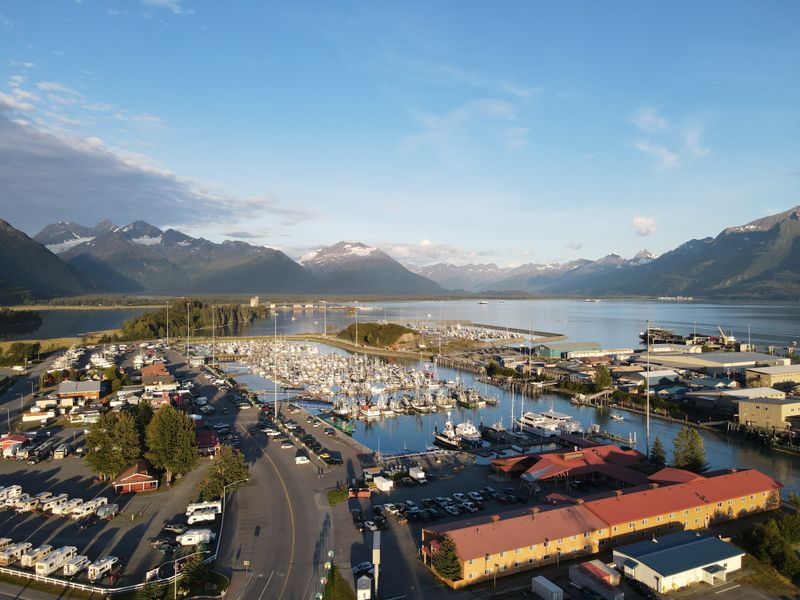
With fewer than 4,000 residents, Valdez maintains a genuine small-town atmosphere where locals know each other and visitors are welcomed warmly.
The downtown area stretches along a few blocks near the harbor, with locally owned shops, cafes, and restaurants serving both residents and tourists.
Fat Mermaid Restaurant at 146 N Harbor Drive offers casual dining with water views and serves fresh seafood alongside comfort food favorites.
The Valdez Museum and Historical Archive preserves the town’s fascinating history, including the devastating 1964 earthquake that destroyed the original townsite.
After that disaster, the entire community relocated four miles away to its current location on more stable ground.
The trans-Alaska pipeline terminal, though located outside town, plays a crucial role in the local economy and Alaska’s oil industry.
Community events bring residents together throughout the year, from the Ice Climbing Festival in winter to the Gold Rush Days celebration in summer.
The local library, recreation center, and schools serve as gathering places where the social fabric of this remote community is maintained.
Visitors often comment on the friendliness of locals, who understand that tourism helps sustain their town economically.
Shopping is limited compared to larger cities, but basic supplies and outdoor gear are available at several stores.
The pace of life moves slower here, shaped by the realities of living in a place accessible only by boat or a single highway through the mountains.
This isolation creates a tight-knit community where people depend on each other and maintain traditions that have faded in more connected places.
Dear Reader: This page may contain affiliate links which may earn a commission if you click through and make a purchase. Our independent journalism is not influenced by any advertiser or commercial initiative unless it is clearly marked as sponsored content. As travel products change, please be sure to reconfirm all details and stay up to date with current events to ensure a safe and successful trip.
