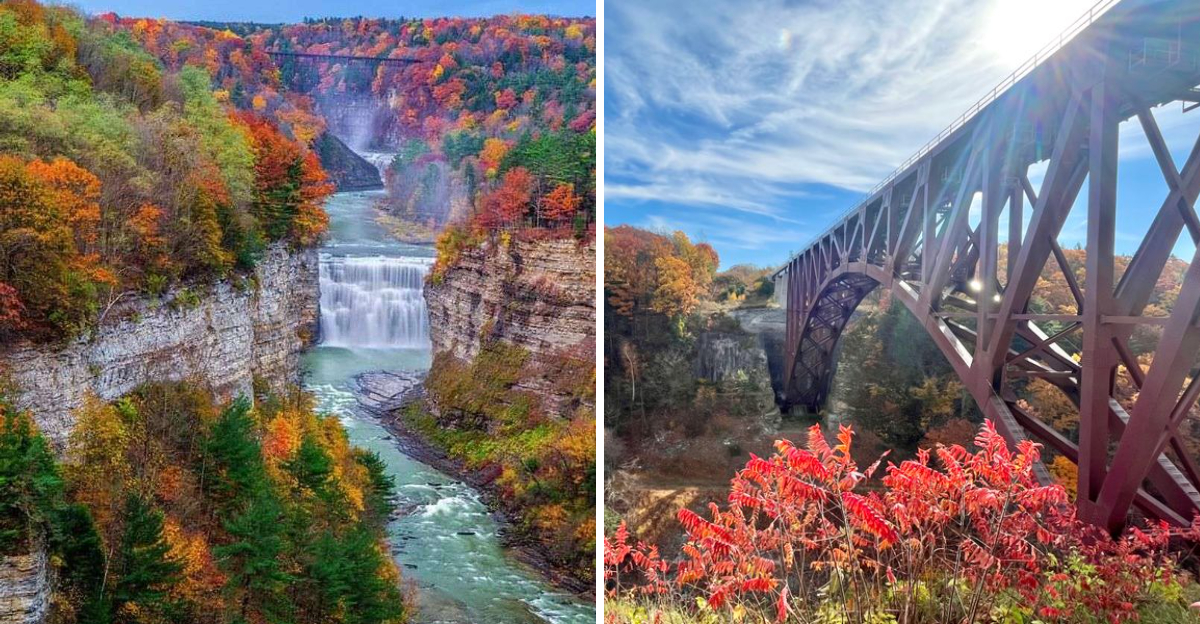
You are about to discover why Letchworth State Park is often called the Grand Canyon of the East, and why it deserves a prime spot on your 2026 travel list.
Set across Western New York with towering cliffs and thundering waterfalls, the park gives you a front row seat to nature in motion.
Trails, overlooks, and quiet corners offer something for every pace, from sunrise photographers to stroller-friendly wanderers.
Plan your route, beat the crowds, and let the Genesee River set the soundtrack to a day well spent.
This guide gathers the most useful tips and inspiring stops so you can see more and stress less.
The Big Three Waterfalls You Cannot Miss
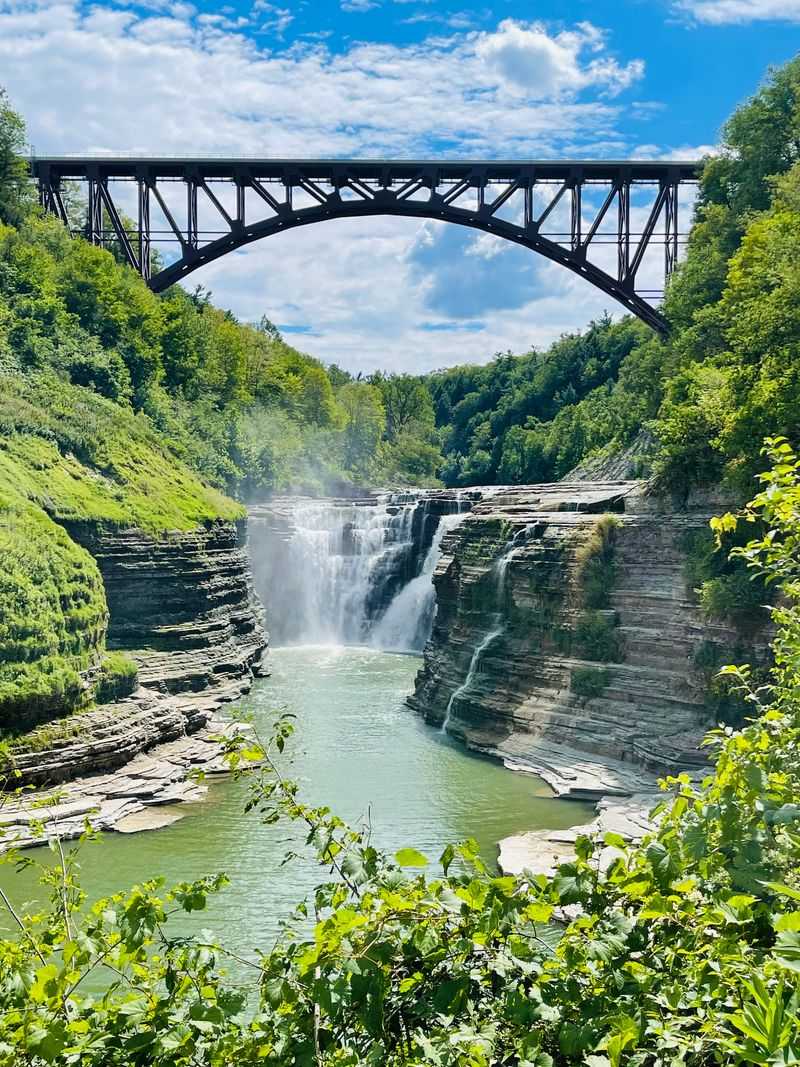
The heart of Letchworth State Park beats loudest at its three most famous cascades, known as Upper, Middle, and Lower Falls.
You can reach each waterfall from clearly signed overlooks that make navigation easy for first timers and families.
Morning light tends to paint the cliffs with a warm glow, while late afternoon adds soft shadows that help your photos pop without heavy edits.
Middle Falls sits closest to the historic Glen Iris Inn at 7 Letchworth State Park, Castile, NY 14427, where the lawn offers a classic vantage across the river.
The roar carries across the gorge here, and mist sometimes drifts toward the railings, so bring a lens cloth to keep your camera clear.
Upper Falls frames the modern Norfolk Southern railroad bridge in the distance, which replaced the older trestle with a safer, sleeker profile.
The path between Middle and Upper is short and steady, with stone steps that feel secure even after a light drizzle.
Lower Falls requires a bit more effort, with a stairway that winds down through trees to a dramatic overlook above the churning water.
If legs are tired, scan park maps for nearer pull offs that still deliver commanding views without the full descent.
Tripod users will appreciate the sturdy rails and flat pads at several viewpoints, though you should keep walkways clear for others.
In spring, snowmelt boosts the flow, while summer brings calmer curtains that reveal more rock texture.
Autumn color in New York amplifies every frame, and winter sometimes adds rime to ledges, creating a crisp backdrop for careful visitors.
Always stay behind fences, because cliff edges are fragile, and conditions change fast after rain.
You can pair this trio with nearby overlooks to build a loop that suits daylight and energy.
Leave time to listen, since the sound here is part of the memory you will take home.
Overlooks With Endless Views
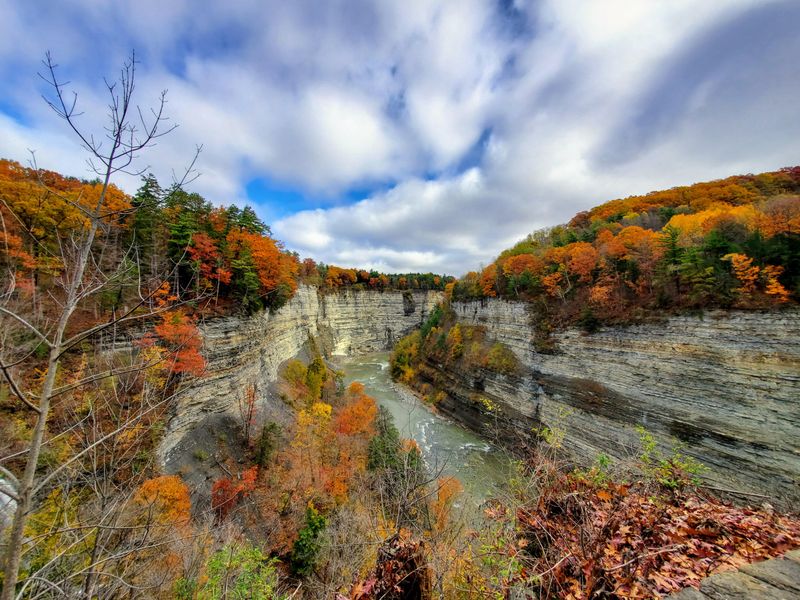
Overlooks define the rhythm of a day in Letchworth State Park, turning short walks into sweeping reveals.
Inspiration Point offers a straight line sight to both Middle and Upper Falls, which makes it a smart first stop for orientation.
The stone walls feel timeless and anchor your photos without competing with the landscape.
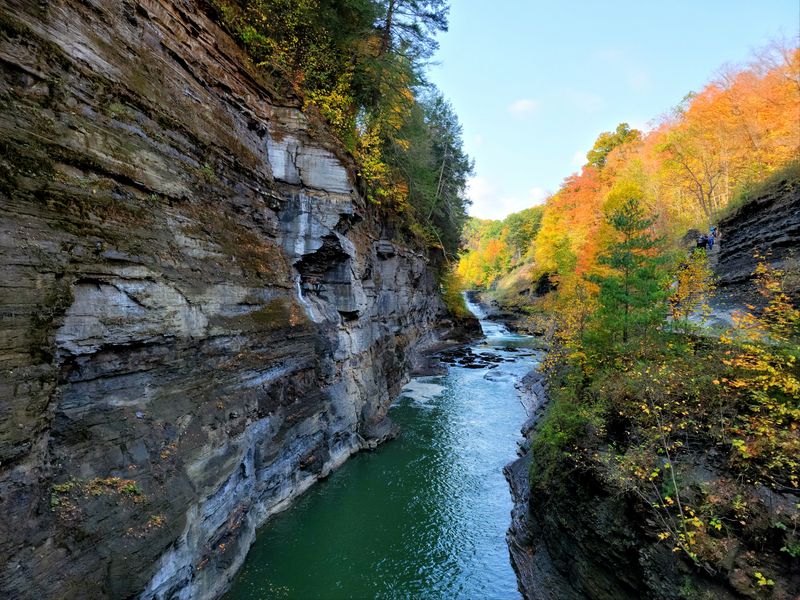
Great Bend Overlook shows the river carving a slow arc through the gorge, with layered shale and sandstone stacking like pages.
If you aim for sunrise or sunset, bring a headlamp because paths are uneven in places and light fades quickly between trees.
Highbanks area overlooks near Mount Morris Dam trade waterfalls for panoramic depth that stretches to the horizon.
This section teaches how the Genesee River shaped Western New York and why the gorge feels so grand yet approachable.
The park maintains clear signs and parking pull offs, which keeps stops efficient for mixed groups and multigenerational trips.
A telephoto lens compresses cliff tiers nicely, while a wide lens captures the sky drama that often builds over the valley.
You can rotate between overlooks to track changing light, avoiding crowds by hopping to the next turnout when buses arrive.
Benches at some viewpoints invite slow breathing and steady gazing, and they help keep the day relaxed.
Cloud cover is not a spoiler, because soft light protects details in the rock and forest.
In winter, closures may affect select pull offs, so check the park website before setting out.
Spring wildflowers brighten the margins, and summer foliage frames natural arches of branches.
Every overlook carries a slightly different voice, so let curiosity pick the order rather than a rigid list.
Hiking Trails For Every Pace

Letchworth State Park offers more than sixty miles of trails, and the variety means you can plan a route that feels just right.
The Gorge Trail links many signature overlooks and waterfalls, which helps first time visitors see highlights without complex navigation.
Sections vary from smooth dirt to rocky steps, so good footwear matters even on shorter stretches.
For quieter mileage, venture onto the Finger Lakes Trail segments that cross the park and dip into peaceful woods.
These paths deliver birdsong, fern lined hollows, and occasional peekaboo views that reward a slower pace.
Families often choose short loop trails near visitor hubs where restrooms and parking simplify logistics.
Elevation changes stack up over the day, so packing water and snacks keeps energy steady between overlooks.
Trailheads are well marked, with maps at kiosks and QR codes on some signs for quick planning.
After rain, shale can feel slick, and creek crossings may run higher than expected, so plan conservatively.
Autumn leaf drop can hide roots, which makes trekking poles useful for balance and rhythm.
Birders should bring binoculars, since the gorge hosts hawks that ride thermals along the rim.
Winter turns popular routes into quiet corridors where microspikes help on shaded slopes.
Park hours run from early morning through late evening, and you will want that daylight for safe transitions.
If you want a long day without backtracking, set up a car shuttle between ends of the Gorge Trail.
Every step teaches the story of water and rock, and you will finish tired in the best possible way.
Rafting, Kayaking, and River Fun
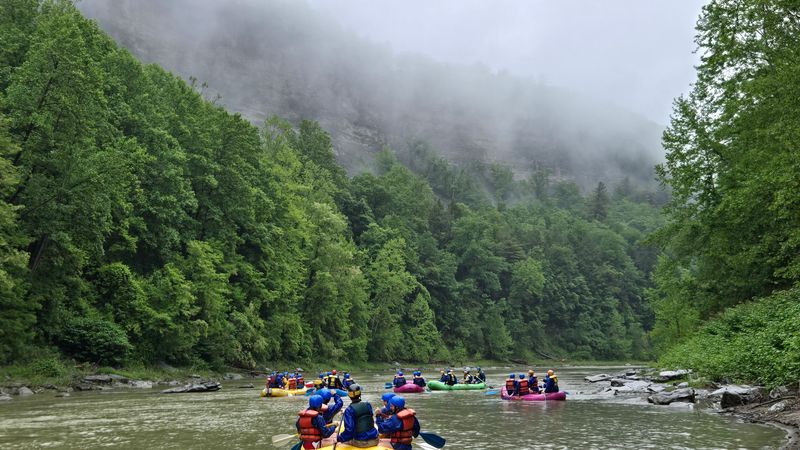
The Genesee River is the park’s moving backbone, and seasonal rafting trips introduce you to its pulse from water level.
Guided outings usually run in late spring through summer when flows are comfortable for beginners and eager kids.
You can expect mellow rapids, splashy sections, and long glides beneath enormous walls of layered stone.
Kayakers who bring their own boats should confirm current regulations and put in points listed by the park.
Life jackets are required, and guides provide helmets when conditions warrant extra protection.
Photographers will appreciate the low angle views that make cliffs loom and the sky feel bigger.
Between riffles, look for herons stalking shorelines and swallows tracing patterns over eddies.
On hot days, water time offers relief after hiking, and it keeps groups engaged without adding steep climbs.
If water levels run high after heavy rain, outfitters and the park may pause trips for safety.
Plan a backup walk to nearby overlooks so your day stays fun regardless of the river mood.
Wetsuits are rarely necessary in midsummer, but a quick drying layer makes lunch stops comfortable.
Sun protection matters because reflection off the water doubles the exposure time without much warning.
Pack a dry bag for your phone and a strap for small cameras, since drops happen when excitement spikes.
New York regulations evolve, so check official park updates before you go and confirm age limits for kids.
When you float beneath the cliffs that shape the gorge, you will understand the park from a brand new angle.
Picnic Spots and Easy Leisure
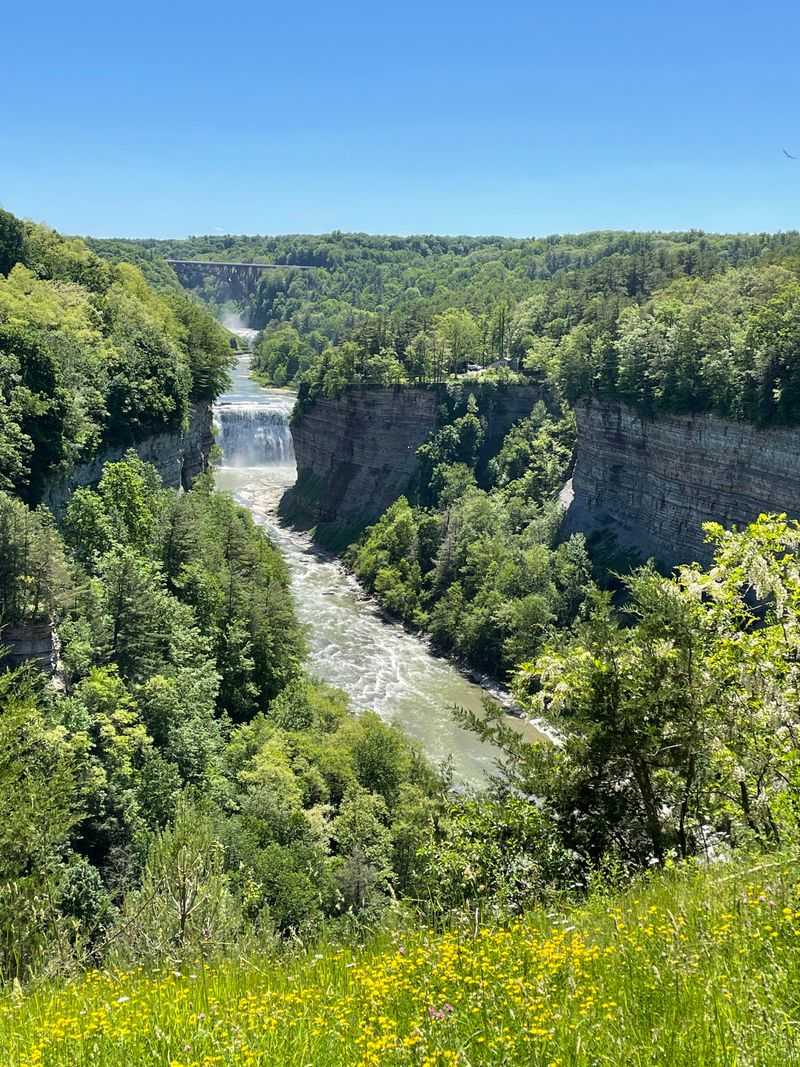
A relaxing picnic can be the highlight of a full park day, especially when trails feel long and the car is nearby.
Letchworth State Park maintains classic stone shelters that pair shade with an old time lodge aesthetic.
Several sites sit close to overlooks, which lets you trade bites for views without packing up everything.
Bring a lightweight blanket for grassy areas and choose a wind sheltered spot if the gorge breeze picks up.
Trash and recycling stations are placed at major hubs, so keeping the park clean is simple and quick.
Playfields near popular shelters give kids room to move while adults plan the next stop.
Restrooms are distributed across the park, and posted maps show which shelters sit closest to facilities.
Midday crowds feel friendlier when you arrive early and claim a table under trees for natural cooling.
On cooler days, sunlit benches make a cozy alternative, and layers help extend your stay comfortably.
You will want a soft sided cooler and a small cutting board for simple spreads that travel well.
Bring a small bag for recyclables so you can leave no trace even when bins fill on busy weekends.
Many picnic areas link to short loops, which is perfect for a short walk after lunch.
Squirrels are bold, so keep food sealed and teach kids how to watch wildlife without feeding it.
Music is best kept quiet, because natural sound elevates the atmosphere and respects fellow visitors.
Picnics in New York parks create easy memories, and Letchworth adds the drama of the gorge as a backdrop.
Seasonal Magic and When To Go
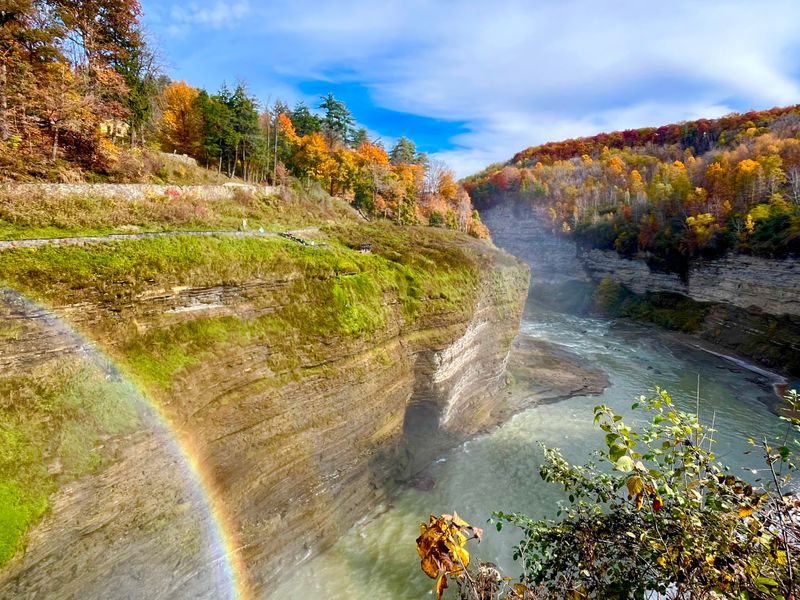
Timing shapes every experience at Letchworth State Park, and a little planning makes each season shine.
Spring brings high water and bright greens, with waterfalls at full voice after snowmelt in Western New York.
Wildflowers light up trailside edges, and cooler temperatures extend hiking comfort through midday.
Summer stacks long days, making it easy to connect overlooks with picnics and short swims nearby outside the park.
Shade along the rim softens heat, and river trips run more often when levels are friendly for beginners.
Autumn color transforms the gorge into a tiered canvas that blends scarlet, gold, and copper.
Weekdays help avoid crowds, and sunrise starts deliver open parking and quiet overlooks.
Winter offers solitude, with icy ledges and rime framed branches that turn the gorge into a crystal theater.
Short daylight means starting early, and traction devices add a margin of safety on packed snow.
Holiday weeks can be busier, so a flexible plan keeps stress low and options open.
Photo minded travelers should track cloud forecasts, because high clouds make flattering light across the cliffs.
Storm days can shut sections temporarily, and the park website posts updates that help you pivot.
The New York foliage timeline varies each year, but early to mid October often hits a sweet spot.
For long summer days, pair sunrise at Middle Falls with a late golden hour at Great Bend Overlook.
No matter the month, the gorge rewards patience, and you will leave with a season stamped memory.
Wildlife Watching Without Disturbance
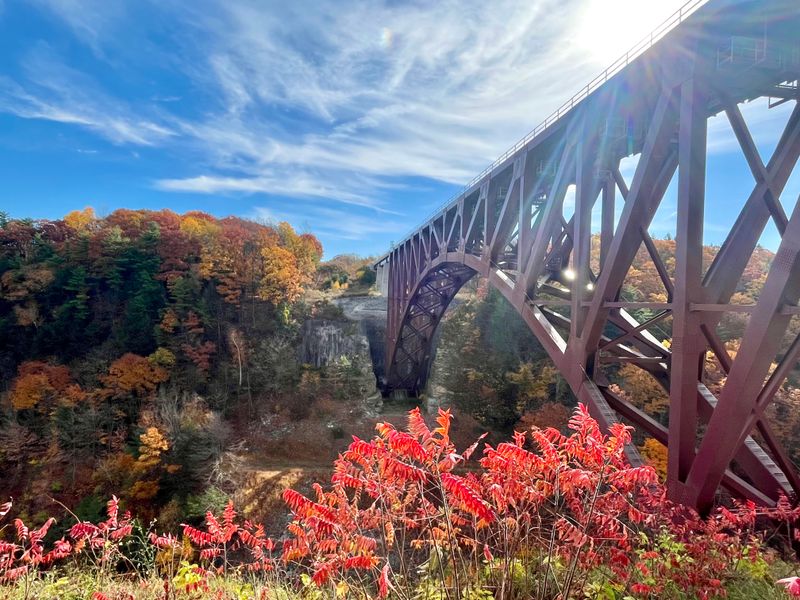
Wildlife adds surprise to every visit, and Letchworth State Park offers many chances to observe without interfering.
You may spot white tailed deer at dawn near open fields where grasses meet the forest edge.
Turkey vultures and hawks ride thermals across the gorge, drawing clean lines against the sky.
Binoculars help you scan cliff ledges for nests while keeping a safe distance that protects behavior.
Chipmunks and squirrels work trail margins, and their confidence grows when visitors keep food sealed.
Early hours bring the best activity, especially on quieter side trails away from major hubs.
Patience matters because wildlife appears on its own timeline, which rewards slow steps and soft voices.
Use pull offs rather than stopping on roads, and never approach animals for closer photos.
Simple field guides or apps help with bird calls that echo across the gorge on calm mornings.
In winter, fresh snow becomes a notebook of tracks that tell stories about overnight movement.
Spring migration can bring bursts of color to treetops, so look up between overlook stops.
Park rules protect sensitive areas, and staying on signed trails keeps habitats healthy for the long term.
If you see a fawn resting alone, leave it be because parents often feed nearby and return later.
New York conservation efforts rely on visitor choices, and you can model good habits for kids.
With patience and respect, wildlife moments become highlights without leaving any trace behind.
Accessibility and Family Friendly Stops
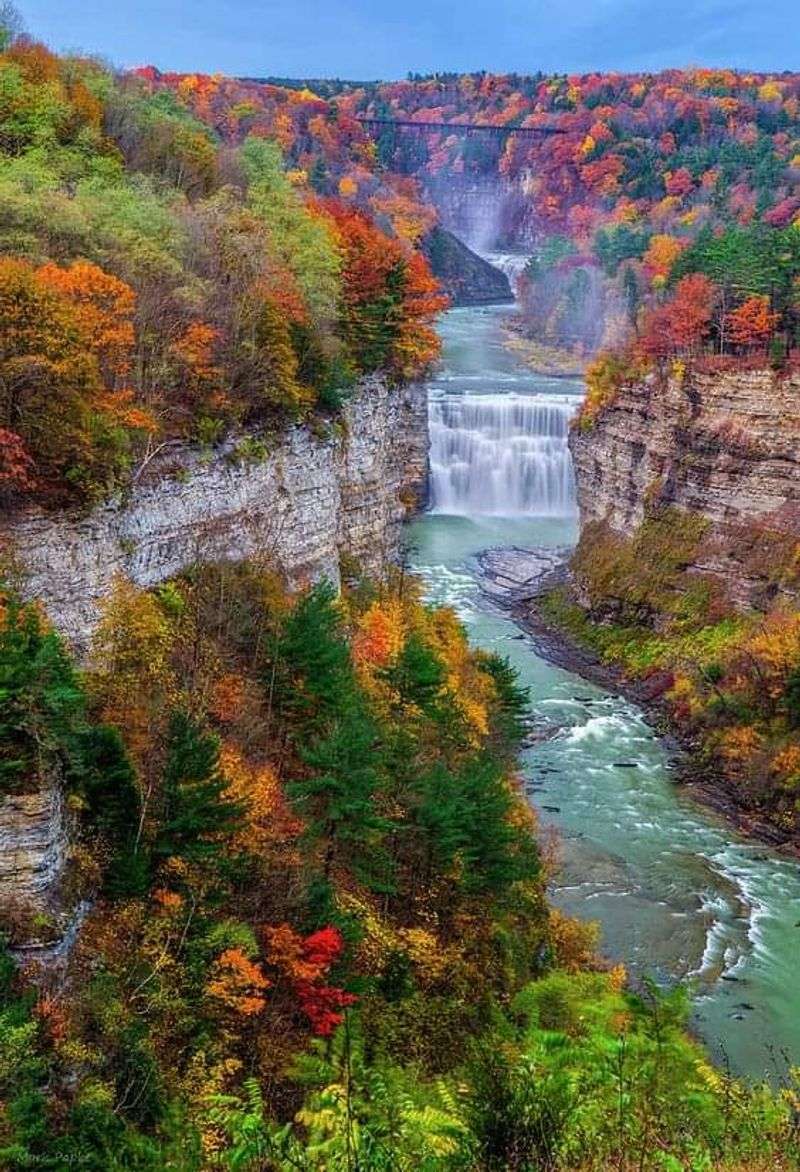
Accessibility has improved across Letchworth State Park, which makes big views available to more visitors.
Several overlooks feature paved paths with gentle grades that work well for wheelchairs and strollers.
Inspiration Point and areas near Middle Falls offer some of the easiest access to signature scenes.
Accessible restrooms are noted on park maps, and parking spots sit close to paths at major hubs.
Families appreciate short connectors that link picnic zones, playgrounds, and viewpoints without steep climbs.
Wayfinding signs use clear icons that help kids follow along and feel part of the plan.
Ranger programs sometimes include kid friendly talks about geology and wildlife, with simple language and props.
Bring noise protection for toddlers if you linger near the loudest waterfall platforms.
Sensory friendly breaks are easy to find on quieter loops where forest sounds feel calm and steady.
Benches along routes allow rest without pressure to push onward quickly.
Consider a lightweight blanket for shaded grass where you can regroup before the next stop.
If you travel with a mobility device, confirm current surface conditions after heavy rain or snow.
The park website updates closures and maintenance that may affect accessible routes.
New York park staff welcome questions, and calling ahead can clarify parking and ramp specifics.
With a flexible plan, families of many abilities can share the same grand overlooks together.
History, Geology, and the Story of the Gorge
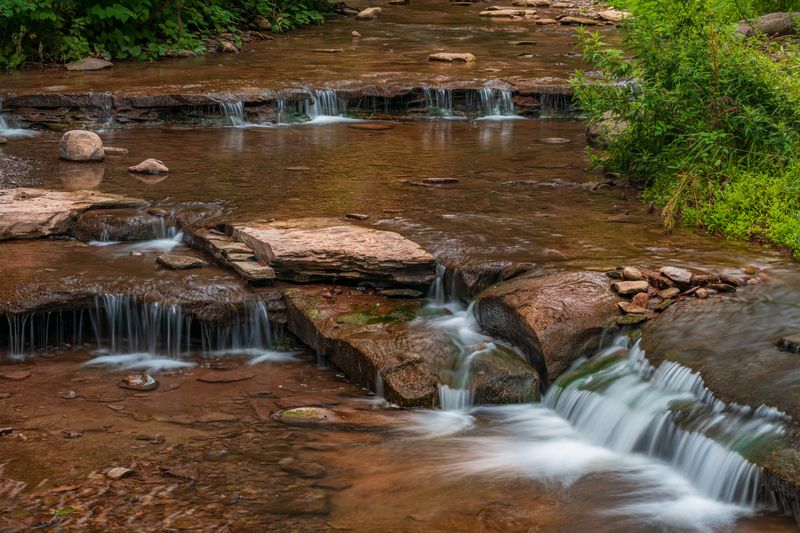
The gorge at Letchworth State Park tells a layered story through rock, water, and human choices.
Shale and sandstone cliffs record ancient seas and rivers that once covered this part of New York.
The Genesee River cut down through those layers, leaving terraces and ledges that shape today’s views.
Interpretive signs around overlooks explain how ice age meltwater and time carved the valley we see.
William Pryor Letchworth preserved this landscape and set the stage for the park that carries his name.
The Glen Iris Inn anchors that history beside Middle Falls, connecting visitors to early conservation efforts.
Railroads and dams changed regional travel and water flow, and exhibits note both benefits and tradeoffs.
Modern stewardship balances access with protection, and visitors play a role by staying on signed paths.
Storms expose fresh rock faces that add new textures and reveal fossils in broader regional formations.
When you pause at an overlook, imagine water levels rising and falling across geologic time.
Ranger talks highlight ongoing projects that monitor erosion and support native plants.
Local stories mention early travelers who camped near the river, though details sometimes blur across decades.
If you love maps, study the river’s bends to understand where rock resists and where it yields.
Reading the gorge this way turns each stop into a chapter you assemble in any order.
You will leave with a deeper appreciation for how wild places persist when people choose care.
Practical Planning, Hours, and Park Updates
A smooth visit begins with current information, and Letchworth State Park keeps updates flowing on its official site.
As of 2025, posted hours run from 6 AM to 11 PM daily, with occasional adjustments during storms or maintenance.
The main website at parks.ny.gov lists closures, trail work, and event notes that shape daily plans.
Cell coverage varies across the gorge, so save maps offline and screenshot key details before you roll in.
Entrance points have fee collection during certain seasons, which supports maintenance and visitor services.
Parking fills near Middle Falls on fair weather weekends, so early arrival helps secure a convenient spot.
Restrooms and water sources appear at major hubs, and signage points to the nearest facilities.
Pack layers because temperatures shift quickly between rim breezes and sheltered forest sections.
Weather can move fast in Western New York, and a light rain jacket earns its place in every bag.
If you travel with pets, follow leash rules and check which trails allow dogs comfortably.
For better crowd flow, plan a loop that alternates headline overlooks with quieter woodlands.
Keep headlights ready for dusk exits, since wildlife often moves near roads at day’s end.
Rangers and staff answer questions at visitor hubs and appreciate heads up reports about trail issues.
The park phone line at +1 585-493-3600 connects you to recorded updates and contact options.
With a flexible checklist and timely info, you can savor the gorge rather than chase it.
Dear Reader: This page may contain affiliate links which may earn a commission if you click through and make a purchase. Our independent journalism is not influenced by any advertiser or commercial initiative unless it is clearly marked as sponsored content. As travel products change, please be sure to reconfirm all details and stay up to date with current events to ensure a safe and successful trip.
