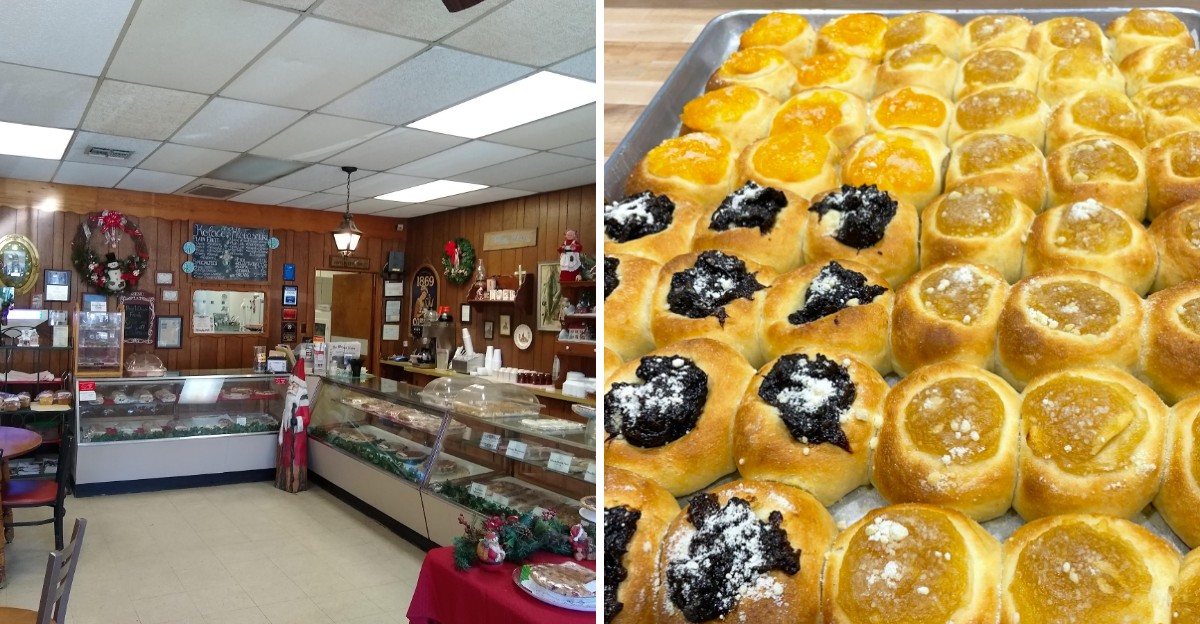
Kolaches. Klobasnek. And the smell of fresh bread drifting down the street. This Texas bakery has been keeping Czech traditions alive for generations, one batch at a time.
The recipes have not changed. The methods have not changed.
And that is exactly why people keep coming back. The pastries are soft, the fillings are generous, and everything is made from scratch.
You can taste the history in every bite. It is the kind of place where you walk in for one kolache and leave with a box full.
The staff is friendly, the prices are fair, and the atmosphere feels like a step back in time. Small town bakeries like this are getting harder to find.
And this one is worth supporting. Worth the drive.
Worth the detour. Worth every single pastry.
Bring cash and an empty stomach. You are going to need both.
Home of the Kolache Since 1952
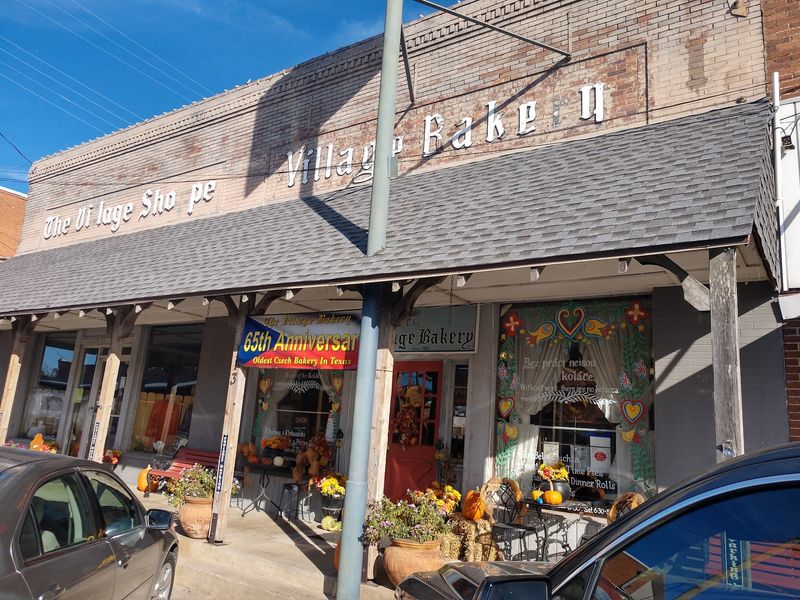
Some bakeries chase trends, and some simply keep showing up. The Village Bakery belongs firmly in the second group, and its story starts in 1952 when Wendell and Georgia Montgomery opened the doors in West.
Their goal was simple enough, which was to bake the Czech pastries their neighbors already loved.
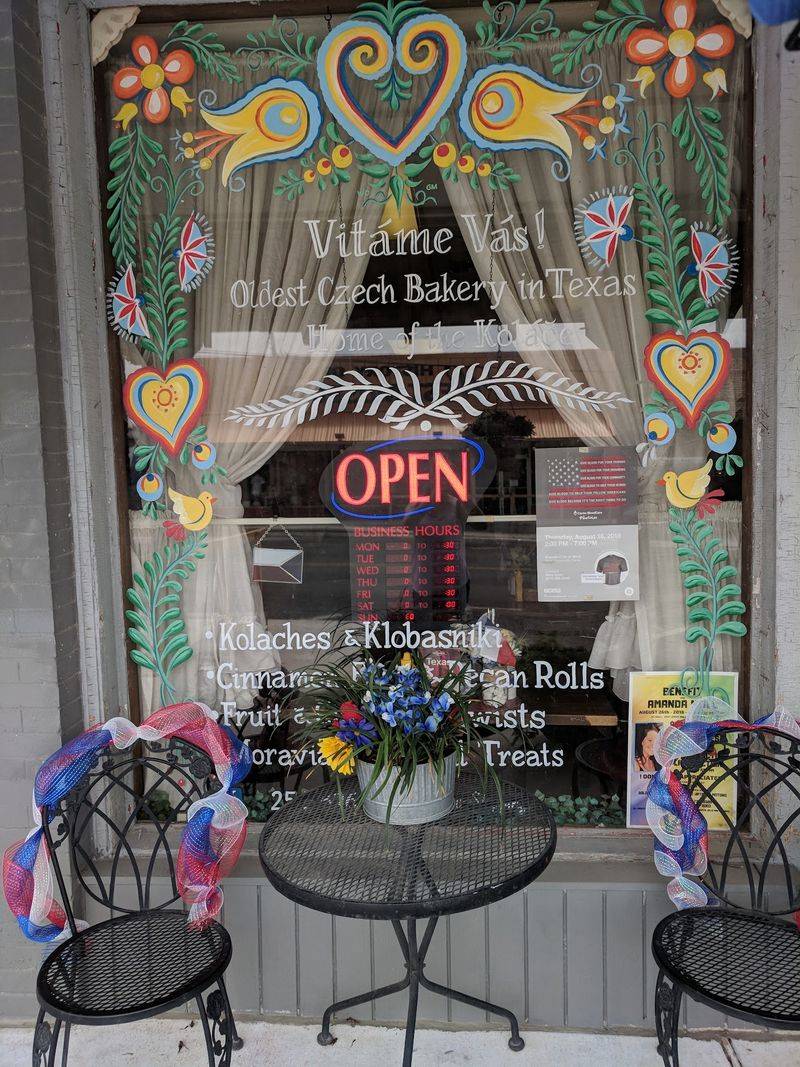
A tall sign out front still calls the shop the Home of the Kolache. That is a bold title in a town packed with Czech pride, but decades of loyal customers seem happy to back it up.
Plenty of longtime visitors connect the place with childhood trips, school mornings, and road trips where a stop in West was never optional.
The Montgomery family ran the bakery for generations. Their daughter, Mimi Montgomery Irwin, kept the ovens going for many years and became a familiar part of the town’s daily rhythm.
Under the original owners, the bakery lived by the motto that the difference is in the dough, a nod to a recipe that tastes lighter and a little sweeter than many others.
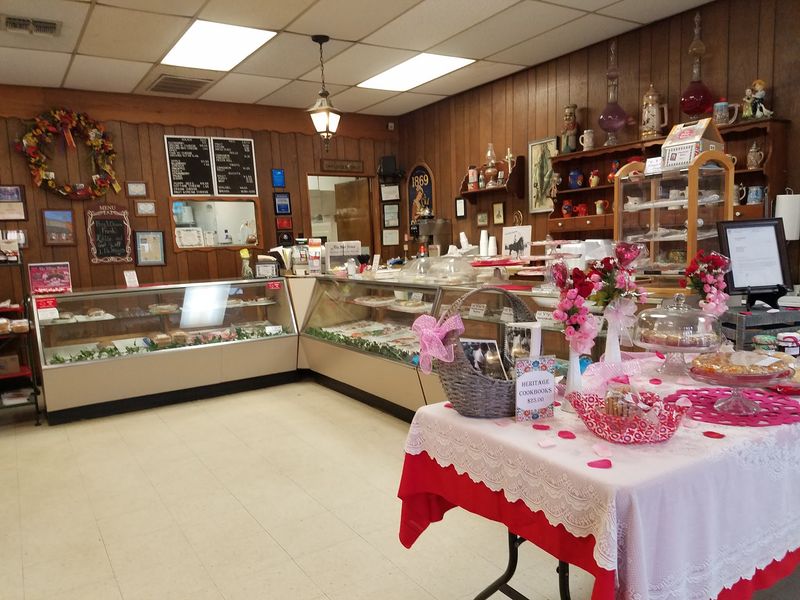
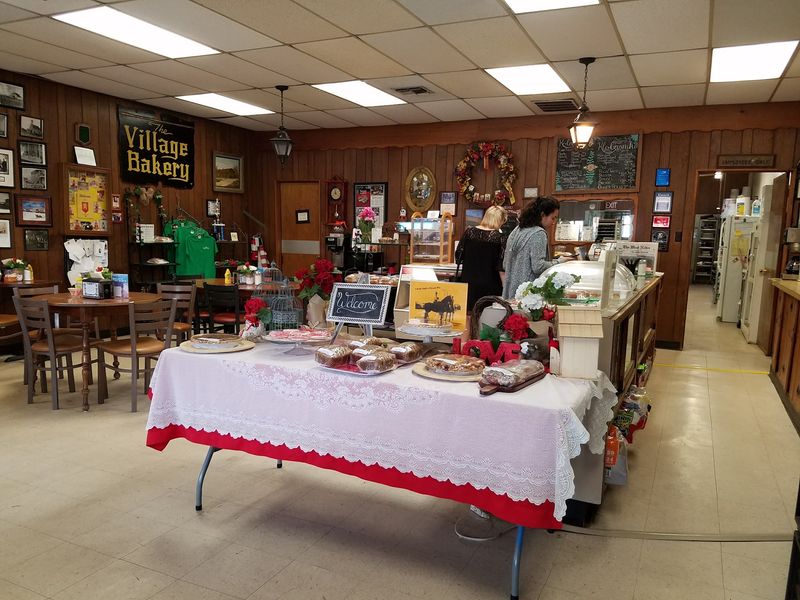
Old photos and Western touches give the room a homey, lived-in look. Nothing feels staged.
It simply looks like a place that has fed a town for a very long time.
For first-timers, a good plan is to start with one classic fruit kolache and one savory pastry. That pairing gives a quick lesson in what made this little bakery famous in the first place, and it rarely leaves anyone wanting to stop at just two.
The Snack That Started a Texas Sausage Craze
Every great invention needs a problem to solve. Back in the early 1950s, Wendell Montgomery had one, since his big loaves of sausage bread were not selling as well as he hoped.
So he teamed up with his mother-in-law and tried something smaller.
Together they wrapped sausage links in soft kolache dough, creating a snack-sized pastry that was easy to grab and eat on the go. The result became known as the klobasnek, or klobasniky in the plural, and it spread across Texas faster than anyone in that little kitchen could have guessed.
Today bakeries and donut shops all over the state sell their own versions.
Plenty of Texans casually call these savory treats sausage kolaches. Purists will politely point out that a true kolache is sweet and filled with fruit or cheese, while the sausage version deserves its own name.
Either way, this is the spot where the idea was born.
The dough is the real star. It stays pillowy and slightly sweet, which balances the salty, smoky sausage inside.
Versions with ground sausage and cheese have also found fans, giving a heartier bite for anyone skipping lunch.
A smart move is to order a couple for the road and one to eat right away while it is still warm. Cold ones taste fine later, but a fresh klobasnek eaten at a small table in the shop hits differently.
Call it a history lesson with extra flavor.
Buchty, Twists and Rolls Made for Sharing
Kolaches get most of the fame, but the rest of the pastry case deserves attention too. One standout is buchty, a Czech-style sweet bread baked in large pans and meant to be shared.
Think of it as a kolache’s friendlier, bigger cousin.
These soft pans of bread come with fillings such as pecan, apricot, and cream cheese. They are often glazed while still warm, so the sugar sinks right into the top.
Bringing one to a family gathering is a quick way to earn compliments without ever turning on an oven.
Cinnamon rolls also have a loyal following. Some visitors like to warm them up and eat them with a fork, turning a simple roll into a sit-down treat.
Pecan rolls offer a nutty, sticky option for anyone who wants a little crunch, and both travel well in a paper bag.
Then there are the twists. These long pastries are made with soft dough, brushed with flavors like cheese or apricot, twisted, baked, and finished with a sweet white glaze.
On a hot Texas day, that glaze may start melting in the car, which only makes them more tempting to eat right away.
Strudel and other rotating pastries sometimes appear as well, so the case can look a little different from visit to visit. Asking the staff what came out of the oven most recently is always a good idea.
Their suggestions can lead to a new favorite that never would have made the list otherwise.
Poppy Seed, Apricot and Other Old Favorites
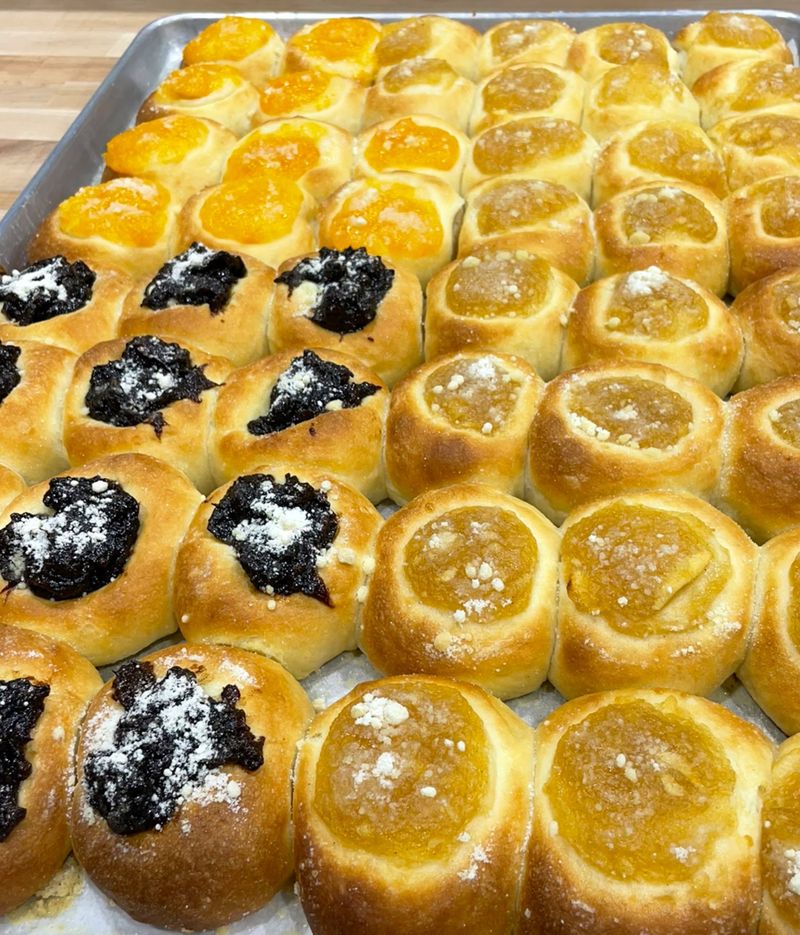
Choosing a kolache here can take longer than expected. The trays hold rows of round, golden pastries, each with a little well of filling pressed into the center, and every one seems to be calling out.
Indecision is completely normal.
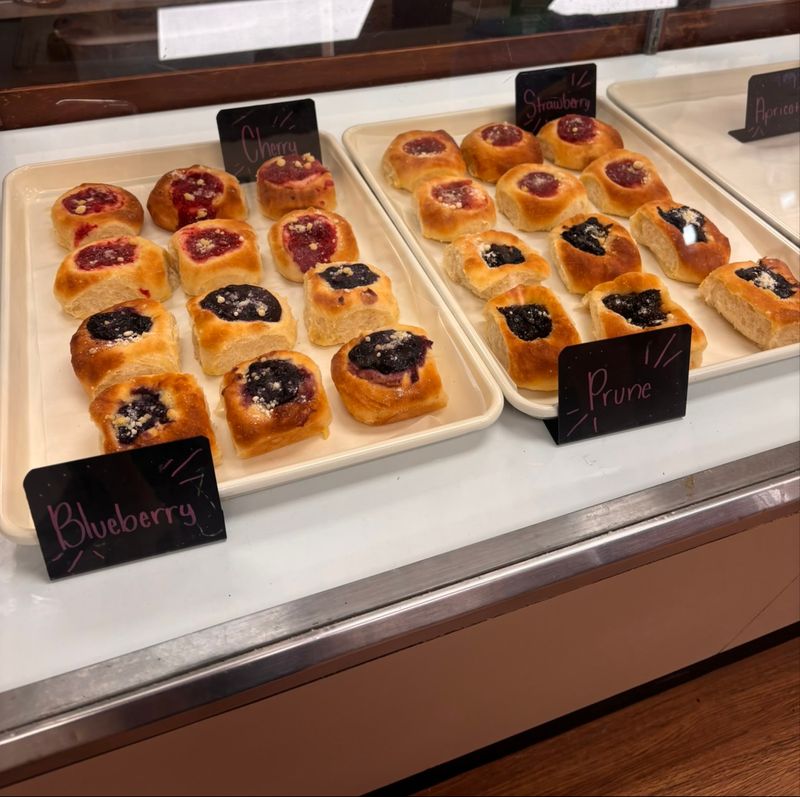
The traditional Czech fillings are the heart of the menu. Poppy seed, apricot, prune, and sweet cottage cheese have been part of kolache baking for generations, and they carry a flavor that feels old-fashioned in the best way.
Poppy seed, in particular, surprises many newcomers with its nutty, gently sweet taste.
Over the years, the bakery also added fillings that match modern cravings. Cream cheese, apple, strawberry, and blueberry often show up, along with cherry, a longtime favorite for kids who grew up in West.
Newer choices like these make a great starting point for anyone still warming up to prune.
What ties them all together is the dough. It comes from a slightly sweet yeast recipe that bakes up soft and airy, never heavy or dense.
A good kolache should feel like a cloud with a surprise in the middle, and that is exactly the goal here.
For the best experience, try one traditional filling next to one modern flavor. Comparing them side by side shows how Czech baking has stayed rooted while still making room for new tastes.
Buying a mixed dozen for coworkers or family is a tradition many travelers happily keep, and it tends to make people very popular back home.
Flour, Fire and a Very Old Oven
Most people are still asleep when the work begins. Bakers here have traditionally started around 2:30 in the morning, shaping and filling dough so trays are ready when the doors open.
That kind of schedule takes real dedication, or at least a lot of coffee.
A big part of the magic comes from a vintage gas-fired oven that dates back to 1903. Ovens like this take years to season properly, and very few of them remain in use today.
Mimi Montgomery once pointed out how long that seasoning takes, which helps explain why the oven is treated like a family treasure.
Much of the baking is still done by hand. Dough gets rolled, portioned, and filled with care rather than pushed through a machine line.
That hands-on approach shows in the small differences from one kolache to the next, a quiet sign that real people made them.
The building itself also goes back to 1903, giving the whole space a cozy, time-worn character. Warm air drifts out from the back, carrying the smell of yeast and sugar across the room.
It is the kind of scent that makes standing in line feel less like waiting.
Travelers who want the freshest pastries should plan to arrive early. The bakery currently opens at 7 a.m. on the days it operates, and popular items can sell out as the day goes on.
Late arrivals still find tasty options, just maybe not their first choice.
A Comeback Built on Patience and Respect
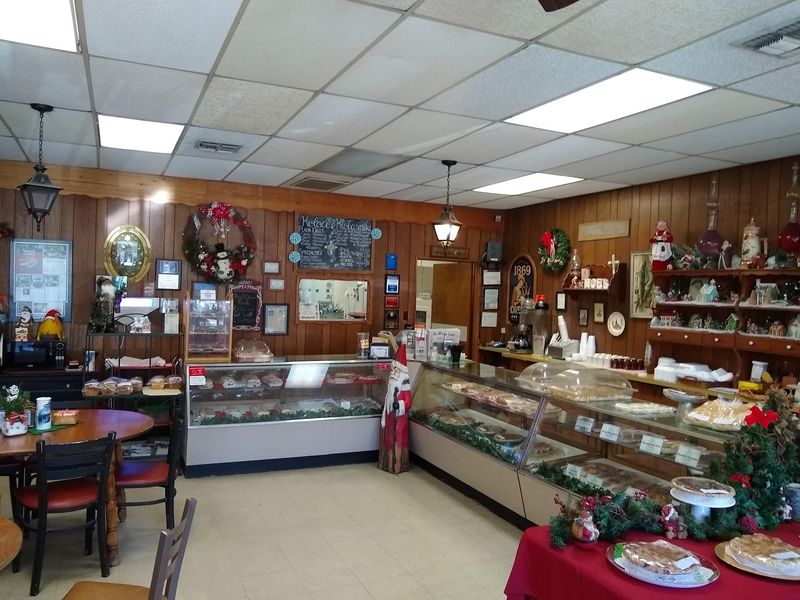
Small towns feel it when a beloved business goes dark. After Mimi Montgomery Irwin passed away, The Village Bakery closed in 2019, and for several years the familiar storefront sat quiet.
Travelers who pulled off the highway expecting kolaches found locked doors instead.
The story did not end there. Shelly Miller and her husband eventually took over the bakery, but not before showing real respect for the community.
Miller waited about a year after the property was listed so that locals with Czech heritage had the first chance to buy it.
That kind of patience says a lot about the new owners’ approach. Their goal has been to update certain parts of the business while carefully protecting the history so many people treasure.
Old photos, the classic sign, and the heritage recipes all remain part of the experience.
The bakery reopened in May 2026 after a lot of hard work on the building and kitchen. Folks who grew up on these pastries finally have a reason to make the detour again.
For a town this proud of its roots, the reopening felt like a missing piece coming back home.
Visiting now offers a rare chance to watch an old tradition step into a fresh chapter. Supporting a revived bakery keeps local history alive in the most delicious way possible.
Every kolache sold helps make sure the ovens stay warm for the next generation of hungry travelers, and that is a pretty sweet deal.
Czech Roots in the Heart of West
Few towns wear their heritage as proudly as West. Czech immigrants began settling here in the late 1800s and early 1900s, bringing their language, music, and, of course, their recipes.
Those traditions never faded away.
Today West is officially recognized as the Czech Heritage Capital of Texas. It also carries the title Home of the Official Kolache of the Texas Legislature, which might be the tastiest honor any town has ever claimed.
Those names show just how deeply Czech culture shapes local life.
What makes West special is that its heritage lives in everyday routines, not only in museums or yearly festivals. Food is the clearest example.
Picking up kolaches for breakfast is less of a special event here and more of a normal Tuesday.
The Village Bakery plays a big role in that story. By sticking to classic recipes and hand-shaped pastries, it helps pass these flavors from grandparents to grandkids and on to curious visitors.
The cozy room carries the warmth of a grandmother’s kitchen, full of sugar, patience, and familiar smells.
Travelers can turn the stop into a bigger outing by strolling the small downtown streets nearby. Crossing the railroad tracks and exploring a few blocks gives a real sense of how compact and friendly the town feels.
End the walk with one last pastry for the road, because hardly anyone leaves West empty-handed.
