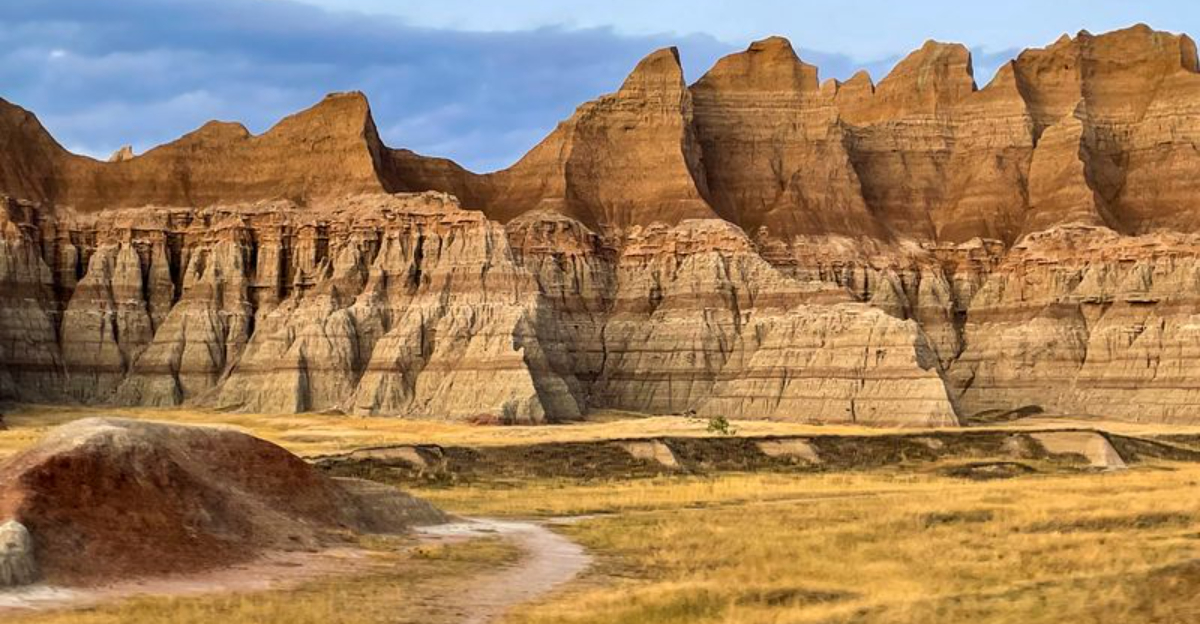
Tucked away in the rugged plains of western South Dakota, Wall stands as a living reminder of the frontier days when cowboys roamed the Badlands and adventure waited around every dusty corner.
This small town of fewer than 700 residents has managed to preserve the spirit of the Old West while welcoming travelers from across the globe who journey here seeking authentic Western experiences.
With its weathered storefronts, wide-open landscapes, and connections to ranching heritage, Wall offers visitors a chance to step back in time and experience what life was like when the West was truly wild.
From legendary roadside attractions to endless prairie vistas, this tiny community continues to capture the imagination of anyone looking for a genuine taste of frontier America.
Wall Drug Store: The Legendary Roadside Empire
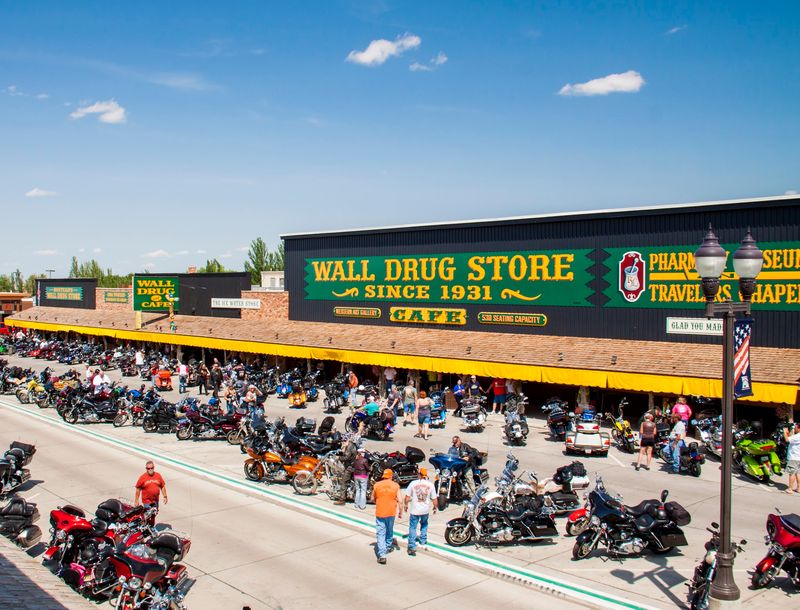
Walking through the doors of Wall Drug feels like entering a time capsule where the 1880s collide with mid-century Americana in the most delightful way possible.
What started as a small-town pharmacy during the Great Depression has transformed into a sprawling 76,000-square-foot complex that attracts millions of visitors annually.
The Hustead family opened this humble drugstore in 1931, and their ingenious marketing strategy of offering free ice water to weary travelers turned their struggling business into a South Dakota institution.
Today, the store maintains its Wild West charm with life-sized cowboy statues, a bucking bronco ride, and an animated T-Rex that delights children and adults alike.
Wandering through the maze of rooms reveals Western art galleries, a chapel, historical photographs, and countless quirky attractions that celebrate frontier life.
The famous five-cent coffee still flows, honoring a tradition that began decades ago when such prices were commonplace rather than nostalgic.
Visitors can browse through endless gift shops filled with cowboy boots, turquoise jewelry, and souvenirs that range from tasteful to wonderfully tacky.
The dining area serves hearty Western fare including buffalo burgers and homemade donuts that fuel road-trippers on their journeys through the Badlands.
Outside, the backyard features more photo opportunities with giant jackalopes, covered wagons, and mining displays that transport guests to frontier days.
Wall Drug Store is located at 510 Main Street, Wall, South Dakota 57790, right in the heart of this tiny town.
The experience captures everything that makes Wall feel like a genuine Wild West destination where commerce and entertainment blend seamlessly.
Badlands National Park Gateway: Rugged Frontier Landscapes
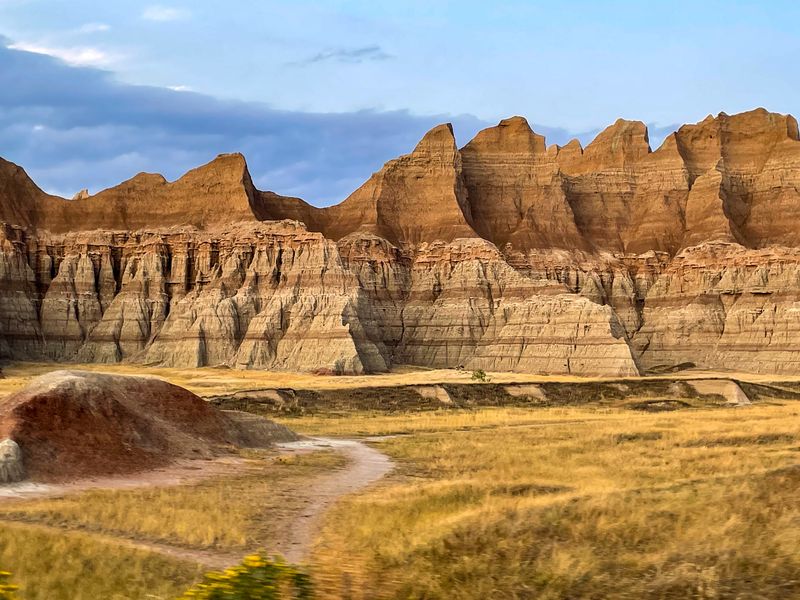
Just eight miles south of Wall, the otherworldly terrain of Badlands National Park unfolds like a scene from an old Western movie where outlaws once hid among the jagged peaks.
These ancient rock formations have witnessed countless chapters of American history, from Native American hunting grounds to fossil beds containing creatures from 75 million years ago.
The Lakota people named this place “Mako Sica,” meaning “land bad,” because the sharp ridges and lack of water made travel treacherous for both humans and horses.
Early French trappers called it “les mauvaises terres à traverser,” which translates to “bad lands to travel across,” and the name stuck.
Wall serves as the primary gateway town for visitors exploring this 244,000-acre wonderland of eroded buttes, pinnacles, and spires.
The dramatic landscape changes with the light throughout the day, transforming from soft pastels at dawn to fiery oranges and reds at sunset.
Prairie grasses wave across the upper plateaus where bison herds roam freely, creating scenes that would have been familiar to frontier settlers.
Bighorn sheep navigate the steep cliffs with remarkable agility, while prairie dogs create entire underground cities in the grasslands.
The isolation and raw beauty of this environment help visitors understand the challenges faced by pioneers who crossed these lands seeking new opportunities.
Hiking trails wind through canyons and along ridgelines, offering intimate encounters with geology that tells stories spanning millions of years.
Wall’s proximity to this natural wonder makes it the perfect base camp for adventurers wanting to experience the untamed landscapes that defined the American frontier.
Main Street’s Western Architecture: Frontier Building Heritage
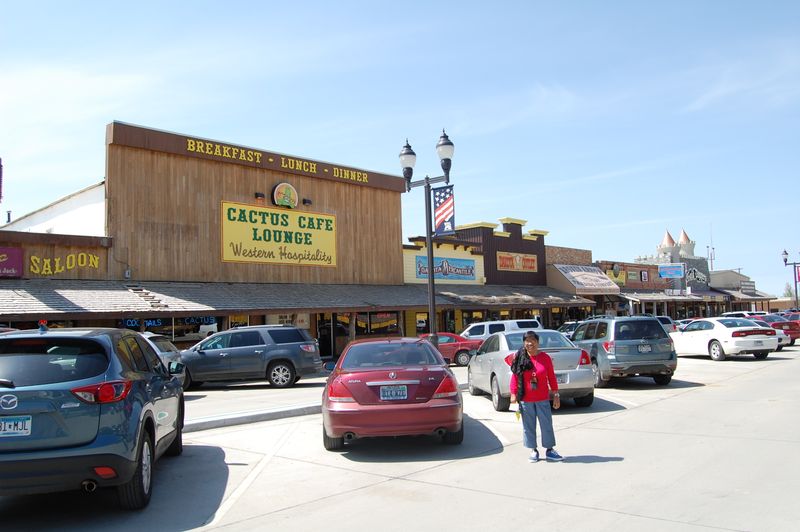
Strolling down Main Street in Wall transports visitors to an era when frontier towns sprang up almost overnight to serve ranchers, travelers, and homesteaders.
The buildings maintain their Western character with false-front facades that make single-story structures appear grander, a common architectural trick from the 1800s.
Covered boardwalks provide shelter from the intense prairie sun and sudden thunderstorms, just as they did for cowboys and settlers over a century ago.
Many structures feature weathered wood siding and hand-painted signs that evoke the days before mass production and corporate branding homogenized small-town America.
The town’s layout follows the classic Western pattern with wide streets originally designed to accommodate wagon teams and cattle drives.
Local businesses have preserved this heritage rather than modernizing their storefronts, understanding that authenticity draws visitors seeking genuine Western experiences.
Hitching posts still stand in front of some establishments, and though they now serve decorative purposes, they remind passersby of Wall’s ranching roots.
The scale of the buildings remains human and approachable, never towering or imposing like modern commercial developments.
Vintage neon signs glow at dusk, adding a nostalgic layer to the Western aesthetic that represents mid-century road trip culture.
Photographers find endless inspiration in the textures, colors, and compositions that these historic structures provide against the backdrop of endless sky.
Walking these streets at sunrise or sunset, when the light is golden and the shadows long, one can easily imagine dusty riders arriving after days on the trail.
Buffalo Gap National Grassland: Endless Prairie Horizons
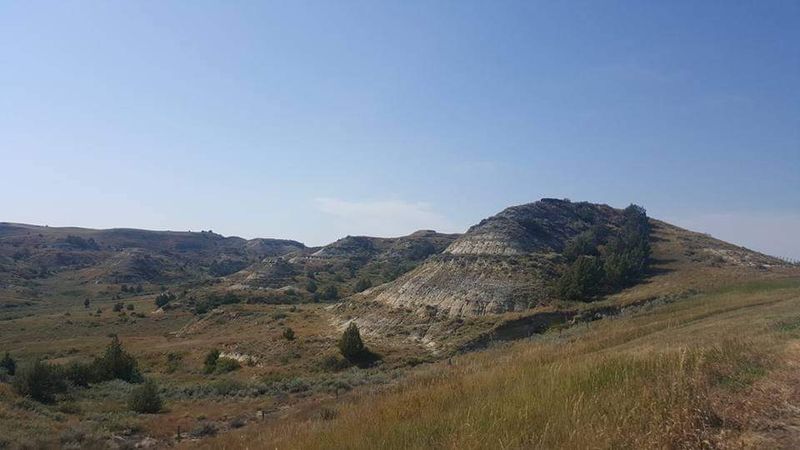
Surrounding Wall on all sides, the Buffalo Gap National Grassland stretches across more than half a million acres of mixed-grass prairie that looks much as it did when buffalo herds numbered in the millions.
This protected landscape represents one of the largest intact prairies remaining in North America, a living museum of the ecosystem that once covered the Great Plains.
The grassland’s name comes from a natural gap in the Badlands wall where buffalo traditionally moved between their summer and winter ranges.
Native American tribes followed these herds for thousands of years, and later, cowboys drove cattle through these same routes to market.
Today, visitors can drive or hike through this ocean of grass where the horizon seems impossibly distant and the sky dominates everything.
The wind creates waves across the prairie grasses, producing a rustling sound that becomes a constant companion in this open landscape.
Wildlife thrives here, including pronghorn antelope that can sprint at speeds exceeding 55 miles per hour, making them North America’s fastest land animals.
Birders flock to the grassland to spot species like ferruginous hawks, burrowing owls, and mountain bluebirds that depend on this habitat.
The grassland offers a profound sense of solitude and space that helps modern visitors understand the psychological impact of the frontier on early settlers.
Camping under the stars here reveals the Milky Way in stunning clarity, undiminished by light pollution that plagues most of America.
Experiencing this vast openness explains why the West captured imaginations worldwide and why Wall remains a portal to that legendary landscape.
Cowboy Culture and Ranching Legacy: Living Western Traditions
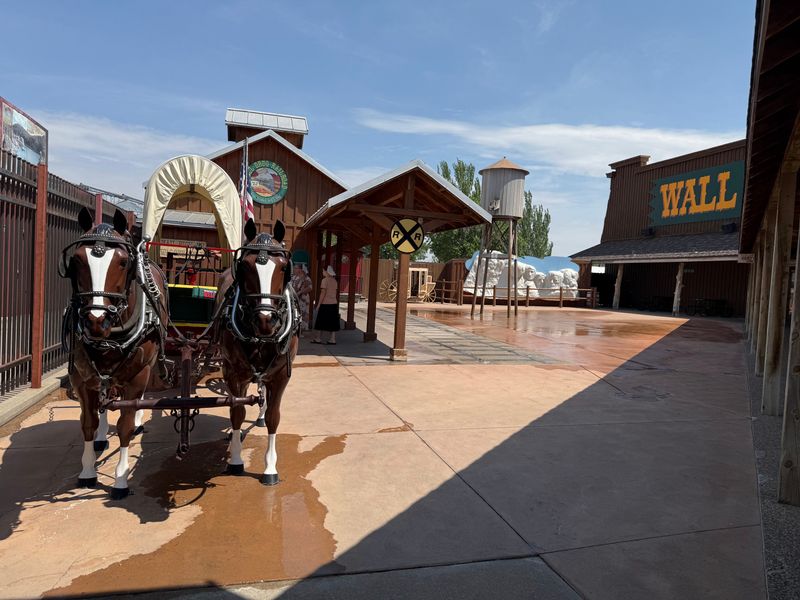
Ranching isn’t just history in Wall; it remains the economic and cultural foundation of this community where cattle outnumber people by a considerable margin.
Local ranchers continue traditions passed down through generations, working long hours in challenging conditions to maintain their herds and land.
The rhythm of ranch life still dictates the community calendar, with brandings, cattle sales, and roundups marking the seasons more reliably than any calendar.
Visitors who venture beyond the main tourist areas might encounter real working cowboys moving cattle along rural roads, their horses and dogs helping manage the herd.
These modern cowboys wear practical gear that would be recognizable to their frontier predecessors, though pickup trucks have joined horses as essential ranch equipment.
The Pennington County Fair and other regional events showcase rodeo skills like bronc riding, bull riding, and roping that originated as practical ranch work.
Local feed stores and equipment suppliers cater to ranchers’ needs, offering everything from veterinary supplies to fencing materials.
Conversations in Wall’s cafes often revolve around cattle prices, weather patterns, and grazing conditions, topics that have concerned Western ranchers for over a century.
The landscape bears the marks of this ranching heritage with windmills dotting the prairie, stock ponds reflecting the sky, and fences stretching to the horizon.
Young people in Wall often learn to ride horses and work cattle before they reach their teenage years, continuing skills their great-grandparents mastered.
This living connection to cowboy culture makes Wall authentic in ways that themed attractions can never replicate, preserving the Wild West as a working reality rather than a museum piece.
Frontier Cabin Bar and Grill: Western Hospitality
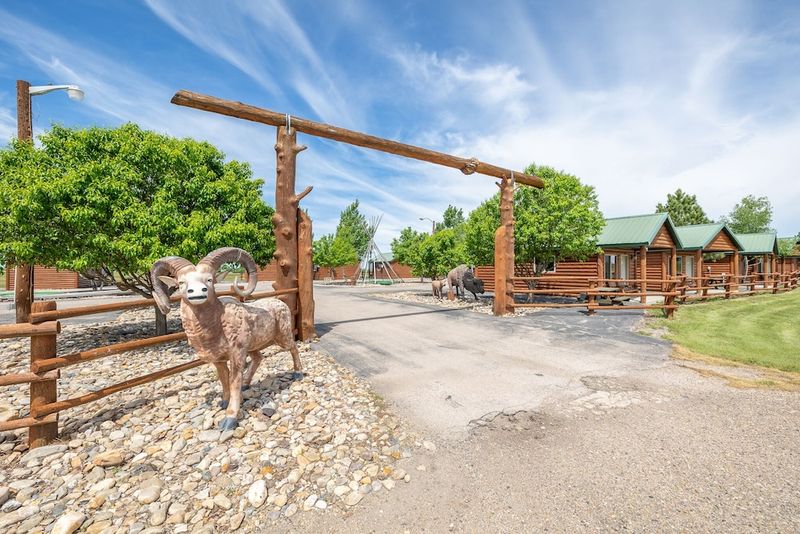
After a long day exploring the Badlands, travelers find warm hospitality at the Frontier Cabin Bar and Grill, where the atmosphere channels the spirit of Old West saloons.
Located at 302 Main Street, Wall, South Dakota 57790, this establishment serves as a gathering place for locals and visitors alike.
The interior features rustic log cabin styling with mounted wildlife, vintage ranch equipment, and Western memorabilia covering the walls.
The menu offers hearty portions of classic American fare with a Western twist, including steaks, burgers, and comfort food that satisfies hungry adventurers.
Bartenders pour cold drinks behind a wooden bar that could have been transplanted from a frontier saloon, complete with saddle-style bar stools.
The friendly service reflects small-town hospitality where strangers quickly become friends through shared stories of their travels.
Live music occasionally fills the space, featuring country and Western tunes that keep the frontier spirit alive.
Locals frequent the establishment after work, creating an authentic atmosphere where visitors can experience genuine community interactions rather than staged tourist experiences.
The walls display photographs of local ranches, historic Wall, and Badlands scenery that provide conversation starters and historical context.
During busy summer months, the restaurant buzzes with energy as motorcyclists heading to Sturgis mingle with families on cross-country road trips.
The establishment embodies the social function that saloons and gathering places served in frontier communities, providing food, drink, news, and companionship in isolated regions where neighbors might live miles apart.
Native American Heritage: Lakota Territory History
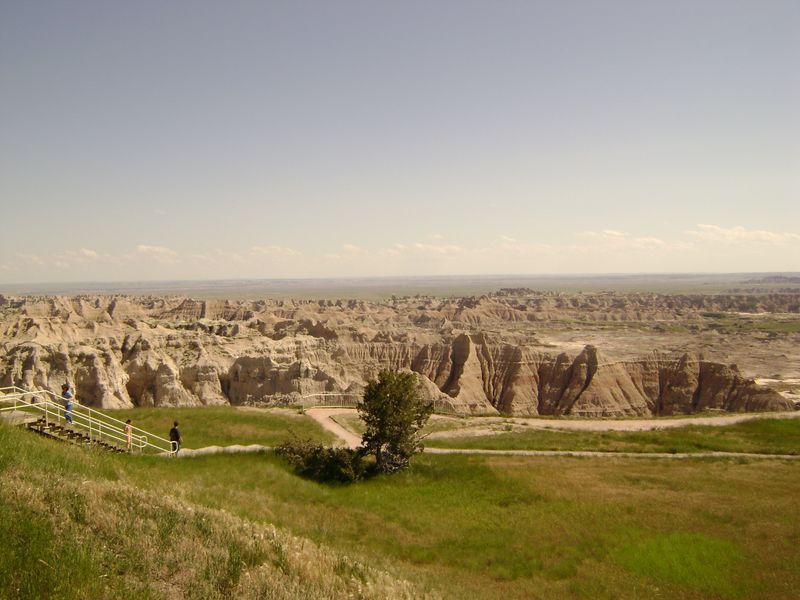
Long before Wall existed as a town, the Lakota Sioux called this region home, following buffalo herds across the grasslands and establishing seasonal camps near water sources.
The area around Wall falls within the traditional territory of the Oglala Lakota, whose descendants now primarily live on the Pine Ridge Reservation located south of Badlands National Park.
Sacred sites dot the landscape surrounding Wall, including vision quest locations in the Badlands where young Lakota men sought spiritual guidance through fasting and prayer.
The dramatic terrain provided both resources and challenges for Native peoples who developed sophisticated knowledge of plants, animals, and survival strategies over thousands of years.
Visitors can learn about this heritage through exhibits at Wall Drug and other local establishments that display Native American artwork, beadwork, and historical photographs.
The clash between Native cultures and European-American expansion reached its tragic climax not far from Wall, with conflicts that reshaped the entire region.
The Wounded Knee Massacre of 1890 occurred about 60 miles south of Wall, marking the end of the Indian Wars and the free-roaming way of life that had existed for generations.
Today, Native American artists continue creating traditional and contemporary works that visitors can purchase, supporting cultural preservation and economic development.
Understanding this layer of history adds depth to any visit to Wall, reminding travelers that the Wild West story includes multiple perspectives and profound cultural losses.
Respectful visitors take time to learn about the Lakota people whose ancestors witnessed the landscape’s transformation from communal hunting grounds to private ranches and tourist destinations.
This heritage remains an essential part of what makes the region significant, connecting modern travelers to histories that extend far beyond the cowboy era.
Minuteman Missile National Historic Site: Cold War Frontier
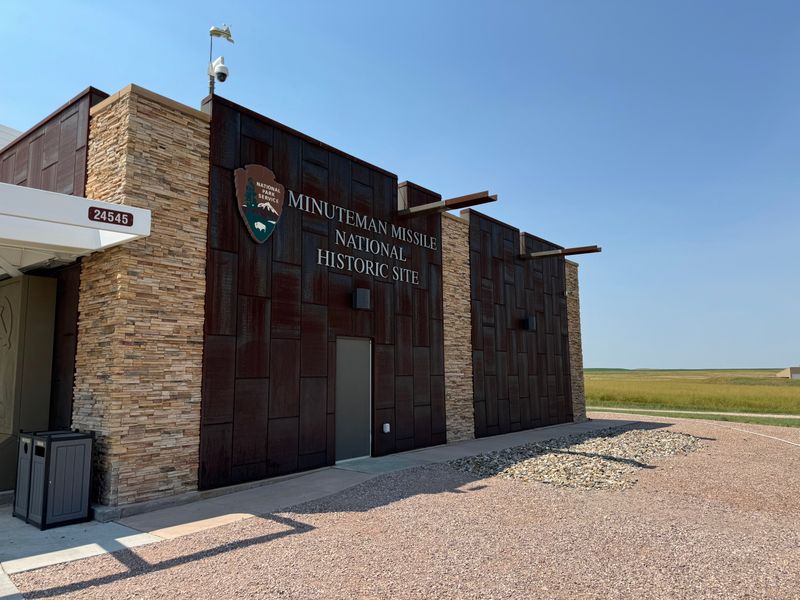
The frontier spirit of Wall extends beyond the 1800s into the Cold War era, when this remote region became home to nuclear missiles aimed at targets thousands of miles away.
The Minuteman Missile National Historic Site preserves a deactivated missile silo and launch control facility that operated from the 1960s through the early 1990s.
These installations turned the peaceful prairie into a strategic military zone where young Air Force officers stood ready to launch nuclear weapons at a moment’s notice.
The Delta-09 missile silo, located about 14 miles east of Wall along Interstate 90, allows visitors to peer down at a deactivated Minuteman II missile.
The Delta-01 Launch Control Facility offers guided tours through the underground bunker where two-person crews monitored multiple missile sites during 24-hour shifts.
The isolation that made this region perfect for frontier ranching also made it ideal for hiding nuclear weapons far from population centers.
At the height of deployment, 150 Minuteman missiles were scattered across western South Dakota, each capable of delivering a nuclear warhead with devastating accuracy.
The contrast between the peaceful prairie landscape and the apocalyptic potential hidden beneath it creates a surreal experience for modern visitors.
This chapter of history represents another kind of frontier, where technological advancement and geopolitical tensions transformed rural America into a nuclear battleground.
Park rangers provide context about the Cold War era, helping visitors understand how global conflicts shaped even the most remote corners of the nation.
The site reminds travelers that Wall’s story includes not just cowboys and settlers, but also the ongoing American experience of living on various kinds of frontiers.
Seasonal Weather Extremes: Frontier Climate Challenges
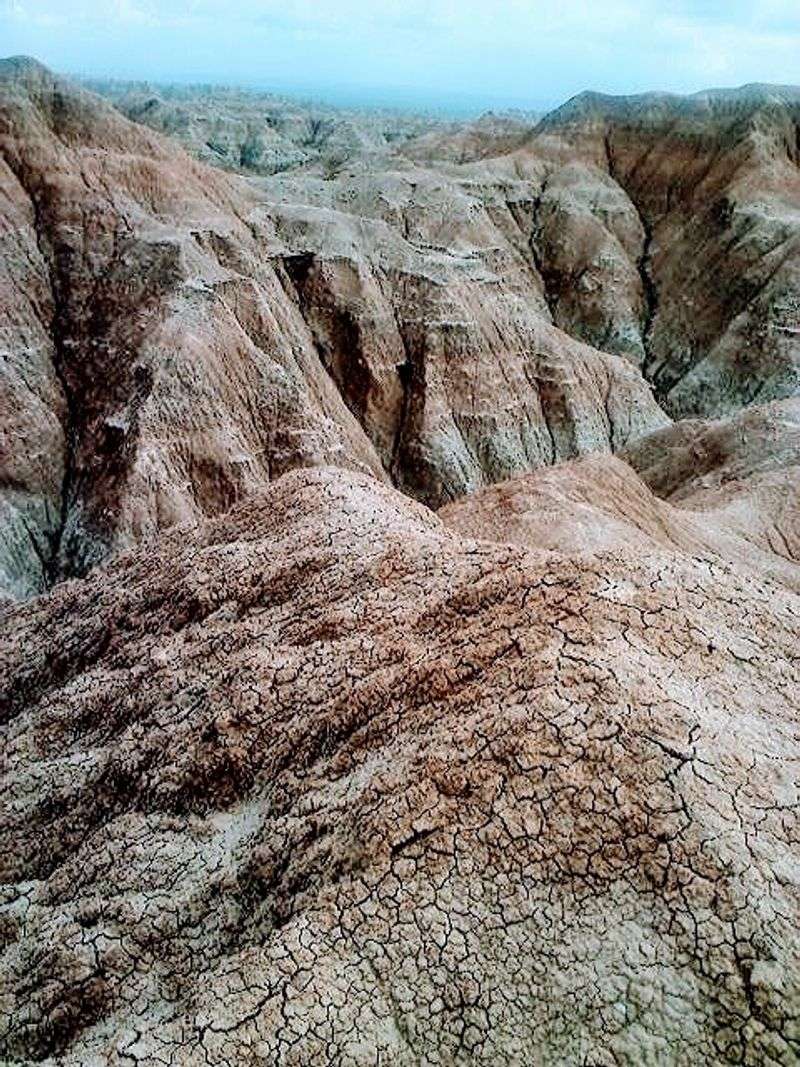
Anyone seeking an authentic Wild West experience must contend with the same weather extremes that tested frontier settlers who built lives in this unforgiving climate.
Summer temperatures regularly soar above 100 degrees Fahrenheit, baking the prairie under relentless sunshine that offers little mercy to those unprepared for the heat.
Winter transforms the landscape into a frozen wilderness where temperatures plunge below zero and blizzards can strand travelers for days.
The wind blows almost constantly across these open plains, sometimes reaching speeds that make standing upright difficult and driving hazardous.
Spring brings violent thunderstorms that roll across the prairie with spectacular lightning displays and occasional tornadoes that remind everyone of nature’s power.
These weather patterns shaped frontier life in profound ways, determining when cattle could be moved, crops planted, and travel attempted.
Modern visitors experience a taste of these challenges, though with the advantage of climate-controlled vehicles and buildings that provide refuge.
The dramatic skies that result from these weather systems create some of the most spectacular sunrises and sunsets found anywhere in North America.
Photographers and storm chasers deliberately visit Wall to capture the atmospheric drama that unfolds above the prairie throughout the year.
Local residents have learned to respect the weather while refusing to be intimidated by it, embodying the resilient spirit that defined frontier communities.
Understanding these climate challenges helps visitors appreciate why survival in this region required toughness, adaptability, and determination, qualities still valued in Wall today.
Road Trip Culture: Modern Frontier Travelers
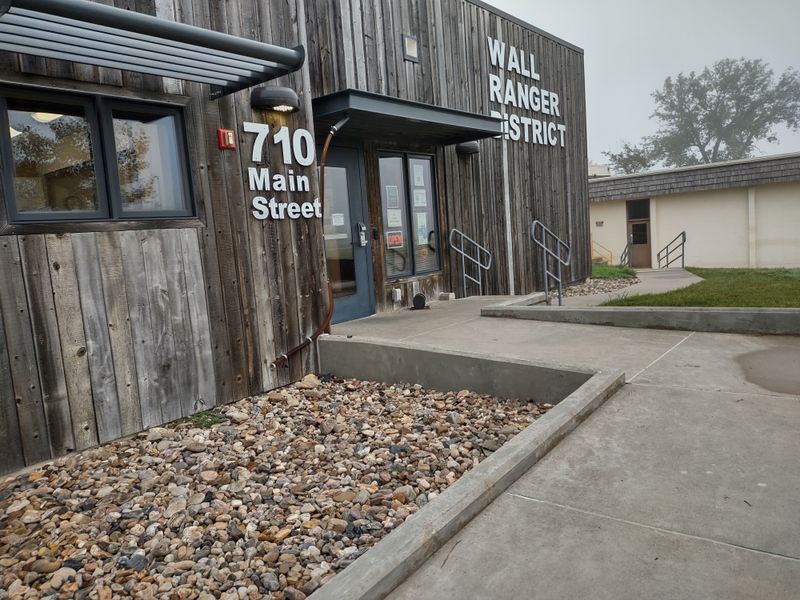
Wall’s location along Interstate 90 and its proximity to Mount Rushmore have made it a legendary stop on the great American road trip, continuing a tradition of cross-country travel that dates back to early automobile tourism.
The famous Wall Drug billboards begin appearing hundreds of miles away, building anticipation and providing distance markers for travelers crossing the monotonous prairie.
During the annual Sturgis Motorcycle Rally, thousands of riders rumble through Wall, their leather and chrome adding a modern outlaw element to the town’s Western character.
Families in minivans, retirees in RVs, and international tourists in rental cars all converge on this tiny town, creating a diverse community of temporary residents united by wanderlust.
The parking lots fill with license plates from across the continent, proving that Wall’s appeal transcends regional boundaries.
This constant flow of travelers creates an energy that keeps the town vibrant despite its small permanent population.
Visitors share stories of their journeys, comparing routes and recommendations in impromptu conversations that mirror how frontier travelers once exchanged information at stagecoach stops.
The tradition of stopping in Wall has been passed down through generations, with grandparents bringing grandchildren to see the same attractions they visited decades earlier.
Social media has amplified Wall’s fame, with countless travelers posting photos and check-ins that introduce new audiences to this quirky frontier town.
The road trip culture that sustains Wall represents a modern form of frontier exploration where adventure seekers still push beyond their familiar territories to discover what lies over the horizon.
In this way, Wall continues serving its historic function as a waystation for travelers, only now they come seeking memories and experiences rather than supplies and shelter.
Dear Reader: This page may contain affiliate links which may earn a commission if you click through and make a purchase. Our independent journalism is not influenced by any advertiser or commercial initiative unless it is clearly marked as sponsored content. As travel products change, please be sure to reconfirm all details and stay up to date with current events to ensure a safe and successful trip.
