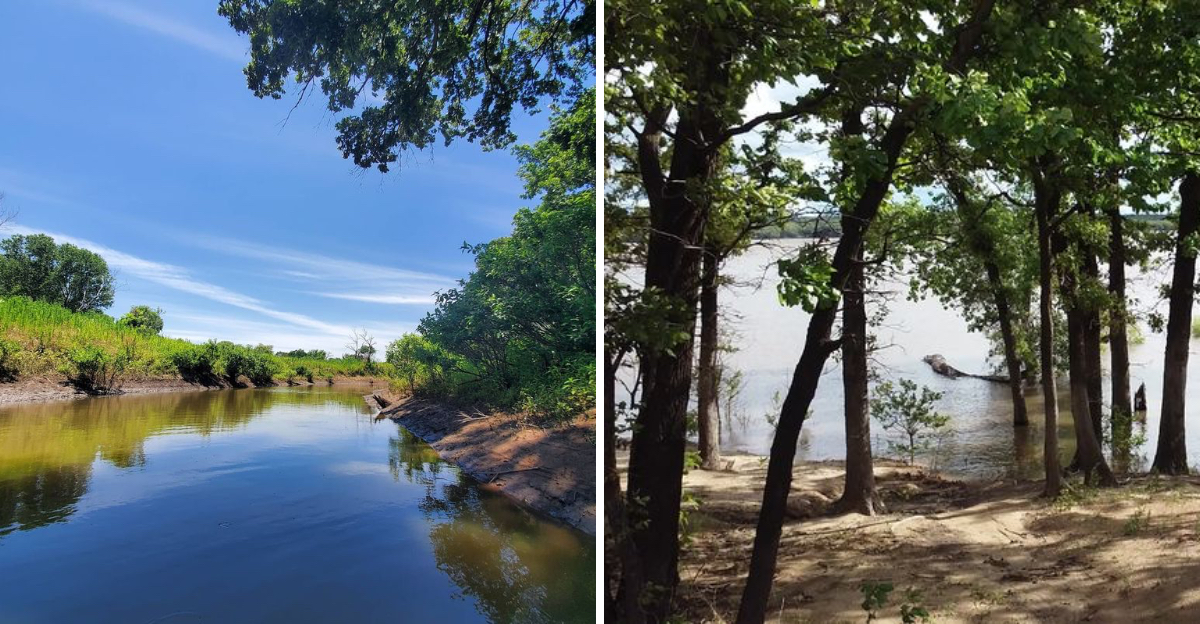
This lake in north-central Oklahoma feels like a hidden win the second you arrive. It stretches out into a wide blue expanse that looks way bigger than you expect, with miles of shoreline and room to breathe in every direction.
For about the price of a fast-food meal, you can spend the entire day here fishing, floating, hiking, or doing absolutely nothing without feeling like time is slipping away. The mornings are calm, the water stays inviting, and the hours pass without you noticing.
It is easy to get to but never feels crowded or overdone. What stands out most is how simple it all is, yet how satisfying it ends up being.
A lake this big and this easy to enjoy should not still feel like a quiet discovery, but somehow it does.
The Scale of Kaw Lake Will Genuinely Surprise You
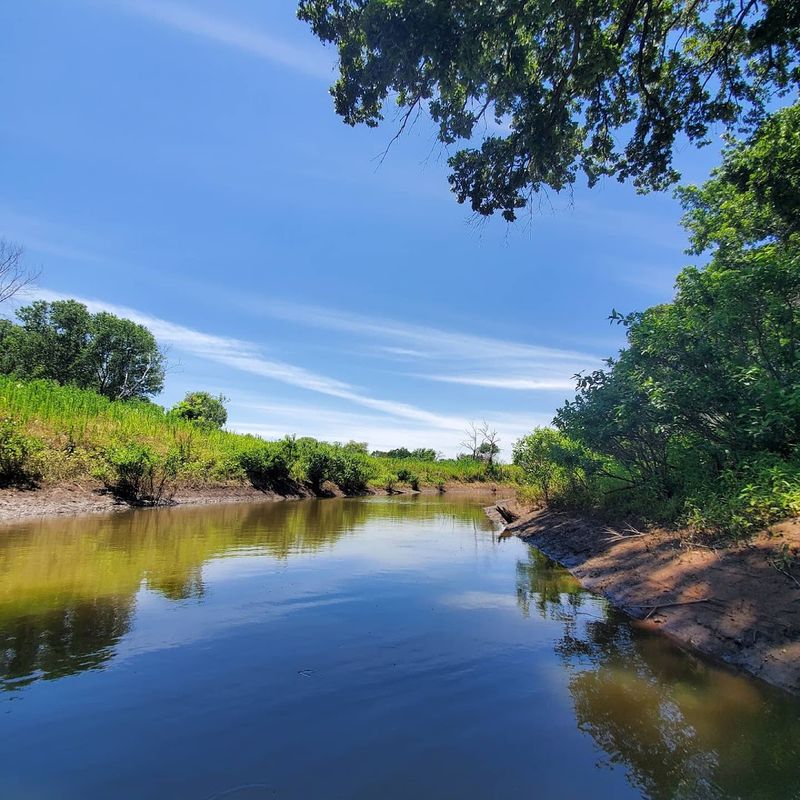
Most people picture a modest fishing pond when they hear the word “reservoir,” but Kaw Lake completely rewrites that expectation the moment you see it from above.
Stretching across roughly 17,000 surface acres, this body of water was created by the Kaw Dam on the Arkansas River in north-central Oklahoma. Construction was completed by the U.S.
Army Corps of Engineers in 1976, and the lake has been a regional outdoor hub ever since.
The shoreline winds for over 168 miles, which means there is always a quiet cove or open bay to explore, no matter how many other visitors show up.
From Highway 11, the view across the water on a sunny morning is genuinely jaw-dropping. The lake sits at an elevation of around 1,010 feet, and on calm days the surface looks almost glassy.
Knowing the sheer size of this place makes every activity here feel bigger and more rewarding. A lake this large simply has room for everyone.
Getting There Is Easier Than You Think
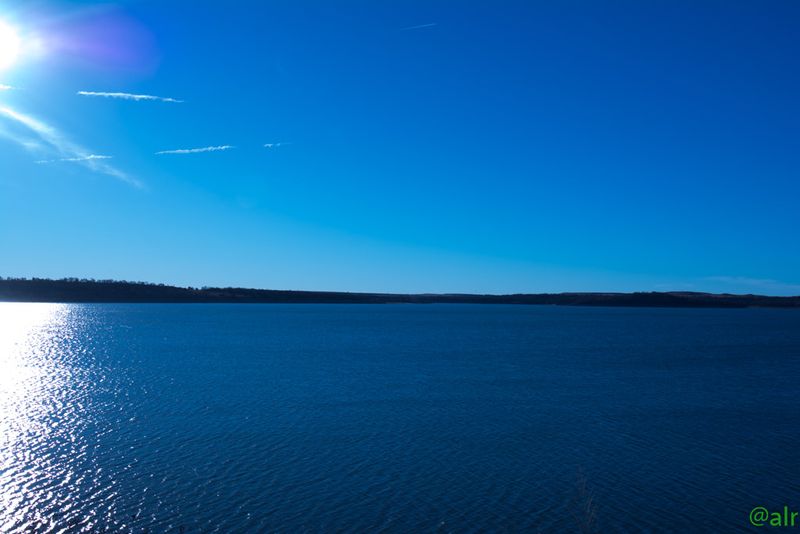
Kaw Lake is located just northeast of Ponca City, Oklahoma, which puts it within easy driving distance of Tulsa, Oklahoma City, and even parts of southern Kansas.
The primary access point is off U.S. Highway 60, and several county roads branch off toward different recreation areas around the lake.
The Kaw Dam area itself is clearly marked, and the drive through the rolling Oklahoma countryside is a pleasant warm-up for the day ahead.
Most of the main recreation areas have paved parking lots, clean restroom facilities, and clear signage that makes navigation straightforward even on a first visit.
For those coming from Ponca City, the drive takes under 20 minutes. From Tulsa, plan on roughly an hour and a half heading northwest on the turnpike.
Bringing a physical map or downloading an offline version of the area is a smart move, since cell service can get spotty near some of the more remote coves. A little preparation goes a long way on a lake this size.
Fishing Here Is the Real Draw for Most Visitors
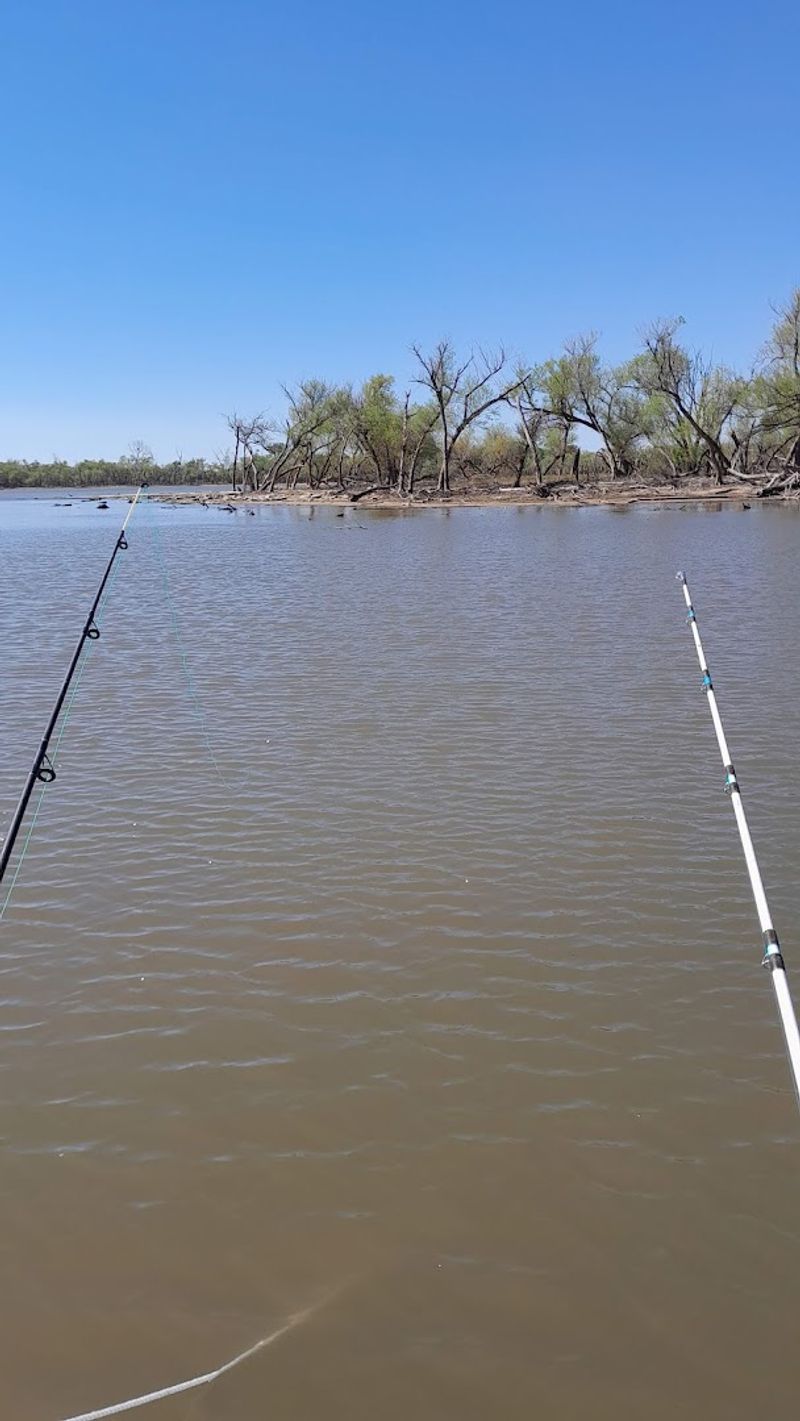
Ask almost anyone who has made the trip to Kaw Lake more than once, and fishing will come up within the first sentence.
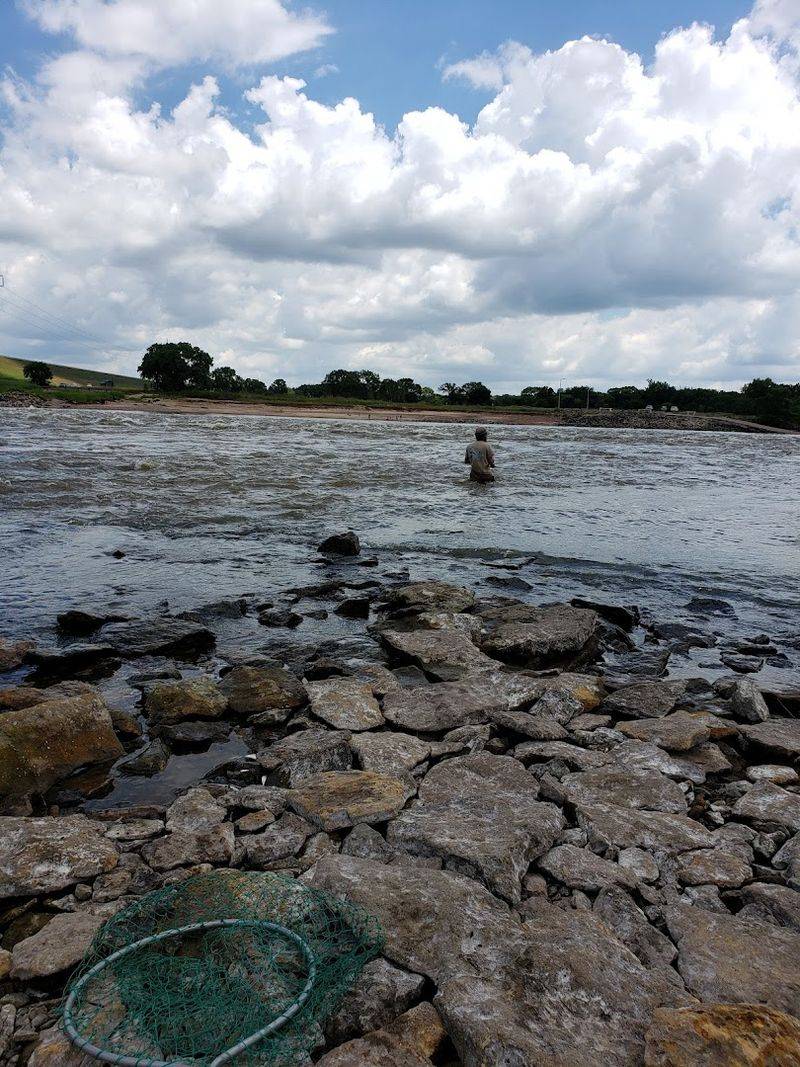
The lake holds a strong population of striped bass, largemouth bass, catfish, crappie, and white bass, giving anglers plenty of reasons to keep coming back throughout the year. The Arkansas River arm of the lake is especially productive for catfish, while the main body of water tends to hold bigger stripers.
Early morning and late evening are the most reliable windows for action, particularly in the warmer months when fish push toward cooler, deeper water during midday. Spring is widely considered the best season overall, with fish actively feeding before the summer heat sets in.
The lake does run fairly shallow compared to its overall size, so learning the depth contours before heading out pays off quickly. A simple fish finder makes a noticeable difference here.
Fishing licenses are required and available online through the Oklahoma Department of Wildlife Conservation. The process takes only a few minutes and is absolutely worth it.
Camping Options Range from Rustic to Surprisingly Comfortable
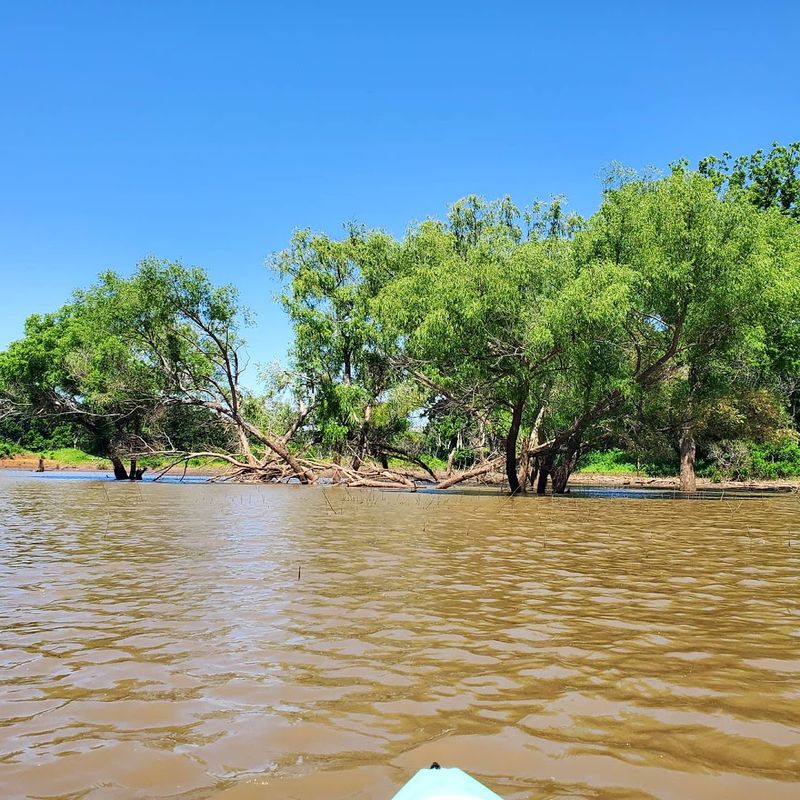
Camping at Kaw Lake feels like the kind of experience that turns a single overnight stay into a recurring annual trip.
The U.S. Army Corps of Engineers manages several developed campgrounds around the lake, including Coon Creek, Osage Cove, and Pioneer Woman Cove.
These sites offer a mix of tent pads, RV hookups, picnic tables, fire rings, and restroom facilities that are generally kept clean and well-maintained.
Primitive camping is also available for those who prefer a quieter, more stripped-down setup away from the main recreation areas. These spots sit closer to the natural shoreline and feel noticeably more remote.
Most campgrounds operate on a first-come, first-served basis, though some sites can be reserved through Recreation.gov during peak season. Summer weekends fill up fast, so arriving early or booking ahead makes a big difference.
One practical note: the grassy areas near some campsites can have grassburrs, so closed-toe shoes are a smart choice when walking around the grounds. Bringing a pair of camp sandals for the water and sneakers for the grass covers all your bases nicely.
The ORV Trails Bring a Whole Different Kind of Energy
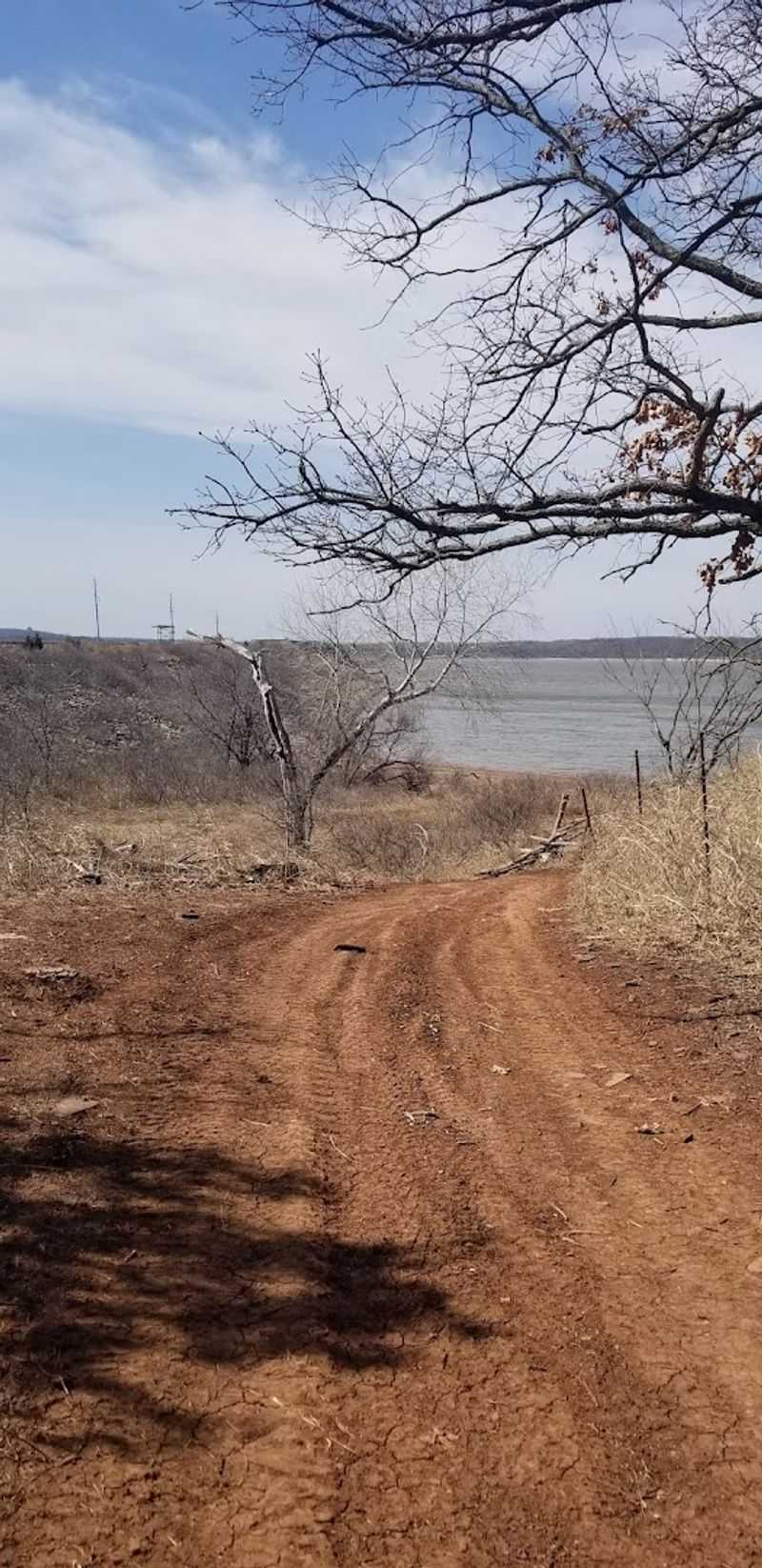
Not every lake destination comes with a dedicated off-road vehicle area, but Kaw Lake does, and it is one of the more underrated features of the whole place.
The ORV area sits near the bridge over the Arkansas River arm of the lake and covers a mix of terrain types that keeps riders engaged from start to finish.
Sandy stretches, rocky sections, packed dirt paths, and tree-lined trails all show up within the same riding area, which gives the experience a lot of natural variety.
Four-wheelers, dirt bikes, and side-by-sides are all common sights out here, and the space is large enough that it rarely feels crowded even on busy weekends.
Helmets and proper safety gear are strongly recommended, especially on the rockier sections where the trail surface can shift unexpectedly. Bringing basic tools and a tow strap is also a good habit in case something mechanical goes sideways far from the parking area.
The ORV area adds a completely different dimension to a Kaw Lake trip, making it a genuinely versatile destination that works for both the fishing crowd and the adventure-sports crowd equally well.
Wildlife Around the Lake Is Plentiful and Worth Watching
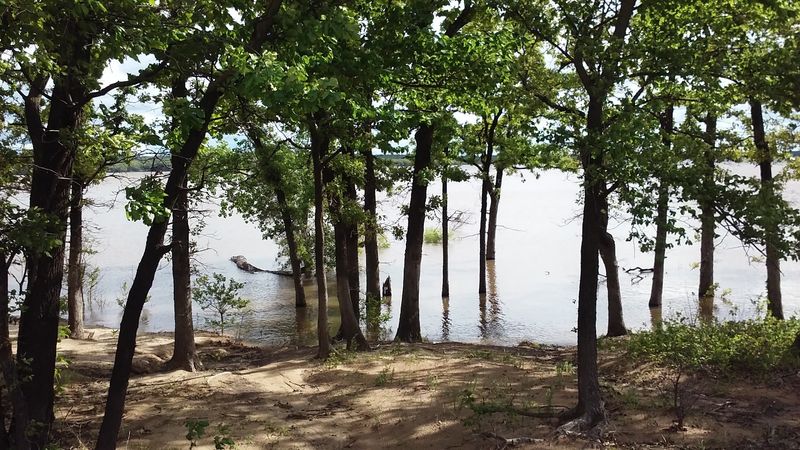
Spending a full day at Kaw Lake almost guarantees at least one memorable wildlife encounter, and that is not an exaggeration.
The surrounding land supports a rich mix of species that includes white-tailed deer, wild turkey, bobcat, pheasant, and a wide variety of songbirds and shorebirds.
The lake itself attracts bald eagles during the winter months, and spotting one perched near the water is the kind of moment that makes you reach for your camera instantly.
The wooded coves along the northern shoreline are particularly active in the early morning hours. Walking quietly along the tree line just after sunrise gives you the best chance of seeing deer moving through the brush before they settle in for the day.
Bringing binoculars is a low-effort way to make wildlife watching a more intentional part of any visit here. A basic pair works perfectly well for scanning the far shoreline or watching birds work the shallows.
Kaw Lake sits within the broader Cross Timbers ecological region of Oklahoma, which creates a layered habitat of grassland, scrub oak, and riparian forest that supports this impressive diversity of animal life year-round.
The Beach Area Makes Summer Days Worth Every Minute
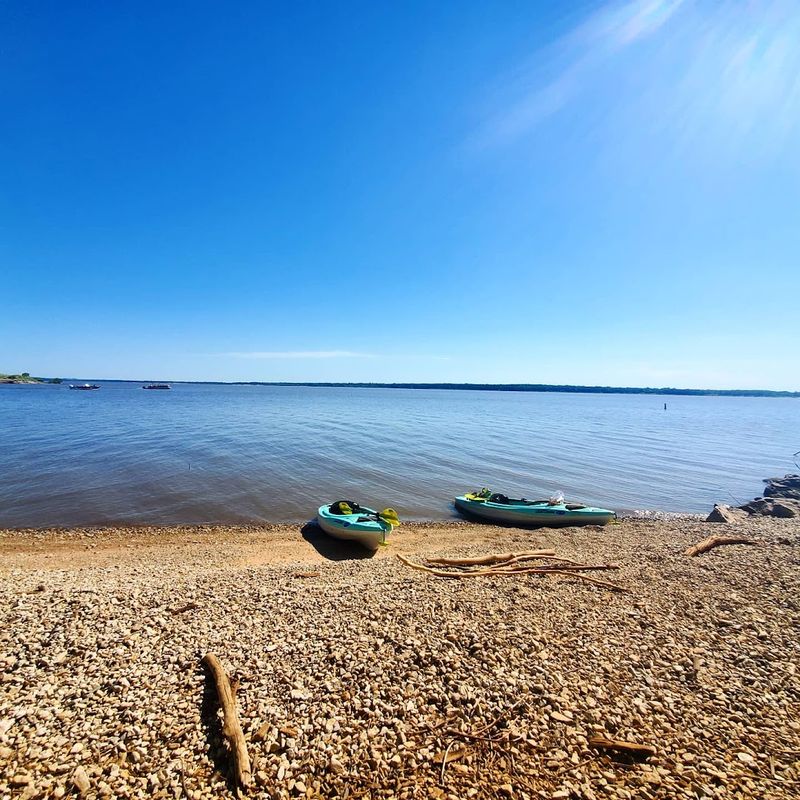
Sand, sun, and open water make for a hard combination to beat, and the beach area at Kaw Lake delivers all three in a setting that feels refreshingly uncrowded compared to busier Oklahoma state park beaches.
The sandy swimming area provides a natural entry point into the lake, with a gradual slope that makes it accessible for kids and adults alike. The water clarity varies depending on recent rainfall and wind conditions, but calm days produce surprisingly clear views of the sandy bottom near the shore.
Bringing a beach umbrella, a cooler packed with food, and a set of water toys turns this spot into an all-day hangout without spending much money at all. The day-use fee keeps things affordable even for larger groups.
Weekday visits during summer offer a noticeably quieter experience than weekend afternoons, which can get lively with boats and families. Arriving before 10 a.m. on any day of the week secures the best parking spots closest to the water.
The combination of a sandy beach, open lake views, and affordable access is exactly what makes a summer day at Kaw Lake feel like a genuine value for the whole family.
Hiking and Trail Exploration Offer a Quieter Side of the Lake
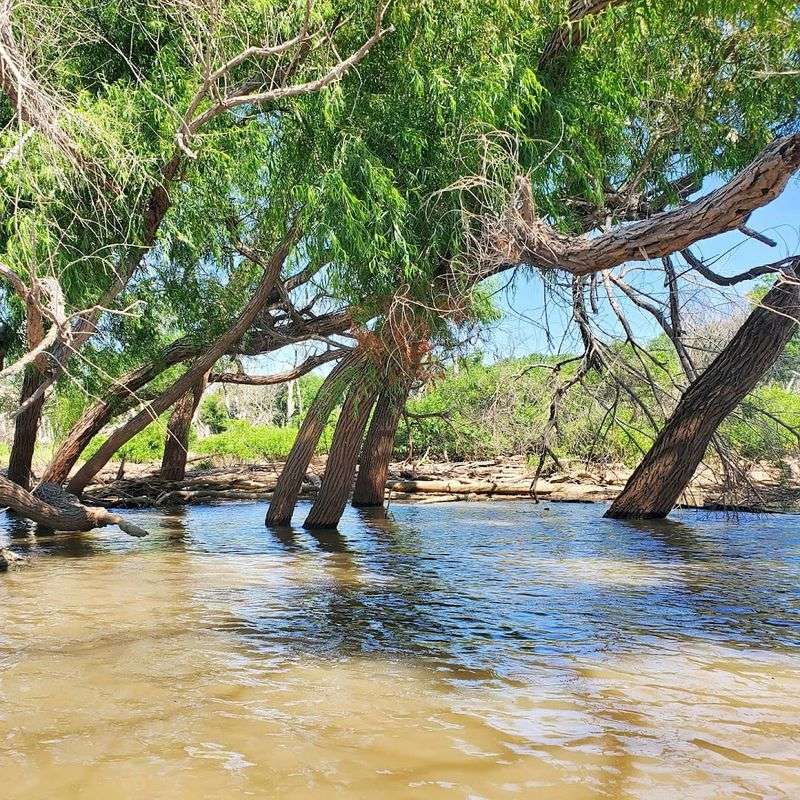
For anyone who prefers exploring on foot rather than on the water, Kaw Lake has a quieter, greener side that is easy to overlook if you only focus on the boating and fishing side of things.
Several trails wind through the wooded areas surrounding the lake, passing through oak and cedar forest, open meadows, and sections of shoreline that rarely see heavy foot traffic. The terrain is generally moderate, with some rocky patches and uneven ground that makes proper footwear a smart choice.
The equestrian trail system in the area adds another layer of outdoor opportunity for those who ride horses, though finding the correct trailhead requires a bit of advance research since the access roads are not always clearly labeled on standard navigation apps.
Morning hikes along the lake edge offer the best combination of cool temperatures and active wildlife sightings. The light filtering through the trees in the early hours gives the whole landscape a calm, almost cinematic quality.
Carrying water, sunscreen, and a trail map makes any hike here more comfortable, especially in the warmer months when the Oklahoma sun turns up the intensity quickly once the morning shade burns off.
Boating on Open Water Feels Like a Completely Different World
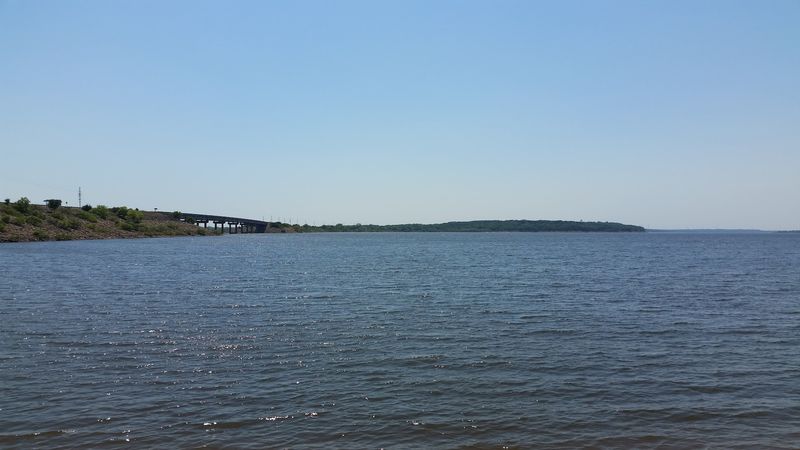
Pulling out onto the open water at Kaw Lake on a calm morning is one of those experiences that immediately justifies the trip, no matter how far you drove to get here.
The lake’s 17,000 acres give boaters plenty of room to run at speed without feeling hemmed in, which is a luxury that smaller Oklahoma reservoirs simply cannot match.
Multiple boat ramps are scattered around the lake, though the quality and depth of these ramps varies, so checking conditions before launching a larger vessel is a practical step.
Pontoon boats, ski boats, jet skis, and kayaks all share the water here, creating a lively mix of activity on busy summer weekends. Early morning hours before the wind picks up tend to offer the smoothest conditions for any type of watercraft.
The coves and inlets along the northern and eastern shoreline are perfect for slower exploration by kayak or canoe, where the water stays calmer and the scenery feels more intimate than the open main channel.
Bringing a waterproof bag for phones and electronics is a genuinely useful habit on a lake this size, where afternoon wind chop can appear quickly and splash more than expected.
The Kaw Dam Is Worth a Stop on Its Own
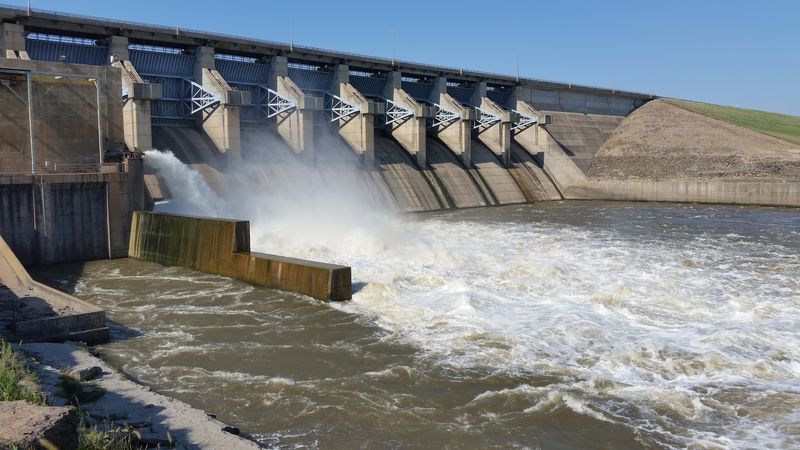
The dam that created Kaw Lake is not just a piece of infrastructure, it is a legitimate landmark that tells an interesting story about water management and regional history in Oklahoma.
Built by the U.S. Army Corps of Engineers and completed in 1976, the Kaw Dam stretches across the Arkansas River and stands as a significant flood-control structure for the region.
The dam also supports water supply and recreation functions, which explains why the surrounding area has been developed so extensively over the decades.
Standing near the base of the dam gives you a real sense of the scale involved in creating a 17,000-acre reservoir. The engineering is straightforward but impressive, and the view from the highway bridge that crosses the river nearby frames the whole structure in a way that photographs beautifully.
Fishing below the dam is a popular activity, particularly for anglers targeting catfish and striped bass that congregate in the tailwater below the spillway. The current and oxygenated water in this stretch hold fish consistently throughout the year.
Visiting the dam area as part of a full-day Kaw Lake itinerary adds historical and visual depth to a trip that might otherwise stay focused entirely on the recreational side of the lake.
What to Pack for a Full Day at the Lake
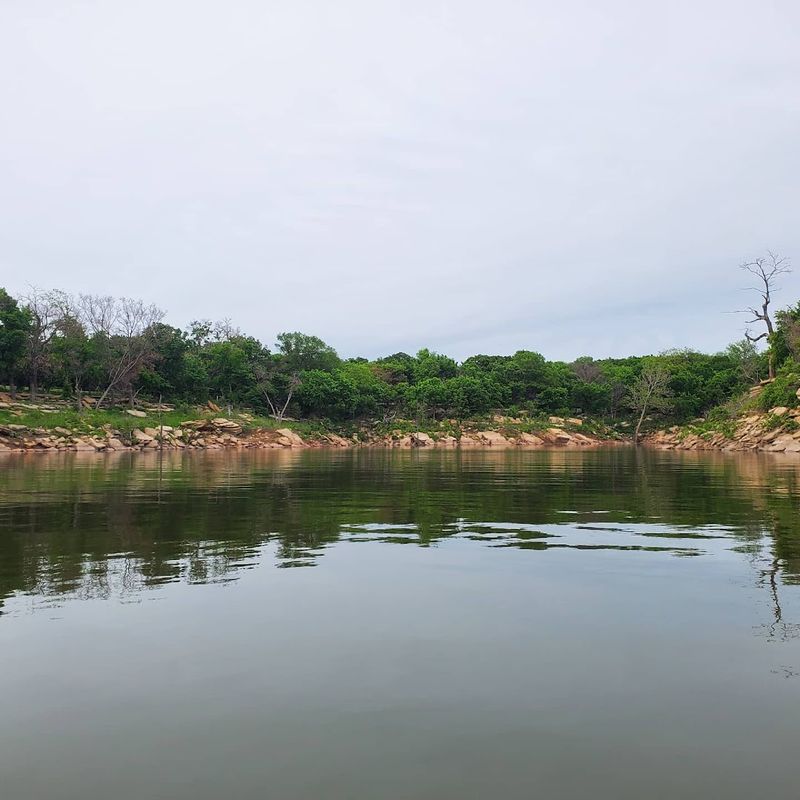
A well-packed bag makes the difference between a comfortable day at Kaw Lake and a trip where you spend half the time wishing you had brought something obvious.
Sunscreen is non-negotiable, especially in the open areas near the beach and boat ramps where shade is minimal and the Oklahoma sun reflects off the water with surprising intensity. A wide-brim hat and UV-blocking sunglasses round out the basic sun protection setup nicely.
Water and snacks should be packed generously, since the nearest convenience stores are several miles away from most recreation areas around the lake. A small cooler with ice keeps everything fresh and eliminates the need for any mid-day supply runs.
Insect repellent is worth including, particularly for evening visits or hikes through the wooded sections of the shoreline where mosquitoes become active after sunset. A basic first-aid kit handles minor scrapes and blisters without any drama.
For fishing trips, a valid Oklahoma fishing license, a tackle box stocked with jigs, live bait options, and a landing net covers most situations on this lake. Packing a headlamp for early morning or late evening outings adds a layer of safety that costs almost nothing but pays off immediately when the light drops.
Why Kaw Lake Keeps Drawing People Back Season After Season
Some destinations earn repeat visits because they are flashy and exciting, but Kaw Lake earns them because it is genuinely reliable in a way that outdoor spaces rarely manage to be.
Spring brings excellent fishing, blooming wildflowers along the trails, and mild temperatures that make every outdoor activity more enjoyable. Summer turns the lake into a full-scale water recreation hub, with boating, swimming, and camping all happening simultaneously across the sprawling shoreline.
Fall is arguably the most underrated season here, when the crowds thin out, the foliage along the wooded coves shifts to warm oranges and reds, and the fishing picks back up as water temperatures cool.
Bald eagles begin appearing near the lake in late fall and stay through the winter months, adding a wildlife element that feels almost too good to be true for a budget day trip.
Winter visits are quieter and more introspective, with the lake taking on a calm, almost meditative quality that feels very different from the summer energy.
Kaw Lake sits in a part of Oklahoma that rewards curiosity and patience, and every season offers a slightly different reason to make the drive back out and spend another day on the water.
Dear Reader: This page may contain affiliate links which may earn a commission if you click through and make a purchase. Our independent journalism is not influenced by any advertiser or commercial initiative unless it is clearly marked as sponsored content. As travel products change, please be sure to reconfirm all details and stay up to date with current events to ensure a safe and successful trip.
