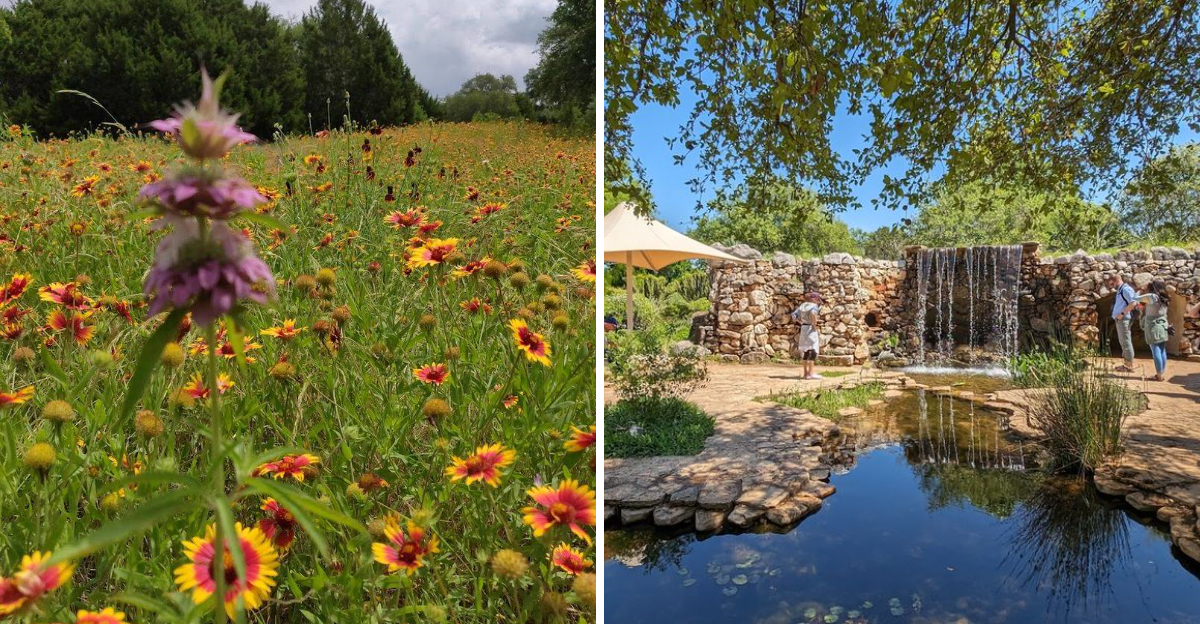
Some gardens are pleasant. Lady Bird Johnson Wildflower Center feels like someone turned the entire Texas landscape into an outdoor gallery.
Across 284 acres, native plants stretch through meadows, shaded trails, and carefully designed gardens that change with the seasons. In spring, the bluebonnets alone are enough to stop most people mid-walk.
The best part is the atmosphere. Birds, wind through tall grasses, and the occasional wind chime are about the only sounds competing for attention.
It is the kind of place that quietly reminds you that Texas is not just big. It is beautiful too.
A Sea of Bluebonnets That Defines Texas Spring
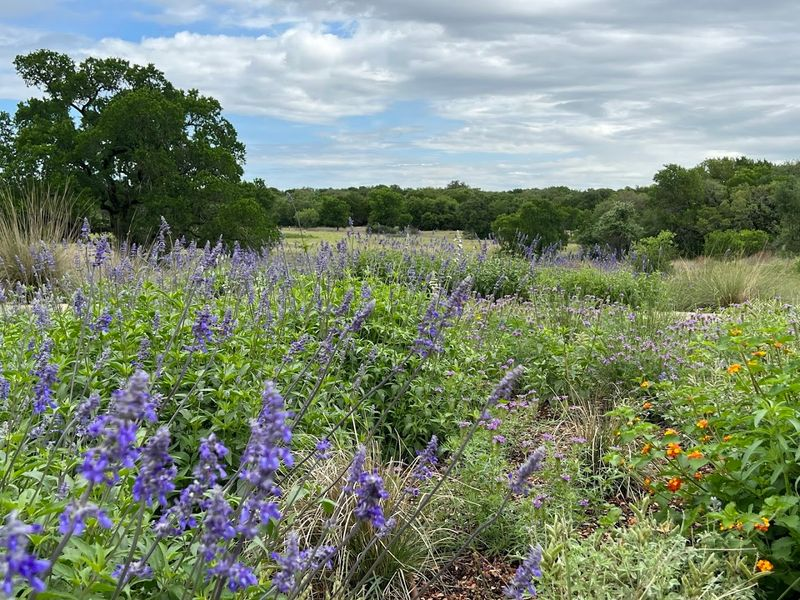
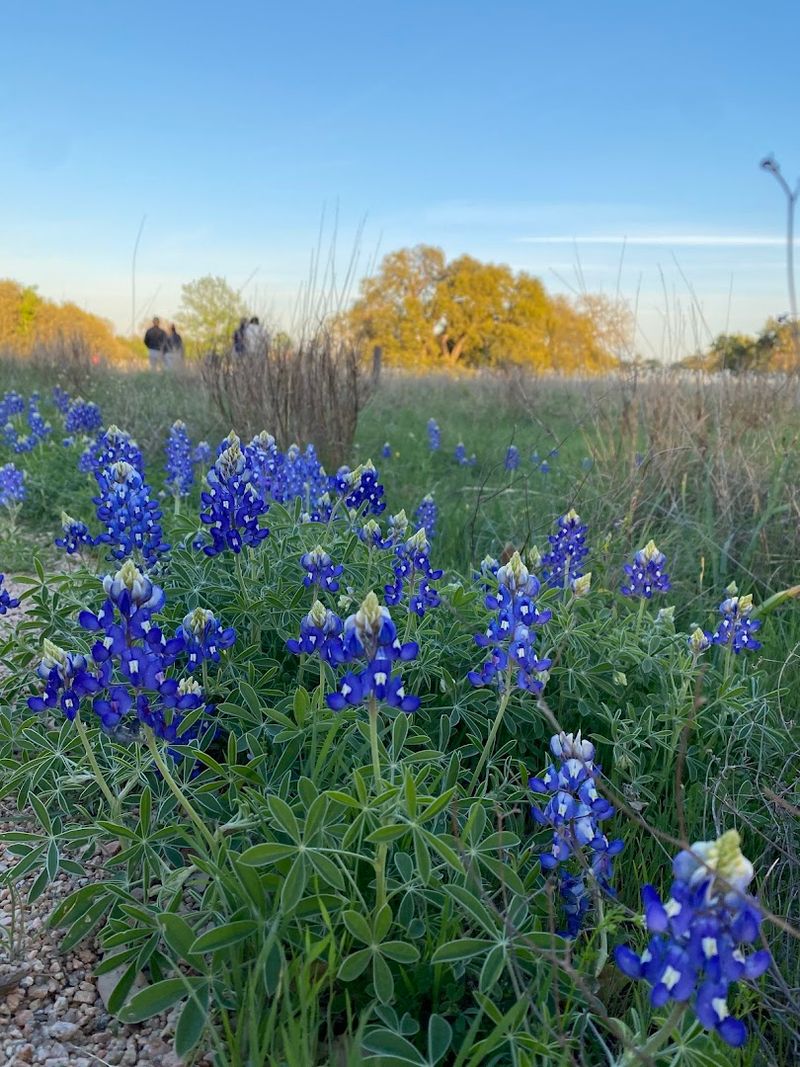
Every Texan has a bluebonnet story, and after visiting the Lady Bird Johnson Wildflower Center in spring, I finally have mine. The open meadow sections of the garden fill up with these iconic state flowers in a way that feels almost theatrical.
You round a corner on one of the main paths, and suddenly the ground ahead is a solid wash of blue-purple that stretches further than you expect.
Bluebonnets are not just pretty. They are a symbol of Texas resilience, blooming reliably each spring even after dry winters.
The center cultivates them carefully, allowing natural seeding patterns to shape how they spread across the landscape. It never looks forced or artificial.
Families tend to gather here for photos, and honestly, it is hard not to. Even if you are visiting solo, you will find yourself stopping to crouch down and look at the individual blossoms up close.
Each tiny flower on the spike has its own delicate detail. Spring is undeniably the peak season for this experience, but the garden rewards visitors in every season with something new to discover.
The Luci and Ian Family Garden for Kids
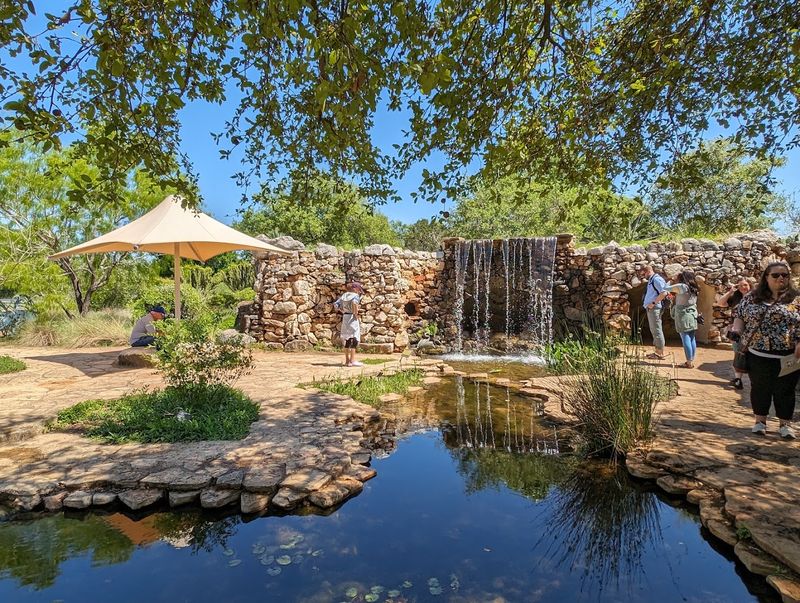
Not every botanical garden knows how to keep kids genuinely entertained, but this one has cracked the code. The Luci and Ian Family Garden is a dedicated space designed to let children interact with nature rather than just look at it from a distance.
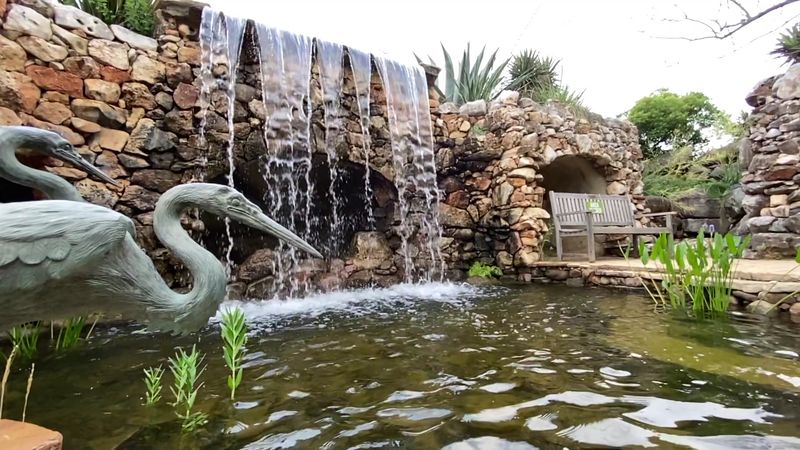
There is a sandbox, a pirate ship play structure, giant climbable tree stumps, a bird nest big enough to sit inside, and water features with small caves to explore.
My first impression was how thoughtfully the whole area was designed. Nothing feels like a generic playground dropped into a garden.
Every element uses natural materials and connects back to the environment around it. Kids are essentially playing in nature, not beside it.
Parents get a bit of breathing room too, since the space is enclosed enough to feel manageable without being restrictive. Benches are scattered throughout, and shaded spots make it comfortable even on warmer days.
The family garden alone makes the Wildflower Center worth the trip for anyone visiting Austin with young children in tow.
Native Plant Gardens With Over 900 Species
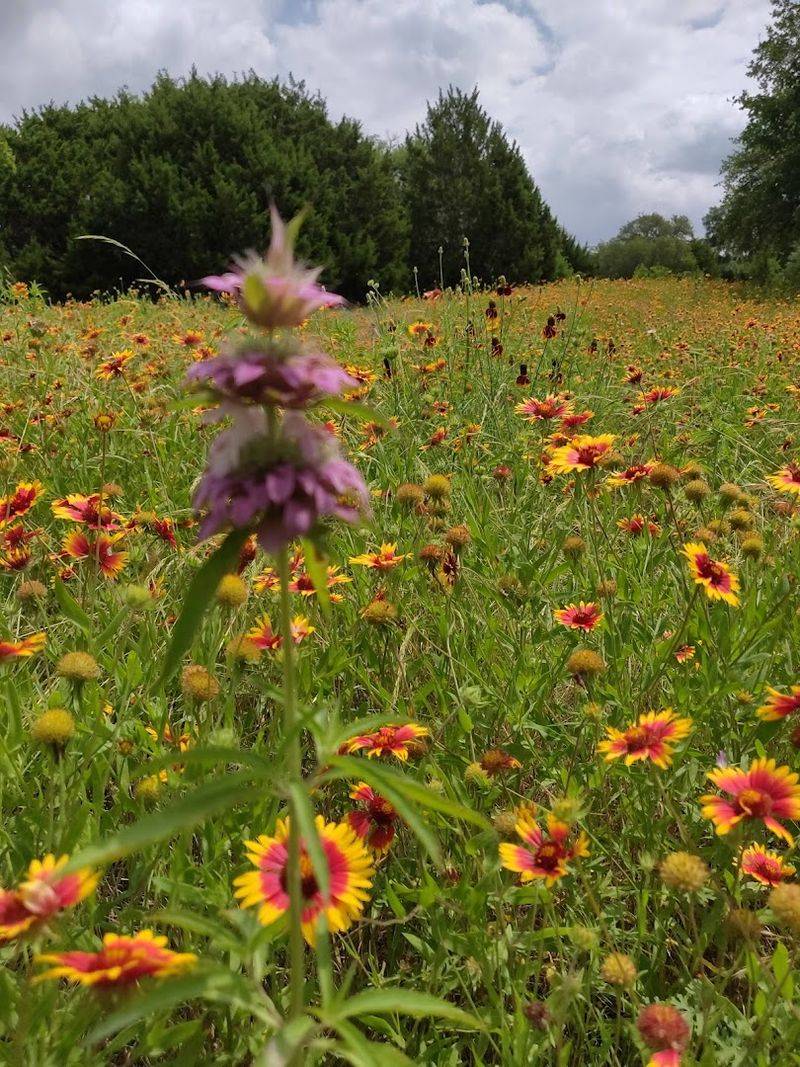
Nine hundred plant species sounds like a statistic until you are actually walking through the cultivated garden sections and realizing you have never seen half of these plants before.
The Lady Bird Johnson Wildflower Center is a research institution as much as it is a public garden, and that depth of purpose shows in how the collections are organized and labeled.
Every plant has a story here.
Texas native flora is genuinely diverse, and the garden makes that clear in a way that even casual visitors can appreciate. You will find everything from delicate prairie grasses swaying beside the path to towering agaves anchoring a desert-style planting bed.
Cacti and succulents share space with flowering perennials and shade-loving woodland plants, reflecting the range of ecosystems found across the state.
The signage throughout is clear and educational without being overwhelming. You can read as much or as little as you want.
Volunteers are often stationed throughout the garden and are genuinely knowledgeable, happy to point out something unusual or explain why a particular plant matters to local pollinators. It is the kind of place where curiosity is rewarded at every turn, regardless of your existing knowledge level.
The Observation Tower With Sweeping Views
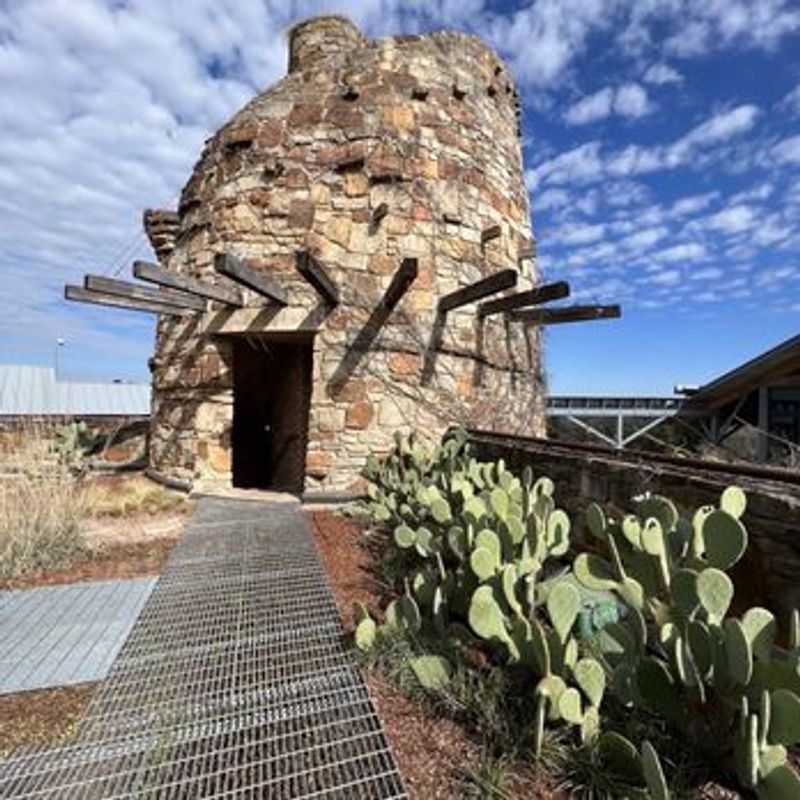
Somewhere in the middle of the property, a stone tower rises above the treeline and offers a view that completely reframes the scale of the garden. From ground level, the Wildflower Center feels intimate and manageable.
From the top of the tower, you realize just how much land is out there, and how thoughtfully every section has been arranged.
The tower itself fits the architectural character of the whole center, which leans into rustic Texas limestone construction throughout. Buildings, walls, and pathways all feel like they grew out of the landscape rather than being placed on top of it.
The tower is no exception. It has a sturdy, timeless quality that makes it feel like it has been there for decades.
Getting up there requires climbing a set of stairs, which is manageable for most visitors. The view at the top is worth every step.
You can see the meadow areas, the cultivated beds, the family garden, and the natural areas all laid out at once. It gives you a sense of the whole place that you simply cannot get from the ground.
Butterfly and Wildlife Watching Opportunities
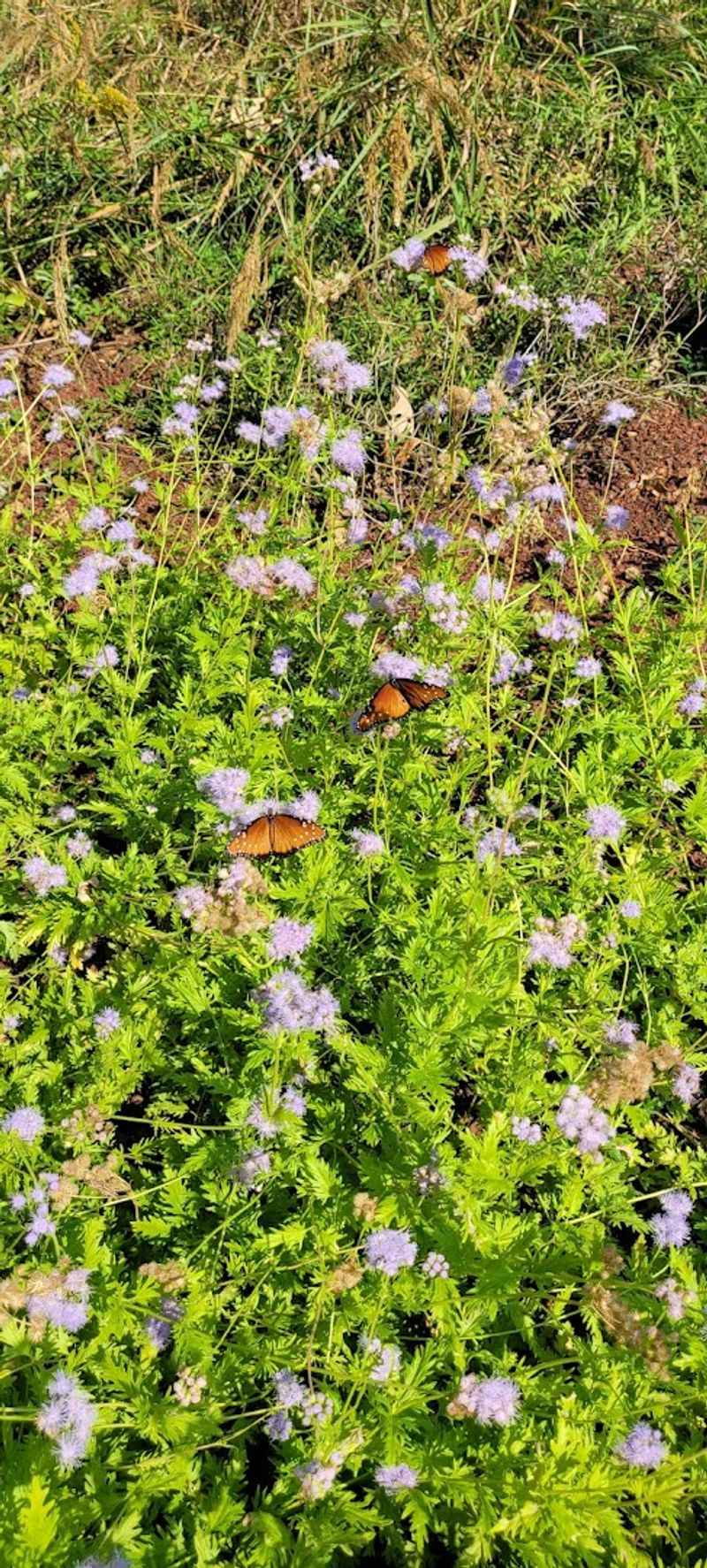
The garden does not just attract human visitors. Spend any amount of time along the cultivated beds or near the meadow areas and you will notice the constant movement of butterflies, bees, and birds going about their business among the flowers.
The Wildflower Center was designed with pollinators in mind, and the results are visible in every season. Just slow down, find a flowering patch, and watch what arrives.
Birds are particularly active in the oak canopy sections of the trails. Cardinals are common, and the center has become known for a resident owl family that returns to the property each spring.
The garden staff and volunteers can often point you toward the best spots for wildlife sightings depending on the season.
For anyone who loves nature photography or just enjoys the quiet pleasure of watching animals in their habitat, this garden offers something that a typical city park simply cannot match.
The On-Site Cafe and Picnic Spaces
A full day at the Wildflower Center goes by faster than expected, and at some point, hunger becomes part of the itinerary. The on-site cafe is a genuinely pleasant spot to recharge without leaving the property.
It is small but well-stocked, with options that work for kids and adults alike. The setting alone makes it worth stopping at, since the outdoor seating area is surrounded by garden views.
Shaded picnic areas are scattered across the property, and a few reviewers specifically mention sitting under a live oak to eat while watching cardinals in the trees nearby. That image alone is enough to make you want to pack a lunch before you go.
The cafe also has a gift shop nearby, which is worth a browse even if shopping is not your primary goal. The selection leans toward garden-related items, native plant seeds, books, and locally made goods.
It is the kind of shop where you actually want to buy something rather than feeling pressured. Clean restrooms, shaded seating, and easy access to food and water make the practical side of a long visit here genuinely comfortable and well thought out.
Seasonal Events and Special Exhibits
Beyond the permanent garden experience, the Wildflower Center runs a rotating calendar of seasonal events that give visitors a reason to come back more than once a year. The programming ranges from family-friendly holiday light trails to educational workshops and guided nature walks.
Each event is layered into the existing landscape rather than replacing it.
One of the more unexpected recent additions was an animatronic dinosaur exhibit featuring life-sized moving figures designed by the same expert who worked on Jurassic Park.
The dinosaurs were placed throughout the garden grounds, creating a surreal and entertaining contrast with the native wildflowers surrounding them.
Families with kids responded enthusiastically, and even adult visitors seemed genuinely delighted by the unexpectedness of it.
Holiday light events have also drawn strong attendance, with one family driving nearly three hours from Houston to experience the Nightmare Before Christmas themed trail. The center clearly puts thought into how these events feel from start to finish.
Ticket purchasing, parking logistics, and staff friendliness are all commonly praised in visitor feedback. If you are planning a visit around a specific event, checking the official website in advance is the best way to know what is currently running and when tickets become available.
Texas Limestone Architecture and Garden Design
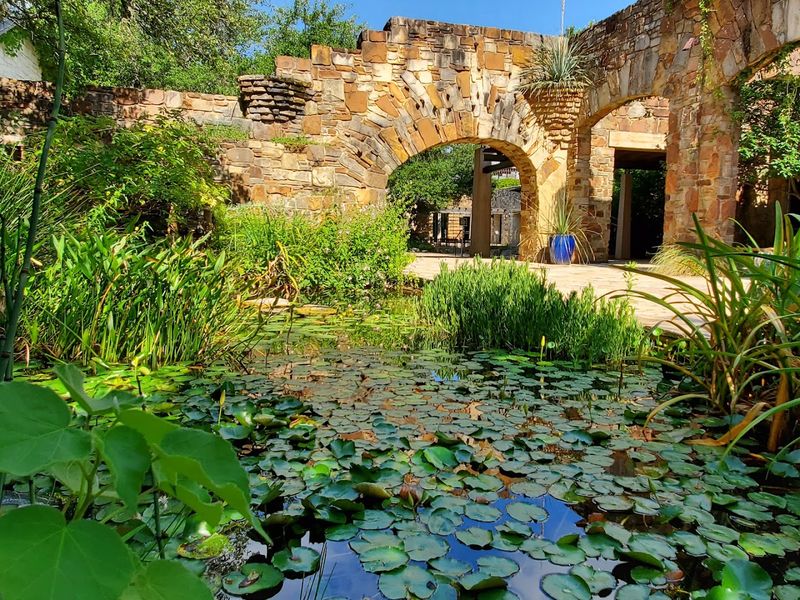
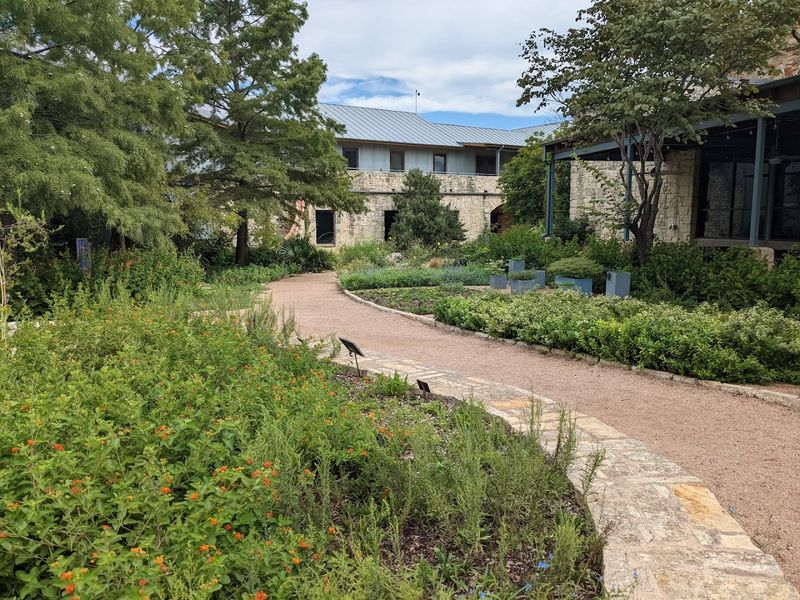
Before you even focus on the plants, the buildings catch your eye. The entire Wildflower Center was designed with a consistent architectural language rooted in Texas limestone construction, and the result is a campus that feels like it belongs to the land it sits on.
Walls, archways, courtyards, and covered walkways all share the same warm, earthy tone that makes the whole property feel unified.
This is not accidental. The design philosophy behind the center extends beyond horticulture into a broader commitment to regional identity.
The structures reflect the Hill Country building traditions that have shaped Central Texas for generations. Nothing here feels imported or out of place.
Even on a grey, overcast day, the warm tones of the limestone keep the property feeling inviting. The combination of thoughtful design and native planting creates an environment that feels less like a public institution and more like a place someone truly loved into existence over a long period of time.
Lady Bird Johnson’s Legacy and Conservation Mission
The garden is named for a reason, and that reason matters. Lady Bird Johnson spent decades advocating for the beautification of America’s highways and public spaces, with a particular focus on native plants.
She co-founded the Wildflower Center in 1982 with actress Helen Hayes, and the institution has grown into one of the most respected native plant research centers in the country.
Her legacy shapes how the entire property operates. The center is not just a pretty place to walk around.
It functions as an active research and education hub, working to understand how native plants support ecosystems and why preserving them matters for the long-term health of the region. That mission is woven into everything from the plant labels to the volunteer training programs.
Visitors who arrive knowing a little of this history tend to experience the garden differently. The bluebonnets feel less like decoration and more like a statement.
The research buildings feel purposeful rather than administrative. Even the gift shop, with its native plant seeds and conservation-themed books, feels like an extension of something larger.
The Wildflower Center is a fitting tribute to a woman who believed that beauty and environmental responsibility could exist in the same space, and it proves her right every single day.
Address: 4801 La Crosse Ave, Austin, TX 78739
Dear Reader: This page may contain affiliate links which may earn a commission if you click through and make a purchase. Our independent journalism is not influenced by any advertiser or commercial initiative unless it is clearly marked as sponsored content. As travel products change, please be sure to reconfirm all details and stay up to date with current events to ensure a safe and successful trip.
