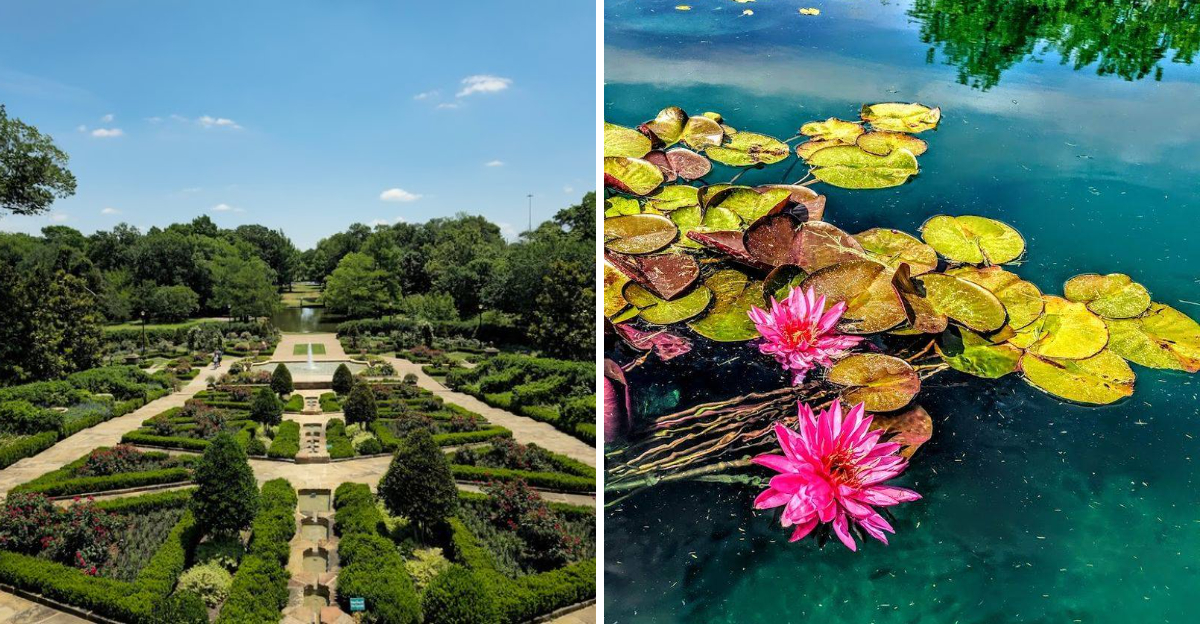
Some places are a “one and done” kind of deal, but this massive green sanctuary is the ultimate shape-shifter. Whether you show up in the middle of a sweltering July afternoon or a crisp October morning, you are basically walking into a brand-new world every single time.
It is a sprawling, 120-acre masterpiece where the scenery changes its outfit faster than a runway model. From rare tropical blooms to winter light displays that look like something out of a dream, it is the one spot that proves Mother Nature is the world’s best set designer.
Spring Blooms That Stop You in Your Tracks
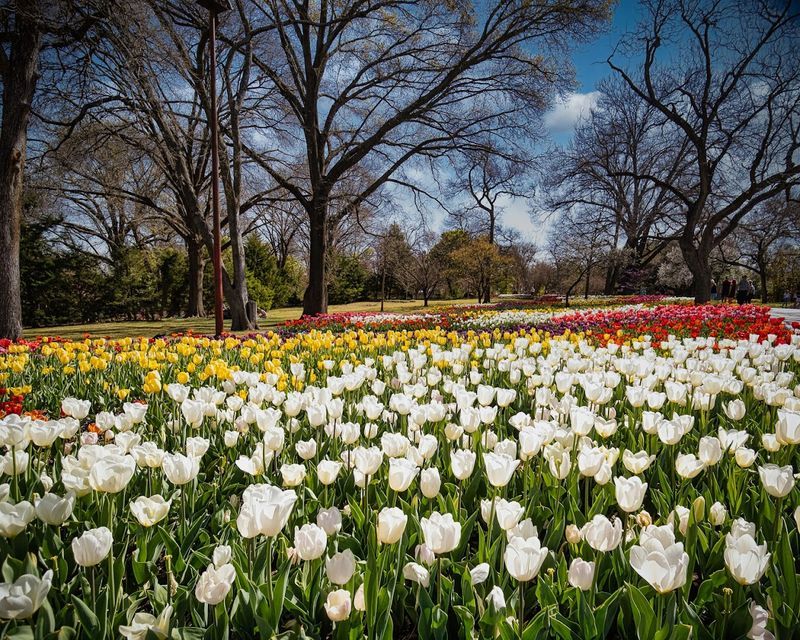
There is something almost unreal about the Fort Worth Botanic Garden in spring. The moment cherry blossoms open up alongside Texas bluebonnets and Indian paintbrushes, the whole place transforms into something you’d expect to see on a postcard.
The Rose Garden becomes especially eye-catching during March through May. Hundreds of rose varieties open up in deep reds, soft pinks, and creamy whites, filling the air with a scent that’s hard to describe but impossible to forget.
I remember pausing on one of the garden paths just to take it all in, not rushing, not photographing everything, just actually being there.
Spring is also one of the best times to bring kids, because wildflowers grow close to the ground and children naturally crouch down to look at them. The colors are bold, the paths are easy to walk, and the whole garden feels alive in a way that’s genuinely exciting.
If you can only visit once a year, spring makes a strong case for being the season to choose.
The Rose Garden and Its Timeless Appeal
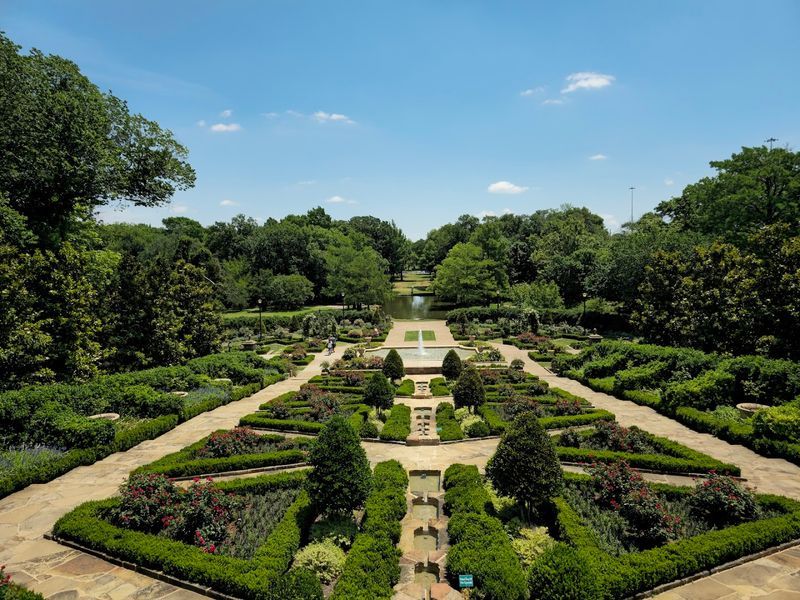
Few things in the plant world carry as much history and emotion as a well-tended rose garden, and the one at Fort Worth Botanic Garden has both in abundance. This is not a small patch of flowers hidden in a corner.
It is a full, formal garden with rows of roses organized by variety, color, and bloom time.
The fragrance alone is worth the trip. On a calm morning, before the midday heat sets in, the scent from the roses drifts across the paths in a way that feels almost cinematic.
The garden is designed so that something is always in bloom from early spring through late fall, which means repeat visitors always find something new to look at.
Benches are placed at thoughtful spots throughout the Rose Garden, and it’s easy to spend an hour just sitting and watching bees move from bloom to bloom. The layout is clean and easy to navigate, which makes it a favorite for photographers, couples, and anyone who appreciates beauty without a lot of fuss.
It is one of those spaces that reminds you why gardens exist in the first place.
Summer at the Water Lily Festival
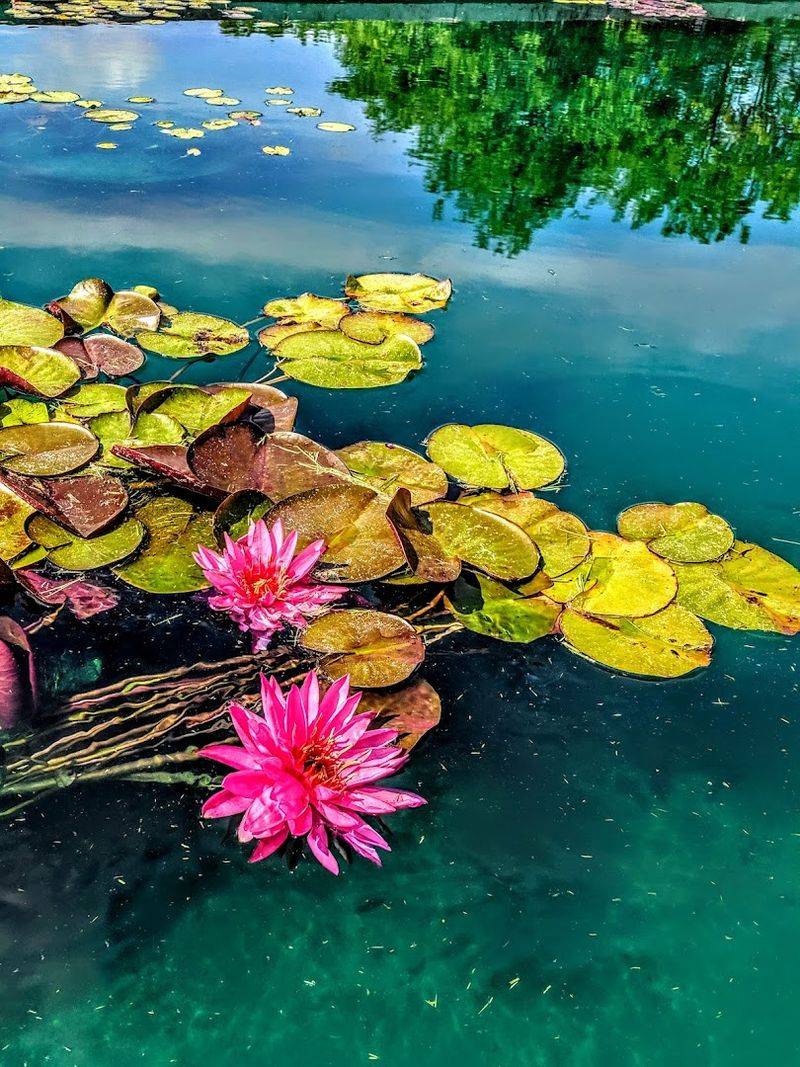
Summer in Texas can be intense, but the Fort Worth Botanic Garden gives you a reason to embrace it. The Water Lily Festival is one of the garden’s most visually striking seasonal events, drawing visitors who want to see aquatic plants in their full glory during the hottest months of the year.
Giant lily pads float on the surface of garden ponds while blooms in white, yellow, pink, and deep purple open up to the sun. The whole scene feels surprisingly peaceful, even when the temperature is climbing.
The water reflects the surrounding greenery, creating a layered visual effect that is genuinely hard to look away from.
The conservatory nearby offers a cool retreat when the heat becomes too much, with its climate-controlled environment housing exotic plants that thrive in tropical conditions. It’s a smart pairing, outdoor water spectacle followed by an indoor cool-down surrounded by rare greenery.
Summer visits require a little planning, like arriving early in the morning or later in the afternoon, but the reward is a garden that feels lush and full of energy in a season when many outdoor spaces feel dry and tired.
Fall Foliage and the Chrysanthemum Festival
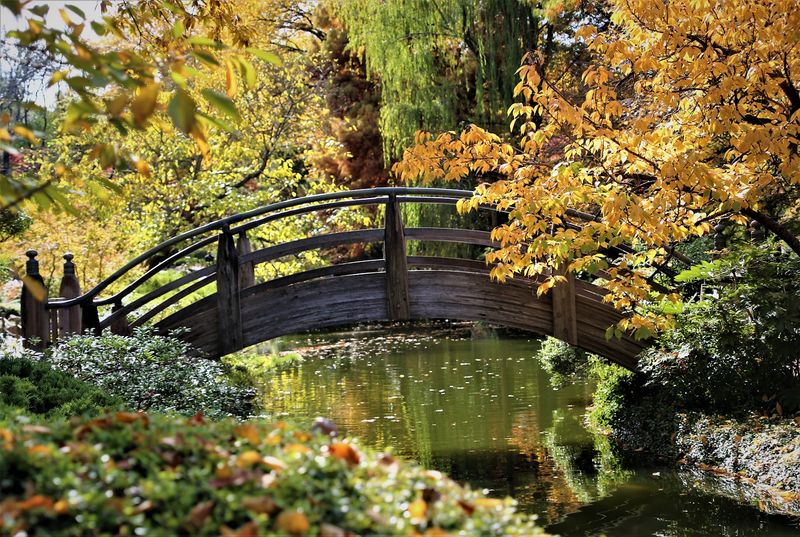
Autumn at the Fort Worth Botanic Garden has a completely different personality than the other seasons, and that contrast is part of what makes it so appealing.
As temperatures finally start to drop in September, the garden shifts into warmer tones, and by October, the Chrysanthemum Festival takes over with bursts of orange, gold, red, and deep burgundy.
Chrysanthemums have been cultivated for thousands of years, and there is a reason they remain a fall favorite. Their blooms are dense and layered, holding their color even as nights get cooler.
The festival showcases dozens of varieties, from small button mums to large, dramatic pom-pom styles, arranged throughout the garden in ways that feel curated but not stiff.
The changing foliage adds another layer of texture to the visit. Trees around the garden begin their seasonal shift, and the combination of golden leaves overhead and colorful mums at eye level creates a visual richness that photographs beautifully.
Fall visits tend to feel a bit more relaxed than spring, with smaller crowds and a slower, more contemplative pace. It is the kind of afternoon that makes you wish you had brought a book and a blanket.
Christmas in the Garden After Dark
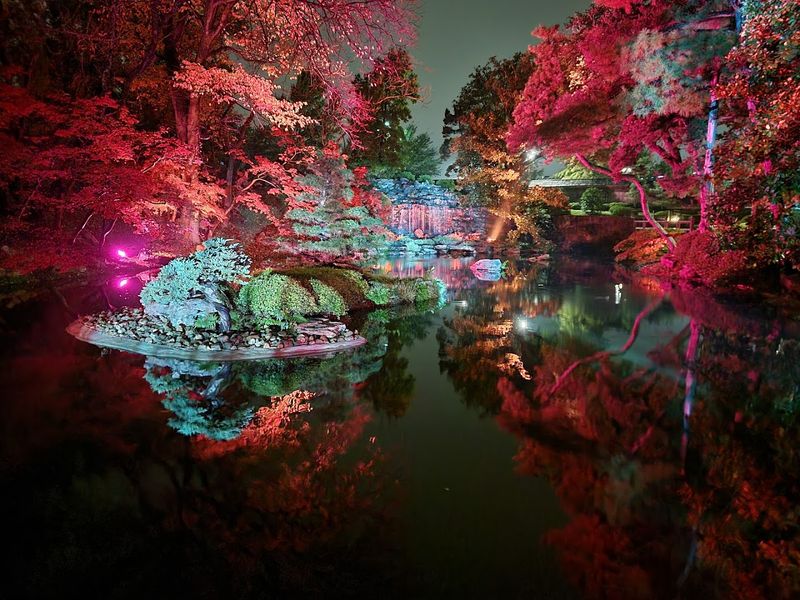
The garden after dark in December is a completely different world. Christmas in the Garden transforms the Fort Worth Botanic Garden into a glowing, mile-long trail of festive lights and holiday music that draws families from across the region every winter season.
The lights are strung through trees, wrapped around pathways, and arranged into large illuminated displays that change from year to year. Walking the trail at night, surrounded by that warm glow, feels genuinely magical in a way that doesn’t feel forced or overly commercial.
Kids tend to be wide-eyed the entire time, and honestly, adults are not far behind.
Holiday music plays throughout the trail, adding to the atmosphere without overwhelming the experience.
The cool winter air, the lights reflecting off the garden’s water features, and the steady flow of families and friends making their way through the path together create a sense of community that’s hard to replicate anywhere else.
This event has become a Fort Worth tradition for many local families, and it’s easy to understand why. If you visit the garden just once in winter, this is the experience to plan around.
It is festive, warm-hearted, and genuinely worth the trip.
The Four Seasons Garden and Its Year-Round Story
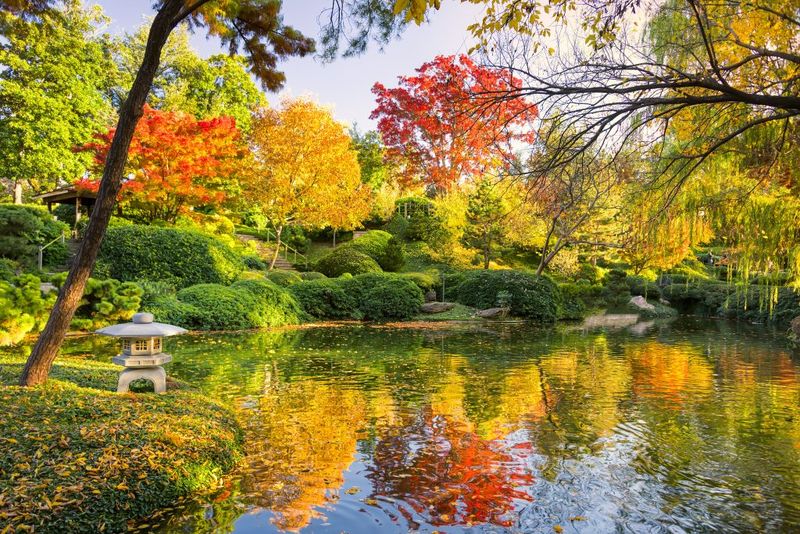
One garden within the larger grounds manages to tell the story of an entire year in a single walk.
The Four Seasons Garden at Fort Worth Botanic Garden features sculptures and plant beds that represent each season, connected by a meandering path that encourages a slower, more thoughtful kind of exploration.
The plant selections change throughout the year, so the beds look different depending on when you visit. In spring, soft pastels and fresh greens dominate.
By summer, bolder colors take over. Fall brings warmth and texture, and winter reveals the architectural beauty of bare branches and evergreen structure.
It is a garden designed to reward repeat visitors.
The sculptures placed throughout the Four Seasons Garden add a creative layer to the experience. They are not overwhelming or distracting, just present enough to make you pause and think.
The mix of annuals, perennials, trees, and shrubs means there is always something at a different stage of growth, which keeps the space feeling dynamic rather than static.
For anyone who wants to understand how plants change with the seasons, this garden is one of the most thoughtful and accessible examples anywhere in Texas.
The Adelaide Polk Fuller Garden and Its Living Art
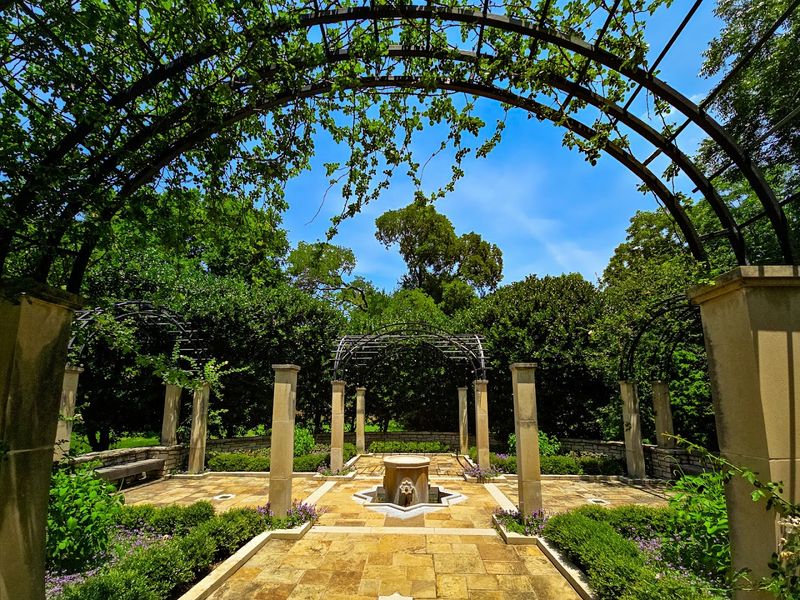
Not every garden is designed with the same level of intention, and the Adelaide Polk Fuller Garden makes that distinction clear the moment you step into it.
This 3.5-acre space combines stone hardscapes, trellises, water features, and carefully chosen seasonal plantings to create something that feels more like living art than a traditional garden.
The design concept behind the Fuller Garden is rooted in the passage of time and the journey of life, which sounds abstract until you actually walk through it.
The way the spaces open and close, the way water sounds change as you move from one area to another, and the way light hits the stone at different times of day all contribute to an experience that feels layered and meaningful.
Evening visits to the Fuller Garden are particularly atmospheric when the lighting is active, as the illumination transforms the textures of stone and plant into something dramatic and beautiful. It is one of those spaces where the design itself becomes part of what you experience, not just the plants.
For visitors who appreciate landscape architecture as much as horticulture, the Adelaide Polk Fuller Garden is one of the most compelling reasons to visit the Fort Worth Botanic Garden.
The Conservatory: A Tropical World Inside Texas
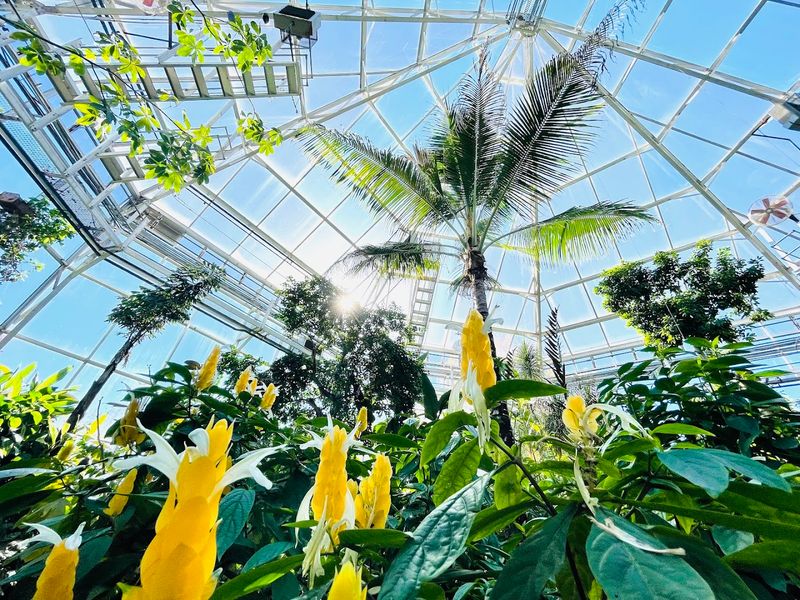
The conservatory at the Fort Worth Botanic Garden feels like a portal to somewhere far away. Step inside and the temperature shifts, the air gets heavier, and suddenly you are surrounded by tropical plants that have no business thriving in North Texas, yet here they are, lush and thriving behind glass.
The structure itself is worth admiring. A classic glass greenhouse design allows natural light to flood in from every angle, creating the kind of bright, humid environment that tropical species need to survive.
Palms, ferns, orchids, and other exotic plants fill the space from floor to ceiling, giving the interior a density that feels almost jungle-like.
On a hot summer day, the conservatory functions as a cool refuge from the Texas heat, which is a bit ironic given that it mimics a tropical climate. But the air conditioning keeps it comfortable for visitors while maintaining the conditions the plants need.
The conservatory is also a great destination for rainy-day visits, when outdoor exploration is less appealing. It is compact enough to explore in 20 to 30 minutes, but interesting enough to linger in much longer if you enjoy discovering unusual plants up close.
Getting Around the 120 Acres Without Getting Lost
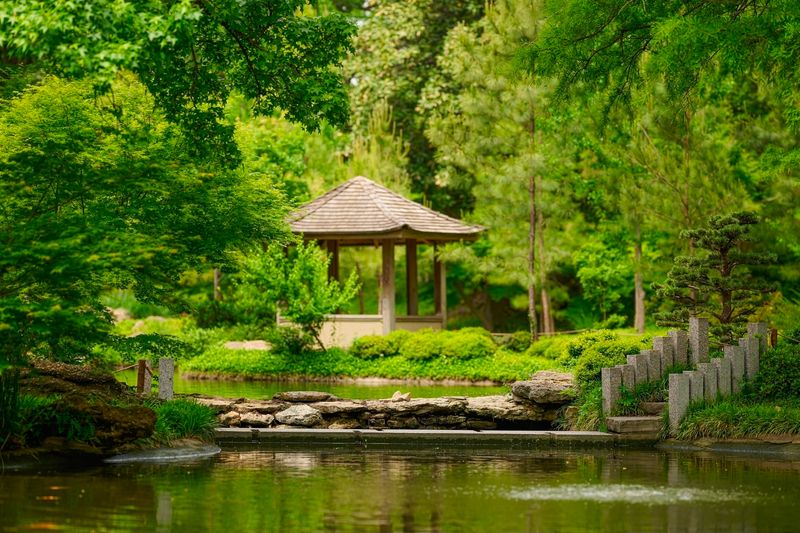
A garden that spans 120 acres with 23 specialty areas sounds like a lot to take on in a single visit, and honestly, it is. The good news is that the Fort Worth Botanic Garden is laid out in a way that makes navigation feel manageable rather than overwhelming, as long as you go in with a loose plan.
Picking up a map at the entrance is genuinely useful here, not just a suggestion. The garden has clearly marked paths and signage at most major intersections, but the grounds are large enough that you can easily wander into a new section without realizing it.
That is not always a bad thing. Some of the best moments in this garden happen when you take a path you did not originally plan to take.
Comfortable shoes matter more than you might expect. The terrain is mostly flat and paved, but covering a meaningful portion of the grounds still means a decent amount of walking.
The garden opens daily at 8 a.m. and closes at 6 p.m., with last entry at 5 p.m., so arriving earlier in the day gives you the most time to explore without feeling rushed. Parking is free and accessible, which makes the logistics genuinely stress-free.
Why Every Season Earns a Return Visit
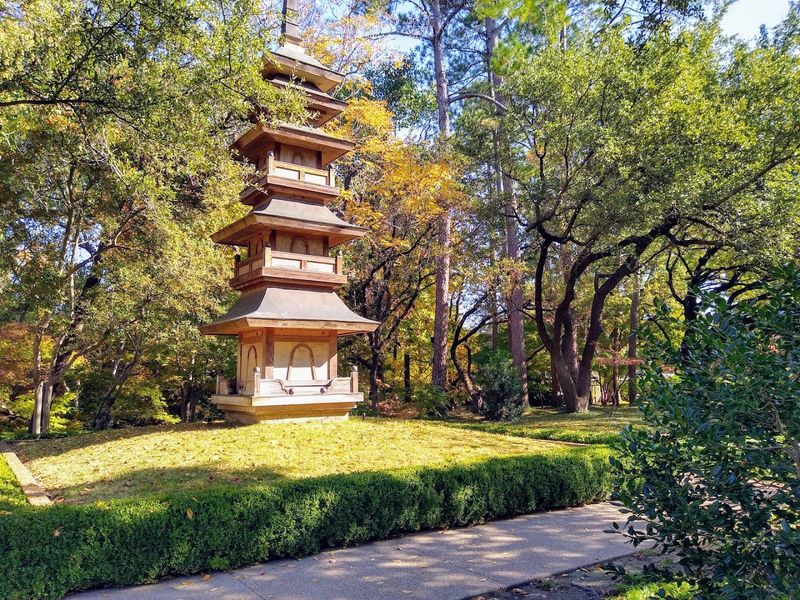
The thing that separates the Fort Worth Botanic Garden from a lot of outdoor attractions is that it genuinely changes. Not just in small ways, but in ways that can make you feel like you are visiting an entirely different place depending on the time of year.
That kind of dynamic quality is rare, and it is the main reason so many people keep coming back.
Spring brings wildflowers and roses. Summer delivers the water lily spectacle.
Fall rolls out chrysanthemums and golden foliage. Winter lights up the whole garden in a way that transforms it into something festive and warm.
Each season has its own identity within the same 120 acres, and that consistency of change is what makes the garden feel alive rather than static.
For families, the garden offers something at every age level, from toddlers crouching down to look at flowers to adults who appreciate the horticultural depth of the specialty gardens. For solo visitors, it is a place that rewards slow, quiet exploration.
The Fort Worth Botanic Garden, located at 3220 Botanic Garden Blvd, Fort Worth, TX 76107, is the kind of destination that does not need a special occasion to justify a visit. Any ordinary afternoon becomes something worth remembering here.
Address: 3220 Botanic Garden Blvd, Fort Worth, TX 76107
