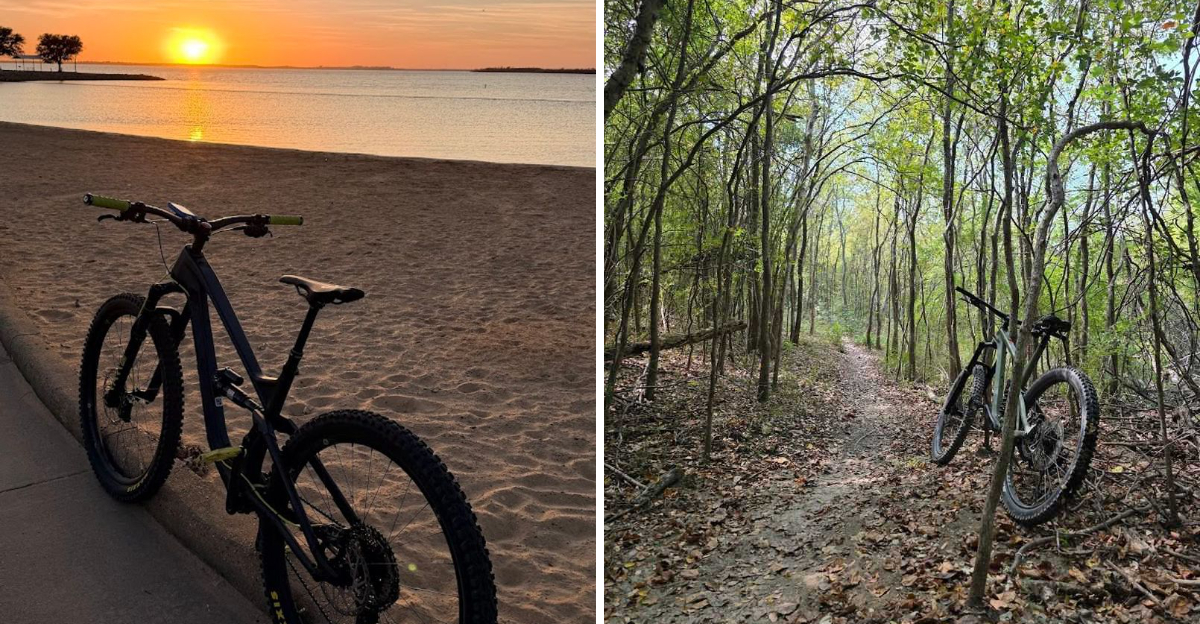
You feel your legs burn a little on the first climb, then the lake appears through the trees and suddenly you do not mind. The trail rolls up and down, never flat enough to get boring, never steep enough to make you quit.
You can pick a short loop if you just want an hour of fresh air, or go all in on the longer stretch for a real workout. The dirt is packed and smooth, perfect for beginners who want to level up without getting thrown off a rock garden.
Around every bend, the water peeks through the brush, reminding you why you left the couch behind. Experienced riders come back because the terrain keeps them honest, and the views keep them smiling.
By the time you finish, you are already planning your next lap.
The Rocky Terrain That Sets This Trail Apart
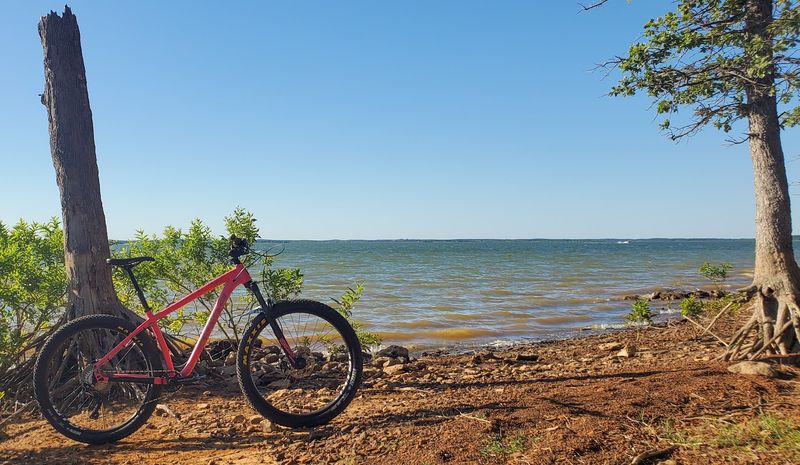
Rock gardens are not exactly what most people picture when they think of Texas riding, but Isle du Bois has them in abundance. The terrain here is noticeably rockier and hillier than most other trails in the greater Dallas area, and that contrast is a big part of why riders keep returning.
The rocks range from scattered limestone chunks to full-on technical gardens that demand real focus and bike handling skill.
Scattered throughout the loops, these rocky sections vary widely in difficulty. Some are manageable for intermediate riders who stay relaxed and pick their lines carefully.
Others, especially in Loop D, are genuinely challenging and will test even experienced riders who are not paying attention.
The rocky character of the trail also gives it a more natural, raw feel compared to the manicured flow trails you find elsewhere. There is real consequence to losing focus, which keeps the riding honest and engaging.
Tires with good grip and a bit of suspension travel go a long way here. Hard-tail riders can absolutely handle it, but showing up on a full-squish bike for the technical sections is never a bad call.
The Trail System Layout and What to Expect
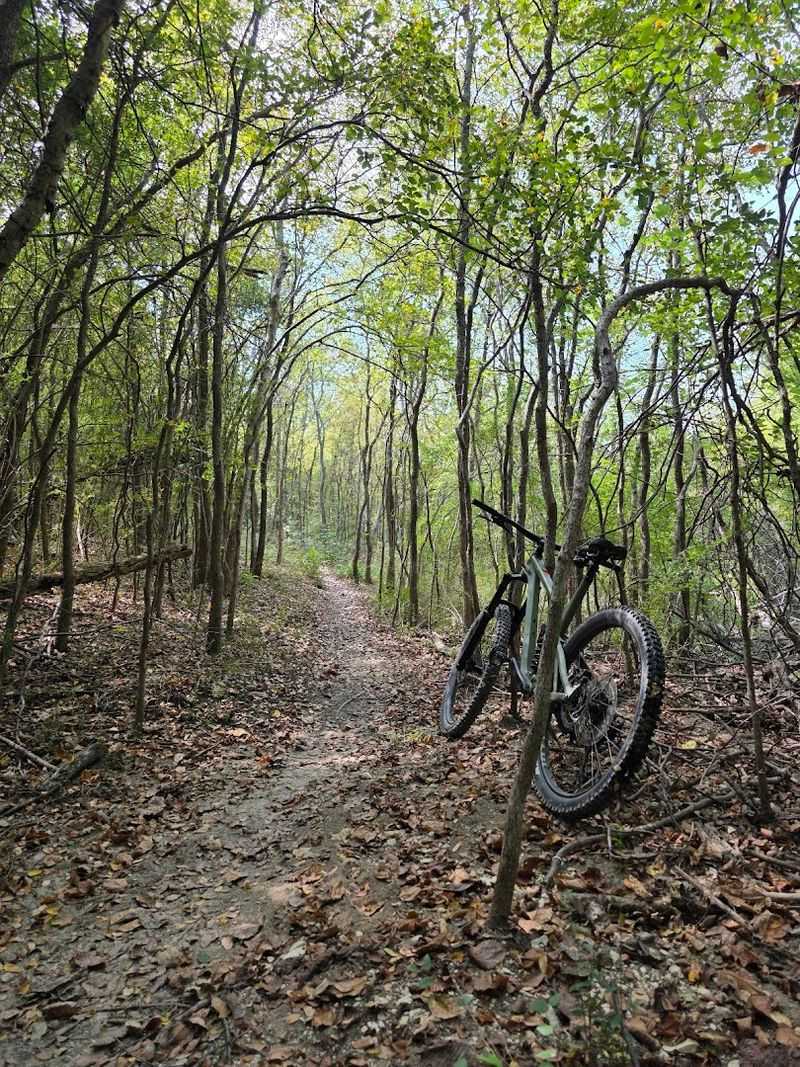
Most trails around the Dallas area tend to be smooth and forgiving, so the Isle du Bois DORBA trail layout genuinely catches first-timers off guard. The system is built as a series of interconnected, one-way stacked loops that total just under 12 miles.
A full lap covering all the loops typically runs between 10 and 11 miles, which is a solid morning or afternoon of riding.
The one-way design keeps traffic flowing cleanly, which means you rarely have to worry about head-on encounters with other riders. Each loop connects to the next in a logical sequence, so it is easy to cut the ride short if you need to or push through to the harder sections if you are feeling ambitious.
The trail is managed by DORBA, the Dallas Off-Road Bicycle Association, and their maintenance work really shows in how well the route holds up after rain.
First-time visitors should pick up a trail map at the park entrance. The loops are labeled A through E, and each one has its own personality.
Knowing the layout before you clip in saves a lot of confusion out on the trail.
Loop D: The Crown Jewel for Technical Riders
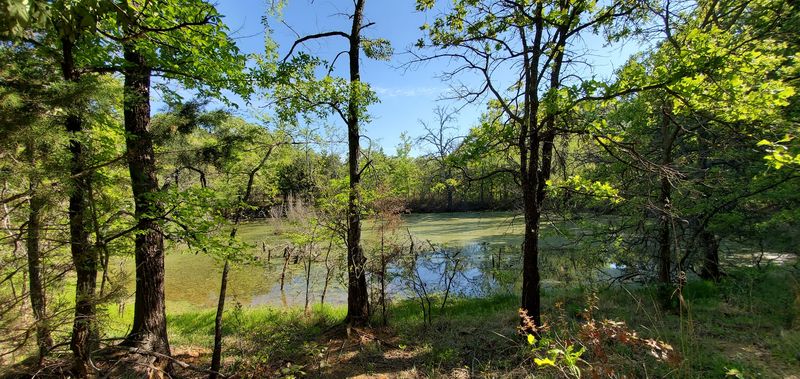
Loop D has a reputation among North Texas riders, and it earns every bit of it. This section is considered the most difficult on the entire trail system, combining numerous rock gardens with significant elevation changes that come at you in quick succession.
The ridge it runs along offers some of the best lake views on the property, especially in winter when the trees drop their leaves and open up the sightlines.
The climbs in Loop D are short but punchy, the kind that make your lungs work hard before you even have time to settle into a rhythm. Technical descents follow shortly after, so there is not much rest between challenges.
That rhythm of effort and reward is part of what makes this loop so addictive for riders who want more than a casual cruise.
Bypasses are available throughout Loop D for riders who want to skip the hardest sections. That thoughtful design means you do not have to be an expert to enjoy the loop, you can ride at your own level and still experience the best views on the trail.
Gradually working up to cleaning the full loop is a genuinely satisfying progression.
Loop C and the Speedy Middle Ground
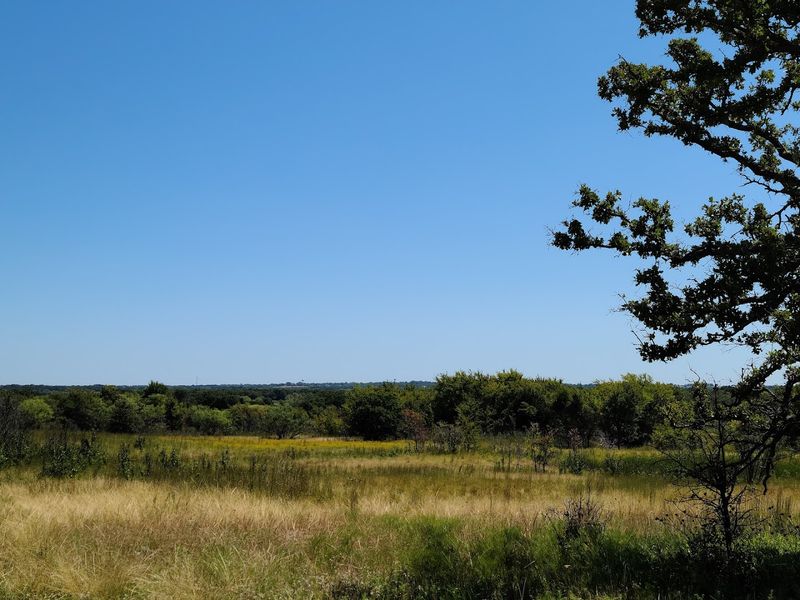
Not every section of Isle du Bois is about survival mode, and Loop C is proof of that. This part of the trail leans into speed, with flowing sections that reward smooth pedaling and good momentum management.
Short, steep climbs pop up regularly, but the quick descents that follow make the effort feel worthwhile almost immediately.
Loop C tends to be where intermediate riders find their groove. The technical demands are real but not overwhelming, and the pace you can carry through the faster sections gives the whole loop a genuinely fun energy.
It is the kind of riding where you finish a section with a grin rather than a gasp.
The mix of punchy climbs and speedy stretches also makes Loop C a good warm-up before tackling Loop D. Many riders run C first to get their legs and focus dialed in before committing to the harder terrain further along the system.
That strategic sequencing is one of the underrated pleasures of a well-designed stacked loop trail. Knowing which loop to hit first, and why, is part of the learning curve that keeps regulars coming back with fresh purpose.
Loop E and the Lakeside Riding Experience
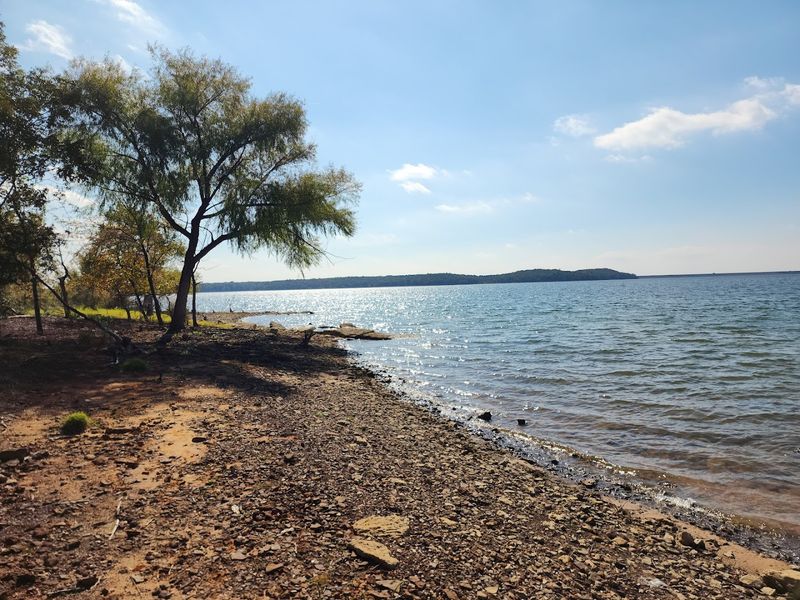
Running right along the rocky lakeshore of Ray Roberts Lake, Loop E is the section of trail that feels most unlike anything else in the Dallas-Fort Worth trail network.
The lake is right there beside you, glittering through the cedar and oak, and the sound of water carries on a quiet morning in a way that makes the whole ride feel more remote than it actually is.
The terrain on Loop E is rocky by nature, shaped by the limestone shoreline it follows. The trail does not let you zone out completely, but it is more approachable than Loop D and rewards riders with consistent scenery rather than constant technical demands.
It is the kind of loop where you find yourself slowing down just to take in the view, even mid-ride.
Early morning is a particularly good time to ride Loop E. The light hitting the lake surface, the birds active along the shore, and the relative quiet before the park fills up create a genuinely peaceful atmosphere.
It is a reminder that trail riding is not only about the physical challenge. Sometimes the best part is just being out there in a beautiful place, moving through it at your own pace.
The Backcountry Feel Less Than an Hour from Dallas
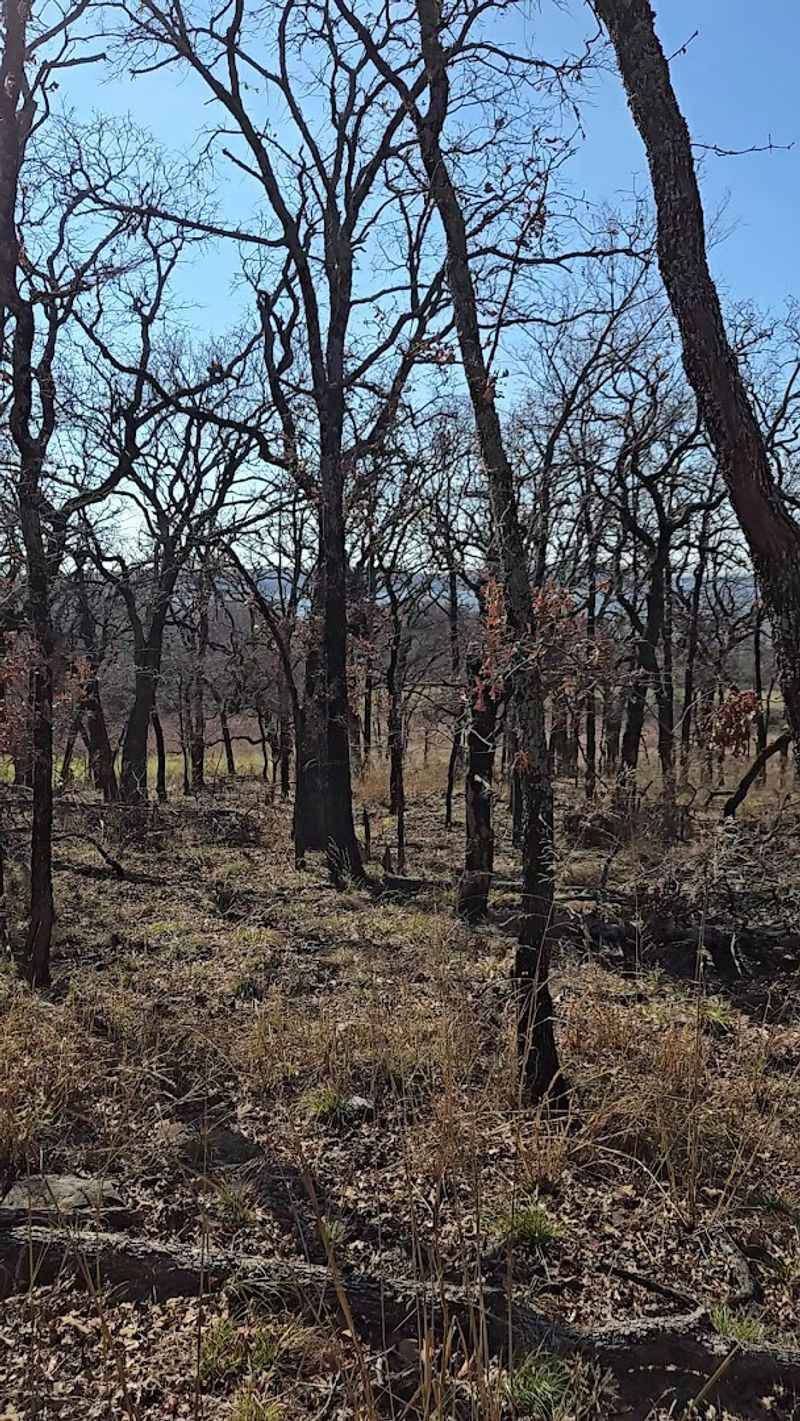
One of the most consistent things riders say about Isle du Bois is that it does not feel like a trail near a major city. The combination of rocky terrain, rolling elevation, and thick cedar scrub creates an atmosphere that reads more like a remote backcountry ride than a suburban park outing.
That feeling is rare this close to Dallas, and it is a big part of the trail’s lasting appeal.
The drive from the DFW metro area takes less than an hour, which makes it a realistic option for a weekday evening or an early weekend morning. You do not need to plan a full road trip to get a genuine wilderness riding experience.
That accessibility without sacrificing trail quality is a combination that is hard to find in this part of Texas.
Part of what creates the backcountry atmosphere is the natural landscape itself. The terrain north of Denton shifts noticeably compared to the flatter, more urban corridors to the south.
The rocky outcroppings, the lake, and the open sky overhead all contribute to a sense of space and quiet that resets your head after a busy week. Riders who need that mental refresh as much as the physical workout come back here regularly for exactly that reason.
What to Bring and How to Prepare for the Ride
Preparation matters more at Isle du Bois than at smoother, flatter trails. The rocky terrain puts real demands on both rider and equipment, so showing up with the right setup makes a noticeable difference in how much you enjoy the experience.
A helmet is non-negotiable, and knee pads are genuinely worth bringing for the technical sections in Loop D.
Hydration is a serious consideration, especially from late spring through early fall when Texas heat can turn a fun ride into a grinding slog if you are not drinking enough. A hydration pack with at least 1.5 to 2 liters of water is a smart choice for a full lap.
Carrying a basic repair kit, including a spare tube, tire levers, and a multi-tool, is standard practice for any trail this far from a bike shop.
Tire choice also matters here more than on smoother trails. A tire with decent side knobs and good puncture resistance handles the limestone rock gardens much better than a fast-rolling XC slick.
Checking tire pressure before the ride and dropping it slightly for better grip over rocks is a small adjustment that pays off quickly. A little preparation goes a long way toward making your day out here genuinely enjoyable.
Park Entry, Trail Access, and Getting There

Getting to Isle du Bois is straightforward from most parts of the DFW area. The trail sits inside the Isle du Bois Unit of Ray Roberts Lake State Park near Pilot Point, Texas.
From Denton, the drive north takes roughly 20 to 25 minutes, and the park entrance is well-signed from the main road.
Entry to the trail requires a fee for visitors over 12 years old, or you can use a Texas State Parks Pass if you already have one. The pass is worth considering if you plan to visit multiple state parks throughout the year, as it pays for itself quickly.
Arriving early on weekends is a good idea since the parking areas near the trailhead can fill up by mid-morning during peak season.
The trail is primarily designated for mountain biking but is also open to hikers, so a little shared-use awareness on the trail is appropriate. Dogs are allowed in the park but check current rules at the entrance regarding leash requirements on the trail itself.
The park staff at the entrance station are generally helpful and can answer questions about current trail conditions before you head out.
Why Riders Keep Coming Back to Isle du Bois
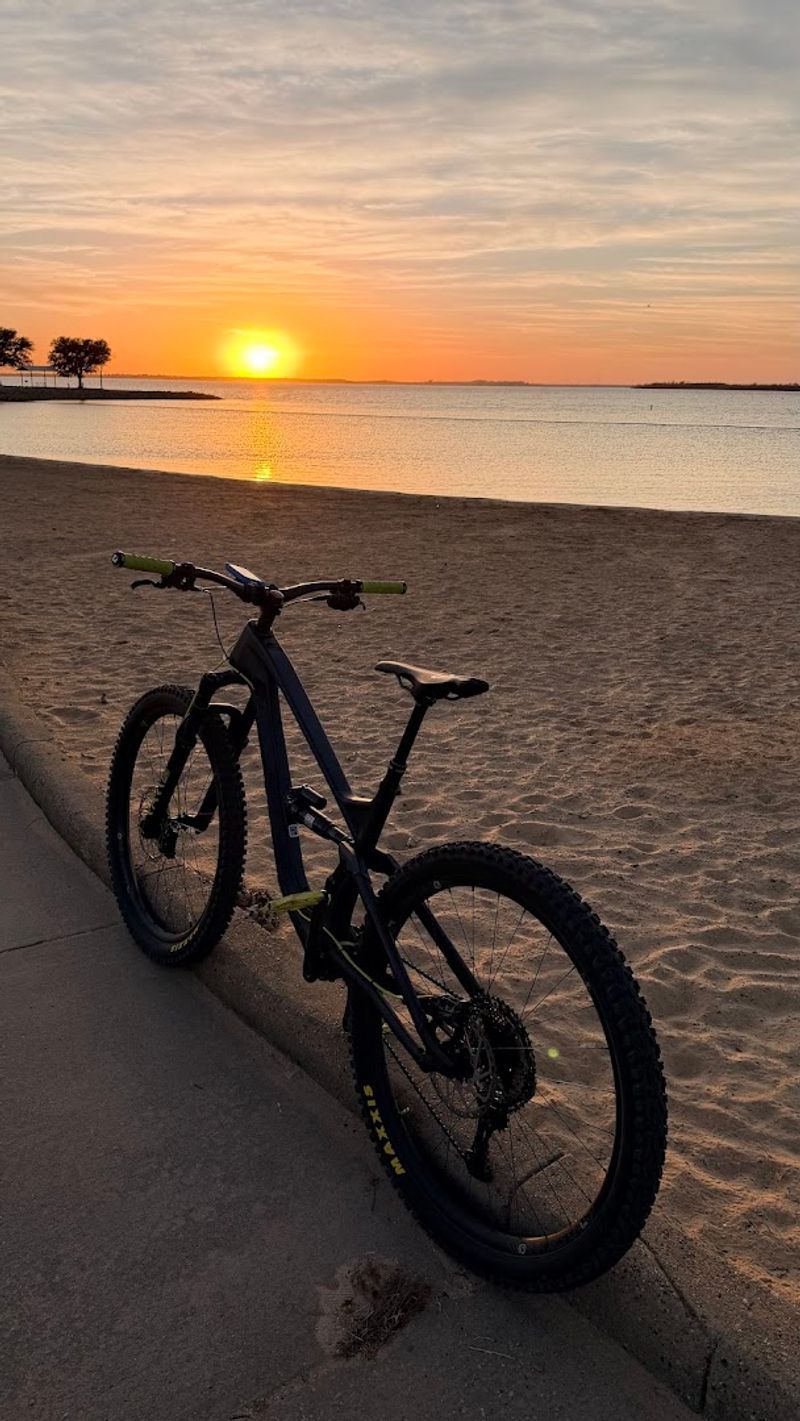
There are plenty of trails within driving distance of Dallas, but Isle du Bois holds a particular spot in the rotation for riders who want something with more bite. The combination of technical rock gardens, rolling elevation, and genuine lakeside scenery creates a ride experience that does not get old quickly.
Each loop offers something different, which means the same trail system can feel fresh depending on which sections you choose to focus on that day.
The trail rewards progression in a way that keeps riders motivated. Beginners can use the bypass options and still have a full, satisfying ride.
Intermediate riders find new lines and cleaner runs through technical sections the more familiar they become with the terrain. Advanced riders push for clean laps through Loop D and use the trail as a legitimate fitness and skills benchmark.
Beyond the riding itself, there is something quietly special about being out near Ray Roberts Lake on a good morning. The light, the water, the sound of tires on rock, and the occasional bird flushing from the brush all add up to an experience that is harder to quantify but easy to remember.
That combination of physical challenge and natural beauty is exactly why this trail keeps pulling riders back, season after season.
Address: Isle Du Bois State Park Rd, Pilot Point, TX 76258.
