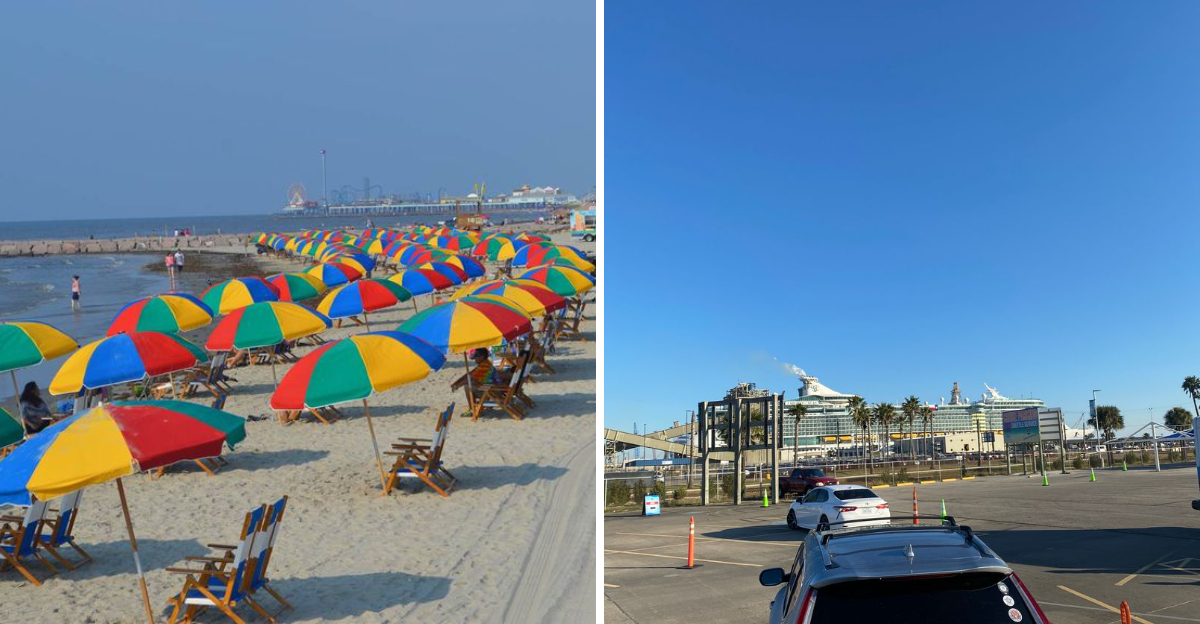
Galveston is a beautiful island city where visitors come to enjoy sandy beaches, historic sites, and fresh Gulf Coast seafood.
However, this charming destination has some unusual local laws that many tourists don’t know about until they face unexpected fines.
These regulations have been on the books for years, and local authorities still enforce them today.
Understanding these rules before your trip can save you money and hassle. Many travelers assume that beach town rules are relaxed and casual, but Galveston takes its ordinances seriously.
From beach behavior to downtown activities, several laws might surprise you. Some of these regulations protect the environment and wildlife, while others preserve the historic character of the island.
Learning about these laws helps you enjoy your vacation without worrying about penalties.
Whether you’re planning a weekend getaway or an extended stay, knowing what’s allowed and what’s not makes your visit smoother.
This guide explains specific reasons why Galveston remains a Texas city where longstanding local laws can still result in tourist fines, helping you stay informed and avoid costly mistakes during your island adventure.
Beach Alcohol Restrictions Lead to Frequent Citations
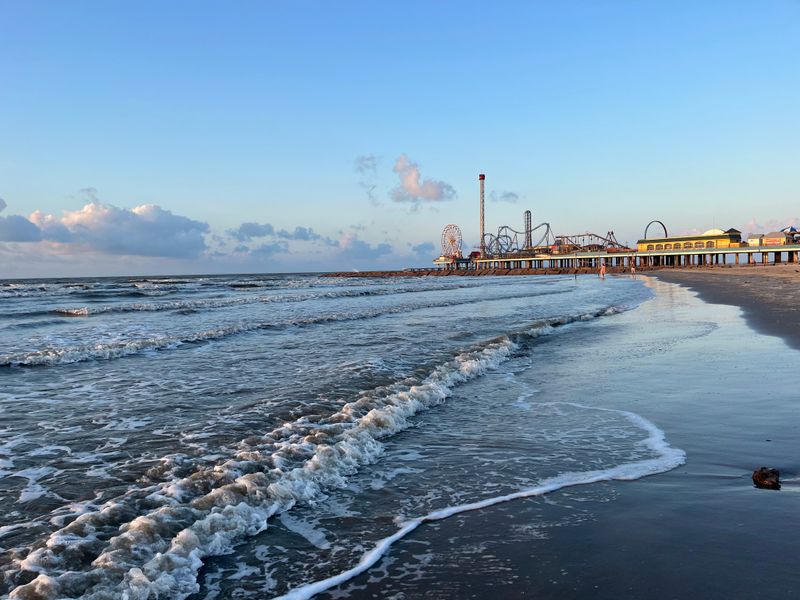
Walking along the shore with a cold drink sounds like the perfect beach day, but Galveston has specific rules about alcohol consumption on its beaches that catch many visitors off guard.
Stewart Beach and East Beach have different policies, and not knowing which areas allow alcohol can result in fines up to several hundred dollars.
Many tourists assume all Texas beaches follow the same rules, but local ordinances vary significantly from one coastal city to another.
Stewart Beach, located at 6th Street and Seawall Boulevard, prohibits all alcoholic beverages year-round as it’s designated as a family-friendly beach.
Police officers patrol this area regularly, especially during spring break and summer weekends when crowds are largest.
East Beach, situated at 1923 Boddeker Drive, does permit alcohol but only in specific zones and during certain hours, with glass containers strictly forbidden everywhere.
The confusion often happens because visitors see others drinking and assume it’s allowed throughout the beach.
However, enforcement can be inconsistent, leading some people to believe the rules don’t apply.
Officers typically issue warnings first, but repeat offenders or those who argue can face immediate citations.
The fines support beach maintenance and public safety programs, so authorities take violations seriously.
Understanding these distinctions before packing your cooler prevents unpleasant surprises.
Galveston Island State Park, located at 14901 FM 3005, also prohibits alcohol in most areas except designated camping sites.
Checking the specific beach regulations where you plan to spend your day ensures compliance.
Many longtime visitors recommend keeping beverages in clearly marked containers and staying within permitted zones to avoid any issues with law enforcement during your coastal relaxation time.
Glass Container Bans Result in Unexpected Penalties

Bringing glass bottles to the beach might seem harmless, but Galveston strictly prohibits glass containers on all public beaches and enforces this rule with consistent fines.
Broken glass poses serious dangers to barefoot beachgoers and wildlife, so authorities don’t take violations lightly.
Many tourists pack glass beverage bottles or food jars without realizing this ordinance exists, only discovering the problem when officers issue citations.
The ban applies to all glass items, including beer bottles, wine bottles, condiment jars, and even glass food storage containers.
Plastic and aluminum alternatives are readily available at local stores along Seawall Boulevard, where shops specifically stock beach-friendly packaging options.
Officers conducting beach patrols look for glass containers in coolers and bags, sometimes asking visitors to open their belongings for inspection if they suspect violations.
Fines for glass container violations typically start around one hundred dollars but can increase for multiple items or if broken glass is found.
The regulation has been in place for decades after numerous injuries from broken bottles embedded in sand.
Galveston Island Historic Pleasure Pier area and surrounding beaches see particularly strict enforcement during peak tourist seasons when foot traffic is heaviest.
Visitors who accidentally bring glass containers usually receive options to dispose of them properly in designated receptacles rather than face immediate fines.
However, those who refuse to comply or hide glass items after being warned face stiffer penalties.
Local residents strongly support this ordinance because it keeps beaches safer for families and reduces wildlife injuries.
Packing smart with plastic or canned beverages demonstrates respect for the environment and helps you avoid unnecessary fines while enjoying Galveston’s beautiful shoreline and warm Gulf waters.
Historic District Parking Violations Carry Steep Fines
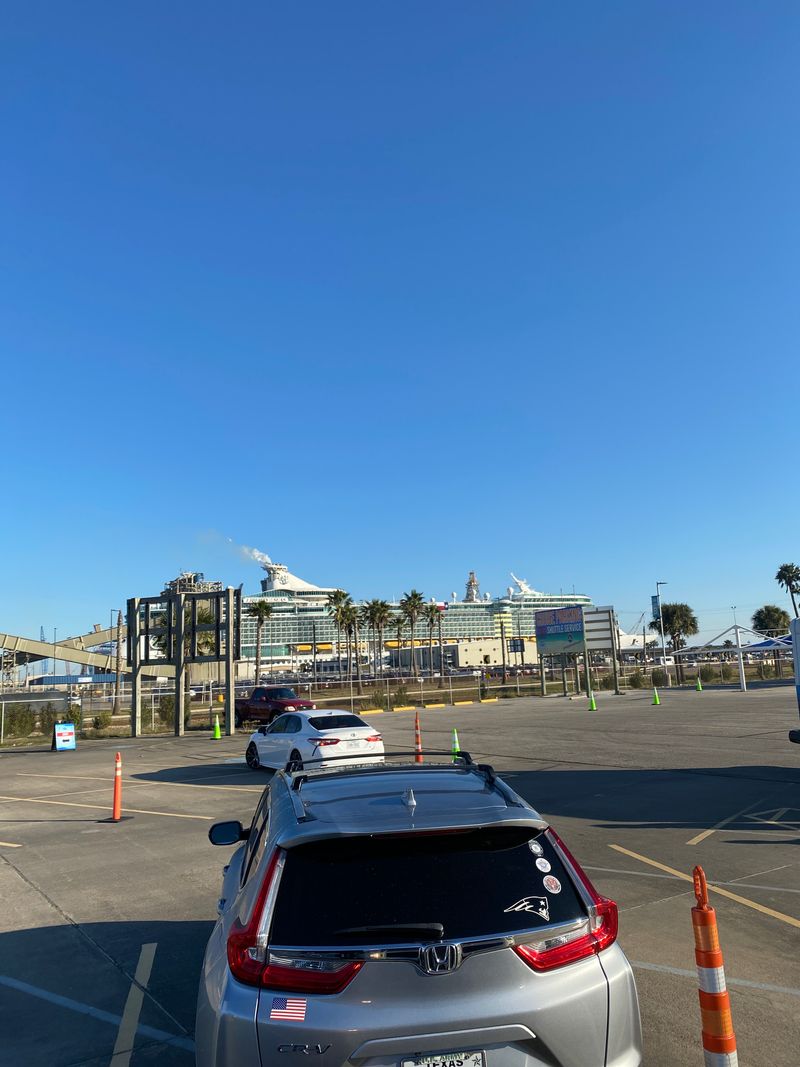
Galveston’s historic Strand District attracts thousands of visitors who come to explore Victorian architecture, unique shops, and waterfront restaurants, but parking enforcement in this area is notoriously strict.
Many tourists receive tickets within minutes of leaving their vehicles because they misunderstand the complex parking regulations.
The historic downtown area has time-limited zones, resident-only spaces, and metered areas that require careful attention to posted signage.
The Strand, located along Strand Street between 19th and 25th Streets, features two-hour parking limits in most public spaces during business hours.
Visitors often exceed these limits while dining or shopping, returning to find tickets on their windshields.
Meters must be fed continuously, and even expired meters with just a few minutes past the limit result in citations.
Parking enforcement officers use electronic tracking systems that record when vehicles arrive, making it nearly impossible to avoid detection.
Fines for parking violations in the historic district start at around forty dollars but increase significantly for repeat offenses or blocking access areas.
Some spots that appear to be public parking are actually reserved for residents with special permits, and tourists who park there face higher fines plus potential towing fees.
The city generates substantial revenue from these violations, which funds historic preservation projects and downtown improvements.
Reading all posted signs carefully before leaving your vehicle is essential.
Many visitors find success using the paid parking lots near the Galveston Railroad Museum at 2602 Santa Fe Place or the public garage at 21st Street and Strand.
These facilities charge reasonable daily rates and eliminate the stress of watching time limits.
Downloading parking apps that track meter time and send reminders helps prevent violations, making your historic district exploration more enjoyable and fine-free.
Unleashed Pet Regulations on Beaches Surprise Dog Owners

Dog owners love bringing their furry companions to enjoy Galveston’s beaches, but strict leash laws and restricted areas catch many pet owners unprepared for potential fines.
Galveston allows dogs on certain beaches during specific times, but all dogs must remain on leashes no longer than six feet at all times.
Many tourists see other dogs running free and assume the rules aren’t enforced, leading to citations when patrol officers arrive.
Stewart Beach prohibits dogs entirely from March through October, the peak tourist season when families with young children fill the area.
East Beach permits leashed dogs year-round, but owners must immediately clean up after their pets or face fines.
Galveston Island State Park allows dogs on leashes in most areas, including beach sections, but requires proof of current vaccinations if asked by park rangers.
Violating these pet regulations results in fines starting around seventy-five dollars, with additional penalties if dogs behave aggressively or disturb other beachgoers.
The confusion often stems from inconsistent enforcement, where some days officers issue warnings while other times they immediately write tickets.
Local animal control and beach patrol coordinate to monitor pet compliance, especially during weekends and holidays.
Dogs running loose near nesting shorebird areas face particularly strict enforcement because disturbing protected wildlife carries federal penalties in addition to local fines.
Responsible pet owners should research specific beach rules before visiting and always carry waste bags and leashes.
Some local businesses near the seawall rent beach equipment and also sell pet supplies for forgetful visitors.
Keeping dogs leashed protects wildlife, prevents conflicts with other beachgoers, and demonstrates good pet ownership.
The regulations exist because unleashed dogs have previously injured children and disturbed sea turtle nests, making compliance important for everyone’s safety and enjoyment.
Disturbing Protected Wildlife Brings Federal and Local Penalties

Galveston’s beaches serve as critical habitat for endangered sea turtles, protected shorebirds, and other wildlife species, making disturbance of these animals a serious offense with both local and federal consequences.
Many tourists don’t realize that approaching nesting sea turtles, disturbing bird colonies, or harassing marine life can result in fines reaching thousands of dollars.
The island’s position along major migration routes makes wildlife protection particularly important, and authorities actively enforce these regulations.
Sea turtle nesting season runs from April through July, when Kemp’s ridley and loggerhead turtles come ashore to lay eggs along Galveston beaches.
Marked nest sites with protective barriers are clearly posted, but some visitors ignore warnings to get closer for photographs.
Disturbing a sea turtle nest carries federal fines starting at several thousand dollars under the Endangered Species Act, plus additional local penalties.
Even shining bright lights near nesting areas after dark violates protection laws because artificial light confuses hatchlings trying to reach the ocean.
Shorebird nesting areas, particularly near the east end of the island and around Galveston Island State Park, are also protected zones where human disturbance is prohibited.
Piping plovers, least terns, and other threatened species nest in shallow depressions on the sand, and their nests are easily destroyed by careless foot traffic or dogs.
Officers from Texas Parks and Wildlife patrol these areas and issue citations to people who enter restricted zones or allow pets to chase birds.
Feeding dolphins, pelicans, or other marine wildlife is also illegal and carries fines because it disrupts natural behaviors and creates dangerous dependencies.
Tourists should observe all posted wildlife protection signs and maintain respectful distances from animals.
Using telephoto lenses for photography allows great pictures without disturbing sensitive species and keeps you compliant with protection laws.
Open Container Laws Extend Beyond Beach Areas
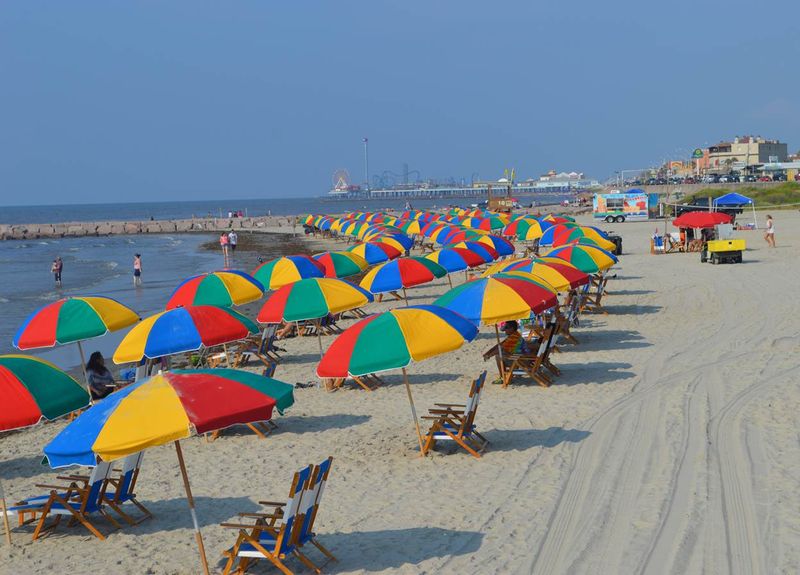
Galveston’s open container ordinances extend far beyond the beach, covering the historic downtown area, Seawall Boulevard, and most public spaces throughout the city.
Many tourists assume that because Texas has relatively relaxed alcohol laws, they can walk around freely with open drinks.
However, Galveston prohibits open containers of alcohol in vehicles, on most streets, and in many public areas, with violations resulting in fines that surprise unsuspecting visitors.
The Strand Historic District strictly enforces open container laws, meaning you cannot walk between bars and restaurants with alcoholic beverages.
Each establishment must serve drinks in containers that remain on their premises or in designated outdoor seating areas.
Police officers regularly patrol the entertainment district, especially during Mardi Gras, Dickens on the Strand, and other special events when crowds are largest.
Fines for open container violations typically start around one hundred dollars and increase for subsequent offenses or if the person appears intoxicated.
Seawall Boulevard, which runs along the beach from 61st Street to East Beach, also prohibits open containers except in specifically designated areas.
Visitors walking along the seawall with drinks from nearby bars or carrying alcohol from their hotels can be cited.
The confusion increases because some special event permits temporarily allow open containers in limited zones, but these exceptions don’t apply year-round.
Inside vehicles, any open alcohol container must be stored in the trunk, even if passengers are drinking and the driver is sober.
Designated driver situations don’t exempt vehicles from this rule, and officers conducting traffic stops check for open containers.
Understanding that Galveston treats open containers seriously helps visitors plan their activities accordingly.
Many bars and restaurants offer to-go cups for non-alcoholic beverages or will hold your drink while you step outside, accommodating tourists while maintaining legal compliance throughout the historic island city.
Beach Vehicle Restrictions Catch Off-Road Enthusiasts
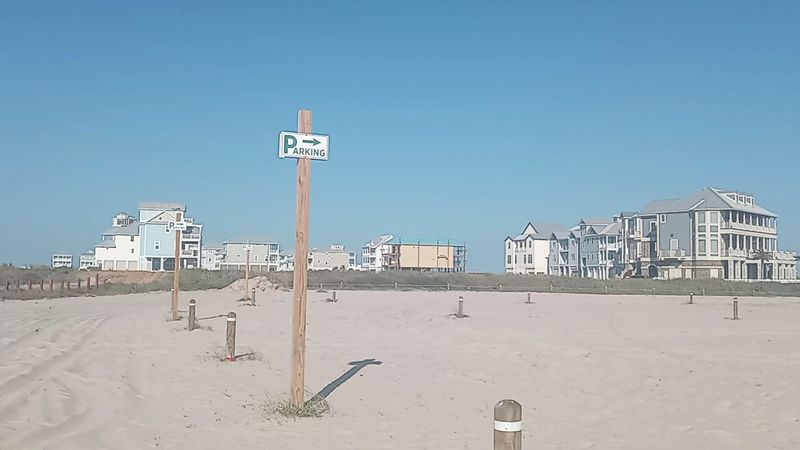
Driving vehicles on Galveston beaches is allowed in certain areas, but strict regulations govern where, when, and how vehicles can access the sand.
Many tourists with four-wheel-drive vehicles or ATVs assume they can drive anywhere along the shoreline, but violations result in substantial fines and potential vehicle impoundment.
Beach driving permits are required, speed limits are strictly enforced, and protected areas are completely off-limits to all vehicles regardless of type or permit status.
East Beach allows vehicle access with proper permits available for purchase at the entrance, but drivers must stay in designated corridors and maintain speeds below fifteen miles per hour.
Stewart Beach prohibits all vehicle traffic to maintain its family-friendly atmosphere and protect swimmers.
Galveston Island State Park allows beach driving only with park permits and restricts vehicles to marked routes that avoid sensitive dune systems and wildlife habitat.
Officers patrol beach driving areas regularly, checking permits and monitoring speeds with radar equipment.
Fines for driving without proper permits start around two hundred dollars, while speeding on beaches carries additional penalties similar to highway speeding tickets.
Driving in prohibited areas, especially near marked sea turtle nests or shorebird colonies, results in much higher fines plus potential criminal charges for environmental damage.
Vehicles that become stuck in soft sand often require expensive towing services, and if the stuck vehicle blocks emergency access routes, additional fines apply.
Visitors planning to drive on beaches should purchase permits in advance, carry proof of insurance, and carefully observe all posted signs and barriers.
Airing down tires improves traction on sand and reduces environmental impact.
Staying aware of tide schedules prevents getting trapped by rising water.
Many tourists find that parking in designated lots and walking to their preferred beach spots eliminates the stress and expense of beach driving regulations while still providing easy access to Galveston’s beautiful Gulf Coast shoreline.
Dear Reader: This page may contain affiliate links which may earn a commission if you click through and make a purchase. Our independent journalism is not influenced by any advertiser or commercial initiative unless it is clearly marked as sponsored content. As travel products change, please be sure to reconfirm all details and stay up to date with current events to ensure a safe and successful trip.
