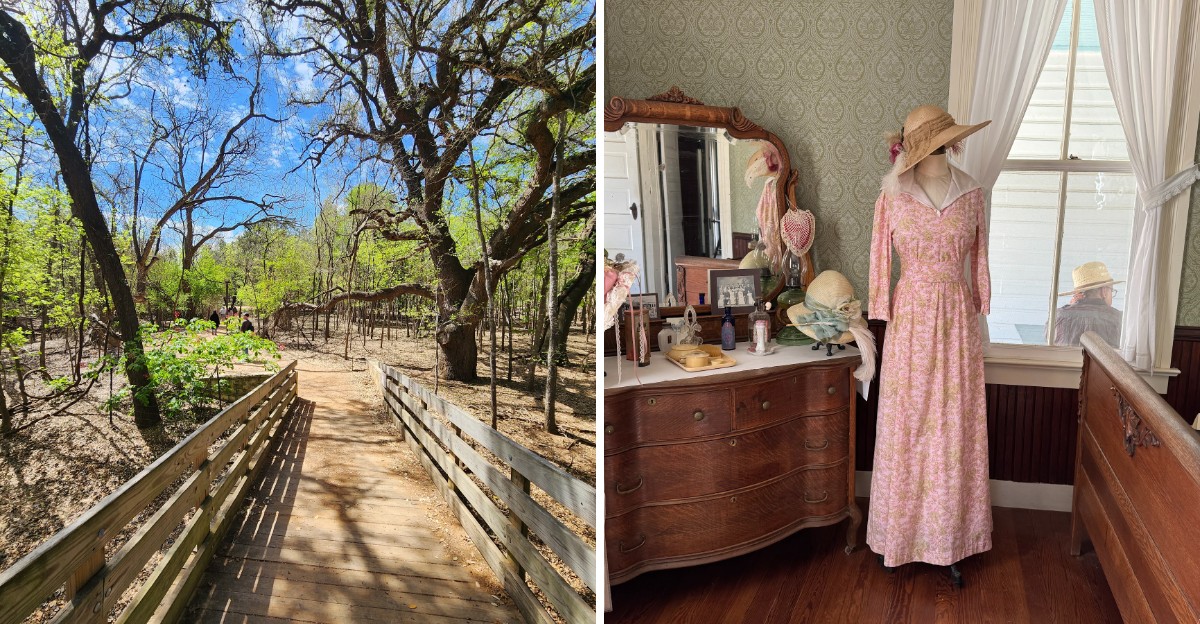
Dinner still cooks on a wood-burning stove at this Texas farm, with original stone buildings standing nearby. Rangers churn butter, gather eggs, and care for animals as part of daily demonstrations.
That’s more interesting than staring at old photographs behind glass.
The buildings tell two family stories. One household began with a log-and-rock cabin and later added a stone dormitory for its growing family.
Another built a barn and Victorian home, leaving layers of farm life on the same property. I like how those changes are visible without needing a history textbook.
You can explore on a free, self-guided visit while interpreters in period clothing work through traditional chores and answer questions. The surviving smokehouse alone could keep a curious visitor occupied for a while.
Who knew ordinary farm work could be this fascinating?
Two Families Built This Place One Stone At A Time
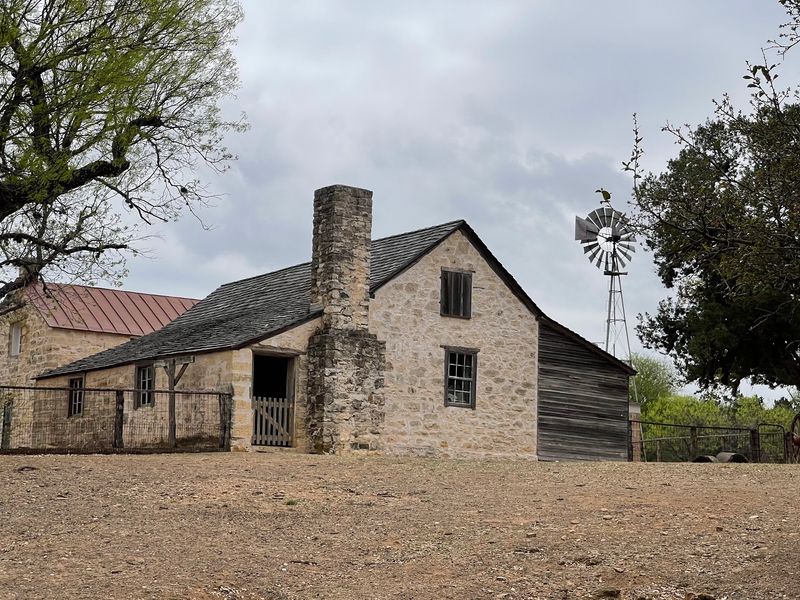
Back in 1869, Johann Friedrich Sauer and his wife Christine bought 188.75 acres along the Pedernales River. They arrived with four children and eventually raised ten.
Today that land is the Sauer-Beckmann Living History Farm, and their story still shapes every corner of it. By 1885, the Sauers had added several stone buildings next to their original rock and log cabins.
Here’s a fun connection for history fans. Their daughter, Augusta Sauer Lindig, later served as the midwife at the birth of Lyndon B.
Johnson.
In 1900, the Sauers sold the farm to Hermann Beckmann, who bought it for his sons Otto and Emil. Emil married Emma Mayer in 1907, and the couple put down deep roots.
A strong cotton crop in 1915 changed everything for them. Emil and Emma bought Otto’s share and started making big improvements.
The Beckmanns raised three children here named Rubin, Elgin, and Edna. In 1959, Emma passed the remaining acreage to Edna and her husband, Ernest Hightower.
Edna sold the farm site to the state in 1966. That means one property carries nearly a century of family life, and you can trace it through the buildings themselves.
The Clock Stopped Around 1918, And Nobody Plans To Wind It
Most museums ask you to look and not touch. This one asks you to watch a whole household go about its business like the year is 1918.
The farm interprets German-Texan rural life from the period right after the Beckmanns made their 1915 upgrades. That choice gives the whole site a clear snapshot instead of a jumble of eras.
Park rangers and volunteers dress in period clothing. They handle the actual daily chores a farm family of that time would have tackled.
So the work you see isn’t staged for a quick photo. Animals need feeding, the garden needs weeding, and dinner needs cooking, whether visitors show up or not.
I like that approach because it feels honest. You’re not watching a play, you’re dropping in on a working routine.
The interpreters are also there to answer questions. Ask why a tool looks strange or how a chore worked, and you’ll likely get a thoughtful explanation.
A good tip is to slow down and let the day unfold. The more time you spend, the more you’ll notice how every task connects to the next one.
Honestly, it’s the closest thing Texas has to a time machine with free parking.
Somebody Has To Churn The Butter, And It Isn’t A Machine
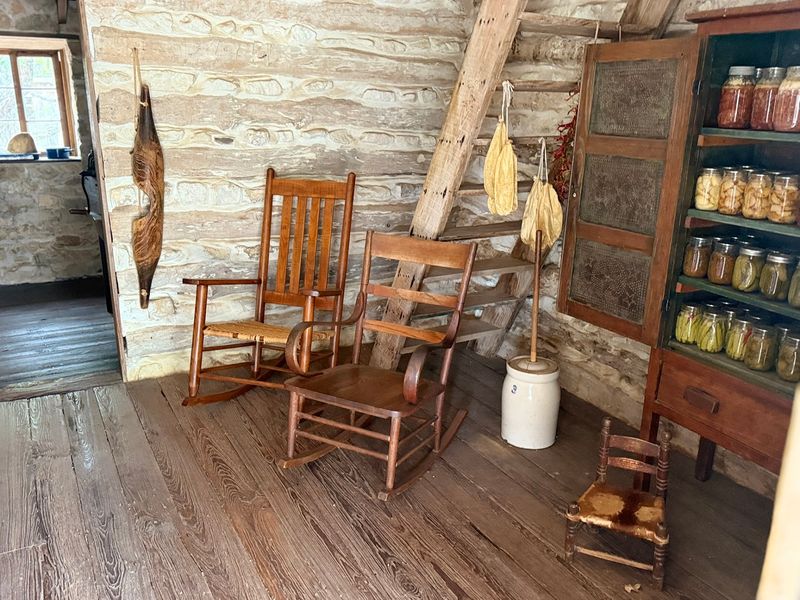
Meals here start with a fire, not a switch. Interpreters cook on a wood-burning stove using methods from the early 1900s.
The menu of chores is long and very hands-on. Depending on the day, you might see butter being churned or cheese being made from scratch.
Those jobs used to fill hours of a farm family’s week. Seeing them done by hand makes the grocery store dairy aisle feel like pure magic.
Cleaning is part of the routine too. Without running water or electricity in the historic buildings, even washing up takes real planning.
Knitting might pop up as well. Busy hands were the norm, and very little sat idle on a working farm.
Some tasks only show up at certain times of year. Canning and butchering are demonstrated seasonally, following the natural rhythm of farm life.
If you want to catch a specific activity, timing matters. Calling the park ahead of your trip can help you plan around what’s happening.
My advice is to linger near the kitchen. Watching a meal come together from farm-raised ingredients tells you more about 1918 than any textbook paragraph could manage.
Meet The Coworkers With Feathers, Hooves, And Wool
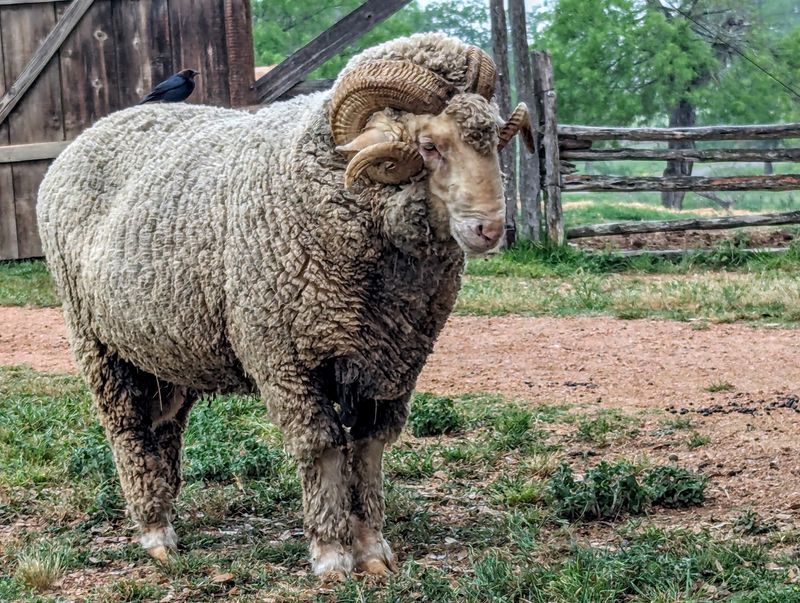
Chickens, cows, horses, hogs, and sheep all call the Sauer-Beckmann Living History Farm home. Every one of them has a job, which is more than some of us can say on a Monday.
The animals aren’t just for show. They fit into the same daily system the family would have relied on long ago.
Interpreters feed the animals, milk the cows, gather eggs, and slop the hogs. If you’ve never seen a hog meal served, it’s an education.
Kids especially tend to light up around the barnyard. Seeing where eggs and milk really come from can spark plenty of curious questions.
Horses also earn their keep in a big way. Sometimes they team up to pull a plow, just like they did on Texas farms a century ago.
Keep your eyes open for turkeys wandering around too. They have a surprising range of sounds beyond the classic gobble.
A friendly reminder goes a long way here. Let the animals come to you, keep hands calm, and follow any guidance from the staff.
Wear shoes you don’t mind getting a little dusty. Barnyards are honest places, and they never pretend to be anything else.
Cotton Money Built A Fancy House With Metal Walls
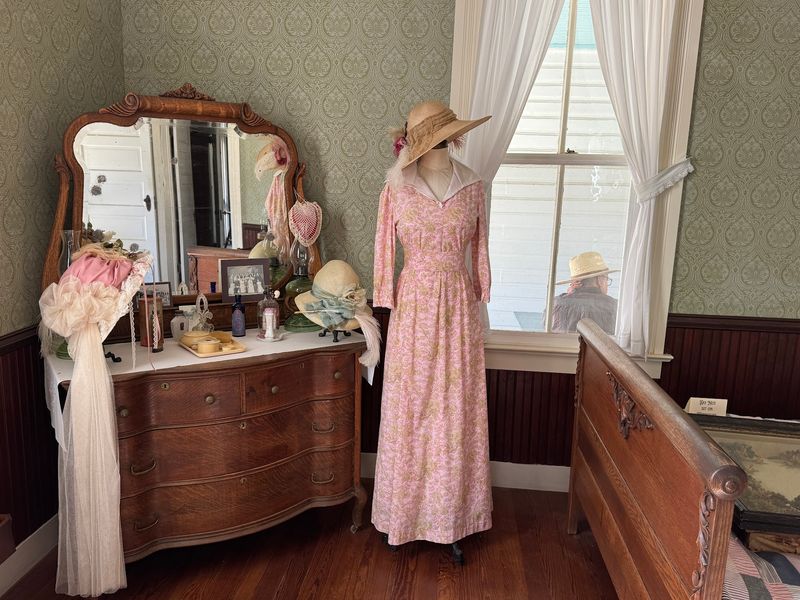
A good harvest can change a family’s fortunes, and the 1915 cotton crop did exactly that. Emil and Emma Beckmann used the profits to give their farm a serious glow-up.
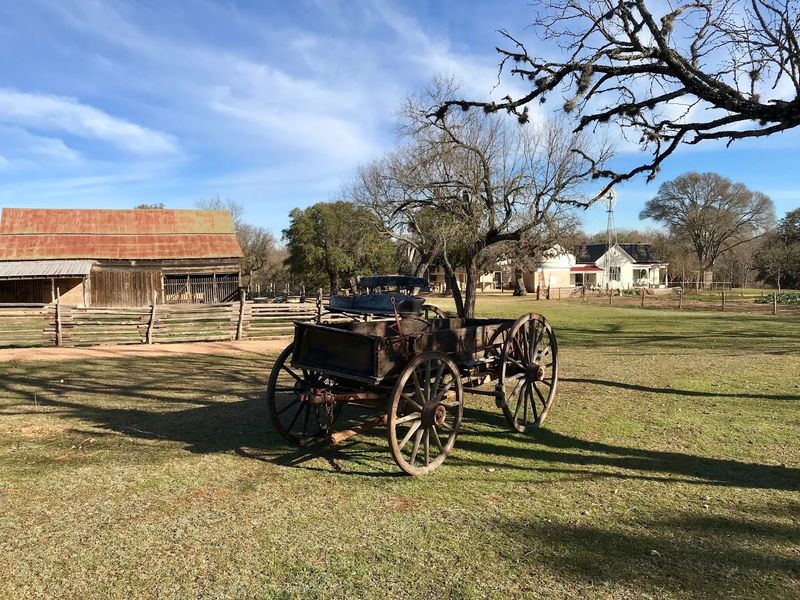
The star of that project is a Victorian-style frame house with pressed-metal siding. Built around 1915, it stands out next to the older rock structures.
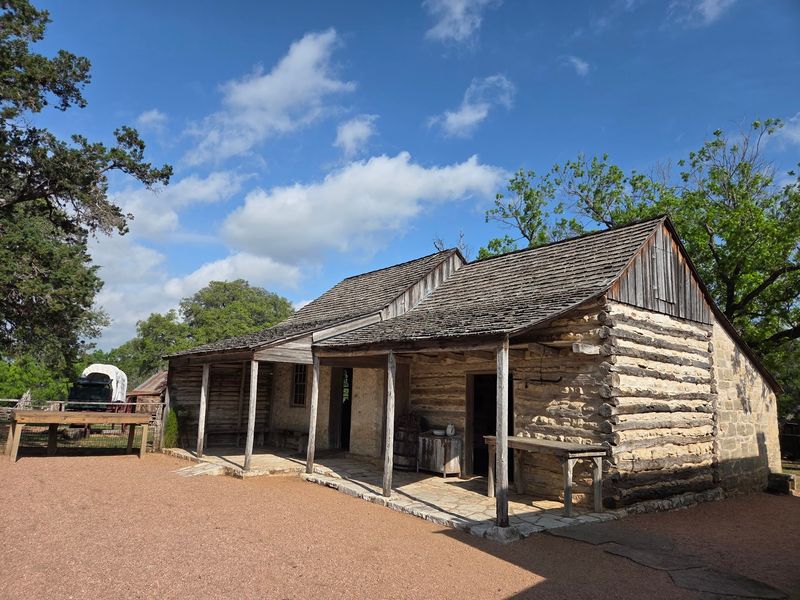
Those older buildings tell their own story. The original rock and log cabins and the later stone buildings show how the farm grew over time.
The Beckmanns also built a new barn during their upgrades. They added a frame room to an existing rock structure too.
Walk around and you’ll spot a smokehouse, a windmill, and a water tank. Each one served a practical purpose on a farm without modern conveniences.
Pay attention to how the old and new buildings sit side by side. You can practically read the family’s progress in stone, log, and metal.
I think that mix is what makes the site so fascinating. It isn’t one moment in time, but layers of hard work stacked across decades.
Bring a camera. The textures alone make for some striking photos.
The Garden Is Big Enough To Make Your Backyard Jealous
Forget tidy little planter boxes. The farm keeps a large vegetable garden, and it’s as much a workplace as the barn or kitchen.
Food from the garden connects straight to the wood-burning stove. That link shows how families once planned meals around what the soil could give them.
Weeding is one of the chores interpreters handle here. It’s slow, steady work, and the Texas sun doesn’t offer any shortcuts.
For home gardeners, this is a fun spot to pick up ideas. Ask what’s growing, how it’s tended, and what changes from season to season.
The garden also helps explain a lot about farm life in general. Before supermarkets, a bad growing season could mean a tough winter.
That’s where seasonal canning comes in. Preserving the harvest let families stretch summer’s bounty into the colder months.
Plan to visit the garden more than once during your stop if you can. Activity can shift throughout the day as different tasks come up.
Little ones may enjoy spotting vegetables they recognize. Grown-ups may leave wondering why their own tomato plants never look this determined.
Free Admission Makes Saying No Pretty Hard
Here’s the best price in Texas tourism: zero. Admission to the farm is free, which makes it an easy add to any Hill Country road trip.
You’ll find it at 501 State Park Rd 52, Stonewall, TX 78671, inside the Lyndon B. Johnson State Park and Historic Site.
Hours shift with the seasons. From October through May, the farm is open from 10 a.m. to 4 p.m. daily.
Summer brings an earlier schedule. From June through September, hours run from 9 a.m. to 3 p.m., which helps everyone beat some of the heat.
Mark a few closures on your calendar. The farm closes on Thanksgiving Day, Christmas Day, New Year’s Day, and the last Tuesday of every month.
Tours are self-guided, so you can move at your own pace. Spend extra time with the animals or skip ahead to the house, it’s your call.
Accessibility is worth planning for. Paths are hard-packed ground and caliche, but entrances to the historic buildings aren’t wheelchair accessible.
Comfortable shoes, water, and sun protection are smart picks. Then all that’s left is deciding which chore to watch first.
Sparks Fly In The Blacksmith Shop When Work Calls
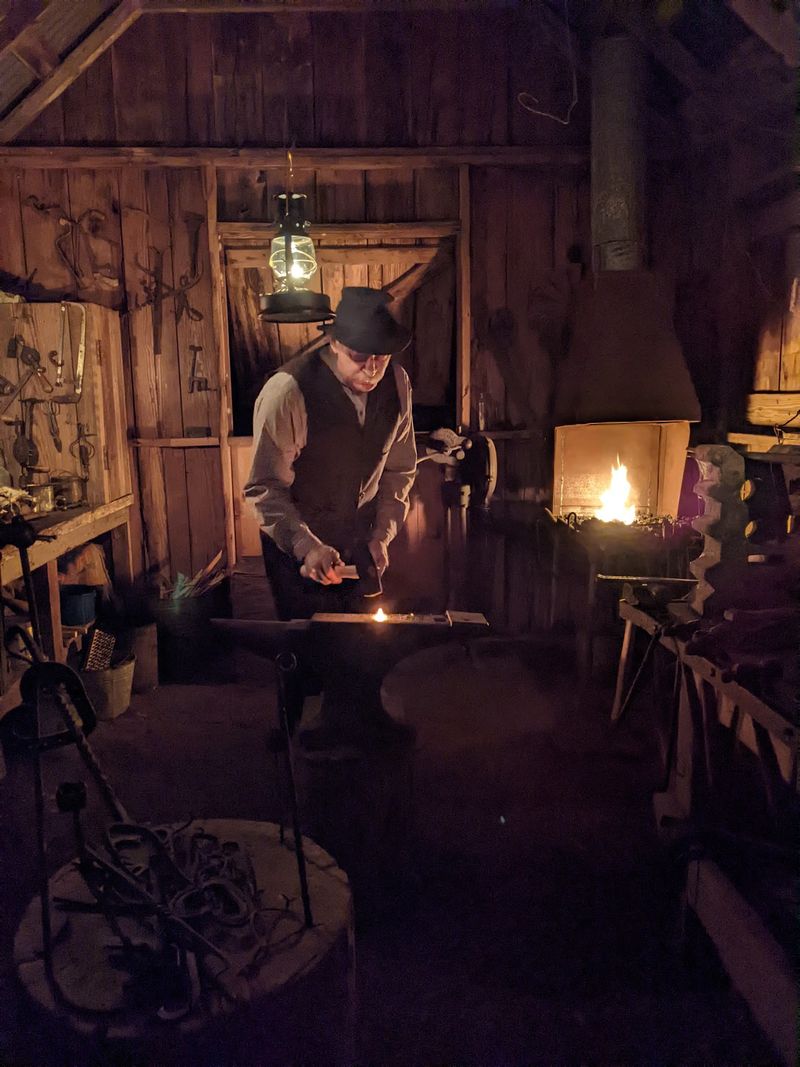
Broken tools didn’t get tossed in 1918. They went to the blacksmith shop, and the farm still has one.
Working in the blacksmith shop is among the activities interpreters may take on. When it’s active, it’s one of the most memorable demonstrations on the property.
A self-reliant farm needed this kind of skill. Hinges, hooks, and repairs often came from right on the property instead of a store.
The shop also gives you a closer look at old tools. Many look unfamiliar today, which makes them perfect conversation starters with the staff.
Plowing with a team of horses fits into this same do-it-yourself world. Strong animals and sturdy equipment kept the fields producing.
Not every activity happens every day, so think of the blacksmith shop as a bonus. If you catch it in action, consider yourself lucky.
Kids who love building things often find this corner fascinating. It shows how much problem-solving went into simple everyday objects.
Take a moment to compare these tools with whatever’s sitting in your garage. Suddenly that cordless drill feels like a luxury from the future.
Bison And Longhorns Wait Just Beyond The Fence Line
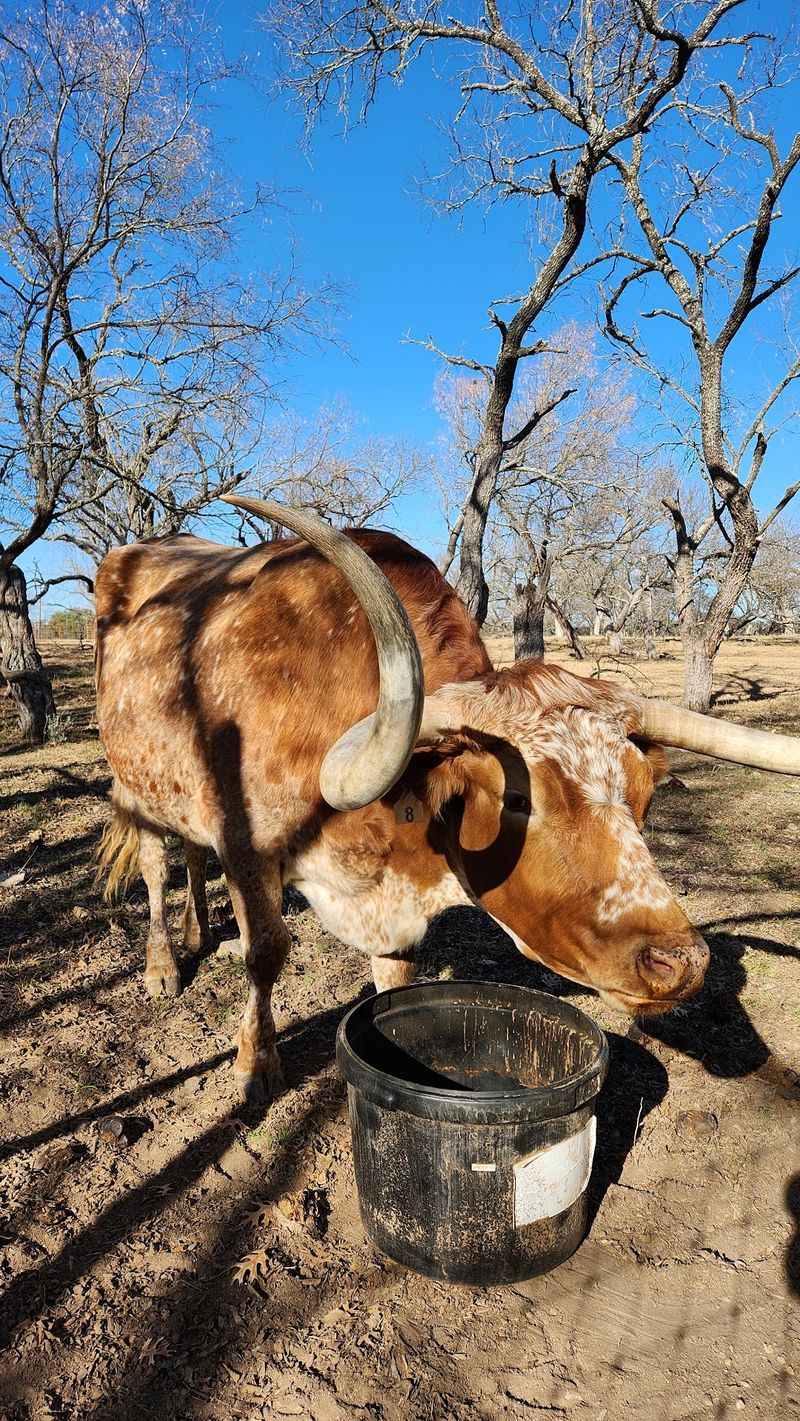
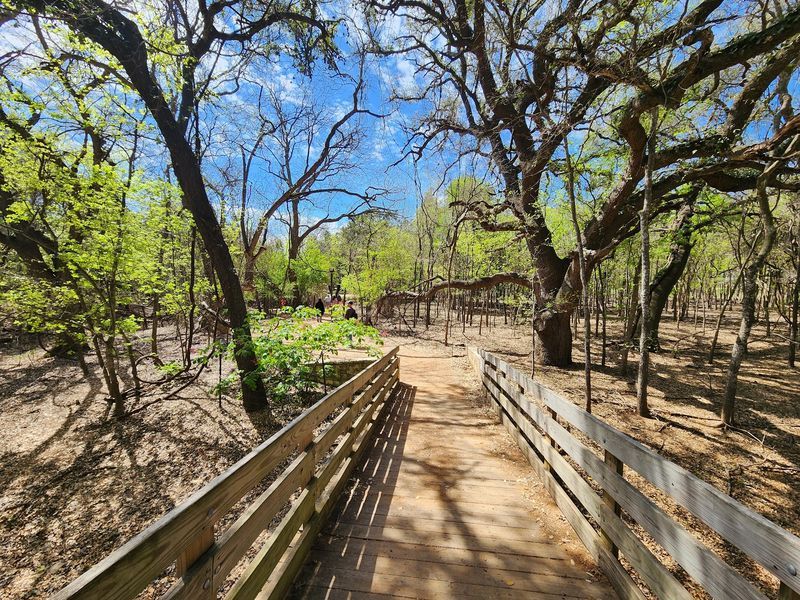
Your adventure doesn’t have to end at the barn door. The farm connects to a 1.2-mile nature trail within the Lyndon B.
Johnson State Park and Historic Site.
That trail is a nice way to stretch your legs after exploring the buildings. It also gives you a feel for the land the Sauer and Beckmann families knew so well.
Out in the larger park, pastures along the Pedernales River hold some impressive residents. Bison and Texas longhorns can be spotted there.
Seeing those animals near the river adds a whole new layer to the visit. It’s classic Texas scenery with a big helping of history on the side.
The Sauer-Beckmann Living History Farm makes a great anchor for a fuller day. Pair it with the rest of the park and you’ve got an outing for all ages.
Spring visits may bring wildflowers to the area, depending on the season. Keep a camera handy just in case.
Pack snacks, water, and patience for wildlife viewing. Bison operate on their own schedule, and they don’t take requests.
By the end, you’ll have walked through generations of one farm’s story and a slice of Hill Country nature too.
