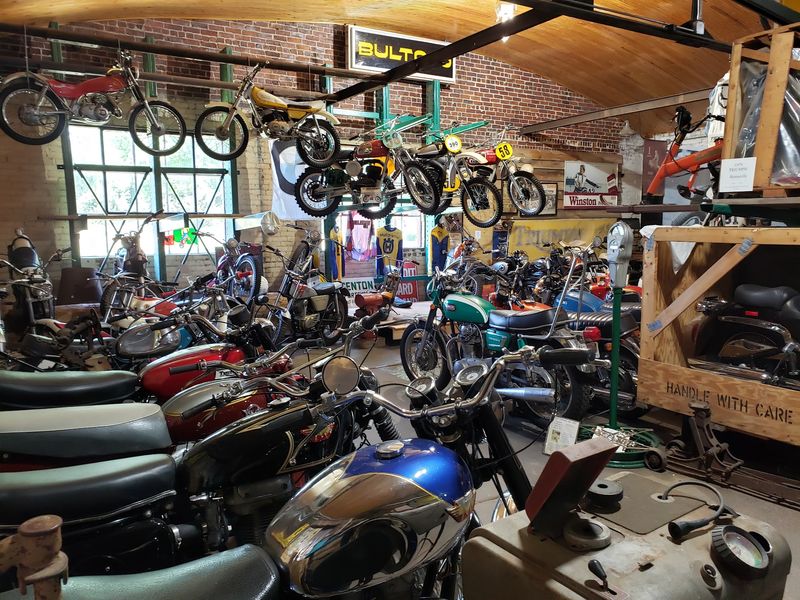
From the road, it looks like one more tired old gas station you would cruise right past on a long Oklahoma drive. Pull over anyway, because the doors open onto row after row of shiny, dusty, wonderfully odd motorcycles from almost every decade.
You walk in expecting a quick leg stretch and walk out an hour later still talking about a bike from a movie. Some of the best stops in this state hide behind the plainest walls.
A Yellow Filling Station on the Mother Road
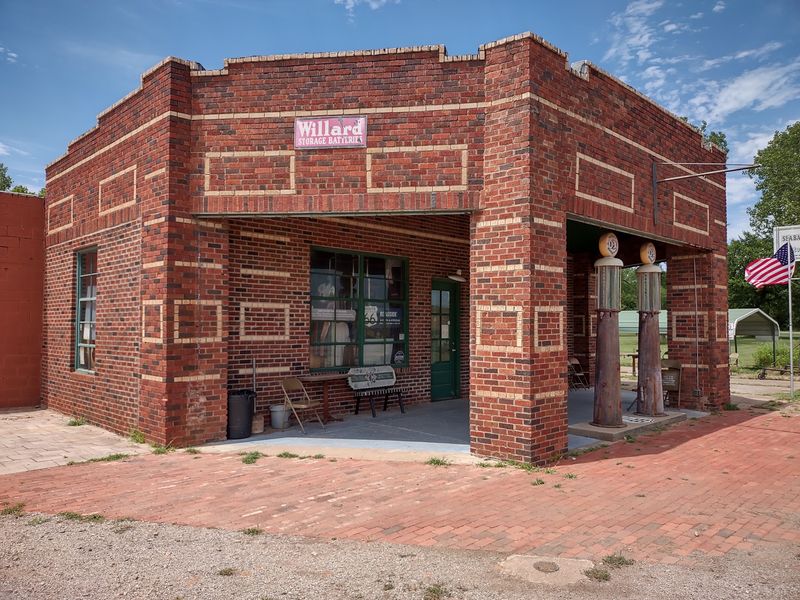
Picture a small yellow building sitting by the side of a two-lane road, with grass and wide sky stretching in every direction. That is the first view most travelers get of Seaba Station Motorcycle Museum, and it rarely prepares them for what waits inside.
The place sits on historic Route 66 in Warwick, a tiny unincorporated community between Luther and Chandler in central Oklahoma. You will find it on the north side of the highway at 336992 East Highway 66.
Visitors often mention it lands just before the giant Oklahoma Midway sculpture, which makes it an easy pairing on a day of roadside sightseeing.
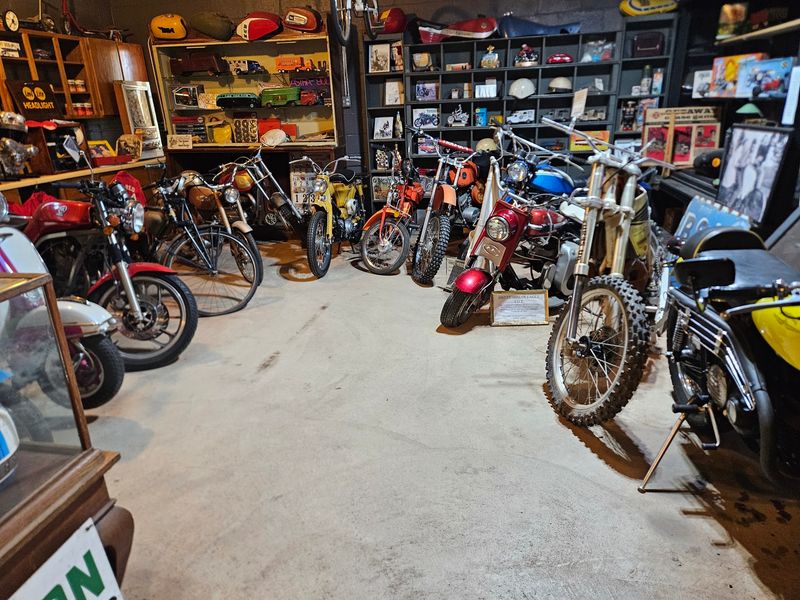
Inside, the old service station has been turned into a museum packed with vintage motorcycles, antique bicycles, mini cycles, dirt bikes, and Route 66 memorabilia. Count on dozens and dozens of machines, with some sources putting the number well past 100.
The building itself is on the National Register of Historic Places, so even folks who could not tell a carburetor from a kickstand will find something to admire.
For drivers coming from Oklahoma City or Tulsa, the trip feels like a classic Sunday outing. It is close enough to plan on a whim and interesting enough to remember for years.
Built Five Years Before Route 66 Had a Name
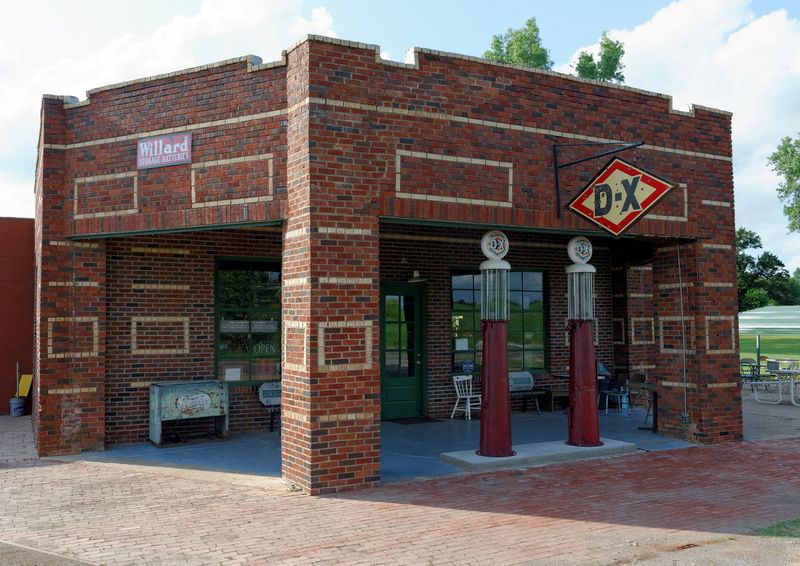
Back in 1921, John and Alice Seaba put up a modest filling station along a dusty Oklahoma road. Route 66 would not become official until 1926, so the Seabas were early to the party in a big way.
The station first pumped fuel under the DX brand and later switched to Conoco. Early motorists rolling through in their rattling cars could top off the tank and get help with repairs.
John also ran an engine rebuilding and machine shop right on the property, which gave the place a reputation for keeping travelers moving.
Fast forward many decades, and motorcycle lovers Gerald Tims and Jerry Ries saw promise in the weathered old building. They bought it, restored it with care, and opened the museum to the public in 2010.
Much of the original 1920s look survives today, including period fuel signs that hint at how things worked a century ago.
Fans of Route 66 history will appreciate the timing too. The highway celebrated its 100th birthday in 2026, and few buildings along the Oklahoma stretch can claim they were there first.
Standing inside, you get a real sense of how this road shaped small towns and the families who served its travelers.
Row After Row of Rare and Unusual Bikes
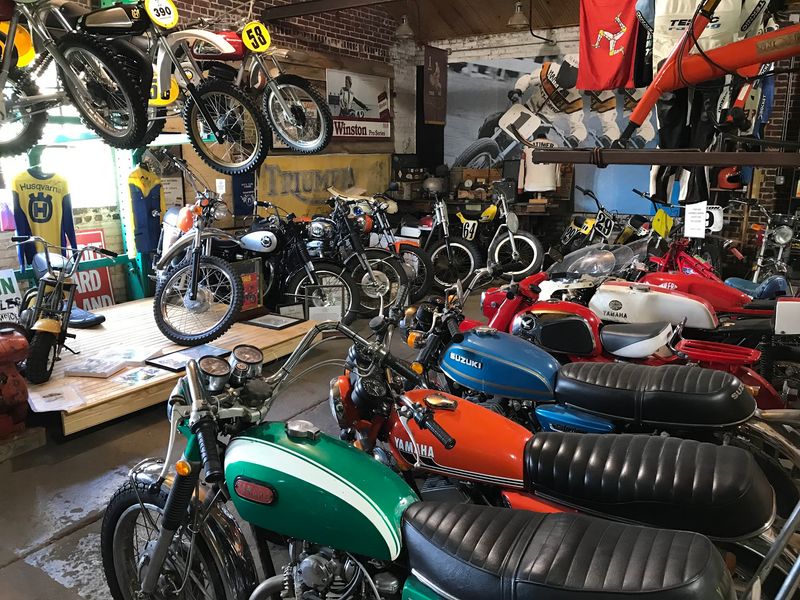
Step through the door and your eyes will not know where to land first. Motorcycles line the floor, sit along the walls, and seem to fill every corner of the old station.
The collection spans the early 1900s through the 1970s, with a handful of newer models mixed in. You will spot American and European makers side by side, from big classic cruisers to tiny foreign mopeds.
Visitors frequently say they saw bikes they had never heard of before, and a few machines are rare enough that you may not find many others still around.
Motocross and dirt bike fans get special treatment here. Plenty of museums skip off-road machines, but this one has a strong lineup of them, which longtime riders tend to love.
Mini cycles and antique bicycles add even more variety.
Returning guests note that the owners keep adding new pieces, so a second or third visit can feel fresh. One person mentioned stopping by for more than a decade and always finding something different.
Bring your curiosity and maybe a friend who grew up riding, because the stories start flowing the minute you walk in. Grandparents often find themselves pointing out the exact bike they rode as teenagers.
Crated Treasures and a Movie Star Ride
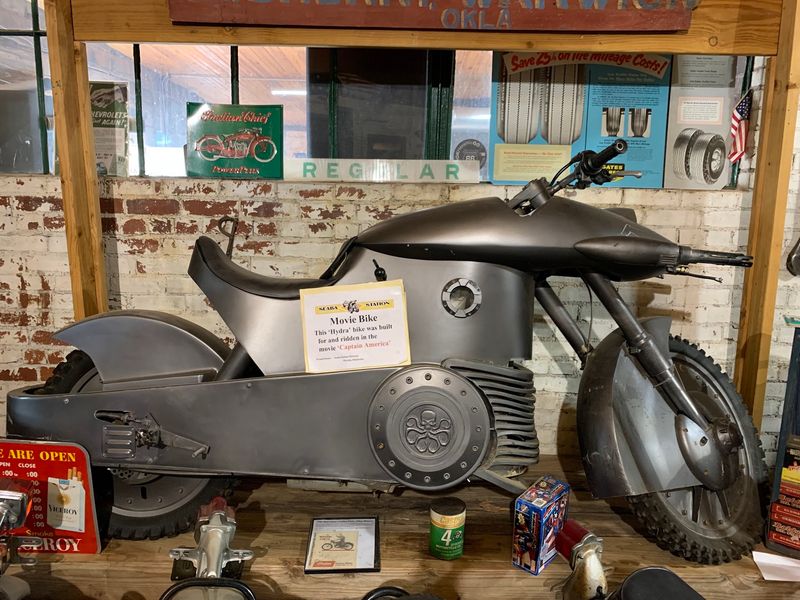
Imagine buying a brand new motorcycle and never taking it out of the box. That is exactly the story behind two of the most talked-about pieces at Seaba Station.
A 1972 Jawa Golden Sport and a 1979 Triumph both sit in their original dealer delivery crates. They are time capsules, showing what a bike looked like the moment it left the factory decades ago.
Gear heads tend to linger here, leaning in to study every detail through the wooden slats.
Then there is the Hollywood connection. The museum displays a Hydra bike custom built for the movie Captain America, and visitors love snapping a photo next to it.
Kids who know superheroes from today’s films get a kick out of seeing something tied to the character in real life.
Not every highlight comes with a famous name, though. Some of the best finds are quirky little machines with odd designs or forgotten brands, the kind that make you wonder who rode them and where they went.
Labels help explain what you are looking at, so even beginners can follow along. Plan to walk slowly through this part, because the small surprises add up quickly.
The Famous Little Outhouse Out Back
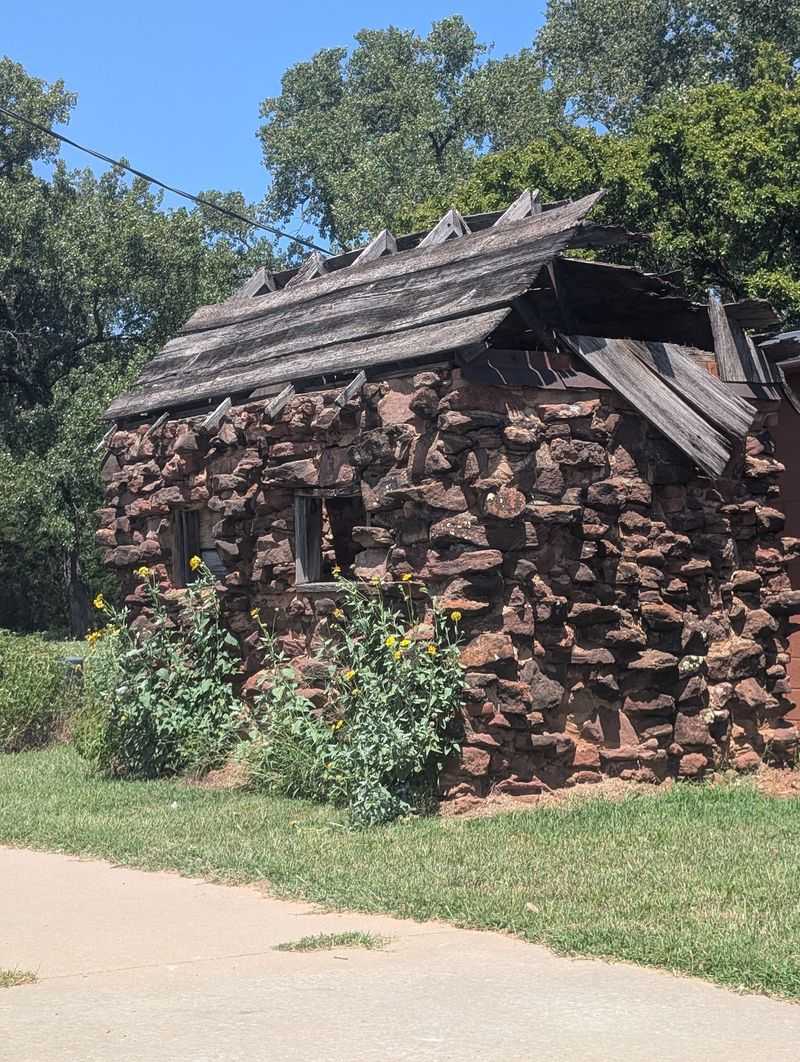
Few museums can brag about their bathroom history, but this one absolutely can. Out back stands a tiny building from 1921 that served the original filling station.
Visitors often share that it is believed to be the first plumbed outhouse in Oklahoma. Back when indoor plumbing was a luxury in rural areas, offering travelers a toilet with running water would have been a real selling point.
It tells you a lot about how the Seabas tried to take care of the people passing through.
The little structure has been preserved, so you can see it up close and imagine road trippers in the 1920s stepping out of their cars after miles of bumpy travel. It makes a fun, silly photo stop, especially for kids who cannot believe people once made such a fuss over a restroom.
History buffs will appreciate how this small building rounds out the story of the station. Along with the main building, it helps show what roadside service looked like before big travel centers and chain stops took over.
Do not skip it on your way back to the car. It takes two minutes and gives you a story to tell at the next family gathering.
Souvenirs, T-Shirts, and Flea Market Finds
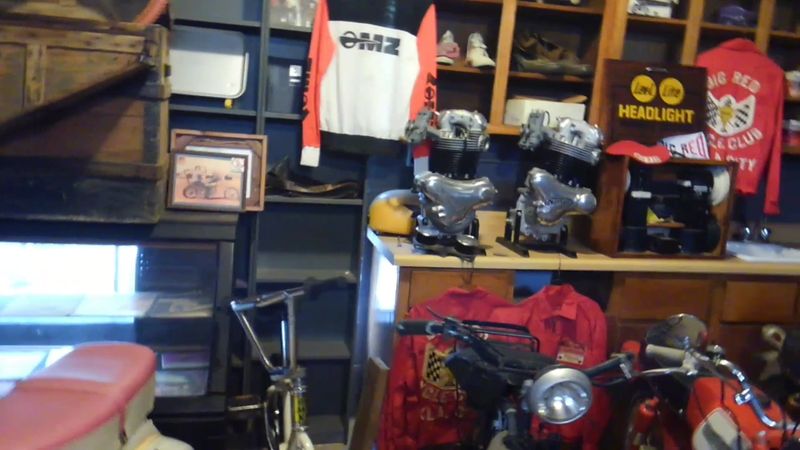
Souvenir hunters, get your wallets ready. The gift shop at Seaba Station ranks among the most mentioned parts of a visit, and plenty of folks walk out with a bag in hand.
You will find Route 66 T-shirts in men’s and women’s sizes, with lots of designs to choose from. Visitors describe the merchandise as nice and reasonably priced, which matters to anyone trying to bring home gifts for the whole family without overspending.
Route 66 signs, trinkets, and keepsakes fill the shelves too.
What makes the shop extra fun is its mix. Part of it feels like a classic roadside souvenir stand, while another part feels like a flea market or swap meet, with odds and ends that motorcycle fans love digging through.
You never quite know what might turn up.
Collecting stamps for an official Route 66 passport book? Ask about getting yours stamped here, as past visitors mention picking one up during their stop.
Since the museum relies heavily on donations and merchandise sales to keep the doors open, buying a shirt or a sticker is a simple way to support a beloved Oklahoma landmark. It feels good to know your purchase helps keep these old bikes on display.
A Garage-Style Vibe Run by Friendly Hosts
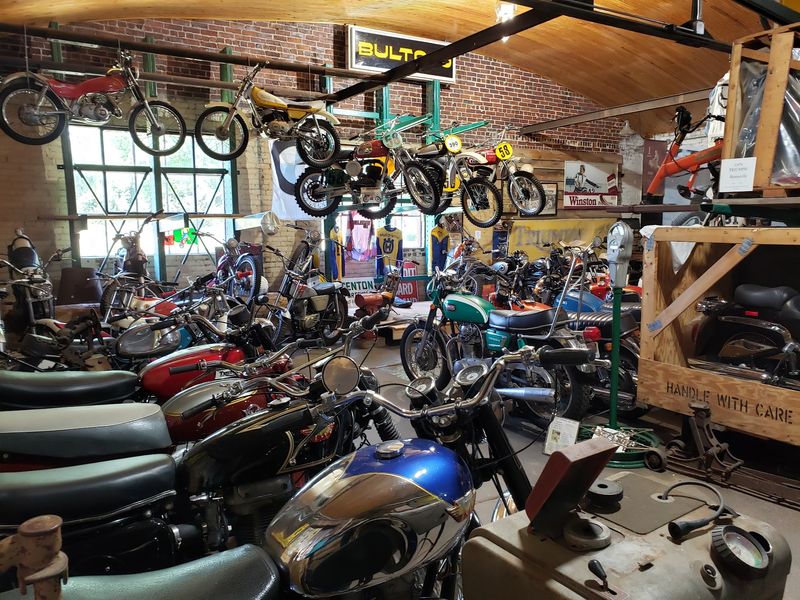
Forget hushed hallways and velvet ropes. Walking into Seaba Station feels more like visiting a buddy’s well-loved workshop than touring a fancy museum.
Guests describe the space as small on the outside but surprisingly packed and extensive once you are in. One visitor compared it to their own garage, and meant it as high praise.
Earlier visitors called it a bit cluttered, but more recent guests say the owners have put real work into cleaning up and organizing the displays.
The people make a big difference too. Visitors regularly describe the staff and owners as friendly, laid back, and very knowledgeable.
Folks even suggest you stop and say hi to Jerry. One rider who broke an exhaust pipe a few miles away shared that the owner jumped in to help with materials and a great attitude, which says a lot about the spirit here.
The owner also backs the local riding community by sponsoring ride-ins and motorcycle giveaways. That connection gives the place a warm, neighborly feel that matches the best of Route 66.
You come for the bikes, but the chats at the counter often become the part of the trip people remember most.
Swap Meets and Weekend Ride Gatherings
Twice a year, the quiet grounds around the old station burst to life. Seaba Station hosts swap meets each May and October on its two-acre property, and the crowds show up in force.
More than 50 vendors set up shop, offering motorcycle parts, riding gear, and bikes for sale. Thousands of people come out to browse, bargain, and swap stories with fellow riders.
If you have been hunting for a hard-to-find part or just love wandering through rows of vintage pieces, these weekends are worth circling on the calendar.
Beyond the swap meets, the station works as a popular meeting spot. Car groups, motorcycle clubs, and weekend riders often gather here before heading out, and clubs use it as a stop for poker runs.
On a nice day, you might pull in and find the parking area lined with gleaming bikes.
Spring and fall tend to be the most comfortable times to visit, since Oklahoma summers can get very hot and spring brings windy, stormy days. Check the weather before you go, especially for outdoor events.
Dates can shift from year to year, so calling ahead before planning a trip around a swap meet is a smart move.
Hours, Free Admission, and Visit Planning
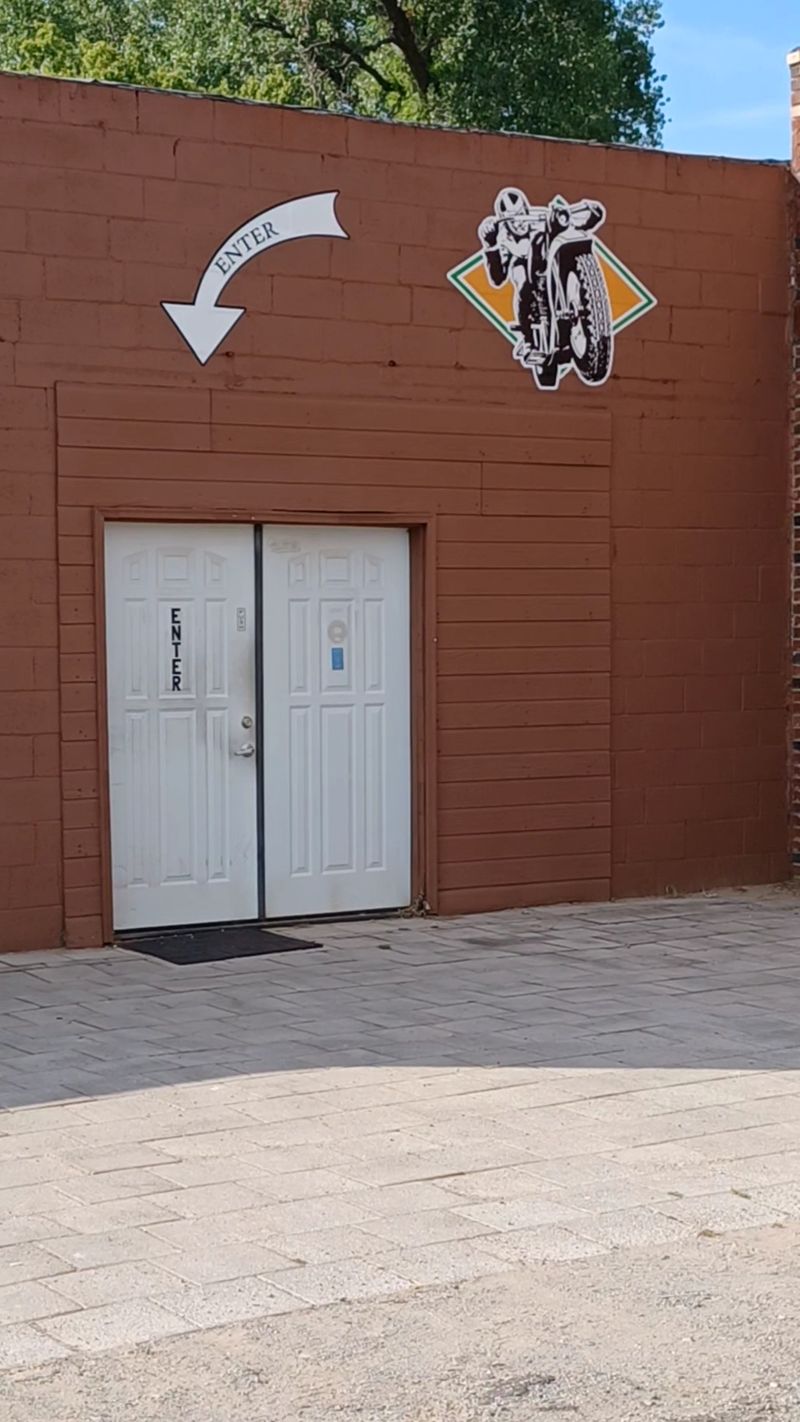
Good news for budget travelers: admission is free. The museum runs on donations, so tossing a few dollars in the jar helps keep the collection going for the next visitor.
Current listed hours are 10 a.m. to 5 p.m. on Monday, Tuesday, Thursday, Friday, and Saturday, with Sunday hours from noon to 5 p.m. The museum is closed on Wednesdays, so plan around that.
Groups can sometimes arrange special openings outside regular hours with advance notice. Since schedules may change, calling 405-258-9141 or checking seabastation.com before you leave is wise.
Most visits run about 45 to 90 minutes, depending on how much you love motorcycles. Quick stoppers can breeze through in under an hour, while longtime riders may want to linger much longer.
Getting there is simple. The museum sits right on Route 66 between Luther and Chandler, roughly an hour or less from Oklahoma City and about 90 minutes from Tulsa, making it an easy day trip.
It suits all ages, from kids to grandparents. Pair it with the nearby Oklahoma Midway sculpture and other Route 66 stops to round out a fun, low-cost family drive.
Why the Drive Is Worth It Sooner Rather Than Later
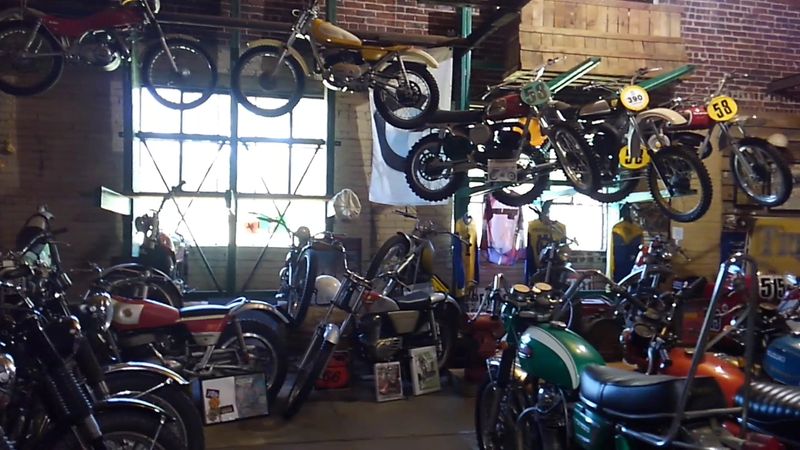
Some places earn their spot on a road trip list through pure charm, and Seaba Station is one of them. A century-old filling station, a mountain of vintage bikes, and friendly folks behind the counter add up to a stop that feels true to old Route 66.
Motorcycle fans will be in their element, but you truly do not need to be a biker to enjoy it. Visitors who have never ridden still talk about the history, the oddball machines, and that famous outhouse.
Families get a free outing, and grandparents get a chance to share memories with the kids.
There is one more reason to go soon. Recent reports suggest the museum may close in early 2027 as the owner retires, and visitors have echoed that the closing could come in the near future.
Plans like that can change, but it would be a shame to miss your window.
So gas up the car, call ahead to confirm hours, and point your wheels toward Warwick. Bring a few dollars for donations and maybe a T-shirt.
You might roll in expecting a quick stretch break and leave with a new favorite Oklahoma story to share.
