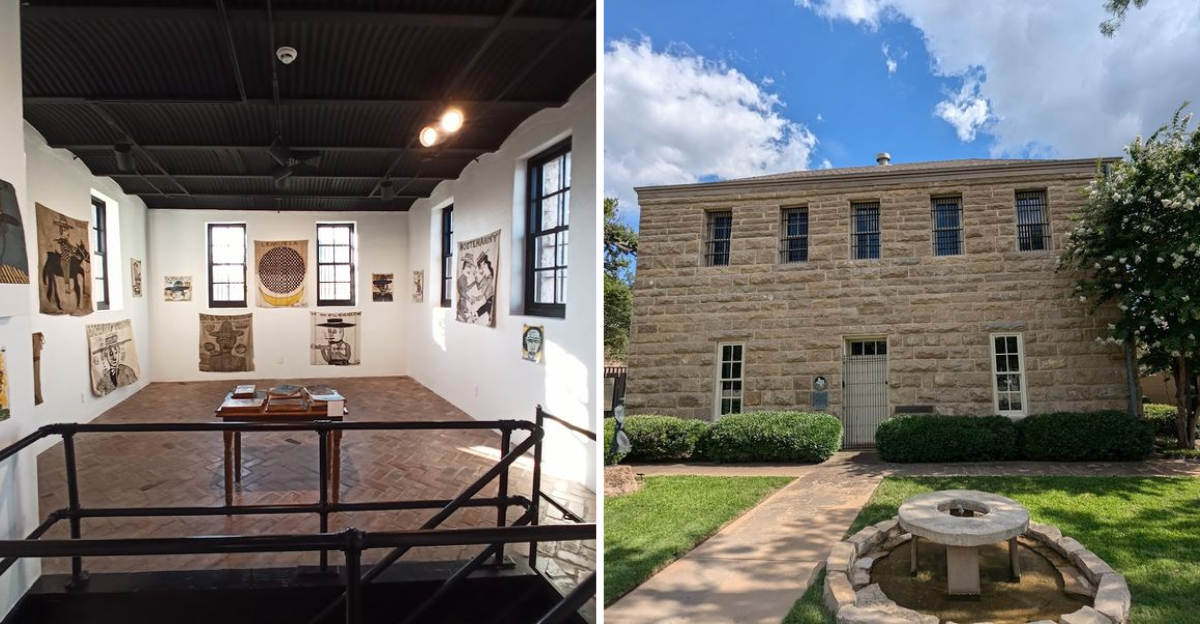
You walk into a room that used to hold prisoners and now holds paintings. The cells are still there, iron bars and all, but the walls are covered in art instead of desperation.
This Texas building started as a limestone jail, built to keep people on the wrong side of the law locked up tight. It was nearly torn down at one point, but someone stepped in with twenty five dollars and a vision. Now it is an art museum.
You can stand in a cell and look at a canvas. You can walk the same floors where inmates paced and wonder what they would think of all this color and light. Frontier justice met its match in creativity.
The Limestone Jail That Started It All
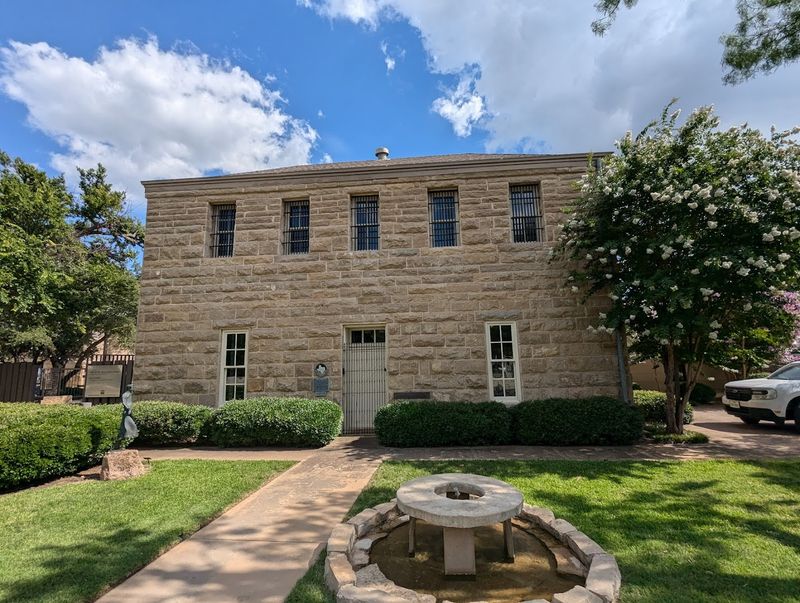
Few buildings carry as much quiet drama as the one sitting on South 2nd Street in Albany, Texas. Constructed between 1877 and 1878, the Shackelford County jail was built from local limestone by Scottish stonemasons who left their initials carved right into the stone blocks.
That quirky detail earned the building its nickname: “the alphabet jail.” It cost over $9,000 to build, which was a serious sum for a frontier Texas town at the time.
Architect John Thomas of the Fort Worth firm Woerner, Builders designed the structure to be both functional and formidable. The ground floor housed the jailer and his family, while prisoners were kept upstairs.
That arrangement gives you a real sense of how frontier life blended the domestic and the dangerous in ways we rarely think about today.
The building operated as a working jail for more than 50 years. Notorious figures passed through its cells, including John Selman, a gunfighter whose name still shows up in Old West history books.
Albany itself was a frontier shipping point, which meant it attracted all kinds of characters. Remarkably, the jail survived long enough to be designated a Recorded Texas Historic Landmark in 1962 and was added to the National Register of Historic Places in 1976.
That stone structure is not just a pretty relic. It is a genuine piece of American frontier history that you can walk right into.
How a $25 Purchase Saved a Piece of History
Sometimes history gets saved by the most unlikely decisions. In 1940, a local author named Robert E.
Nail Jr. bought the abandoned Shackelford County jail for just $25, rescuing it from almost certain demolition. He converted the rugged old building into his personal writing studio, which is one of the more romantic repurposing stories you will come across in Texas history.
Nail recognized something worth keeping in those carved limestone walls. Rather than letting the building crumble into the West Texas dust, he gave it a new purpose and, in doing so, preserved it for future generations.
That single act of preservation set off a chain of events that would eventually turn a forgotten county lockup into a nationally recognized museum.
When Nail passed away, his nephew Reilly Nail inherited the property in 1968. Reilly then teamed up with his cousin, a Texas artist named Bill Bomar, and together they founded the Old Jail Art Center in 1980.
The museum opened with four small galleries, which feels almost impossibly modest compared to what it has grown into today. The story of this building is really a story about people who refused to let something meaningful disappear.
It is a reminder that preservation does not always require big budgets or grand institutions. Sometimes it just takes one person willing to spend $25 and see the potential in something others have written off.
A Collection That Will Genuinely Surprise You
Nobody expects to find ancient Chinese terracotta tomb figures in a converted jail in a West Texas ranch town. That is part of what makes the Old Jail Art Center so genuinely fun to explore.
The permanent collection holds over 2,200 artworks spanning a remarkable range of cultures, time periods, and styles that feel almost impossible to predict.
Modern British art sits alongside works from the Fort Worth Circle and the Taos Moderns. Pre-Columbian art shares wall and shelf space with contemporary Texas pieces.
The Asian art collection alone is worth the drive out to Albany, featuring artifacts that most visitors would only expect to see in a major metropolitan museum. I kept turning corners and finding something I had absolutely no expectation of seeing.
What makes the collection feel cohesive rather than chaotic is the care that has clearly gone into curating it over the decades. Each piece feels intentionally chosen, not randomly accumulated.
The museum also preserves regional history through collections like the Sallie Reynolds Matthews historical collection and the Watt Matthews Ranching collection, which ground the broader art holdings in the specific story of Shackelford County. The OJAC has expanded through additions in 1984, 1996, 2009, and 2016, and now covers 17,000 square feet.
For a free museum in a town this size, that is an extraordinary offering by any measure.
The Cell Series: Art Inside the Original Jail Cells
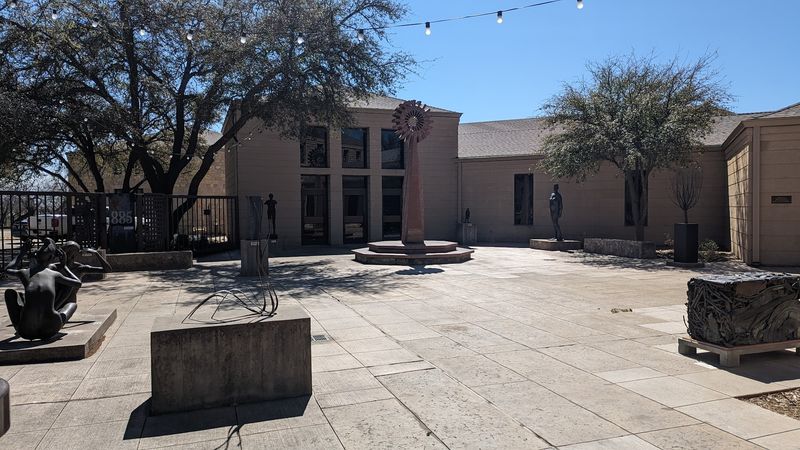
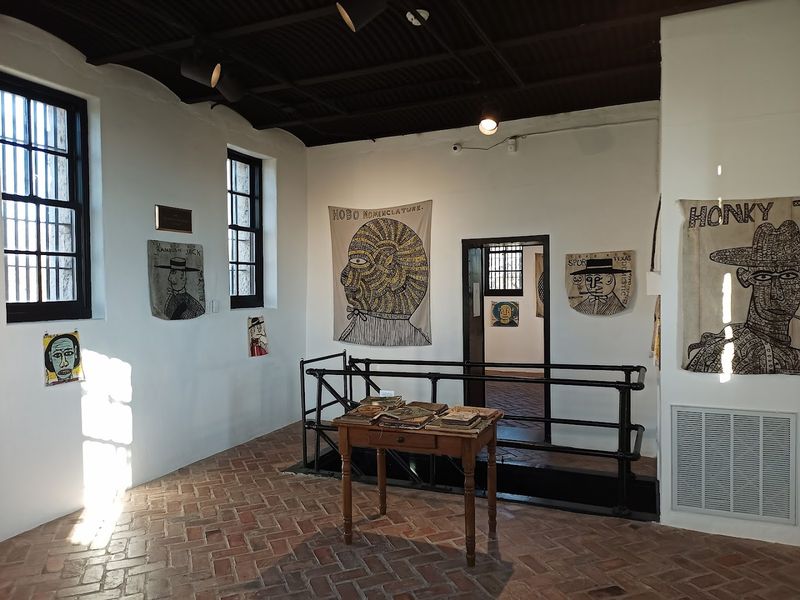
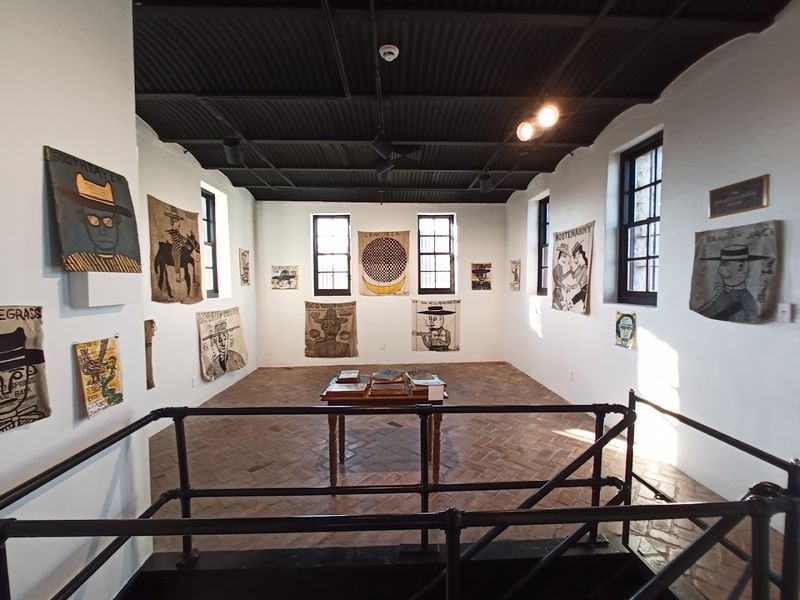
The original jail cells at the Old Jail Art Center are not roped off relics. They are active exhibition spaces.
Through a rotating program called the Cell Series, contemporary artists are invited to create site-specific installations inside the very cells where prisoners once spent their days. The result is one of the most distinctive exhibition formats you will find anywhere in Texas.
There is something genuinely thought-provoking about seeing modern art placed inside a space built to confine and punish. The contrast between the heavy limestone walls, the iron bars, and the creative work displayed within creates a tension that more polished gallery spaces simply cannot replicate.
Each artist responds to the cell differently, which means the experience shifts with every new installation.
The Cell Series is the kind of program that makes you slow down and actually think about what you are looking at. You are not just viewing artwork.
You are experiencing it in a space loaded with its own history and weight. The cells themselves become part of the piece, adding layers of meaning that the artist and the viewer navigate together.
It is interactive in the truest sense, not in the push-a-button way, but in the way that good art always asks something of you. If you visit during an active Cell Series installation, set aside extra time to sit with it.
The experience rewards patience and curiosity in equal measure.
Frontier Justice and the Outlaws Who Passed Through
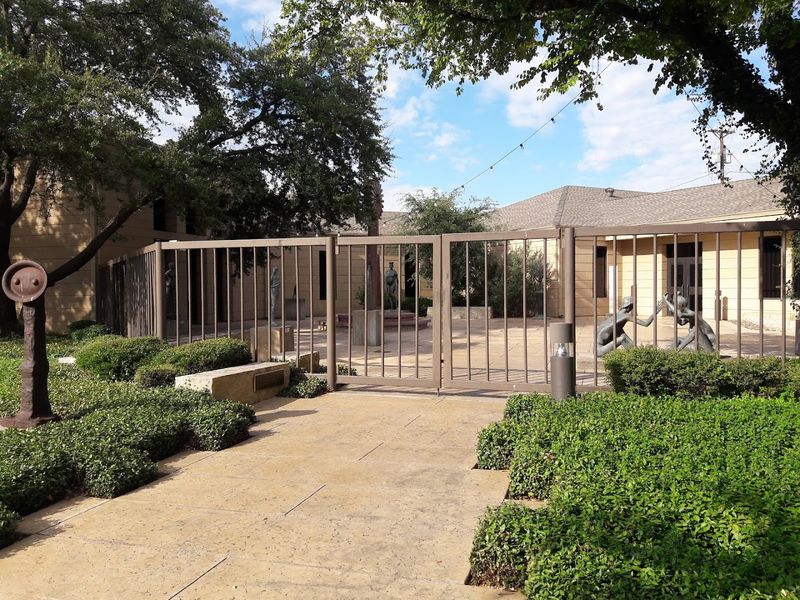
Albany, Texas, was not a quiet place in the late 1800s. As a frontier shipping point, the town attracted cattle drovers, traders, and a fair number of people operating on the wrong side of the law.
The Shackelford County jail was built precisely because frontier justice needed a physical home, and the limestone building on South 2nd Street became that home for over five decades.
John Selman is among the most recognized names to have been held in the jail. Selman had a long and complicated history in the Old West, and his presence in the Albany jail is a small but vivid thread connecting this building to the broader story of frontier law and order.
The jailer and his family lived on the ground floor while prisoners occupied the upper level, a domestic arrangement that feels both practical and quietly unsettling when you imagine the daily reality of it.
The museum does not sensationalize this history, which is one of the things I appreciated most about visiting. The frontier justice story is presented with context and care, using the building itself as the most powerful exhibit.
You can feel the weight of those walls and the seriousness of what they once contained. Good videos on the history of the area are available for visitors who want to go deeper into the stories behind the stone.
It is history told honestly, without dramatization or distortion.
Regional History Preserved With Genuine Respect
Art museums sometimes feel disconnected from the communities they exist in. The Old Jail Art Center avoids that entirely by weaving local and regional history directly into its identity.
The Sallie Reynolds Matthews historical collection and the Watt Matthews Ranching collection give the museum a grounded, specific sense of place that makes the broader art holdings feel more meaningful rather than out of context.
Sallie Reynolds Matthews was a pioneering West Texas woman whose memoir, “Interwoven,” remains one of the most celebrated personal accounts of frontier ranch life ever written. Having her historical collection housed in the OJAC connects the museum to a genuine literary and cultural legacy.
The Watt Matthews Ranching collection adds another layer, documenting the ranching traditions that shaped Shackelford County and the surrounding region across generations.
These collections do not feel like afterthoughts tucked into a corner. They feel central to the museum’s mission, which is officially dedicated to both visual arts and preserving the history of Shackelford County.
That dual commitment is rare and worth acknowledging. Most institutions pick one lane.
The OJAC manages to honor both without either suffering for it. Visitors who come primarily for the art often find themselves drawn into the regional history exhibits, and the reverse is equally true.
The museum creates a conversation between the two that feels natural, unhurried, and genuinely enriching for anyone willing to spend real time with it.
Why Albany, Texas Is Worth the Drive
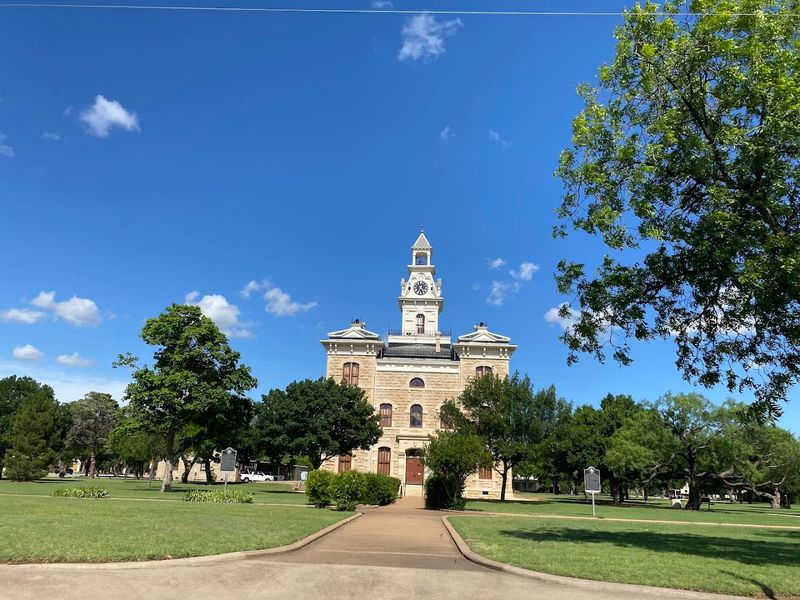
Albany sits in north central Texas, deep in ranch country, and it is not on the way to anywhere particularly famous. That is actually part of its appeal.
Getting there requires a deliberate choice, and that deliberateness tends to filter the visitors down to people who are genuinely curious rather than just passing through. The town is small and unhurried, and the Old Jail Art Center fits perfectly into that rhythm.
Admission to the OJAC is always free, which removes every possible excuse for skipping it. The museum is open Tuesday through Saturday from 11 AM to 5 PM, giving you a solid window to explore at a relaxed pace.
The staff are consistently described by visitors as knowledgeable, warm, and genuinely happy to answer questions, which makes the experience feel personal rather than transactional.
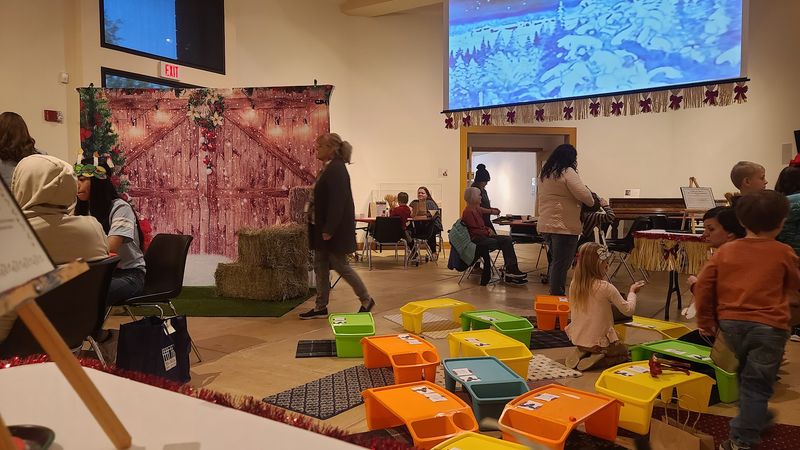
The museum also runs rotating exhibits that change regularly, so return visits are always worthwhile. Events like Wild West Days and Diwali celebrations have been held at the OJAC, reflecting a community spirit that goes well beyond a typical museum calendar.
The art library is another highlight that surprises many first-time visitors. It is a remarkable resource for a town of Albany’s size.
If you are anywhere within a two-hour drive of Albany and you have even a passing interest in art, history, or genuinely unexpected places, the Old Jail Art Center belongs on your list.
Address: 201 S 2nd St, Albany, Texas
