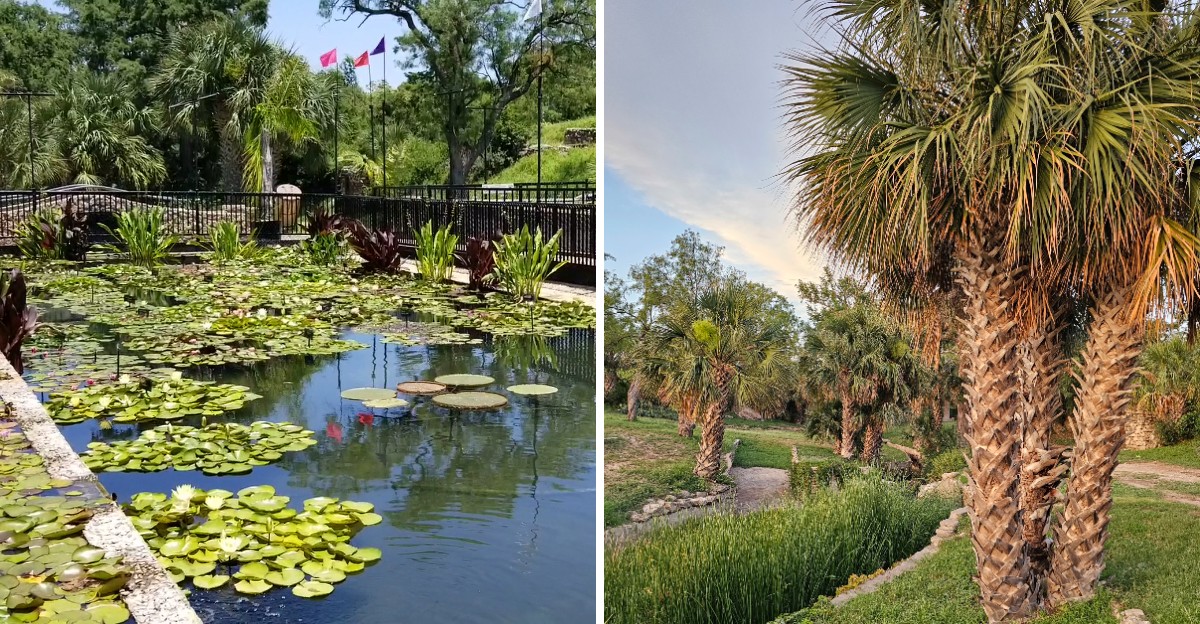
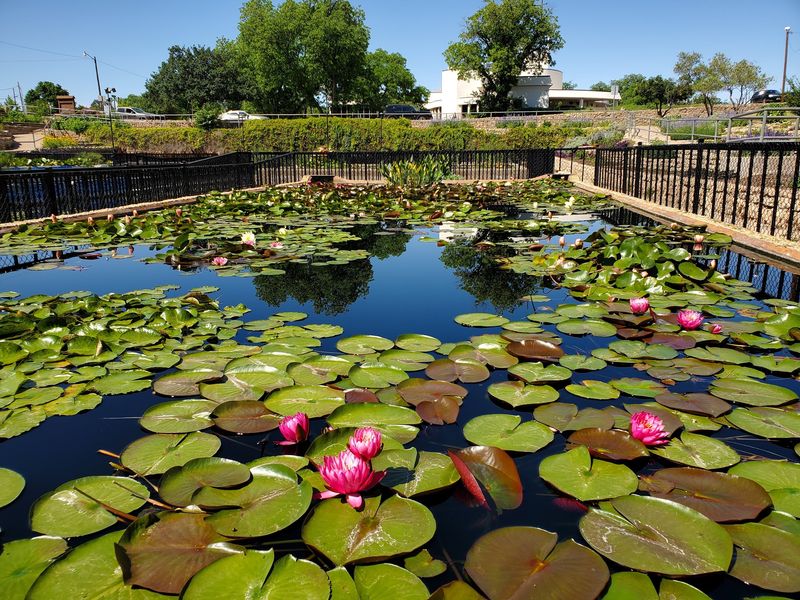
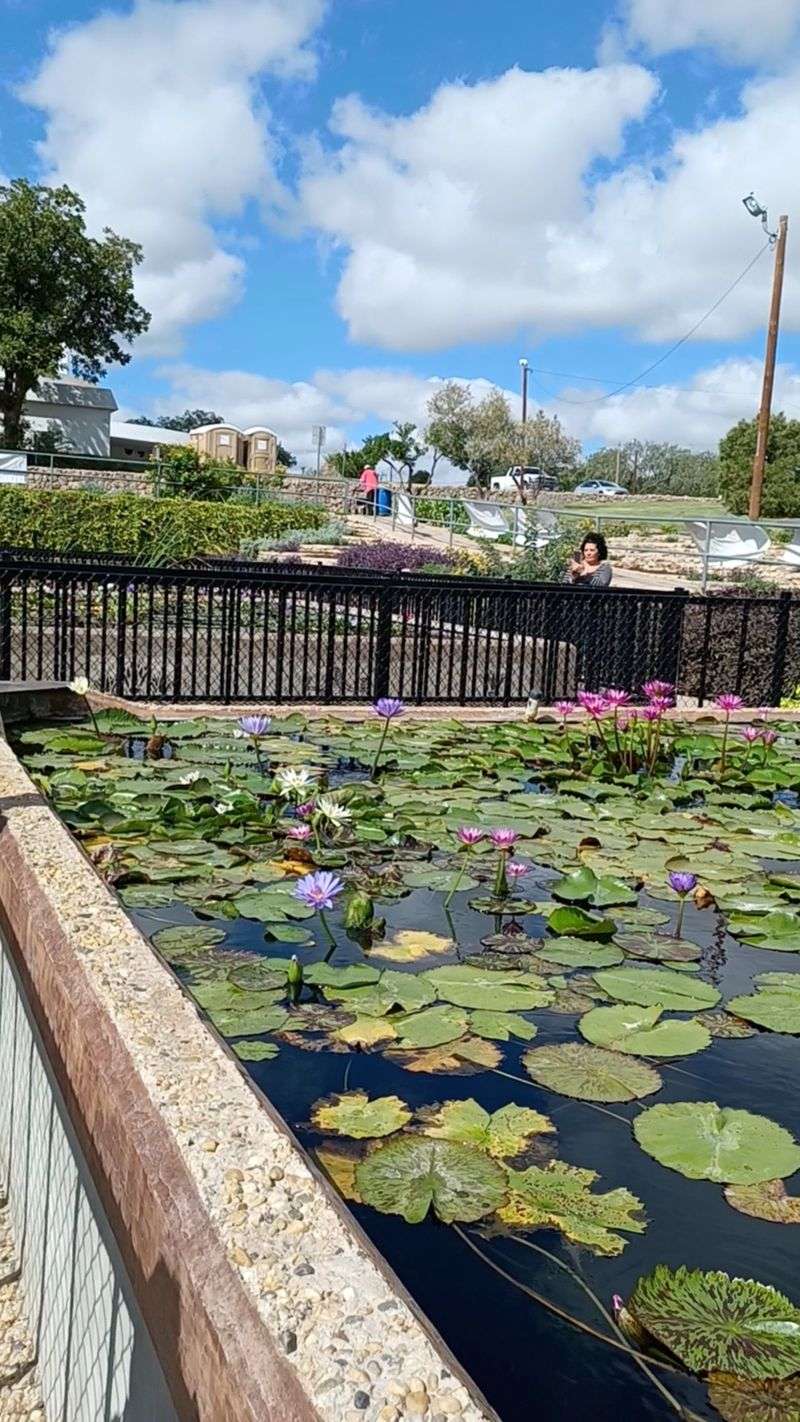
An abandoned reflecting pool now holds water lilies a Texas collector spent decades finding, including one once thought extinct in the wild. Some flowers are blue, while others spread enormous lily pads across the water.
Ken Landon traveled internationally seeking rare species and developed his own hybrids. One of them, Texas Dawn, became the state’s official water lily.
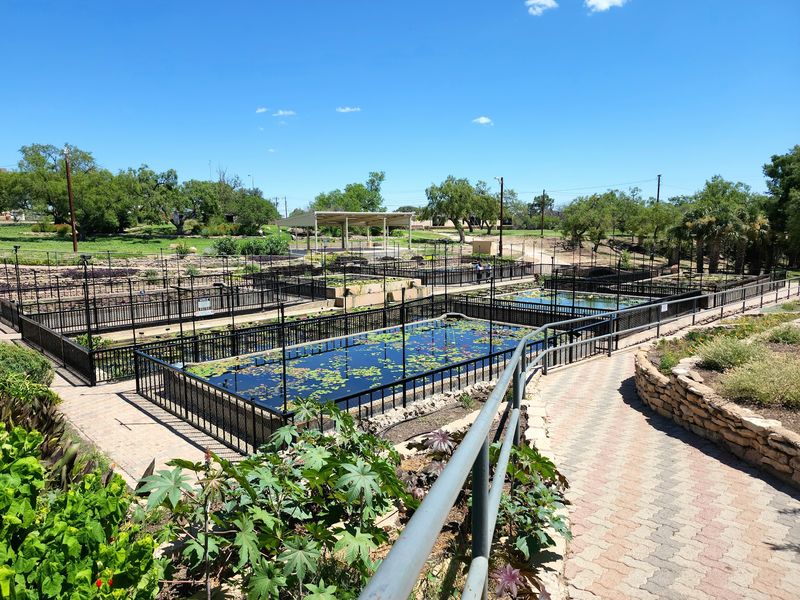
Today, seven pools hold a changing selection from a collection recognized by an international water gardening society, and admission is free.
I’d be drawn to the flowers that open at different times of day. You can stroll beside the water, compare colors, and spot giant lily pads among the smaller blooms.
The displays are strongest during the warmer months, but the remarkable part is how an overlooked pool became a place for plants that might otherwise have disappeared.
The Lily Hunter Who Started It All Deserves Your Attention
Ken Landon earned a nickname most gardeners never get. Fans called him the Indiana Jones of the water lily world.
He spent more than four decades collecting, growing, and breeding water lilies. His work became the heart of the International Waterlily Collection in San Angelo, Texas.
Landon wasn’t just gathering pretty flowers for fun. He was a respected expert and hybridizer, which means he crossed plants to create brand-new varieties.
His personal collection grew so large that only a small slice fits in the ponds at once. That’s a wild thought when you see how many blooms are already there.
Landon passed away in 2021, but his mission kept going. Chase Twombly, who worked beside him for more than 20 years, now leads the collection as director.
I like that the torch went to someone who learned the craft firsthand. Two decades of side-by-side work is a serious apprenticeship.
Knowing this backstory changes how the ponds feel. Every lily pad represents years of patience, travel, and careful growing.
So when you spot a bloom you’ve never seen before, give a quiet nod to the man who chased it down. He clearly loved this stuff more than most people love anything.
Texas Has an Official Water Lily, and It Was Born Here
Most states pick a flower and call it a day. Texas went further and named an official state water lily in 2011.
That lily is called ‘Texas Dawn,’ and Ken Landon created it. Yes, the same man whose collection now fills these ponds.
Think about that for a second. A plant bred by one person became a symbol for an entire state the size of Texas.
It’s a fun bit of trivia to bring up on a road trip. Most folks know the bluebonnet, but very few know the state has a water lily too.
The honor also shows how much Landon’s hybrid work mattered. Breeding a new lily takes time, testing, and plenty of trial and error.
When you walk the ponds, it’s worth looking for varieties with Texas ties. Interpretive signs around the garden help explain what you’re looking at.
I believe that kind of local pride makes a garden more than pretty scenery. It connects the flowers to real people and real history.
So keep your eyes open for that sunrise-inspired name. Spotting the state lily in the very place its creator worked feels like finding a signed first edition.
Prepare to Lose Count Somewhere Past the First Hundred Varieties
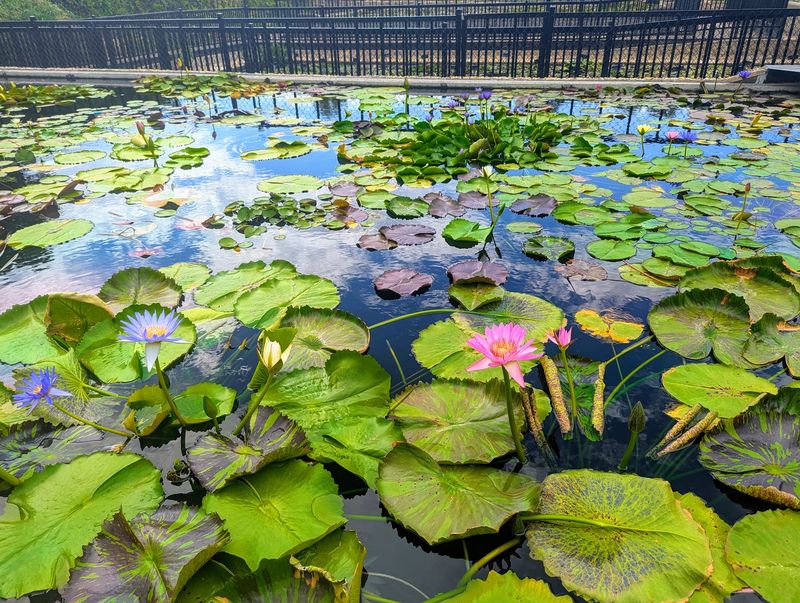
More than 300 varieties of water lilies sit on display at the International Waterlily Collection. That number sounds like a typo, but it isn’t.
You’ll find rare species, exotic plants, and fancy hybrids. There are also historic cultivars and new species collected in the wild.
The colors cover pretty much the whole crayon box. Pinks, purples, whites, yellows, and deep blues show up across the ponds.
The International Waterlily and Water Gardening Society named it a Certified Collection of Excellence. It’s also recognized as one of the most diverse water lily collections anywhere on Earth.
Here’s my favorite part. Since only a small share of Landon’s huge collection can be grown at once, the display rotates.
That means each year looks a little different. Your visit this summer won’t match your visit next summer, and that’s a great reason to come back.
Fenced ponds let you get close without stepping into the beds. You can lean in, read the signs, and study each bloom like a detective.
Bring a notebook or snap photos of the labels. You’ll want to remember which ones caught your eye before the next batch takes over.
Some Lily Pads Here Are Big Enough to Make You Do a Double Take
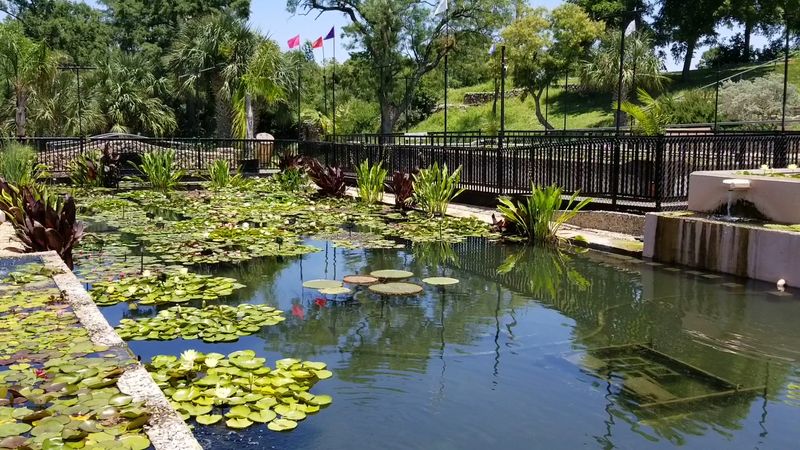
Giant round pads with turned-up edges float on the water like oversized pie pans. Meet the Victoria water lilies, the true showoffs of the collection.
Their floating leaves can grow several feet across. They’re also strong enough to hold a surprising amount of weight.
The collection has grown types such as Victoria amazonica and Victoria boliviana. These plants come from South America, so seeing them in West Texas feels delightfully strange.
Honestly, they look like something from a cartoon. The rims curl upward, and the size makes nearby lilies seem tiny.
Now flip to the opposite end of the scale. The collection also houses Nymphaea thermarum, the smallest known water lily species.
This little plant was once believed to be extinct. Seeing it in person makes it feel like a botanical comeback story.
I love that the biggest and smallest share the same address. It’s a clever lesson in how wildly different one plant family can be.
Kids especially get a kick out of this contrast. Ask them to guess which pad is bigger than their bike, then watch them search.
Set Your Alarm Early Because These Flowers Keep Their Own Schedule
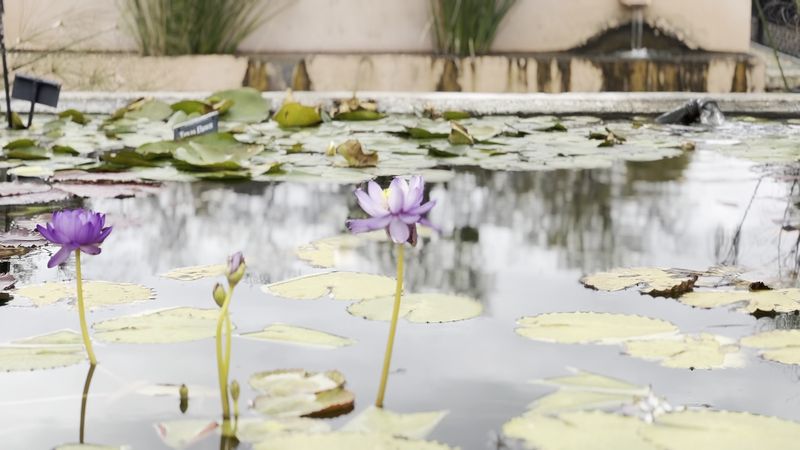
Water lilies don’t care about your sleep-in plans. Hardy types usually open between 6 and 8 in the morning.
Tropical varieties follow soon after, usually opening between 7 and 10 a.m. That makes early morning the sweet spot for the biggest show.
Late afternoon works well too, roughly from 5 to 7 p.m. Cooler temperatures during those hours make the stroll more pleasant.
Timing the season matters just as much. Flowering runs from about April through October, with peak bloom from May to October.
A winter trip will still show you the ponds, but expect far fewer flowers. Plan for late spring or summer if blooms are the main goal.
The collection also grows both day-blooming and night-blooming lilies. So a visit at different hours can reveal different flowers entirely.
Good news for flexible schedules: the park is open 24 hours a day, every day of the year. You won’t have to race a closing time.
My advice is simple. Grab a coffee, roll out early, and catch the lilies right as they wake up for the day.
Free Admission Makes This the Easiest Yes on Your Itinerary
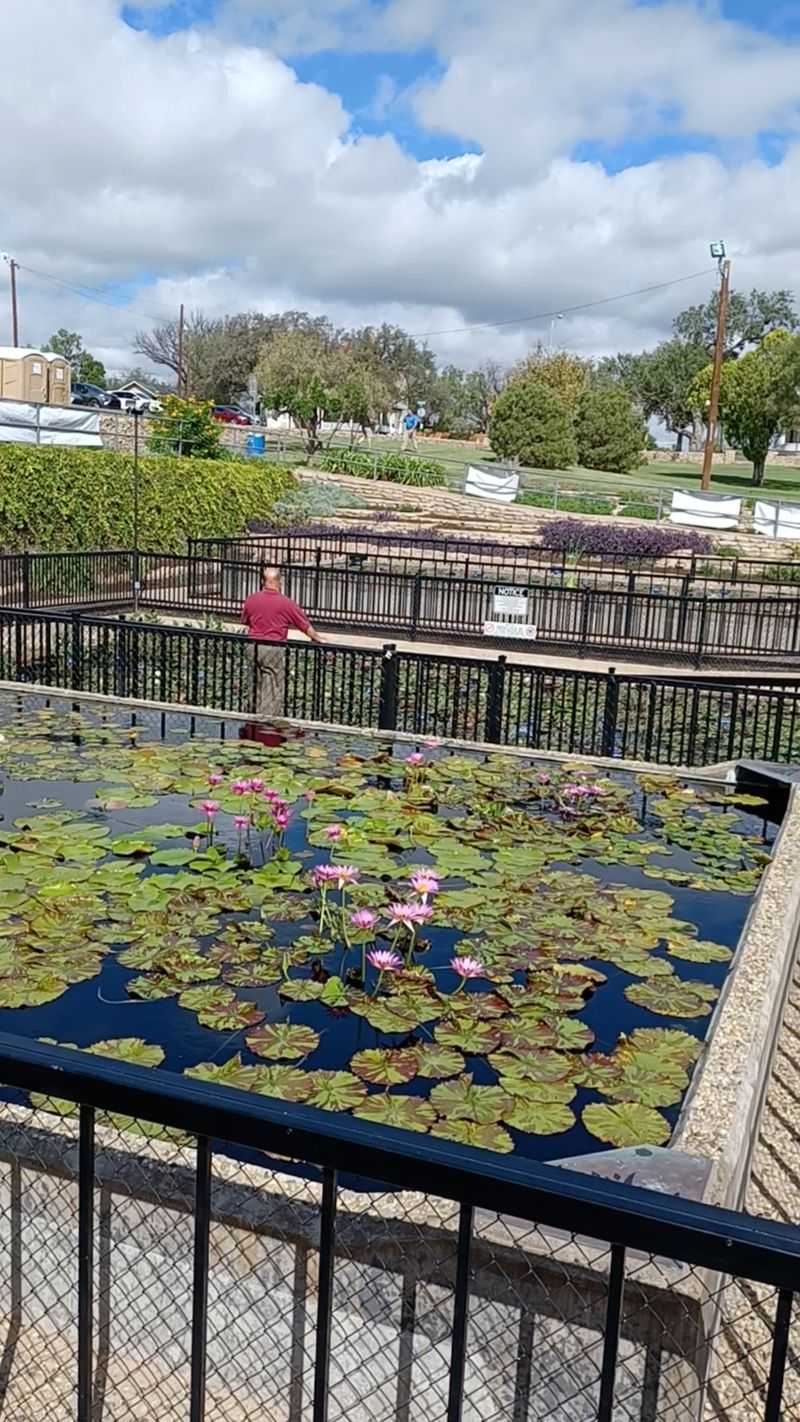
Free and world-class rarely show up in the same sentence. Here, they do, because admission to the ponds costs nothing.
You’ll find the International Waterlily Collection inside Civic League Park at 2 S Park St, San Angelo, TX 76901. It sits in downtown San Angelo, so getting there is easy.
Paved walkways help you move from pond to pond without fuss. The layout is simple enough to explore on your own.
Interpretive signs share facts about the lilies as you go. It’s like a museum, only with dragonflies and fresh air.
A little planning helps. Restroom options near the ponds aren’t obvious, so take care of that before you arrive.
West Texas sun can also get intense in summer. A hat, sunscreen, and a water bottle will make your stroll much more comfortable.
Want a deeper look? Visitors can sometimes call ahead to schedule a tour.
The director has even been known to hand visitors a small bouquet of lilies. That’s a souvenir you definitely won’t find in a gift shop.
For a stop that costs zero dollars, the payoff is huge.
Bring a Camera, and Maybe a Second Battery
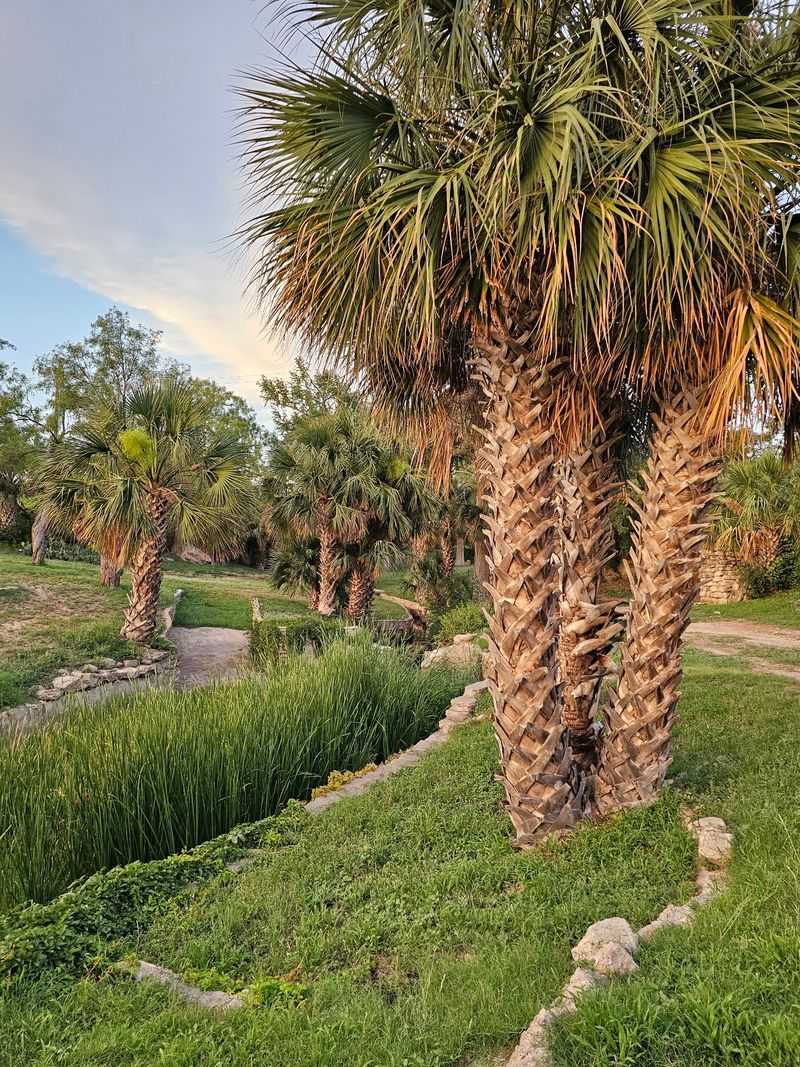
Photographers, artists, and nature lovers all find their way to these ponds. It’s easy to see why once the blooms open.
Every flower offers a new color, shape, or petal pattern. Some lilies look soft and delicate, while others look bold and almost electric.
The ponds also buzz with small life. Dragonflies, bees, butterflies, and tiny fish add movement to your shots.
A macro lens or your phone’s zoom can capture wild detail. Try shooting low near the water for reflections that feel almost mirrored.
Morning light brings a golden glow and fresher-looking blooms. Late afternoon gives softer shadows if early mornings aren’t your thing.
Families like this spot too, and kids can practice their own photography skills. Give them a challenge, like finding the most unusual color.
Artists might want a sketchbook instead. A quiet corner by a pond makes a calm studio with no walls.
I believe the best photos here come from slowing down. Watch one pond for a few minutes, and the scene keeps changing.
Just remember to stay on the paths and respect the fences around the plants.
September Turns the Ponds Into a Party
Lily Fest is the collection’s yearly celebration, usually held in September. It’s free and built for families.
The event includes tours of the park, so you can learn more about the lilies. Plenty of extra fun fills the rest of the day too.
There’s typically a DJ, vendors, and refreshments like Kona Ice. Kids can enjoy free arts and crafts, face painting, and bounce houses.
That mix makes it easy to bring the whole crew. Grandparents can admire the flowers while little ones burn off energy.
The festival has a bigger purpose, though. It aims to raise awareness about preserving water lilies.
I like that the party has a point. Kids get snow cones and craft time, then walk away knowing why rare plants matter.
September timing also works in your favor. The lilies are still inside their prime blooming season.
If you’re planning a San Angelo trip, check the date before you go. Lining your visit up with Lily Fest turns a peaceful garden stroll into a full family outing.
Bounce houses next to world-famous lilies? San Angelo, Texas, knows how to mix fun with flowers.
The Real Treasure Is What These Ponds Protect
Pretty flowers draw the crowds, but conservation keeps this place running. The International Waterlily Collection works to preserve endangered water lily species.
It also serves as a site for education and research. That helps scientists and gardeners understand these plants better.
Remember the tiny Nymphaea thermarum once thought extinct? Growing it here shows how collections like this can protect fragile species.
Every rare plant in these ponds is a kind of backup copy. If something happens to a wild population, knowledge and plants still survive.
The interpretive signs carry that mission to everyday visitors. A quick read can turn a casual walk into a mini science lesson.
Teachers and homeschool families could easily build a field trip around it. Plant life cycles, habitats, and conservation all come together here.
I find it inspiring that one man’s hobby grew into this. Ken Landon’s passion now helps protect plants for future generations.
Chase Twombly continues that work today in San Angelo, Texas. The ponds keep changing, but the goal stays steady.
So enjoy the colors, snap your photos, and remember the bigger story floating right in front of you.
