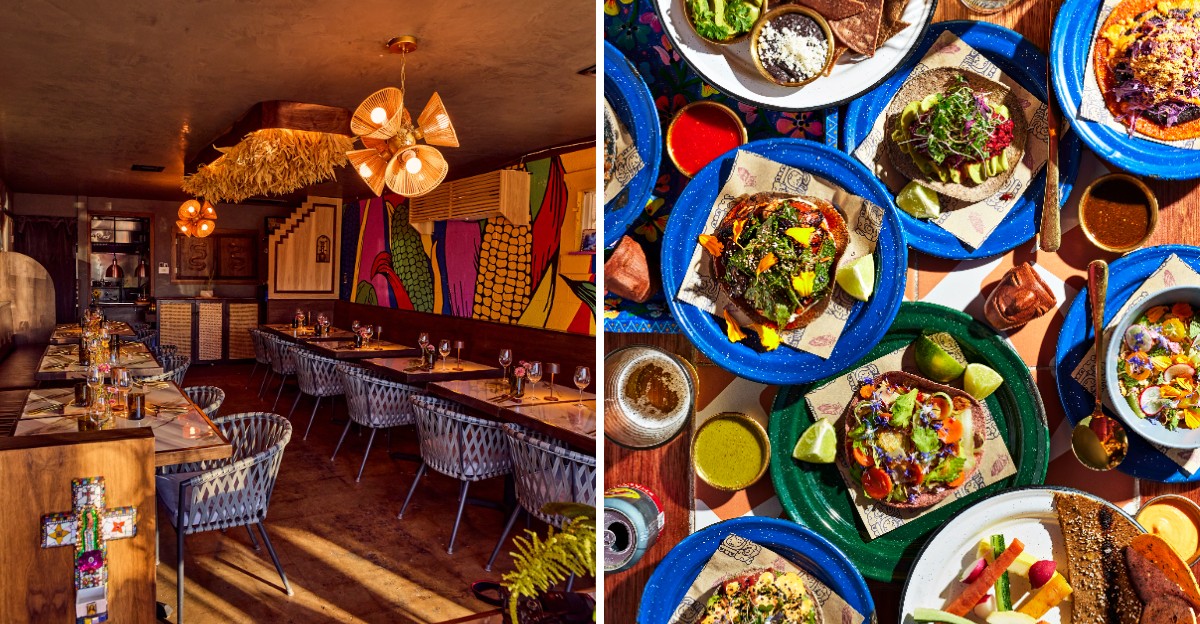
Heirloom corn is not something you find at most taquerias. But this Texas spot is not most taquerias.
It sources heirloom varieties and grinds them fresh, turning them into tortillas that taste like corn should, sweet, earthy, and full of character. Those tortillas become the base for tacos that are as creative as they are delicious.
Fillings change with the season and the chef’s mood, but the quality never dips. You can taste the difference in every bite.
It is the kind of place where you order three tacos and immediately wish you had ordered five. The space is small, the lines can be long, and it is worth every minute.
This is not your average taco joint. It is something special.
And once you try it, you will understand why people keep coming back.
Corn That Gets Its Own Origin Story
Most taco spots treat tortillas as a delivery system. Here they are the main event, and the difference shows up in the first bite.
The corn behind everything comes from a fifth-generation family of farmers in San Martin Tilcajete, Oaxaca. Heirloom varietals arrive dried, then get roasted the day before service and ground fresh each morning into masa.
Nixtamalization is the ancient step that makes it all work, and the restaurant is literally named after it. Dried kernels are cooked and steeped in an alkaline solution, rinsed, then milled into dough.
Sounds technical. Tastes like the opposite of technical.
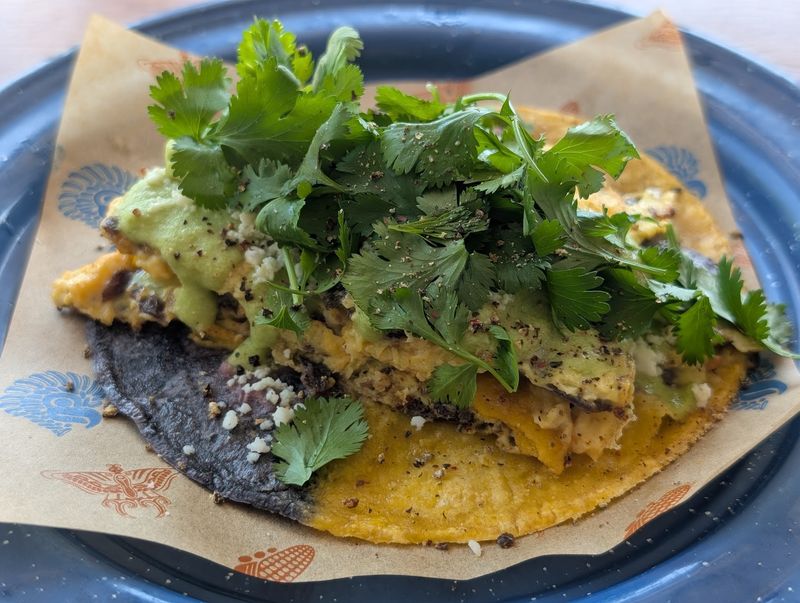
What lands on the plate is soft, slightly sweet, and faintly toasty, with a corn flavor that feels almost nutty. Tortillas keep the natural color of whatever corn was used that day, so some come out lavender-blue, some dusty pink, some sunny yellow.
A few show up half one color and half another, which looks a little like a painted plate.
Regulars often mention that the tortillas alone would be worth ordering, and that tracks. Thickness varies by dish, with heartier tacos built on a sturdier base that can hold up to rich fillings without tearing.
Practical tip for first-timers: eat the tacos right away rather than letting them sit. Fresh masa is at its peak in the first few minutes, when it is still steamy and pliable.
Once that texture registers, ordinary tortillas start to feel like a compromise.
The Duck Carnitas Taco Everyone Talks About
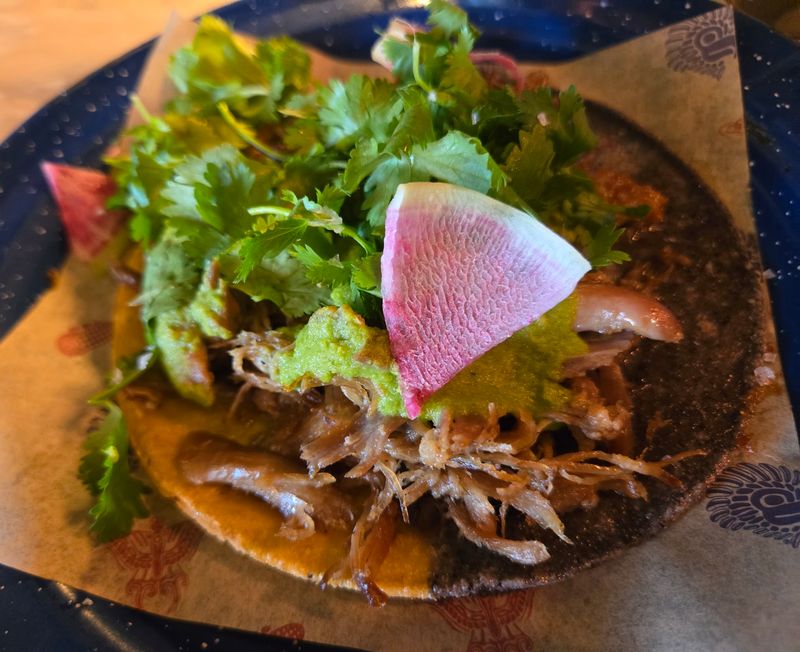
If a single taco built this restaurant’s reputation, it is this one. Duck confit piled onto a thick heirloom tortilla, finished with salsa cruda, thin slices of watermelon radish, shaved white onion, and cilantro.
Rich does not quite cover it. The duck is slow-cooked until the meat gives way completely, then crisped at the edges so there is some contrast against the soft masa.
What keeps it from feeling heavy is the produce on top. Watermelon radish brings a peppery crunch and a bright pink flash, while the raw onion and salsa cut straight through the fat.
One taco is genuinely filling. Order it alongside something lighter rather than doubling up, unless a very serious appetite is involved.
It lands in mentions more than any other item on the menu, and it is the dish most often described as the signature plate. Texas Monthly has included Nixta among the best tacos in the state, and this is the one that usually gets pointed at.
Worth knowing ahead of time: this is a rendered, fatty preparation by design. Some diners love that, others find it too rich, so anyone who prefers lean meat might steer toward the cauliflower or a tostada instead.
The tortilla underneath deserves credit too. A thinner one would collapse under all that duck, but the thick pink or blue masa holds firm right to the last corner.
Messy hands are part of the deal.
Tostadas Built Like Small Works of Art
Some dishes arrive looking almost too pretty to break apart. The tostada section is where the kitchen’s plating instincts really show up.
Take the tuna tostada, a Mexico-meets-Japan mashup that pulls from more than one tradition. Slices of yellowfin are cured in citrus and soy, then layered with avocado, spicy mayo, microgreens, and a dusting of furikake seasoning.
Salty, creamy, cool, crisp. The crunchy masa base does a lot of quiet work underneath.
Then there is the beet tartare tostada, a vegetable-forward option that regularly turns skeptics around. Roasted beets take center stage over salsa macha aioli and avocado crema, with fresh horseradish and lime added for sharpness.
Beets bring an earthy sweetness that plays surprisingly well with the horseradish heat. It photographs beautifully, which explains why it shows up in so many photos of the patio tables.
A smoked carrot tostada rotates through as well, and it has developed its own following. Heads up: it can run genuinely spicy, so ask about the heat level before committing if that matters.
Tostadas tend to be lighter than the tacos, which makes them useful for building a balanced order. Pair one vegetable tostada with one meat taco and the meal stops feeling one-note.
Eat them quickly, though. A crisp tostada waits for nobody, and the toppings will soften the base within a few minutes of hitting the table.
Vegetables Treated Like the Stars
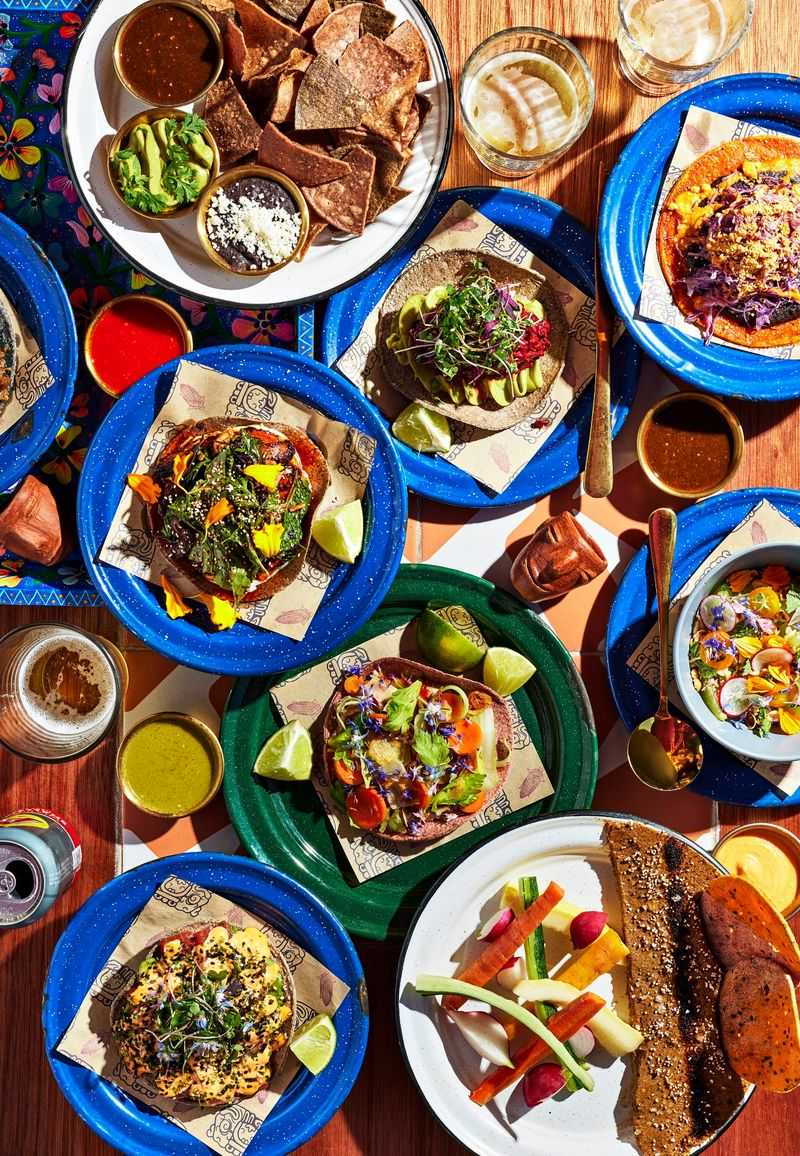
Vegetarians usually get one sad option at a taqueria. Not the case here, where plants get some of the most inventive treatment on the whole menu.
The cauliflower taco is a good starting point. Roasted florets meet Spanish romesco sauce made with pecans, then coriander, queso fresco, and roasted pine nuts pile on top.
Crispy edges, nutty sauce, soft cheese. It reads more like a Mediterranean plate that wandered into Mexico, and somehow it works perfectly.
Smoked cabbage is another standout, with post-oak smoked red cabbage layered under salsa macha, pickled red onions, maizenaise, chives, and cilantro. That smoke is real Texas influence sneaking in through a side door.
A sweet potato taco called the camote also rotates through and has earned some devoted fans. Roasted until soft and caramelized, it leans sweet without tipping into dessert territory.
Much of the produce comes from close by, including an onsite garden that supplies the kitchen through the season. Ingredients from that garden show up in specials and as garnishes, which means the vegetable offerings shift as the weather does.
Anyone eating plant-based should have no trouble filling a table. Multiple tostadas, several tacos, and the chips with dips all work without meat.
One useful note: the duck-fat refried beans are not vegetarian, so ask about preparations if that is a concern. Staff are generally happy to walk through the menu.
Honestly, the vegetables might be the sleeper hit.
Classics Rebuilt With Care
Fancy technique gets attention, but the humble stuff might be where the kitchen’s heart lives. A bean and cheese taco sounds like the least exciting thing on any menu.
This version changes that math. Duck-fat refried beans go on first, deep and savory, then a thick slab of panela cheese that stays mild and slightly squeaky.
Two ingredients. Enormous flavor.
Staff reportedly reach for it often, which is usually a reliable signal. Add chorizo if extra richness sounds appealing.
The Potosina is another reworked classic, built from two guajillo-infused tortillas holding potato and chorizo puree, more of those duck-fat beans, and queso enchilado. Deep red tortillas make it instantly recognizable on a crowded table.
A chorizo quesadilla rounds out the comfort corner. Portions on it run modest, so treat it as a side rather than a main event.
Chips and dips deserve a mention here too. The salsa morita carries a smoky heat with real kick, and those refried beans double as a cooling counterbalance when things get spicy.
Several diners have noted they would like a straightforward carne asada option, and the menu does lean creative rather than traditional. Tacos arrive already dressed with salsa rather than served with sauces on the side, which is worth knowing if customizing is part of the ritual.
Seasonal specials appear regularly, from empanadas to whatever the garden is producing. Asking what is new usually pays off.
A Patio Watched Over by the Maize God
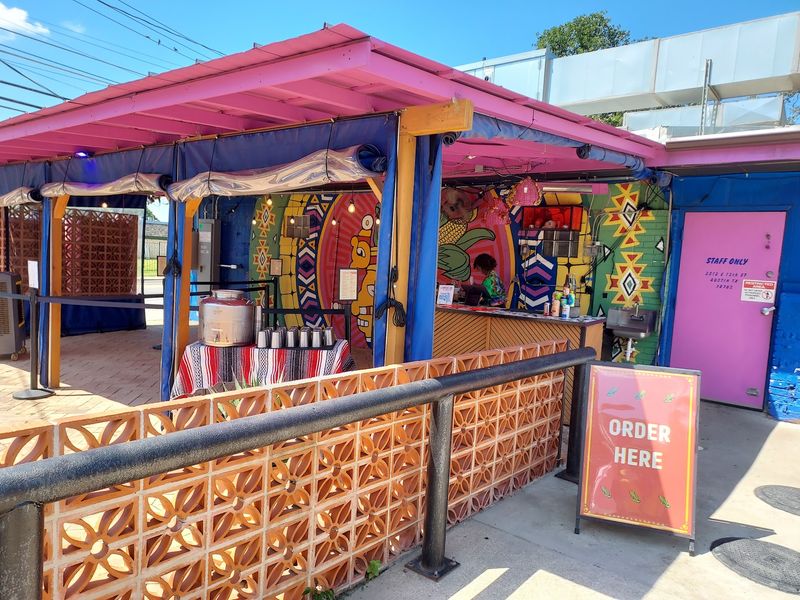
First impressions here are loud, and that is meant as a compliment. The building wears bright blue with pink trim, which makes it easy to spot in a mostly residential stretch of East Austin.
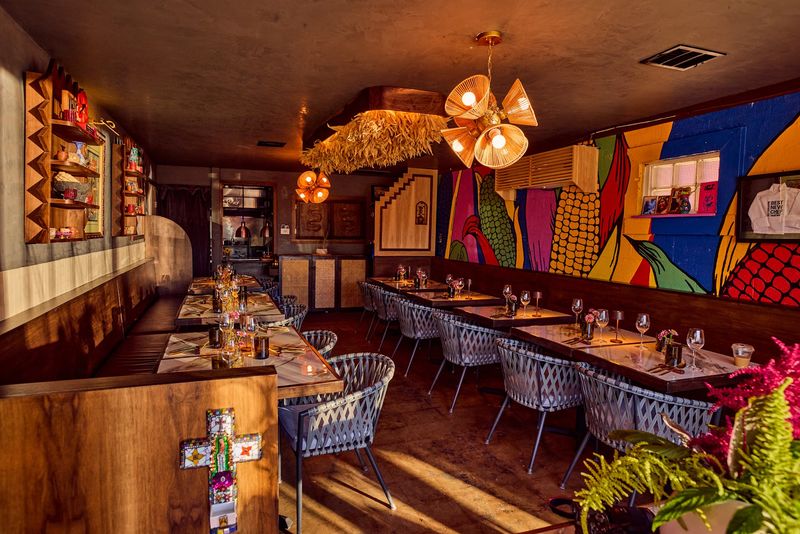
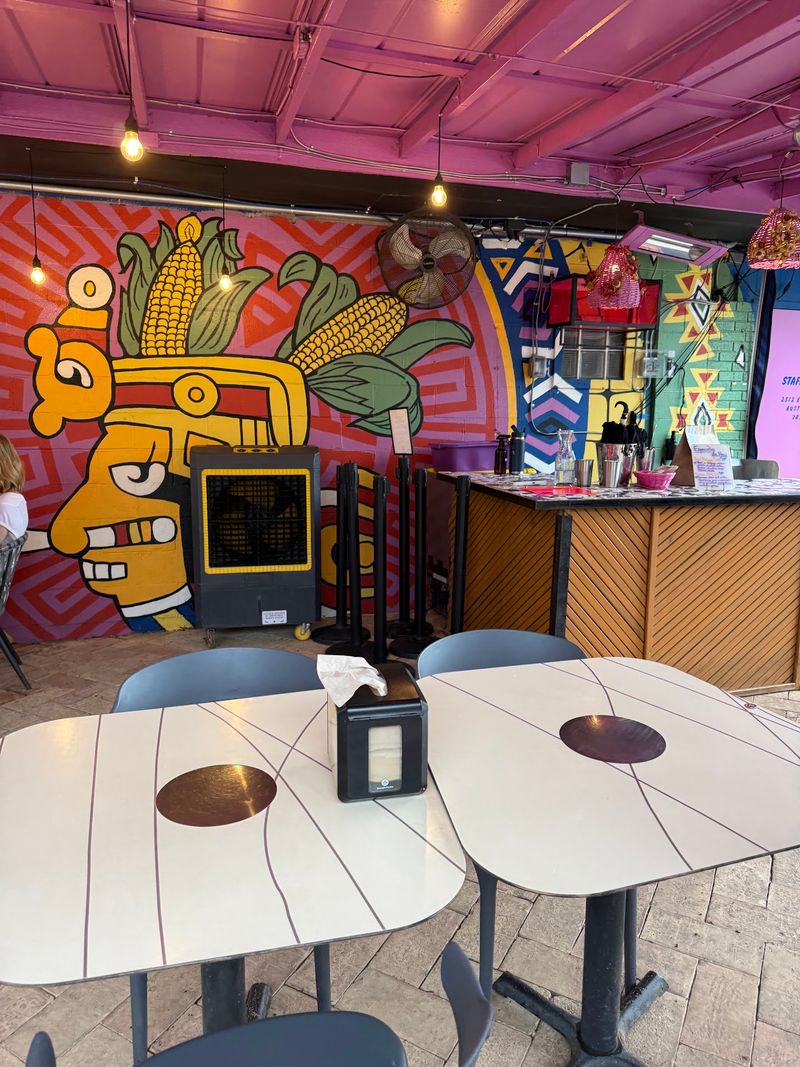
Seating spreads across outdoor areas and semi-covered patios, mostly picnic tables and stools. The star of the patio is a large mural of Chicomecoatl, the Aztec deity of maize, which ties the whole corn obsession back to something much older than the restaurant.
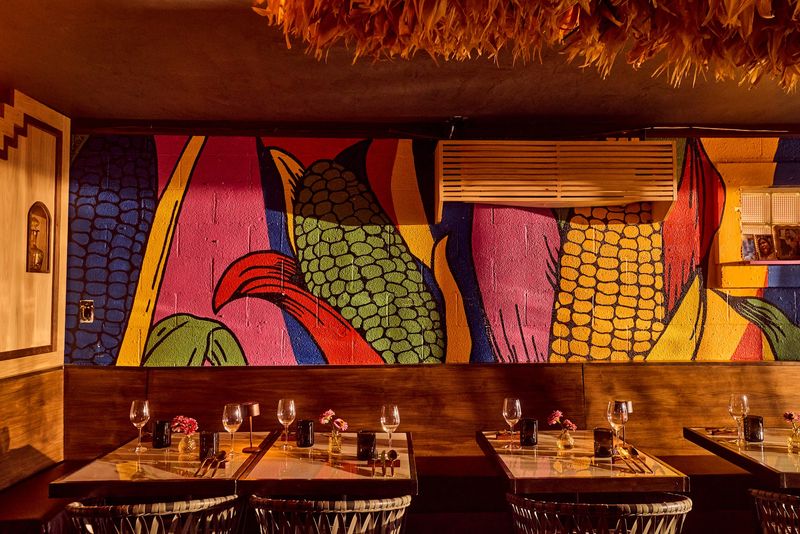
Inside, cultural art fills the walls and purple overhead lights give the small room a warm glow. Regulars point to the bathroom decor as an unexpected highlight, which is a very Austin thing to be known for.
The garden is worth a stroll before or after eating. Staff sometimes offer informal tours, and seeing where the garnishes grow adds something to the meal.
Practical stuff: the address is 2512 E 12th St, Austin, TX 78702. There is a small lot plus street parking, though spots fill fast on busy evenings.
Indoor seating typically works by reservation, while the patio handles walk-ins. Texas weather matters a lot here, so summer afternoons and cold snaps are easier indoors, and heaters have been added for chilly months.
Music plays at a decent volume, and tables near the speakers get lively. Anyone hoping for quiet conversation should aim for seats farther out.
Communal tables mean chatting with neighbors is normal.
Two People Behind the Whole Thing
Behind the corn program are Chef Edgar Rico and his wife Sara Mardanbigi, who opened the doors in October 2019. Rico grew up in California’s Central Valley, where an early interest in cooking and local ingredients took hold.
Training came from the Culinary Institute of America, followed by time in Michelin-starred kitchens. A stint at Pujol in Mexico City pushed him deeper into Mexican cooking traditions, and that influence runs through the menu.
Mardanbigi brings operational know-how plus her Iranian heritage, and the blend of Mexican and Persian influences shows up in real dishes rather than just marketing language. The Sholeh Zard dessert is the clearest example.
Timing was brutal. Five months after opening, the pandemic shut everything down, and city code compliance issues followed in 2023.
Rather than taking on debt, the owners handled many renovations themselves and kept adapting. That scrappy history explains some of the unfinished charm around the property.
Recognition eventually arrived in waves. Rico won the James Beard Award for Emerging Chef, appeared on Food and Wine’s Best New Chefs list, and landed on the TIME100 Next list.
The Michelin Guide added a Bib Gourmand, a Green Star for environmentally conscious cooking, and a Young Chef Award. Food and Wine also named the restaurant among the top new restaurants in America.
Rico is often on the floor talking with guests. Diners mention it constantly, and it changes the feel of the whole meal.
Sweet Endings, Tasting Menus and Smart Planning
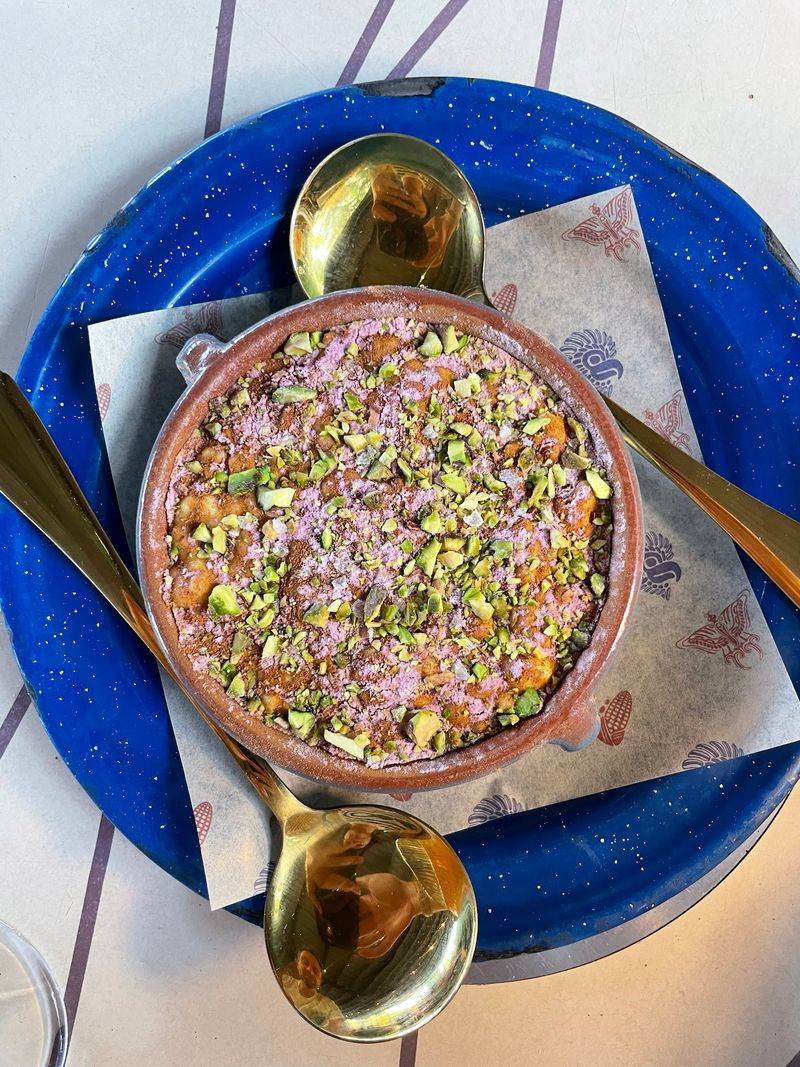
Dessert here goes in two very different directions, and both are worth attention. A blueberry, basil, and ricotta paleta brings a cold, herby sweetness that suits warm Austin evenings.
The other option pulls from Persian tradition. Sholeh Zard is a rice pudding built with saffron, cardamom, turmeric, pistachios, cinnamon, and strawberry powder, and it is easily the most unexpected thing on the menu.
For a fuller experience, there is a masa omakase tasting menu offered Thursday through Saturday by reservation, with seatings in the early evening. It leans on the chef’s creativity and family history, and it goes places the regular menu cannot.
Drinks deserve a nod too. Tepache, a fermented pineapple beverage, gets mentioned often, along with horchata and rotating seasonal aguas frescas made from whatever fruit is at its peak.
Timing tips make a real difference. Doors open at 5 pm Tuesday through Thursday, with lunch added on Friday and Saturday from 11 am to 2 pm and a Sunday lunch service until 3 pm.
Mondays are closed. Weekend dinner brings waits, sometimes twenty minutes and sometimes longer, so arriving right at opening helps a lot.
Reservations are available for certain dinner and lunch services, and the tasting menu requires one. Lunch on a weekday tends to be the calmest window.
The community side is part of the story as well, including a garden that supplies neighborhood fridges and a space used for pop-ups and performances.
