Some of the best afternoons in West Virginia start by accident. You wander into a grand building expecting a quick look and end up staying for hours, wrapped in a story you never knew was so big.
The best part? It costs nothing to walk right in.
Here’s a place where you can trace the whole Mountain State, from swampy coal forests millions of years old all the way to today.
A Free Doorway Into the Mountain State’s Past
Tucked inside the Culture Center on the State Capitol Complex, this museum quietly ranks among the most beloved stops in Charleston. It carries a stellar reputation, holding a 4.8-star rating across more than 1,100 visitors who have wandered its halls.
What surprises most folks first is the price. Admission is completely free, a detail mentioned again and again by people who walk out amazed at how much they got for nothing.
Free admission comes up in dozens of reviews, and even the gift shop asks nothing at the door.
One small tip locals pass along: the entrance faces the capitol side, not the street or the parking lots, so give yourself a moment to find it. Once inside, staff greet you warmly and point you the right way.
Billed as a museum showcasing West Virginia history, the recently renovated space blends art, artifacts, and exhibitions into one flowing story. Visitors call it a hidden gem that beautifully tells the state’s tale from prehistoric times to the present day, making it a genuine must-visit.
Walking Back to the Age of Coal Forests
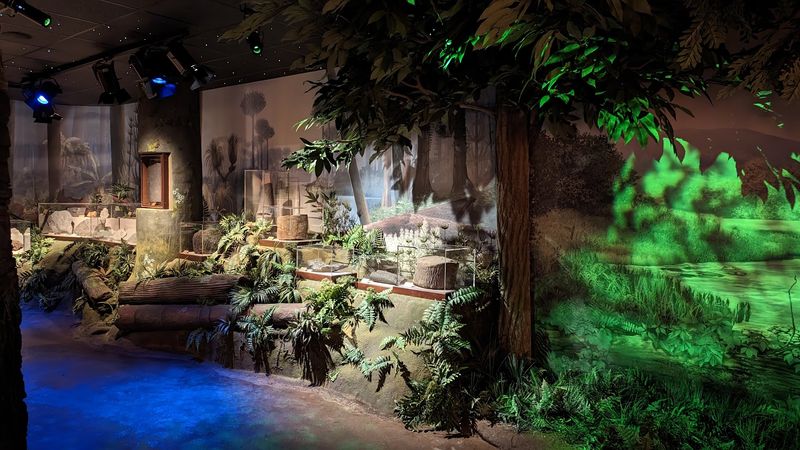
Picture giant trees, unlike anything alive today, rising from a warm swampy world where West Virginia sat far below the equator. That is where your journey begins, and it sets the tone for everything that follows.
The museum opens with the prehistoric coal forests that once blanketed this land, the very plant matter that slowly became the coal the state is famous for. One visitor marveled that the exhibits trace history back to when the land sat roughly 20 degrees below the equator, and the detail never seemed to skip a beat.
Rather than lecture at you, the designers built a show path that pulls you in. Lighting, flooring, and sound work together so the years feel almost physical underfoot, with dates marked right on the floor as you move forward through time.
People describe it as walking through a history story rather than reading one. This early stretch, celebrating the deep geological roots of the state, may help even reluctant museum-goers feel hooked before they realize how far they have traveled.
Early Peoples and the Rugged Frontier
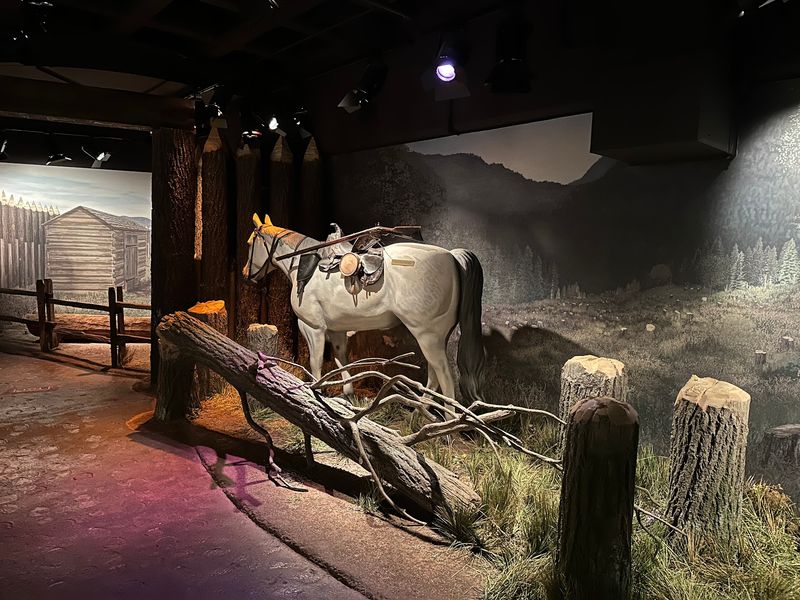
As the ancient mists fade, the story shifts to the people who first shaped this rugged country. The path moves gently from geology into the lives of Native American communities who thrived here for centuries and the settlers who later arrived seeking fresh starts.
Artifacts here speak to grit and resourcefulness. Displays cover hunting, farming, and the slow work of building communities in a mountainous wilderness, with a mix of originals and replicas that visitors say makes everything feel real and approachable.
Reviewers who took the full tour noted how the walk carries you through West Virginia’s history into the early 1700s, packed with things to see and read without ever overwhelming you. That balance is part of the charm.
You will spot some genuinely striking pieces along the way, including historic shackles tied to John Brown and objects connected to figures like George Washington and Daniel Boone. For anyone who loves the frontier chapter of American life, this section offers a heartfelt look at the roots that still run deep through the Mountain State today.
The State Born From a Nation Divided
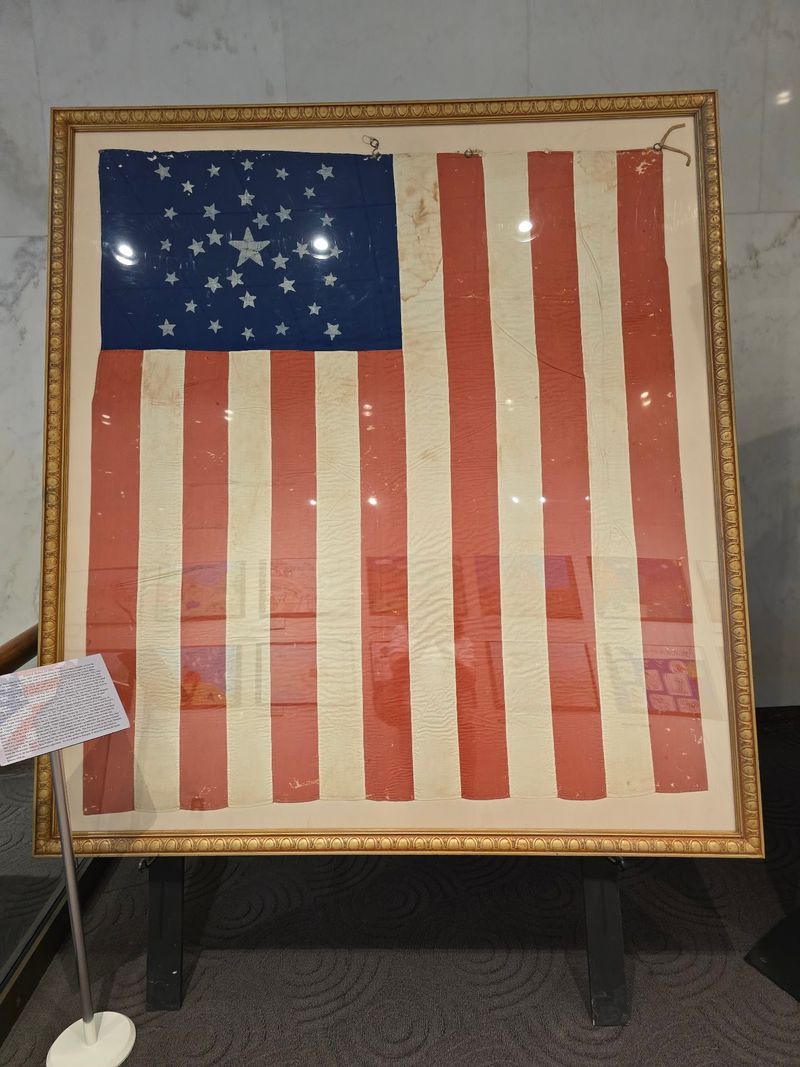
No state in America has quite the origin story of West Virginia, and this stretch of the museum leans into that drama. The western counties of Virginia, different in economy and outlook, chose their own path during the Civil War era.
Through vivid murals and background sound, the exhibits carry you into the weight of those decisions. You learn about the conventions in Wheeling and how, in 1863, West Virginia officially became a state, the only one formed by separating from a Confederate state.
History buffs often linger over the collection of Civil War regimental flags, some dating back well over a century. These fragile banners connect the big national story to the local men who carried them.
What makes it land emotionally is how personal it feels. Rooms are arranged so each theme fully surrounds you, and folks say the design makes them feel as if they have stepped straight into the period.
It is a powerful chapter about identity, courage, and a state that quite literally fought to exist on the map.
Down in the Recreated Coal Mine
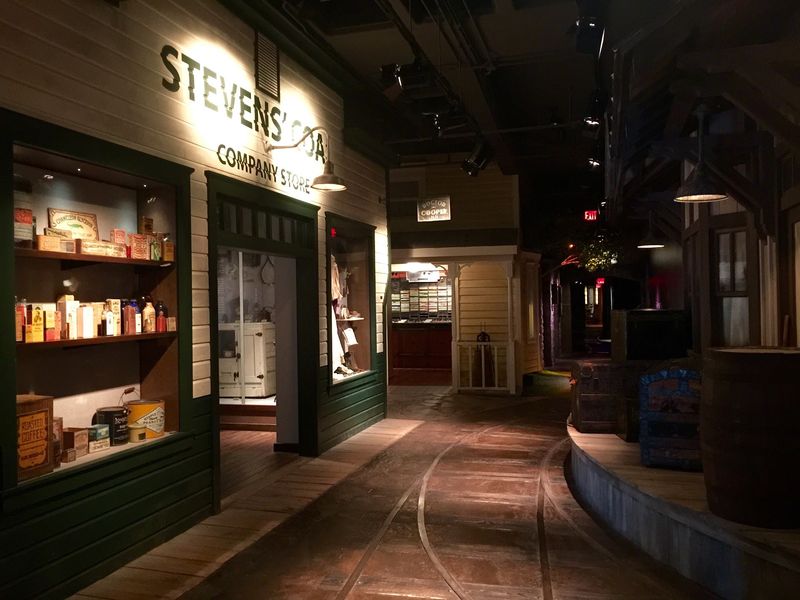
Ask visitors about their favorite spot, and the coal mine keeps coming up. One dad who admitted he is not much of a museum person singled it out as the part he loved most, and his kids did too.
Step inside and the mood shifts instantly. The recreated mine wraps you in the close, quiet feel of working underground, the kind of space where you sense the weight of the mountain above and the daily grind of the miners who made a living there.
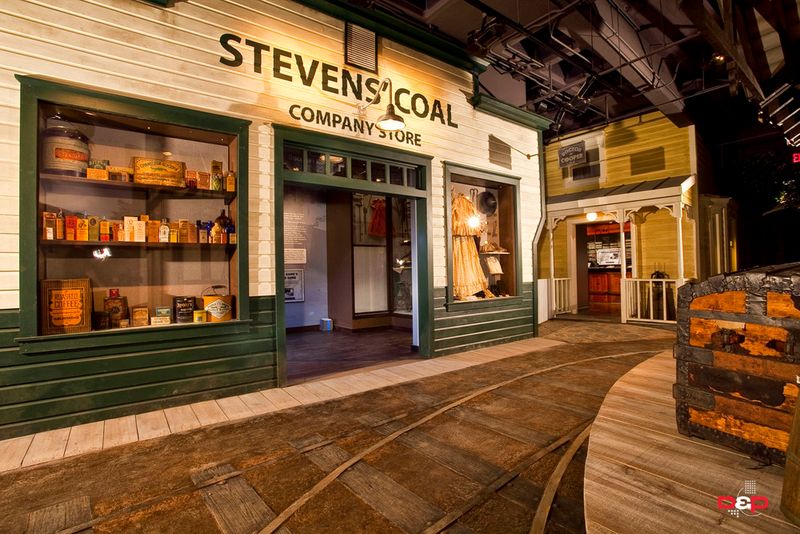
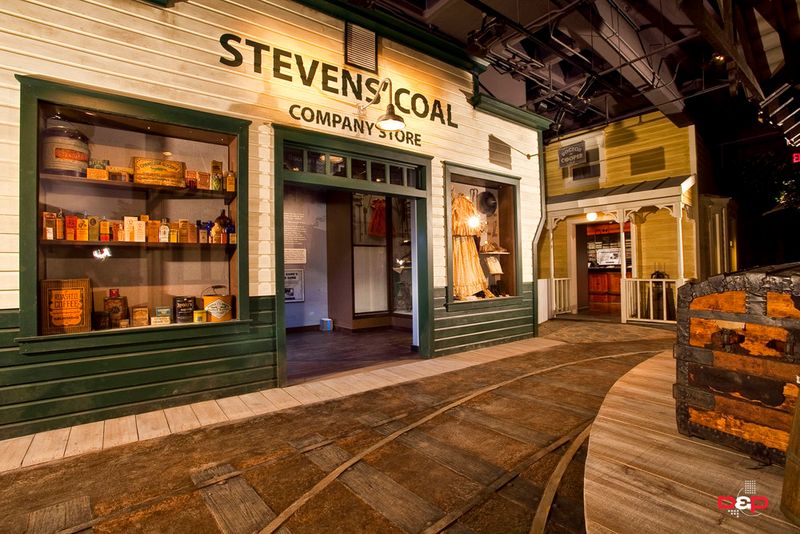
Beyond the tunnel, the exhibits trace how timber, railroads, and coal turned West Virginia into an industrial powerhouse after the Civil War. Boomtowns rose, communities formed around the company mine, and whole generations built their lives to that rhythm.
What comes through is respect. The section honors the sacrifice and tight-knit spirit of the men and women whose labor helped power a growing nation.
For many West Virginia families, this room hits close to home, stirring memories of grandparents and the hardworking heritage that still defines so much of the state’s pride today.
Famous Faces and Homegrown Talent
Every state has its heroes, but West Virginia has turned out a remarkable roster for its size. This colorful section celebrates the people who carried the Mountain State’s name far beyond its borders.
You will meet Nobel Prize-winning author Pearl S. Buck, record-breaking aviator Chuck Yeager, Olympic gymnast Mary Lou Retton, and basketball legend Jerry West.
Their stories sit alongside broader tributes to the state’s rich musical heritage and the social life of early mining towns.
It is not only about big names, though. Displays fold in music, agriculture, and the everyday creativity of ordinary West Virginians, showing how culture grew right alongside industry.
Up on the second floor, a favorite surprise awaits: artwork created by people who work for the state, which several visitors singled out as a highlight they did not expect. Reviewers describe this whole part of the museum as a lively mosaic of talent and heart.
For an audience that treasures small-town pride, this room quietly reminds you that world-changing people can come from any holler or coal town in Almost Heaven.
Quilts, Curiosities, and Discovery Rooms
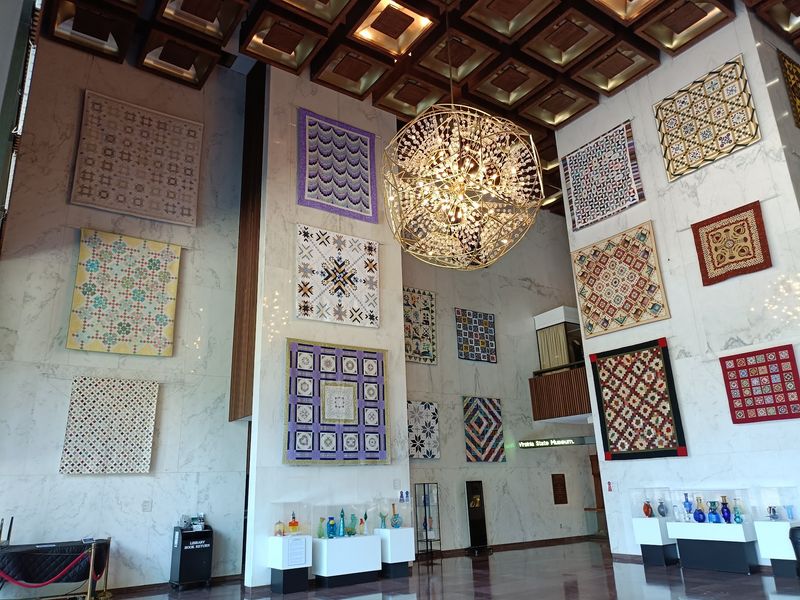
Hand-stitched quilts hanging in the lobby stop many folks in their tracks. One visitor thought of a grandmother who quilted by hand and saw in these pieces the same dedication and craftsmanship, a detail that turns art into memory.
The museum holds a staggering collection, with tens of thousands of artifacts in its care and thousands on display at any time. Branching off the main timeline, Discovery Rooms and Connections Rooms let you dig deeper into topics that catch your eye.
Some finds are genuinely quirky. You might spot lavishly dressed dancing fleas from a 19th-century flea circus, early medical tools, or cheerful Fiesta Tableware made by a longtime Newell ceramics maker.
Families love how this variety keeps everyone engaged, and reviewers mention interactive exhibits and even a scavenger hunt that keeps younger visitors, and their attention spans, happily occupied.
Between the practical, the artistic, and the downright unusual, these rooms round out the whole story. They prove there is always one more thing to marvel at, no matter how many times you have walked through.
Planning Your Visit and a Gentle Verdict
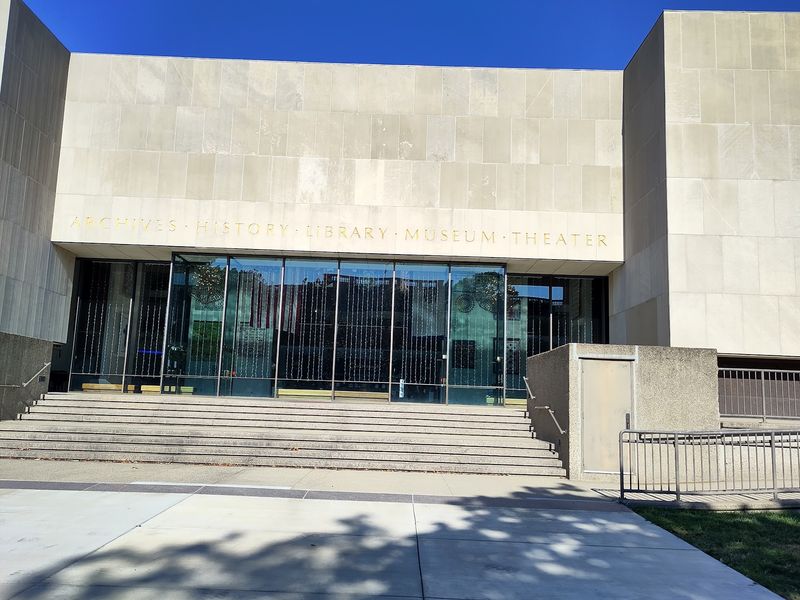
Give yourself real time here. Regulars suggest at least two hours for a basic walk-through, and plenty of people happily spend half a day, since a cafe on site offers prepackaged sandwiches, snacks, and coffee if you need a break.
Getting in could not be simpler. Admission and the gift shop are free, parking is shared with the capitol buildings, and visitors mention free lot parking on Saturdays.
The space is welcoming for all, with an elevator, wide rooms, and accessible restrooms, and folks note it is easy to navigate even with a scooter.
While you are on the grounds, stroll out to the nearby Veterans Memorial and peek into the capitol rotunda to round out the day.
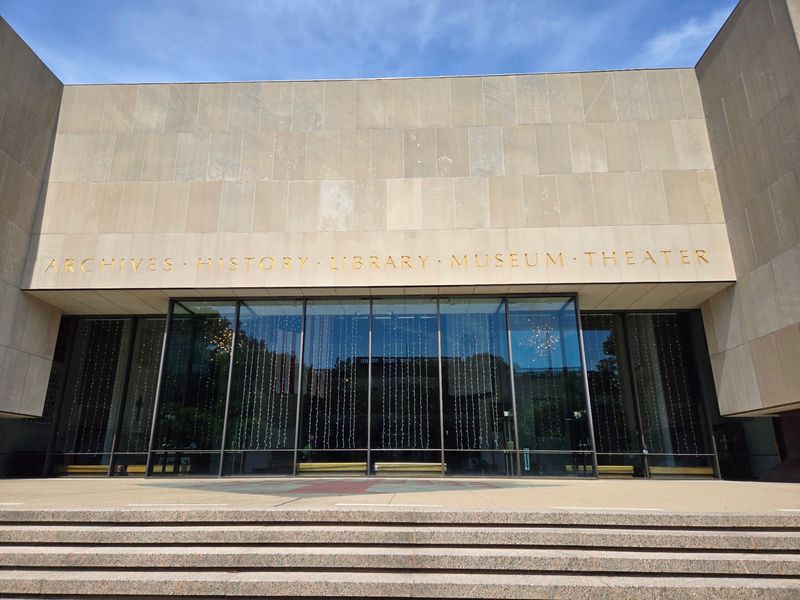
You will find the museum at Building 9, 1900 Kanawha Blvd E #435, Charleston, WV 25305.
For a free afternoon that turns into one of the most memorable stops in the state, this one earns its praise. As one visitor put it, it is beautiful, it is free, and you have absolutely nothing to lose.
Do you remember your first visit?
