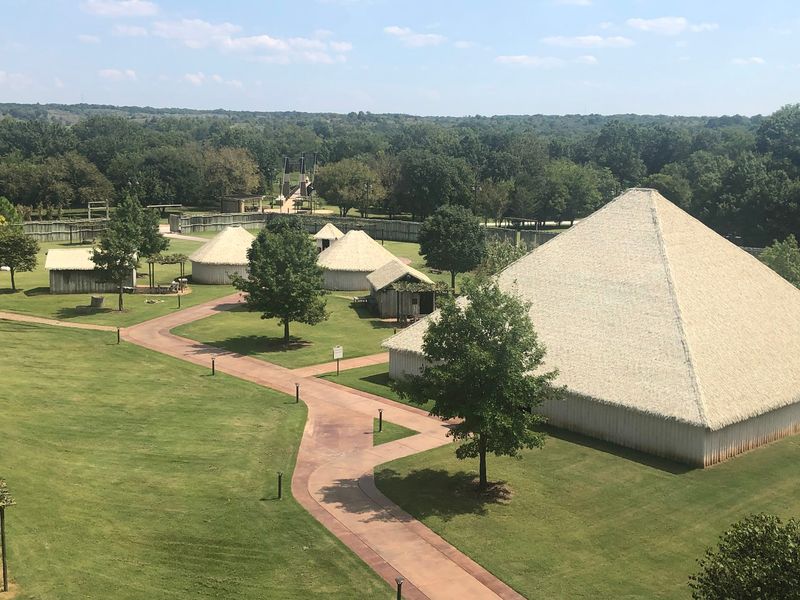
Some places in Oklahoma sneak up on you. You turn off a quiet road expecting a small roadside stop and instead find 184 acres of gardens, water features, a theater, and a village built the way families lived in the 1700s.
Add a cafe serving grape dumplings and pashofa, and a single afternoon suddenly stretches into a full day you did not plan for. Here is what makes this southern Oklahoma campus worth the gas money.
Where The Campus Sits And What It Actually Is
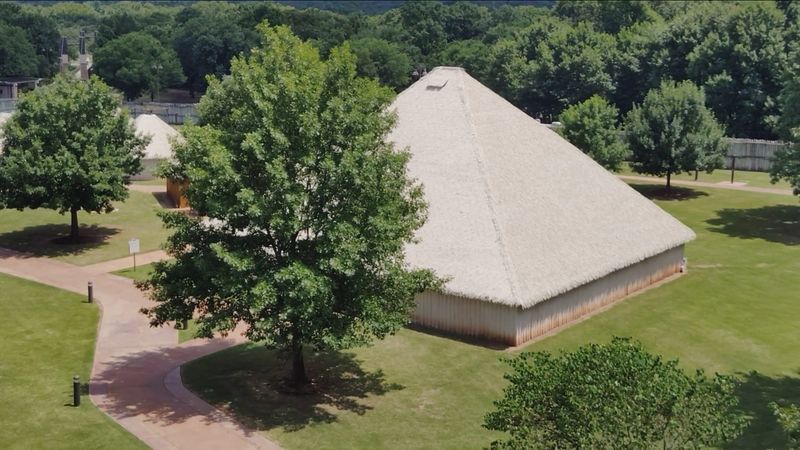
Tucked at 867 Cooper Memorial Rd in Sulphur, the Chickasaw Cultural Center spreads across 184 acres of rolling southern Oklahoma landscape, right next to the Chickasaw National Recreation Area. It opened in 2010 and ranks among the largest tribal cultural centers anywhere in the country.
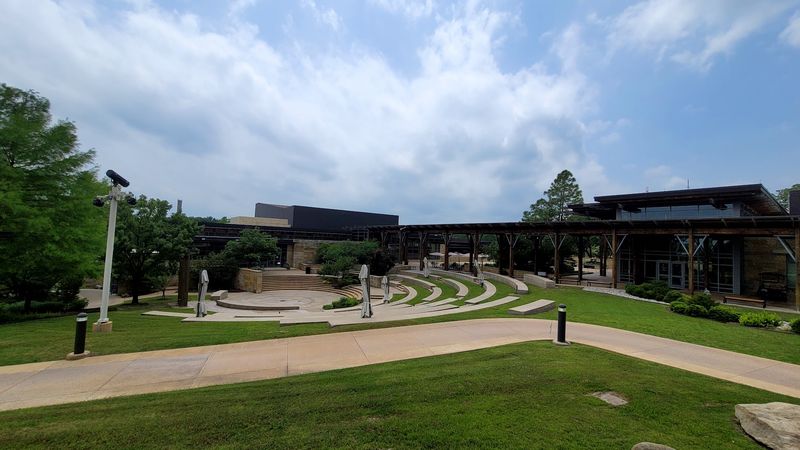
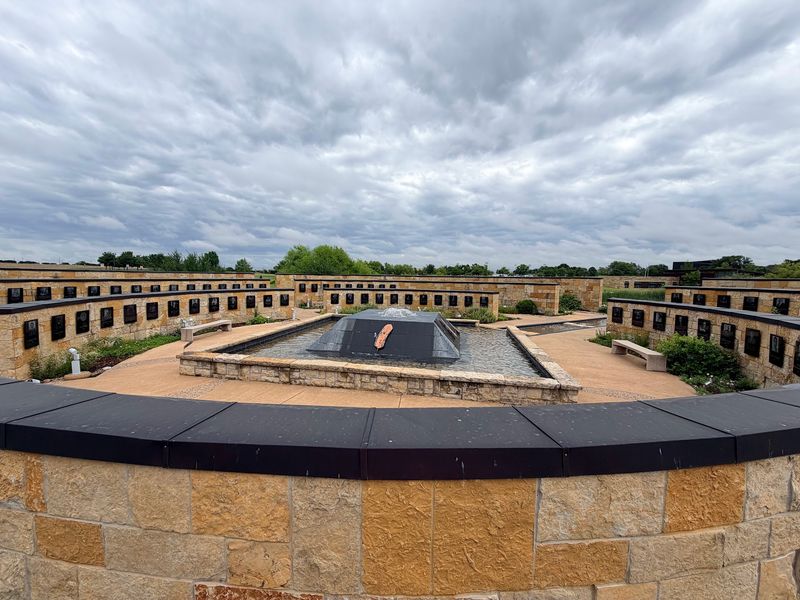
Calling it a museum undersells it. The campus holds an exhibit center, a research library, an art gallery, a theater, a cafe, a honor garden, an amphitheater, and the re-created ancestral village that draws most visitors outside.
One traveler noted that signage along the approach can be thin, and that they stumbled onto the place by taking the road behind Veterans Lake. Plugging the address into your phone saves that confusion entirely.
Drive times work in your favor. It sits roughly 90 minutes south of Oklahoma City and about two hours from Tulsa, which puts it squarely in easy-day-trip territory for most of the state.
The campus is owned and operated by the Chickasaw Nation, and the stated goal is simple: share the culture with everyone who walks through the gate, tribal citizen or not.
Chikasha Inchokka’, The 1700s Village Brought Back
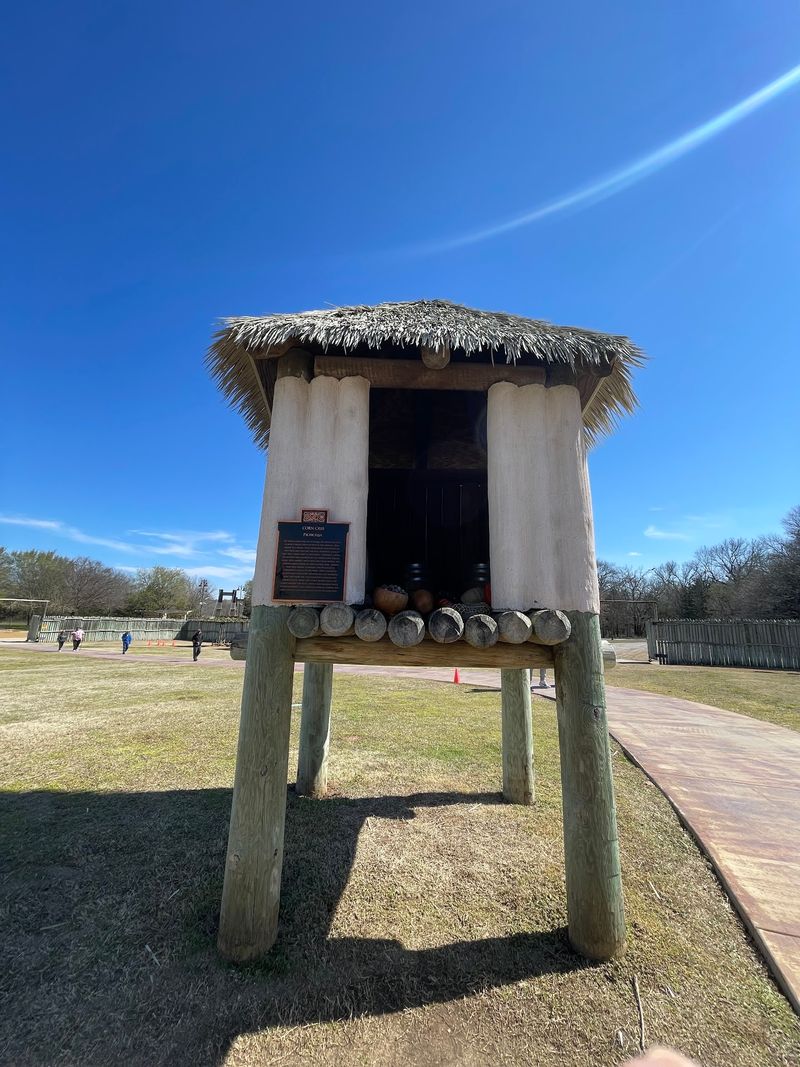
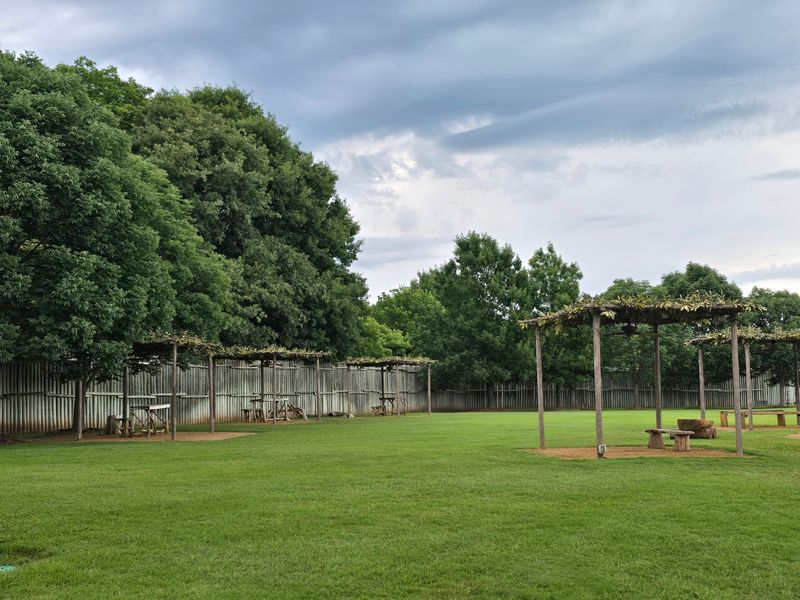
Walk past the stockade fence and the modern world drops away fast. Chikasha Inchokka’ Traditional Village is a careful reconstruction of a Chickasaw community as it would have looked in the 1700s, built with native woods and river cane rather than modern shortcuts.
Inside the fence you will find a Council House, two summer homes, two winter dwellings, a corn crib, a replica ceremonial mound, and a stickball field. Informational plaques along the path explain what each structure did and why it was shaped that way.
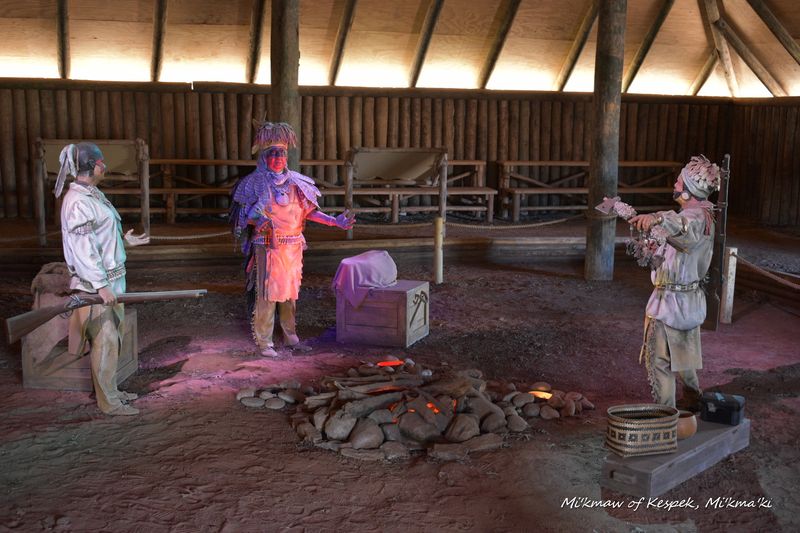
Summer homes are open and airy for Oklahoma heat. Winter dwellings are low, packed, and built to hold warmth, which makes immediate sense the moment you step inside one.
Visitors regularly mention that the village is the part they remember most, partly because it is life-size and you move through it rather than looking at a diorama behind glass.
Village hours run 10 a.m. to 4:30 p.m. Tuesday through Saturday, a touch shorter than the rest of the campus.
Arrive with enough daylight left to wander slowly.
Stomp Dances And Stickball On The Grounds
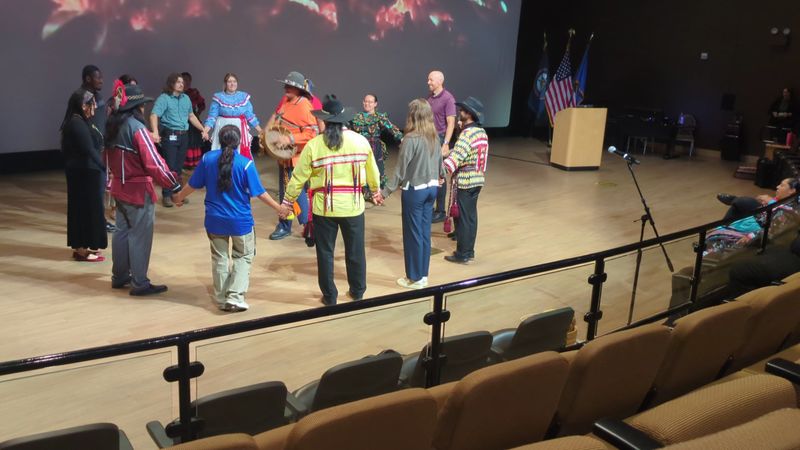
Drums, shell shakers, and a circle of moving feet turn a quiet afternoon into something you feel in your chest. Cultural demonstrators at the center perform traditional stomp dances on a regular basis, and stomp dance comes up more than 30 times in visitor comments as a highlight.
Stickball demonstrations happen too, and staff have been known to hand children sticks and teach them the basics right there on the field. Parents describe kids being invited into a dance rather than just watching from the sidelines.
Beyond dance, demonstrators showcase historical art forms, traditional cooking methods, storytelling, and the Chickasaw language. Each one is presented as living practice, not a museum artifact under glass.
If storms roll in or the heat turns brutal, outdoor demonstrations may shift indoors. Oklahoma weather being what it is, that flexibility keeps a trip from being wasted.
Schedules vary by day and season, so calling ahead at 580-622-7130 is worth two minutes before you load up the car.
Inside The Chikasha Poya Exhibit Center
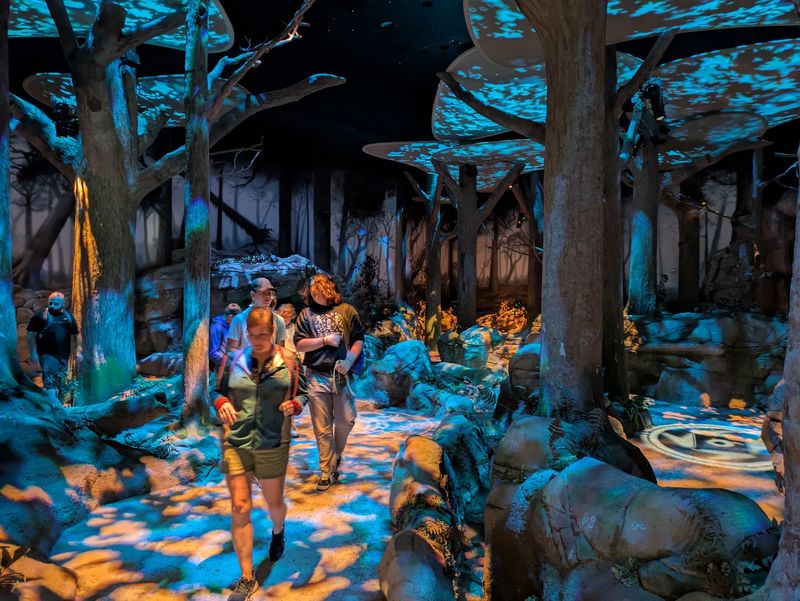
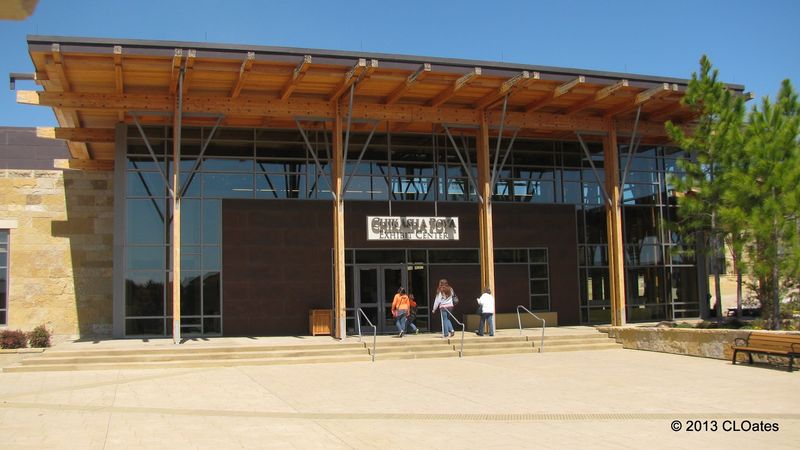
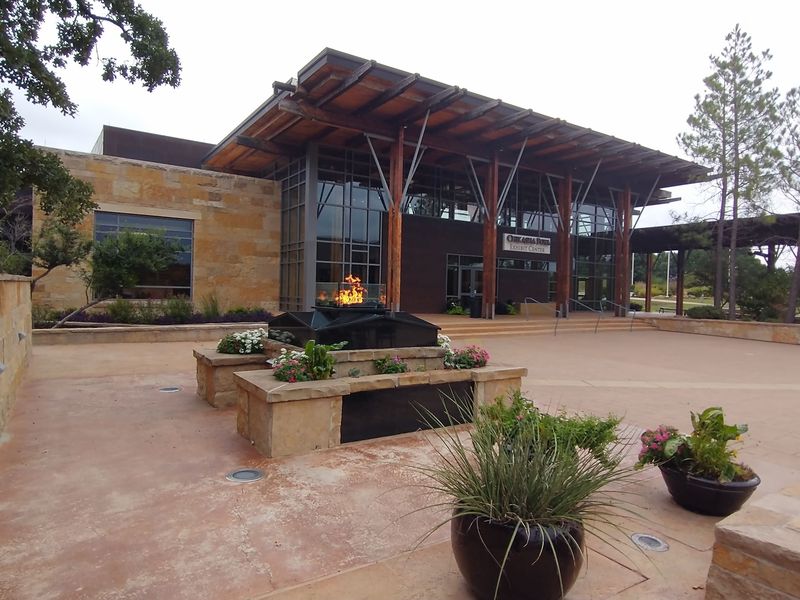
Seven dollars buys adults entry to the Chikasha Poya Exhibit Center, and that may be one of the better museum values in the state. Students, seniors 55 and up, and military personnel pay $6, while children 12 and under get in free.
Exhibits begin with the foundations of Chickasaw life and build from there. An immersive forest simulation gets singled out often, dropping you into the woodlands that shaped early Chickasaw homelands before removal.
Further in, the galleries turn to the Trail of Tears and the boarding school era. Visitors describe that stretch as sobering and deeply affecting, with letters and artifacts that land harder than any textbook page.
Interactive stations are scattered throughout, which helps restless kids stay engaged while adults read the longer panels.
Groups of ten or more get discounted rates, and K-12 school or youth groups pay just $3 per person. Homeschool families and teachers planning field trips should ask about that when booking.
Free Admission To The Village, Garden, And Library
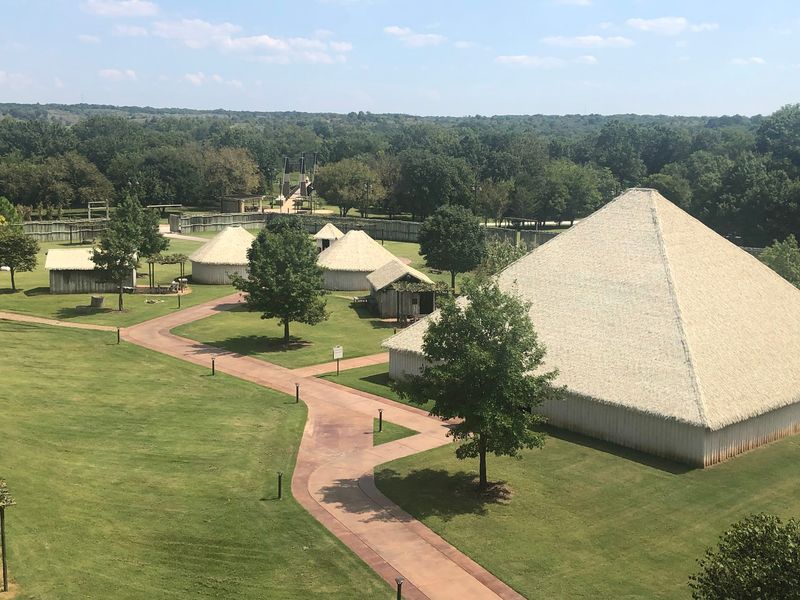
Here is the part that surprises people: a large share of this campus costs nothing. Access to the Chikasha Inchokka’ Traditional Village, the Aaholiitobli’ Honor Garden, and the Holisso research library carries no admission fee at all.
That means a family can spend hours walking the grounds, touring the village, reading plaques, and exploring the garden without opening a wallet. One visitor described showing up with time to kill and leaving genuinely impressed, having paid nothing.
Only the Chikasha Poya Exhibit Center requires a ticket, and at $7 for adults it hardly breaks a road trip budget.
Free comic books have been handed out to young visitors, which parents report getting read to pieces before the drive home is over.
For Oklahomans watching costs, the math is friendly. Gas, a $7 ticket, and a cafe lunch cover a full day of genuinely substantial sightseeing, with the biggest outdoor attraction on campus available at no charge whatsoever.
Aaimpa’ Cafe And The Grape Dumplings Question
Lunch here is not an afterthought. The Aaimpa’ Cafe serves traditional Chickasaw dishes alongside familiar options, and plenty of visitors say the meal ranks among their favorite parts of the day.
Nannachampoli’, better known as grape dumplings, shows up on the menu and is exactly the kind of thing you cannot order at a chain restaurant. Pashofa, a slow-cooked hominy dish with deep roots in Chickasaw kitchens, is also served.
Indian tacos draw steady orders, and guests have raved about the venison stew and the buffalo burger. A three sisters salad rounds out the lineup with corn, beans, and squash, the trio that anchored traditional agriculture.
Full meal service runs 11 a.m. to 3 p.m., with cookies and drinks available until 4 p.m. Plan your timing around that window rather than assuming you can eat at closing.
Seating is casual, prices sit in everyday range, and nobody will blink at a table full of kids. It reads more community kitchen than tourist restaurant.
Holisso, The Research Library Few Visitors Expect
Twenty thousand square feet of shelves, archives, and reading space sits quietly on this campus, and a lot of day-trippers walk right past it. Holisso: The Center for Study of Chickasaw History and Culture is a specialty library, free to enter, and staffed by people who know the collections cold.
Genealogy is a big draw. Families tracing land allotment records and ancestry have found staff members willing to sit down and dig through material with them for as long as it takes.
Casual visitors have described being charmed by the space even without a research goal, calling it unexpectedly inviting for a library.
Historical documents, photographs, and Chickasaw language resources fill the collection. If you have a Chickasaw branch on your family tree, this alone may justify the trip.
Come with any names, dates, or documents you already have. The more you bring, the further staff can take you during a single visit, and the archive rewards preparation.
Anoli’ Theater, Art Gallery, And The Gift Shop
Films rolling in the Anoli’ Theater give your feet a break and your understanding a boost. Screenings cover Chickasaw history and culture, and guests consistently call the productions polished and genuinely moving.
Nearby, the Aapisa’ Art Gallery rotates fine art that keeps the campus from feeling frozen in one era. Contemporary Chickasaw artists share space with historical work, which is the whole point of a living culture.
The Aachompa’ Gift Shop earns its own mentions, with nearly 40 visitors calling it out. Chickasaw-made items fill the shelves, from beadwork and pottery to books and apparel, and buying here sends money straight back into the community.
One visitor noted buying a sweatshirt in the lobby when the theater ran cold, which is a decent reminder that indoor temperatures can swing.
Budget at least 45 minutes for these three stops combined. They are easy to rush past on the way to the village, and skipping them leaves a real chunk of the experience behind.
Sky Pavilion Views And The Friendship Bridge Walk
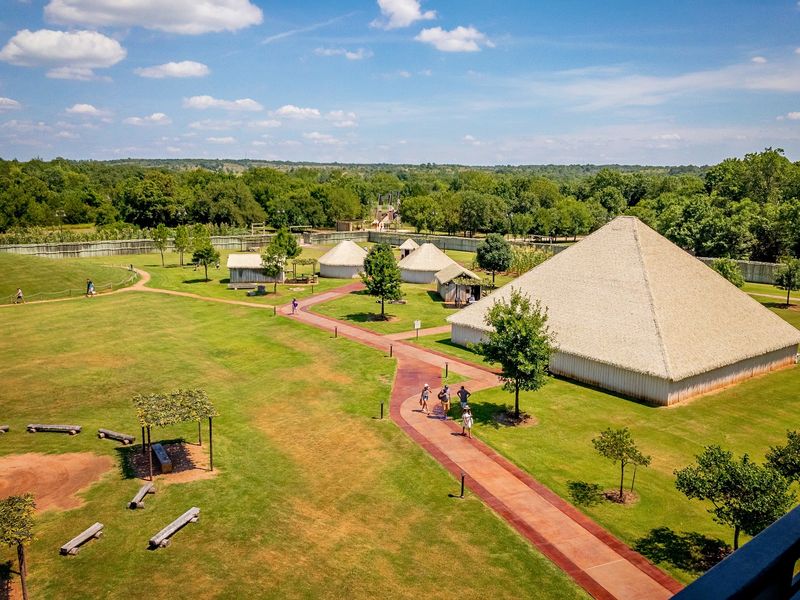
Climb to the Sky Pavilion and the whole village lays out below you like a map come to life. It is the single best vantage point on campus for understanding how the structures relate to each other and to the land.
Photographers should plan for it. Morning light tends to be kinder than harsh midday sun, especially in summer.
From there, the Friendship Bridge stretches out toward the Chickasaw National Recreation Area, linking the cultural center to the wider natural preserve next door. Walking across it makes the connection between culture and landscape feel physical rather than theoretical.
Water features, native plantings, walkways, and an amphitheater fill the space between buildings, and repeat visitors say the grounds themselves are half the appeal.
Turtles in the water areas have become an unofficial attraction. Several families list feeding them as the moment their kids talk about afterward, which tells you something about how much the outdoor spaces matter here.
Festivals, Seasonal Events, And The Christmas Drive-Through
Timing your visit around an event changes the whole trip. The center runs festivals through the year, including a butterfly festival, the Toompalli’ harvest celebration, and rotating exhibitions such as a Three Sisters program.
Children’s activities usually anchor the bigger festival days, with hands-on stations and extra demonstrations scheduled throughout.
Winter brings the free Christmas drive-through light display, and people who have seen it call it flat-out gorgeous. Free is free, and a light trail that costs nothing is a rare thing in December.
Repeat visitors mention there is often something new even when they have been before, which is the mark of a place actively programming rather than coasting.
Check the schedule before you commit to a date. A regular Tuesday is worthwhile on its own, but landing on a festival Saturday stacks dancing, food, and activities into a single afternoon and makes the drive feel like a bargain.
How The Staff Changes The Visit
Ninety-five separate mentions of friendly staff is not an accident. Over and over, guests point to the people as the reason a good visit became a memorable one.
Tour guides get named specifically, described as knowledgeable and quick to make newcomers feel at ease. Kitchen crews, cart drivers, gate attendants, and gallery attendants all pull mentions too.
One family recalled staff teaching their children how to play stickball and then joining the game. Another remembered a research center staffer spending real time helping them chase down land allotment history.
Questions are welcomed rather than tolerated. Demonstrators are generally happy to explain the meaning behind a dance, a dish, or a building technique if you ask.
For visitors who have never been to a tribal cultural center before, that openness matters. It removes the worry about saying the wrong thing and turns the whole campus into a conversation instead of a lecture, which is exactly what keeps people coming back a second and third time.
Accessibility, Carts, And Getting Around 184 Acres
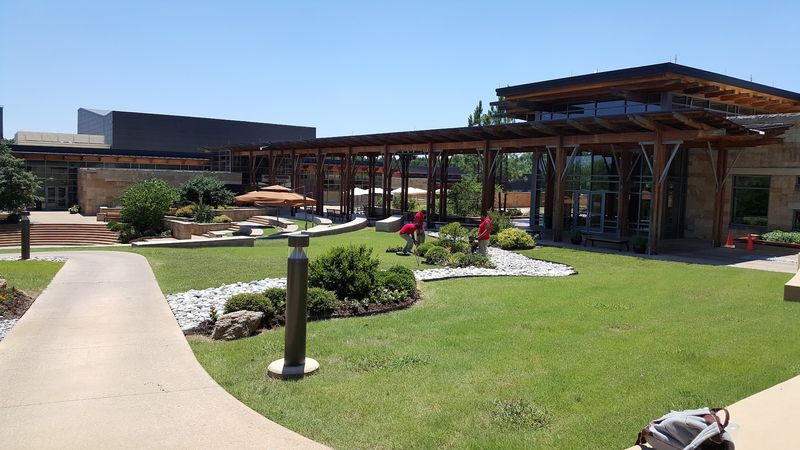
Big campus, real distances. Walking from the parking lot to the far end of the village adds up, and the terrain can be taxing for anyone with limited mobility or a stroller to push.
The center plans for that. All galleries and facilities accommodate wheelchairs and strollers, and complimentary wheelchairs are available on site.
A golf cart service transports patrons with mobility impairments across the longer stretches, including out to the Traditional Village. Visitors describe drivers picking them up right in the parking area and dropping them wherever they wanted to go.
Paved walkways connect most of the major stops, though the village itself involves some ground surfaces and open field.
Comfortable shoes are non-negotiable. Summer here gets genuinely hot, and one visitor plainly recommended picking a cooler day, which is solid Oklahoma advice for any outdoor attraction between June and September.
Water bottles, hats, and a morning arrival make the difference between enjoying the village and rushing through it.
Hours, Costs, And Planning The Drive
Mark your calendar carefully, because the center is closed Sunday and Monday. Tuesday through Saturday it runs 10 a.m. to 5 p.m. year-round, with closures on major holidays.
The village shuts slightly earlier at 4:30 p.m., and the cafe stops full meal service at 3 p.m., so a late arrival costs you two of the best pieces.
Admission math is straightforward: $7 adults, $6 students, seniors 55 and up, and military, free for children 12 and under, $3 per person for K-12 school and youth groups, with group rates at ten or more.
From Oklahoma City, figure roughly 90 minutes south on I-35. Tulsa runs closer to two hours and change.
Ongoing campus improvements have meant some areas being roped off at times, so calling 580-622-7130 before you leave is smart. Overnight visitors report affordable lodging in nearby Pauls Valley and Ardmore, with two nights running under $100 including breakfast.
The Verdict For A Weekend Road Trip
Few Oklahoma attractions give you this much for this little. A full day of village walking, dance demonstrations, gardens, a research library, films, and a genuinely good lunch, with the outdoor centerpiece costing nothing at all.
Families with elementary-age kids probably get the most out of it, between stickball lessons, turtles, comic books, and interactive exhibit stations. History-minded adults and genealogy hunters will find plenty to fill several hours on their own.
Pair it with the Chickasaw National Recreation Area next door and you have a legitimate weekend rather than an afternoon detour.
The exhibit center handles heavy history with care, and the village and demonstrations balance that weight with living, ongoing tradition. That combination is what makes the place stick with people.
Nearly two thousand visitors have rated it 4.8 stars, and the common thread is simple. Folks arrive expecting a small museum stop and leave planning a return trip, which is about the highest compliment an Oklahoma road trip destination can earn.
