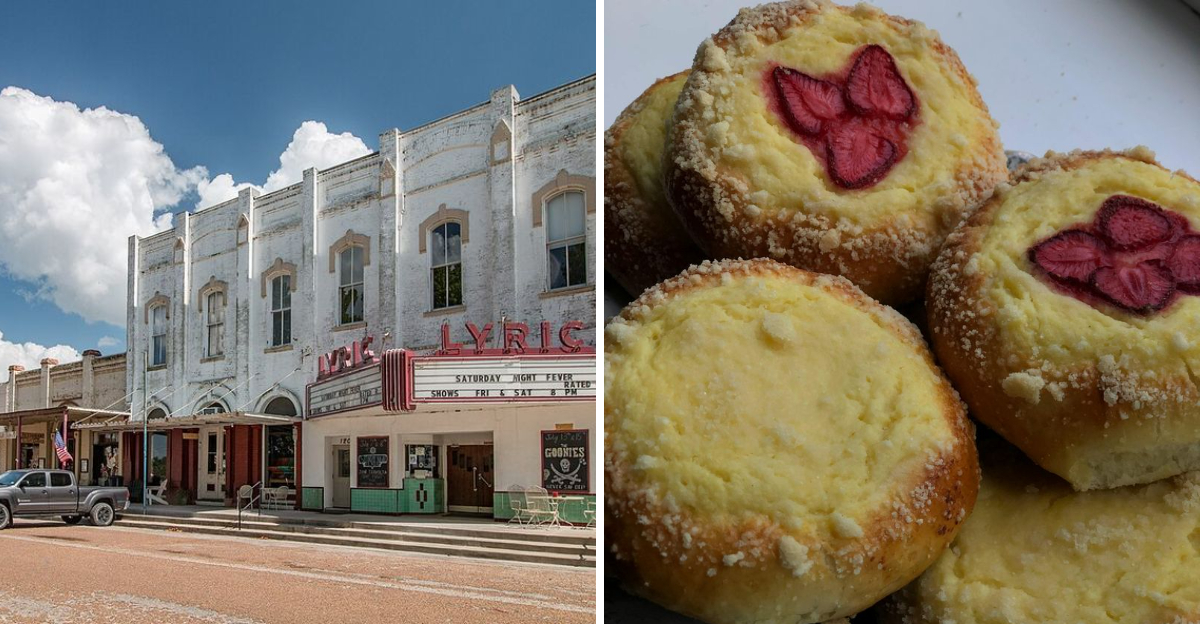
I wasn’t planning to stop in Flatonia. Most people blow right past this little town on their way between Houston and San Antonio, maybe glancing at the exit sign before their foot presses harder on the gas.
But a friend had told me about the kolaches, those Czech pastries that somehow became a Texas road trip staple, and I figured I’d give it a shot.
What I found was a place that feels like it exists outside the rush of the interstate, where old brick buildings tell stories about immigrants who built something lasting, and where the smell of fresh-baked dough drifts through downtown on weekend mornings.
Flatonia turned out to be one of those surprises you stumble into when you’re willing to take an exit you hadn’t planned on. Sometimes the best parts of Texas are tucked into the smallest towns.
The Czech and German Heritage That Built a Town
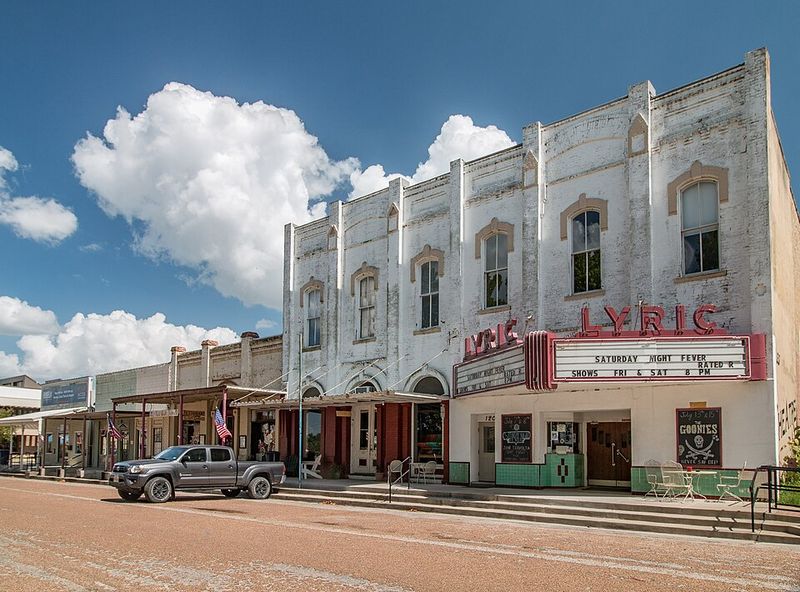
Walking through Flatonia feels like stepping into a time capsule of immigrant determination. Czech and German settlers arrived here in the 1870s, drawn by the promise of farmland and the newly laid railroad tracks that connected this patch of prairie to the wider world.
They brought their languages, their recipes, and their work ethic, building a community that still honors those roots today.
The architecture tells the story better than any history book could. Old brick buildings line the downtown streets, their sturdy construction a testament to people who built things to last.
You’ll spot German inscriptions on cornerstones and Czech names on old business facades. These weren’t just stopping through, they were planting roots deep into Texas soil.
What strikes me most is how the town hasn’t tried to scrub away this heritage or turn it into a theme park version of itself. The history lives in the everyday rhythms of the place, in family names that go back generations, in recipes passed down through great-grandmothers’ handwritten notes.
Flatonia wears its past comfortably, like a well-worn jacket that still fits just right after all these years.
The Famous Kolache Stop That Makes the Exit Worthwhile
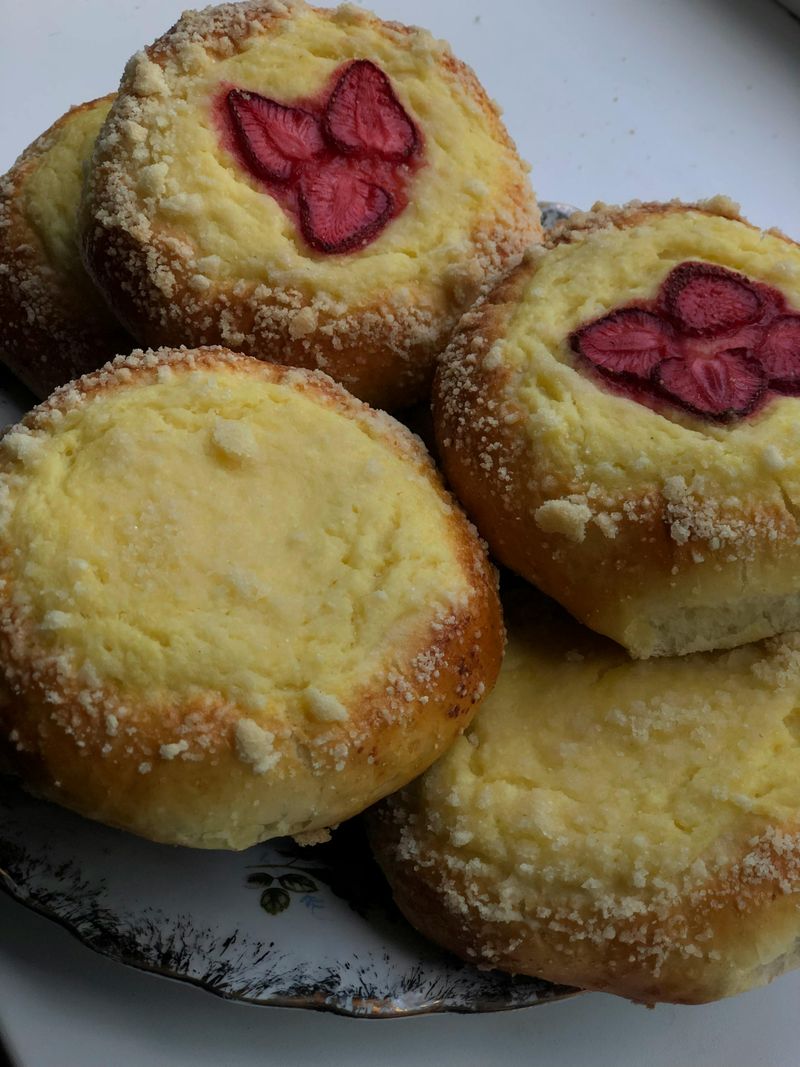
The kolache is what puts Flatonia on the map for most travelers, and honestly, it deserves that reputation. These Czech pastries, soft pillows of dough wrapped around sweet or savory fillings, have become the unofficial food of Texas road trips.
In Flatonia, they’re made the way they’ve been made for over a century, with recipes that grandmothers would recognize.
I watched someone pull a fresh batch from the oven, steam rising from the golden dough. The fruit-filled ones, apricot and prune and poppy seed, are traditional Czech style.
But Texas being Texas, you’ll also find sausage and cheese kolaches, which technically aren’t kolaches at all but klobasniky, though nobody’s too worried about the distinction when they’re this good.
What makes them special isn’t just the taste, though that certainly helps. It’s the fact that people still make them by hand, still get up before dawn to have them ready for the morning rush.
The dough has that perfect balance of sweet and savory, pillowy soft but with just enough structure to hold together. Grab a half dozen for the road and you’ll understand why people plan their interstate routes around this stop.
Railroad History That Shaped Everything
Flatonia exists because of the railroad. When the Galveston, Harrisburg and San Antonio Railway pushed through in 1874, it created a town almost overnight.
Before that, this was just open prairie where cattle grazed and wildflowers bloomed. The railroad changed everything, turning this spot into a vital connection point between the coast and the interior.
The tracks still run through town, Union Pacific freight trains rumbling past several times a day. You can hear their horns echoing across the prairie, a sound that’s been part of the town’s soundtrack for nearly 150 years.
The old depot buildings, though some have been repurposed, still stand as reminders of when this was a bustling stop for passengers and freight alike.
I find something grounding about places shaped by railroads. They had to be practical, built where the tracks went rather than where someone thought would be scenic.
Flatonia grew up around honest work, around the movement of goods and people, around the rhythms of train schedules rather than tourist seasons. That practical foundation still shows in how the town carries itself today, unpretentious and real.
Downtown Buildings Frozen in Time
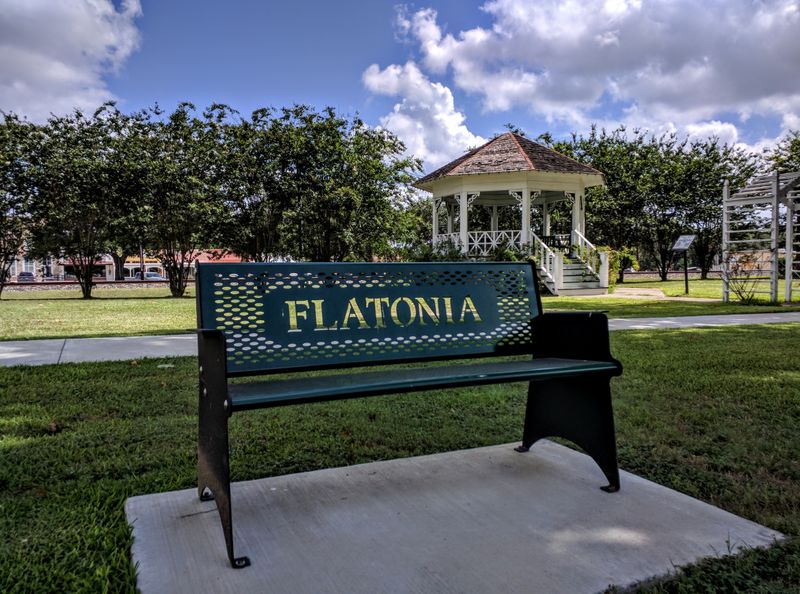
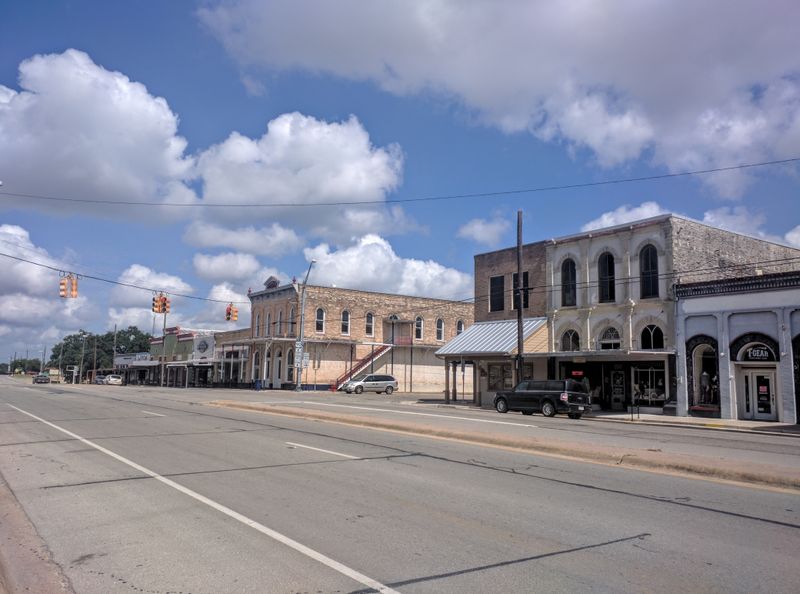
Downtown Flatonia looks remarkably like it did a hundred years ago. The brick buildings, most dating from the late 1800s and early 1900s, line the streets with their original facades largely intact.
There’s no Disney-fied recreation here, no artificial aging of modern construction. These are the actual buildings that Czech and German merchants built when the town was young.
Some still house businesses, others stand empty but maintained, waiting for their next chapter. The architecture reflects the practical sensibility of the people who built them, solid construction meant to withstand Texas weather and the test of time.
You’ll see decorative brickwork, tall windows designed to catch breezes before air conditioning, and storefronts built to human scale rather than automobile scale.
Walking these streets feels different from visiting a preserved historic district in a bigger city. Nobody’s charging admission or handing out brochures.
The buildings simply exist, doing what buildings do, providing shelter and structure to a community that values continuity over constant change. Some need paint, some need repair, but they all still stand, which says something about how they were made and who made them.
The Interstate 10 Location That’s Both Blessing and Challenge
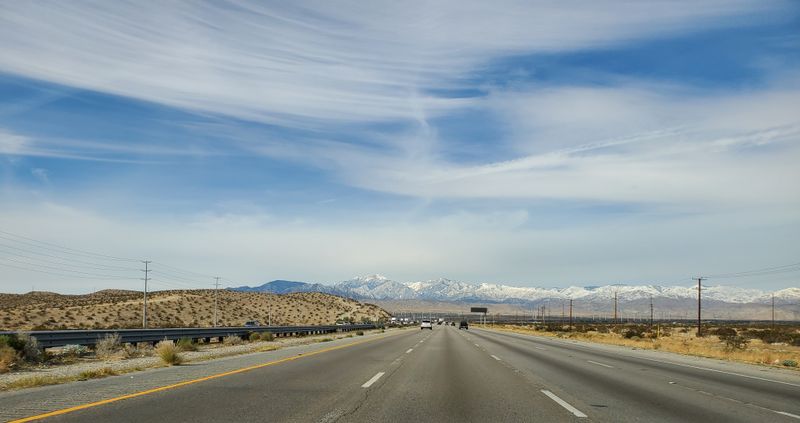
Flatonia sits right on Interstate 10, one of the major arteries connecting Texas from east to west. It’s the kind of location that should be pure advantage, thousands of cars passing through every day, many of them looking for a reason to stop.
But being on the interstate is complicated for a small town.
The highway brings travelers, sure, but it also makes it easy to keep driving. Most people zip past at 75 miles per hour, maybe noticing the exit sign, maybe not.
The town has to work harder to convince people to pull off, to take a chance on a place they’ve never heard of. The kolaches help with that, giving people a reason to exit, but it’s an ongoing challenge to turn highway proximity into actual economic benefit.
Still, that location connects Flatonia to the wider world in ways that more isolated towns can only dream about. It’s an easy stop between Houston and San Antonio, close enough to both without being swallowed by either.
The interstate brought the town into the modern era just as surely as the railroad brought it into existence, for better and worse.
Small Town Festivals That Bring Everyone Together
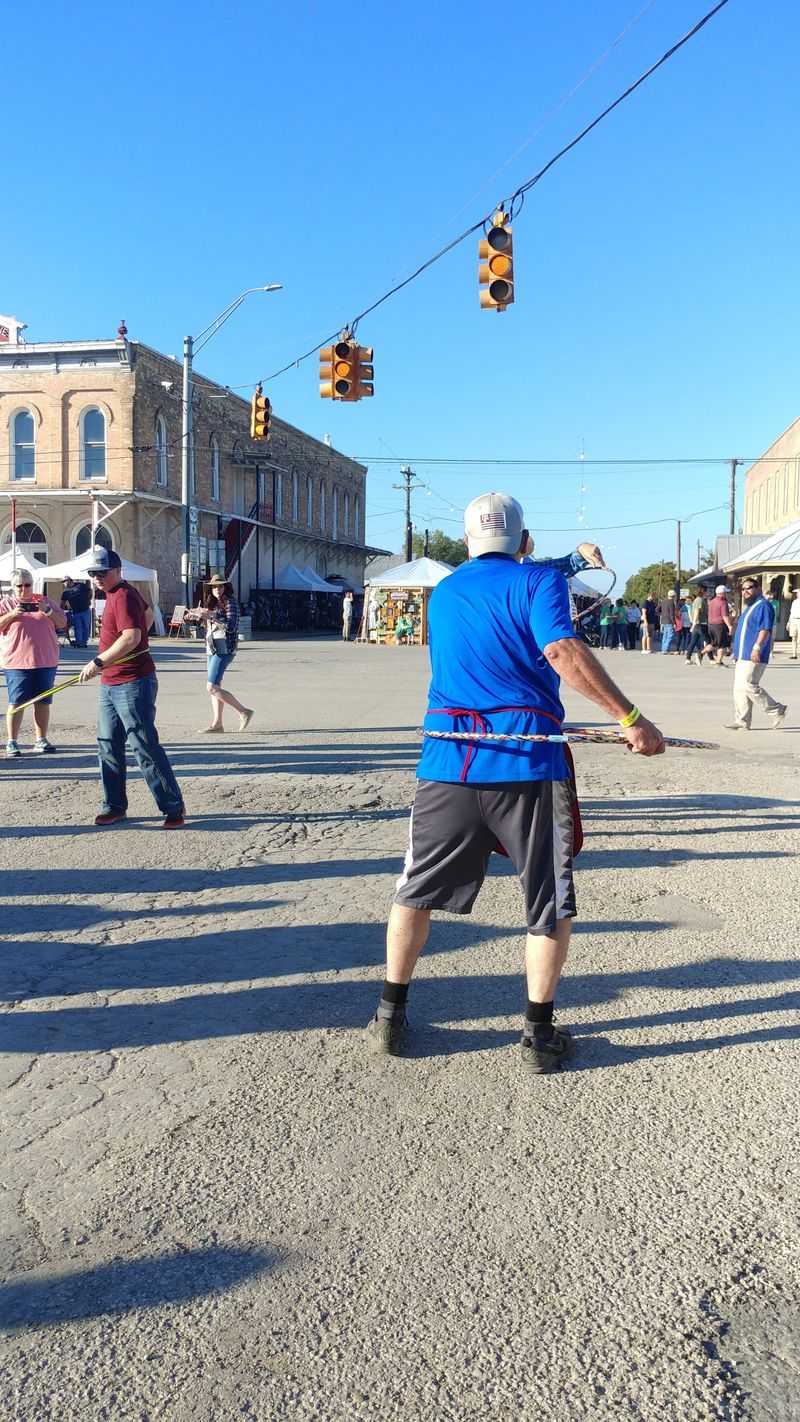
Flatonia celebrates its heritage with festivals that draw crowds from across the region. The biggest is Czhilispiel, a fall festival that combines Czech culture with Texas chili, because why not?
It’s the kind of event that makes sense only in Texas, where immigrant traditions and cowboy culture have been mixing for generations.
These festivals aren’t tourist traps manufactured to sell souvenirs. They’re genuine community celebrations that happen to welcome outsiders.
You’ll see local families who’ve been coming for decades, kids running around while their parents catch up with neighbors. There’s Czech music, traditional dancing, food that grandmothers taught their granddaughters to make, and yes, plenty of kolaches.
What I appreciate about small town festivals is how they reveal the personality of a place. You can’t fake the easy familiarity between people who’ve known each other their whole lives, or the pride residents take in sharing their traditions with visitors.
Flatonia’s festivals feel authentic because they are authentic, celebrations that would happen whether outsiders showed up or not, though everyone’s welcome to join in if they do.
The Surrounding Farmland That Sustains Everything
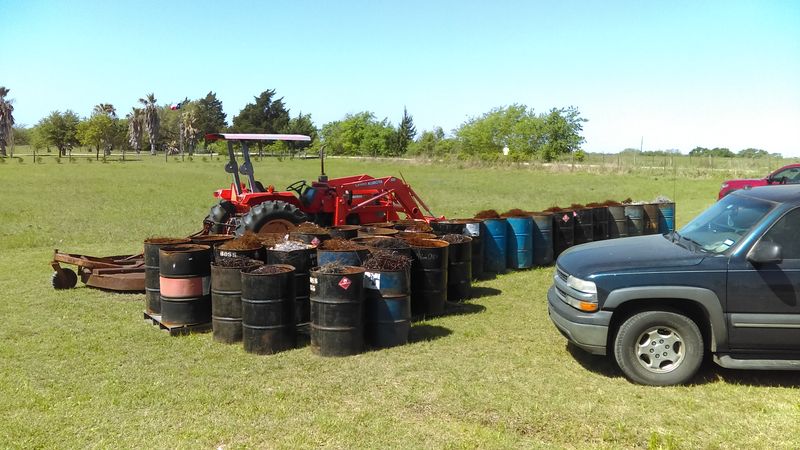
Flatonia doesn’t exist in isolation. It’s surrounded by working farmland and ranch country, the kind of landscape that feeds cities and sustains rural communities.
Drive any direction out of town and you’ll see cattle grazing, fields planted in rotation, the wide open prairie that drew settlers here in the first place.
This agricultural foundation shaped everything about the town’s character. The people who built Flatonia were farmers and ranchers, practical folks who understood the relationship between hard work and survival.
That sensibility persists today, even as fewer residents work the land directly. The town still operates on agricultural rhythms, aware of weather patterns and planting seasons in ways that urban areas have long forgotten.
I drove out past the town limits one afternoon, windows down, watching the landscape roll past. The land here isn’t dramatic, no mountains or canyons, just gentle rises and long views under an enormous sky.
It’s the kind of country that requires you to adjust your sense of scale, to appreciate subtle beauty rather than spectacular scenery. The farms and ranches around Flatonia represent continuity, families working land their grandparents worked, maintaining a way of life that’s increasingly rare.
Historic Churches That Anchor the Community
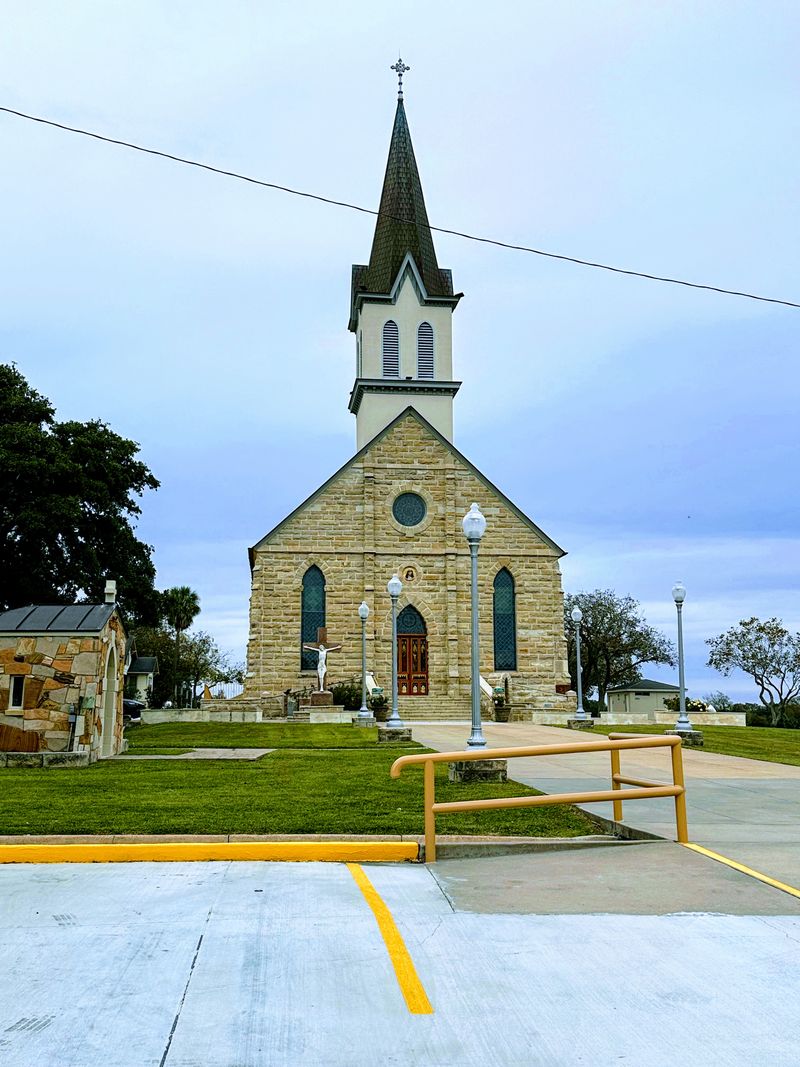
The churches in and around Flatonia tell the story of faith that sustained immigrant communities through hard times. Czech Catholics and German Lutherans built impressive structures, some surprisingly grand for such a small town.
These weren’t afterthoughts or simple meeting halls, they were statements of permanence, declarations that these settlers intended to stay.
The architecture reflects Old World traditions adapted to Texas conditions. You’ll see European design elements in the steeples and windows, but built with local materials and adjusted for the climate.
Some churches still hold services in Czech or German on special occasions, maintaining linguistic connections that have survived for over a century.
These buildings anchor the community in ways that go beyond religion. They’re gathering places for weddings and funerals, landmarks that help people navigate, touchstones connecting present residents to their ancestors.
The cemeteries surrounding many churches are history lessons in stone, with names and dates documenting the families who built this town. I spent time walking through one, reading inscriptions, trying to imagine the lives behind the dates, the challenges these people faced and overcame.
The Quiet Pace That Feels Like Time Travel
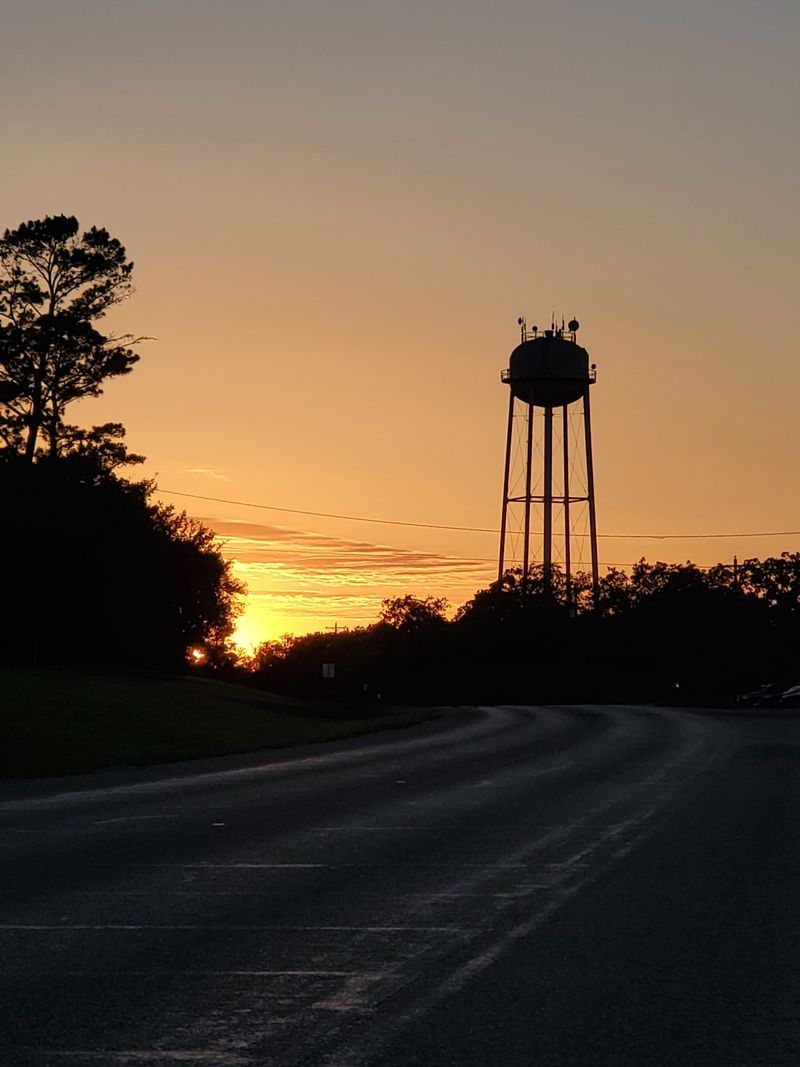
Flatonia moves at a different speed than the interstate traffic rushing past. There’s no hurry here, no sense that you’re missing something if you don’t rush to the next attraction.
Partly that’s just small town life, but it’s also something more deliberate, a community that’s chosen not to chase every trend or reinvent itself for tourists.
You notice it in small ways. Conversations that aren’t rushed, people who make eye contact and nod hello even if they don’t know you.
Businesses that close when they close, not staying open late just because someone might want something. It’s the pace of a place where people know their neighbors, where relationships matter more than transactions.
I sat on a bench downtown one afternoon, just watching the town go about its business. A few cars passed, someone swept the sidewalk in front of their shop, a couple walked by with their dog.
Nothing dramatic happened, nothing Instagram-worthy, just ordinary life unfolding at human speed. In a world that constantly demands we move faster, consume more, optimize everything, there’s something deeply appealing about a place that simply refuses to hurry.
A Stop Worth Making on Your Next Road Trip
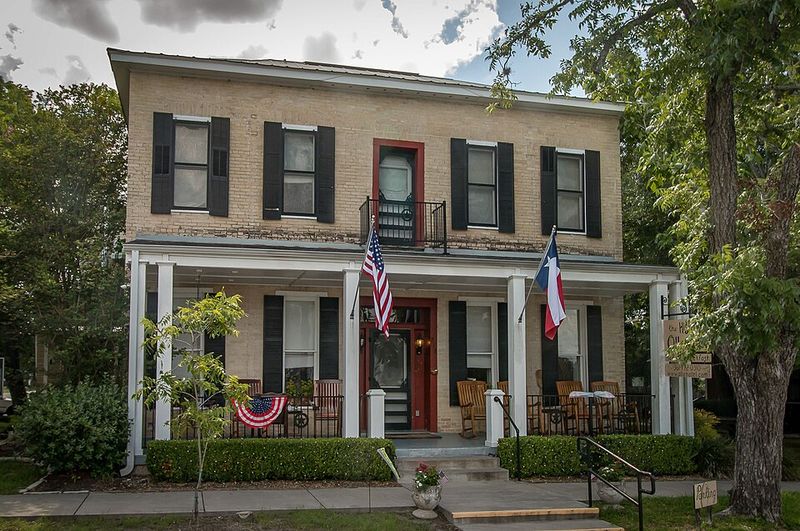
Most people discover Flatonia by accident, pulling off for fuel or food and finding more than they expected. But it’s worth making this an intentional stop rather than a random one.
The town offers something increasingly rare, a genuine small town experience without the manufactured charm that tourist destinations often project.
You don’t need a full day here. A couple hours will let you grab kolaches, walk the downtown streets, and get a feel for the place.
But those couple hours can shift your perspective, reminding you that Texas is more than its big cities and famous attractions. The state’s character was built in places like Flatonia, by people who chose to stay and build rather than chase the next big thing.
Next time you’re driving I-10 between Houston and San Antonio, take the exit. Stretch your legs, try a kolache, look at the old buildings, talk to whoever’s behind the counter.
You might find, like I did, that the best parts of a road trip aren’t the destinations marked on your map but the small detours you didn’t plan on taking. Flatonia won’t change your life, but it might remind you why small towns matter.
Dear Reader: This page may contain affiliate links which may earn a commission if you click through and make a purchase. Our independent journalism is not influenced by any advertiser or commercial initiative unless it is clearly marked as sponsored content. As travel products change, please be sure to reconfirm all details and stay up to date with current events to ensure a safe and successful trip.
