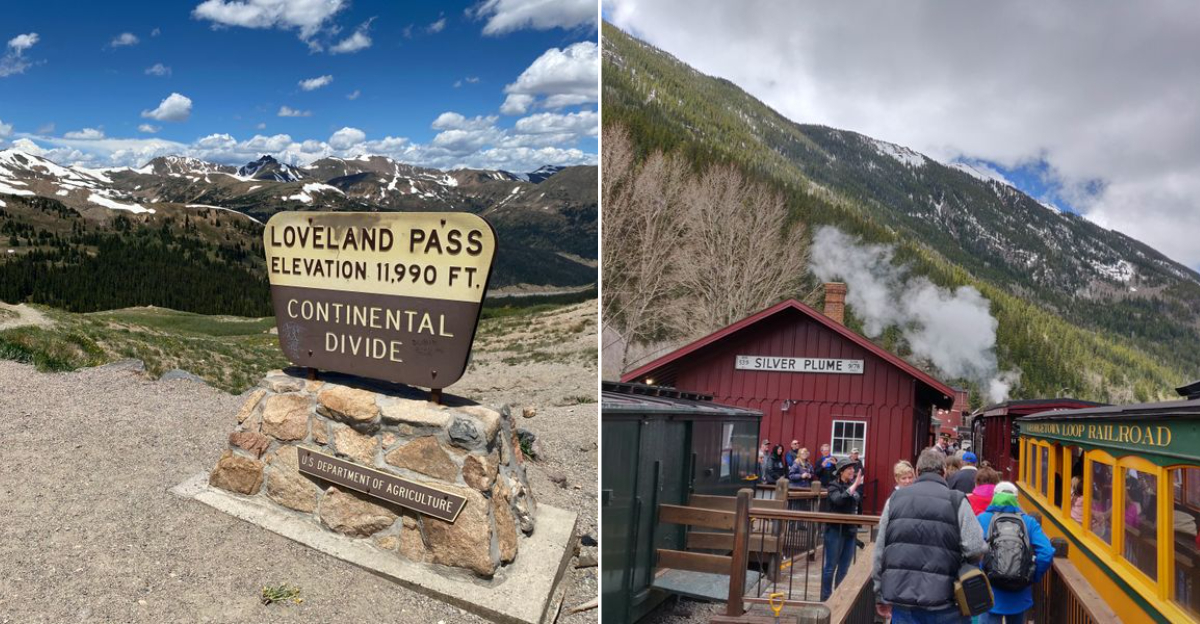
Ever wonder what it’s like to drive through Colorado in the middle of winter, with snow-covered towns popping up along the way?
That’s exactly the experience you get on a road trip through the state’s old mining villages.
The streets are lined with weathered buildings, the mountains rise in the background, and the snow gives everything a quiet, almost timeless look. These towns are places where history still shows in the details.
You’ll pass through communities that once thrived on silver and gold, now standing as reminders of another era.
The drive itself is part of the adventure: winding roads, crisp air, and views that make you want to stop just to take it all in. What makes the trip special is the mix of atmosphere and story.
You grab coffee in a small café, chat with locals who know the history, and keep moving, each stop adding something new.
By the end, you realize it wasn’t just a drive. It was a glimpse into Colorado’s past, still alive under the snow.
Idaho Springs Warms You Up With Gold Rush Grit
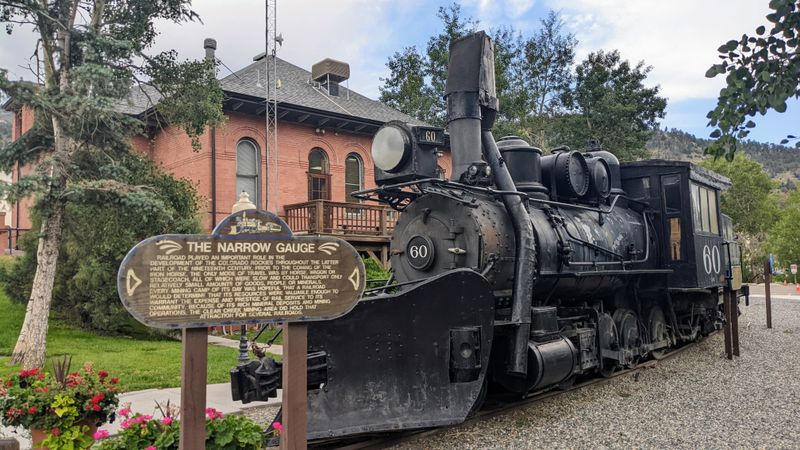
Let’s kick off in Idaho Springs!
The address you want to plug in is 1709 Miner St, which drops you right into the compact downtown.
Park once and wander slower than you think you should, because winter light bounces off those old facades in a way that calms the mind.
What hits first is the lived-in vibe. This is not a staged theme street, and that’s exactly why it works.
You can read the mining era in the brickwork and the narrow fronts, then glance toward the creek and picture sluice boxes and frozen boots.
If your hands get cold, step inside a shop to warm up and chat with someone who actually lives here year round.
Need a quick personal tip? Duck onto Colorado Boulevard for a few side blocks that show different angles of the same story.
You can wander past Idaho Springs City Hall at 1711 Miner St, then loop back by the creek path.
If you are ready for a small detour, drive a few minutes to the Argo Mill site at 2350 Riverside Dr, and look up at that hulking profile against the snow.
Even from the outside, it explains the scale this valley carried.
Idaho Springs sets the tone for Colorado’s mining history because it still feels like work happens here, even when the streets are quiet.
Georgetown Looks Like A Snow-Globe Mining Town
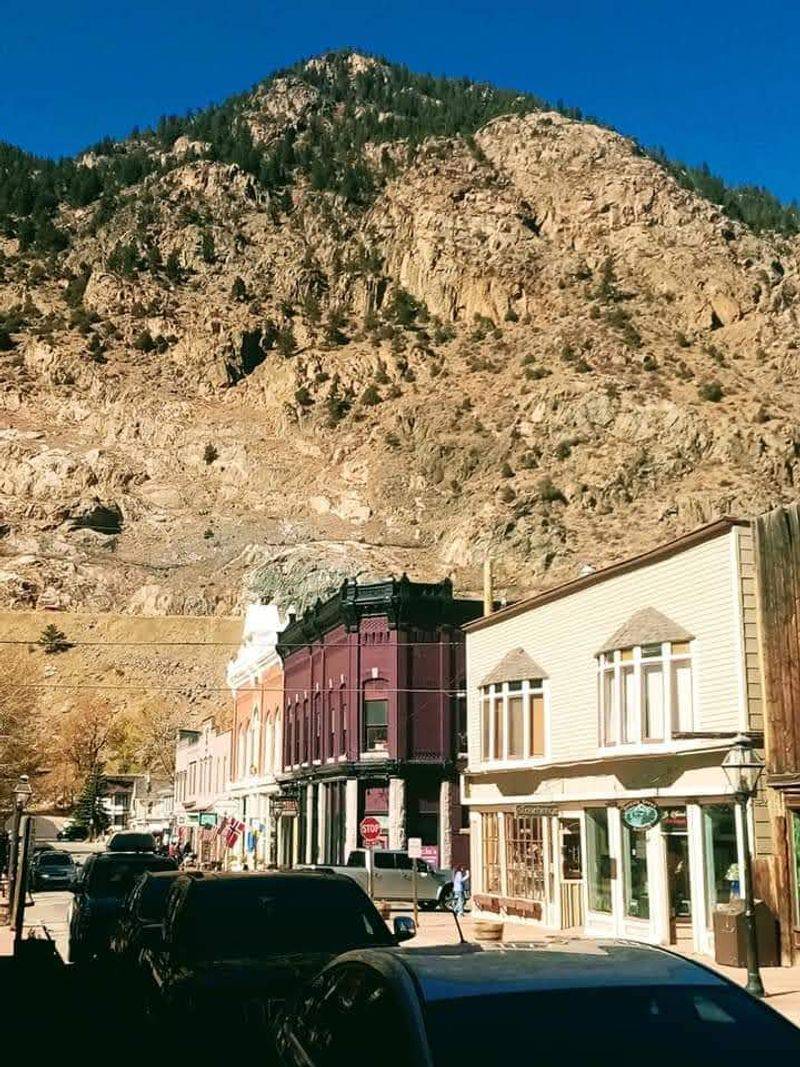
Georgetown turns gentle when the snow settles.
Aim for the heart of town and step into a main street that feels like it kept the best pages of history.
The Victorian trim, the narrow sidewalks, and the mountain backdrop all click the moment your boots hit the snow.
I like to start at the courthouse block and stroll slowly toward the museum corner.
The winter hush gives you room to see details you’d miss in summer. Painted window frames, wooden cornices, and the way the roofs hold powder create a scene that feels personal.
You are not rushing, and that changes everything.
Curious about the lake? Swing to Georgetown Lake, where the open views circle back to town.
It helps stitch the setting together, showing how the valley holds the community like a bowl. From there, return to Taos Street and let your pace drop again.
What keeps me here is the balance. The architecture stands proud, but winter strips away any gloss and leaves the structure.
You can picture freight moving along Argentine Street, hear sled runners in your head, and feel the state’s mining backbone under your boots.
This town does not shout. It lets you listen, and that’s why it lingers after you drive away.
Silver Plume Feels Like The Town Time Forgot
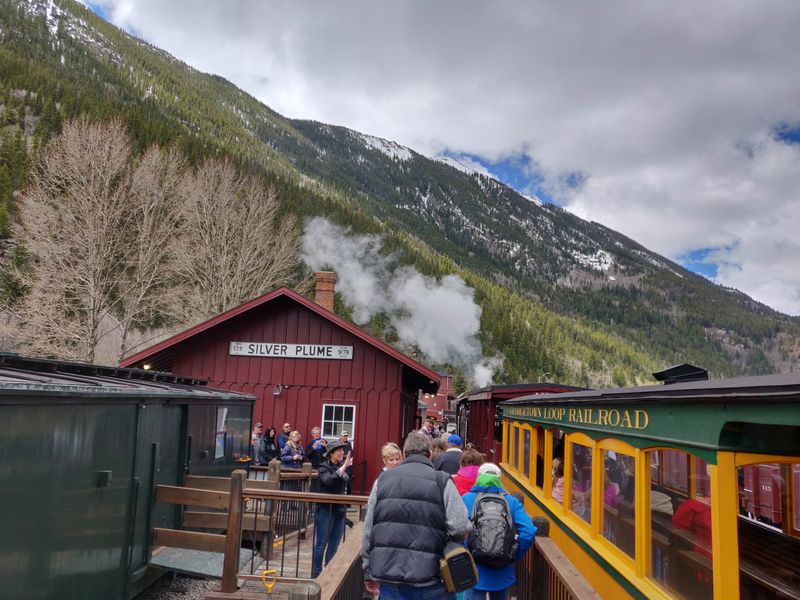
Silver Plume sits just up the road, smaller and quieter, and it sneaks up on you in the best way.
You will see wood sided houses with low roofs, old storefronts, and a street grid that follows the hillside instead of rules.
The winter air feels still here. Footsteps sound sharp on packed snow, and you start to notice fences, sheds, and tiny porches that carry family stories.
Want a quick photo stop? Walk toward the old depot area near 825 Fourteenth St, and frame the mountains tight behind the buildings.
The proportions feel human, not grand, and that changes how you read the town’s mining past. You can imagine the rhythm of shifts, kerosene light, and a stove warming one small room.
Silver Plume pairs nicely with Georgetown, because you get two sides of Colorado mining life in minutes.
One dresses up, the other shows its work clothes.
In winter, the contrast sharpens, and you see how both belong. When you roll away, keep your speed slow.
This place runs on quiet, and it deserves the same from anyone passing through.
Loveland Pass Delivers Big Mining-Era Scale
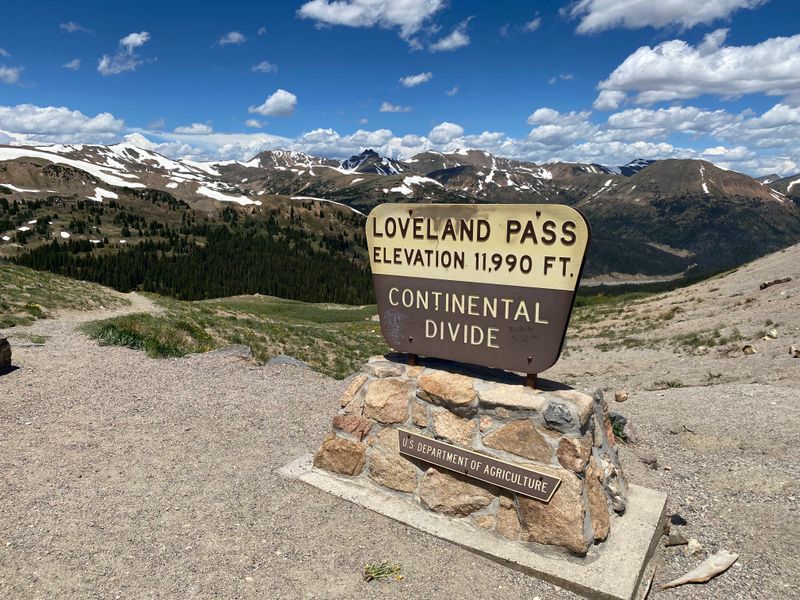
Time to climb! Loveland Pass gives you altitude and perspective, and winter brings the story into focus.
Set a waypoint near the summit sign, and take your time as the road rises above the trees.
Why does this matter for mining history? Routes like this moved ore, timber, mail, and grit through conditions that make modern travel look easy.
The curves carve across wind scoured slopes where every load counted. I like to pull into a safe turnout and let the wind rattle the doors for a minute, just to feel the scale in my bones.
On clear days you can see ridges running for miles, and the line of the road threads the high country like a pencil mark.
I think it helps to think about teams inching along in storms, because it adds weight to every bend. If conditions feel touchy, you can simply tag the top and return the same way.
No need to prove anything to the mountain.
This pass connects your first day arc from Georgetown and Silver Plume toward the deeper interior.
It also gives you a clean reset before the next town. When you roll down, Colorado feels bigger, and the mining era feels closer.
That combination is the point, and winter is the lens that makes it sharp.
Central City Brings Gold History
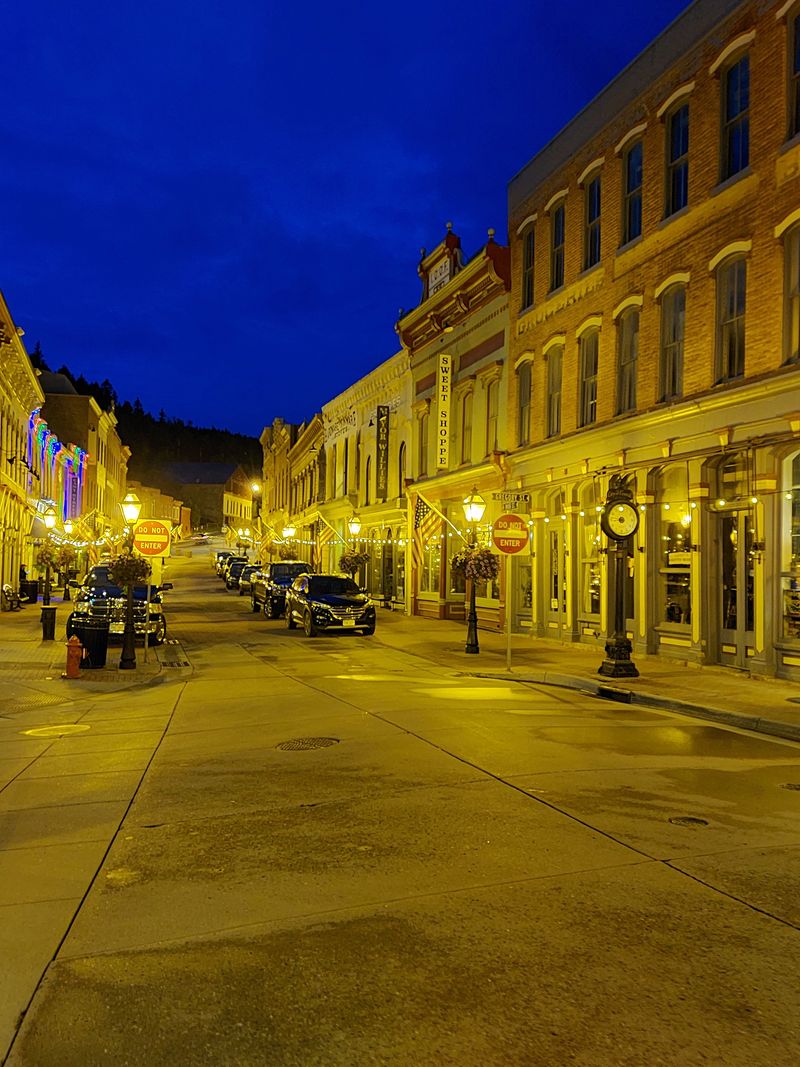
Drop into Central City and you meet history with a twist.
The drive in curls through hills that once rang with strikes and rumors. Winter slows everything down, which helps you see the architecture instead of just the motion.
You will notice doorways that once funneled miners and merchants in and out all day.
The modern gaming scene runs beside that story, but the buildings keep the upper hand when snow quiets the streets.
I like to loop the back lanes, then stand still where the road steps up near Spring Street. You can feel the grade in your calves, which makes the town layout make sense.
Supplies climbed, and money rolled back down. Winter light brushes those truths into every corner and alley.
Before you leave, swing past the Gilpin County Courthouse at 203 Eureka St.
The stone, the steps, the clustered rooftops around it, all read like a living diagram of Colorado’s gold years.
This place does not feel stuck. It feels layered, and a cold day helps you read each layer without hurry.
Black Hawk Shows The Industrial Side Of Mining Towns
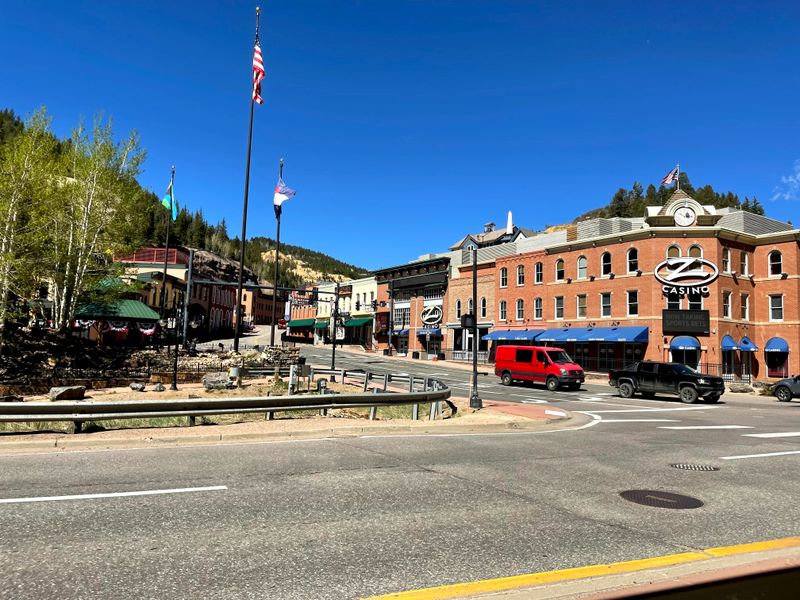
Slide a mile down to Black Hawk and the mood shifts fast.
Aim for the center, where the canyon pinches and the town stacks upward. The vertical feel tells you how hard everything was to build here.
Walk a short loop past the preserved buildings, and keep glancing up. You will see how mining wealth squeezed into tight ground and climbed the slopes when space ran out.
Winter outlines stairways, retaining walls, and rooflines like pencil marks on paper. It turns the whole place into a diagram you can read at a glance.
I like the contrast between Black Hawk’s compact core and the open grades you just drove. The town looks tough, built to wrestle with terrain instead of tame it.
That is the industrial side of Colorado’s mining story, the part that shows how form followed geology. A few minutes here adds a lot of context to the rest of the route.
With snow on the quiet streets, you can imagine shift whistles and clattering wagons.
Then it is back to the car and deeper into the mountains, with a sharper sense of how towns grow in tight canyons.
Leadville Anchors Day Two With High-Altitude History
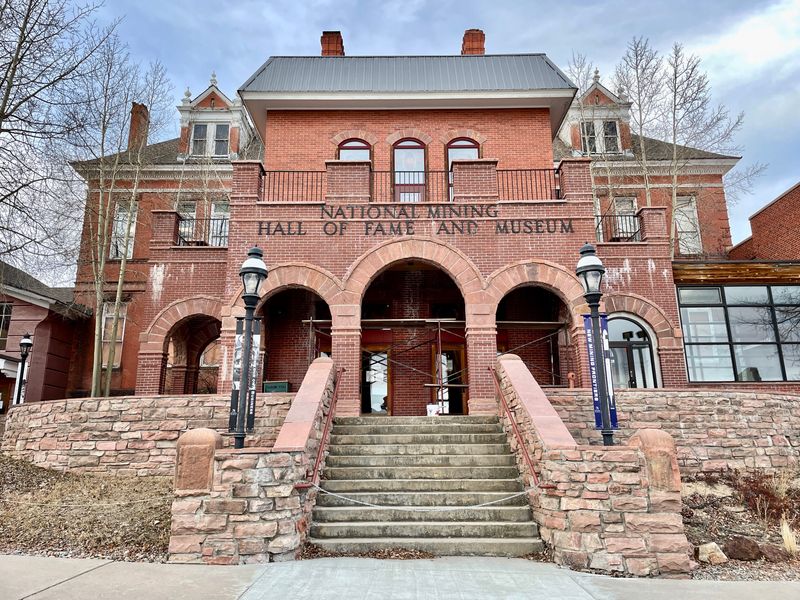
Day two starts in Leadville, and the air wakes you up the second you step out!
Point the car to 809 Harrison Ave, and look down a street lined with color and history. The buildings stand shoulder to shoulder like old friends who kept each other warm.
I like to take a slow walk in this town, the snow adds definition to trim and cornices, making each storefront feel carved.
The rhythm of doorways tells you this was a working main drag, not a prop. You can almost hear boots on wood and the creak of a stove inside.
If you want a broader view, swing by the National Mining Hall and Museum exterior at 120 W 9th St.
Even without going in, the footprint and setting remind you why this town mattered to the state.
The skyline of peaks presses close, and winter makes the frames feel sharper. It all clicks when your breath fogs and the street feels hushed.
Leadville sets the tone for the day. The altitude adds clarity, and the history sits in plain sight.
Make sure to keep your schedule roomy, because short walks turn into long looks here. When you roll out for the next stop, you will carry the feeling that this town does not pretend.
It simply stands tall in the cold.
Twin Lakes Reflects Mining’s Support Network
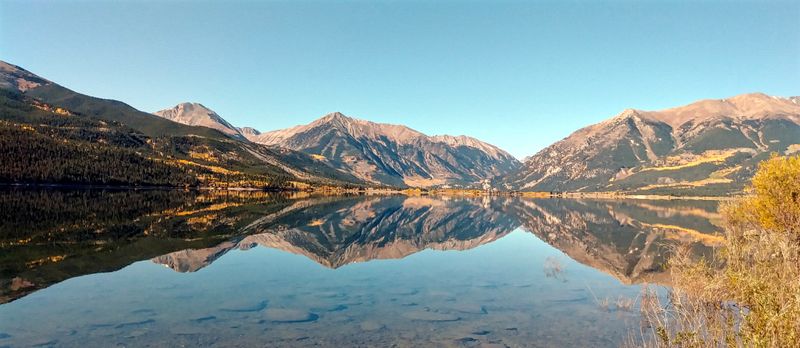
Ready for a calmer chapter?
Head south to Twin Lakes and let the mountains widen the frame. Step out where the shoreline opens the view like a curtain.
In mining days, places like this supported the bigger towns with routes, supplies, and rest. You can still feel that role.
The cabins and trailheads sit quietly, and winter erases hurry. I like to stand by the water’s edge, listen for a crack in the ice, and trace the peaks that ring the basin.
It is peaceful without being empty.
Drive a bit farther to the village area. The handful of buildings pull the landscape into human scale, and you start to picture traffic moving between Leadville and the passes.
The snow sets a slow rhythm that matches the road trip mood. A short stroll here goes a long way, trust me.
Twin Lakes adds balance to the day. Colorado’s mining story needed these in between places as much as headlining camps.
You will leave with quieter shoulders and a wider sense of the region. That calm stays with you as the route tilts back toward the high ground and the next piece of the railroad tale.
Tennessee Pass Tells A Railroad And Ore Story
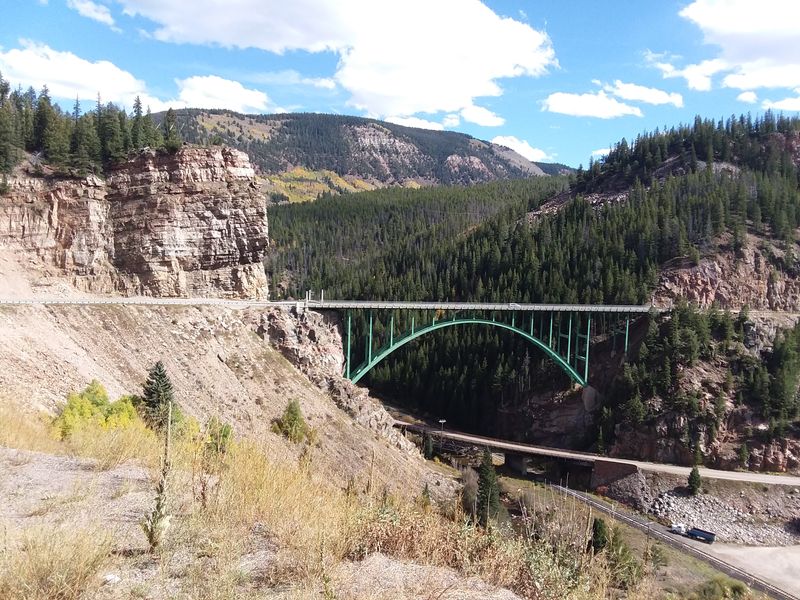
Point the hood toward Tennessee Pass and think about trains muscling through storms.
A good reference point is near US 24, Leadville, where the road begins to climb toward the saddle.
Pines close in, then open just enough to hint at the corridor that moved ore and people across the spine of the state.
I like to pull into a safe turnout and look for straight lines in the trees. That is the old rail grade hiding in plain sight.
When snow stacks evenly along a bench, you know you are seeing human geometry inside a wild country. It makes the whole logistics story click without needing a classroom.
As you crest and drop, imagine the schedules and the crews that kept this line alive through winter.
Every drift fought back, every mile took patience. The landscape does not brag, but the achievement feels big when your tires hum on cold pavement and the engine stays steady.
This stop wraps the trip’s theme with a tidy bow: roads, rails, towns, and lakes, all linked by need and grit.
Tennessee Pass turns that web into a single picture you can hold.
From here, the drive eases, and you can coast toward the evening with the feeling that Colorado just told you a true story.
Why This Two-Day Route Works
Here is the simple truth: this loop keeps distances friendly and towns active, which matters when daylight is short.
Colorado in winter rewards patience, and this route bakes that into every mile. You are following a story that stays close to the road.
Starting in Idaho Springs, then running the canyon to Georgetown and Silver Plume gives you a clean first act.
Loveland Pass widens the frame, and Central City with Black Hawk add texture without ruining the pace.
Day two leans into Leadville, that sets the tone for the second day just right.
Twin Lakes and Tennessee Pass finish the lesson on how ore and people moved through real mountains. None of it feels forced.
Roads are maintained, pullouts exist, and the story shows up when snow softens the noise.
You just keep the schedule roomy and the windows clear.
By the time you roll home, you will have seen the state’s history working in the present tense.
The towns feel lived-in, and winter makes them honest. That is why this two day route works.
It matches the season’s pace and lets the landscape do the talking while you simply listen.
Dear Reader: This page may contain affiliate links which may earn a commission if you click through and make a purchase. Our independent journalism is not influenced by any advertiser or commercial initiative unless it is clearly marked as sponsored content. As travel products change, please be sure to reconfirm all details and stay up to date with current events to ensure a safe and successful trip.
