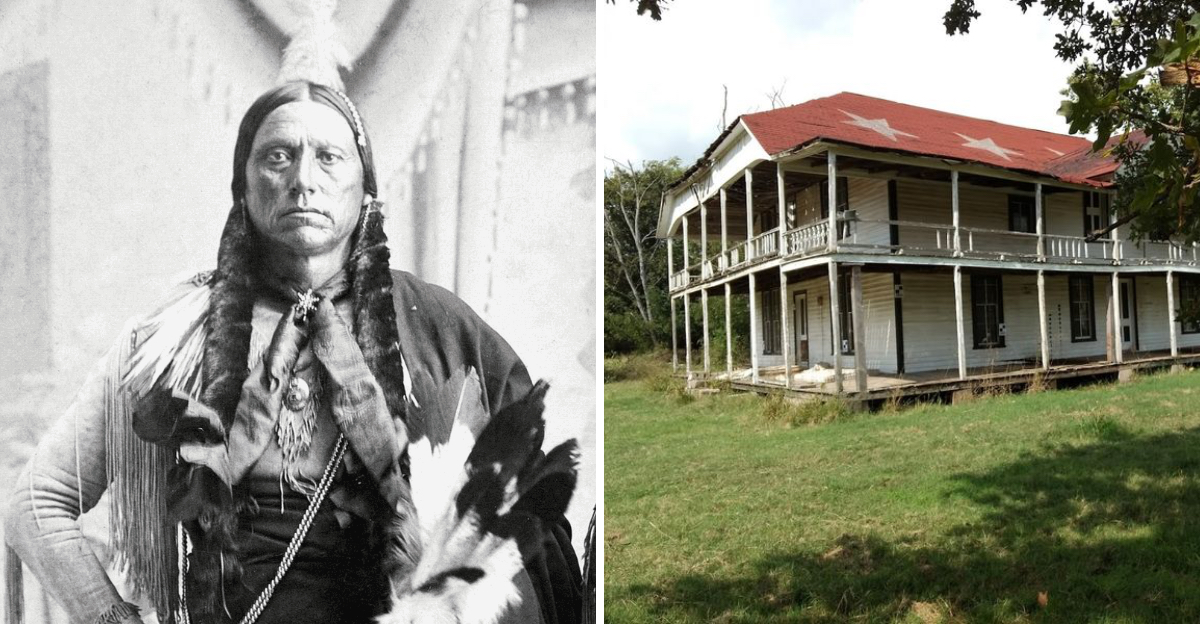
Somewhere on the outskirts of Cache, Oklahoma, a weathered house stands quietly behind a trading post, holding more history than most museums could dream of.
It is the former home of one of the most fascinating figures in American history, a Comanche chief who bridged two worlds with remarkable grace.
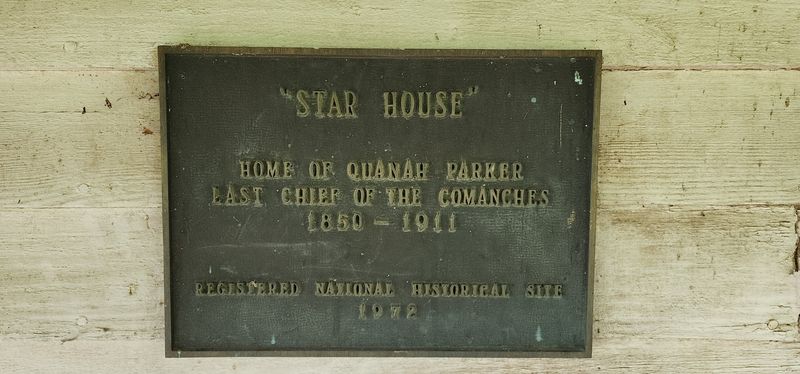
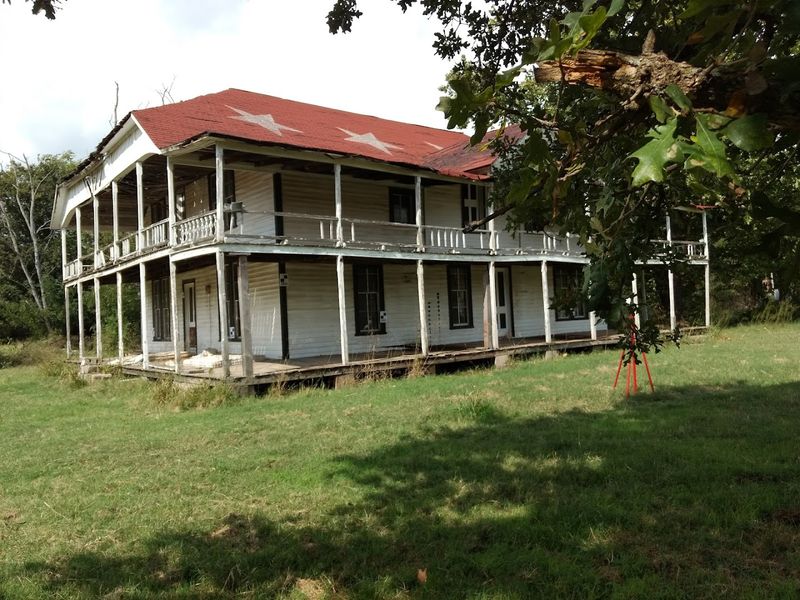
Built in 1890 and named for the five stars painted on its roof, this structure blends Indigenous traditions with Victorian-era design in a way that feels both unexpected and deeply meaningful.
If you have ever wanted to stand near a place where presidents, chiefs, and cattlemen once crossed paths, this is that place.
The Legendary Man Behind the Star House
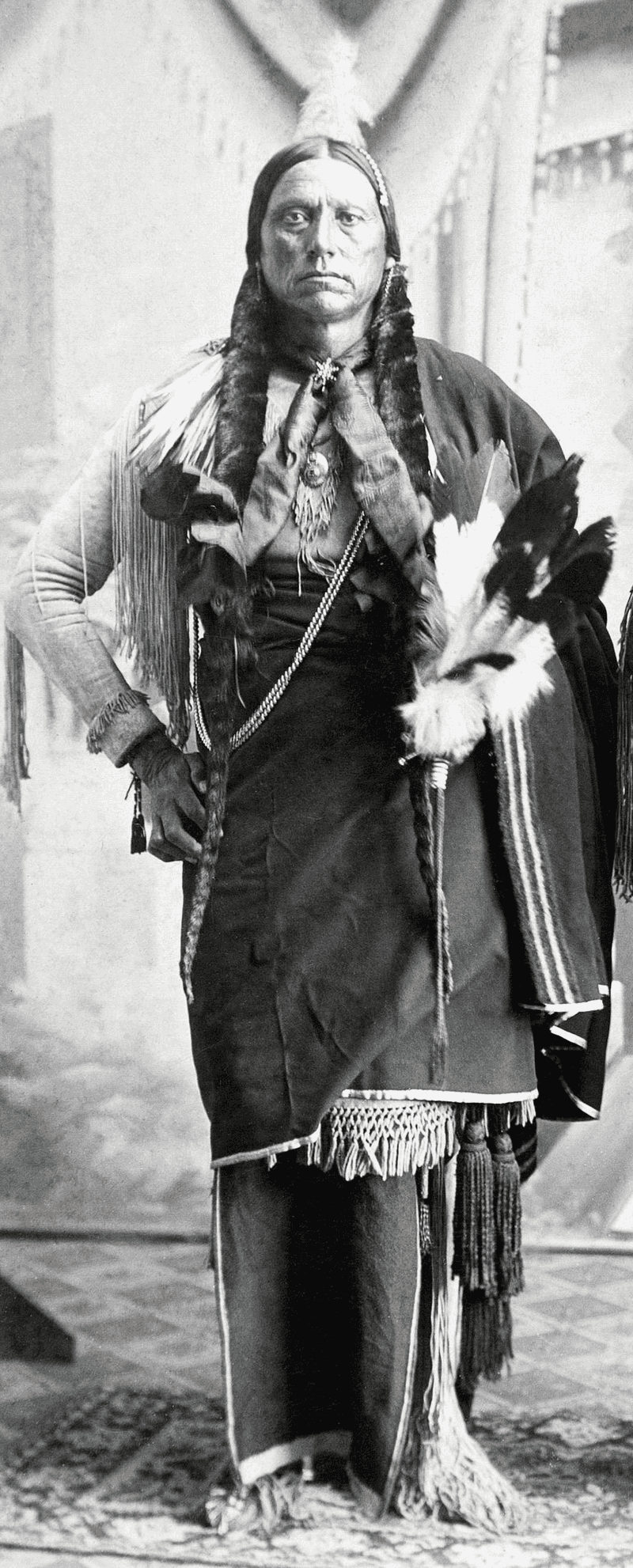
Few figures in American history straddle two worlds as boldly as Quanah Parker did. Born to a Comanche warrior chief and Cynthia Ann Parker, a white woman who had been taken by the Comanche as a child, Quanah grew up fully immersed in Comanche culture.
He became the last free warrior chief of the Comanche Nation, leading his people through some of the most turbulent decades of the 19th century. After the Red River War of 1874, he guided his people onto the reservation at Fort Sill, Oklahoma, and transformed himself into a statesman and negotiator.
Rather than retreating from change, he embraced it strategically, learning English, leasing grazing lands to Texas ranchers, and building relationships with powerful political figures. His ability to move between cultures without losing his identity made him a towering figure in Oklahoma history.
The Star House was both his personal home and a symbol of that dual identity, a place where Comanche traditions and Victorian-era American life coexisted under one roof decorated with five bold stars.
How the Star House Got Its Name
The five stars painted on the roof of this house are not just decoration. They are a story in themselves, and a rather clever one at that.
When President Theodore Roosevelt visited Oklahoma to designate the first U.S. Wilderness Area near the Wichita Mountains, Quanah Parker invited him to stay at his home.
Roosevelt had previously hosted Quanah at a four-star hotel in Washington, D.C., during an official visit.
Quanah, never one to be outdone, had five stars painted on the roof before Roosevelt arrived, essentially telling the president that his Oklahoma home outranked any hotel in the capital. That kind of wit and confidence captures exactly who Quanah Parker was as a person.
The stars became the defining feature of the property, giving the house its enduring name. Even today, in its worn and weathered state, the Star House carries that name with a certain dignity.
Located on North 8th Street in Cache, Oklahoma, the house stands as a reminder that history is sometimes shaped by gestures as simple and bold as painting five stars on a roof.
The Architectural Blend That Makes This House Unique
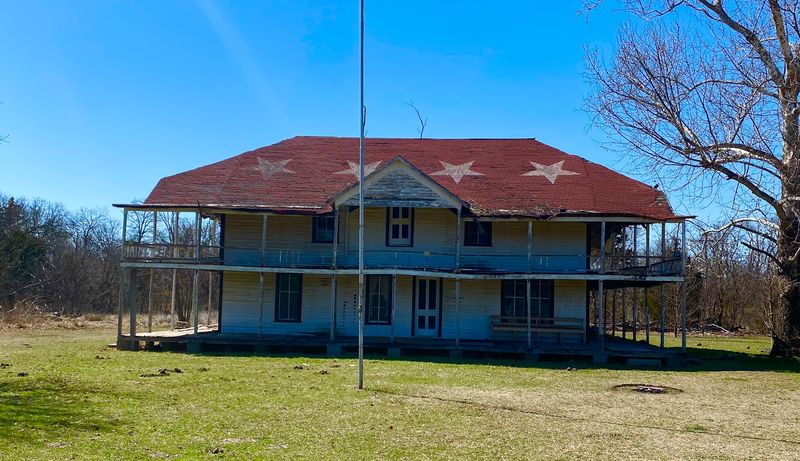
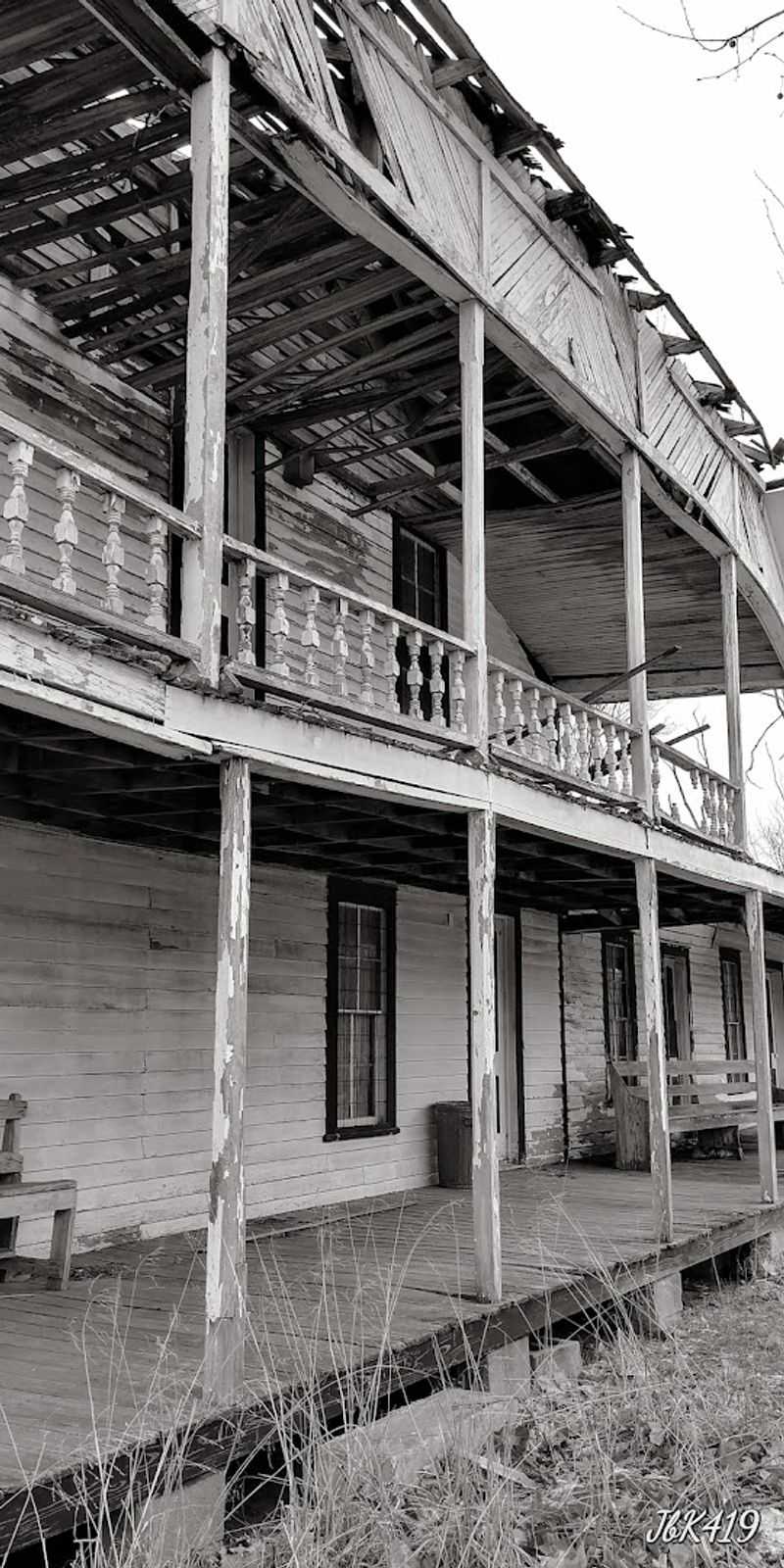
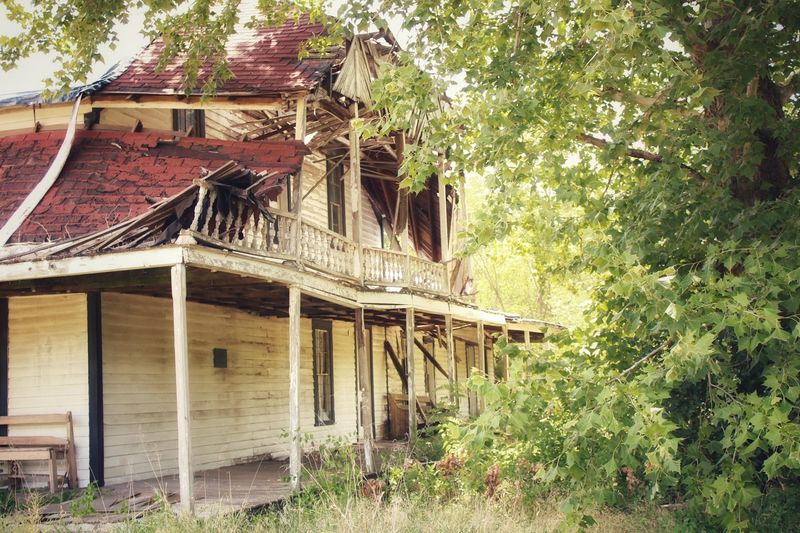
Walking up to the Star House, even in its current state, you can see how unusual its design really is. The structure follows Victorian-era American architecture, with a large frame, wraparound porches, and multiple rooms designed for hosting guests.
Texas cattlemen who had business dealings with Quanah funded the construction of the house in 1890, and they built it to reflect the social status that Quanah had earned as a leader and negotiator. It was meant to impress, and by all accounts it did.
At the same time, the house was never simply a copy of any standard American home of the period. Quanah used it to host traditional Comanche gatherings, ceremonies, and councils, filling its rooms with a cultural life that no Victorian blueprint could have anticipated.
The blend of European-American construction style with Indigenous daily life and ceremony created something genuinely original. It was a home that belonged to both worlds at once, and that made it unlike anything else on the Oklahoma plains.
That architectural and cultural fusion is a big part of why preservationists, historians, and travelers keep returning to Cache, Oklahoma, hoping to see it before time runs out.
Cynthia Ann Parker and the Story That Shaped Everything
To understand Quanah Parker, you have to know his mother’s story. Cynthia Ann Parker was a young white girl taken during a raid on Fort Parker in Texas in 1836, when she was around nine years old.
She grew up among the Comanche, eventually marrying a warrior chief named Peta Nocona. Over the years, she became so fully part of Comanche life that when Texas Rangers forcibly returned her to her Parker relatives decades later, she was devastated.
She spent the rest of her life mourning the family and the world she had been torn from. Her son Quanah, who had the clear blue eyes she passed down to him, never forgot her story.
When Quanah eventually settled in Oklahoma and built a life that blended both of his heritages, he carried her memory with him. Cynthia Ann Parker is buried near Fort Sill, not far from her son, in a place that honors both of their extraordinary lives.
Her story adds a layer of emotional depth to every visit to the Star House, because the house itself is partly a monument to what she endured and what her son built from that legacy.
President Roosevelt and the Famous Visit to Cache
Not many private homes in Oklahoma can claim a sitting U.S. president as a houseguest, but the Star House can. President Theodore Roosevelt visited Quanah Parker at the Star House during his trip to Oklahoma to establish what would become the Wichita Mountains Wildlife Refuge.
The two men had a genuine friendship, which was itself remarkable given the era. Roosevelt respected Quanah as a statesman and leader, and Quanah understood how to use that relationship to advocate for his people and their land rights.
The visit was more than a social call. It represented a moment where the most powerful office in the country sat down in a home built on Comanche terms, in a structure funded by Texas ranchers and decorated with stars that outranked a Washington hotel.
That meeting, held in the rooms of the Star House, carried real political weight. Quanah used his access to Roosevelt to push for policies that benefited the Comanche Nation during a period when Indigenous rights were under enormous pressure.
Standing near the house today in Cache, Oklahoma, it is hard not to feel the weight of that history pressing through the weathered wood and broken windows.
The Current Condition of the Star House and Why It Matters
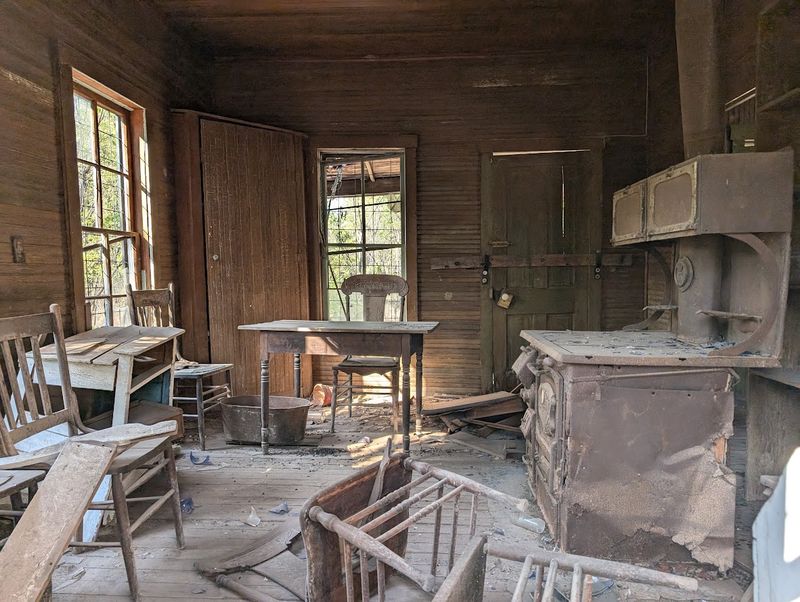
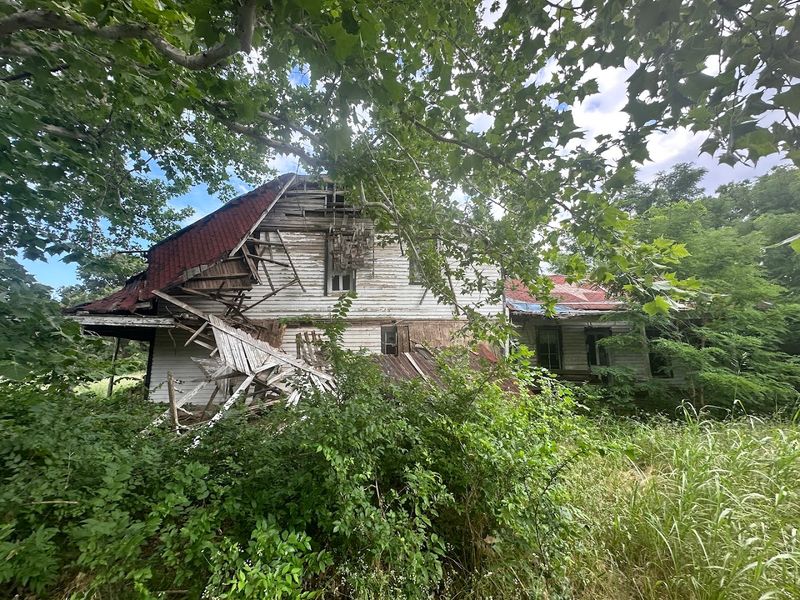
Honesty matters when talking about the Star House today. The building is in serious disrepair, with a caving roof, broken windows, and structural damage that worsens with every passing season.
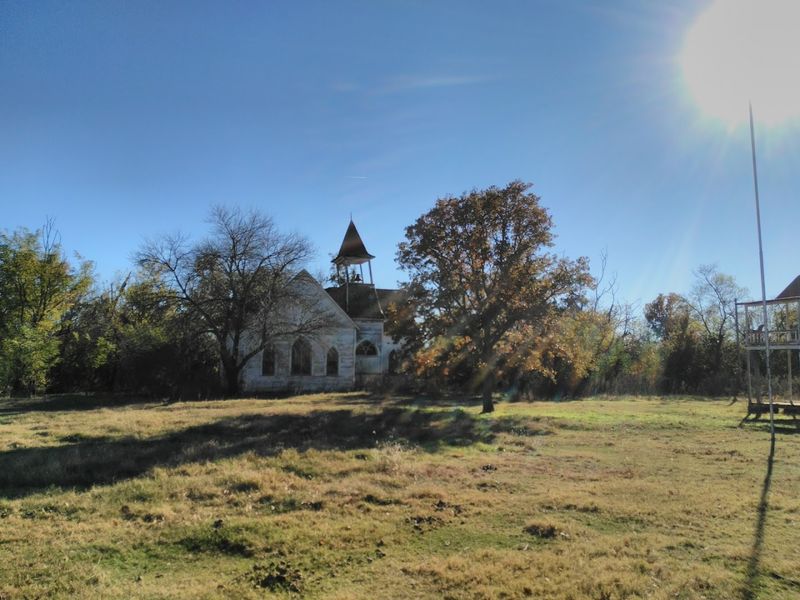
The house sits on private land behind a trading post on North 8th Street in Cache, Oklahoma, and access requires coordinating with the property owner.
The condition of the house makes it impossible to enter safely, and visitors are asked to view it from a respectful distance. Even so, the experience of seeing it in person carries a power that photographs simply cannot replicate.
Preservationists have long argued that the Star House deserves protected status and proper restoration funding. A preservation fund called the Herbert Woesner Preservation Fund exists to support the care of the property, and donations can be made at All American Bank in Cache, Oklahoma.
The urgency is real. Every storm season that passes without intervention brings the house closer to a point of no return, making each visit feel both meaningful and bittersweet.
While the Star House remains a site of immense historical importance, it is currently situated on private property and is closed to the public for interior tours. Due to its fragile structural state, the house can only be viewed from behind a perimeter fence at the Eagle Park location.
Visitors are encouraged to respect the property boundaries while viewing this endangered landmark from a distance.
Planning Your Visit to the Star House in Cache
Getting to the Star House takes a little planning, but the effort is worth it. The property is located at North 8th Street in Cache, Oklahoma 73527, behind the Trading Post, which also operates as a small diner and gift shop.
The best approach is to stop at the Trading Post and speak with the owner, who handles all tours personally. Tours typically begin after 2 PM, once the diner has closed for the day, and the owner escorts visitors by vehicle across a dirt farm road to reach the house.
A four-wheel-drive or vehicle with decent ground clearance is helpful for navigating the road, which has uneven terrain and some notable dips. Wearing long pants is also a practical tip, as ticks can be an issue in the surrounding vegetation during warmer months.
Donations are accepted and genuinely appreciated, as the property owner manages the site independently without institutional support. Calling ahead at the number listed on the website, savestarhouse.com, is the most reliable way to confirm availability before driving out.
Cache, Oklahoma is also within reasonable distance of Medicine Park and the Wichita Mountains Wildlife Refuge, making it a natural stop on a broader southwestern Oklahoma road trip.
The Comanche Nation and the Legacy of Quanah Parker
Quanah Parker’s legacy within the Comanche Nation is complicated and layered in ways that a single house cannot fully contain. He was both celebrated and controversial, a leader who chose negotiation over continued armed resistance after the Red River War.
Some within the Comanche community honored him as a pragmatic protector who secured land leases and political relationships that helped his people survive a brutal period of forced assimilation. Others viewed his accommodations to American power with more skepticism.
What is undeniable is that he remained deeply Comanche throughout his life. He continued to participate in traditional ceremonies, maintained multiple wives in the Comanche tradition, and worked to preserve cultural practices even as he dressed in suits for meetings in Washington.
The Star House itself was a gathering place for Comanche councils and ceremonies, not just a showpiece for outside visitors. That dual function made it genuinely important to the community, not just as a landmark but as a living cultural space.
In Cache, Oklahoma, and across the broader region, Quanah Parker’s name still carries enormous weight, a reminder that leadership sometimes means holding two worlds together by sheer force of will.
Why the Star House Still Deserves Attention Today
There are not many places in the United States where you can stand close to a structure that housed a Comanche chief, a U.S. president, Texas cattlemen, and traditional Indigenous ceremonies all within the span of a single lifetime. The Star House is one of them.
Its current condition makes the visit feel urgent rather than leisurely, and that urgency is part of what gives it such emotional power. Seeing the weathered walls and the tarp-covered roof in person is a different experience from reading about it.
Efforts to raise awareness and funding for the house continue through the savestarhouse.com website and the Herbert Woesner Preservation Fund at All American Bank in Cache, Oklahoma. Supporting those efforts, even in a small way, is one of the most meaningful things a visitor can do.
Oklahoma has many landmarks worth visiting, but few carry the specific weight of this one. The Star House represents a moment in history when cultures collided and one extraordinary person managed to build something lasting from that collision.
Visiting it now, while it still stands, feels less like sightseeing and more like bearing witness to a story that the country has not yet fully reckoned with.
