Creamy yellow brick and a pointed slate roof rose above a Georgia street like the mansion owned the whole block, and I slowed down to stare the first time I spotted it.
Shell shapes were carved above the windows, columns held up the front porch, and the whole building looked like something out of an old storybook.
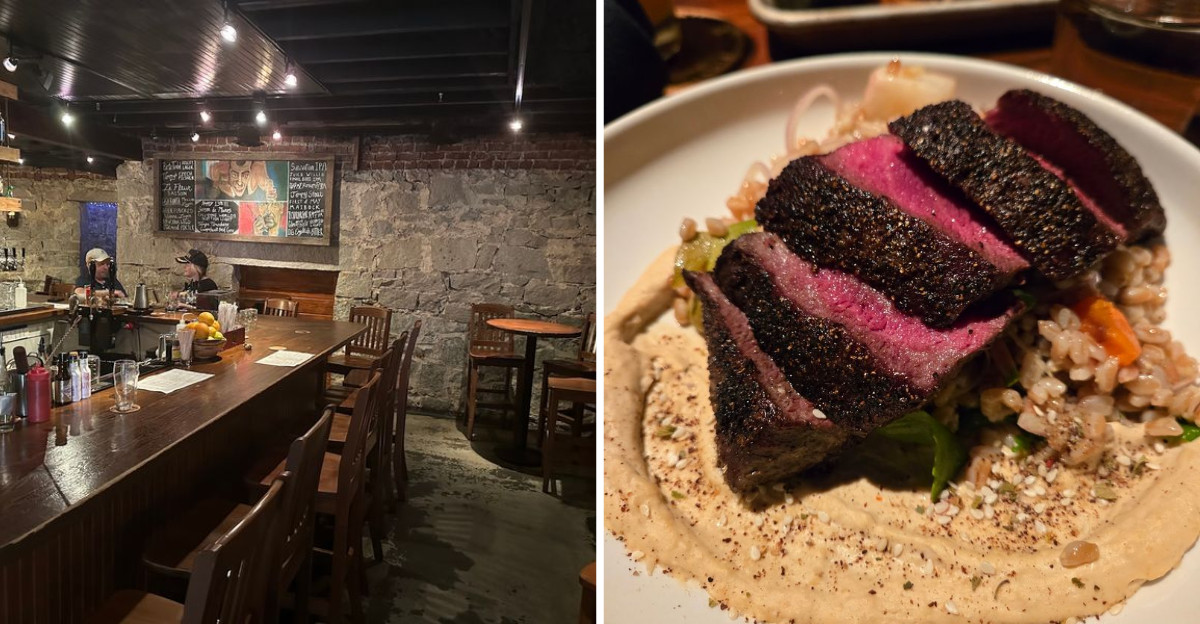
What I did not expect was to walk down a set of stairs and find a warm, low-lit restaurant tucked into the basement, a dining room that felt like a secret even though it had been feeding people for years.
The place almost got knocked down in the 1970s to make room for a gas station, and someone in the neighborhood decided that was not going to happen, a choice that saved the building and gave it a second life.
Now it hosts weddings, fills its tables with locals and visitors, and quietly reminds the city that old buildings do not have to disappear.
I have been back more than once, and honestly, the story is half the reason I keep going.
The Mansion That Refused to Disappear
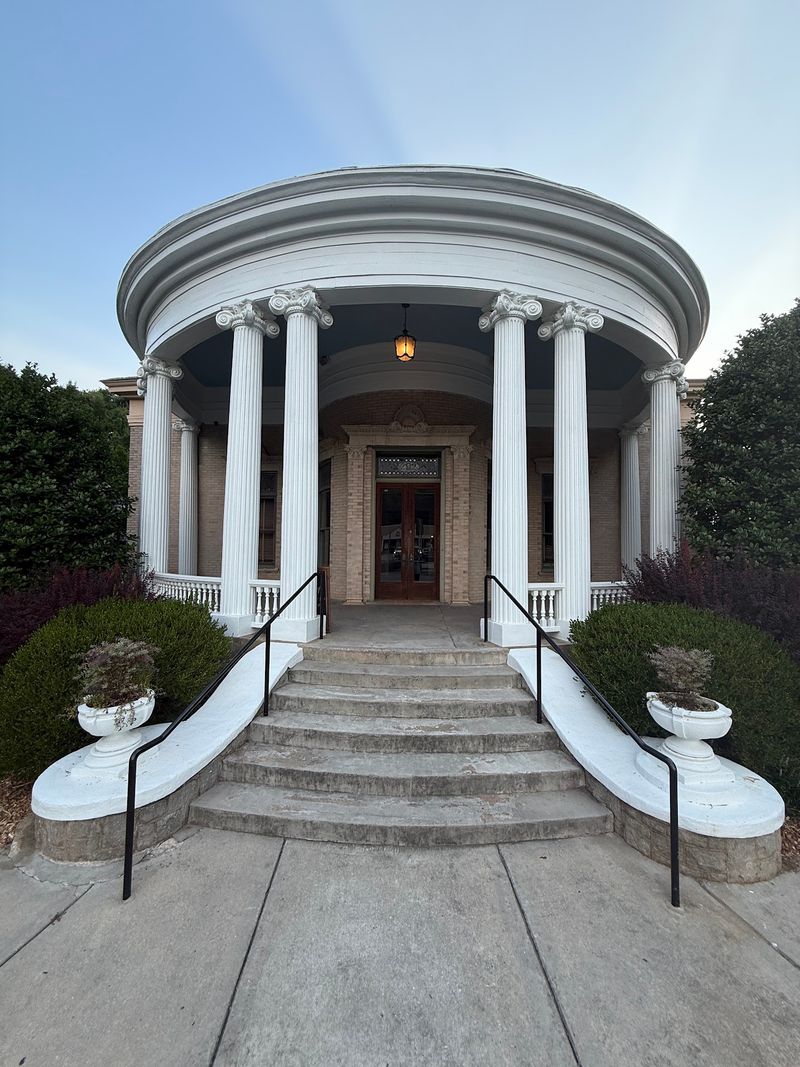
Some buildings just have presence, and this one has it in spades. Built around 1900 for Atlanta businessman Victor Hugo Kriegshaber and designed by architect Willis F.
Denny, the house was meant to impress from the street.
It still does. The yellow brick catches the light differently depending on the hour, and those terra cotta shell shapes above the windows are the kind of detail nobody bothers with anymore.
The history after Kriegshaber left in 1924 reads like a strange scrapbook. From 1929 to 1940 it operated as the Centenary Methodist Protestant Church, and after that it spent twenty-five years as a dance school.
Then came 1970, when the wrecking crews were basically at the door. A local resident named Wilma Stone stepped in and saved it from being flattened for a gas station, which still strikes me as one of the better trades Atlanta ever made.
She turned it into an architectural salvage shop called The Wrecking Bar, and that name stuck around long after the shop closed in 2005. Standing on the sidewalk looking up, I find it genuinely hard to imagine pumps and asphalt here instead.
From Boarded-Up Wreck to a $2.1 Million Comeback
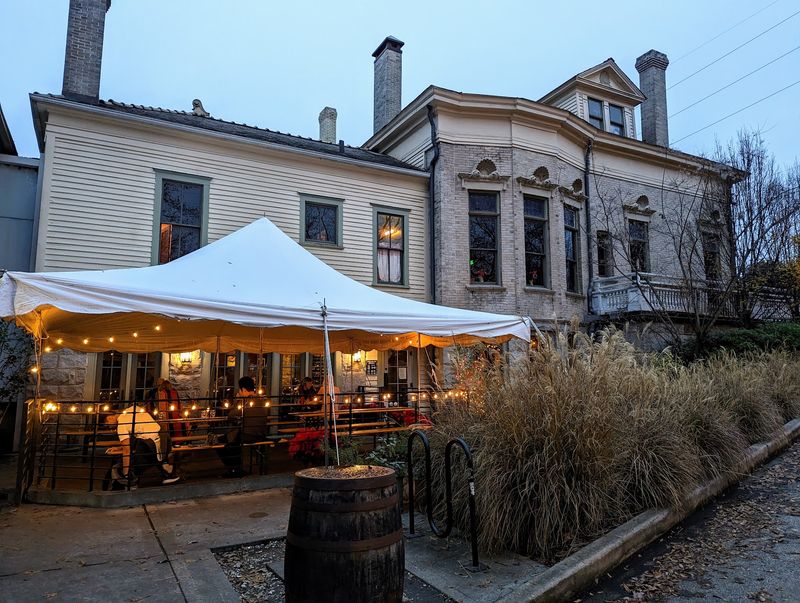
Hard to believe now, but by 2010 this place was in rough shape. The salvage store had closed, the building sat empty, graffiti crept across the walls, and the property slid into foreclosure.
That is usually the point where a historic house quietly vanishes from a city map. Instead, Bob and Kristine Sandage, along with Stevenson Rosslow, bought it and started planning something ambitious.
Restoration work kicked off in 2011 and ran for more than eighteen months. The final price tag came to around $2.1 million, which sounds enormous until you see how much of the original detail survived.
What I appreciate is how the plan handled the space. Rather than gutting the grand rooms upstairs, they put the restaurant and its working areas down in the basement and left the upper floors intact for other uses.
The project earned real recognition in preservation circles, and it deserves it. Every time I go, I think about how easily this could have ended with a demolition permit and a parking lot instead of a dining room full of people.
Down the Stairs Into a Stone Cellar
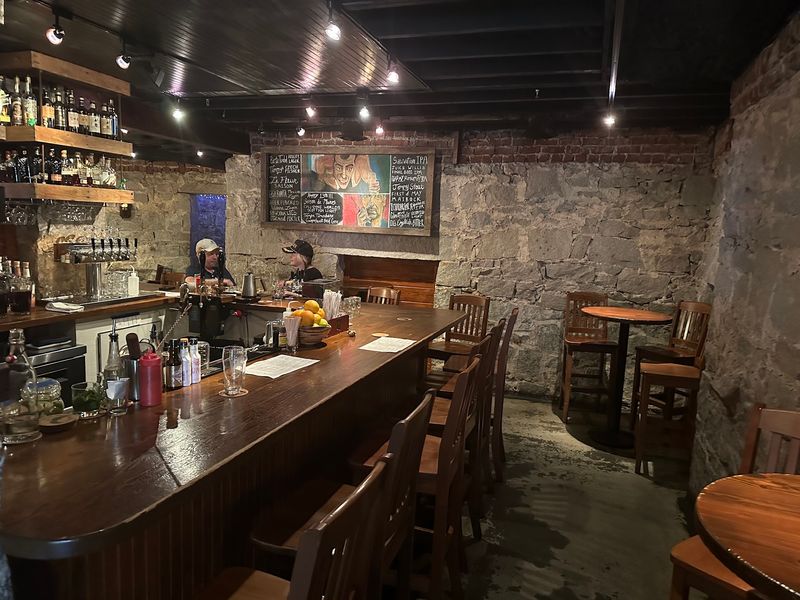
Descending into the basement dining room is the moment the whole visit clicks. Thick granite pillars hold up the ceiling, exposed brick runs along the walls, and heavy wood beams stretch overhead.
One guest described it as looking like an underground cellar from Lord of the Rings, and that is not far off. The lighting stays low and golden, which makes the whole room feel like a good hiding spot.
Sound behaves differently down here too. Conversations stay close to your table instead of bouncing around, so you can actually hear the person across from you without leaning in.
The scale helps. It is not a cavernous hall, and that snugness nudges everyone into a slower pace, the kind where you order one more thing just because you are not ready to leave yet.
Those stone pillars are the real thing, load-bearing and original to the structure. Running a hand along the cool brick, I always get the small thrill of knowing this foundation has been holding up a mansion for well over a century.
The stone holds the cool of the earth even on warm evenings, and the dim light makes every conversation feel more intimate. The whole room feels like a secret the house has been keeping, and the beer brewed in the basement only adds to the magic.
By the time you climb back upstairs, you have forgotten what the outside world looks like. That is the mark of a truly good basement bar.
The Marianna Upstairs Feels Like Another Century
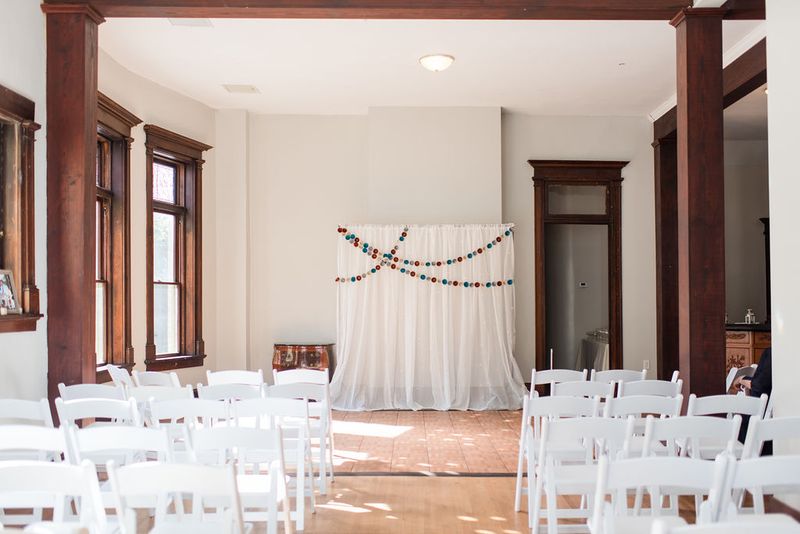
Upstairs is where the mansion shows off. The formal event space is called The Marianna, and it holds onto everything the restoration team fought to keep.
Ceilings climb thirteen feet. Stained glass windows throw colored light across restored hardwood floors, and the original fireplaces are still set into the walls where they have always been.
Couples book it for weddings and rehearsal dinners, and I completely understand why. One reader-friendly detail I love is that the room barely needs decorating, since the architecture already does most of the heavy lifting.
The scale works for smaller gatherings especially well. Around forty guests fills it comfortably without anyone feeling crowded or stranded in a corner, which is a tricky balance for any venue.
There is also a private dining option called The Cellar downstairs, a small room with three tables that suits intimate group dinners. Between the cellar, the main dining areas, the patio, and the Biergarten space, the property offers several completely different moods under one roof.
If you are planning something, ask about the upstairs. Seeing those ceilings in person changes how you think about the whole building.
Farm-to-Table Food With Actual Roots in Georgia Soil
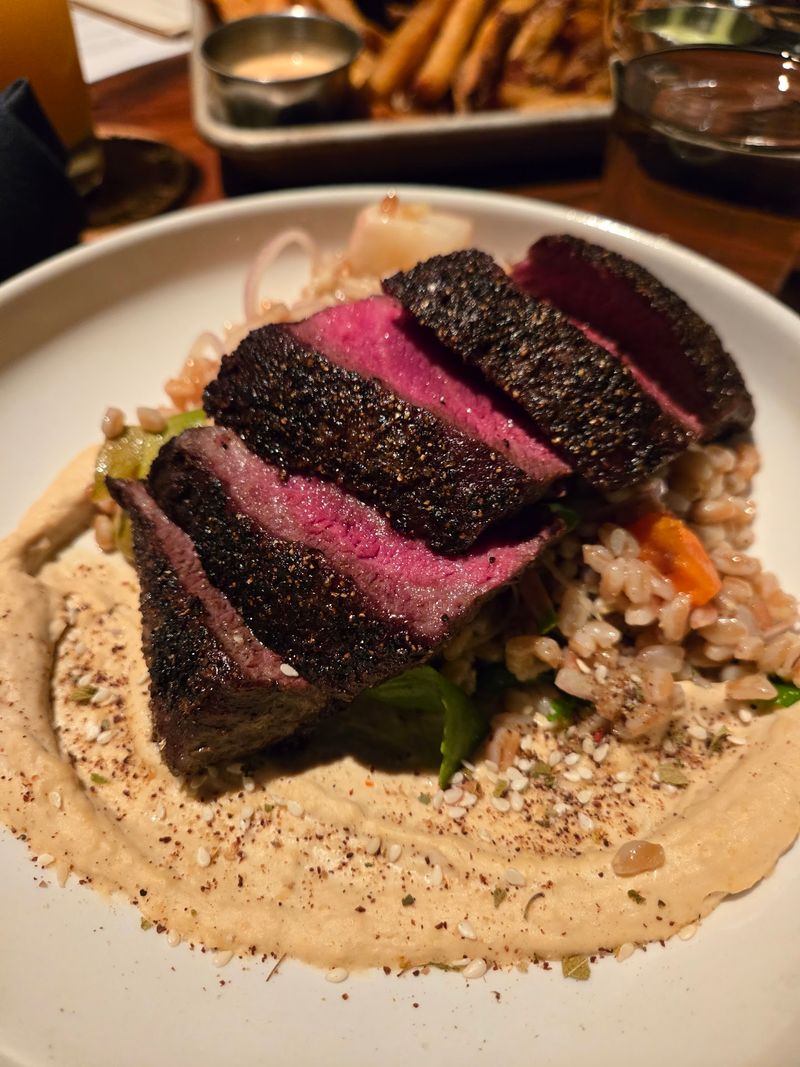
Nobody expects a basement kitchen to be this serious about ingredients. The team sources from local bakeries, dairies, and farms, and the owners went so far as to start their own organic farm nearby to supply a big chunk of the produce.
That commitment shows up on the plate. A handful of favorites stay put year-round while most dishes rotate with the seasons, so a summer visit and a winter visit look genuinely different.
The pastrami sandwich has become the thing people talk about most, piled high and topped with collard green kimchi. Charred octopus draws its own loyal following, and the white cheddar fondue with warm pretzel is built for sharing.
Boiled peanuts make a great opener. The house-ground burger, the pork schnitzel sandwich, mac and cheese, cornbread, and the Corn Pups all land firmly in comfort territory without feeling lazy.
Veggie Tuesday deserves a mention too, a weekly plant-based lineup that locals genuinely plan around. Sunday brunch runs as well, and portions tend to be generous enough that I usually walk out regretting the fries I could not finish.
Planning Your Visit to Inman Park
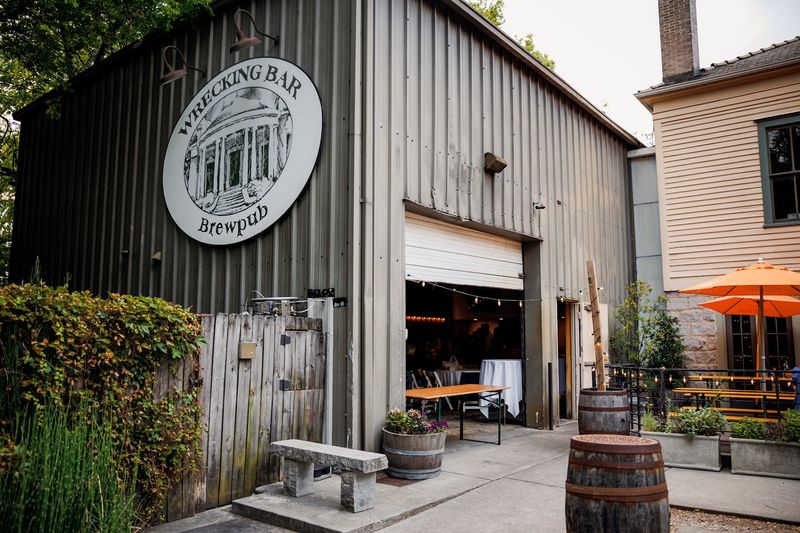
Location is half the fun here. The mansion sits in Inman Park at the edge of Moreland Avenue, an easy walk from Little Five Points and its cluster of record shops, vintage stores, and street murals.
Variety Playhouse is close enough that plenty of people eat here before a show. That combination makes for a solid evening plan without ever moving your car.
Speaking of cars, parking on Moreland can get tight when the place fills up, so street parking or a rideshare is worth considering. Valet service runs on select nights, which helps on busier weekends.
Hours are worth checking before you go. Tuesday through Thursday it opens at 5 PM and runs to 10 PM, Friday and Saturday it goes from noon to 11 PM, Sunday runs noon to 9 PM, and Monday it stays closed.
Outdoor seating on the patio is lovely once fall temperatures arrive.
The neighborhood itself is part of the draw, with Inman Park’s tree-lined streets and historic homes creating a relaxed backdrop that feels a world away from the busyness of downtown Atlanta. Walking to Little Five Points after a meal, I passed street musicians and colorful murals that made me wish I had planned a full afternoon in the area.
The energy here is creative and unhurried, the kind of place where you can easily lose track of time browsing record bins or ducking into a vintage shop. By the time I reached the car, I had already started planning my next visit, not just for the food, but for the whole experience.
It is one of those neighborhoods that rewards curiosity, and the Wrecking Bar is the perfect anchor for a day of exploring.
I left feeling like I had discovered a corner of Atlanta that I would be returning to again and again.
Address: 292 Moreland Ave NE, Atlanta, GA
