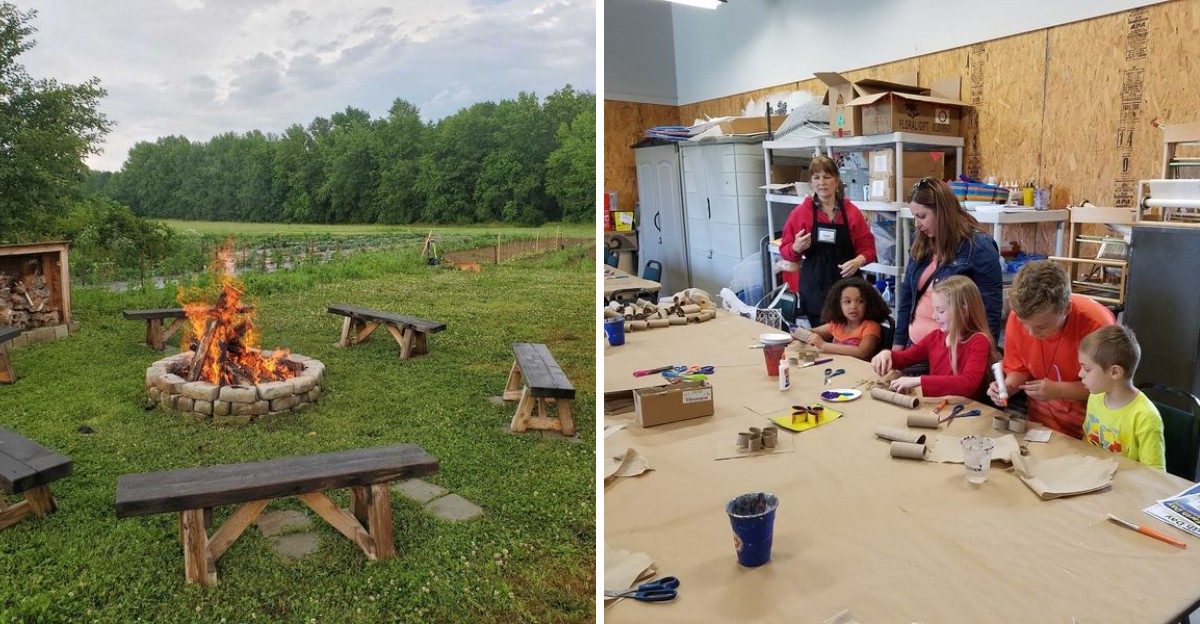
You would never guess it from the outside. A 176-acre farm that once raised chickens turned into a creative oasis for thousands of people.
That is the story of this New Jersey arts center. Founded in 1960 by Albert and Clare Appel, it started as a simple summer camp where kids could make music and art in the fresh air.
The original bunks were converted chicken coops and the first art classes were held in a barn.
Over the decades, it grew into a year-round cultural hub with a 250-seat theater, a fine arts building with gallery space, and even a wood-fired kiln for ceramics.
Today it offers summer camps, school programs, arts retreats, and community events that serve thousands every year. The Appels had a simple belief that art transforms lives .
That belief still runs through every program offered. Who knew a chicken farm could change so many lives?
A Chicken Farm With A Second Act
Twenty thousand chickens once lived on this land. That detail alone makes the whole story worth telling.
In 1959, musicians and educators Clare Rostan Appel, a German-born refugee, and her husband, New Jersey farmer Albert Appel, looked at their working farm and imagined something different. They wanted a place that brought together their children, their friends and their love of music.
By 1960, the first campers arrived, and the Appel Farm Arts & Music Center began its slow shift from agriculture to art. It became a non-profit organization in 1978, which gave the whole idea real staying power.
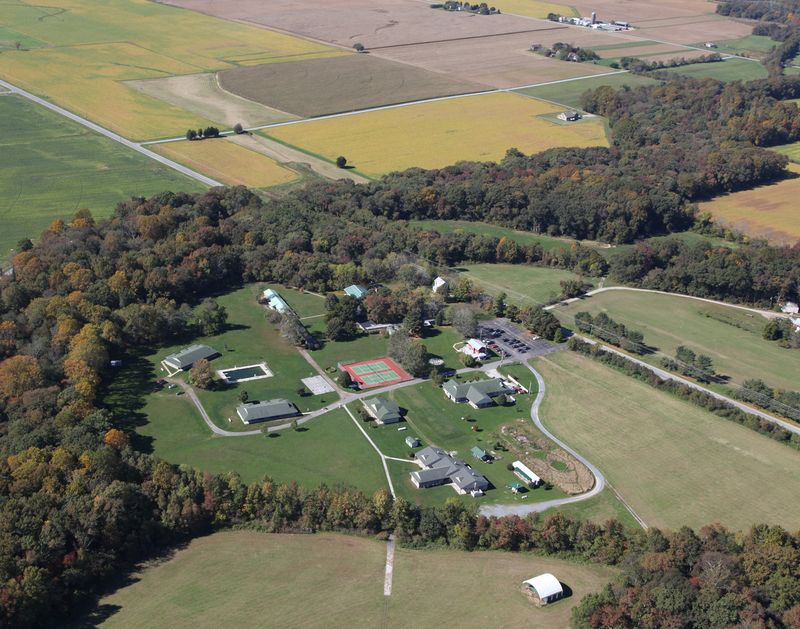
You can still feel the farm underneath everything. Some buildings have that weathered, practical look you get on working land, while others were clearly built for rehearsals and gallery walls.
What I like most is that nobody erased the past here. The fields remain wide open, the barns still look like barns, and the creativity grew up around them rather than paving over them.
Roughly 176 acres of land, reimagined without losing its bones.
The Founders’ Belief That Every Kid Is An Artist
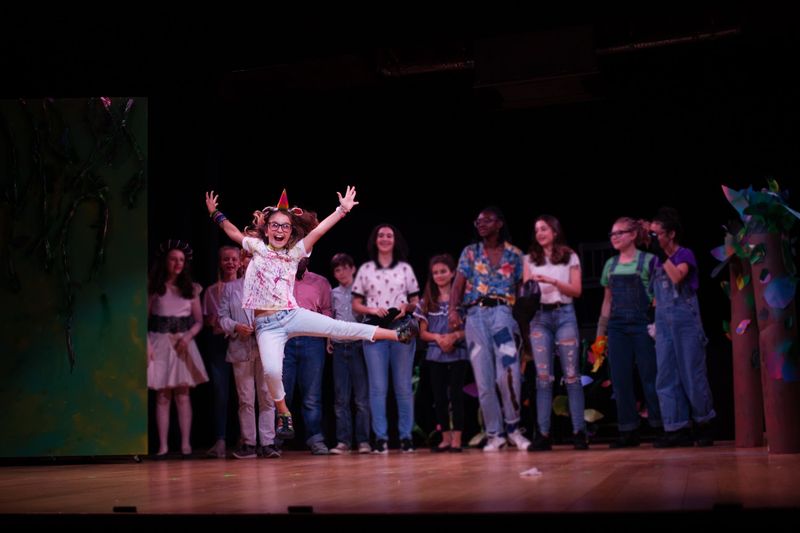
Some places talk about inclusion. This one built its entire foundation on it.
The idea that guided the Appels was simple and a little radical for its time. They believed the arts are essential to a child’s development, shaping learning skills, personal growth and a real sense of responsibility to others.
More importantly, they believed every single child already has artistic talent sitting inside them, waiting for a chance. Not the talented ones.
All of them.
That philosophy has held steady for more than six decades. Today the mission focuses on co-creating experiences that help people unleash their own creativity, leading to self-discovery, community building and plain old joy.
Safety, community, growth and fun sit at the top of the value list, and you notice it in how relaxed everyone seems.
I found that refreshing. So much arts education gets competitive fast, sorting kids into winners and everyone else.
Here, the starting assumption is that you belong, which changes what people are willing to try.
Summer Arts Camp, Where Interest Beats Skill
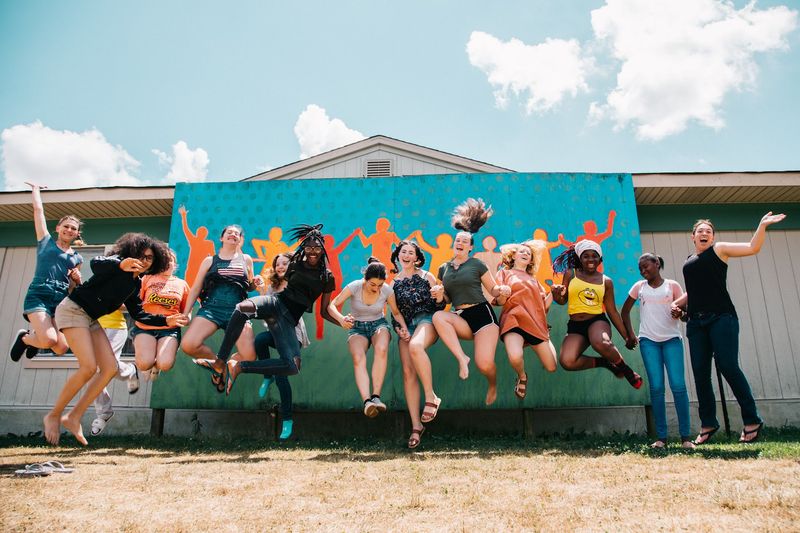
The oldest program on the property is also its heartbeat. The residential Summer Arts Camp serves kids ages 7 to 17, and admission works differently than you might expect.
Interest matters here, not skill level. No auditions, no ranking, no proving yourself before you walk through the door.
Campers pick a Major from areas like Theatre Performance, Music, Visual Arts, Dance, Photography, Video and Creative Writing. Then they add Minors, which rotate and change from summer to summer.
Three classes a day, six days a week, so it is genuinely immersive rather than a casual dabble. Kids also handle chores around camp, which sounds unglamorous but builds the kind of shared ownership that sticks with people.
Traditions round out the schedule, including an annual Beach Day when campers and staff head to a New Jersey shore town for sun and a break from rehearsal.
The non-competitive setup here at Appel Farm Arts & Music Center is the real magic. When nobody is being judged, kids take bigger risks, and that is where the interesting work happens.
Arts Labs Keep Things Going All Year
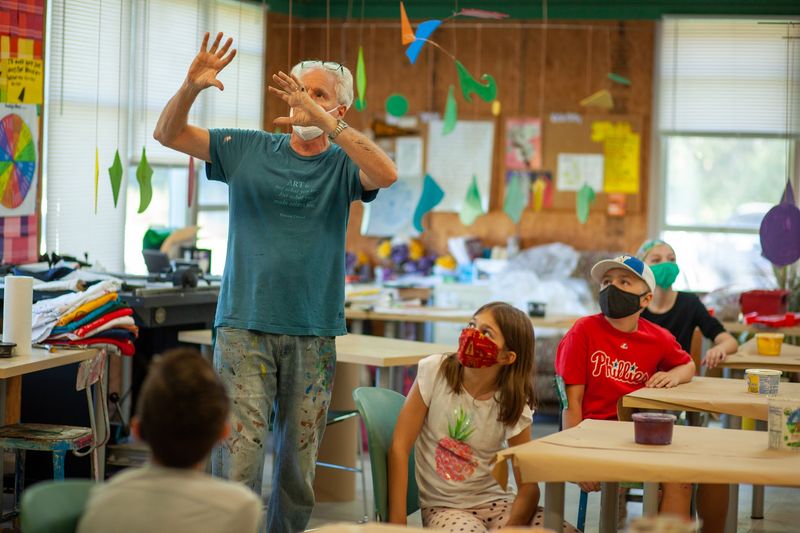
Summer gets the attention, but the calendar here never really empties out.
Arts Labs run through the year, offering ongoing classes and workshops for creative kids, teens and adults. The range covers drawing, painting, ceramics and mosaic work, so there is room for both careful planners and messy experimenters.
Professional teaching artists lead the sessions, which makes a noticeable difference in how instruction lands. They know how to coach a nervous beginner and how to push someone who already has years of practice.
Adults show up here more than you would guess. There is something appealing about spending an evening with your hands in clay instead of scrolling through a phone.
Programs have also spread beyond the main campus. Community Arts Labs pop up in local libraries, bringing classes closer to where people actually live, and sessions have run in nearby towns like Woodbury.
If you have been telling yourself you are not creative, this is a low-pressure place to test that theory. Most people are wrong about themselves.
A Campus Built For Making Things
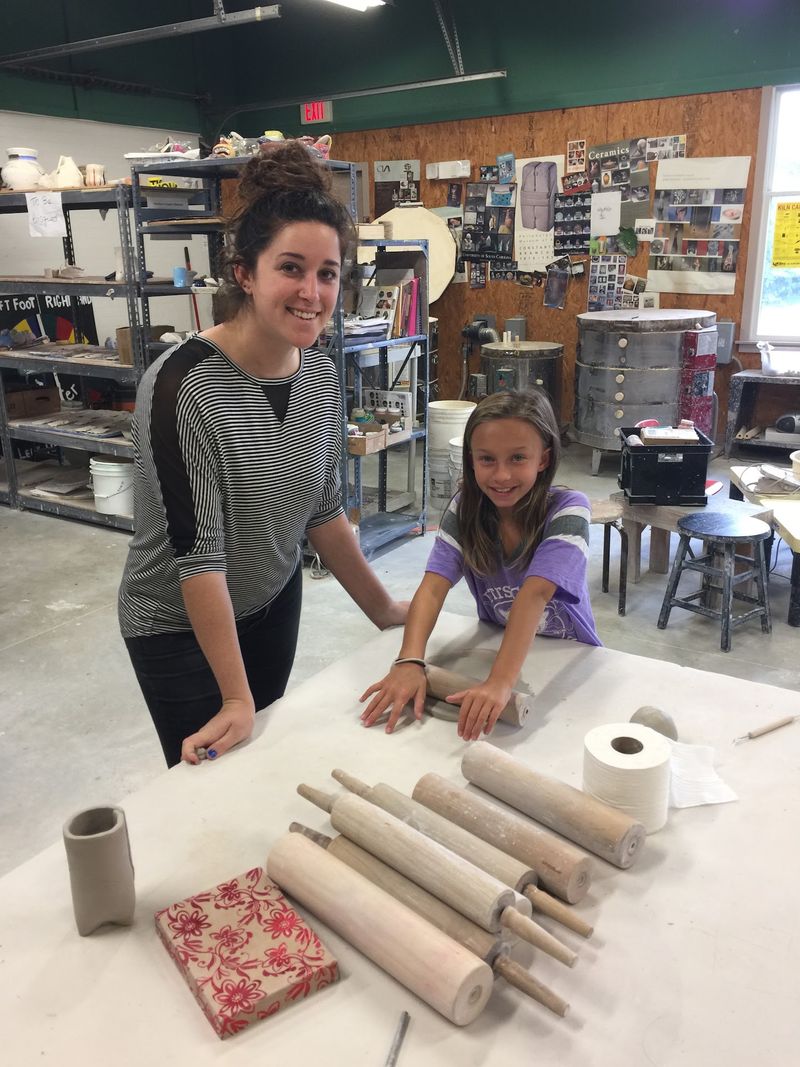
Facilities tell you a lot about priorities, and the buildings scattered across this property make the mission obvious.
The Clare Rostan Appel Theatre seats 250, a size that feels intimate without being cramped. Audience members have described clear sightlines from just about anywhere in the room.
Then there is the Fine Arts Building, roughly 7,000 square feet of studios and gallery space, plus a wood-fired kiln for pottery that serious ceramicists get excited about.
Two outdoor stages handle open-air performances, and on a warm evening the sound carries across the fields in a way no indoor venue can match.
Elsewhere you will find practice rooms, photography darkrooms, video studios, a dance studio, classrooms, bunkhouses for residential programs and a dining hall that doubles as the social center of camp life.
Some structures lean rustic, and honestly that is part of the charm. Appel Farm Arts & Music Center never tried to look like a polished New Jersey conservatory, and the working-farm texture makes creating here feel refreshingly unfussy.
Music That Grows Out Of Collaboration
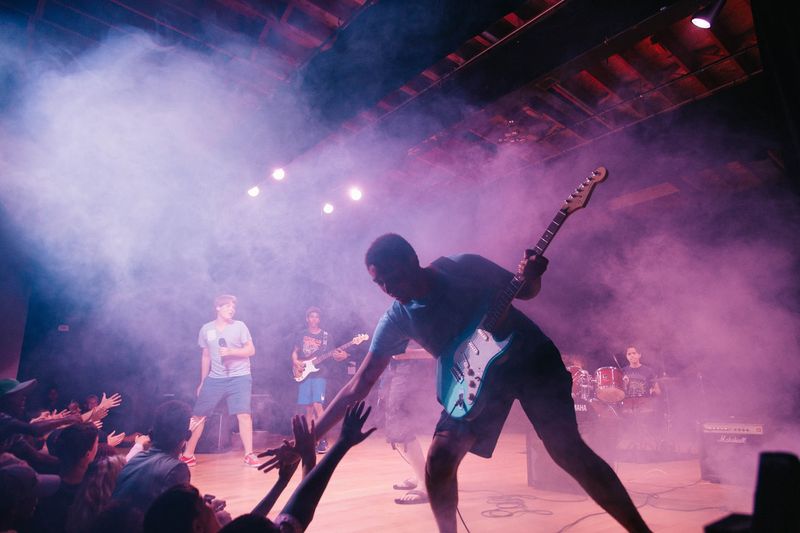
Given that both founders were musicians and educators, it makes sense that sound runs through everything here.
Music programs encourage kids and teens to create together rather than compete against one another. Campers sing, rehearse in small groups, practice their instruments and perform regularly in a setting designed to feel encouraging instead of nerve-wracking.
Nobody is chasing a first chair. The point is growth and collaboration, which tends to produce braver musicians in the long run.
Beyond the camp season, the center has a track record of hosting community festivals, including the South Jersey Arts Fest with live music and hands-on workshops. Local performers share billing with nationally recognized artists, which creates a genuinely mixed lineup.
Dance holds its own space too, with a dedicated studio and multiple performance areas where students explore different styles and find how their bodies want to move.
Former campers often say the music stayed with them for decades. That is a strong argument for a program built on encouragement rather than pressure.
Art As A Bridge Between Strangers
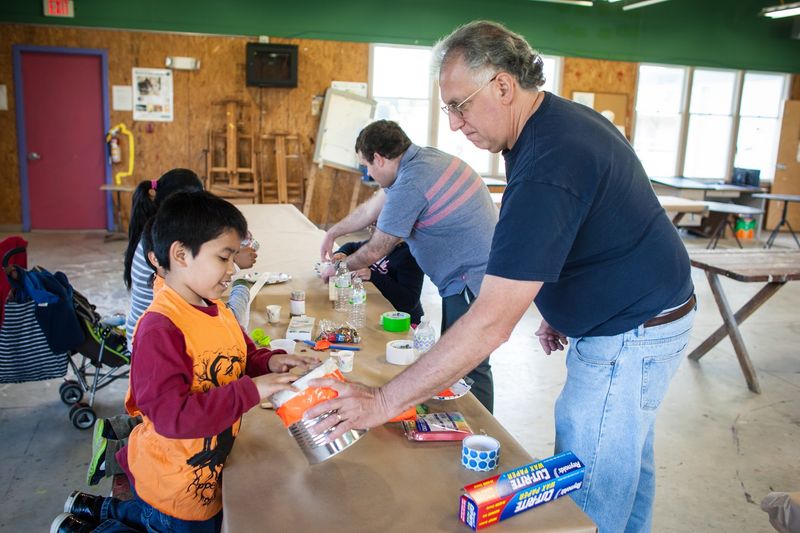
Connection is the quiet product of everything happening on this land.
Watch a group of kids build a theatre production together, or adults trading technique tips over a ceramics table, and the pattern becomes clear. Making something alongside other people breaks down walls faster than conversation ever does.
The center works to be inclusive across identities and abilities, actively promoting collaborative and restorative practices that build respectful communities. That is not decorative language, it shapes how programs are structured.
Summer camp is recognized as an LGBTQ+ friendly and gender-inclusive space where campers are supported exactly as they are. For a lot of families, that assurance matters enormously.
Accessibility gets ongoing attention too, with staff working toward a campus that more people can navigate comfortably.
Friendships formed here have lasted lifetimes, according to people who attended decades ago and still keep in touch. Something about sharing a stage, a studio or a dining hall table apparently welds people together.
Art just happens to be the excuse.
Programs That Travel Into Local Schools
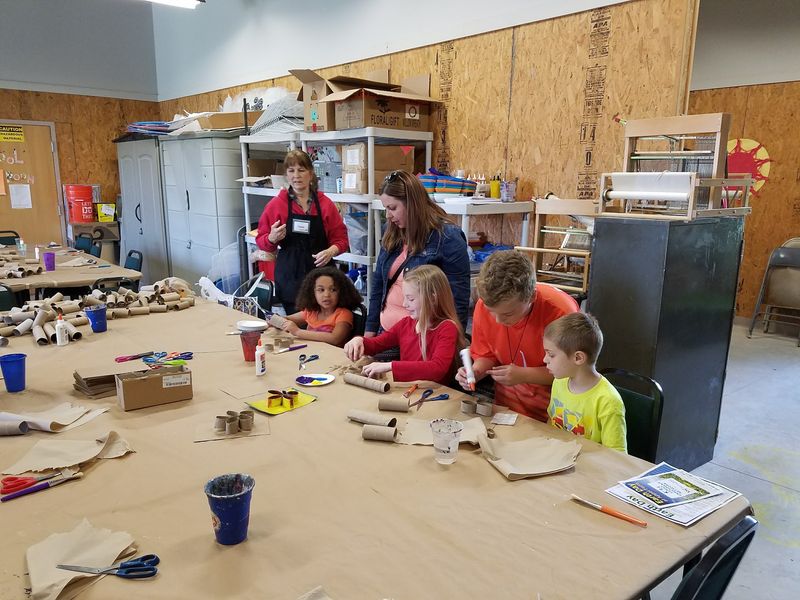
Not everything happens on Shirley Road. A big share of the work travels outward.
School partnerships bring arts education directly into elementary and middle school classrooms, with programs designed to strengthen learning through arts integration. Theater in the Schools, Music in the Schools and Visual Arts in the Schools reach thousands of students each year.
Rural areas of South Jersey are a particular focus, since access to arts programming can be thin outside bigger districts.
High school students get visual arts and music residencies plus professional theatre performances, which means seeing real working artists at close range rather than reading about them.
Teachers benefit as well through professional development sessions that help them fold creative practice into their own lesson plans. That approach multiplies the impact well past any single visit.
What I appreciate is the practicality of it all. Instead of waiting for kids to find their way out to the countryside, the arts show up in their hallways first.
Some of those students eventually make the trip themselves.
Room For Families, Scouts And Weekend Visitors
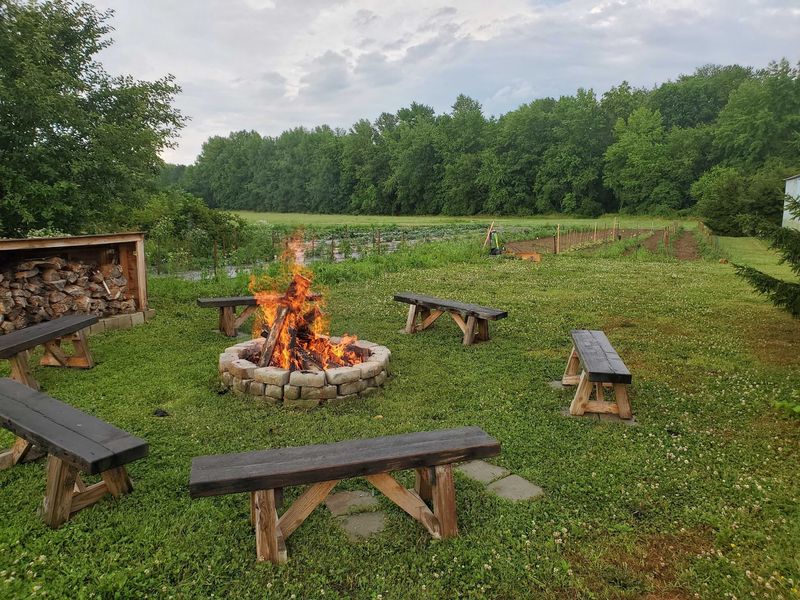
Plenty of visitors arrive without ever signing up for a class.
Family arts events happen on the grounds, mixing live music on the stage with hands-on workshops, and there is enough open field for children to run themselves tired while parents actually relax. Camping weekends and scout programs also use the property, with meals and activities arranged for groups.
Anniversary celebrations have brought free concerts to the campus, including a WXPN event during the 65th anniversary gathering, drawing folks from around the region.
Theatre productions welcome the general public too. Young casts have staged well-known shows in the 250-seat theatre, and the venue’s clean, straightforward setup keeps the focus on the performers.
The property has hosted private celebrations as well, in cabins and rooms that lean toward comfortable-rustic rather than luxury hotel.
Locals sometimes call it a hidden gem, which usually means people drive past for years without stopping. Do not be one of them.
A weekend event here is an easy, low-key day out.
Why This Place Sticks With People
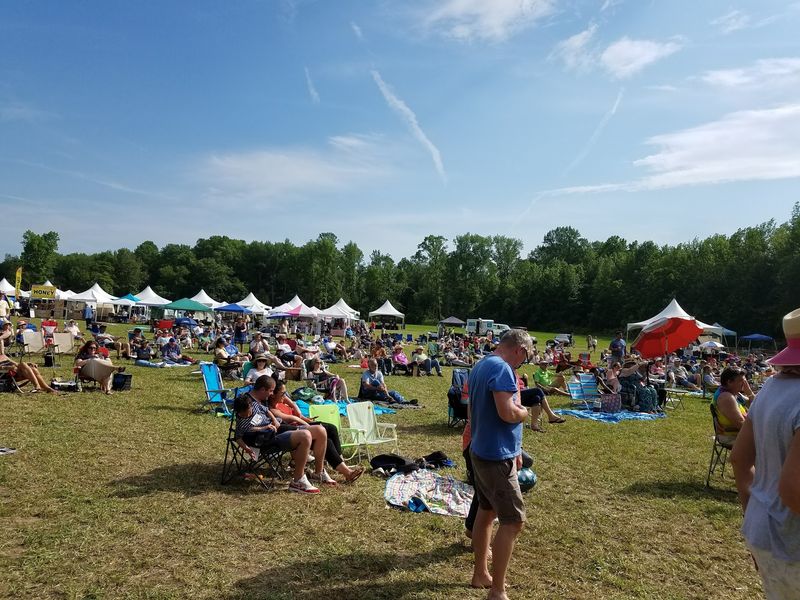
Something about this property keeps pulling people back across generations.
Former campers return as adults, sometimes decades later, and families who came for one workshop end up on the mailing list for everything. Grandparents have watched grandchildren head off to sessions here.
The values behind it explain a lot. Safety, community, personal growth and fun are treated as working principles rather than slogans, and efforts continue to remove barriers so more people can take part, including initiatives supporting people with disabilities in accessing the arts.
What began as a family farm with chickens has become a multidisciplinary regional arts center serving thousands of people every year across New Jersey and beyond, with campers arriving from other states and countries.
Go for the studios, the stages or just the wide-open quiet of the fields at dusk. You will probably leave thinking about something you want to make.
Appel Farm Arts & Music Center sits at 457 Shirley Rd, Elmer, NJ 08318, worth the drive down those farm roads.
