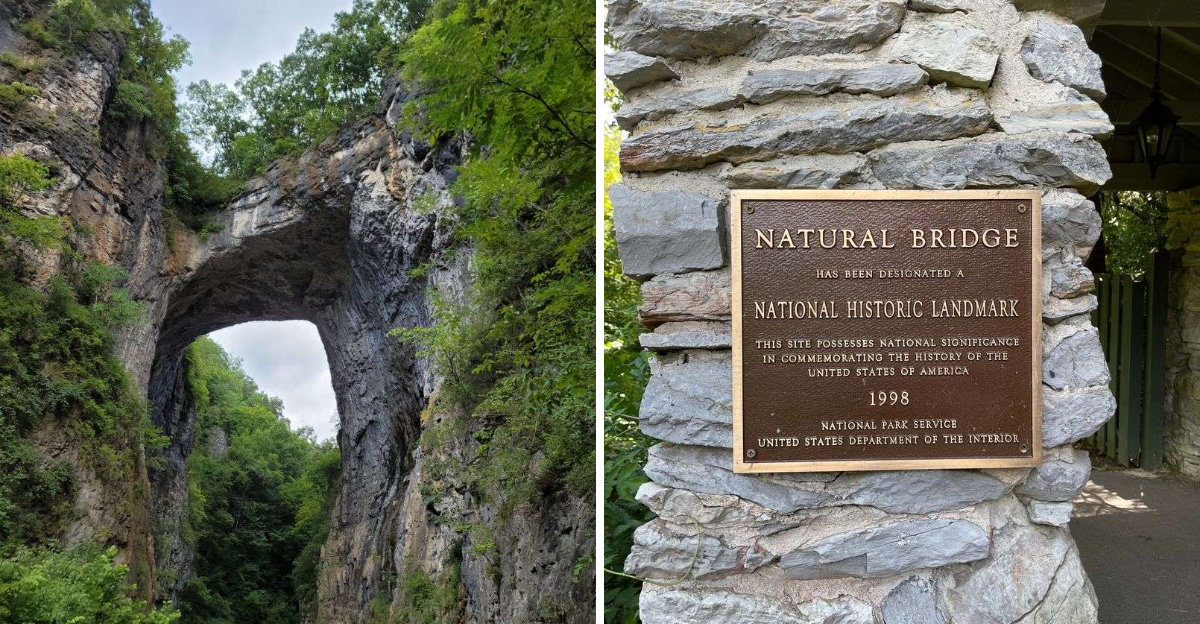
Tucked away in the heart of Virginia, Natural Bridge State Park is where nature puts on a show that’ll make your jaw drop and your camera work overtime. Picture this: a limestone arch soaring over two hundred feet above Cedar Creek, ancient trails winding through misty forests, and enough natural wonders to fill your Instagram feed for months.
Whether you’re chasing waterfalls, exploring mysterious caves, or simply soaking in the kind of scenery that makes you believe in magic, this park delivers adventure with a side of awe. Ready to discover why this Virginia gem has been stealing hearts since Thomas Jefferson called it one of the most sublime natural wonders?
Let’s lace up those hiking boots and hit the trail.
The Star of the Show: That Jaw-Dropping Natural Bridge
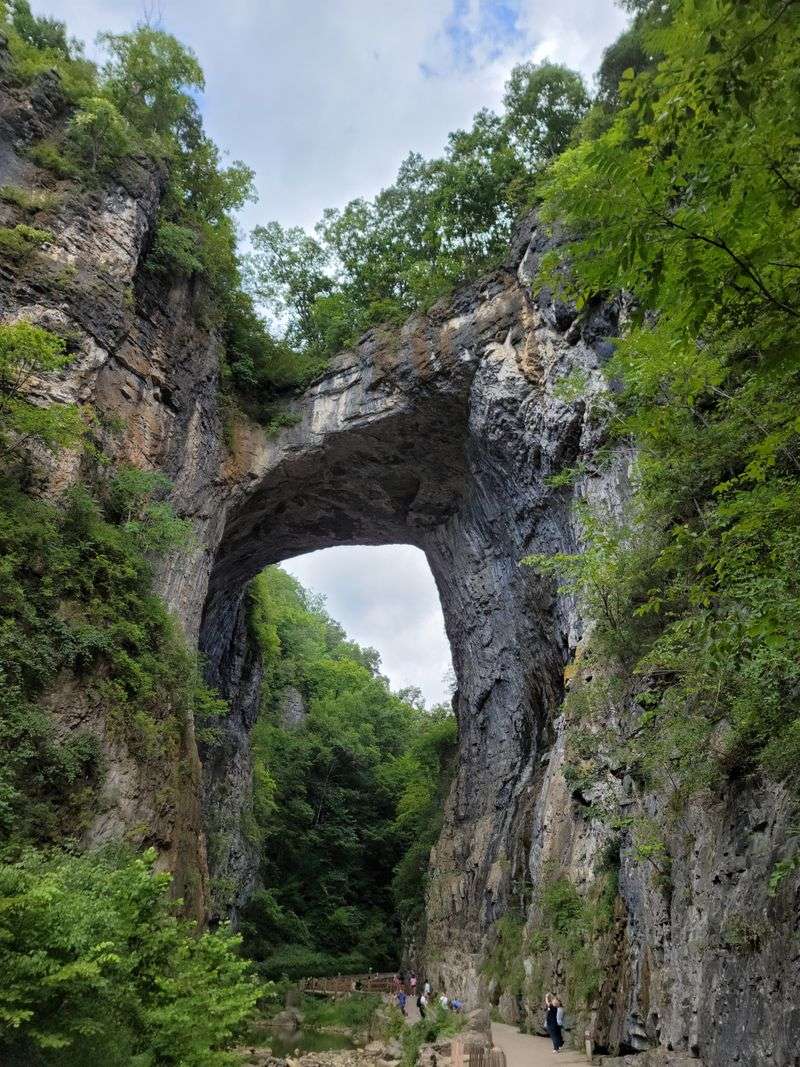
Standing beneath a limestone archway that towers over two hundred feet above you is the kind of experience that makes you feel wonderfully small in the best possible way. Photos simply can’t capture the sheer magnitude of this geological masterpiece that’s been millions of years in the making.
Water carved this beauty from solid rock, creating what the Monocan Indians reverently called the Bridge of God.
George Washington himself surveyed this land back in the day, and rumor has it you can still spot his initials carved into the rock. Thomas Jefferson was so smitten he bought the whole property and considered it as magnificent as Niagara Falls.
That’s some serious natural street cred right there.
Walking up to the bridge feels like stepping into a cathedral made by nature’s own hands. The archway spans Cedar Creek with such graceful power that you’ll find yourself snapping photos from every possible angle.
Morning light filters through the canopy creating an almost ethereal glow that makes the limestone practically shimmer.
Located at 6477 S Lee Hwy, Natural Bridge, VA 24578, this national historic landmark is just a short stroll from the ticket counter. Trust me, your neck will get a workout from all that upward gazing, and it’s absolutely worth every second.
Cedar Creek Trail: Your Gateway to Wonder
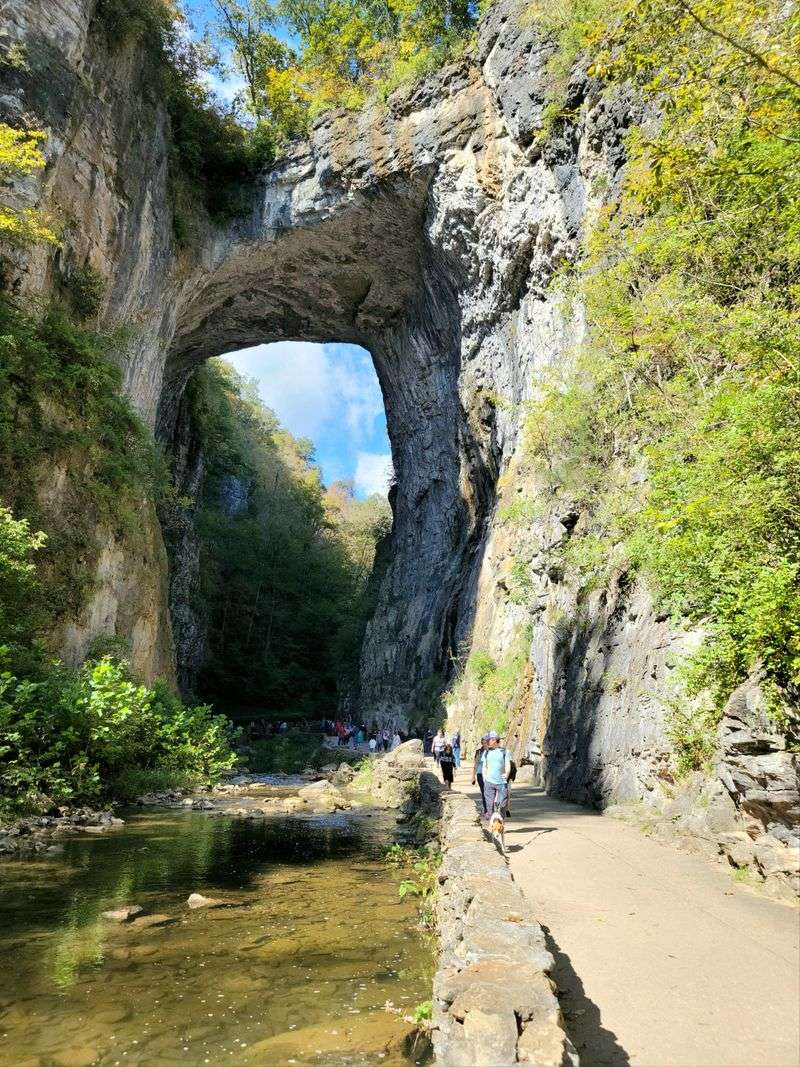
Forget grueling mountain climbs and treacherous terrain. Cedar Creek Trail serves up natural beauty on a silver platter with a mostly flat, easy path that welcomes everyone from seasoned hikers to families with little ones in tow.
The trail hugs the creek for about eight-tenths of a mile one way, treating you to crystal-clear water views and the soothing soundtrack of water dancing over rocks.
Leaves crunch beneath your feet in fall, wildflowers pop with color in spring, and that fresh pine scent fills your lungs year-round. The park staff actually rakes the path regularly, keeping it tidy and accessible for all visitors.
You’ll spot benches scattered along the route, perfect for catching your breath or simply pausing to soak in the scenery.
Dogs absolutely love this trail, and you’ll often see happy pups leading their humans on adventures. Bring water for both you and your four-legged friend because even easy trails work up a thirst.
The path connects all the park’s major attractions, making it your personal highway to adventure.
What makes this trail truly special is how it balances accessibility with genuine wilderness vibes. You’re close enough to civilization to feel safe, yet immersed enough in nature to forget the outside world exists for a blissful hour or two.
Saltpeter Cave: Underground Adventure Awaits
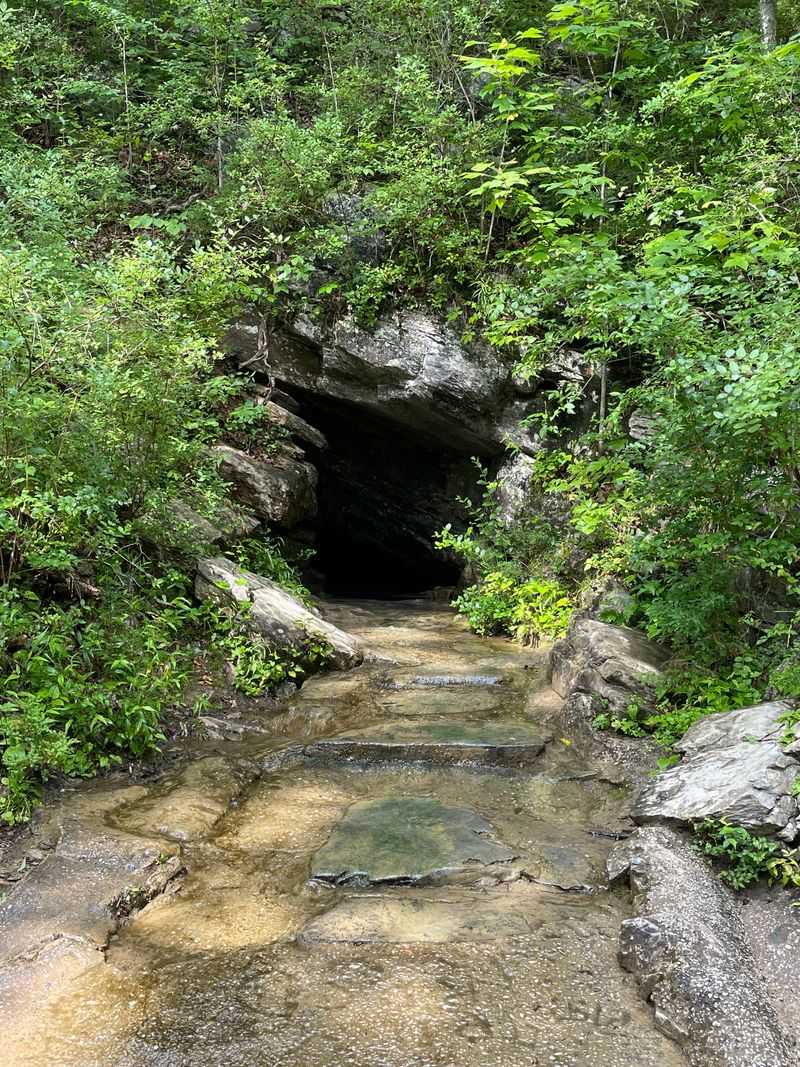
Ever wondered what it’s like to peek inside a mountain? Saltpeter Cave delivers that thrill without requiring any serious spelunking skills.
This limestone cavern sits right along the Cedar Creek Trail, practically begging you to explore its shadowy depths. The cave earned its name from the saltpeter mining that happened here way back when, providing crucial materials for gunpowder production.
Cool air rushes out to greet you as you approach the entrance, offering sweet relief on hot Virginia summer days. The temperature drop is noticeable and refreshing, like nature’s own air conditioning system.
Rock formations inside tell stories spanning thousands of years, shaped by patient water and time.
You don’t need fancy equipment or a guide to enjoy this cave. Simply walk right in and let your eyes adjust to the dimmer light.
The opening is large and welcoming, not one of those claustrophobia-inducing squeeze-throughs that make you question your life choices.
Kids especially get a kick out of the cave’s mysterious atmosphere, imagining all sorts of adventures within its rocky walls. It’s one of those stops that adds variety to your hike without demanding extra effort.
Snap some photos, feel the cool stone, and appreciate how water sculpted this hollow space from solid limestone over countless centuries.
Lace Falls: The Trail’s Grand Finale
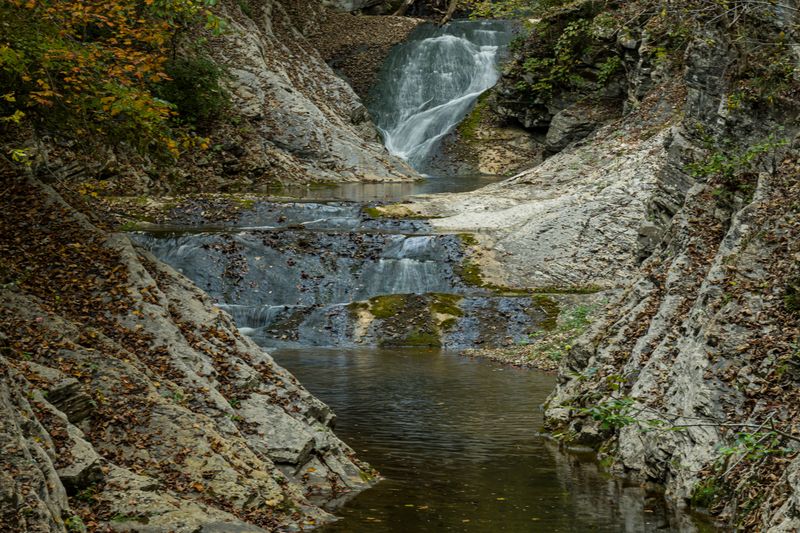
Positioned at the far end of Cedar Creek Trail, Lace Falls serves as your reward for making the journey. Now, let’s set expectations straight: this isn’t Niagara.
The waterfall runs modest and delicate, especially during dry spells when water trickles rather than thunders. But here’s the thing, its gentle cascade perfectly complements the park’s overall vibe of peaceful natural beauty.
Recent rainfall transforms the falls into a much more impressive sight, with water rushing over rocks in white ribbons that actually resemble lace. That’s when photographers really get their money’s worth.
The surrounding area offers nice spots for a snack break or picnic, with the sound of falling water providing your personal soundtrack.
Some visitors find the falls underwhelming after the hype, which is fair. The park employees sometimes oversell it a bit in their enthusiasm.
But if you adjust your expectations and simply enjoy it as a pleasant endpoint to a lovely walk, you’ll appreciate it for what it is.
The real value lies in the journey to get here. The entire trail experience, with the bridge, cave, and creek views, makes the falls a nice bonus rather than the main event.
Think of it as the cherry on top of an already delicious sundae of natural wonders packed into one accessible trail.
The Lost River: Nature’s Hide and Seek Champion
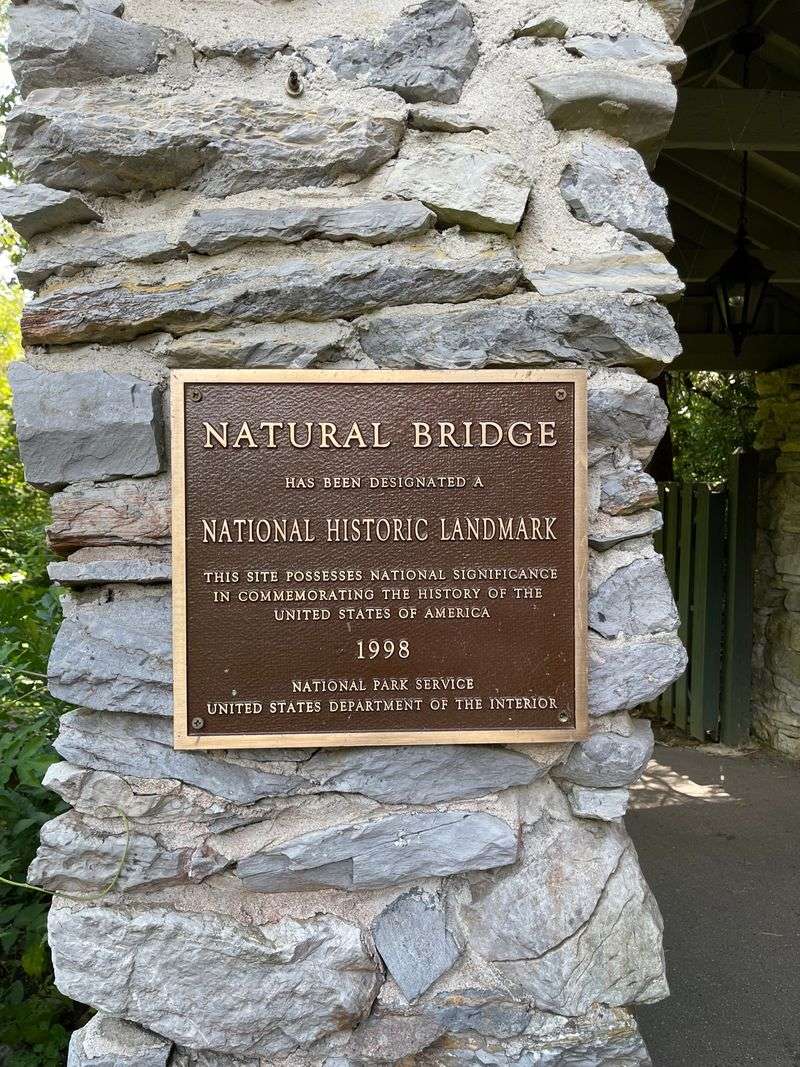
Imagine a river that literally disappears into the rock. That’s exactly what happens at the Lost River, where water vanishes into a small opening in the limestone wall like it’s pulling off a magic trick.
You can hear it rushing through underground passages, this mysterious gurgling that reminds you there’s a whole hidden world beneath your feet.
This geological quirk happens because of the karst landscape that defines this region. Limestone dissolves over time, creating underground channels and caverns where water flows in secret pathways.
The Lost River is your window into this subterranean network, offering just a tantalizing glimpse of the action happening below.
Kids find this spot absolutely fascinating, pressing their ears to the rock to hear the water better. It sparks imaginations and raises questions about where the water goes and what it might carve out over the next thousand years.
The opening itself is modest, easy to miss if you’re not paying attention, so keep your eyes peeled.
This stop takes just a few minutes but adds another layer of intrigue to your hike. It’s a reminder that the park’s wonders aren’t all visible on the surface.
Underground rivers, hidden caves, and secret passages all exist beneath the trails you’re walking, creating a landscape that’s endlessly complex and captivating.
Those Famous Stairs: The Gateway Down
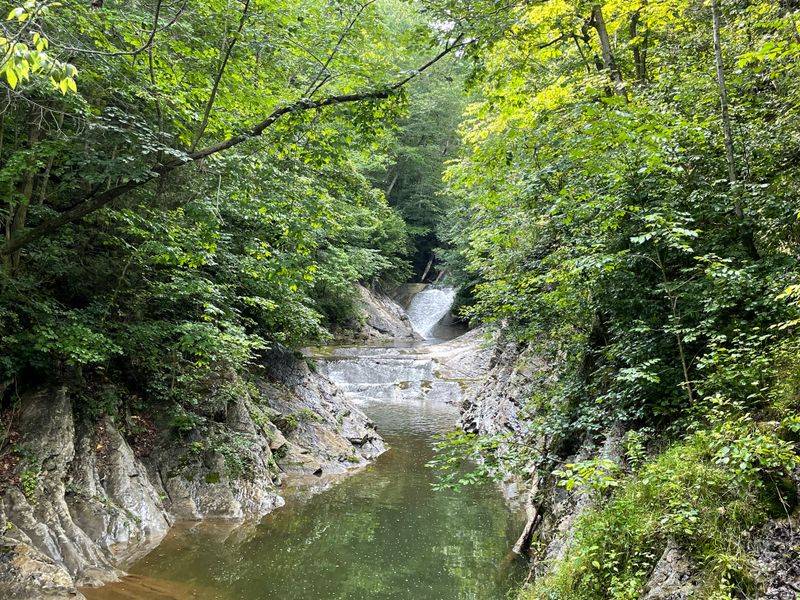
Approximately one hundred fifty stairs stand between the main visitor center and the lower ticket area where your adventure truly begins. Before you panic, these aren’t one brutal, leg-burning staircase.
They’re broken into manageable sets with landings between each section, giving you natural places to pause, catch your breath, and enjoy the view.
Going down feels easy and exciting as anticipation builds for what awaits below. Coming back up after your hike?
That’s when those stairs earn their reputation. Your legs will definitely remember the climb, especially if you’ve just walked the full trail to Lace Falls and back.
Consider it a bonus workout that earns you guilt-free snacks later.
For visitors with mobility challenges, the park offers an alternative. Rangers can grant permission to drive down via the service road, bypassing the stairs entirely.
This thoughtful accommodation ensures everyone can experience the bridge regardless of physical limitations. Just ask at the visitor center and they’ll happily assist.
The stairs themselves wind through pretty forest scenery, with trees providing shade and squirrels providing entertainment. Families with young kids handle them just fine, taking breaks as needed.
Senior visitors also manage them successfully by pacing themselves. Yes, they’re a workout, but they’re far from impossible for anyone in reasonable health.
The Visitor Center: Your Launchpad for Adventure
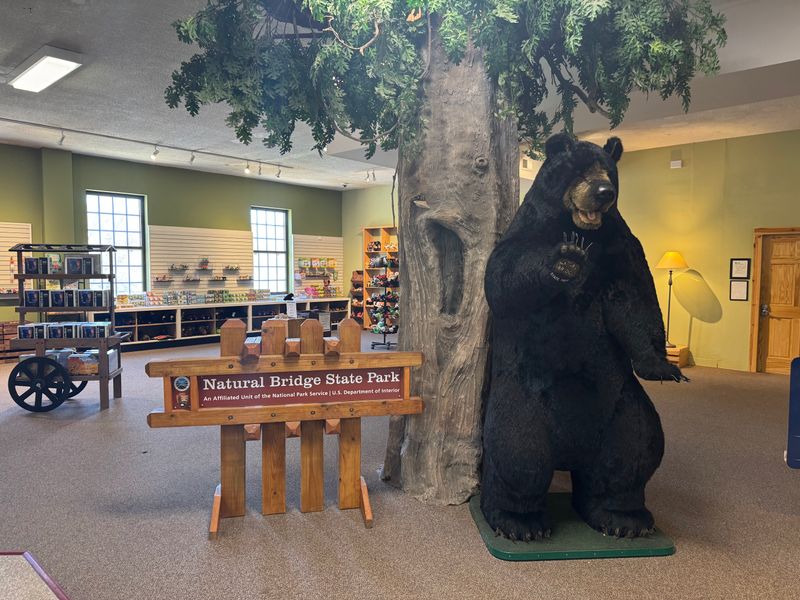
Before you descend those stairs, the visitor center greets you with clean restrooms, helpful staff, and a gift shop packed with souvenirs ranging from tasteful to touristy. Rangers here genuinely love sharing knowledge about the park, ready to answer questions and offer tips for making the most of your visit.
Some, like Ranger Isaac, turn casual conversations into fascinating geology lessons that enhance your entire experience.
The center typically opens around ten in the morning, but here’s a pro tip: you can start hiking earlier. Head down to the lower ticket office which opens at eight, pay your entrance fee there, and beat the crowds to the bridge.
Early morning light creates magical photo opportunities with fewer people photobombing your shots.
Inside the gift shop you’ll find everything from postcards and magnets to books about Virginia’s natural history. There’s even iced coffee and hot coffee available, perfect for fueling up before or after your hike.
Snacks and drinks are also available, though bringing your own water bottle is smart for the trail.
The building itself provides a comfortable spot to plan your route, check trail maps, and get oriented before heading out. On busy days during spring through fall, especially when school groups visit, stopping here first helps you strategize timing to avoid the biggest crowds down at the bridge.
Additional Hiking Trails: Beyond the Main Attraction
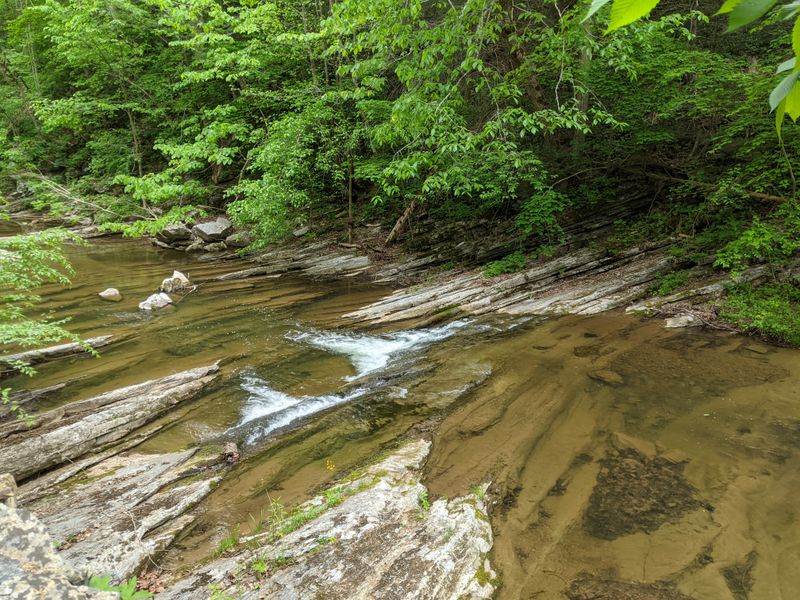
While Cedar Creek Trail gets all the glory, Natural Bridge State Park offers additional hiking opportunities for those craving more miles beneath their boots. These trails vary in difficulty and distance, giving you options whether you want a quick nature walk or a more challenging trek through Virginia’s beautiful woodlands.
Trailhead markers provide maps showing distance and difficulty levels, helping you choose wisely based on your fitness and available time.
An honor system pay box at the trailhead asks for a small fee per vehicle, supporting trail maintenance and park improvements. Most visitors happily contribute, recognizing that well-maintained trails don’t happen by magic.
The trails wind through diverse forest ecosystems, offering chances to spot wildlife, identify native plants, and enjoy solitude away from the main tourist areas.
These paths showcase the region’s natural diversity beyond the famous bridge. Expect towering pines, hardwood forests, rocky outcrops, and maybe even a pawpaw tree if you’re lucky and know what to look for.
The trails are generally well-marked and maintained, though they demand more from hikers than the easy Cedar Creek route.
Bringing proper footwear becomes more important on these trails. Sturdy hiking shoes or boots provide better ankle support and traction on potentially uneven terrain.
Pack plenty of water, especially during warmer months, and let someone know your hiking plans before heading out on the longer trails.
The Historical Legacy: Walking Where Legends Walked
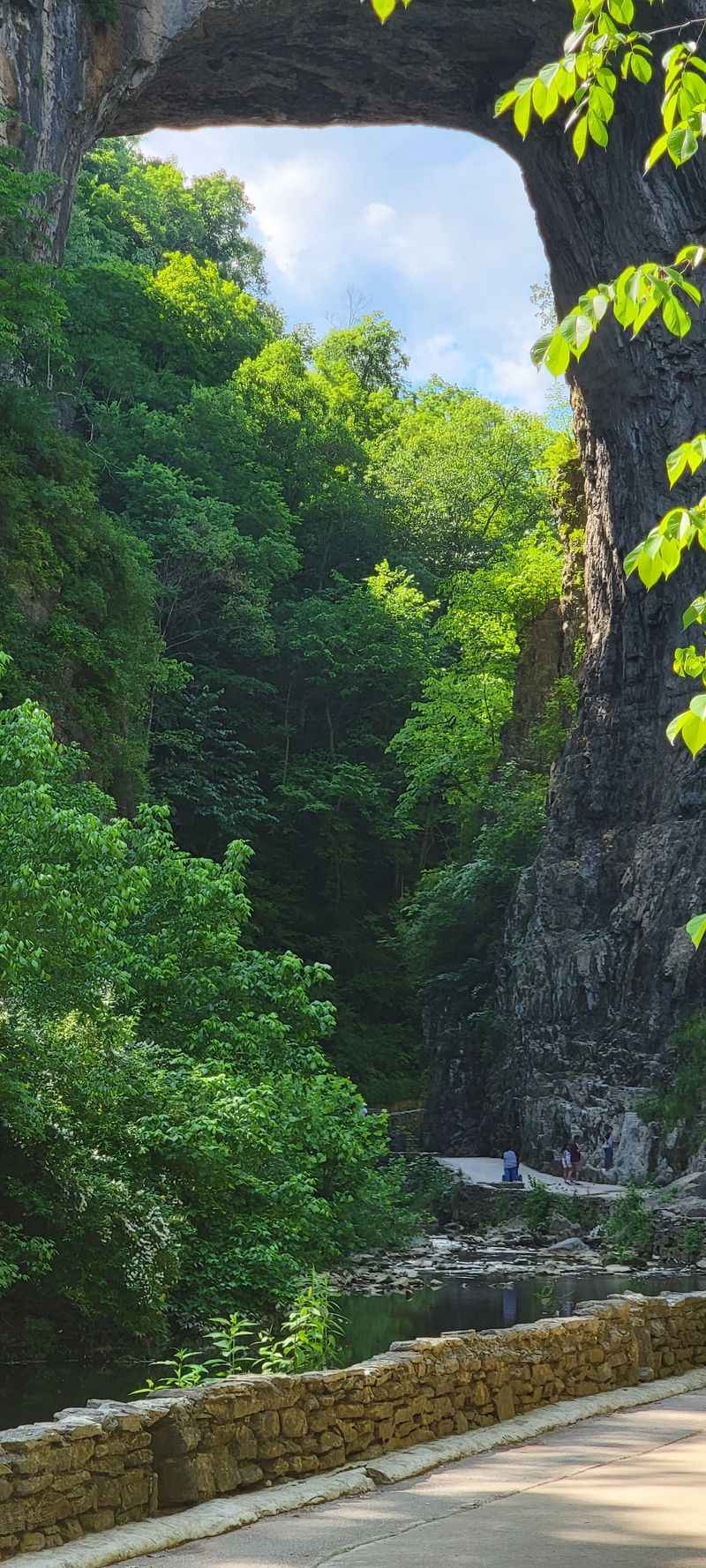
Natural Bridge isn’t just a pretty rock formation. This place drips with American history like water from limestone.
The Monocan Indians considered it sacred ground, a bridge created by the divine. Their reverence for this spot stretches back centuries before European explorers ever set eyes on it, making it a place of spiritual significance long before it became a tourist destination.
George Washington surveyed the area as a young man, and supposedly carved his initials into the rock. Whether those markings are authentic remains debated, but the story adds romantic intrigue to your visit.
Thomas Jefferson loved this place so much he purchased over one hundred fifty acres surrounding the bridge, treating it as one of his most prized possessions.
Jefferson hired Patrick Henry, a freed slave, as caretaker of the property, adding another layer to the complex history of this land. The bridge changed hands multiple times over the centuries, serving various purposes from private attraction to hotel centerpiece before finally becoming a state park in recent years.
A large hotel once stood here, hosting visitors who traveled considerable distances to witness this natural wonder. That original structure burned down, was rebuilt, and eventually the entire property transitioned to public ownership.
Today’s state park status ensures this treasure remains accessible to everyone, protected for future generations to experience and appreciate just as you’re doing right now.
Perfect for All Ages and Abilities
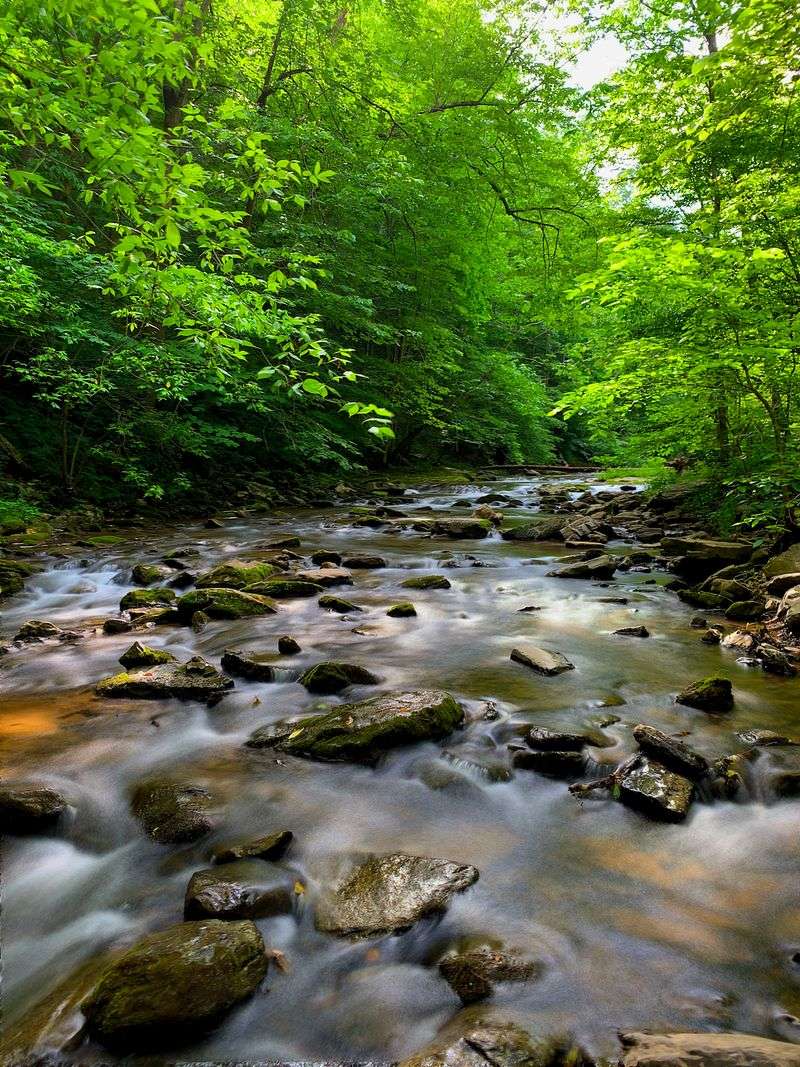
What makes Natural Bridge State Park truly special is how it welcomes everyone. Families with toddlers successfully navigate the trails, seniors enjoy the accessible paths, and even visitors with disabilities can experience the bridge thanks to thoughtful accommodations.
The park strikes that rare balance between authentic wilderness and practical accessibility that many outdoor spaces struggle to achieve.
Dog owners rejoice because leashed pups are welcome throughout the park. You’ll see everything from tiny terriers to giant breeds happily trotting alongside their humans.
Senior beagles and energetic puppies alike handle the main trail just fine, making this an ideal destination for four-legged family members who deserve adventure too.
The relatively short distance and flat terrain of Cedar Creek Trail mean even folks who don’t consider themselves hikers can complete it comfortably. Taking breaks is perfectly acceptable and even encouraged.
Those benches and rest spots exist for a reason, so use them without guilt.
School groups frequently visit, testament to the park’s educational value and kid-friendly nature. Children get genuinely excited about the cave, the bridge, and the waterfall, creating family memories that stick around long after the trip ends.
The park doesn’t require advanced outdoor skills or peak physical condition, just curiosity and a willingness to experience nature’s wonders at whatever pace feels right for you and your crew.
Dear Reader: This page may contain affiliate links which may earn a commission if you click through and make a purchase. Our independent journalism is not influenced by any advertiser or commercial initiative unless it is clearly marked as sponsored content. As travel products change, please be sure to reconfirm all details and stay up to date with current events to ensure a safe and successful trip.
