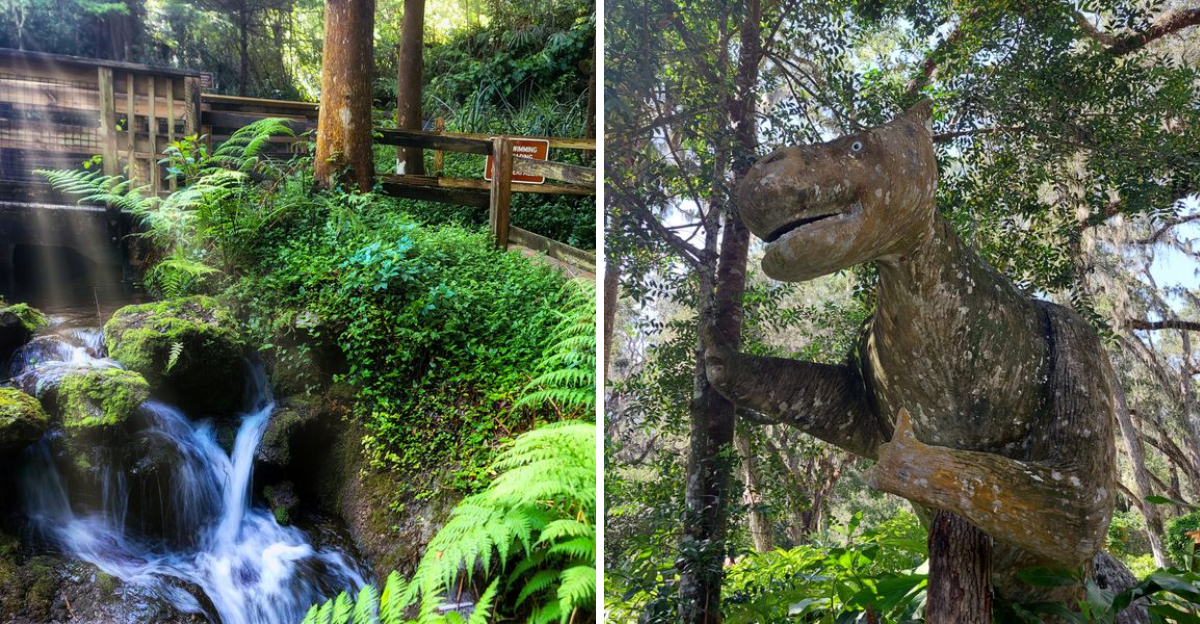
Florida hides stories in the sunlit gaps between palm fronds and crumbling concrete.
You can stand at the edge of a lagoon or a sandy lot and feel time breathe on your neck.
These abandoned parks pull back the curtain on decades of dreams, missteps, and reinventions.
Every site invites curiosity, respect, and a sense of wonder.
Pack patience, open your map, and follow the ghosts of fun that once echoed across the state.
1. Disney’s River Country
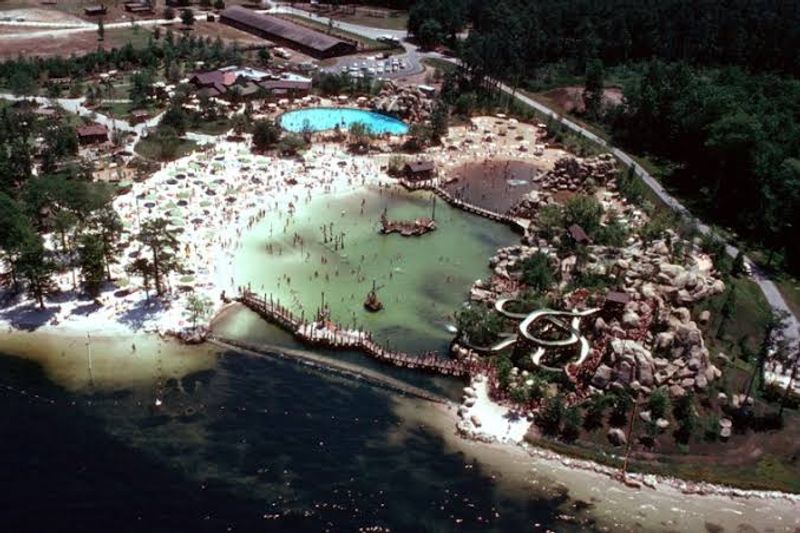
The remains of Disney’s River Country sit near Bay Lake where cypress shadows once framed sunlit slides.
Visitors cannot access the former grounds, yet the story lingers in archival photos and official timelines.
The area feels like a memory pressed between warm air and water.
This rustic water park opened in 1976 and championed sand bottom pools that mimicked a natural lagoon.
Safety and operational changes across the industry made such designs obsolete over time.
Disney officially closed the park in 2005 after several inactive years.
The shoreline today sits behind restricted areas that prioritize wildlife and resort operations.
You can learn details through company histories and credible news archives that summarize its unique filtration concept.
The landscape around Bay Lake continues to evolve with new projects in Central Florida.
Stories often suggest remnants peek through foliage, but official access remains off limits and monitored.
Enthusiasts trade memories from family albums and park guides that confirm the rustic theming and summer energy.
The narrative now belongs to history tours, podcasts, and carefully sourced journalism.
If you plan a research visit, rely on public viewpoints and respect resort boundaries.
Look for interpretive accounts from former employees who describe the wood planks, rope bridges, and earthy scents.
The tone of those recollections pairs nostalgia with practical lessons learned.
Florida travelers will find more accessible heritage at nearby museums that discuss tourism eras.
River Country serves as a case study in how technology and policy shift recreation models.
The site echoes through design schools that analyze naturalistic water features.
Consider how environmental stewardship guides present day waterfront planning across the region.
Modern projects balance guest comfort with water quality standards and wildlife habitats.
That contrast deepens appreciation for a retired park that once felt wild and intimate.
The legend of River Country persists because the setting felt handcrafted and free.
You can almost hear laughter riding the bay breeze at sunset.
The quiet now invites careful listening more than exploration.
2. Disney’s Discovery Island
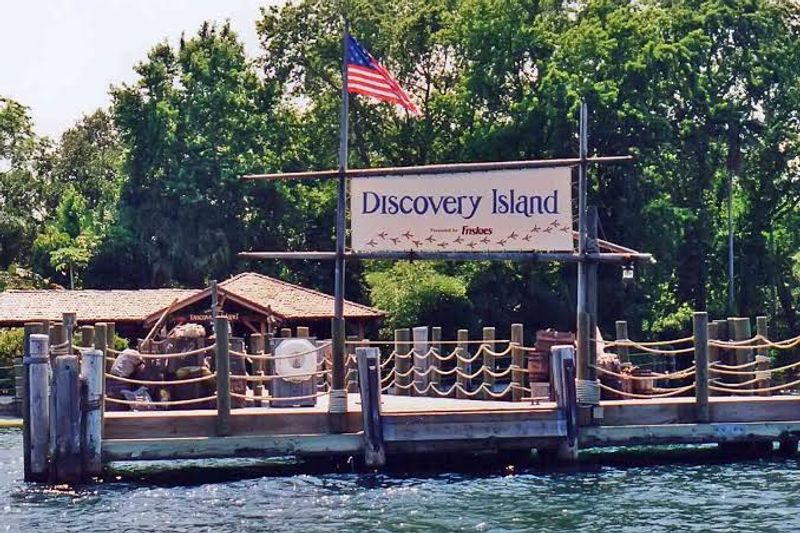
Discovery Island rests in Bay Lake with heavy foliage guarding the hush of former exhibits.
The island once hosted rare birds and interpretive trails for curious guests.
Operations ceased in the late 1990s as conservation and logistics priorities shifted.
Public access is not permitted, and official maps mark the island as off limits.
Satellite views and historical brochures verify aviaries, boardwalks, and educational stops.
Newspapers from the era detail the closing timeline and collection transfers.
The appeal of the island comes from contrast between pristine water and silent structures.
Photographs from authorized media show wooden frames woven with vines.
The atmosphere reads like a diary entry left open to the wind.
Florida trip planners should treat the site as a research subject rather than a destination.
Respect for property and wildlife rules is essential on and around Bay Lake.
Tour boats and shoreline paths give legal vantage points for distant glimpses.
Naturalists highlight how the island once advanced species care and interpretation.
Those programs informed later exhibits across the resort area in Central Florida.
The legacy includes handling protocols and educational design choices.
Legends surface about hidden artifacts among palms, but these remain unverified and romantic.
Reliable sources emphasize relocation of animals to accredited facilities.
Verified timelines replace rumor with a clear closeout narrative.
Consider the island as a marker of changing visitor expectations across decades.
Technology shaped new ways to deliver animal encounters and learning.
The pivot away from the island mirrored broader shifts in theming.
Historians value preserved paperwork that documents breeding records and guest feedback.
Oral histories from former cast members add texture to the timeline.
The island now holds space for quiet ecology rather than public spectacle.
3. Splendid China (Florida)
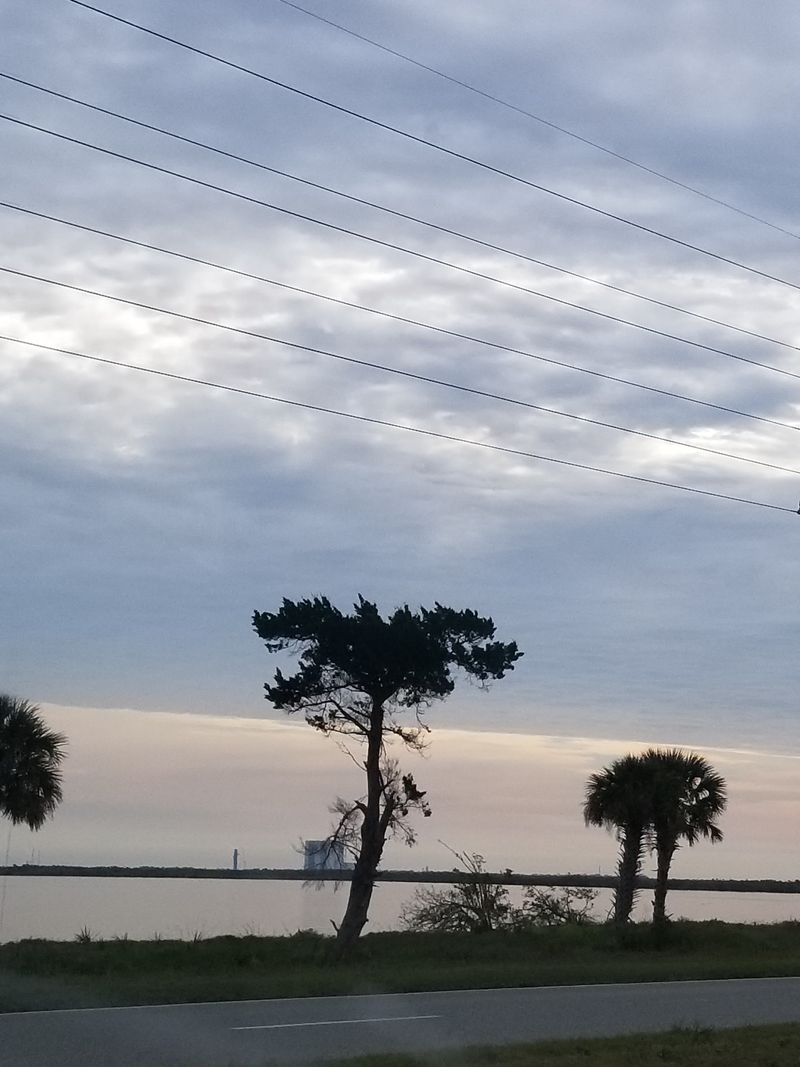
Splendid China once stood near Kissimmee with a sweeping showcase of miniature landmarks.
The park opened in the 1990s with ornate replicas and cultural exhibits.
Operations ended in the 2000s and demolition cleared most structures.
Historical images show the Great Wall model curving across a sandy plot.
Gardens framed pavilions with bright tiles that glowed in afternoon sun.
Visitors remember folk performances that animated the courtyards.
The site has long since been redeveloped, leaving memories and scattered archives.
News reports document ownership shifts and closure milestones across Central Florida.
Academic articles discuss geopolitics that shaped the park narrative.
Florida researchers can still trace the layout through aerial imagery from public databases.
Former employees share verified brochures that list exhibit themes and show schedules.
Those pamphlets capture the park’s educational ambition and scale.
Rumors sometimes claim hidden statues remain on nearby lots, but evidence is thin.
Most artifacts were removed during demolition and later redevelopment.
Reliable sources prefer dated photos over speculation.
Travelers curious about the concept can visit museums that interpret diasporic arts.
The spirit of cross-cultural storytelling lives on in regional festivals.
New venues use updated curatorial practices and community partnerships.
Splendid China demonstrates how themed education rises and recedes with market tides.
The lesson reflects evolving tastes along the tourism corridors of Florida.
Design scholars still reference the park when discussing miniature worlds.
If you map a day of historic sites, pair research stops with open parks and trails.
Balance screen time with real sunlight and local nature.
The contrasts will make old postcards feel present.
4. Bongoland Ruins at Dunlawton Sugar Mill Gardens
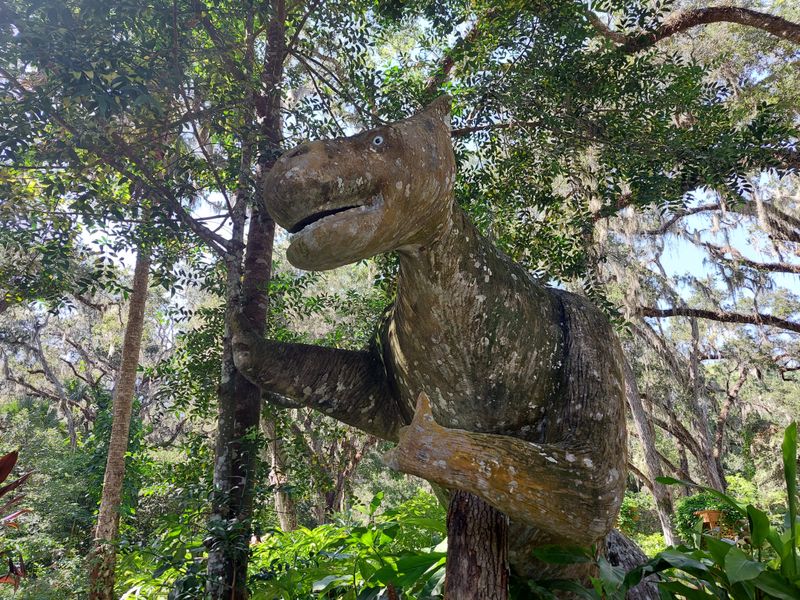
The quirky dinosaur figures of Bongoland linger within Dunlawton Sugar Mill Gardens.
Visitors can stroll shaded paths and glimpse concrete creatures among coquina walls.
The setting blends whimsical history with botanical calm.
The garden occupies a historic sugar mill site with educational signage and native plantings.
The ruins recall a short lived 1940s roadside park that charmed curious motorists.
Remnants today feel playful rather than eerie.
You can visit at 950 Old Sugar Mill Road, Port Orange, FL 32129 during posted hours.
Volunteers maintain trails and protect fragile features with simple guidelines.
Respectful footsteps keep the experience serene for everyone.
Florida families appreciate the easy parking and gentle routes beneath tall oaks.
Benches offer quiet breaks where you can listen to birds in the canopy.
The atmosphere suits unhurried photography focused on textures and forms.
Interpretive signs outline plantation era history with care and context.
The site balances remembrance with horticultural variety and pollinator habitats.
Children tend to spark with delight at the friendly dinosaur poses.
Local legends whisper that a few figures shift in storms, but that remains playful talk.
Documented maintenance explains changes that appear after heavy weather.
Staff updates ensure safety while preserving character.
The garden accepts donations that support conservation and outreach.
Seasonal events introduce native gardening and butterfly education.
Volunteers share knowledge that enriches each path.
Plan your visit for morning light that softens the coquina textures.
Bring water and take time to read every panel.
You will leave with a gentle sense of how imagination survives.
5. Six Gun Territory
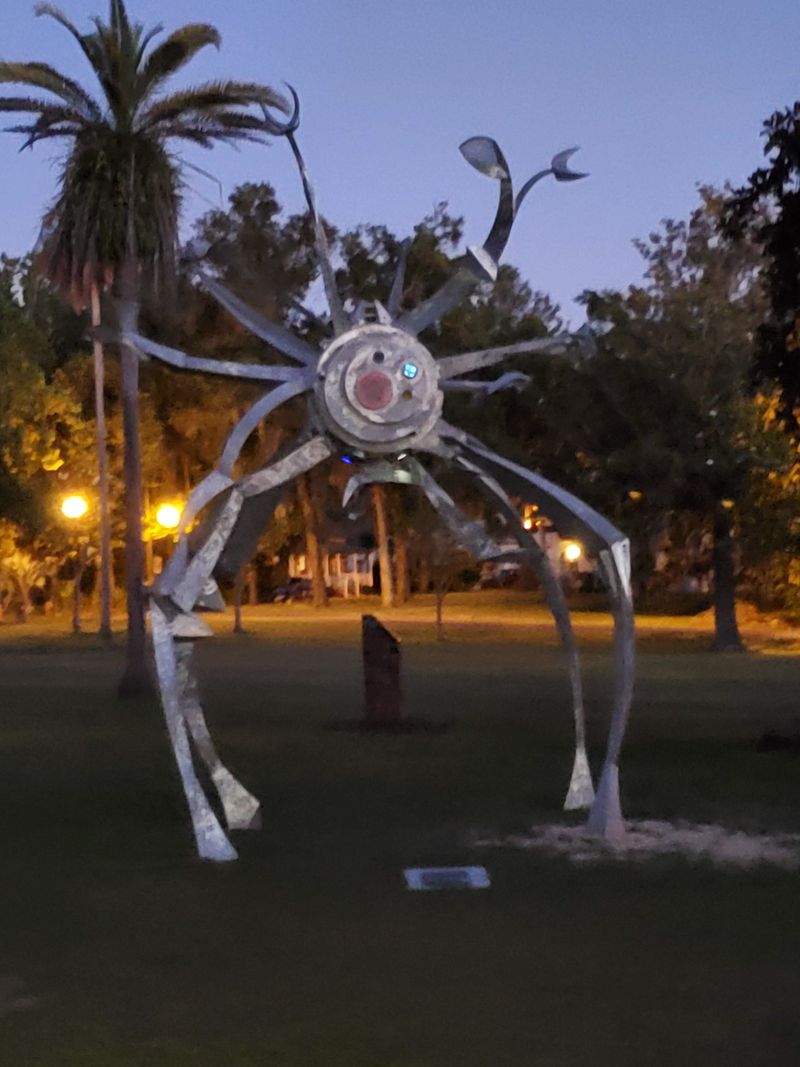
Six Gun Territory once drew crowds near Ocala with staged shootouts and a narrow gauge train.
The park opened in the 1960s and closed in the mid 1980s as tastes changed.
Vintage flyers show wooden storefronts lining a dusty street.
The exact original grounds have been redeveloped, and visible remnants are limited.
Enthusiasts ride occasional heritage events that celebrate the train legacy.
Community groups keep stories alive through exhibits and reunion days.
Coordinates 29.209852°N 82.068949°W align with the general area associated with historical references.
Public sources confirm period photos that place the western facades nearby.
Contemporary visitors should manage expectations about on-site artifacts.
Florida historians emphasize the park’s role in shaping regional entertainment.
The western motif played well alongside horse country culture and local fairs.
Nostalgia now rides on rails through curated experiences rather than ruins.
Archival newspapers describe performers, parades, and family packages of the era.
Those clippings help frame the social scene that supported weekend outings.
Radio ads from tapes capture the cadence of the era.
Rumors mention buried signs or props, yet no verified caches have surfaced.
Documented items appear in private collections and small displays.
Authentication matters when trading memorabilia from the park.
Travelers can pair a research stop with nearby museums for broader context.
Routes through Marion County highlight forests and springs worth exploring.
The mix of heritage and nature offers rewarding variety.
Bring questions and patience when tracing this story on modern maps.
Redevelopment often removes clear edges and familiar landmarks.
Let the narrative guide you rather than a single pin drop.
6. Rainbow Springs Former Theme Park Ruins
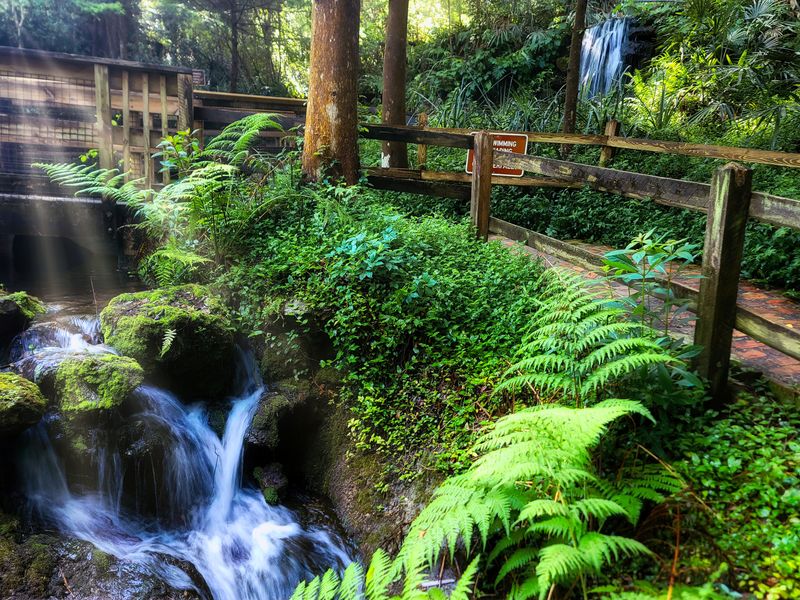
Rainbow Springs holds bright water and quiet traces of a bygone attraction.
Stonework terraces and old garden features linger near the headsprings.
Modern visitors explore a protected park shaped by careful restoration.
You can enter at Rainbow Springs State Park, 19158 SW 81st Pl Rd, Dunnellon, FL 34432 with current fees. Rangers manage access to trails, overlooks, and designated swim areas.
The site balances recreation with spring protection standards.
Historic materials confirm a mid century theme park that showcased gondola rides and animal exhibits. Closing years led to decline before the state acquired and rehabilitated the land.
Today the focus embraces conservation and low impact enjoyment.
Florida travelers often remark on the clarity that makes fish look suspended in air.
Sunlight reveals limestone details along the waterline.
The experience feels restorative even on busy days.
The remaining structures appear as subtle textures rather than overt ruins.
Old paths curve beside azaleas and mature shade trees.
Signage notes what once stood along these routes.
Legends talk about hidden tunnels, but official sources do not support that tale.
Verified maps show normal service corridors and garden remnants only.
Interpretive panels keep the narrative grounded.
Arrive early for calm conditions and the best visibility across the run.
Respect closures designed to protect manatees and shoreline nests.
Your photos will benefit from gentle angles and minimal footprints.
The springs link past spectacle to present stewardship in a single view.
You leave with gratitude for clean water and patient management.
The old park lives on as a soft echo beneath the surface.
7. Miracle Strip Amusement Park Original Site
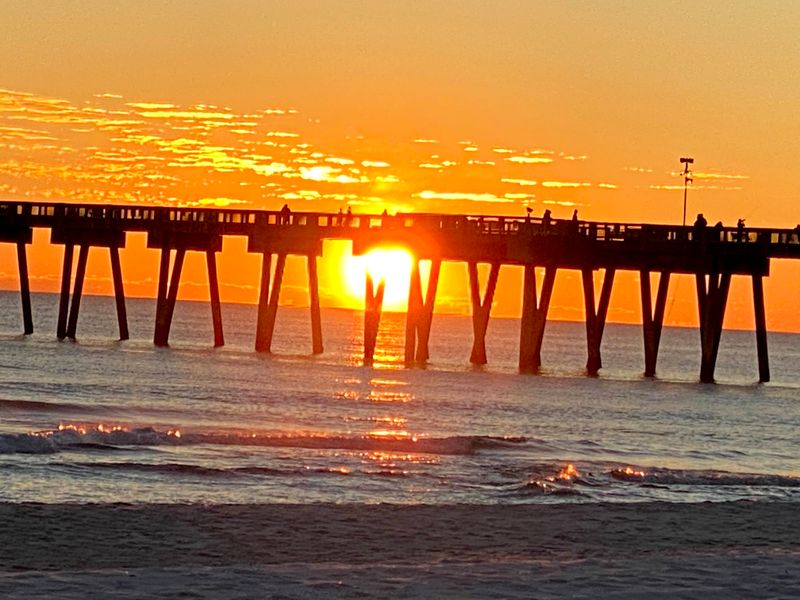
Miracle Strip Amusement Park once anchored Panama City Beach weekends with neon and motion.
The original beachfront site later gave way to redevelopment and new ventures.
Locals still share stories of classic rides and warm salt breezes.
If you map the old footprint, you will find the address 12000 Front Beach Rd, Panama City Beach, FL 32407.
Retail and entertainment now fill the area where coaster tracks once looped.
Photographs and news clips preserve the whirling color of summers past.
Florida beach culture shaped the park’s personality and its loyal following.
Seasonal crowds aligned with school breaks and Gulf weather rhythms.
The closure shifted attention to other attractions along the strip.
Archives show bumper cars, tilt rides, and a star attraction that drew nightly lines.
Ticket books and wristbands remain in personal scrapbooks across the Panhandle.
Auction records track the dispersal of select pieces.
Rumors surface about ride parts hidden in storage units, but confirmations are scarce.
What is certain is that developers reimagined the lots with modern needs.
The energy of the corner now feels different yet still lively.
Travelers can stroll sidewalks and compare old maps to current storefronts.
Sightlines match where lights once pulsed over the highway.
The exercise turns memory into a guided walk.
Pair your visit with sunset on the beach for a reflective finale.
Soft hues help pull together nostalgia and present-day fun.
The story lands gently when the surf grows steady.
You will leave with a sense of how coastal towns reinvent without losing heartbeat.
The park’s soundtrack echoes in gull calls and traffic murmurs.
The spirit of play continues in new clothes.
8. Pirates World Former Site in Dania Beach
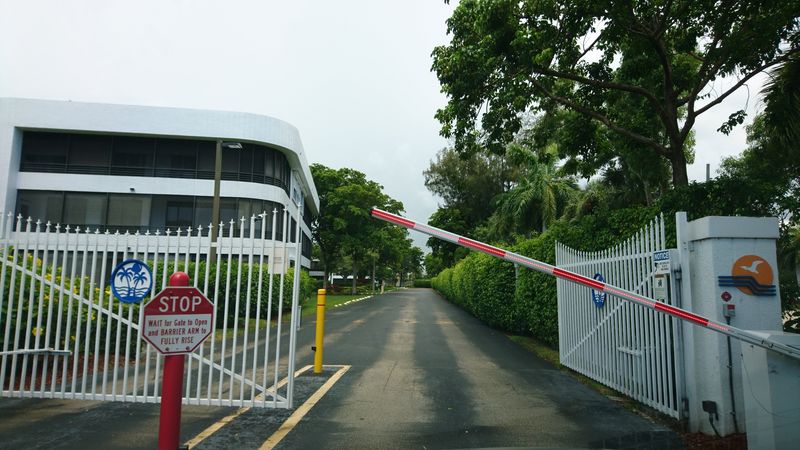
Pirates World brought a swashbuckling flair to Dania Beach during its run in the late 1960s and early 1970s. Concerts and themed rides created a lively mashup beside major roadways.
The property later transitioned through closures and redevelopment stages.
The former site sat on the north side of Sheridan Street east of US 1 according to period maps.
Modern parcels house businesses and residential spaces shaped by city planning.
A walking survey reveals little that reads as theme park today.
Florida music history threads through the venue’s concert roster with notable names.
Newspapers and flyers verify lineups that packed the grounds on weekends.
Archival recordings add texture to the timeline.
Rumors suggest props survived in local warehouses, yet evidence remains thin.
Most physical pieces likely moved on during clean out phases.
Memories now carry more weight than artifacts.
Travelers curious about the location can use intersections for orientation and context.
Street views align the corridor with historic aerials available from public sources.
The comparison brings the map alive under the bright coastal sun.
The story of Pirates World reflects how suburban growth reshapes land.
Zoning and transportation upgrades drew new demands and possibilities.
Entertainment districts often migrate toward larger footprints and parking.
Local librarians can point to clippings that frame milestones and ownership changes.
These resources help separate myth from verifiable detail.
You can build a day plan around archives and a nearby beach walk.
Stand near Sheridan Street and listen to traffic where drums once carried the beat.
The echo you feel is cultural rather than architectural.
That realization gives the site a quiet kind of resonance.
9. Six Flags Atlantis Former Water Park Site
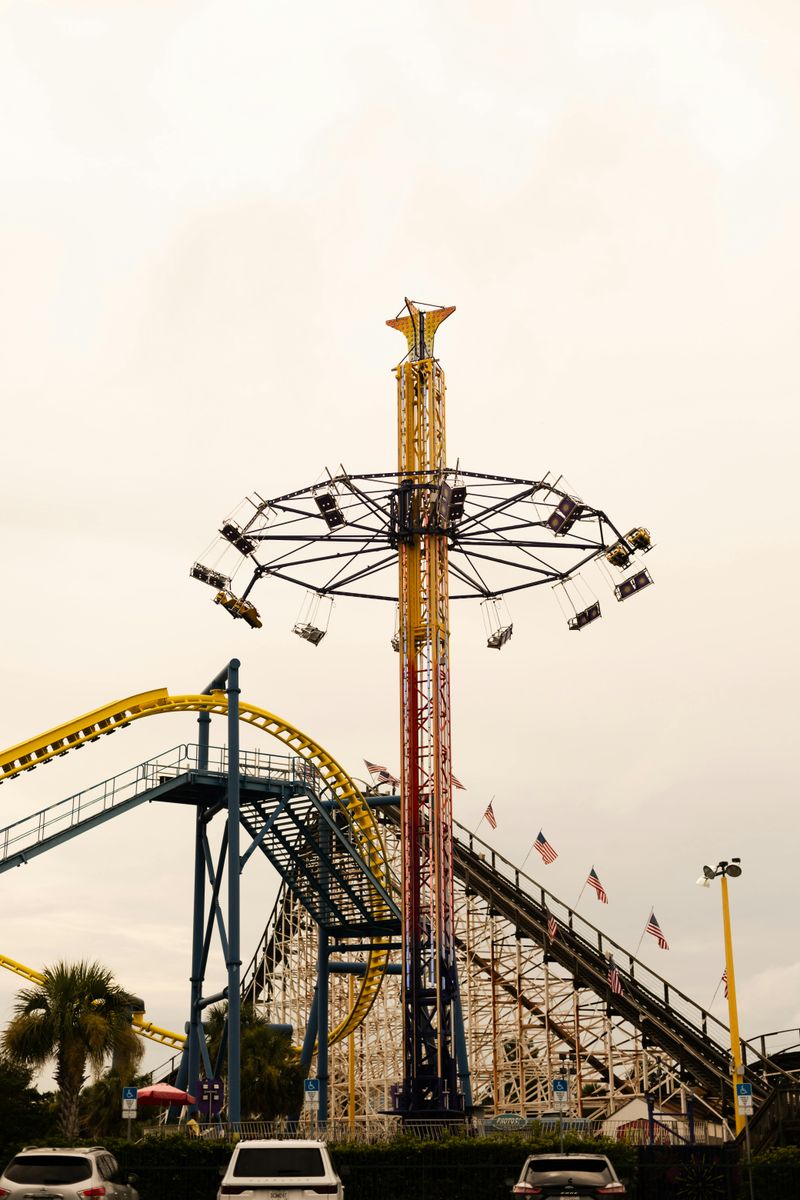
Six Flags Atlantis operated in the 1980s with slides, pools, and a wave machine that drew South Florida families.
The park closed after storm damage and business shifts altered its trajectory.
Development cycles then changed the face of the property.
The former location is referenced by coordinates 26°02-51-N 80°09-33-W near major roadways in Broward County. Public references and news archives support the timeline from opening to exit.
On the ground today, recognizable features are minimal.
Photos from the period show bright fiberglass curves and sun dazzled decks.
Marketing materials promised cool relief and all-day splash time.
Guests remember long lines that felt worth the wait.
Rumors sometimes claim underground structures remain, but credible surveys do not confirm that.
Construction projects typically clear utilities or repurpose corridors as needed.
Documentation favors permits and plats over speculation.
Florida drivers pass this area without sensing the water park history at their shoulder.
That invisibility highlights how fast landscapes evolve in metro counties.
Memory becomes the most reliable map for many locals.
Researchers can consult library microfilm for advertisements and weather reports.
Those clippings form a reliable path through the narrative. Interviews supplement facts with lived experience and texture.
If you visit the corridor, focus on safe vantage points and legal access.
Respect property lines and traffic patterns shaped by modern design.
The past unfolds best through records and storytelling.
Consider how today’s aquatic centers reflect lessons from earlier parks.
Modern facilities emphasize durability, safety systems, and smart water use.
The legacy of Atlantis persists as a set of practical insights.
10. Disney’s River Country and Discovery Island Context Wrap
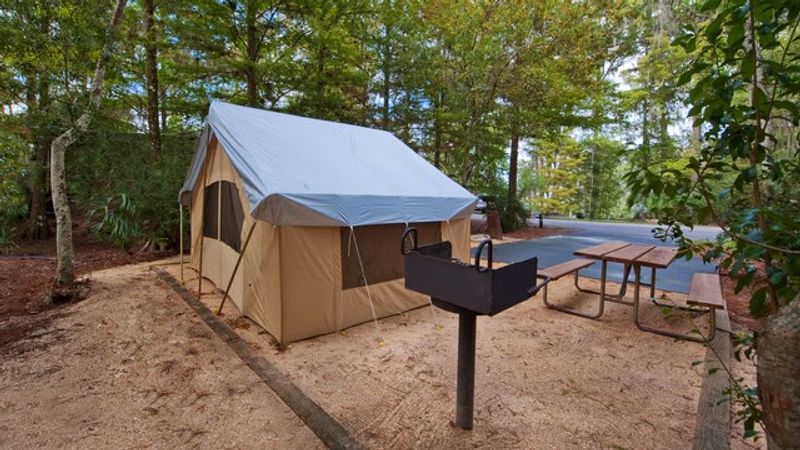
The paired histories of River Country and Discovery Island frame a unique chapter of Florida tourism.
Both sites sit on or near Bay Lake with access restrictions that protect operations and habitats.
Their stories reveal how design priorities shift with time and policy.
River Country championed naturalistic swimming environments that aged out of compliance.
Discovery Island focused on education and avian care that later moved elsewhere.
The closures unfolded across years with official confirmations and careful logistics.
Researchers can triangulate details from company statements and reputable news.
Timelines cross reference dates, staffing changes, and facility notes.
Photographic archives add texture to the narrative with verified provenance.
Speculation often fills gaps with vivid theories about hidden relics or secret paths.
Responsible accounts remain grounded in published records and current maps.
Clear boundaries around Bay Lake keep the present orderly and safe.
Travelers should approach these histories as reflective studies rather than scavenger hunts.
Respect for restricted zones preserves wildlife and employee safety.
Curiosity finds better expression in reading, listening, and guided learning.
Florida continues to reinvent visitor experiences with technology and environmental care.
Lessons from these closures surface in modern attractions and backstage protocols.
The arc from rustic to regulated appears across many industries.
If you want a legal view, choose public transportation routes and resort perimeters.
Distant glimpses paired with research can satisfy without intrusion.
Patience protects both history and habitat.
The emotional pull of these places remains strong because they housed family moments.
Memory can honor joy without crossing lines or forcing entry.
That balance keeps the past luminous and respected.
Dear Reader: This page may contain affiliate links which may earn a commission if you click through and make a purchase. Our independent journalism is not influenced by any advertiser or commercial initiative unless it is clearly marked as sponsored content. As travel products change, please be sure to reconfirm all details and stay up to date with current events to ensure a safe and successful trip.
