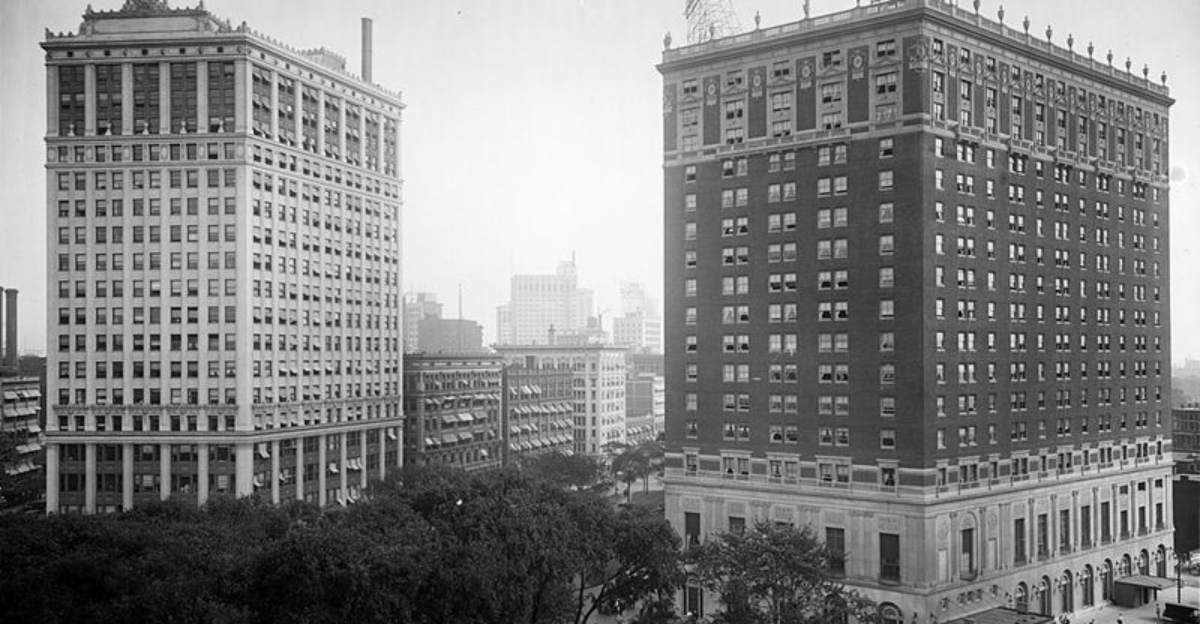
Michigan holds stories in brick and limestone, where quiet corridors and faded lobbies still echo with footsteps you can almost hear.
These hotels once welcomed travelers, hosted parties, and framed the rhythm of growing cities across the state.
Today, many stand in silent transition, some stabilized for renewal and others remembered through archives and guided history tours.
Walk with me through Michigan’s layered past, and let these places teach careful respect for preservation, access rules, and the power of documented memory.
1. Lee Plaza Hotel, Detroit
Across Michigan, a number of once-prominent hotels have faced abandonment at some point in their history.
Some still stand vacant, others have been repurposed through redevelopment, and a few have been lost to demolition.
Each experienced years of disuse, reflecting broader shifts in tourism, urban development, and local economies.
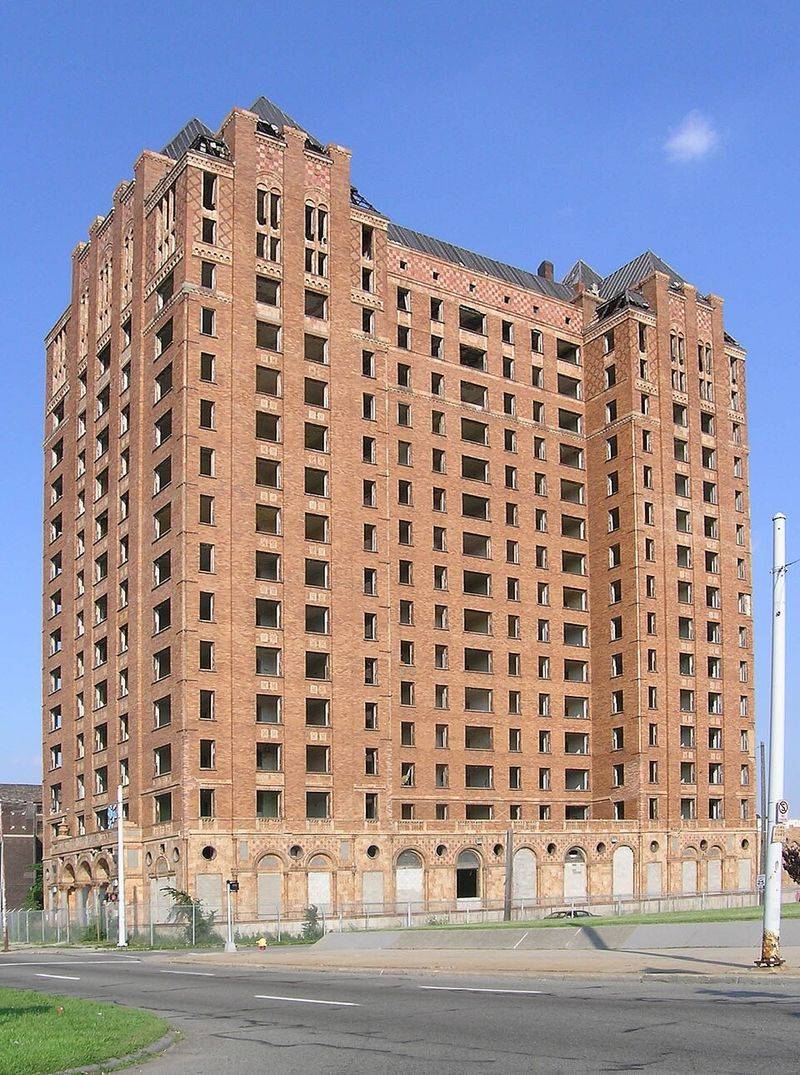
This list highlights Lee Plaza Hotel at 2240 W Grand Blvd, Detroit, MI 48208, noted for striking Art Deco details and long-standing preservation interest.
Its tower rises above the boulevard, where patterned brick, terra cotta, and ornate spandrels frame a silhouette that still commands attention.
Windows tell a story of time, with boards, glazing repairs, and stabilization efforts documented in city filings and preservation briefs.
Local reporting tracks redevelopment milestones, tax credits, and safety measures that limit access while work proceeds.
Guided exterior walks and historical resources offer the safest way to appreciate the building’s design and the neighborhood context.
Michigan preservation groups reference the property as a touchstone for adaptive reuse, balancing ambition with practical financing.
Archival photographs reveal grand lobbies, decorative ceilings, and views that once celebrated Detroit’s skyline and river light.
Contemporary images capture scaffolding, secured entries, and a careful choreography of stabilization and planning.
Community voices emphasize respect for barriers, recommending documentation through public sidewalks and verified tours only.
The address anchors a corridor where other heritage structures illustrate change in careful increments.
City permits, state databases, and National Register listings provide verifiable points for those researching its evolution.
Lee Plaza symbolizes endurance, caution, and the patient craft of bringing history forward responsibly.
2. Fort Shelby Hotel, Detroit
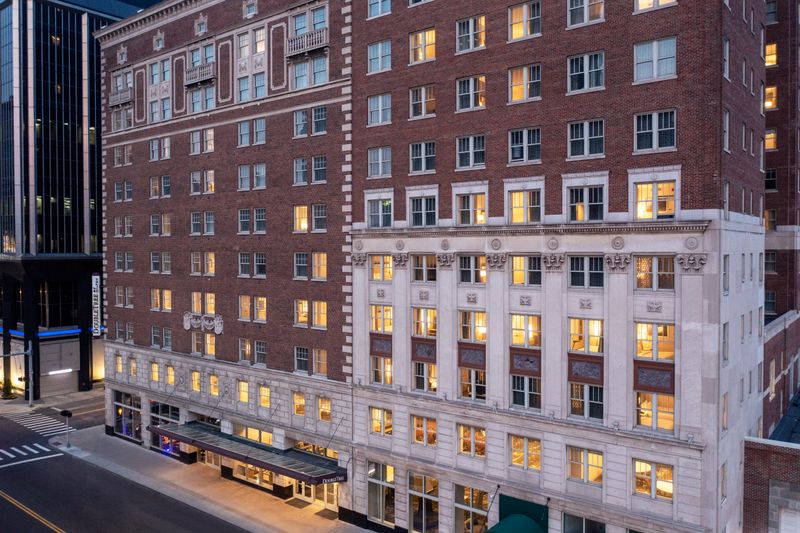
The Fort Shelby Hotel at 525 W Lafayette Blvd, Detroit, MI 48226, is a property that endured a lengthy idle period.
Its exterior bears classic lines and a restrained elegance that reads clearly from the sidewalk and the nearby intersection.
For years, sealed doors and dim windows marked a pause that became part of downtown memory and local planning debates.
Adaptive reuse returned hospitality within the structure, while documentation preserves knowledge of the building’s quieter era.
Public sources note access controls, life safety upgrades, and the importance of respecting on-site rules and active operations.
Michigan urban historians often reference this address when discussing hotel cycles, vacancy, and targeted reinvestment.
Archival views show ballrooms, corridors, and meeting spaces that once defined social calendars and city gatherings.
Current photographs highlight a stabilized facade, renewed entries, and thoughtful lighting that frames the stonework.
If you visit downtown, stay street side, keep to sidewalks, and observe posted instructions near the property limits.
Local organizations continue to compile records that place the hotel within Detroit’s broader architectural lineage.
These sources help separate verifiable facts from rumor, a vital step for anyone tracing the region’s hospitality heritage.
The Fort Shelby story underscores how careful stewardship can translate dormancy into lasting urban value.
3. Former Statler Hotel Site, Detroit
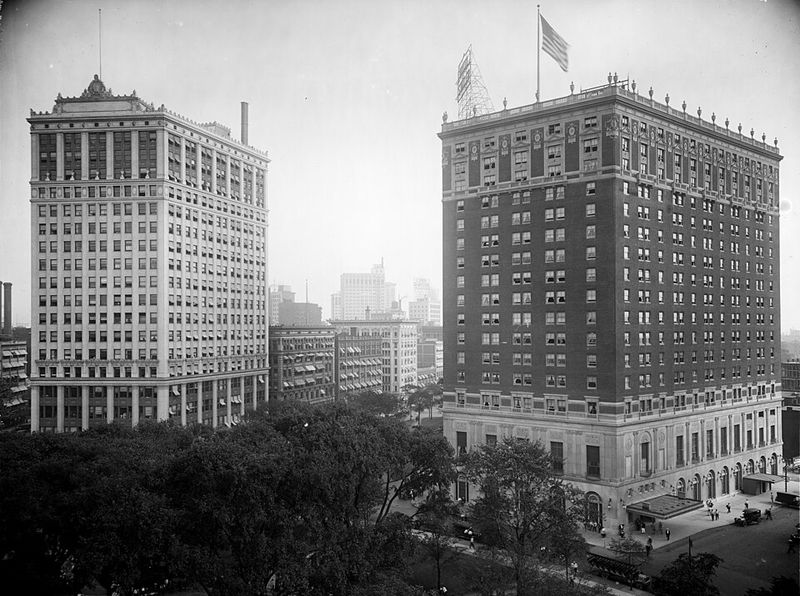
This stop remembers the Statler Hotel site at 1535 Washington Blvd, Detroit, MI 48226, once a centerpiece of downtown hospitality.
For decades after closure, the structure lingered in limbo, its empty windows and darkened marquee shaping planning conversations.
Demolition cleared the parcel, and later projects reimagined how the block could serve residents, workers, and visitors.
Archival photographs capture grand interiors and crowded sidewalks that contrasted sharply with the long quiet years.
Today, the address represents a lesson about timing, feasibility, and how preservation ideals meet modern constraints.
Michigan researchers often consult newspaper archives and municipal records to understand the sequence of proposals and outcomes.
Standing at the corner, you read the streetscape rather than a surviving facade, guided by maps, plaques, and city guides.
The narrative emphasizes documentation, urging respect for posted rules and private property boundaries around any active work.
Historic registries, photo collections, and planning reports help keep the memory rigorous and accessible.
The site’s evolution informs debates across Michigan about balancing heritage with new housing, offices, or public space.
Each resource contributes context, showing how a vanished landmark can still teach decision making for future projects.
The Statler’s arc illustrates how absence can carry lessons as tangible as brick and stone.
4. Book Cadillac, Detroit
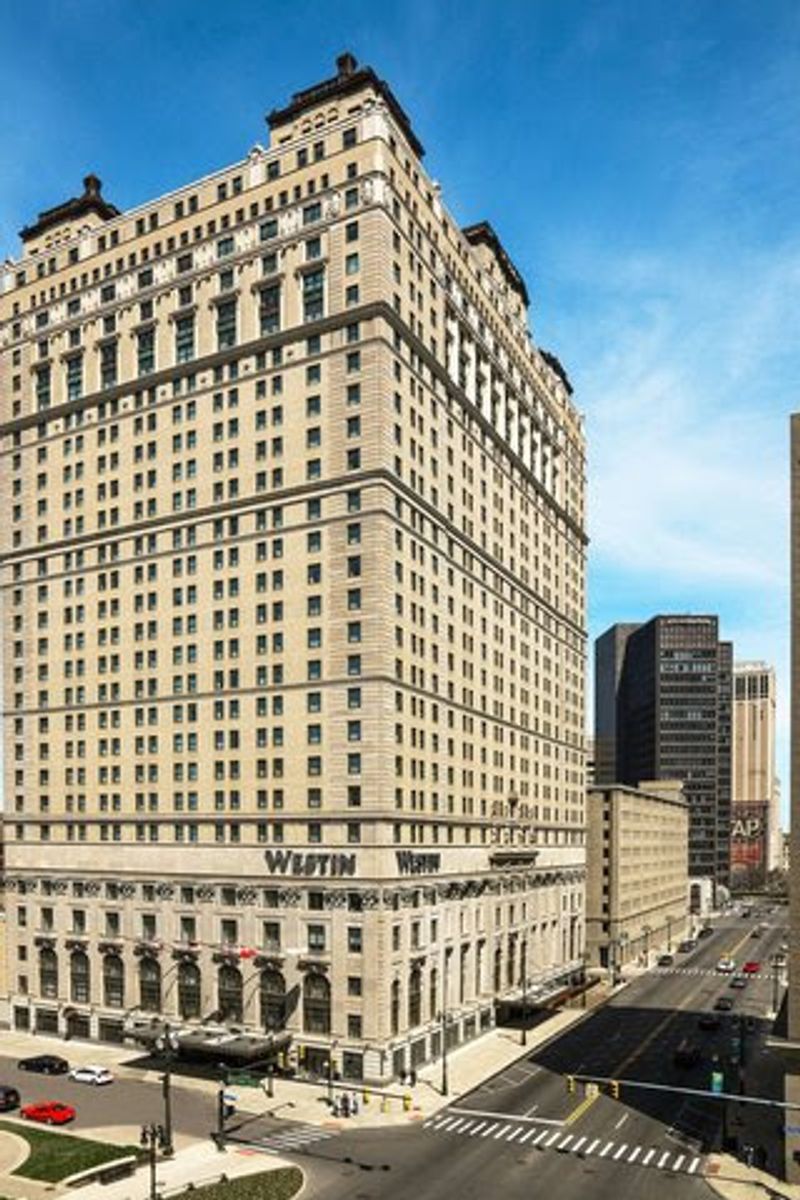
The Book Cadillac at 1114 Washington Blvd, Detroit, MI 48226, spent years sealed before an ambitious restoration reshaped its future.
For a long stretch, the tower’s empty windows and secured entries symbolized a downtown caught between memory and momentum.
Careful preservation work stabilized masonry, revived ornament, and returned hospitality to a landmark corridor.
Public documentation highlights safety protocols during the quiet phase, reminding visitors to observe barriers and posted signs.
Archival images reveal glittering ballrooms and grand staircases that later reappeared with new life and code-compliant systems.
Michigan travelers now recognize the address as a case study in adaptive reuse that honors historic fabric.
Street-level perspectives show polished stone, restored metalwork, and lighting that showcases architectural detail without clutter.
Neighborhood guides connect the building to nearby cultural venues, civic spaces, and transit links.
For research, local archives, city permits, and preservation briefs provide a reliable paper trail from vacancy to reopening.
The narrative underscores patient financing, community partnerships, and transparent communication.
This example proves that prolonged dormancy does not preclude a careful, future-facing return to service.
Standing on Washington Boulevard, you feel how history and present-day energy can share the same address with clarity.
5. Building 50, The Village at Grand Traverse Commons, Traverse City
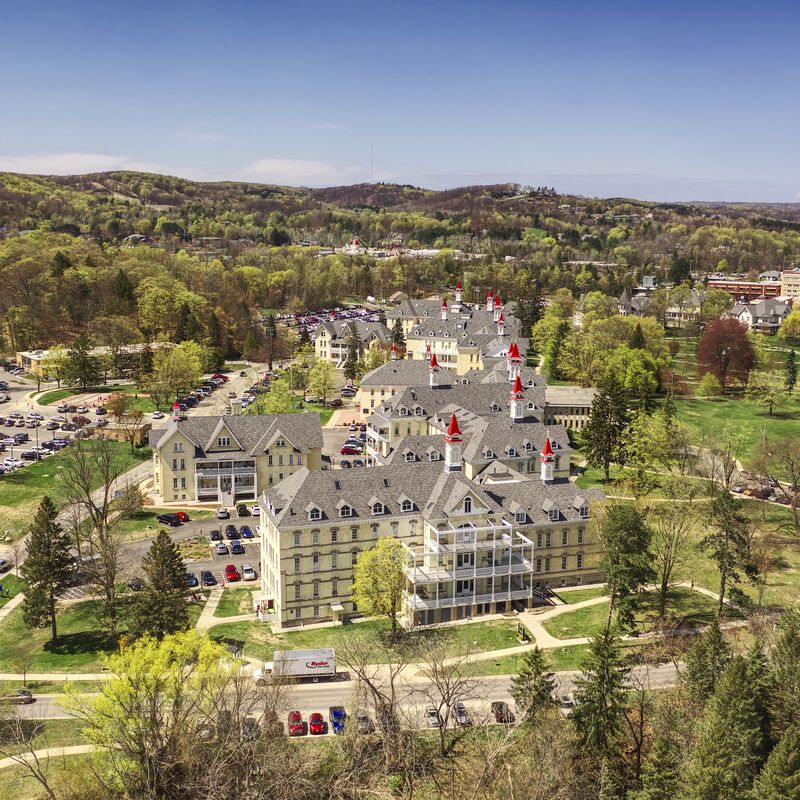
At 830 Cottageview Dr, Traverse City, MI 49684, Building 50 includes wings that once provided lodging within a larger healthcare campus.
The complex sat quiet after service changes, its corridors and porches recording seasons of wind and restoration planning.
Redevelopment introduced shops, residences, tours, and public spaces while retaining the landmark’s historic character.
Visitors learn the story through guided walks, exterior exploration, and interpretive materials on sanctioned routes.
Bright brick, rhythmic windows, and a central tower frame views that shift with sky and tree lines across the grounds.
Michigan history enthusiasts often note the property as a model for careful reuse and incremental progress.
Preservation documentation stresses safety, restricted access to nonpublic areas, and the value of verified sources.
Archival plans reference therapeutic design concepts that influenced layout, orientation, and ventilation.
Today, the site balances memory, community life, and continuing stewardship by local partners and tenants.
Photography focuses on exteriors, corridors, and seating alcoves that speak to scale and craftsmanship.
This address shows how a once-idle property can reconnect with contemporary needs.
When you walk the campus, stay within marked paths, consult official maps, and treat the building fabric with care.
6. Ojibway Hotel Annex, Sault Ste. Marie
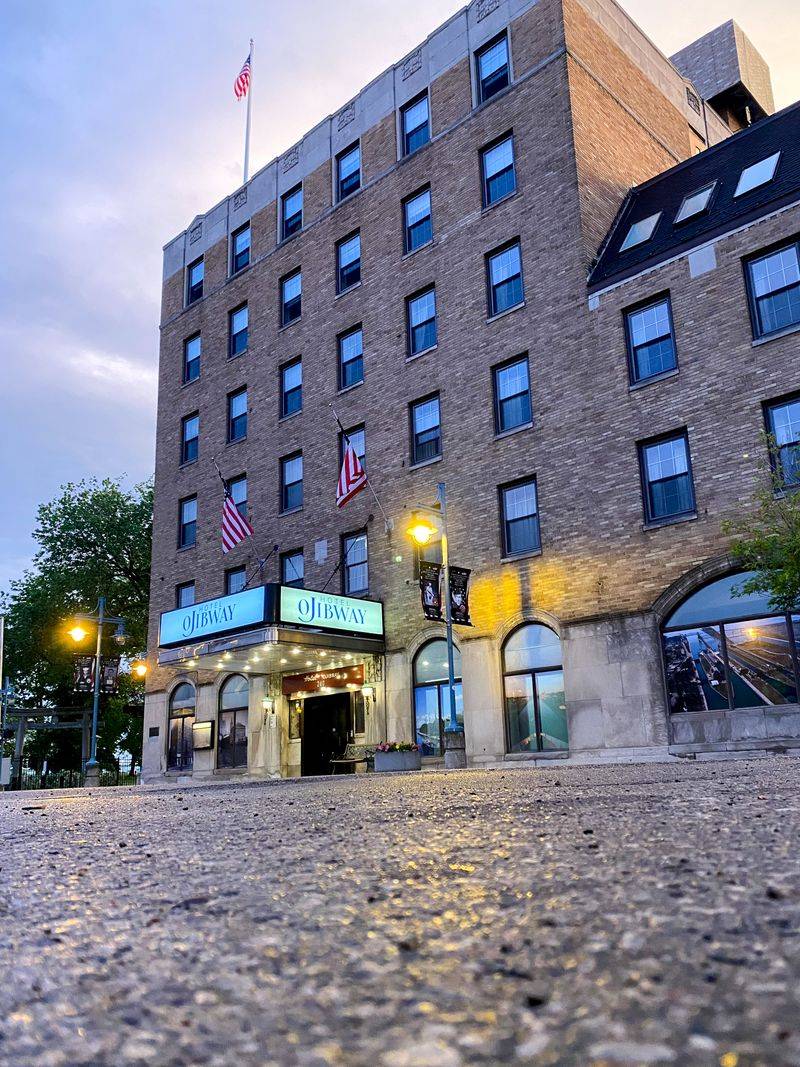
The Ojibway Hotel Annex at 240 W Portage Ave, Sault Ste. Marie, MI 49783, reflects quieter chapters beside an active neighbor.
Its rooms once expanded capacity for travelers bound for the locks, winter tournaments, and maritime events.
As demand shifted, the annex settled into a reserved posture, its facade holding texture and time in equal measure.
Local records and historical societies chart proposals, maintenance notes, and periodic evaluations of future options.
From the sidewalk, brickwork patterns and modest ornament read clearly, especially in angled afternoon light.
Michigan travelers often pair an exterior look with museum visits and waterfront walks to round out context.
Safe viewing means staying curbside, observing posted signs, and respecting any closures or site controls.
Photographs that focus on entrances, window bays, and cornice lines capture a calm portrait without intruding.
Community conversations continue about preservation strategies that align with market realities and heritage goals.
Archives preserve imagery of busy seasons when teams and spectators filled local lodging across the district.
Across Michigan, the annex story echoes in smaller cities where legacy hotels face changing mobility patterns.
If you go, let the street itself be your gallery, and let official guides shape a safe and informed experience.
7. Amazon Hotel, Muskegon
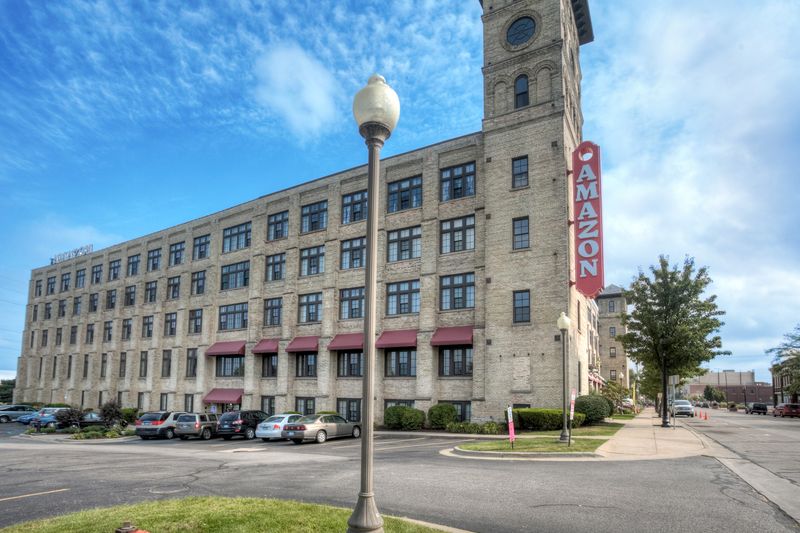
The Amazon Hotel at 447 W Western Ave, Muskegon, MI 49440, once served a lively lakeshore corridor with maritime energy.
Over time, closures and partial removals left a pared facade that still draws photographers and local historians.
Street views reveal brick textures, window outlines, and ghost signs that hint at past hospitality scenes.
Municipal archives document ownership changes, safety measures, and plans that arrived in distinct phases.
When you walk Western Avenue, you see how the street grid frames the remnant within a changing downtown.
Michigan’s shoreline towns share threads of industry, travel, and reinvention that read clearly in this address.
Respect fences, observe posted notices, and keep lenses trained on public vantage points only.
Historic images show lobbies and roof spaces where guests watched harbor activity and seasonal light.
Today, interpretation comes through exhibits, local books, and online collections curated by regional groups.
The building fragment stands as a quiet marker, neither forgotten nor fully revived, simply present.
Sites like this teach patience, documentation, and careful listening to community priorities.
Let your visit be brief, attentive, and grounded in reliable sources that preserve the story without risk.
8. House of David Hotel, Benton Harbor
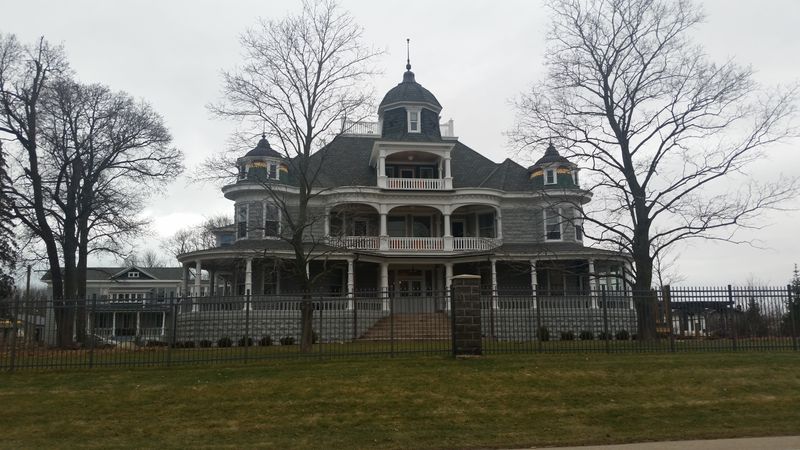
The House of David Hotel at 1158 E Britain Ave, Benton Harbor, MI 49022, anchors a site with layered cultural meaning.
Structures connected to the grounds have cycled through active use, quiet periods, and selective restoration.
Weathered exteriors, shaded walkways, and archival signage trace a unique blend of hospitality and community life.
Local societies and museums hold photographs, maps, and oral histories that clarify timelines and functions.
From the street, you notice patterned materials, rooflines, and porches that still broadcast an inviting geometry.
Michigan heritage trails often reference the address in discussions about tourism and regional entertainment history.
Visitors should follow public access rules, stay outside restricted zones, and rely on official tour offerings.
Imagery that favors architecture and landscape preserves context without intruding on sensitive areas.
Researchers cross-check newspapers, property records, and preservation inventories to avoid assumptions.
The resulting narrative balances curiosity with respect, a standard worth carrying to every heritage stop.
This property reminds travelers that memory can live in quiet spaces as strongly as in busy ones.
Let the setting speak at its own volume, and let verified sources guide what you share afterward.
9. Northland Hotel, Marquette
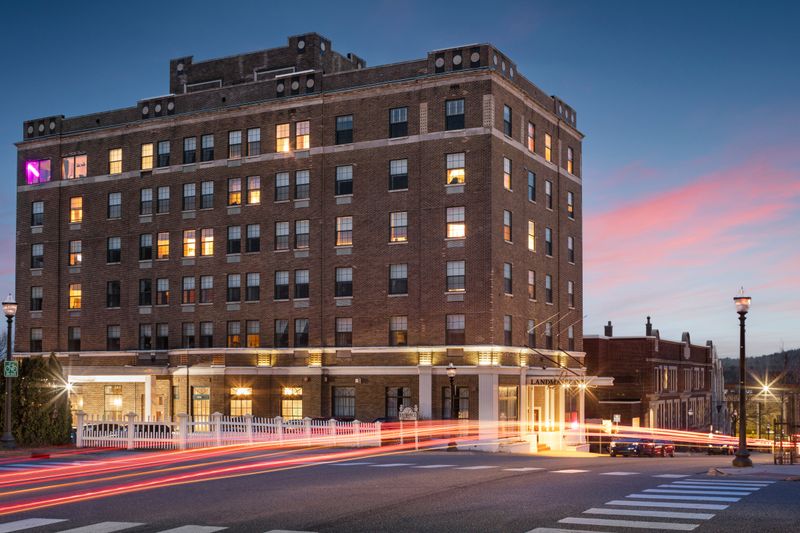
The Northland Hotel at 315 W Washington St, Marquette, MI 49855, sits within a compact downtown shaped by lake weather and stone.
Its facade presents symmetry, careful masonry, and a rhythm that photographs cleanly from curbside vantage points.
After activity declined, the building’s quiet seasons prompted studies, proposals, and conversations about next steps.
Local archives document gatherings, performances, and social hours that once filled halls and meeting rooms.
Today, views through the streetscape reveal a structure that continues to attract interest from preservation advocates.
Michigan’s Upper Peninsula heritage often centers on resource towns where hospitality mirrored economic cycles.
Visitors should observe posted notices, avoid unauthorized entry, and lean on museum guides for context.
Balanced reporting from regional outlets helps clarify status changes, stabilization, or future plans.
Photography works best when it highlights fenestration, stone trim, and the line where roof meets sky.
As communities plan, they weigh feasibility, code, and the character that historic buildings contribute.
The Northland story illustrates how patience and documentation set the stage for thoughtful reuse.
Stand on Washington Street, listen for lake wind between buildings, and let the details tell you what remains possible.
10. Park Avenue Hotel Site, Detroit
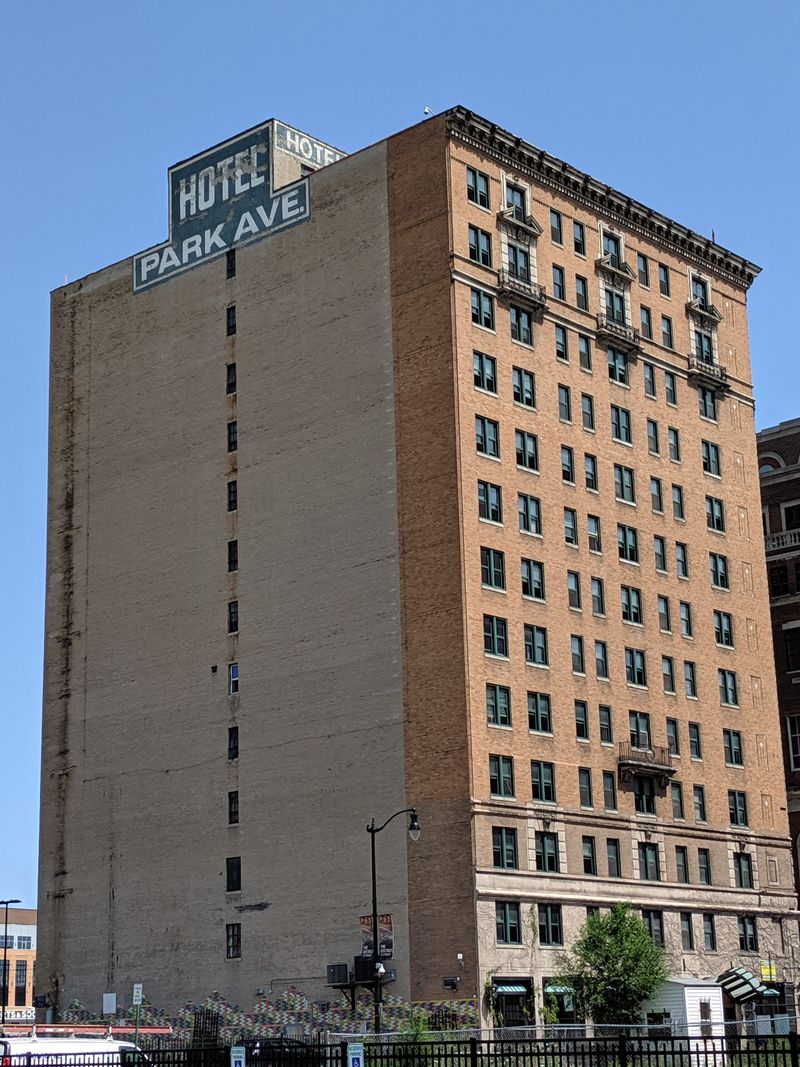
The Park Avenue Hotel site at 2643 Park Ave, Detroit, MI 48201, represents a chapter that ended with clearance for new construction.
Long after closure, the building’s quiet rooms and shuttered street frontage shaped debate about priorities downtown.
Demolition proceeded with permits and planning documents that remain accessible through public records.
Today, the address sits within a changing district where venues, streets, and open spaces draw steady foot traffic.
Historic photographs preserve the neon sign, facade rhythms, and lobby lines that defined the hotel’s identity.
Michigan preservation groups cite the site when explaining how policy and economics meet at the curb.
Visitors can read plaques, consult archives, and walk the block to imagine the former massing and scale.
Respect for construction zones, property lines, and event schedules keeps any visit safe and unobtrusive.
Media coverage and city filings together provide a reliable sequence of decisions and outcomes.
The narrative does not end, it shifts, offering lessons for future projects that weigh heritage alongside growth.
Such sites encourage better questions, clearer records, and informed public dialogue.
Stand at the corner, let the streetscape guide your sense of what was, and consider what might still be.
Dear Reader: This page may contain affiliate links which may earn a commission if you click through and make a purchase. Our independent journalism is not influenced by any advertiser or commercial initiative unless it is clearly marked as sponsored content. As travel products change, please be sure to reconfirm all details and stay up to date with current events to ensure a safe and successful trip.
