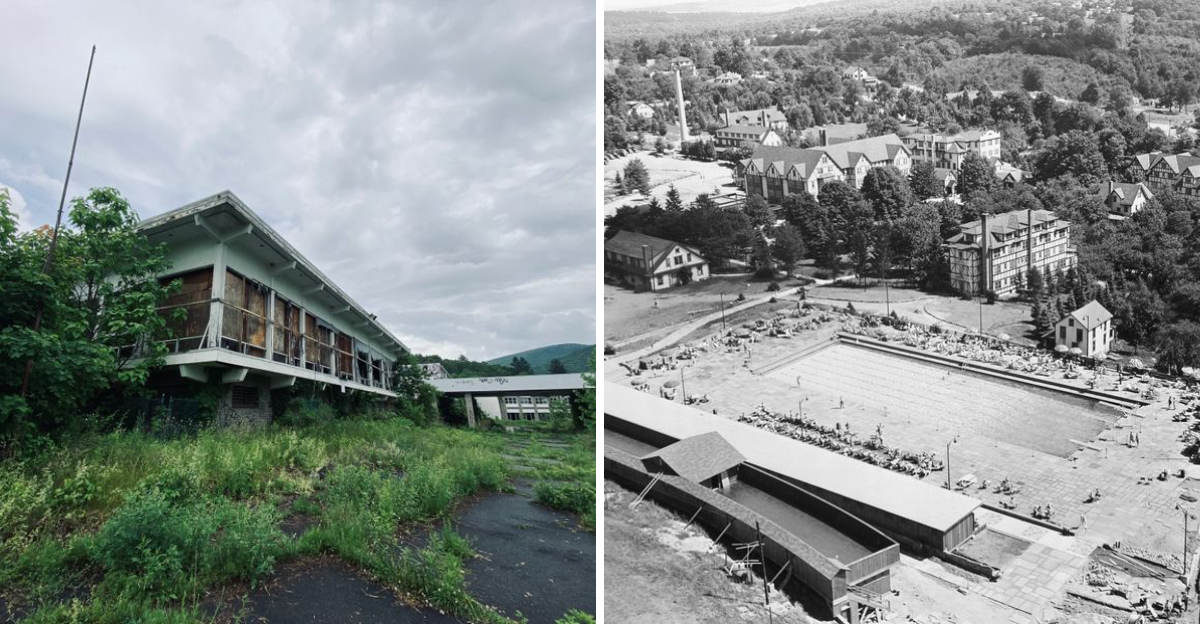
New York State once flourished as a vacation playground, filled with grand resorts that promised escape and leisure.
As tastes shifted, many of these properties were abandoned, left to decay in quiet isolation.
Today, they stand as haunting reminders of a tourism era gone by.
These six forgotten resorts reveal how quickly grandeur can fade.
This roundup is ordered based on historical relevance, documentation, present-day condition, and cultural memory surrounding each site.
Access, preservation status, and visibility may change, and the list reflects editorial interpretation rather than an exhaustive record.
Grossinger’s Catskill Resort Hotel
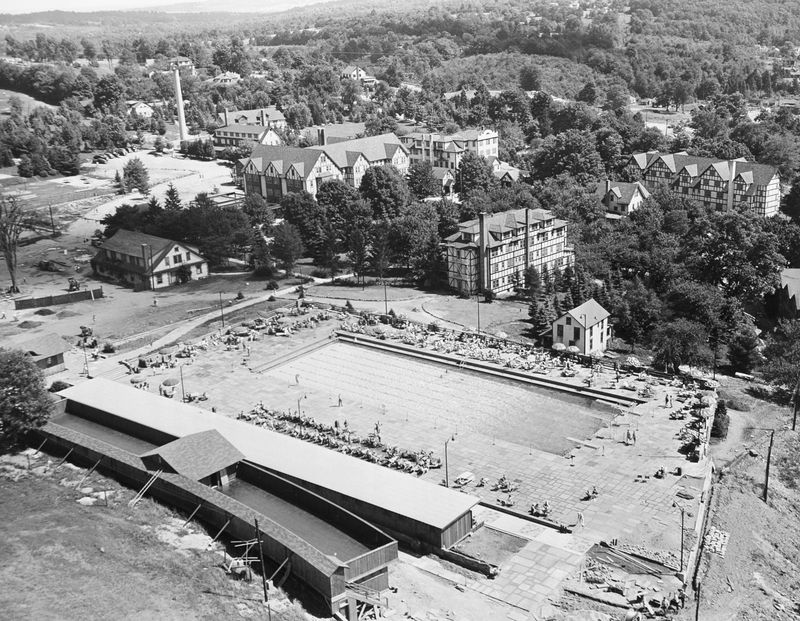
Once a beacon of luxury and entertainment, this sprawling resort complex attracted thousands of visitors seeking mountain air and first-class amenities during its peak years.
The property featured multiple swimming pools, tennis courts, a golf course, and entertainment venues that hosted famous performers throughout the decades.
Families returned year after year, creating traditions that spanned generations.
The resort’s decline began in the 1980s as vacation trends shifted toward warmer destinations and all-inclusive packages abroad.
Economic pressures mounted, and the property struggled to maintain its aging infrastructure while competing with modern alternatives.
By the late 1980s, the once-bustling resort closed its doors permanently, leaving behind a massive footprint of buildings and recreational facilities.
Nature quickly reclaimed the abandoned grounds, with trees pushing through cracked pavement and vines crawling up deteriorating walls.
The empty swimming pools filled with rainwater and debris, while the grand lobby that once welcomed eager guests fell into disrepair.
Urban explorers have documented the eerie beauty of the decaying structures, capturing images of peeling wallpaper, collapsed ceilings, and forgotten furniture.
The site has become a symbol of how quickly prosperity can vanish when cultural preferences evolve.
Despite numerous redevelopment proposals over the years, the property remains largely untouched, frozen in time.
Walking through the ruins today feels like stepping into a time capsule of mid-century leisure culture.
The abandoned resort serves as a powerful reminder of New York State’s role in American vacation history and the impermanence of even the most successful enterprises.
Its empty halls whisper stories of countless celebrations, family reunions, and romantic getaways that once filled every corner with life.
The resort’s architecture combined elegance with functionality, reflecting mid-century design trends.
Staff members often became part of guests’ extended vacation families, remembered fondly for decades.
Seasonal festivals and themed weeks created excitement and drew visitors from across the country.
Local folklore sometimes mentioned celebrities who frequented the resort under the cover of discretion.
Even in ruin, Grossinger’s remains a touchstone for nostalgia and cultural memory in the Catskills.
Location: 127 Grossinger Road, Liberty, NY 12754
Homowack Lodge

This mountain retreat once offered families an affordable escape from city life, with activities ranging from swimming to horseback riding across its extensive grounds.
The lodge operated for decades as a popular destination for middle-class families seeking outdoor recreation and communal dining experiences.
Its main building housed a large dining hall where guests gathered for meals, socializing, and evening entertainment.
The property included numerous guest rooms, recreational facilities, and natural areas perfect for hiking and exploration.
Children spent summers making friends, swimming in the pool, and participating in organized activities while parents relaxed.
The lodge represented a simpler era of vacation travel, before luxury became the primary expectation.
As tourism patterns changed and families began preferring destination resorts with more amenities, attendance declined steadily.
The property closed in the early 2000s, ending a long tradition of hospitality in the New York mountains.
Since abandonment, the buildings have suffered extensive damage from weather, vandalism, and neglect.
The once-welcoming lobby now features collapsed ceilings, water damage, and debris scattered across rotting floors.
Guest rooms sit empty, their furnishings long removed or destroyed, leaving only bare walls and broken fixtures.
The swimming pool, once filled with laughing children, now holds stagnant water and fallen leaves.
Urban explorers who visit the site describe an eerie atmosphere, with abandoned personal items occasionally discovered among the ruins.
The property serves as a testament to how quickly nature reclaims human structures when maintenance ceases.
For those who remember vacationing here, seeing photographs of the abandoned lodge evokes powerful nostalgia mixed with sadness for what has been lost.
The lodge’s trails led guests through dense forest, offering both adventure and tranquility.
Special weekend events included talent shows, dances, and communal meals that fostered camaraderie.
The natural landscape surrounding the lodge became an integral part of the vacation experience.
Local families often returned year after year, passing on the tradition to younger generations.
Today, photographs and stories from the lodge keep its legacy alive despite physical decay.
Location: Spring Glen, Sullivan County, NY 12737
Pines Hotel
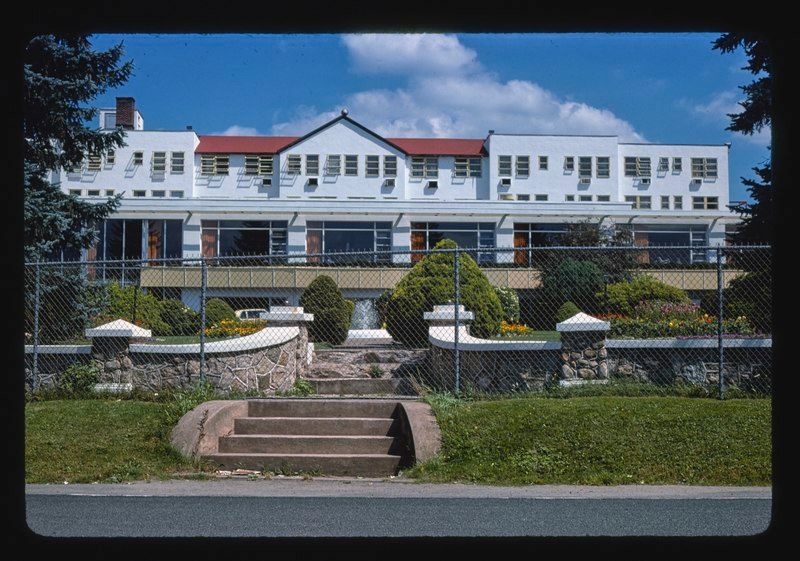
Grandeur defined this massive resort complex, which once accommodated thousands of guests simultaneously during its operational peak.
The property featured multiple buildings connected by covered walkways, creating a self-contained vacation world.
Entertainment was central to the experience, with famous comedians, musicians, and performers gracing its stages throughout the decades.
The resort hosted elaborate shows, dance performances, and social events that kept guests entertained from morning until late evening.
Dining options included multiple restaurants serving everything from casual fare to formal multi-course meals.
The property also boasted extensive recreational facilities, including indoor and outdoor pools, tennis courts, and golf access.
During its golden years, the hotel represented the pinnacle of resort living in New York State, attracting wealthy families and celebrities alike.
However, changing vacation preferences and rising operational costs created financial challenges that proved insurmountable.
The resort closed in 1998, marking the end of an era for large-scale traditional resorts in the region.
Since closure, the property has become one of the most photographed abandoned sites in the state.
The main building’s exterior remains imposing despite years of neglect, with its distinctive architecture still recognizable.
Interior spaces have suffered severe damage, with collapsed sections, water intrusion, and extensive vandalism throughout.
The grand ballroom where countless celebrations occurred now sits silent, its ornate details obscured by decay and graffiti.
Urban exploration of the site reveals layer upon layer of history, from vintage signage to abandoned furniture and fixtures.
The abandoned resort stands as a monument to the rise and fall of destination tourism in the New York State.
The property once featured sprawling gardens where guests strolled in the evenings.
Music and theater productions were scheduled daily, providing continuous entertainment throughout the summer.
The hotel employed a large staff, many of whom lived on-site during peak seasons.
Seasonal decorations and themed parties added a sense of magic to each visit.
Even as it fell into disrepair, the resort’s grandeur continues to inspire photographers and historians alike.
Location: South Fallsburg, Sullivan County, NY 12779
Kutsher’s Country Club
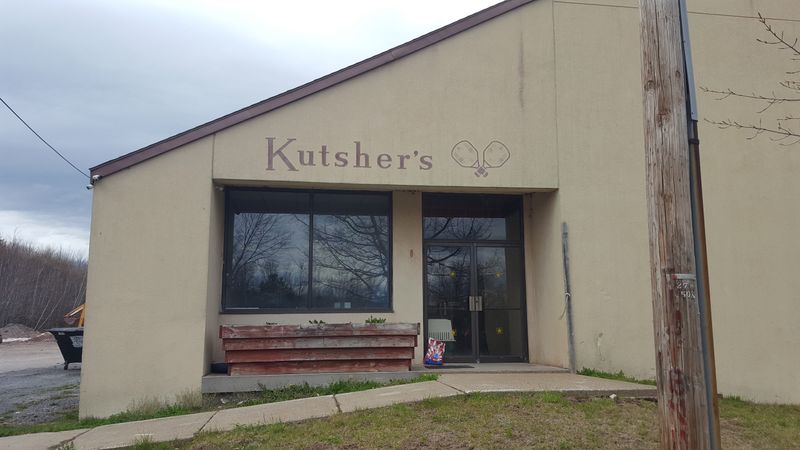
Athletic excellence and family fun merged at this resort, which built its reputation on sports facilities and recreational programming.
The property featured an Olympic-sized pool where competitive swimmers trained alongside vacationing families.
Basketball courts hosted amateur tournaments and attracted sports enthusiasts seeking active vacations.
The resort gained fame for its basketball program, with numerous professional players spending time at the facility over the decades.
Beyond sports, the property offered traditional resort amenities including comfortable accommodations, dining options, and evening entertainment.
Families appreciated the combination of structured activities and relaxed mountain atmosphere.
The resort maintained loyal clientele for generations, with guests returning annually to participate in favorite activities and reconnect with vacation friends.
Despite this dedicated following, changing vacation patterns and increased competition gradually eroded profitability.
The resort closed in 2013, ending over a century of hospitality and recreation.
Abandonment brought rapid deterioration, with buildings suffering from exposure to elements and lack of maintenance.
The famous pool sits empty, its diving boards rusted and tiles crumbling around the edges.
Basketball courts where future professionals once played now feature cracked surfaces overtaken by weeds.
The main building’s interior reveals layers of history, from vintage sports memorabilia to faded photographs documenting decades of athletic achievement.
Guest rooms remain partially furnished, creating unsettling scenes of interrupted life frozen in time.
The abandoned resort represents not just a failed business but the end of a cultural institution that shaped countless childhoods and family memories across multiple generations in New York.
The resort hosted annual sports tournaments that became major regional attractions.
Evenings featured live music, dancing, and themed parties for all ages.
Guest cottages offered privacy while still being connected to the main resort amenities.
The property cultivated a loyal following through personal attention and consistent quality.
Despite abandonment, memories of athletic triumphs and family fun linger in local narratives.
Location: Monticello / Thompson, Sullivan County, NY 12701
The Concord Hotel
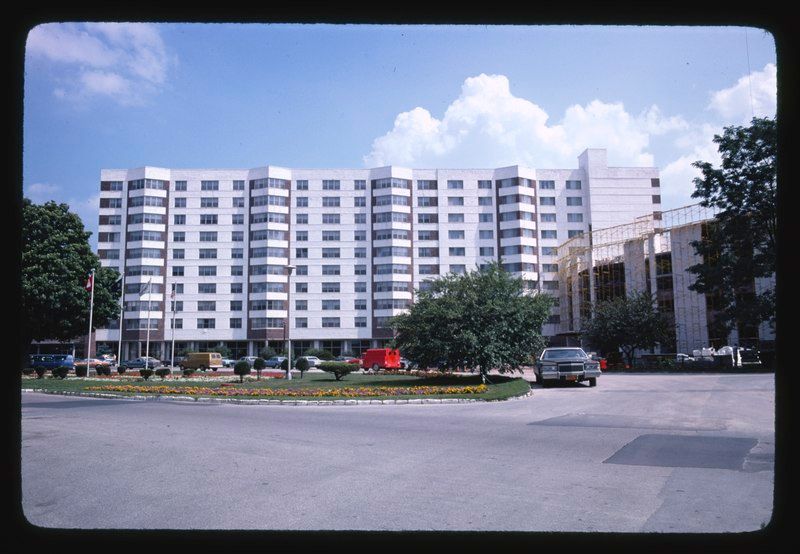
Scale and ambition distinguished this resort, which grew into one of the largest vacation complexes in the region.
The property could accommodate thousands of guests simultaneously, creating a small city dedicated entirely to leisure and entertainment.
Multiple restaurants served diverse cuisines, ensuring guests never tired of dining options during extended stays.
Entertainment venues hosted world-famous performers, with the resort’s nightclub becoming legendary for its shows.
The complex included an indoor pool under a massive dome, allowing year-round swimming regardless of weather.
Outdoor facilities featured golf courses, tennis courts, and extensive walking paths through landscaped grounds.
A shopping arcade within the resort allowed guests to purchase necessities and souvenirs without leaving the property.
During peak seasons, the resort buzzed with activity from dawn until late evening, offering something for every age and interest.
Despite its success, the resort struggled to maintain profitability as operational costs soared and competition increased.
The property closed in 1998, shocking many who considered it an enduring institution.
Abandonment revealed the true scale of the complex, with numerous buildings slowly deteriorating across the expansive grounds.
The iconic dome covering the indoor pool collapsed partially, creating a dramatic scene of destruction visible from surrounding areas.
Vast parking lots, once filled with thousands of vehicles, now feature cracked pavement overtaken by weeds and small trees.
Interior exploration reveals the resort’s former grandeur through remnants of elaborate decor, now covered in graffiti and decay.
The abandoned complex stands as perhaps the most dramatic example of resort decline in New York, symbolizing the complete transformation of regional tourism over recent decades.
The resort once had its own ice rink, bowling alley, and other indoor recreational facilities.
Children’s programs included arts and crafts, nature walks, and sports clinics.
Staff often formed lifelong relationships with returning guests, creating a unique sense of community.
The resort hosted celebrity appearances that added glamour and drew additional visitors.
Today, the partially collapsed buildings tell a story of scale, ambition, and inevitable decline.
Location: Concord Road, Kiamesha Lake, NY 12751
Laurels Hotel and Country Club
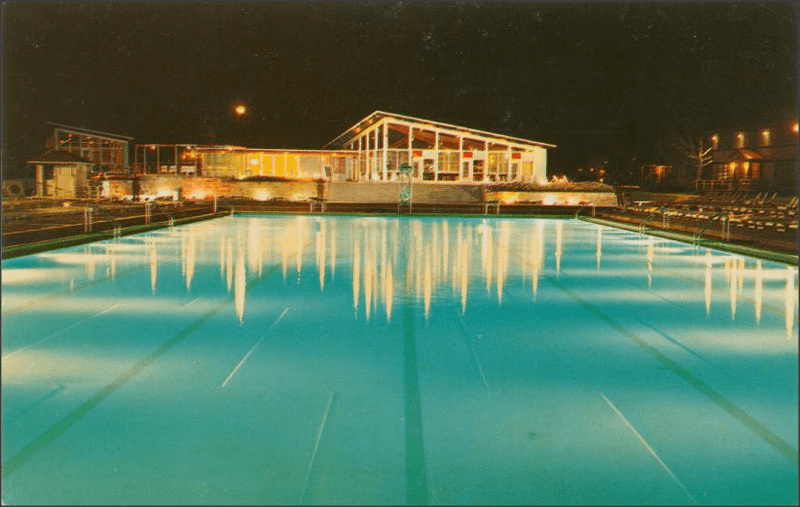
The lakefront setting made Laurels special from the start.
Water-based recreation became a central part of the guest experience, with boating, swimming, and fishing drawing families throughout the summer months.
The resort combined natural beauty with entertainment programming, offering a balanced vacation experience.
Performers took the stage regularly, and guests enjoyed amenities that rivaled larger properties.
Laurels developed a reputation for quality and consistency, attracting repeat visitors who appreciated its unique location.
The resort became a fixture in Fallsburg, contributing to the local economy and community identity.
But success in one era doesn’t guarantee survival in the next.
As vacation preferences evolved, Laurels faced declining attendance and mounting financial pressure.
The property closed, leaving behind buildings that quickly fell into disrepair.
For years, the structures sat abandoned, slowly deteriorating.
Some were eventually removed, while others remained standing in various states of decay.
The lakefront location, once a major selling point, became a haunting backdrop for ruin.
Overgrown grounds and crumbling buildings created a stark contrast with the natural beauty that surrounded them.
Redevelopment plans eventually emerged, though their success remained uncertain for years.
The site near Fallsburg became a symbol of the Catskills’ struggle to reinvent itself after the resort era ended.
Laurels’ story is one of rise, decline, and uncertain future.
It represents the many properties caught between abandonment and revival, their fate hanging in balance.
The resort’s legacy lives on in the memories of those who experienced it and in the physical traces that remain visible throughout New York’s resort region.
The resort’s gardens and walking paths were carefully maintained, offering a peaceful retreat for guests.
Children and teens had dedicated programs, ensuring families of all ages had engaging activities.
The lake often hosted special events, from regattas to fireworks, creating a festive atmosphere each summer.
Local artisans and suppliers benefited from the resort’s popularity, creating a network of economic support.
Even after closure, memories of summer dances, lake parties, and shared traditions kept Laurels alive in community stories.
The resort maintained a small marina, allowing guests to explore the lake at leisure.
Evening entertainment often included outdoor concerts and themed dances under the stars.
Seasonal festivals celebrated local culture, drawing both visitors and townspeople to the grounds.
The surrounding forest provided hiking trails and natural retreats that complemented lake activities.
Memories of family picnics and summer gatherings continue to resonate with those who visited.
Location: Fallsburg / Sullivan County, NY 12751
Dear Reader: This page may contain affiliate links which may earn a commission if you click through and make a purchase. Our independent journalism is not influenced by any advertiser or commercial initiative unless it is clearly marked as sponsored content. As travel products change, please be sure to reconfirm all details and stay up to date with current events to ensure a safe and successful trip.
