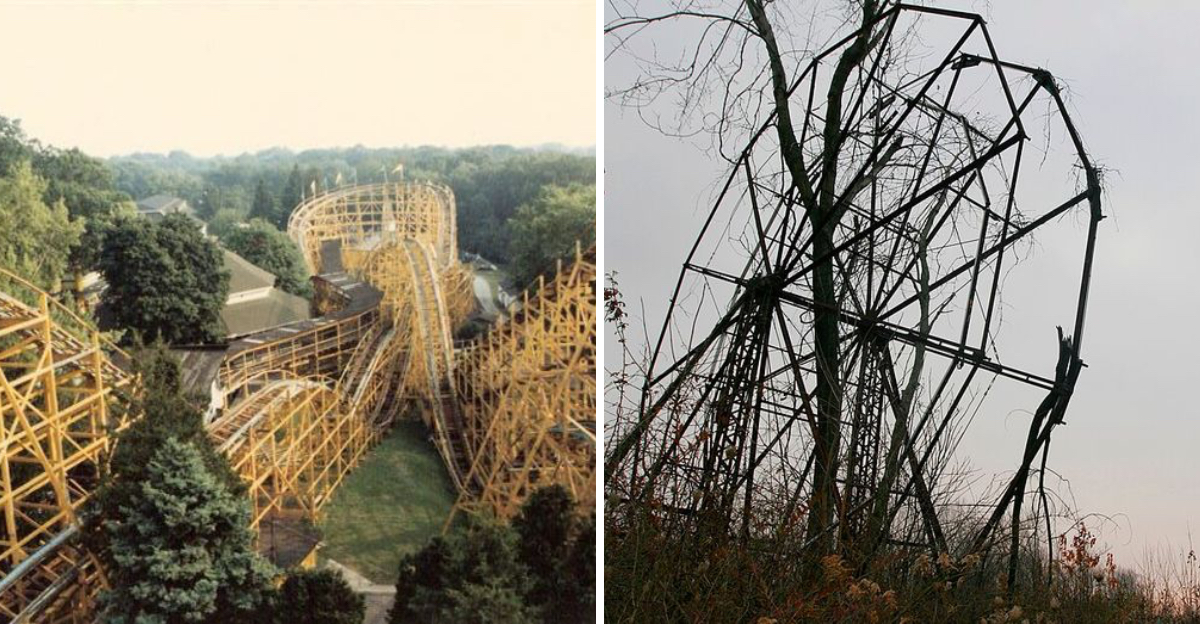
Ohio is full of stories that refuse to fade, especially the ones set in parks where music, lights, and laughter once defined summer.
Locals still swap memories of wooden coasters, cotton candy, and beachy lakeside breezes, as if the gates might swing open again any minute.
This guide revisits seven beloved sites, adding addresses and present day context so you can place each memory on a map.
Come along for a respectful wander through places Ohio still talks about, even after the neon went dark.
This roundup is ordered based on historical significance, local lore, available documentation, and the lasting impact each park has had on its surrounding community.
Conditions and access vary by site, and the list reflects editorial perspective rather than an exhaustive or official record.
1. Chippewa Lake Park
Ohio’s landscape once sparkled with thrilling amusement parks that drew families from across the Midwest.
While many of these beloved attractions have closed their gates forever, they live on in the memories of locals who experienced their magic firsthand.
From wooden roller coasters to carousels and cotton candy, these parks created moments of joy that span generations.
Here’s a nostalgic journey through seven forgotten Ohio amusement parks that still spark conversation among those who remember their heyday.
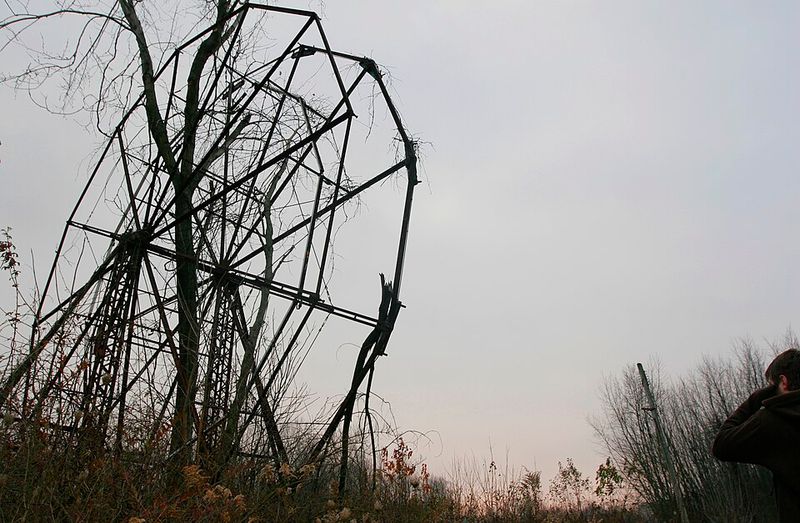
Chippewa Lake Park stood at 7830 Lake Rd, Chippewa Lake, Ohio, near tranquil water that mirrored twinkling lights each summer night.
The Tumble Bug and the Big Dipper thrilled riders, and you can still hear locals describe the creaks, the wind, and the rush that felt like freedom.
After closing, trees crawled over rails, and cattails leaned toward quiet loops where screams once lifted above the shoreline.
Photographs of skeletal tracks poking through brush turned into symbols of a park that slipped into legend.
Demolition removed most structures, and the property shifted to private redevelopment, so respectful viewing from public roads is the best approach today.
The lake remains a steady landmark, and the curve of the shore helps old timers point out where the midway once unfurled.
Stories linger in closets and attics, tucked in programs, postcards, and prize plush that still smell like sugar and sunscreen.
Listen to grandparents recall dances, fireworks, and first dates, and the park resurfaces with vivid clarity.
Ohio holds tight to places that shaped summers, and this one refuses to fade from local conversation.
If you drive past at golden hour, the light skims ripples and casts silhouettes that echo Ferris wheel spokes.
You might not see rides, yet the setting works on your imagination, pulling you into a time when joy felt simple and near.
Locals also recall the midway sounds carrying across the water, blending ride music with the lap of small waves along the shore.
The park’s location made it a destination where lake breezes softened hot days and extended evenings well past sunset.
Season passes were common, and families often planned entire summers around repeat visits rather than single outings.
Even after demolition, amateur historians documented the site carefully, preserving layouts through sketches and photographs.
Chippewa Lake Park continues to surface in Ohio conversations as a symbol of how leisure once felt slower and more personal.
2. Euclid Beach Park
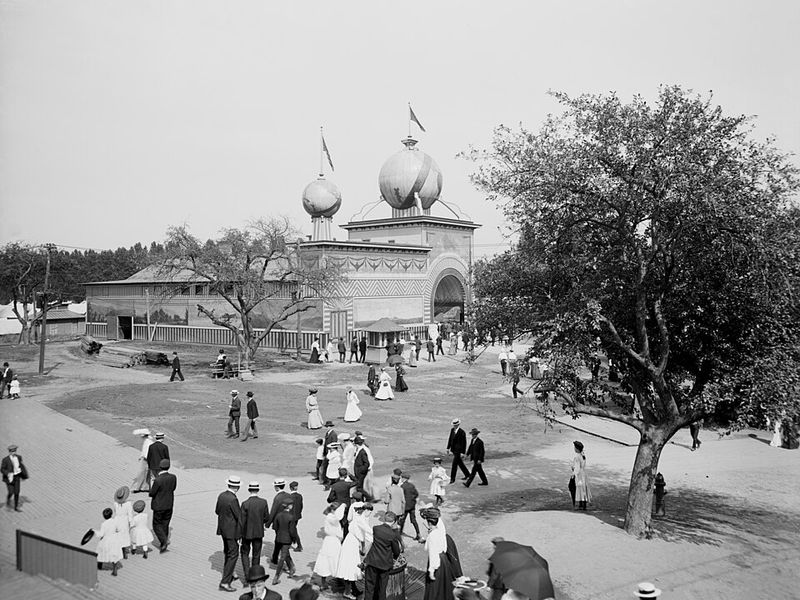
Euclid Beach Park stood along 16301 Lake Shore Blvd, Cleveland, Ohio, where the lakeside breeze framed a grand entrance arch that still welcomes walkers.
The Thriller and Flying Turns once roared beside Lake Erie, and the scent of sweet treats drifted past games and pavilions.
The carousel now spins at the Western Reserve Historical Society inside the Cleveland History Center, polished and humming with organ notes.
Visitors can admire the restored horses, then stroll the shoreline where crowds once queued under summer skies.
The site functions today as a public green with paths that trace the outline of the former midway.
Interpretive signs and the arch help map memory to place, and the wind off the water seems to carry echoes.
Community groups host reunions that keep stories alive without leaning on rides that no longer stand.
If you drift through at sunset, the horizon turns rosy, and benches face waves that fold into the past.
Ohio history feels immediate here, because the city and the lake meet in a calm, reflective scene.
Bring curiosity and time, and you can match old photographs to modern sightlines with satisfying precision.
The park may be gone, yet the setting remains generous, offering room to breathe, remember, and look ahead.
Older Cleveland residents often describe the park as a social equalizer where neighborhoods mixed freely along the water.
The entrance arch remains a rare physical bridge between the present day shoreline and the park’s lively past.
School outings, company picnics, and family reunions once filled the grounds with overlapping celebrations.
The sound of waves against the seawall still mirrors the steady background hum that once accompanied rides and music.
Euclid Beach Park endures as one of Ohio’s clearest examples of memory preserved through place rather than structures.
3. Idora Park
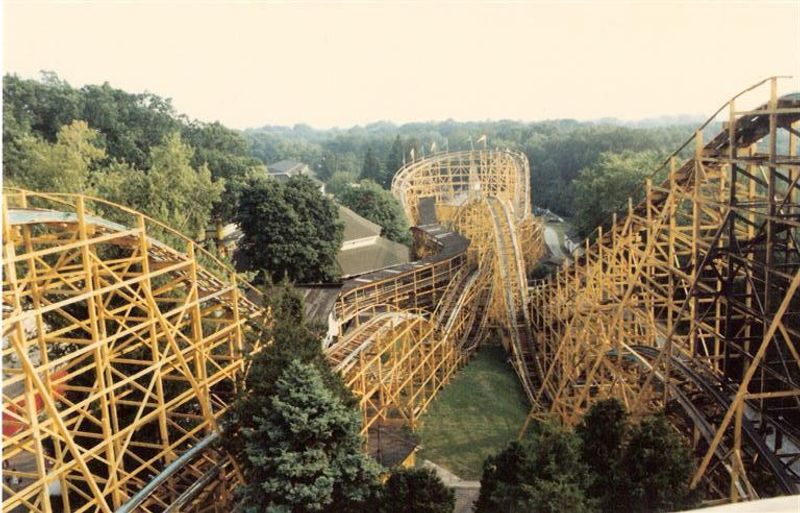
Idora Park occupied ground near 4400 Canfield Rd, Youngstown, Ohio, close to Mill Creek Park and tree lined streets that soften the footprint.
The Wildcat earned passionate praise, and locals still describe the drop as a rite of passage that defined long summers.
A catastrophic fire ended operations and scattered artifacts, yet community memory stitched pieces together through reunions and archives.
The carousel survived and now turns in New York, a graceful link between places and years.
Back on the former site, redevelopment and green space reflect a new chapter that respects neighborhood rhythms.
You can drive the perimeter and trace the bounds, using old maps to align corners and former gates.
The ballroom once hosted big band evenings that shimmer in oral histories kept by regional museums.
Stand quietly and you may sense the clatter of midway games riding on a light valley breeze.
Ohio stories gain power when tied to streets and coordinates that you can visit today.
Local historians have mapped features with precision, which helps conversations stay factual and grounded.
This place proves how joy, music, and motion can endure, even after buildings dim and rides fall silent.
The park’s proximity to residential streets made it feel woven into daily life rather than set apart as a destination.
Teenagers saved allowances for rides and dances, while parents treated the park as a reward for long workweeks.
Artifacts scattered after the fire became cherished keepsakes passed quietly through families.
Mill Creek Park nearby helps preserve the sense of greenery and openness that once framed Idora’s attractions.
Idora Park remains a powerful reminder of how deeply entertainment can root itself in a city’s identity.
4. Geauga Lake
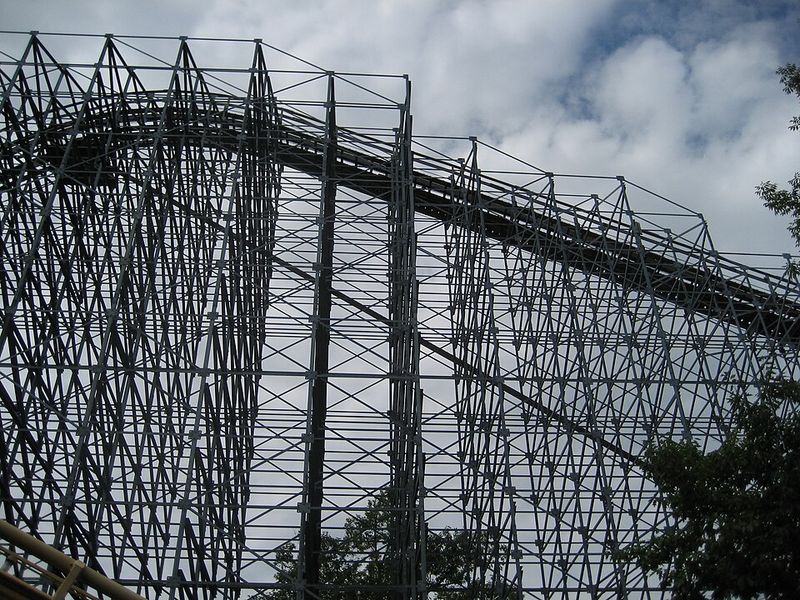
Geauga Lake stretched around 10601 Chillicothe Rd, Aurora, Ohio, with water glinting beside boardwalks and a broad sweep of parking lots.
The Big Dipper drew riders who loved the rattle, the climb, and the wind that flooded every sharp turn.
Corporate changes reshaped operations, then the gates closed, leaving quiet shoreline and long views across the basin.
Much of the property now sits as open land with traces marked by curbs and utility stubs.
Shoppers will notice modern retail nearby, and future plans have been discussed in local meetings.
For visitors, a slow drive around the perimeter offers perspective on sheer scale and layout.
Old maps reveal the placement of loops and pools, which helps translate memory into present day geography.
Bring patience and compare vantage points to historic aerials for a clear sense of before and after.
Ohio nostalgia runs deep here, because so many families built summer rituals around this lakefront escape.
You might hear parents narrate exactly where favorite coasters once stood, pointing across quiet grass.
The silence feels large, and it invites reflection on how fast a landmark can change.
That pause is part of the story, and it makes the remaining contours surprisingly poignant.
Stand near the water and the breeze still feels like a boarding call, even without a queue.
The park’s expansion over decades made it one of Ohio’s most ambitious amusement complexes.
Visitors remember the contrast between calm lake views and the sudden rush of towering coasters nearby.
Seasonal jobs at the park provided first paychecks and lifelong friendships for many locals.
The surrounding communities still measure summers by the absence of the familiar traffic surge.
Geauga Lake’s vast footprint makes its disappearance feel especially noticeable even years later.
5. Myers Lake Park
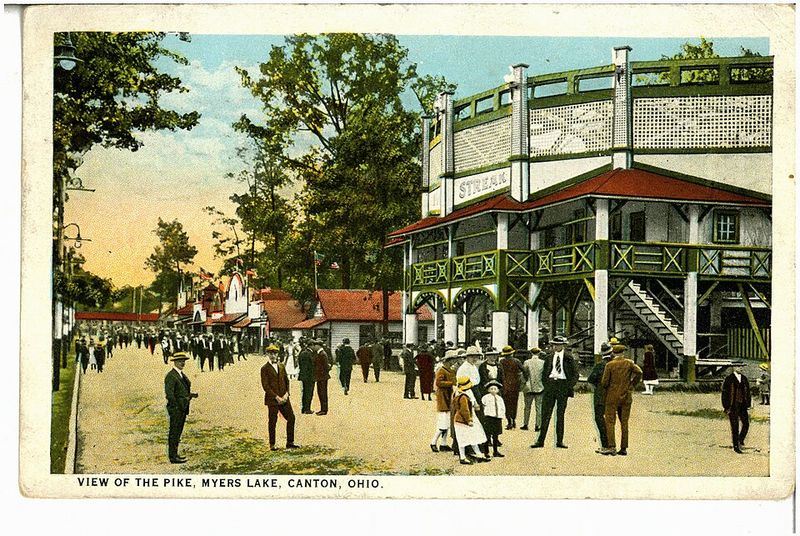
Myers Lake Park stood near 2827 Myers Lake Ave NW, Canton, Ohio, where water still shines against tidy shorelines and residential buildings.
Families swam at the beach, then crossed to rides that spun and bumped under bright bulbs and band music.
Ballroom nights filled the calendar, and couples learned steps on smooth floors that felt springy under careful feet.
The grounds later shifted to housing and a shopping complex, changing the texture but not the memories.
Locals keep postcards, tickets, and snapshots that place friends beside fountains and trimmed hedges.
If you circle the lake today, the curve of the road roughly mirrors former attractions and seating areas.
Look for small hints in grading and tree lines that suggest paths and pavilions from another era.
Ohio lore thrives when water and music intersect, and this shoreline carries both into the present.
Evening light lays a gentle sheen across balconies and docks that now frame a quieter scene.
The contrast makes stories feel sharper, because the bustle has been replaced by stillness and space.
Bring an old map and stand by the railing to compare then and now with satisfying clarity.
You will hear residents talk about first jobs, first dances, and first swims that keep the place alive.
The lake remains the anchor, holding memory steady while everything else has changed course.
The ballroom helped establish the site as a regional social hub beyond amusement rides alone.
Live music echoed across the water, creating evenings that blended romance with spectacle.
Seasonal events drew visitors from nearby towns who treated the lake as a shared gathering place.
As development arrived, longtime residents carefully tracked what remained of the original shoreline.
Myers Lake Park lives on through stories that link recreation, music, and community together.
6. Coney Island
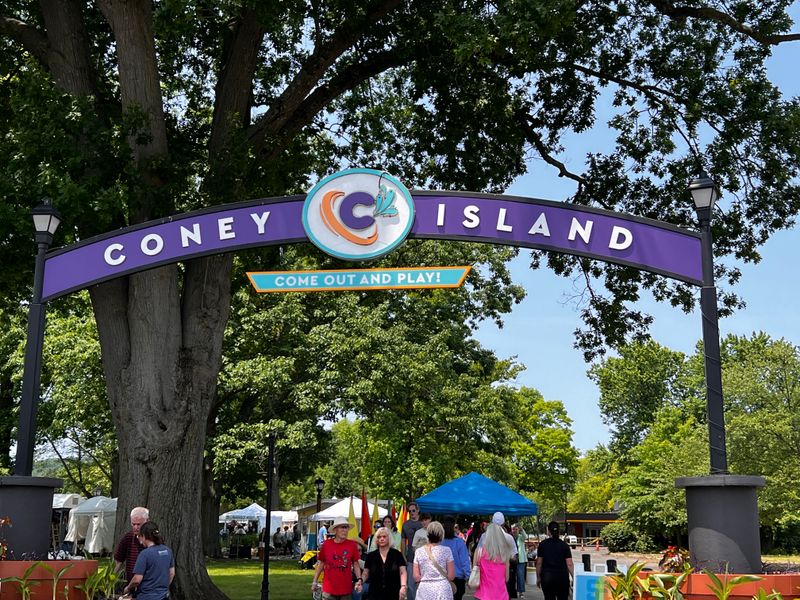
Cincinnati’s Coney Island began as riverside picnic grounds in the late nineteenth century, shaped by rail access and summer crowds.
Over decades it grew into a full amusement park where rides, midway games, and music filled humid Ohio evenings.
Families returned year after year, building traditions around cotton candy, ticket stubs, and familiar loops of laughter.
The Ohio River set the backdrop, reflecting lights while steamboats and traffic drifted past the park edge.
Coney Island became especially famous for Sunlite Pool, once billed as the world’s largest recirculating swimming pool.
Opened in 1925, the pool turned hot days into shared rituals of whistles, splashes, and sunburned shoulders.
Generations learned to swim there, often remembering the shock of cold water and the smell of sunscreen.
Classic rides like the Shooting Star coaster added motion and noise to the shoreline.
Dance halls, arcades, and shaded picnic groves made the park feel like a complete summer village.
By the late twentieth century, attendance patterns shifted as entertainment understanding changed across the region.
Flood concerns, maintenance costs, and changing tastes gradually reshaped operations and long term planning.
The amusement park officially closed after the 2019 season, ending nearly 150 years of seasonal tradition.
Sunlite Pool continued briefly under limited operations before also closing, marking a true turning point.
Today the site sits quiet along Kellogg Avenue, with fencing and open ground replacing rides and queues.
Locals still drive past and point out where entrances, slides, and turnstiles once stood.
Old photographs circulate online, helping memory lock to specific bends of river and pavement.
Reunions and comment threads show how deeply the park shaped Cincinnati summers across neighborhoods.
People remember sounds first, including music drifting over water and the steady hum of crowds.
Coney Island remains absent physically, yet present in shared language and family stories.
Its legacy endures as a reminder of how place, season, and repetition create lasting local identity.
7. Forest Park
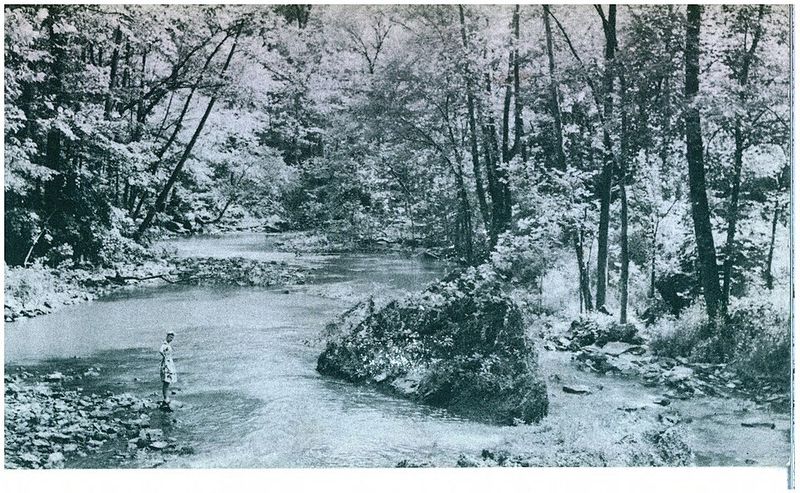
Forest Park once sat near 2901 Findlay St, Dayton, Ohio, tied to the trolley lines that threaded neighborhoods and workplaces.
Its heart was a spacious dance pavilion where big bands played and couples glided under glittering lights.
A pool and family rides rounded out weekends, with laughter drifting across lawns and shade trees.
Development slowly reshaped the area, and the pavilion vanished, leaving streets that hint at former paths.
Local archives keep dance cards, posters, and photos that capture clothing, posture, and elegant mid step smiles.
Walk the blocks and imagine music curling around corners as dusk settles on porches and sidewalks.
The ground still feels communal, as if neighbors might gather at any moment for a summer program.
Ohio heritage often blends transit history with leisure, and this site demonstrates that bond clearly.
There are no rides to see, only a comforting grid of homes and leafy views.
That quiet setting turns attention to people, not machines, which suits the park’s original spirit.
Stand near the intersection and follow your ears to the idea of a saxophone warming up.
You will feel the rhythm that once lifted so many feet, steady and inviting.
Memory becomes the marquee here, bright enough to guide an evening walk without a single bulb.
The trolley connection made Forest Park accessible to workers seeking affordable recreation close to home.
Dance nights fostered community ties that extended well beyond the park gates.
Photographs show crowds dressed carefully, reflecting the importance of social outings at the time.
The surrounding neighborhood retains a subtle openness that hints at former gathering spaces.
Forest Park survives in Ohio memory as a place where music and movement mattered more than spectacle.
Dear Reader: This page may contain affiliate links which may earn a commission if you click through and make a purchase. Our independent journalism is not influenced by any advertiser or commercial initiative unless it is clearly marked as sponsored content. As travel products change, please be sure to reconfirm all details and stay up to date with current events to ensure a safe and successful trip.
