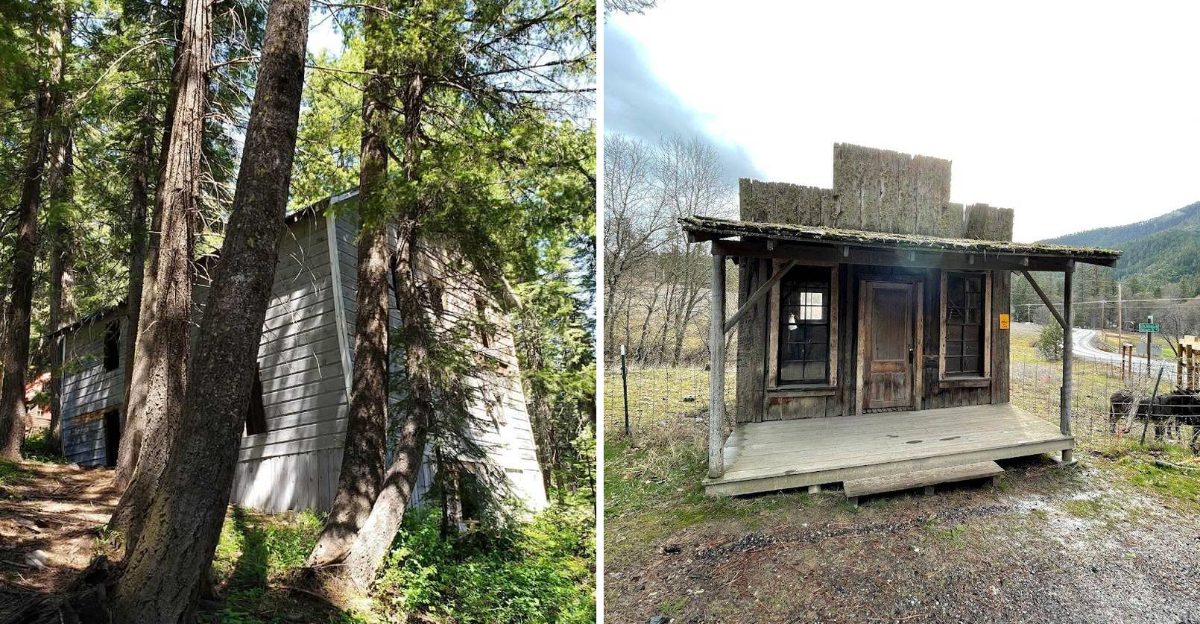
There is something quietly electric about setting foot in a town that time forgot. The creak of old wood, the rusted hinges on a door nobody has touched in decades, the way the wind moves through empty windows like it owns the place now.
I have always been drawn to these kinds of spots, the ones that ask nothing of you except a little curiosity and a willingness to slow down. Oregon is full of them, tucked into canyon walls, hidden behind pine forests, and scattered across high desert plains.
These nine ghost towns are completely free to visit, no tickets, no guided tours, no entry gates. Just open road, honest history, and the kind of stillness that makes you feel genuinely alive.
1. Golden, Josephine County
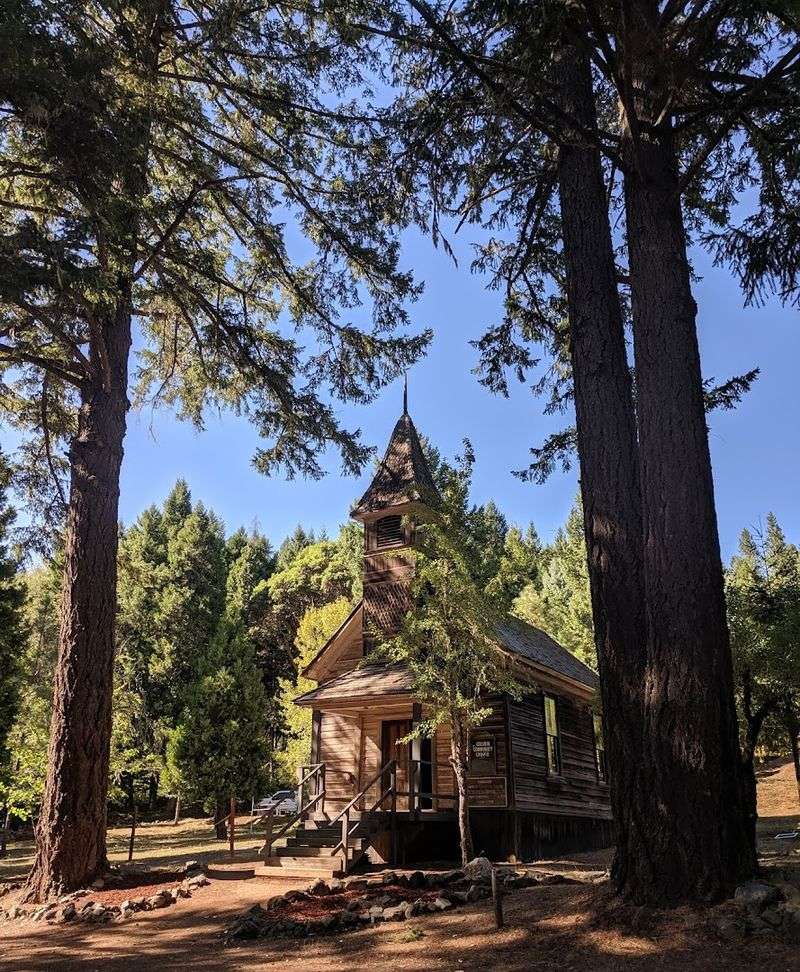
Golden feels less like a discovery and more like a secret that Oregon has been keeping for a very long time. Tucked into the hills of Josephine County, this completely abandoned mining settlement is preserved as the Golden State Heritage Site, and it costs absolutely nothing to visit during daylight hours.
Four original structures still stand here, including a small wooden church that somehow looks more dignified with age. There is also a former residence, a shed, and a building that once served as both the post office and general store.
Each one tells a different chapter of the same story.
The forest has crept in close around the buildings, giving the whole place a hushed, almost cathedral-like atmosphere. You can walk right up to the structures, peer through the windows, and imagine what life looked like here during the mining boom.
No fences, no fees, no crowds. Just four weathered buildings and the sound of wind moving through the trees around them.
2. Shaniko, Wasco County
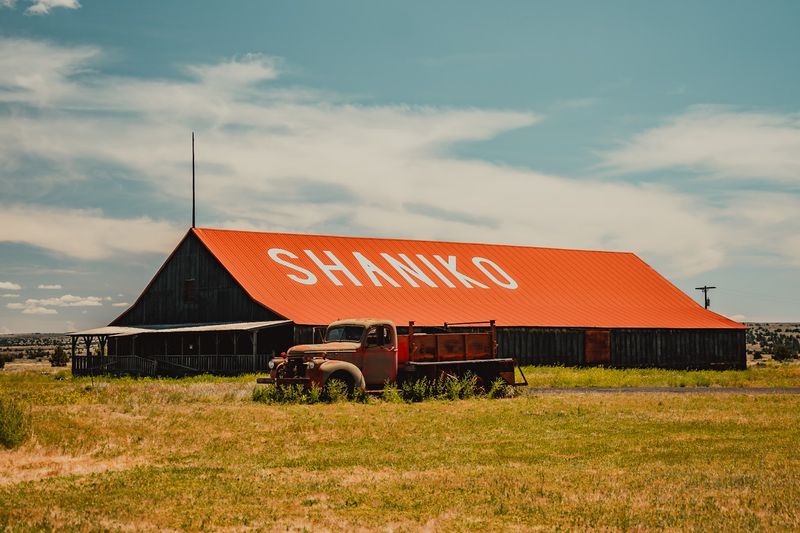
Once called the wool capital of the world, Shaniko had a run of glory that most small towns only dream about. At its peak in the early 1900s, this high desert outpost was one of the busiest shipping centers in the Pacific Northwest, moving massive quantities of wool and wheat by rail.
Then the railroad shifted, the economy followed, and Shaniko quietly folded in on itself. What is left today is a haunting stretch of original storefronts, a water tower, a hotel shell, and streets that still carry the faint grid of a town that once believed in itself completely.
The whole place sits open to the public with no cost to explore. You can wander the main drag at your own pace and feel the strange weight of all that ambition left behind.
The high desert light here is almost theatrical, hitting the old brick and faded wood in a way that makes every photograph feel accidental and perfect. Shaniko is one of those rare ghost towns that still has enough standing to let your imagination fill in the rest.
3. Cornucopia, Baker County
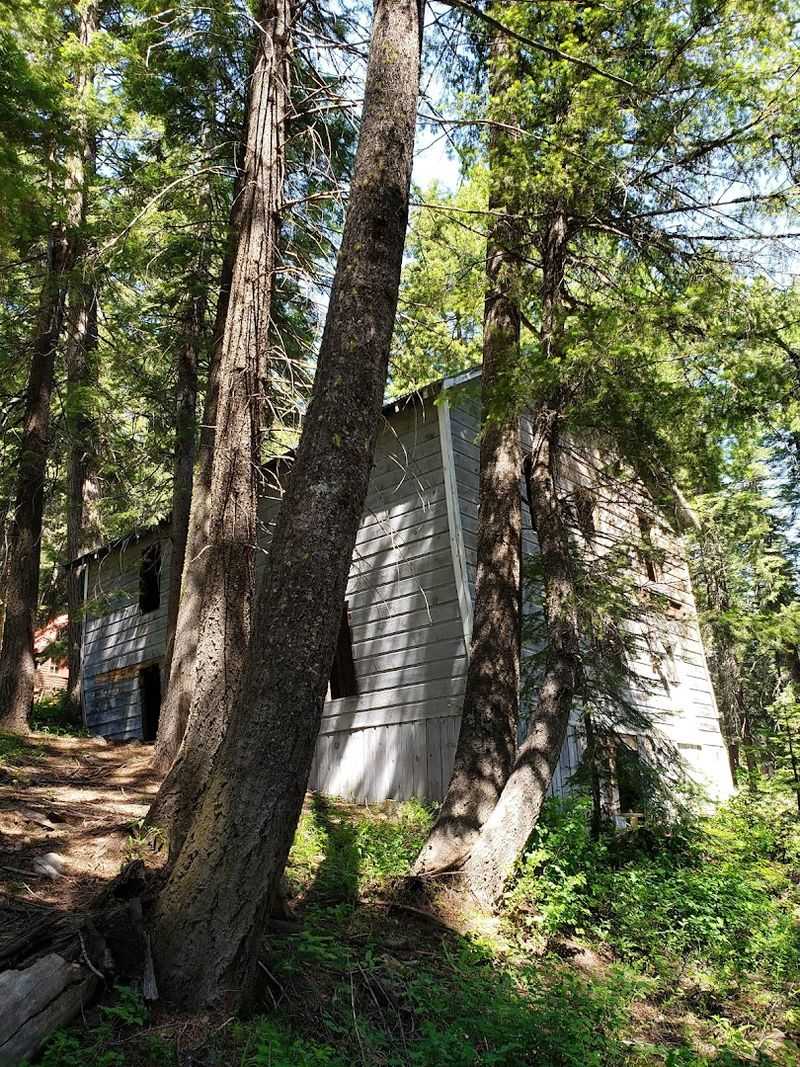
Getting to Cornucopia feels like earning something. The drive into Baker County’s backcountry is part of the experience, winding through ponderosa pines and climbing elevation until the remains of this old gold mining camp finally appear through the trees.
No entrance fee waits at the end of that road.
Cornucopia was once a serious operation, pulling gold out of the Eagle Creek drainage from the 1880s all the way into the 1940s. What remains now is a cluster of collapsed and partially standing structures, rusted machinery, and the kind of deep forest quiet that makes conversation feel unnecessary.
The setting alone is worth the effort. Surrounded by the Wallowa-Whitman National Forest, the ruins sit against a mountain backdrop that shifts color depending on the time of day.
I found myself just standing in one spot for a while, taking in the contrast between the raw beauty of the landscape and the slow decay of what people built here. Cornucopia is remote and a little rough to access, but that is exactly what makes it feel so genuinely untouched.
4. Sumpter, Baker County
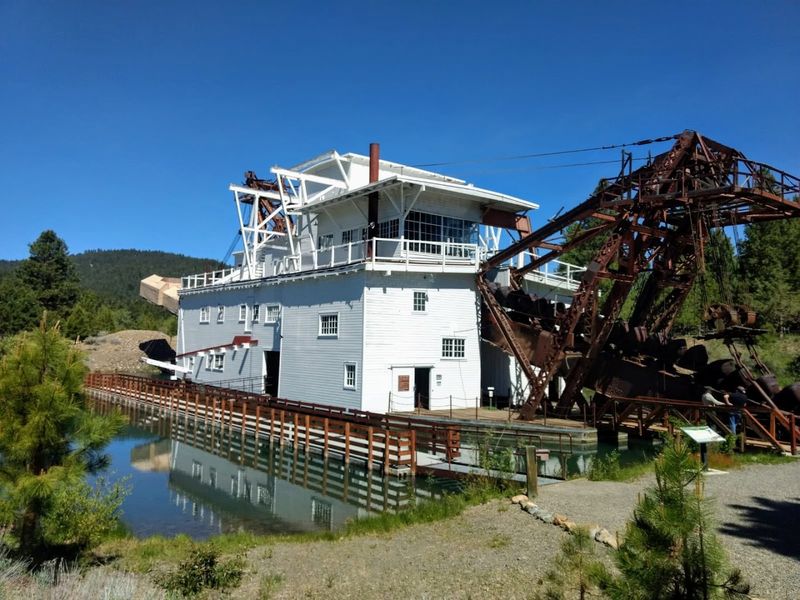
Sumpter is the kind of ghost town that hits differently because it still has a little life in it. A handful of people live nearby, and the old downtown bones are still visible, but the real draw is the enormous gold dredge that sits frozen in a pond just outside of town, a machine so massive it looks like it belongs in a science fiction film.
The Sumpter Valley Dredge is preserved as a state heritage area, and while the dredge itself has a small fee to access up close, the surrounding town and its historic structures are completely free to explore. The remnants of the original boomtown layout, old storefronts, weathered facades, and the general sense of a place that burned bright and then cooled fast, are all right there on the main street.
Baker County has a way of making history feel immediate rather than distant, and Sumpter is a big reason for that. The dredge tailings stretch across the valley floor like a strange geological record of human ambition.
Sumpter rewards slow exploration more than a quick drive-through, so give it a full afternoon if you can.
5. Granite, Grant County
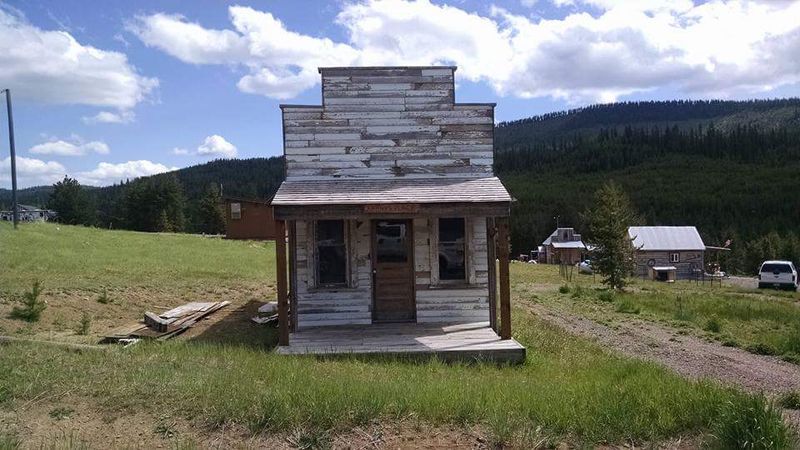
Granite has one of the more unusual distinctions in Oregon history. It is technically still an incorporated city, but the population hovers somewhere between zero and a handful depending on the season, which makes walking its streets feel genuinely surreal.
The city hall still stands. The old buildings still line the road.
And yet the silence is almost total.
Gold brought people here in the 1860s, and when the gold thinned out, so did the ambition. What is left behind is a loose collection of wooden structures in various states of graceful decay, framed by the kind of Grant County ponderosa forest that makes everything feel remote and a little sacred.
No fee, no visitor center, no interpretive signs explaining what you are looking at. That is actually part of the charm.
You have to bring your own curiosity and piece the story together from what is still standing. I appreciated the lack of hand-holding here.
Granite feels like a place that trusts its visitors to pay attention, and if you do, it rewards that attention with a quiet, unhurried kind of wonder that is hard to find anywhere else.
6. Hardman, Morrow County
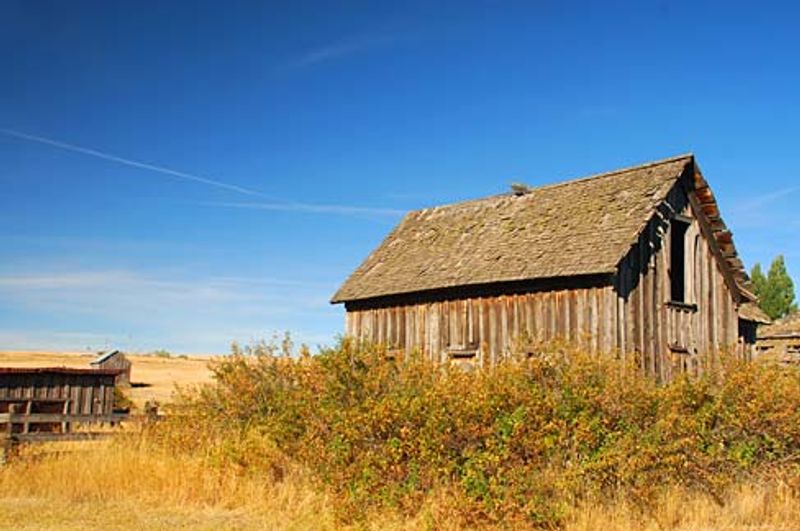
Hardman does not announce itself. There are no signs hyping up its history, no gift shop, no parking lot with painted lines.
You just roll into Morrow County on a back road and suddenly there it is, a scattering of old buildings sitting in the open range like they are waiting for something that is never going to arrive.
This was once a lively farming community, the kind of place with a post office, a school, and enough neighbors to make life feel full. When transportation routes shifted and agriculture in the region changed, the people gradually left.
A few restored structures still stand alongside the abandoned ones, and a small intermittent population keeps the place from being completely hollow.
The historic cemetery at the edge of town is one of the more quietly moving spots in all of eastern Oregon. The headstones tell names and dates without commentary, and that restraint feels appropriate.
Hardman is the kind of place that makes you think about how quickly a community can unravel when the economic thread gets pulled. Free to visit, easy to reach, and genuinely affecting in a way that polished tourist sites rarely manage to be.
7. Bourne, Baker County
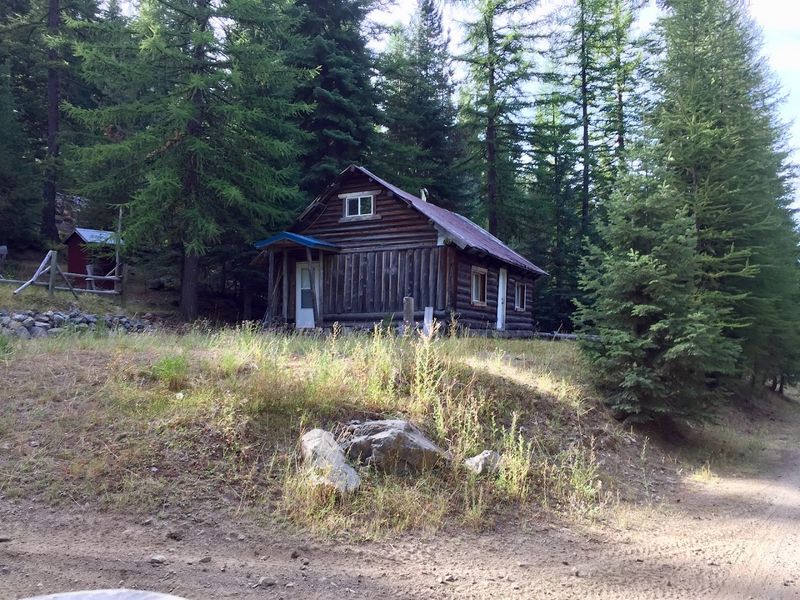
Bourne has been swallowed by the forest, and honestly, the forest won. What was once a buzzing center of regional gold rush activity in the 1890s has now mostly dissolved back into the canyon it was built in, leaving behind scattered equipment, crumbling foundations, and the occasional wall section still stubbornly upright among the pines.
Established in 1895, Bourne rode the gold wave hard for a few decades before the ore ran out and the residents moved on. The canyon setting in Baker County is genuinely beautiful, with Cracker Creek running nearby and steep hillsides pressing in close on both sides.
The whole place has an intimate, enclosed feel that bigger ghost towns lack.
Because so little remains standing, Bourne rewards visitors who are comfortable with imagination. The rusted machinery half-buried in the undergrowth is actually more evocative than a fully preserved building in some ways.
It suggests a story rather than spelling it out. Getting here requires a bit of a drive on unpaved road, but there is no cost and no crowds once you arrive.
Just canyon air, old metal, and the particular satisfaction of finding something most people drive right past.
8. Buncom, Jackson County
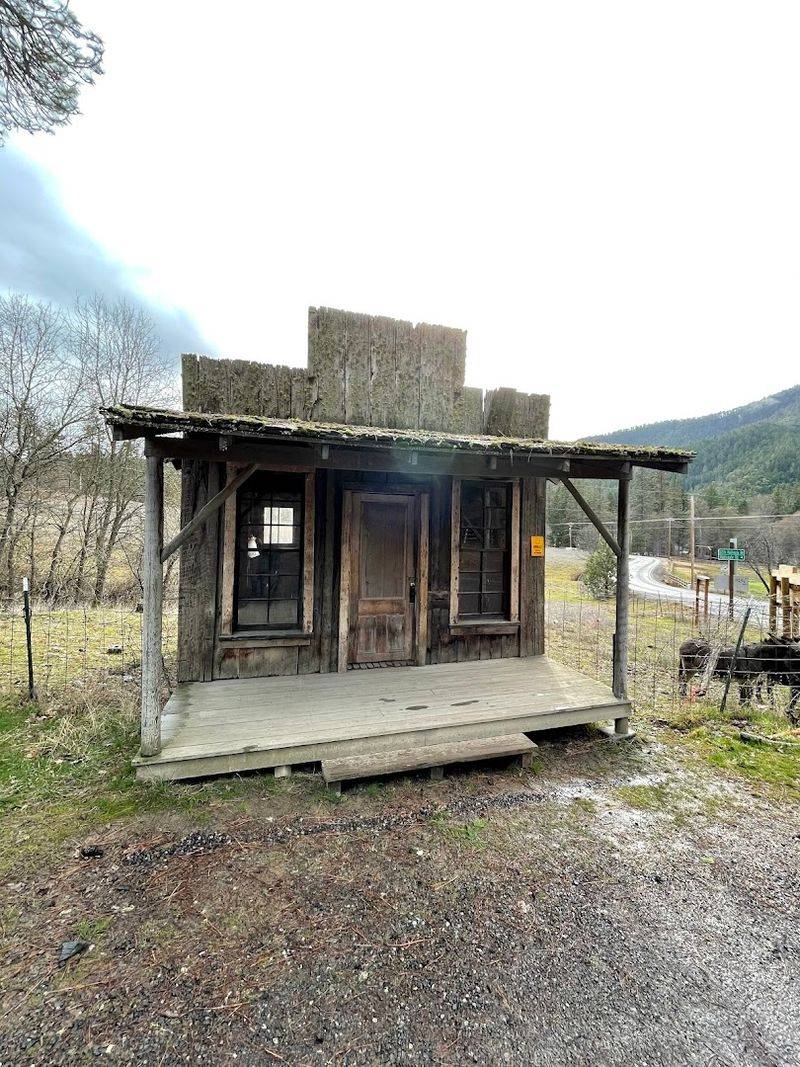
Founded in 1851, Buncom is one of the oldest gold mining settlements in Oregon, and the fact that three of its original buildings are still standing is something close to a miracle given how thoroughly time has erased most of its neighbors. The bunkhouse, post office, and cookhouse form a small triangle of survival in the middle of Jackson County forest.
The site is publicly accessible with no entrance fee and no formal guided tour program, which means your visit is entirely self-directed. That suits Buncom perfectly.
The buildings have a humble, functional quality that makes them easy to connect with. These were not grand civic structures built to impress.
They were practical spaces built by working people trying to get something done.
The surrounding forest has grown dense and close, giving the site a sheltered, tucked-away feeling. Illinois River Road runs nearby, making it a natural stop if you are already exploring the Siskiyou region.
I found the cookhouse especially compelling, imagining the kind of tired, hungry energy that must have filled it at the end of a long day. Buncom is small, but it earns its place on any Oregon ghost town itinerary without question.
9. Kamela, Union County
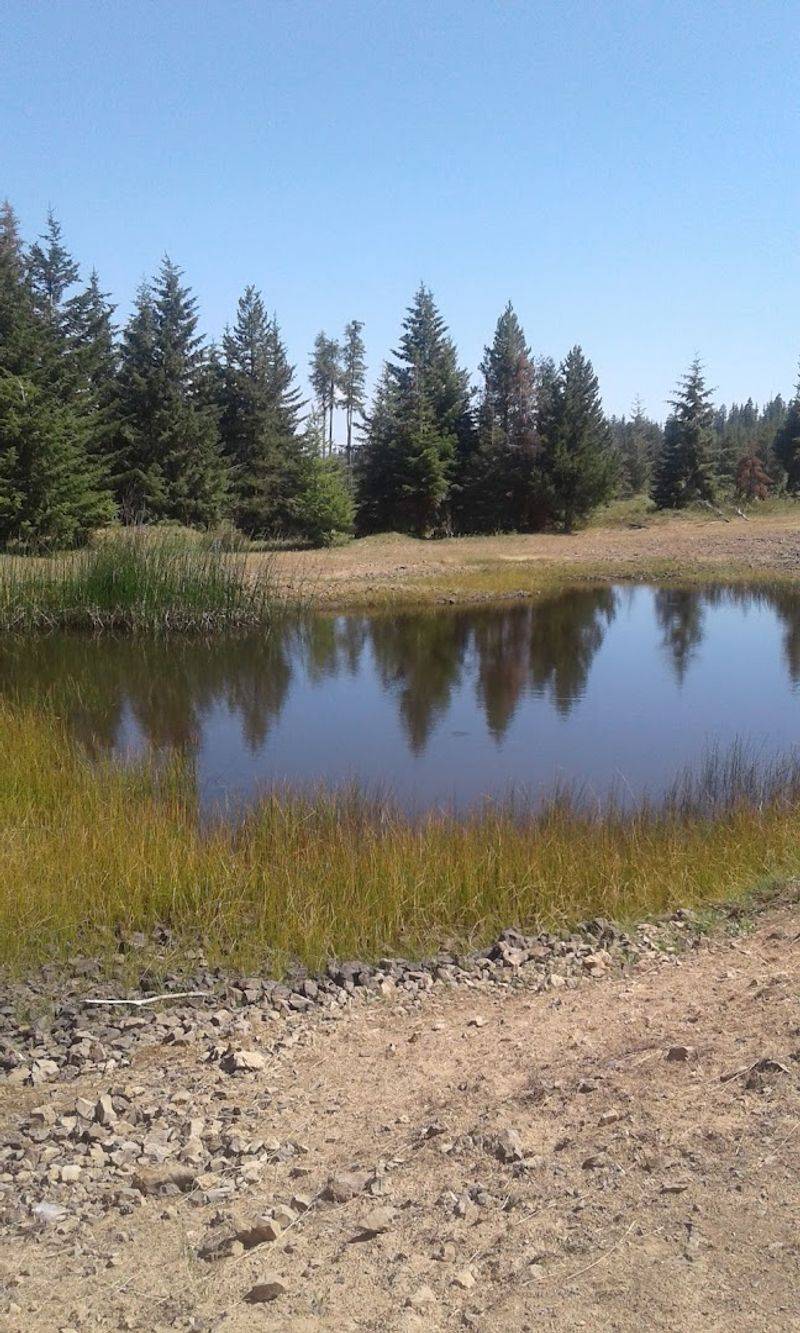
Kamela sits at one of the highest points along the old Oregon Railway and Navigation Company line, perched in the Blue Mountains of Union County at an elevation that makes the air feel noticeably different from the valley towns below. It was built entirely to serve the railroad, and when the railroad no longer needed it, the town had no other reason to exist.
What remains is modest but atmospheric. A few weathered structures still stand near the old rail corridor, and the surrounding landscape of high mountain meadow and pine forest gives the whole scene an almost melancholy grandeur.
The silence up here is a different kind of silence than you get in the desert ghost towns. It is cooler, greener, and somehow heavier.
Kamela never made headlines the way the gold rush towns did, but that understated quality is part of its appeal. It is a reminder that not every abandoned place was abandoned dramatically.
Sometimes a town just outlives its purpose and fades without ceremony. No fee is required to visit, and the drive through the Blue Mountains to get there is reward enough on its own.
Kamela is a quiet footnote in Oregon history worth reading carefully.
