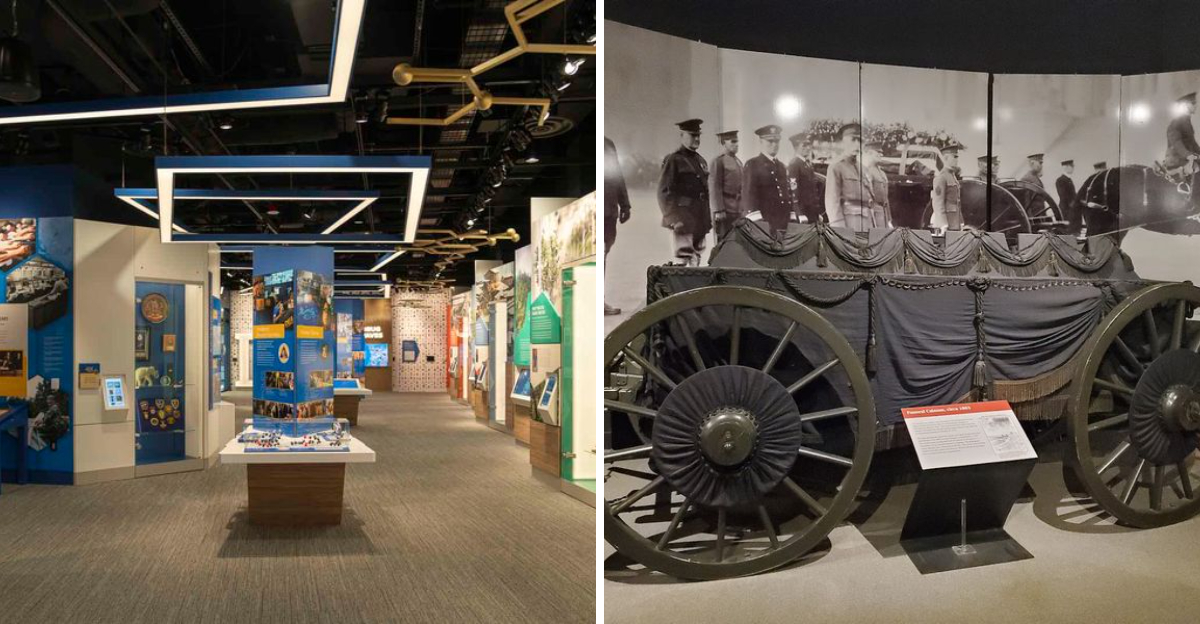
Some museums make perfect sense. Art, history, science, the usual subjects.
But Virginia has another kind of museum, the kind that makes you tilt your head and say “wait, really?” A museum dedicated to a single object. A collection of things you never thought to collect.
A building full of stuff that someone decided was worth preserving. This list has ten absurdly specific Virginia museums that should not exist but do.
I have visited each one, and each time I left smiling and confused. These are not the museums you bring out-of-town guests to for culture.
These are the museums you visit for the sheer joy of weirdness. Virginia is full of surprises, and these are some of the strangest.
1. The Poe Museum, Richmond
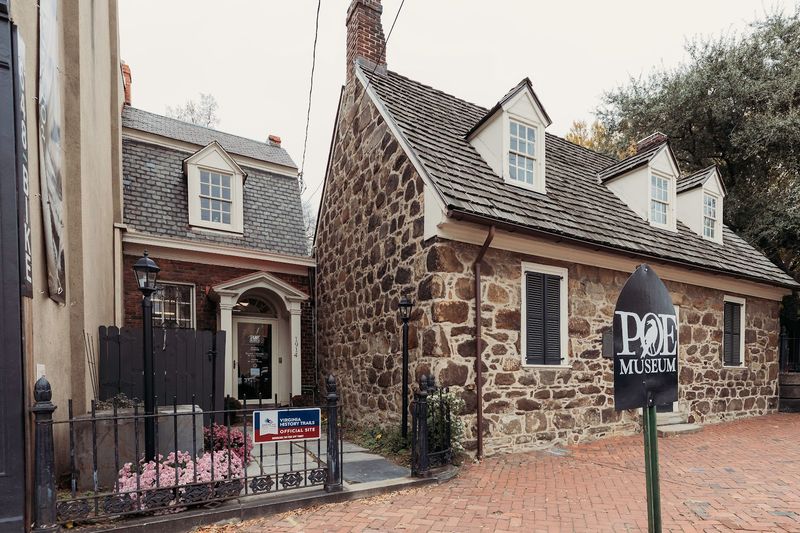
Somewhere in the cobblestone heart of Richmond sits a museum dedicated to a man who made the macabre feel like poetry. The Edgar Allan Poe Museum is one of the most oddly intimate cultural spaces in all of Virginia, housed in what is believed to be the oldest surviving structure in the city.
Poe never actually lived here, which makes the whole setup gloriously absurd right from the start.
Inside, you will find a collection that goes well beyond portraits and manuscripts. The museum holds a lock of Poe’s hair, a few personal trinkets, and yes, reportedly a pair of his socks.
That detail alone earns this place a permanent spot on the list of museums that should not logically exist but absolutely do.
What makes a visit here genuinely worthwhile is the garden. The Enchanted Garden is a quiet, ivy-draped courtyard that feels pulled straight from one of his darker poems.
The museum does a remarkable job of humanizing a figure often reduced to gothic clichés.
Rotating exhibits keep the experience fresh, covering everything from his literary influences to the mysterious circumstances surrounding his death. The staff clearly adore the subject matter, and that enthusiasm is contagious.
Located at 1914-1916 East Main Street, Richmond, Virginia, this museum is small but punches far above its weight in atmosphere and storytelling.
If you have even a passing interest in American literature, this stop will stick with you long after you leave.
2. Virginia Quilt Museum, Harrisonburg
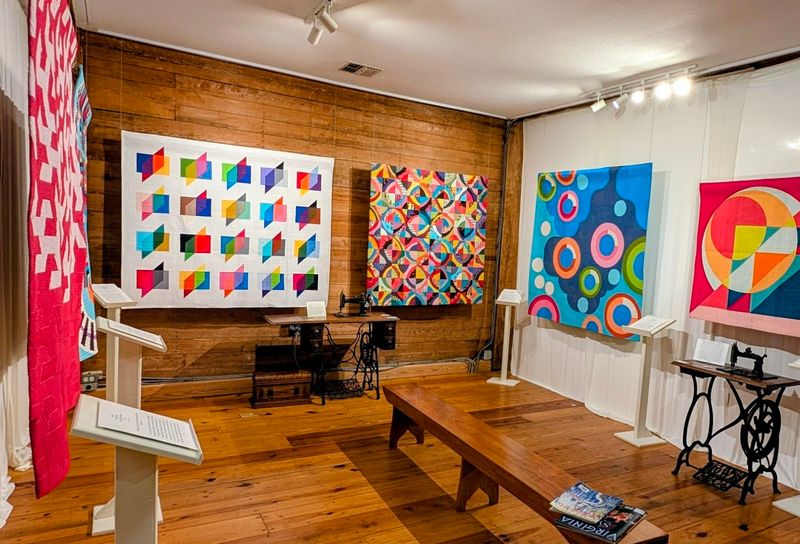
Not every museum needs dinosaur bones or ancient weapons to earn your attention. Sometimes all it takes is three floors of meticulously preserved fabric art to completely reframe how you think about American history.
The Virginia Quilt Museum in Harrisonburg does exactly that, and it does it with a confidence that is frankly impressive for a building full of blankets.
Quilts, it turns out, are extraordinary historical documents. The museum’s collection includes Civil War-era pieces that tell stories no battlefield map ever could.
Patterns, fabrics, and stitching techniques reveal regional identities, economic conditions, and the lives of women who rarely made it into the official history books. Suddenly, a blanket becomes a biography.
The building itself is a gorgeous restored Victorian structure that adds an extra layer of charm to the whole experience. Walking through the galleries feels like flipping through a very slow, very soft encyclopedia of American domestic life.
Each quilt has a story card, and reading them becomes oddly addictive.
Special exhibits rotate throughout the year, bringing in contemporary quilters alongside antique collections. Workshops and hands-on events make this more than a passive viewing experience.
Located at 301 South Main Street, Harrisonburg, Virginia, the museum sits right in the heart of a lively downtown area with great food nearby. You will walk in mildly skeptical and walk out completely converted.
Few museums manage that turnaround with such effortless grace, and fewer still do it with textiles.
3. J.E.B. Stuart Birthplace, Ararat
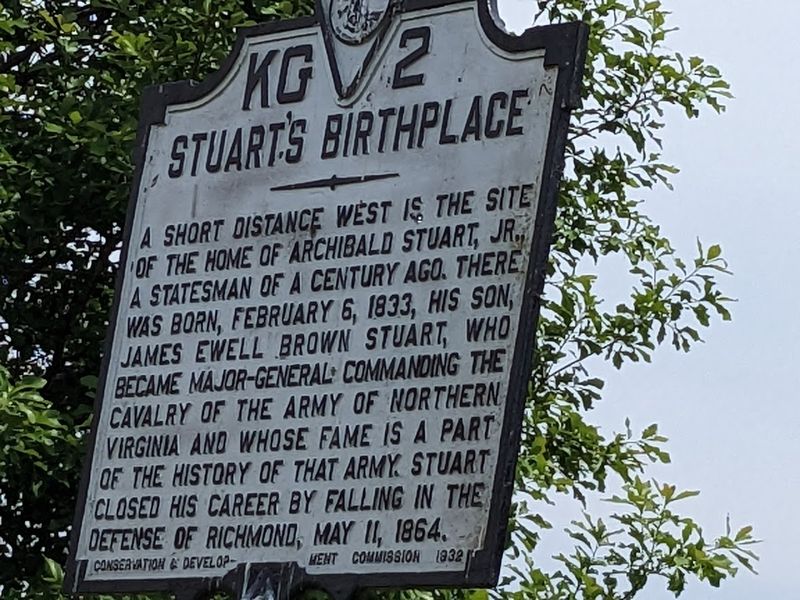
Out in the quiet hills of Patrick County, there is a historic site dedicated to one of the Civil War’s most flamboyant cavalry generals. J.E.B.
Stuart was born in Ararat, Virginia, and the birthplace site exists to honor that fact. The main attraction?
A field. A very historic, very quiet, very much just a field kind of field.
To be fair, there is more than open grass. The property preserves a small outdoor pantry structure, one of the few original elements still standing from the era.
It is a modest artifact, but it carries a certain weight when you realize it once stood on the same land where a future military legend spent his earliest years. History, it seems, does not always announce itself dramatically.
The surrounding landscape is genuinely beautiful in the way that rural Virginia tends to be, rolling and unhurried, with the Blue Ridge foothills framing everything like a painting. Visiting here feels less like a museum trip and more like a quiet pilgrimage to a largely forgotten corner of American memory.
Interpretive signage helps fill in the gaps, offering context about Stuart’s early life and the community that shaped him. The site is managed by the J.E.B.
Stuart Birthplace Preservation Trust and is located on Ararat Highway in Ararat, Virginia. It rewards visitors who appreciate subtlety over spectacle.
Not every historic site needs a gift shop or a gift shop.
Sometimes a field and a pantry are exactly enough.
4. Stonewall Jackson’s Headquarters, Winchester
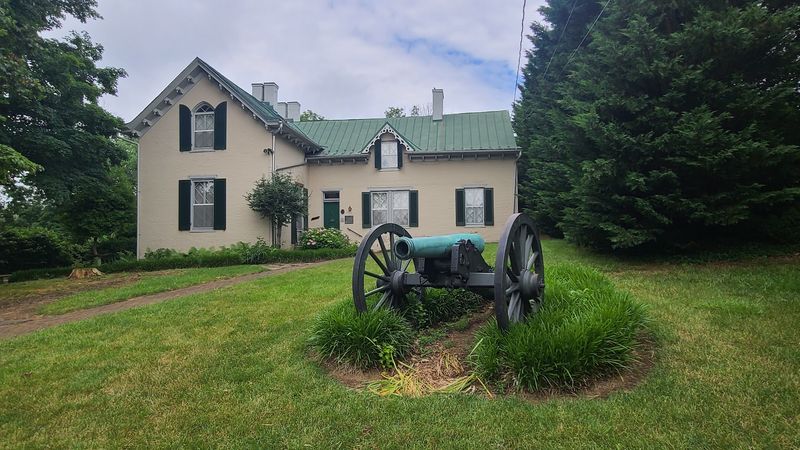
Most museums cover decades or centuries of history. This one is dedicated almost entirely to a single winter.
Stonewall Jackson’s Headquarters in Winchester focuses on the months General Thomas J. Jackson spent in this modest Victorian house during the winter of 1861, and somehow that razor-thin slice of time fills an entire museum with genuine fascination.
The house belonged to Lieutenant Colonel Lewis T. Moore, who offered it to Jackson during the Valley Campaign.
Inside, the rooms have been preserved and interpreted with impressive attention to period detail. The centerpiece of the collection is Jackson’s personal prayer table, a small, unassuming piece of furniture that carries enormous biographical weight for anyone who knows how deeply faith shaped the general’s life and military decisions.
Walking through the rooms gives a surprisingly intimate portrait of wartime leadership. Jackson was known for his intense discipline and deep religious conviction, and the space reflects both qualities.
The parlor, the dining room, and the general’s own quarters all contribute to a picture of a man who was, by all accounts, deeply unusual even by the standards of his time.
The museum sits within a broader network of Civil War sites in the Shenandoah Valley, making it a natural stop on any regional history tour. Located at 415 North Braddock Street, Winchester, Virginia, it is compact but richly detailed.
A single winter has rarely been given such thorough, respectful treatment, and the result is one of the most specific museums Virginia has to offer.
5. National Museum of Americans in Wartime, Nokesville
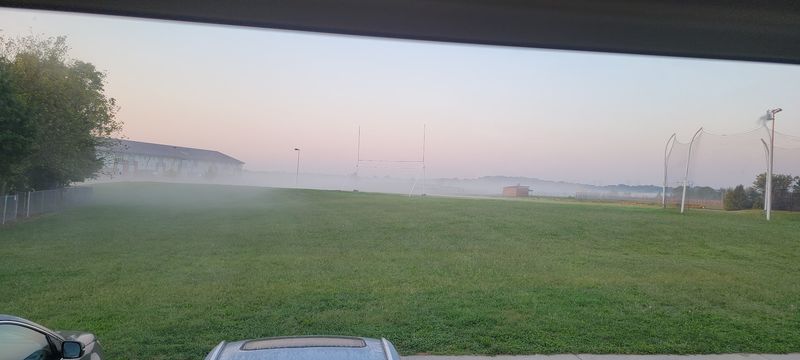
Officially known as the National Museum of Americans in Wartime, this place goes by a nickname that tells you everything you need to know immediately. People call it the Tank Farm, and that name is not an exaggeration.
Located in Nokesville, Virginia, this sprawling outdoor museum is home to dozens of operable tanks and armored vehicles spread across a wide open field like a military parade that never got the order to move.
The sheer scale of the collection is what hits you first. These are not replicas or scale models.
They are real, full-sized machines of war, many of them still capable of running under their own power. The museum hosts regular demonstration events where selected vehicles are fired up and driven, which is the kind of spectacle that makes you forget you came in mildly curious and leaves you genuinely astonished.
Beyond the tanks, the museum explores the broader human experience of American military service. Exhibits connect the machinery to the men and women who operated it, grounding the hardware in personal history.
That balance between equipment and humanity keeps the experience from feeling like a simple gear exhibition.
The outdoor setting means weather plays a role in your visit, so a clear day is strongly recommended. Located at 14018 Bristow Road, Nokesville, Virginia, the museum is a bit off the beaten path, but that remoteness adds to the sense of discovery.
Few places in the country let you get this close to this much military history in one afternoon.
6. United States Army Quartermaster Museum, Fort Gregg-Adams
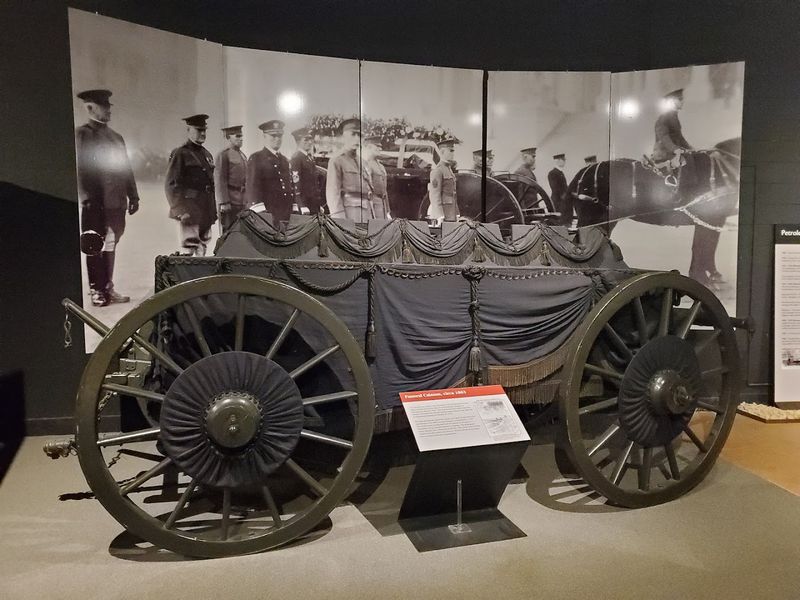
Logistics rarely get the glory. Generals get statues, battles get monuments, but the people who figured out how to get boots, food, and fuel to the front lines?
They get a museum in Virginia, and honestly, it is one of the most underrated stops in the entire state. The United States Army Quartermaster Museum at Fort Gregg-Adams celebrates the unglamorous but absolutely essential art of military supply.
The collection is broader and more fascinating than the premise suggests. Uniforms, field equipment, supply vehicles, and historical documents trace the evolution of American military logistics from the Revolutionary War through modern conflicts.
The depth of research behind each exhibit is evident, and the curators clearly understand that supply chain history is actually gripping when told with the right context.
The undisputed star of the collection is General George S. Patton’s personal jeep.
Seeing the vehicle used by one of history’s most theatrical military commanders sitting quietly in a museum hall is a genuinely surreal experience. It is small, practical, and completely at odds with the enormous legend of the man who rode in it.
Access to Fort Gregg-Adams requires coordination as it is an active military installation, so checking visitor requirements before your trip is essential. The museum is located at 1201 22nd Street, Fort Gregg-Adams, Virginia.
Plan ahead, and the reward is a collection that reframes how you think about what actually wins wars.
Spoiler alert: it is not always the most dramatic answer.
7. DEA Museum, Arlington
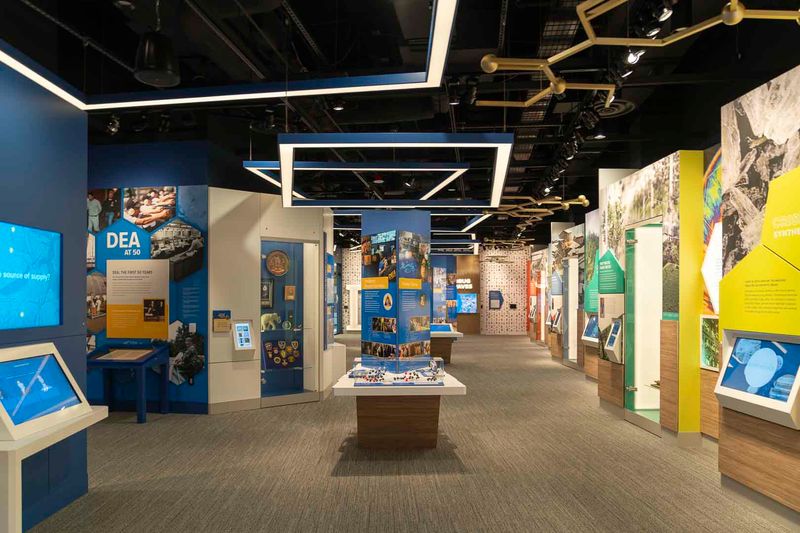
Tucked inside a federal office building in Arlington, the DEA Museum is one of the most genuinely surreal free attractions in the Washington metro area. Run by the Drug Enforcement Administration, the museum chronicles the history of drug enforcement in America with a level of dramatic flair that you absolutely do not expect walking through the front door of a government building.
The highlight of the collection, and the reason this museum earns its spot on any list of absurdly specific Virginia institutions, is the display of concealed smuggling containers. Drug traffickers, it turns out, have been extraordinarily creative.
The museum showcases elaborate contraptions hidden inside everyday objects, things that look completely ordinary until you learn what they were designed to carry. It is equal parts fascinating and deeply strange.
The broader exhibits trace the history of drug policy in the United States across more than a century, covering prohibition-era enforcement, the rise of various substances, and the evolution of law enforcement tactics. The museum does not shy away from complexity, and that intellectual honesty makes it more engaging than a simple propaganda display would be.
Admission is free, which makes the whole experience feel like an unexpected bonus on any trip to the Arlington area. Located at 700 Army Navy Drive, Arlington, Virginia, the museum requires advance reservations and valid identification for entry.
It is open to the public and offers a perspective on American history that you genuinely will not find anywhere else with this level of official detail and institutional candor.
8. Fralin Museum of Art Object Study Gallery, Charlottesville
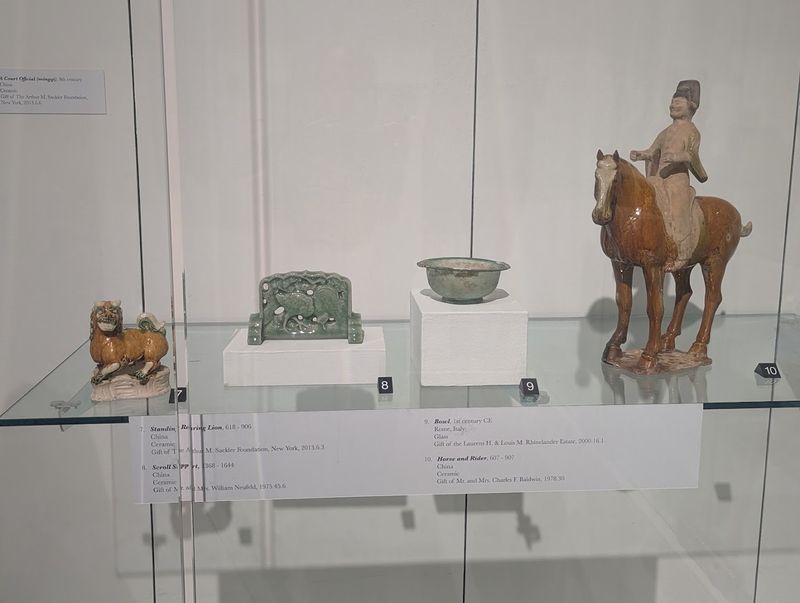
Most museums post signs that say do not touch. The Fralin Museum of Art at the University of Virginia has a gallery that says the exact opposite, and that simple inversion of the standard museum experience turns out to be one of the most compelling things happening in Charlottesville right now.
The Object Study Gallery is built around a radical premise: the best way to understand an artifact is to hold it.
Rotating collections of ancient coins, sculptural fragments, and historical objects are made available for supervised handling. The tactile experience of holding something genuinely old changes the relationship between viewer and artifact in ways that glass cases simply cannot replicate.
There is a weight, a texture, and a temperature to history that photographs and labels can never fully convey.
The gallery is specifically designed for academic engagement, supporting art history and archaeology courses at the University of Virginia. That academic rigor gives the space a focused, purposeful energy that distinguishes it from more casual interactive museum exhibits.
Coming here feels like being let in on something usually reserved for specialists.
Public access is available alongside academic programming, making this a genuinely open resource for curious visitors. The Fralin Museum of Art is located at 155 Rugby Road, Charlottesville, Virginia, on the grounds of the historic University of Virginia campus.
A visit pairs naturally with a walk through Thomas Jefferson’s Academical Village next door.
Two extraordinary, completely different experiences, both free, both absolutely worth your time in this endlessly interesting college town.
9. Birthplace of Country Music Museum, Bristol
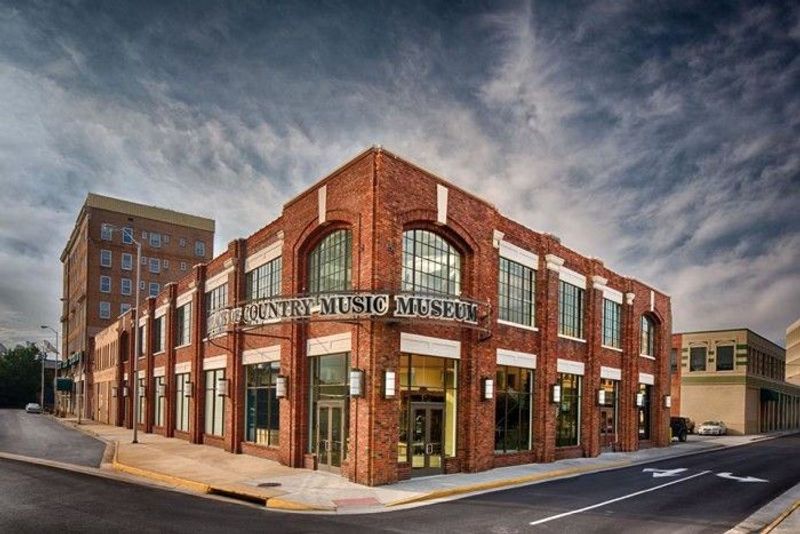
Bristol, Virginia sits right on the state line with Tennessee, and that geographic quirk feels cosmically appropriate for a city that claims to be the birthplace of an entire American music genre. The Birthplace of Country Music Museum is dedicated to the Bristol Sessions of 1927, a single week of recordings that produced some of the most influential music in American history.
Yes, an entire museum for one week. Yes, it is completely justified.
The Bristol Sessions brought together artists including the Carter Family and Jimmie Rodgers, whose recordings for the Victor Talking Machine Company effectively launched commercial country music as a genre. The museum explores those sessions with impressive depth, covering the cultural, geographic, and economic forces that made Bristol the right place at the right time.
The context transforms what could be a simple nostalgia trip into a genuine history lesson.
The original Peerless recording machines used during those sessions are among the artifacts on display, and seeing the actual equipment that captured those foundational recordings is a quietly thrilling experience for anyone who cares about American music. The technology looks almost absurdly primitive by modern standards, which makes the quality of what was achieved with it all the more remarkable.
Interactive exhibits let visitors explore the music itself, not just the history surrounding it. Located at 520 Birthplace of Country Music Way, Bristol, Virginia, the museum is an affiliate of the Smithsonian Institution.
That affiliation speaks volumes about the seriousness with which this very specific week of history has been preserved and celebrated.
10. Woodberry Forest School Archives, Madison County
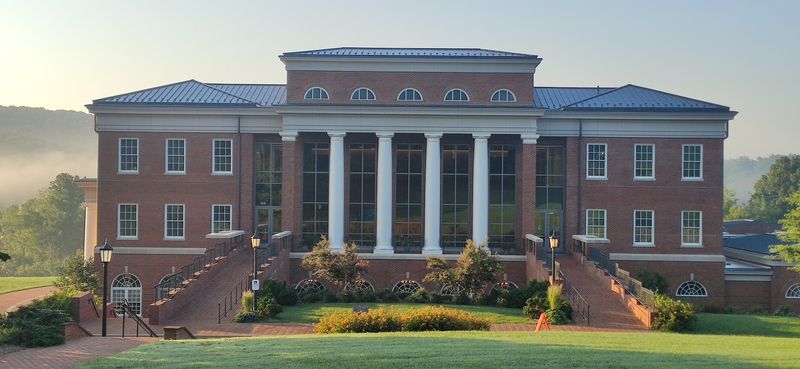
Closing out this list is perhaps the most gloriously niche entry of all. Nestled on the grounds of Woodberry Forest School, a prestigious boarding school in Madison County, the school’s archive and museum space is dedicated entirely to the history of one single private institution.
Not a county. Not a state.
One school. And somehow it works beautifully.
The collection includes artifacts spanning the school’s founding in the late nineteenth century through the present day. Among the most extraordinary items are nineteenth-century student demerit ledgers, handwritten records of the minor infractions and disciplinary actions that shaped generations of young men who attended the school.
Reading through the categories of recorded offenses is equal parts hilarious and historically illuminating.
What makes this archive genuinely interesting beyond its obvious specificity is what it reveals about American educational culture across more than a century. The evolution of discipline, curriculum, and school life reflects broader social changes in ways that formal history books rarely capture with this kind of granular, personal detail.
A demerit ledger, it turns out, is a surprisingly rich primary source.
The archive is primarily an educational resource for the school community, but the historical collections offer real value for researchers interested in the history of American private education. Woodberry Forest School is located on Woodberry Forest Road in Madison County, Virginia.
Getting access may require advance arrangement, but for the right kind of history enthusiast, the effort is absolutely worth it.
Some of the best museums in this state are the ones that almost nobody knows exist.
