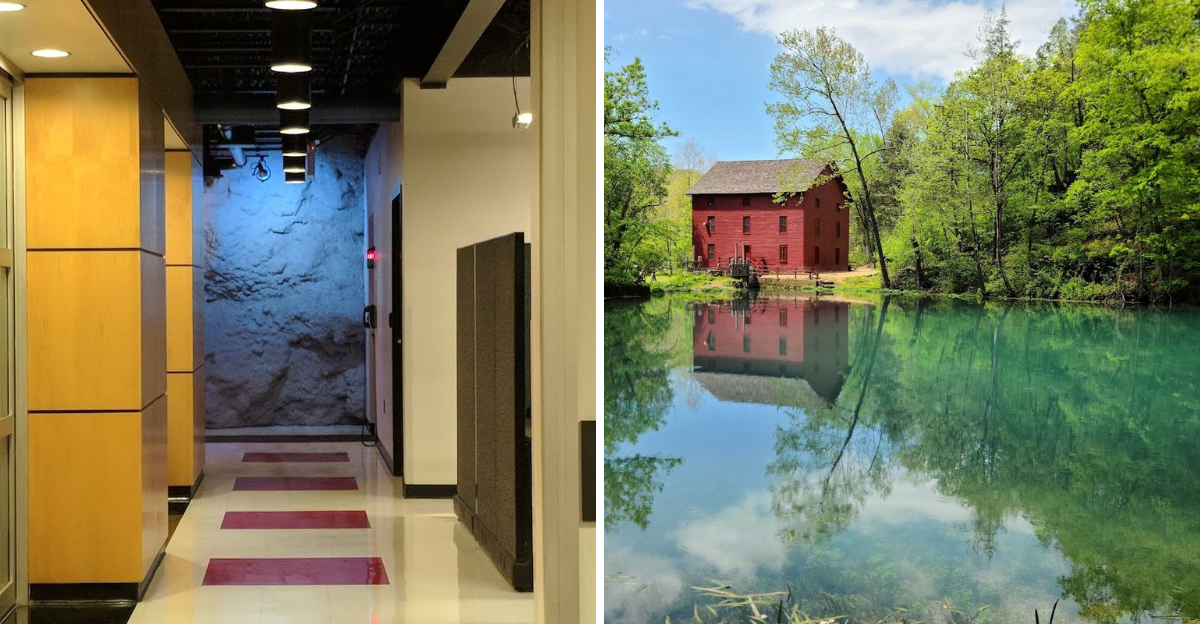
The Ozarks are known for quiet rivers, rolling hills, and the kind of small towns where everybody knows your name. But something new is buzzing beneath the surface, and it is not cicadas.
Artificial intelligence and cloud-computing infrastructure projects are becoming a growing topic of discussion across Missouri, bringing billion dollar construction projects and promises of economic growth.
But in places like Festus, where four city council members were just recalled over a data center deal, and in St. Charles, where a one year moratorium is now in place, folks are starting to ask some uncomfortable questions .
What happens when a facility that drinks as much water as a small town and guzzles enough electricity to power 100,000 homes sets up next to your favorite fishing spot ?
The Show Me State is about to show us all what happens when Silicon Valley meets the Ozarks, and the neighbors are not staying quiet.
Kansas City’s Growing Data Center Industry Is Drawing Attention Across Missouri
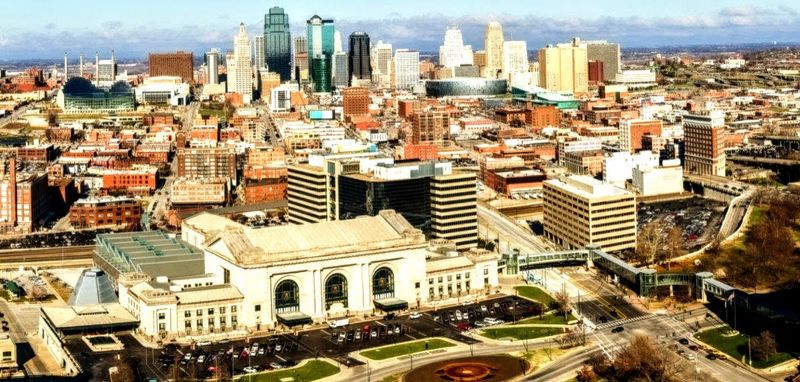
Just north of the Ozarks, the Kansas City region has become one of Missouri’s main centers for large-scale data infrastructure development.
Kansas City has attracted growing interest from major technology and cloud-computing companies in recent years, including large-scale data center investments tied to companies like Google and Meta.
While Missouri is not yet considered one of the country’s dominant data center regions, the scale of these projects has still sparked broader conversations about what future tech growth could look like across the state.
The scale is hard to wrap your head around at first. These are not modest office parks.
They are enormous, windowless structures that stretch across acres of formerly quiet land.
For residents nearby, the construction phase alone brought noise, heavy truck traffic, and questions about long-term power grid stability. Local utility companies began projecting higher demand almost immediately after ground was broken.
Supporters of further expansion see Kansas City as evidence that Missouri could compete for more technology infrastructure projects in the future, particularly as AI computing increases demand for large-scale data storage and processing capacity.
State officials have pointed to Kansas City as proof that Missouri can compete with tech hubs on the coasts.
At the same time, some residents and energy planners are paying close attention to how future large-scale projects could affect long-term electricity demand if additional facilities are developed elsewhere in Missouri.
Kansas City is located in Jackson County, in western Missouri, and while it sits just outside the Ozark Plateau, the decisions made here ripple directly into Ozark communities. The Golden Plains development is a preview of what rural Missouri may soon face on a much more personal scale.
Bluebird Network’s Underground Data Center in Springfield Offers a Different Model
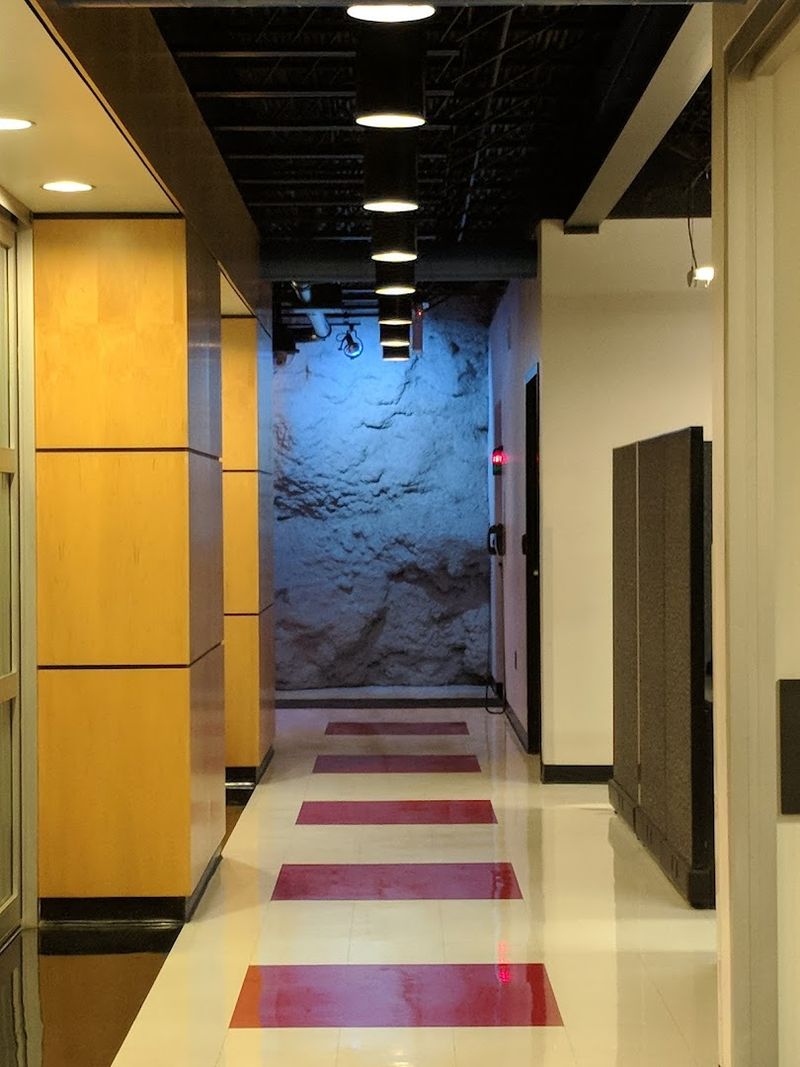
Tucked beneath the surface of Springfield, Missouri, the Bluebird Network data center is one of the most unusual tech facilities in the entire country.
It is housed inside a former limestone mine, which gives it a naturally cool and stable environment that above-ground facilities spend enormous amounts of energy trying to replicate artificially.
Springfield sits in Greene County, right in the heart of the Ozarks, and this location has made Bluebird a reference point in every local conversation about responsible data center development.
The underground setting reduces the visual footprint dramatically. There are no towering concrete walls rising above the tree line.
No massive cooling towers dominating the skyline. Just a modest surface entrance that hides what lies beneath.
As interest in AI infrastructure grows nationally, facilities like Bluebird’s underground operation are drawing more attention because of their naturally cooler environments and lower visual impact compared to traditional above-ground campuses.
Bluebird’s model is often held up as a low-impact alternative to the mega-builds happening elsewhere in the state. That reputation matters in a region where environmental identity runs deep.
The facility is located at 2211 W Norton Rd, Springfield, MO 65803, and it represents a real attempt to balance technological growth with the ecological sensibility that Ozark residents hold dear.
While facilities like this were not originally designed specifically for modern AI workloads, they have become part of broader conversations about how future data infrastructure might expand in more environmentally conscious ways.
Water Consumption in the Ozarks Is a Question Nobody Wants to Ignore
AI chips run hot. That is simply the physical reality of how they work, and keeping them cool requires water in quantities that would surprise most people.
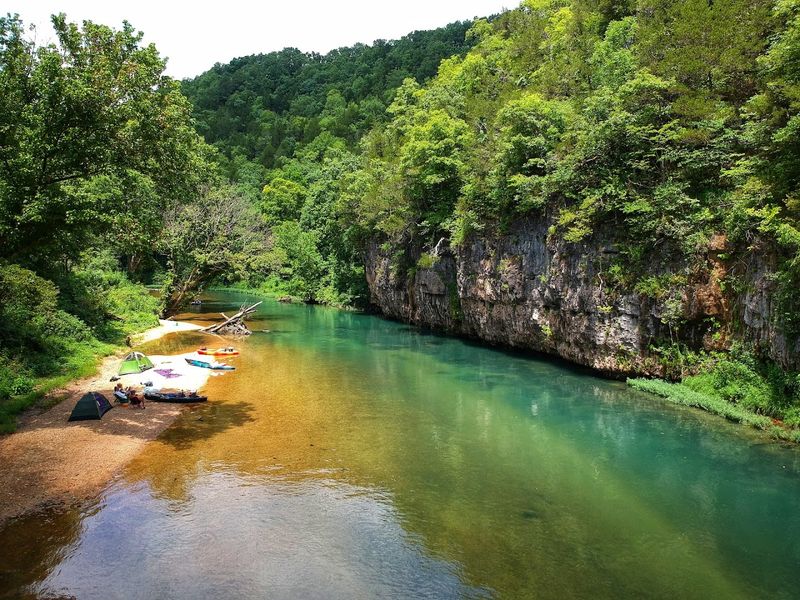
In the Ozarks, where spring-fed rivers and the Ozark Aquifer define both the ecology and the local identity, residents are asking pointed questions about where that cooling water will come from.
Missouri’s Ozark region is famous for its pristine water systems. The Current River, Eleven Point River, and dozens of natural springs draw visitors from across the country every single year.
These are not just tourist attractions. They are living ecosystems that local communities depend on.
The concern is straightforward. Environmental advocates and local residents have started asking how future large-scale industrial developments, including potential data centers, could affect regional water resources if expansion accelerates in coming years.
Water rights in Missouri are governed under the reasonable use doctrine, which means large industrial users can draw from shared sources as long as the use is considered reasonable. That legal framework was not designed with AI-scale water consumption in mind.
Environmental advocates in the Ozarks are now calling for stricter disclosure requirements before any new data center receives a permit. They want to know exactly how much water each facility will use and where it will come from before construction begins.
Because the Ozarks depend heavily on clean rivers, springs, fishing, and outdoor recreation, discussions about future industrial water use tend to attract strong public interest throughout the region.
Missouri’s Electrical Grid Is Already Feeling the Pressure of AI Demand
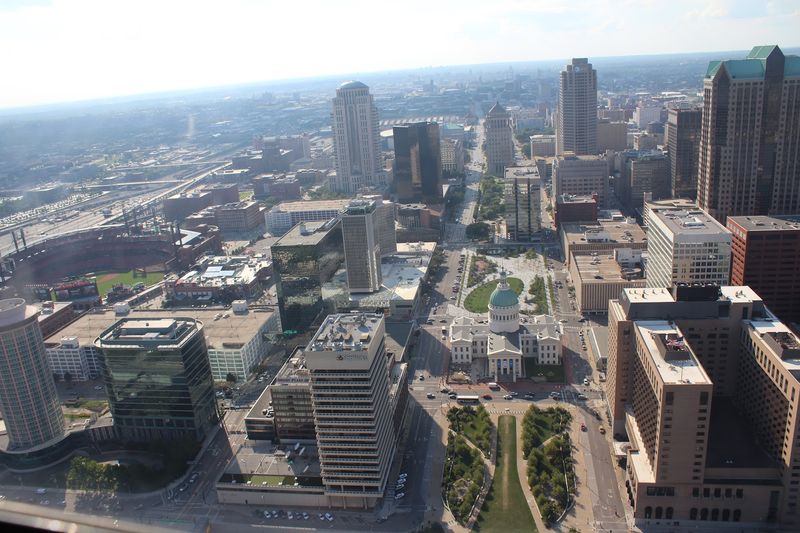
Missouri’s energy providers did not design the state’s electrical grid with AI data centers in mind. That gap between old infrastructure and new demand is becoming a serious pressure point.
Utilities across the Midwest, including companies operating in Missouri, have publicly discussed the possibility that future AI and cloud-computing growth could place additional pressure on electrical infrastructure over time. The numbers they are working with are not small.
A single large-scale AI data center can consume as much electricity as a small city. Energy planners nationally have increasingly discussed how clusters of future high-capacity computing facilities could affect long-term grid planning, especially in fast-growing regions.
Rural Ozark counties are particularly vulnerable in this scenario. The transmission infrastructure in those areas was built to serve farms, small towns, and modest residential loads.
It was not built to carry the “always-on” electrical demand that AI computing requires around the clock.
Residents in those counties are worried about two things specifically. The first is rising utility rates as providers invest billions in grid upgrades that get passed on to consumers.
The second is the increased frequency of brownouts during peak summer heat, when both residential AC use and data center cooling demand spike at the same time.
State regulators are now being asked to require more transparency from data center developers about their projected energy consumption before permits are approved. For Ozark communities already managing tight household budgets, these are not theoretical concerns.
They are practical, everyday financial realities that deserve serious attention.
The Visual Impact on the Ozark Plateau Is Sparking Real Debate in Zoning Meetings
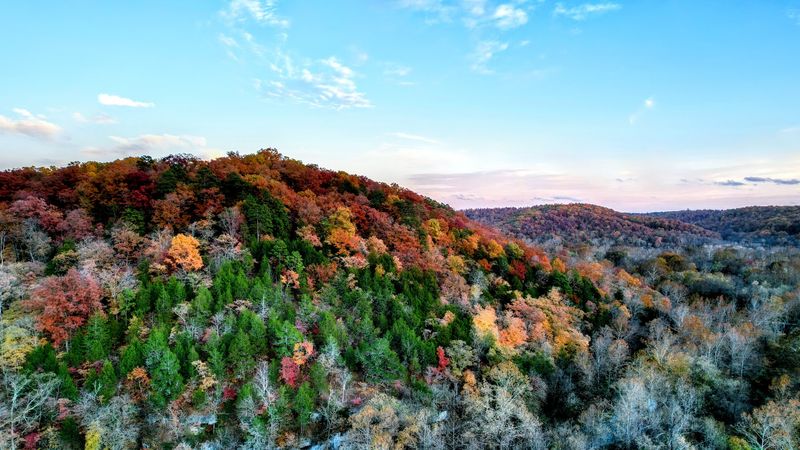
There is a particular kind of beauty to the Ozark Plateau. Rolling hills covered in oak and hickory, narrow valleys carved by clear streams, small towns that look like they have been there forever.
AI data centers do not fit that picture. They are typically massive, windowless concrete structures that spread across multiple acres with no architectural concessions to the surrounding landscape.
In some communities across the country, residents have become more active in zoning discussions related to large industrial or technology projects, and similar conversations could eventually emerge in parts of Missouri if development expands further.
The conversation there is not just about traffic or noise. It is about what kind of place the Ozarks will be in twenty years if this development pattern continues unchecked.
The Ozark Plateau covers a large portion of southern Missouri, and its visual character has long been one of its most marketable qualities. Tourism, real estate values, and quality of life in the region are all tied to that landscape in ways that are hard to quantify but easy to feel.
Some planners and local officials have started discussing how existing zoning rules might apply if larger technology infrastructure projects expand further into rural areas. How do you regulate the aesthetic impact of a structure that is technically legal under current industrial zoning rules?
Some communities are exploring design standards that would require landscaping buffers or visual screening around new data center sites. Others are pushing for outright moratoriums until better frameworks can be developed.
For now, many of these conversations remain largely forward-looking rather than tied to widespread active construction across the Ozarks.
Ozark residents are not opposed to progress. They are asking that progress look a little more like home.
Noise Pollution Is a Growing Concern in the Quieter Corners of the Ozarks
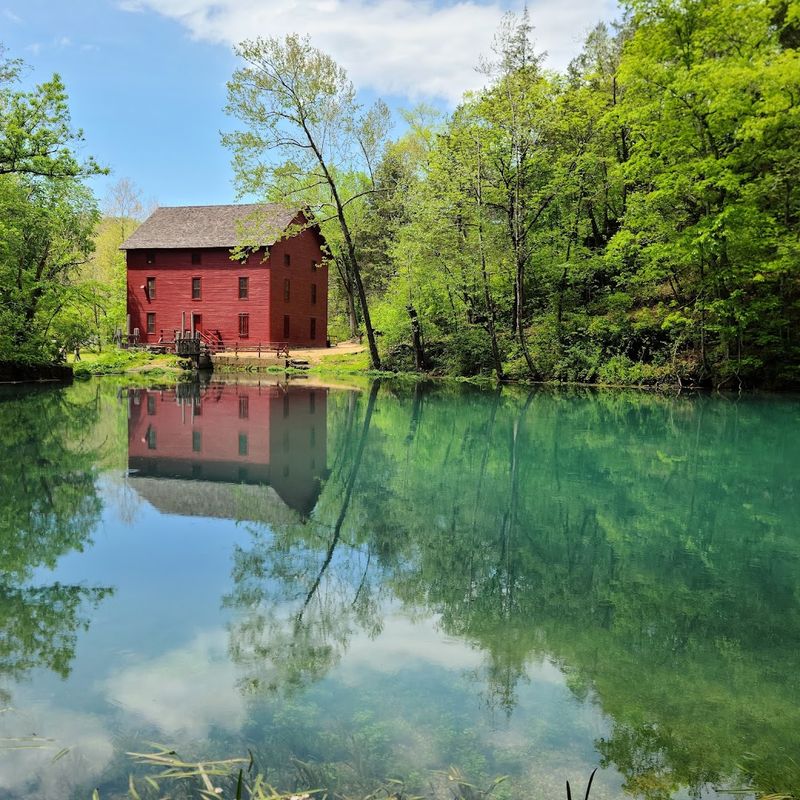
Quiet is one of the things people come to the Ozarks for. The absence of city noise, the sound of wind through the trees, the call of birds over a still river.
That quiet is not just pleasant. For many residents, it is the whole point of living there.
Data centers are not quiet. They require massive industrial fan arrays running continuously to manage the enormous heat that server equipment generates.
The result is a persistent low-frequency hum that carries farther than most people expect.
Communities near “Data Center Alleys” in places like Northern Virginia have documented this phenomenon extensively. Residents there report that the sound is not loud enough to cover with earplugs but is constant enough to disrupt sleep, concentration, and general well-being over time.
In rural parts of the Ozarks, where ambient noise levels are naturally very low, even a moderate industrial hum would represent a dramatic change in the acoustic environment. Sound that might go unnoticed in a suburban setting becomes intrusive against a backdrop of near-silence.
Some residents and planners in other states with heavy data center growth have pushed for stronger noise studies during permitting processes, and those examples are increasingly referenced in broader conversations about future development standards.
They want decibel measurements taken at property lines and at the nearest residential structures before any facility receives final approval.
The Missouri Department of Natural Resources has noise regulations on the books, but enforcement in rural areas has historically been inconsistent. Residents are pushing for stronger standards that specifically address the low-frequency, continuous noise profile that data centers produce.
Missouri’s Tax Incentive Strategy Is Generous, But Locals Are Asking Hard Questions
Missouri has been working hard to attract tech investment, and the state legislature has passed some genuinely aggressive tax incentive packages to make that happen. The goal is to position Missouri as a serious player in the national AI infrastructure race.
On paper, the pitch makes sense. Data centers bring construction jobs, permanent technical positions, and a broader tax base.
For rural counties that have watched manufacturing and agriculture contract over decades, that pitch is hard to dismiss outright.
But locals are pushing back with some specific and uncomfortable questions. The first is about the jobs themselves.
High-paying tech positions at data centers typically require specialized skills in networking, electrical engineering, and systems administration. Those are not skills that most current Ozark residents happen to have on their resumes.
If the jobs go primarily to workers recruited from outside the region, the promised economic benefit to local families becomes much thinner than the headline numbers suggest.
The second question is about the tax revenue that gets traded away. Missouri’s incentive packages can exempt data centers from significant portions of sales and property taxes for extended periods.
That means the roads, bridges, and public services stressed by heavy construction traffic may not receive the funding needed to recover.
County commissioners in several Ozark communities are now asking state officials for more detailed economic modeling before they sign off on new facilities. The promise of tech jobs is appealing.
But a promise without a clear delivery mechanism is just a promise.
The Outdoor Tourism Economy of the Ozarks Has a Lot at Stake in This Conversation
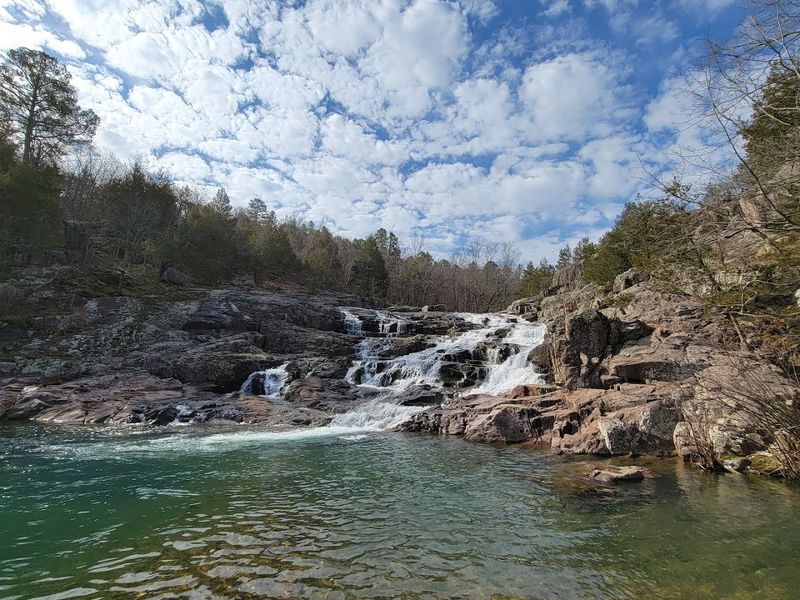
Mark Twain National Forest covers about 1.5 million acres across southern Missouri. The Current River winds through some of the most unspoiled landscape in the entire Midwest.
These are not backup plans for the Ozark economy. They are the main event.
Outdoor recreation tourism pumps hundreds of millions of dollars into Ozark communities every year. Canoe outfitters, campgrounds, fishing guides, small-town diners, and bed-and-breakfasts all depend on visitors who come specifically for the natural environment.
Some tourism advocates and conservation-minded residents have begun discussing how large-scale industrial development could potentially affect the scenic identity that draws visitors to the Ozarks.
That is not a hypothetical. Supporters of preserving the region’s natural character often point to examples from other parts of the country where rapid industrial growth changed the feel of once-rural recreation areas.
The outdoor traveler is a choosy consumer who can easily redirect spending to a different destination.
The Current River and the surrounding Ozark National Scenic Riverways are federally protected, which provides some buffer. But the broader landscape around those protected zones is not, and that is where data center development is most likely to occur.
Local outfitters and tourism businesses are now organizing to make their economic case directly to state and county officials. They want decision-makers to weigh the long-term, renewable value of outdoor tourism against the short-term appeal of tech investment incentives.
For many residents, preserving the Ozarks’ natural identity remains an important part of balancing economic development with long-term quality of life.
