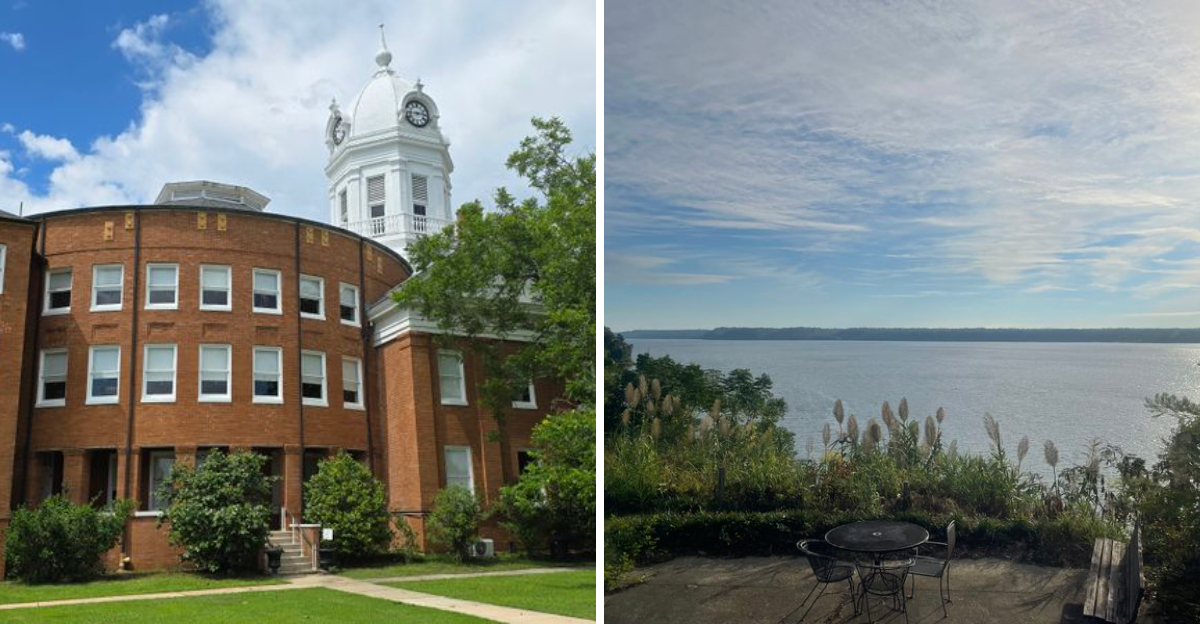
Alabama’s historic towns serve as living museums where the past mingles effortlessly with the present, creating destinations that capture the imagination of travelers seeking authentic Southern experiences.
These charming communities preserve centuries-old architecture, stories of resilience, and traditions that have shaped the region’s identity.
What truly sets these towns apart is their remarkable culinary heritage, where family recipes passed down through generations continue to delight visitors with flavors that define Southern cooking.
From mountaintop retreats to riverside communities, each destination offers a unique taste of Alabama’s soul through its restaurants, cafes, and barbecue joints that have stood the test of time.
1. Bessemer
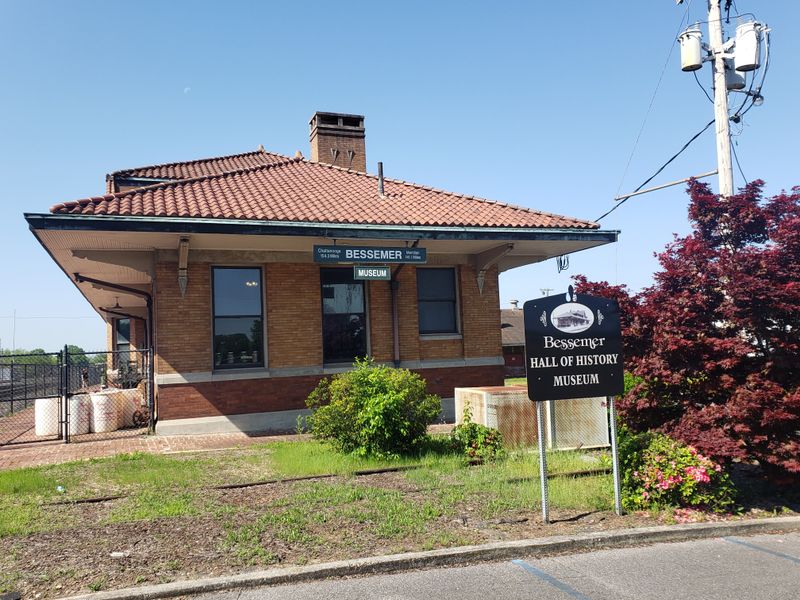
Few restaurants in America can claim a heritage as storied as The Bright Star, which has anchored Bessemer’s culinary scene since 1907.
This legendary establishment represents more than just a place to eat.
It stands as a testament to the blending of cultures that makes Alabama’s food landscape so distinctive.
Greek immigrants brought their culinary traditions to this industrial town and created something entirely new by merging Mediterranean techniques with Deep South ingredients.
The James Beard Foundation recognized this unique fusion when they named The Bright Star an America’s Classic in 2010.
Thirteen years later, Southern Living crowned it Alabama’s Best Local Restaurant.
These accolades reflect what generations of diners have known: this is where tradition meets excellence.
Walking through Bessemer’s historic streets, you’ll discover a town that once thrived as a center of iron production.
The industrial heritage shaped the community’s character, creating a working-class culture that valued hearty, satisfying meals.
The Bright Star answered that call with generous portions and recipes that have remained largely unchanged for over a century.
Snapper throats, a house specialty, showcase the restaurant’s commitment to fresh seafood despite Alabama’s inland location.
The dining room itself feels like stepping back in time, with its vintage decor and atmosphere that speaks to countless family celebrations held within its walls.
Bessemer’s location just outside Birmingham makes it an easy excursion for travelers wanting to experience authentic Southern dining without the pretense that sometimes accompanies urban restaurants.
The town’s unpretentious nature mirrors the food served at its most famous establishment.
Honest, flavorful, and deeply rooted in the community it serves.
2. Huntsville
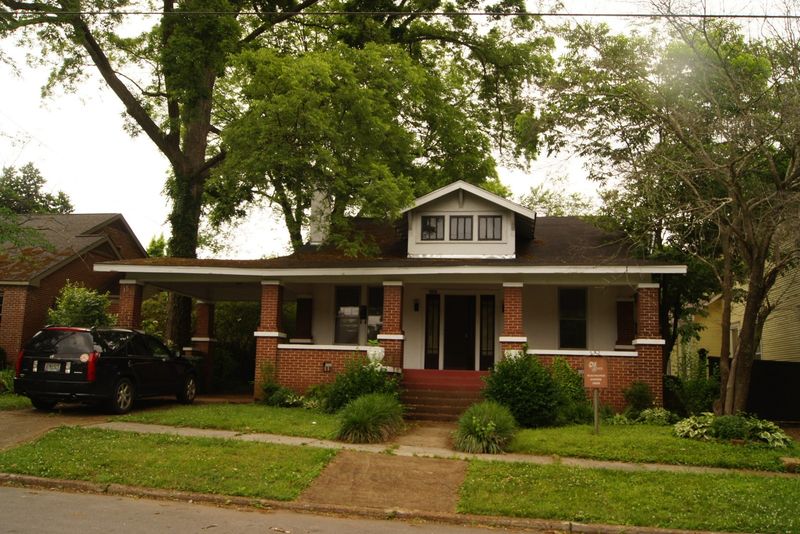
Rocket City’s reputation for innovation extends far beyond its aerospace achievements.
Huntsville has preserved culinary treasures that connect modern residents to their roots.
Big Spring Cafe stands as perhaps the finest example, having served the community since 1922 without losing its soul to modernization.
This landmark diner occupies a special place in Huntsville’s heart, where scientists, families, and visitors gather over plates of comfort food that define Southern hospitality.
The menu reads like a love letter to traditional Alabama cooking.
Brunswick stew simmers with the kind of depth that only comes from recipes perfected over decades.
Fried bologna biscuits might sound simple, but they represent the genius of Southern cooks who transformed humble ingredients into something memorable.
The cafe’s longevity speaks to consistency and quality that transcends passing food trends.
Huntsville itself offers a fascinating contrast between cutting-edge technology and preserved history.
The U.S. Space and Rocket Center draws visitors from around the world, yet the downtown area maintains its historic character with beautifully restored buildings surrounding Big Spring Park.
The natural spring that gives the park its name has flowed continuously for thousands of years, much like the culinary traditions that Big Spring Cafe keeps alive.
Seasonal changes bring subtle shifts to the menu, reflecting Alabama’s agricultural calendar.
Summer might feature fresh tomatoes from local farms, while autumn introduces heartier fare that warms against the cooling temperatures.
The diner’s atmosphere encourages lingering conversations, the kind that happen when strangers become neighbors over shared meals.
Huntsville demonstrates that progress and preservation can coexist beautifully, creating a destination where history enhances rather than competes with innovation.
3. Irondale
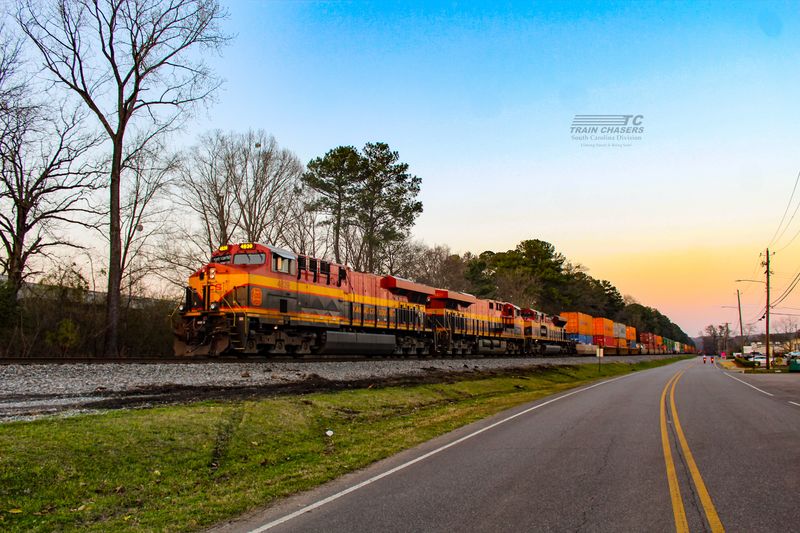
Barbecue smoke has billowed from Golden Rule Bar-B-Q since 1891, making it Alabama’s oldest continuously operating restaurant and a living monument to Southern culinary endurance.
That date alone deserves contemplation.
When Golden Rule first opened its doors, Grover Cleveland occupied the White House and automobiles hadn’t yet appeared on American roads.
The restaurant has witnessed over 130 years of American history while maintaining its commitment to traditional barbecue methods that refuse to bow to shortcuts or compromise.
Irondale itself gained broader fame as the inspiration for Fannie Flagg’s novel and subsequent film about the Whistle Stop Cafe.
That fictional establishment captured imaginations, but Golden Rule Bar-B-Q offers something even more valuable: authenticity that spans three centuries.
The restaurant’s approach to barbecue reflects old-school Alabama style, where pork reigns supreme and sauce complements rather than overwhelms the meat’s natural flavor.
Slow cooking over hardwood produces the kind of tenderness and smoke penetration that modern fast-cooking methods simply cannot replicate.
Each bite carries the weight of tradition, connecting diners to generations of Alabamians who gathered around similar tables.
The town’s proximity to Birmingham provides easy access while maintaining a distinct identity separate from the larger city’s urban sprawl.
Irondale’s residential neighborhoods and small-town atmosphere create a welcoming environment for visitors seeking genuine experiences rather than tourist attractions.
Golden Rule’s survival through economic depressions, world wars, and dramatic social changes speaks to the universal appeal of good barbecue prepared with care and respect for tradition.
The restaurant doesn’t chase trends or reinvent classics.
Instead, it offers consistency that becomes increasingly rare in our rapidly changing world, serving as an anchor to simpler times when meals meant gathering together and savoring every moment.
4. Mooresville
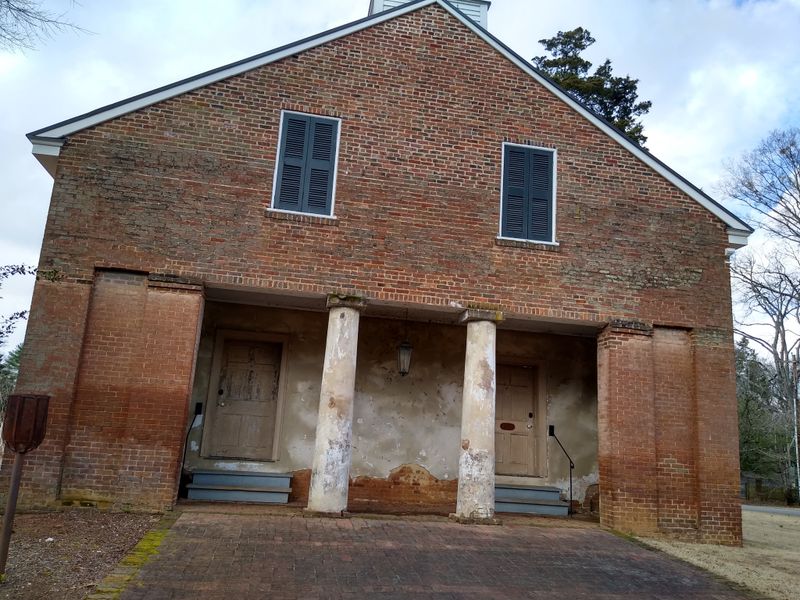
Time moves differently in Mooresville, Alabama’s oldest incorporated town, where preservation takes precedence over progress.
Walking these streets feels like stepping into a carefully maintained photograph from the 1800s.
White picket fences frame modest homes that have sheltered families for generations, and the absence of modern commercial development creates an atmosphere of tranquility increasingly difficult to find.
Mooresville earned its place on the National Register of Historic Places by maintaining architectural integrity that other communities sacrificed to growth.
The town’s small size, with fewer than 100 residents, actually works in its favor for preservation purposes.
Without pressure for expansion, historic structures remain untouched by the kind of renovations that often strip away character in the name of modernization.
The post office, still operating from its original 19th-century building, serves as a functional museum where residents collect mail much as their ancestors did.
While Mooresville doesn’t boast the famous restaurants found in larger Alabama towns, its culinary culture expresses itself through community gatherings and the kind of home cooking that rarely appears on commercial menus.
Church suppers and family reunions showcase recipes that have been family secrets for generations, featuring dishes that define authentic Southern cooking at its most personal level.
Visitors willing to engage with locals often discover invitations to experience this hospitality firsthand.
The town’s location near Huntsville makes it an ideal complement to urban explorations.
After experiencing Big Spring Cafe’s classic diner fare, Mooresville offers a glimpse into the domestic cooking traditions that inspired those restaurant menus.
The contrast between preservation and progress becomes especially apparent when you stand in Mooresville’s quiet center and consider how dramatically the world has changed around this unchanging community.
This commitment to maintaining historical character creates educational value alongside aesthetic appeal, teaching visitors about Alabama’s past through immersive experience rather than textbook descriptions.
5. Brewton
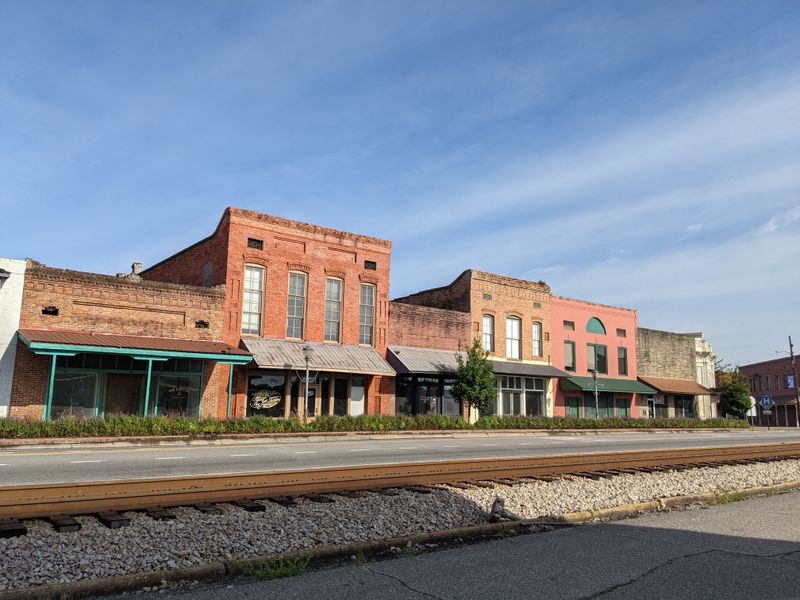
Brewton’s story intertwines with the timber industry that once dominated South Alabama’s economy, creating a prosperity that funded the beautiful historic commercial district visitors admire today.
Located in Escambia County near the Florida border, this community developed a distinct cultural identity influenced by both Deep South traditions and the unique character of the Gulf Coast region.
The Murder Creek that runs nearby carries a dramatic name with equally dramatic history, adding layers of intrigue to an already fascinating town.
The historic district showcases architectural styles popular during Brewton’s early 20th-century boom period.
Well-maintained storefronts and civic buildings demonstrate civic pride that extends beyond mere nostalgia into active preservation efforts.
Walking these streets, you’ll notice details that reveal the town’s former wealth: ornate cornices, detailed brickwork, and substantial construction that was built to last generations.
Southern cuisine in Brewton reflects the town’s position between Alabama’s agricultural interior and the seafood-rich Gulf Coast.
Local restaurants serve everything from traditional barbecue and fried chicken to fresh-caught fish prepared with Creole influences that drift northward from coastal communities.
This culinary diversity gives diners more options than they might expect in a town of Brewton’s size.
Family-owned establishments maintain recipes that have defined their businesses for decades, creating loyal followings that span multiple generations.
The town’s atmosphere encourages slow exploration rather than rushed visits.
Coffee shops and cafes provide gathering spaces where conversations flow as freely as the beverages.
Seasonal festivals celebrate both history and contemporary community life, often featuring food vendors who showcase regional specialties.
Brewton may not appear on every Alabama travel itinerary, but that oversight works in favor of visitors who discover it.
Without overwhelming tourist crowds, the town maintains an authentic character where daily life continues much as it has for generations, welcoming strangers while preserving the close-knit community bonds that define small-town Southern living at its finest.
6. Mentone
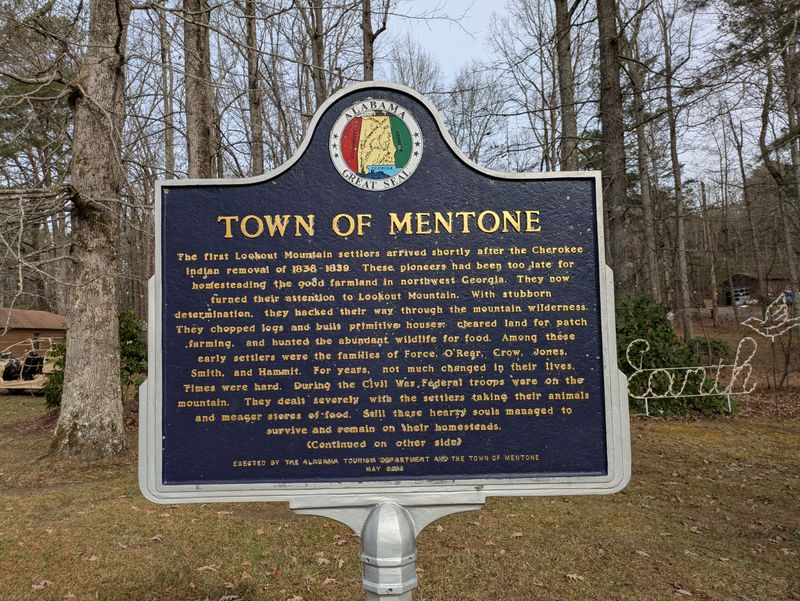
Perched atop Lookout Mountain at Alabama’s northeastern tip, Mentone offers something unexpected in a state better known for coastal plains and rolling hills.
This elevated community experiences cooler temperatures and mountain vistas that feel more Appalachian than stereotypically Southern.
The geographic distinction extends to culinary traditions, where farm-to-table dining flourished long before it became a nationwide trend.
Mentone’s restaurants source ingredients from the surrounding agricultural community, creating menus that shift with the seasons in ways that honor the land’s natural rhythms.
Wildflower Cafe earned its reputation by transforming local produce, meats, and dairy into dishes that celebrate simplicity and freshness.
The restaurant’s name reflects its philosophy: letting natural flavors bloom without excessive manipulation.
Elevation Bistro takes a similar approach with slightly more contemporary presentations, proving that traditional Southern ingredients can adapt to evolving tastes without losing their essential character.
Both establishments benefit from Mentone’s unique microclimate, which supports crops that struggle in Alabama’s hotter lowland regions.
The town itself attracts visitors seeking respite from summer heat and stress.
DeSoto Falls cascades nearby, providing natural beauty that enhances the dining experience by creating an overall sense of place.
Bed and breakfasts dot the mountainside, offering accommodations that range from rustic to refined.
Mentone’s artistic community adds cultural depth, with galleries and craft shops showcasing work inspired by the surrounding landscape.
Autumn transforms the mountain into a tapestry of color that rivals any New England destination.
This seasonal spectacle draws leaf-peepers who discover that the dining scene provides pleasures equal to the natural scenery.
Harvest menus feature ingredients at their peak, from heirloom apples to locally raised lamb.
Mentone demonstrates that Southern cuisine encompasses more diversity than many people realize, extending beyond fried foods and heavy gravies to include lighter, ingredient-focused preparations that still honor regional traditions.
The mountain setting creates a dining atmosphere unlike anywhere else in Alabama, proving that geography shapes cuisine in profound and delicious ways.
7. Florence
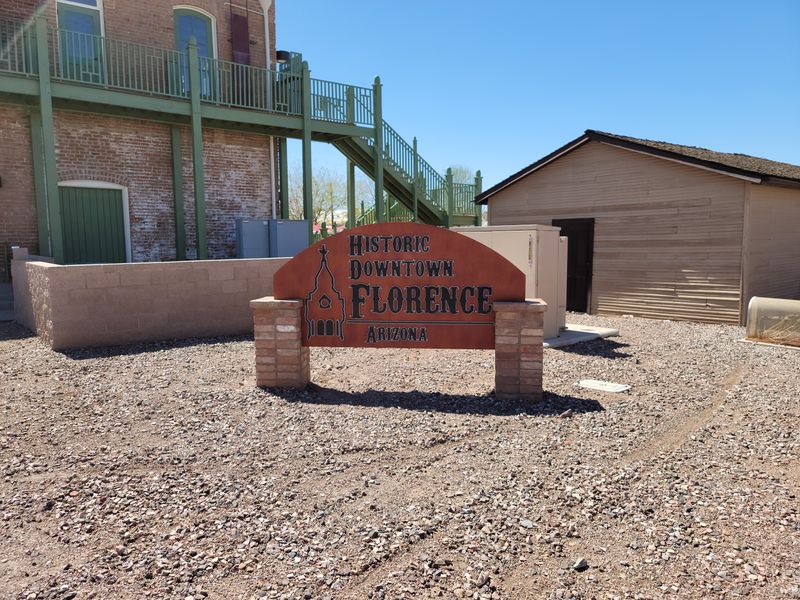
Florence anchors the Shoals region, a four-city area along the Tennessee River that has produced an outsized influence on American music and culture.
FAME Studios and Muscle Shoals Sound attracted legendary musicians who created the distinctive Muscle Shoals sound, but Florence’s contributions extend beyond recording studios into a vibrant food scene that honors tradition while embracing innovation.
The University of North Alabama brings youthful energy and diverse perspectives that have encouraged restaurant evolution without abandoning the Southern foundations that define the region’s culinary identity.
Odette represents Florence’s modern approach to Southern cuisine, where chefs trained in classical techniques apply their skills to regional ingredients.
The menu changes regularly to reflect seasonal availability, demonstrating respect for the agricultural calendar that governed Southern cooking for generations before year-round global sourcing became possible.
Dishes might feature Gulf seafood, locally raised pork, or vegetables from nearby farms, all prepared with attention to detail that elevates familiar flavors into something memorable.
360 Grille takes advantage of its riverside location to create an atmosphere where views enhance the dining experience.
The Tennessee River has shaped Florence’s history since Native Americans first settled its banks, and watching the water flow past while enjoying contemporary Southern cuisine creates connections between past and present.
The restaurant’s menu bridges generations, offering both traditional preparations that please older diners and creative interpretations that attract younger food enthusiasts.
Florence’s downtown area has undergone revitalization that preserved historic architecture while introducing new businesses.
This balance between old and new extends to the culinary scene, where longstanding cafes coexist with recently opened bistros.
The city’s walkability encourages exploration, and visitors often discover unexpected gems tucked into renovated buildings.
Cultural events throughout the year celebrate the Shoals’ musical heritage, often incorporating food vendors and restaurant partnerships that showcase the region’s culinary diversity.
Florence proves that college towns can maintain authentic regional character while fostering the kind of creative experimentation that keeps food scenes dynamic and interesting for both residents and visitors.
8. Eufaula
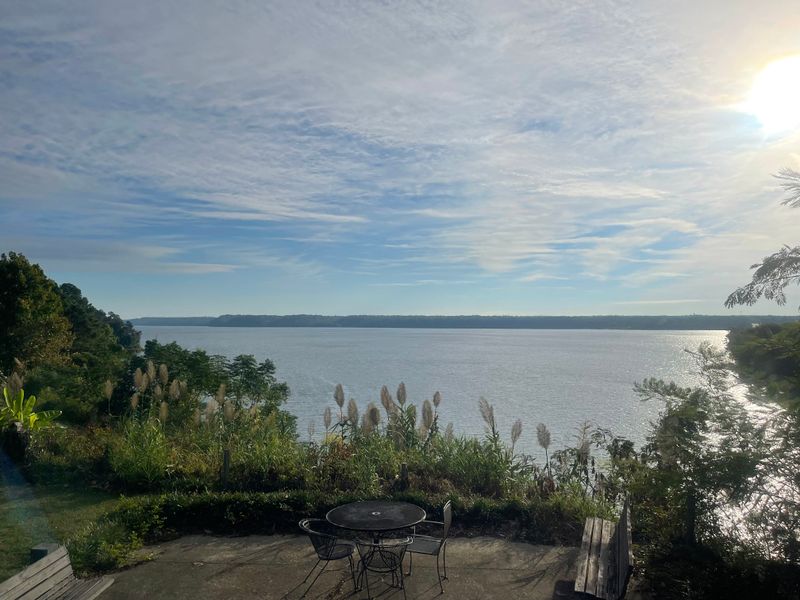
Eufaula’s collection of antebellum homes ranks among the finest in the Southeast, earning the town recognition as a premier destination for architecture enthusiasts and history buffs.
The Seth Lore and Irwinton Historic District contains hundreds of structures that survived the Civil War and subsequent decades, creating a neighborhood where the 19th century feels tangibly present.
These grand homes tell stories of cotton wealth and the complex history that shaped the Deep South, providing context for understanding the region’s cultural evolution.
Lake Eufaula, created by damming the Chattahoochee River, transformed the town into a recreational destination that attracts anglers and water sports enthusiasts.
This combination of historic preservation and outdoor recreation creates an interesting dynamic where past and present serve different but complementary purposes.
The lake’s presence influences local cuisine, with restaurants serving freshwater fish alongside traditional Southern staples.
Bass, catfish, and crappie appear on menus prepared with techniques passed down through generations of Alabama cooks.
Downtown Eufaula maintains a charming commercial district where independent shops and restaurants occupy buildings that have served the community for over a century.
The town’s slower pace encourages visitors to linger over meals and conversations rather than rushing through experiences.
This unhurried atmosphere reflects values that prioritize relationships and quality over efficiency and speed.
Spring brings azaleas and dogwoods that transform Eufaula into a botanical showcase.
The annual pilgrimage tour opens private homes to visitors, offering glimpses into interiors as carefully preserved as the exteriors.
These events often feature traditional Southern refreshments that demonstrate the hospitality culture still thriving in small Alabama towns.
Eufaula’s location on the Alabama-Georgia border creates subtle cultural influences that distinguish it from towns deeper in Alabama’s interior.
The Chattahoochee River has always served as both boundary and connection, facilitating trade and cultural exchange that enriched communities on both banks.
This geographic position contributes to a culinary scene that incorporates influences from across the Southeast while maintaining distinctly Alabama character.
9. Monroeville
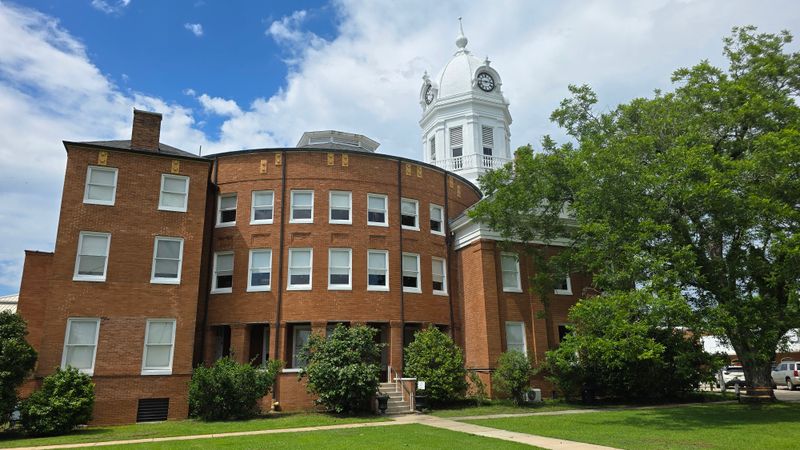
Harper Lee’s childhood in Monroeville provided the foundation for To Kill a Mockingbird, forever linking this small Alabama town to one of American literature’s most influential novels.
The courthouse where Lee’s father practiced law still stands at the square’s center, now serving double duty as both functional government building and literary landmark.
Each spring, local actors perform a stage adaptation that uses the actual courtroom, creating an immersive experience that blurs the line between fiction and reality.
Truman Capote, another literary giant, spent childhood years in Monroeville as Lee’s neighbor and friend.
This remarkable coincidence of two major writers emerging from the same small town speaks to the richness of stories and characters that small Southern communities contain.
The literary heritage attracts visitors from around the world, but Monroeville offers more than just connections to famous authors.
The town embodies the kind of authentic Southern community that inspired Lee’s most memorable characters.
Walking around the courthouse square, you’ll encounter the friendly faces and unhurried conversations that characterized Maycomb in the novel.
Local restaurants serve the kind of home-style Southern cooking that nourished generations: fried chicken, butter beans, cornbread, and sweet tea that’s properly sweetened.
These aren’t trendy interpretations or fusion experiments but straightforward preparations that prioritize flavor and comfort over innovation.
The town’s cafe culture provides gathering spaces where residents catch up on local news and visitors receive recommendations delivered with genuine warmth.
Monroeville’s surrounding countryside remains largely agricultural, supporting farms that supply restaurants with fresh produce and meats.
This connection between land and table creates the kind of food security and seasonal eating patterns that defined Southern life before industrial agriculture.
The town celebrates its literary heritage without allowing it to overwhelm everyday life.
Residents go about their business with pride in their community’s accomplishments but without the self-consciousness that sometimes afflicts places dependent on tourism.
This balance creates an authentic experience where visitors feel welcomed into a real community rather than performing for an audience of tourists seeking photo opportunities.
10. Tuscumbia
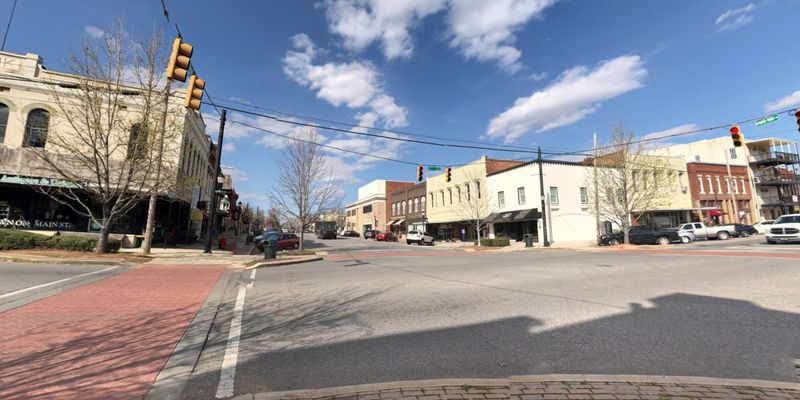
Helen Keller’s birthplace, Ivy Green, draws visitors to Tuscumbia from across the globe, but this Shoals region town offers far more than a single historic site.
Spring Park’s natural beauty centers on a massive spring that produces millions of gallons of crystal-clear water daily, creating a scenic heart for community gatherings and quiet contemplation.
The park’s walking paths and open spaces host festivals throughout the year, often featuring food vendors who showcase regional specialties that define Shoals cuisine.
Tuscumbia’s downtown district preserves commercial architecture from multiple eras, creating visual interest that rewards slow exploration.
Independent shops occupy buildings that have served the community for generations, maintaining the kind of personal service that chain stores cannot replicate.
Local restaurants reflect the town’s position within the larger Shoals area, participating in the culinary creativity that characterizes the entire region while maintaining distinct identities.
The town’s proximity to Florence, Muscle Shoals, and Sheffield creates opportunities for visitors to experience multiple communities during a single trip.
Each Shoals city maintains unique character while sharing the musical heritage and river culture that defines the area.
Tuscumbia specifically offers a quieter, more residential atmosphere compared to Florence’s college-town energy or Muscle Shoals’ recording studio legacy.
Southern cooking in Tuscumbia emphasizes home-style preparations that prioritize comfort over complexity.
Meat-and-three restaurants serve daily specials that rotate through beloved classics: meatloaf, fried catfish, chicken and dumplings, accompanied by vegetables cooked in traditional Southern style.
These establishments function as community gathering places where regular customers have favorite tables and servers know their preferences.
The Tennessee River’s influence extends throughout Tuscumbia’s history and present.
Before modern highways, the river served as the primary transportation route, connecting the Shoals to distant markets and bringing outside influences that enriched local culture.
This geographic advantage helped Tuscumbia develop into a prosperous community whose historic wealth remains visible in well-maintained homes and public buildings.
Today, the river provides recreational opportunities and scenic beauty that enhance the overall experience of visiting this charming Alabama town where history and hospitality create lasting memories for travelers seeking authentic Southern experiences.
Dear Reader: This page may contain affiliate links which may earn a commission if you click through and make a purchase. Our independent journalism is not influenced by any advertiser or commercial initiative unless it is clearly marked as sponsored content. As travel products change, please be sure to reconfirm all details and stay up to date with current events to ensure a safe and successful trip.
