Alabama has a way of surprising people who think they already know what the state looks like. Most folks picture flat farmland, humid summers, and maybe a few rolling hills, but the reality is far more interesting than that.
Hidden across the state are places so unusual, so dramatic, and so visually striking that even lifelong residents do a double take. From glowing caves and canyon walls to chalk cliffs that mirror the coast of England, Alabama holds landscapes that feel borrowed from somewhere else entirely.
If you have ever assumed Alabama was just one kind of place, these ten spots are about to change your mind.
1. Dismals Canyon
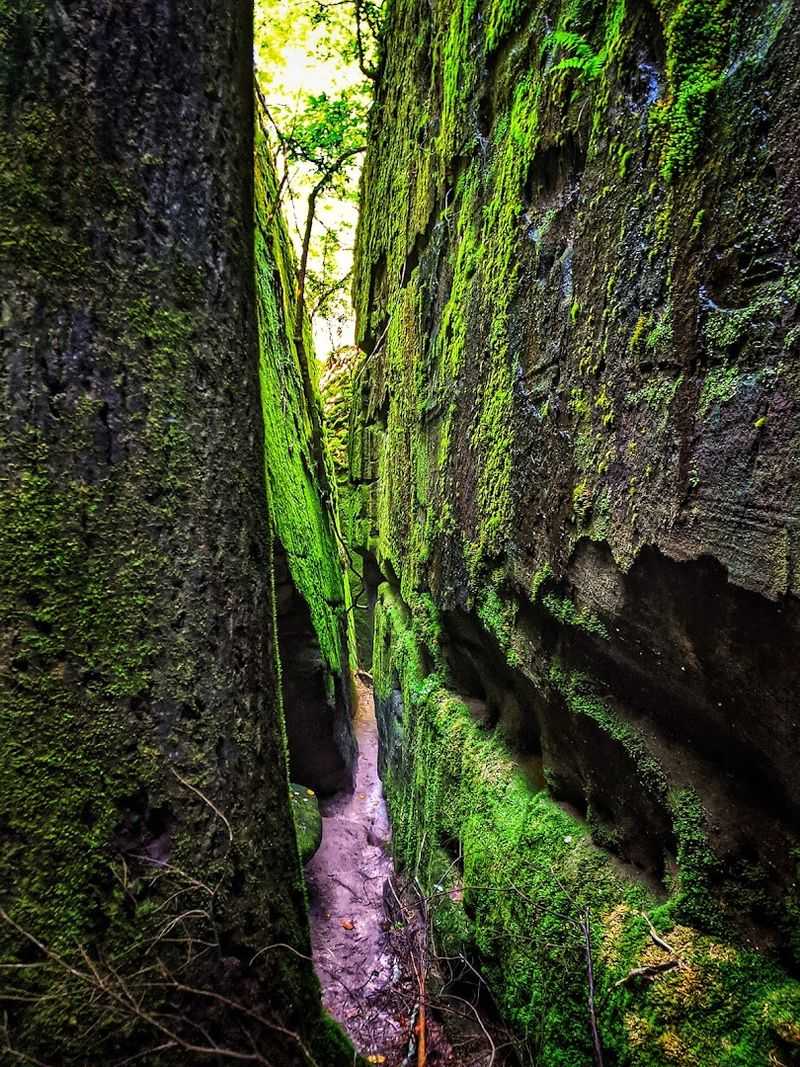
Most people picture a typical Southern forest when they think of northwest Alabama, but Dismals Canyon in Phil Campbell plays by entirely different rules. This 85-acre sandstone gorge is a National Natural Landmark that feels more like something out of a fantasy novel than a real place in the Deep South.
Mossy walls rise around you, waterfalls trickle into winding streams, and the air carries a coolness that surprises visitors even in summer.
What makes Dismals Canyon truly unforgettable are the dismalites, a rare species of bioluminescent glowworms found in only a handful of places on Earth. At night, the canyon walls flicker with soft blue-green light, turning the gorge into something genuinely magical.
Night tours are offered regularly, and locals say seeing the dismalites for the first time never gets old no matter how many times you visit.
The canyon sits at 901 County Road 8, Phil Campbell, AL 35581, and is privately owned, which means it stays well-maintained and uncrowded. Daytime hiking trails wind through the property past ancient rock formations and shaded pools.
Families, photographers, and nature lovers all find something worth coming back for here. Admission is modest, and camping is available on site for those who want to experience the full range of what this extraordinary place has to offer.
2. Little River Canyon National Preserve
One of the deepest canyons east of the Mississippi River sits right in northeastern Alabama, and most people outside the state have never heard of it.
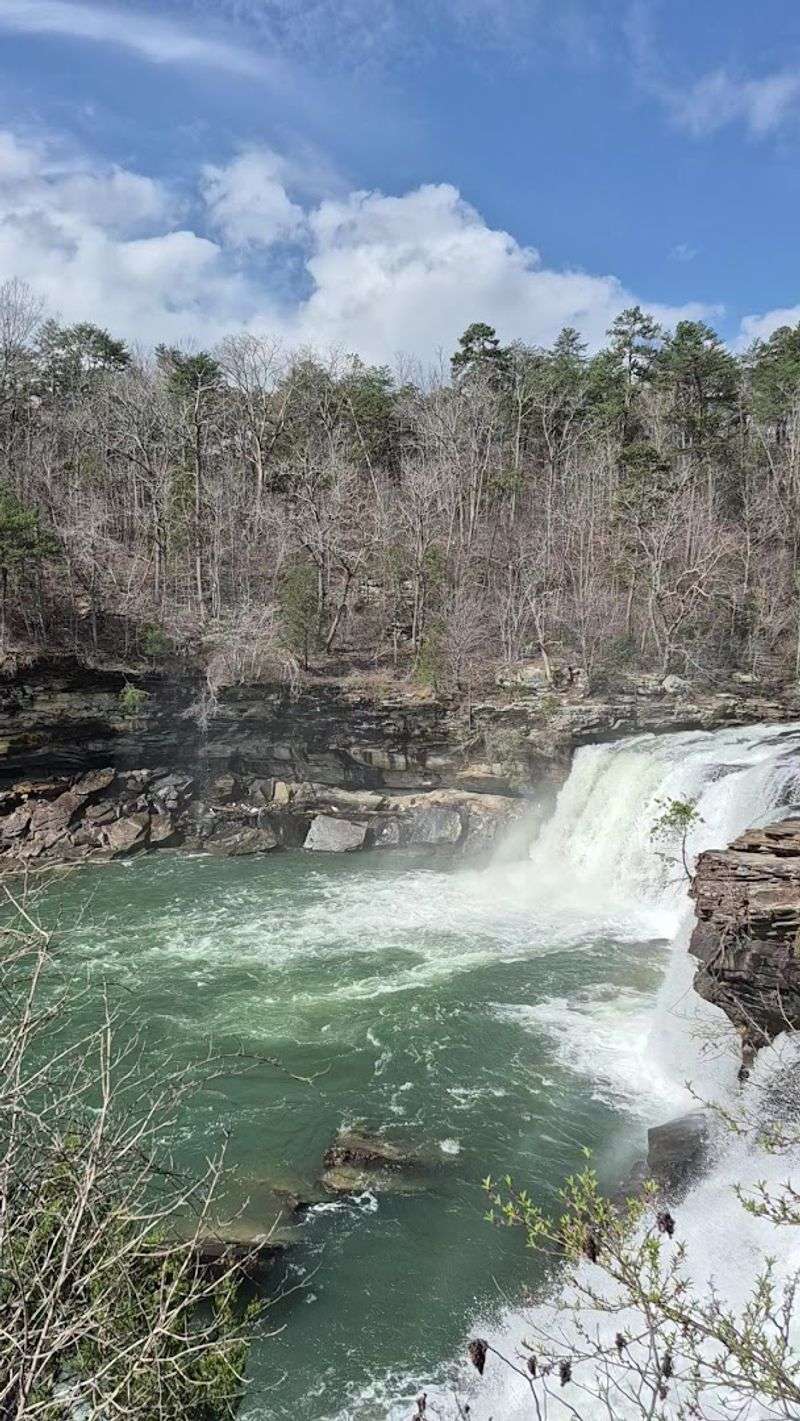
Little River Canyon National Preserve, located near Fort Payne, stretches across the top of Lookout Mountain with cliffs that drop hundreds of feet into the gorge below.
What makes this place scientifically remarkable is that the Little River flows entirely on top of a mountain, which is almost unheard of in this part of the country.
The preserve offers 45-foot Little River Falls near the main entrance at 4322 Little River Trail NE, Fort Payne, AL 35967, and on wet seasons you can witness Grace’s High Falls dropping an incredible 133 feet, making it the tallest waterfall in Alabama.
The canyon rim drive gives stunning overlook views that genuinely feel more like Colorado or Tennessee than Alabama.
Sandstone walls stained with mineral streaks catch the light in ways that stop hikers mid-step.
Trails range from easy rim walks to more challenging descents into the canyon floor. Wildflowers bloom along the edges in spring, and fall foliage turns the whole landscape into a patchwork of red, orange, and gold.
Swimming holes attract locals during summer months. The preserve is managed by the National Park Service and admission is free, making it one of the most accessible natural wonders the state has to offer year-round.
3. Neversink Pit
Neversink Pit near Fackler in northern Alabama is the kind of place that makes your stomach drop the moment you look down.
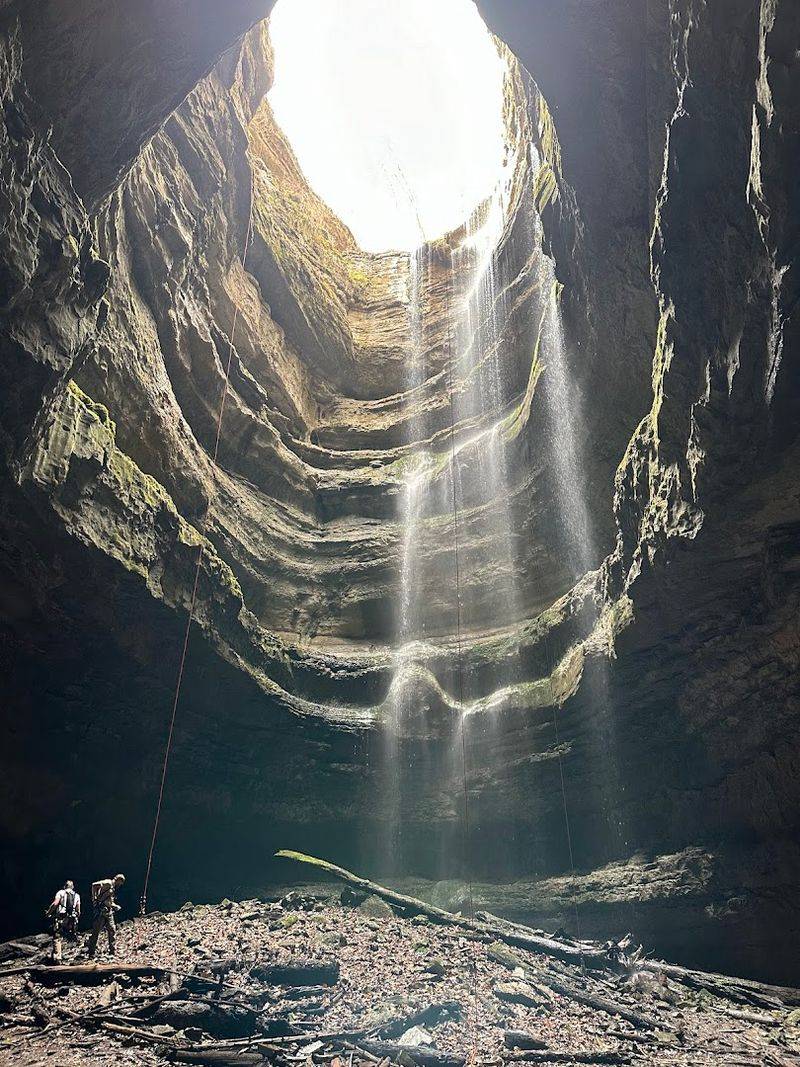
This natural limestone sinkhole plunges 162 feet straight into the earth, roughly the height of a 16-story building, and the walls are blanketed in rare ferns, mosses, and wildflowers that exist almost nowhere else in the region.
Standing at the rim and peering into that perfect vertical shaft feels less like Alabama and more like something out of a documentary about remote jungle sinkholes.
After heavy rains, thin waterfalls stream down the moss-covered walls and disappear into the darkness below, creating an almost cinematic visual. Photographers and rock climbers travel from several states away specifically to document and descend this pit.
The location requires a free permit to access, and the land is managed cooperatively to protect the fragile ecosystem living inside its walls.
The pit is located off County Road 40 near Fackler, AL 35844, and the trail to reach it is short but can be muddy depending on recent weather. Visiting in early morning offers the best light filtering into the pit from above.
Because permits are required and access is somewhat limited, the site stays refreshingly uncrowded compared to other natural attractions in the state. For anyone who loves geology, rare plant life, or simply jaw-dropping scenery, Neversink Pit is one of Alabama’s most rewarding hidden surprises.
4. Sipsey Wilderness in Bankhead National Forest
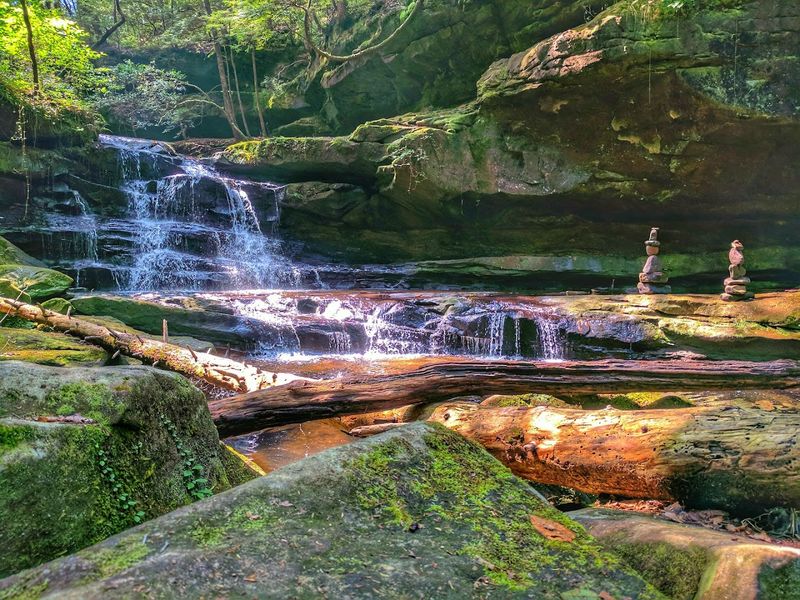
They call it the Land of 1,000 Waterfalls, and once you walk even a short stretch of Sipsey Wilderness, you understand exactly why.
Tucked inside Bankhead National Forest in north-central Alabama, this 24,922-acre wilderness area looks more like the Pacific Northwest than anything most people associate with the Deep South.
Towering hardwood trees form a canopy so thick that the forest floor stays dim and cool even on bright summer days.
Forty-five miles of trails wind past cascades, canyon walls, mossy boulders, and bluffs that rise dramatically above the Sipsey Fork, a federally designated National Wild and Scenic River.
The combination of sandstone geology and abundant water creates a landscape of layered waterfalls and clear pools that feels genuinely otherworldly.
Hikers often describe the experience as being transported somewhere far outside Alabama entirely.
The main trailhead is accessible from Alabama Highway 33 near Double Springs, AL 35553, and the forest service provides trail maps at the ranger district office. No permits are required for day hiking, and camping is allowed in most areas of the wilderness with minimal restrictions.
Spring and fall are the most popular seasons, when water levels are high and temperatures are comfortable. Local outfitters near Moulton and Haleyville offer guided hikes for those unfamiliar with the trail network.
Sipsey rewards patience and a willingness to wander, and almost every bend in the trail reveals something worth stopping to photograph.
5. Cathedral Caverns State Park
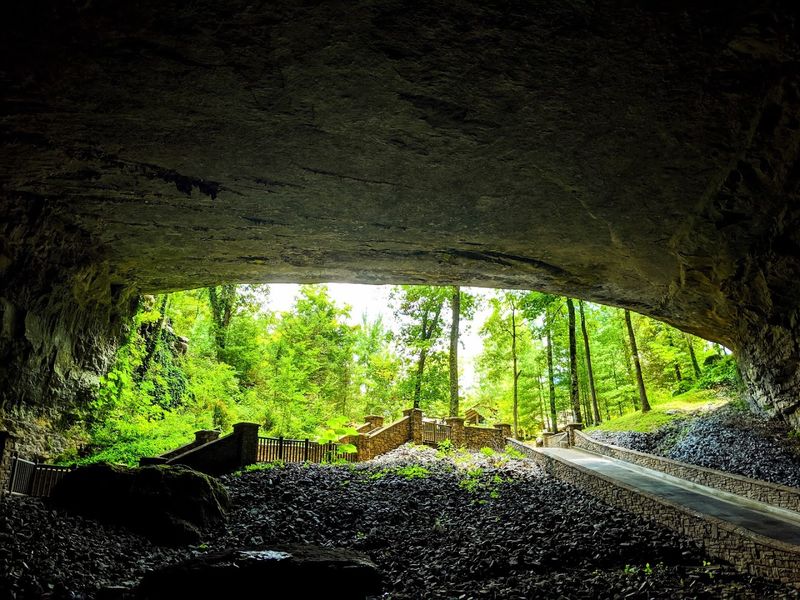
Cathedral Caverns State Park near Woodville has one of the largest cave entrances in the entire world, measuring 126 feet wide and 25 feet high. Walking through that opening feels nothing like entering a typical cave.
The scale is so enormous that the first impression is closer to walking into a cathedral or a massive underground concert hall than anything you might expect from a state park in Alabama.
Inside, the formations are extraordinary. Ancient fossils are embedded in the walls, massive stalactites hang overhead in clusters, and some formations have grown into shapes that genuinely resemble frozen waterfalls suspended from the ceiling.
The cave maintains a steady cool temperature year-round, making it a welcome escape during Alabama’s hot summers. Guided tours move at a comfortable pace and cover the main passages, which stretch deep into the mountain.
The park is located at 637 Cave Road, Woodville, AL 35776, and is open most days of the year with regular tour times posted on the Alabama State Parks website. A small gift shop and picnic areas sit near the entrance.
Nearby, the town of Woodville offers a quiet, rural atmosphere that contrasts beautifully with the dramatic underground world just down the road.
Cathedral Caverns is one of those places that genuinely earns its reputation, and visitors who expect a modest cave experience consistently leave feeling like they discovered something far bigger than anticipated.
6. White Cliffs of Epes
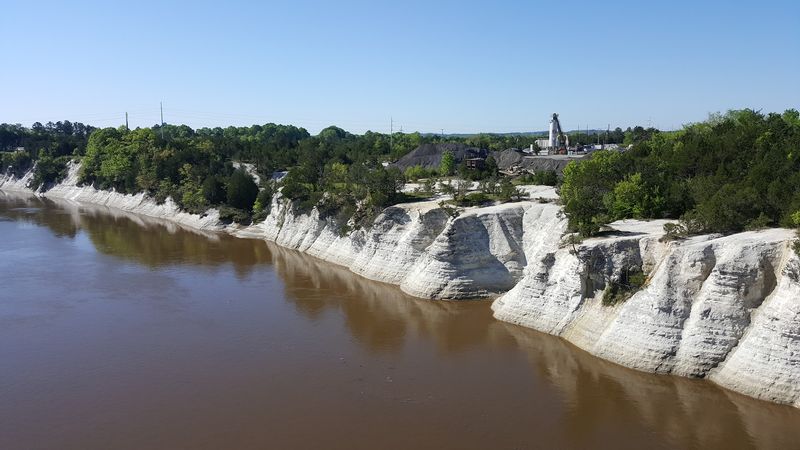
England has its famous White Cliffs of Dover, and Alabama has its own version stretching for about a mile along the Tombigbee River near the small town of Epes. These bluffs are coated in a distinctive white-chalk limestone that catches the light in a way that looks almost luminous on sunny days.
The visual contrast between the pale cliffs, the dark river water, and the green treeline above creates a scene that genuinely stops people in their tracks. What makes these cliffs even more interesting is how little attention they receive compared to other Alabama landmarks.
They are not heavily publicized, and many Alabamians have never heard of them despite the cliffs being a genuinely striking natural feature. The best views come from the river itself, making a boat or kayak the ideal way to experience the full visual impact of the bluffs up close.
Glimpses of the cliffs are also possible from near U.S. Highway 11 inside Epes, AL 35460, for those without river access.
The surrounding area is rural and quiet, with the Tombigbee Waterway offering additional recreational opportunities for paddlers and fishing enthusiasts. Livingston itself has a few local restaurants and the University of West Alabama campus nearby.
The White Cliffs of Epes are the kind of overlooked gem that makes exploring Alabama’s backroads so rewarding for anyone willing to get off the main highway and look around.
7. Stephens Gap Callahan Cave Preserve
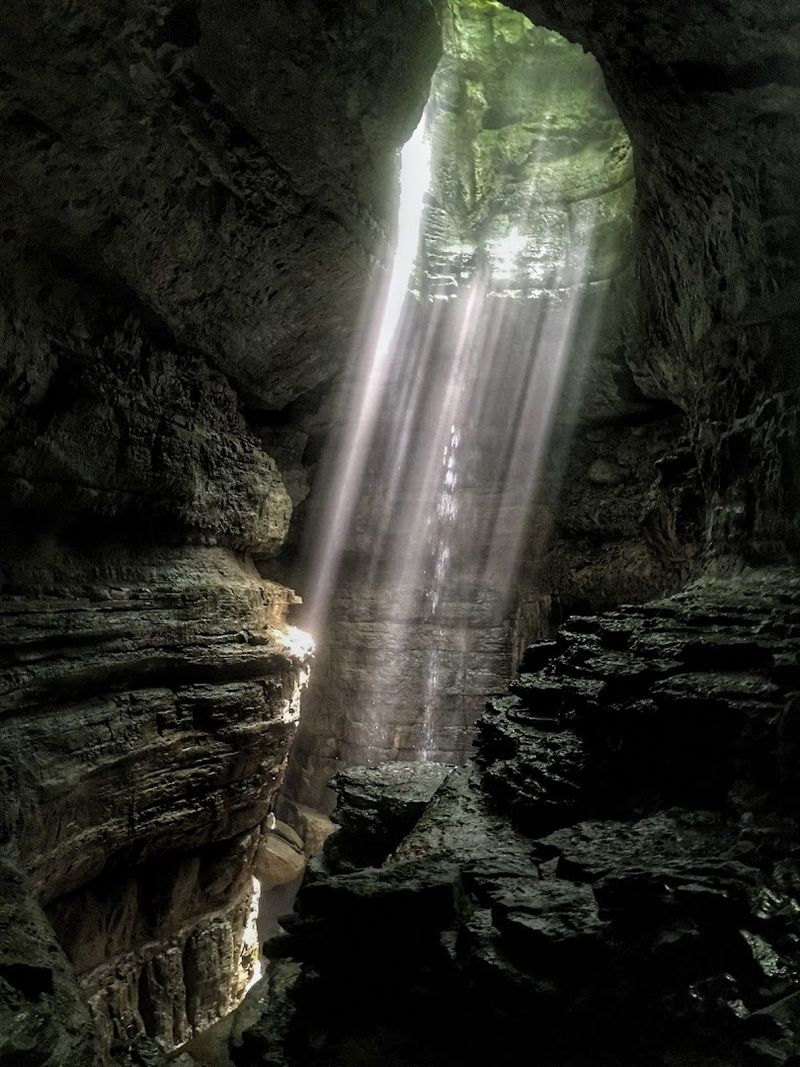
There are caves, and then there is Stephens Gap. Located near Woodville, this cave preserve features a 143-foot pit opening that lets sunlight pour into the underground chamber in a way that looks almost theatrical.
On clear mornings, beams of light cut through the darkness below in long, golden shafts, and photographers have been chasing that image for years. It is the kind of natural light show that you would expect to find in Iceland or New Zealand, not northern Alabama.
After heavy rains, a waterfall forms along the pit wall and drops into the cave below, adding movement and sound to an already visually stunning scene.
The cave is situated on private property and requires a free permit through the Southeastern Cave Conservancy, which helps protect the fragile formations and ecosystem inside.
The permit process is straightforward and worth every minute of effort it takes to complete. The preserve is located off County Road 30 near Woodville, AL 35776, and the hike to the pit entrance is moderate in difficulty.
Proper footwear is strongly recommended because the trail can be slippery after rain. Visiting on a sunny morning maximizes the light effect inside the pit.
The nearby Cathedral Caverns State Park makes for an excellent pairing on the same day trip, giving visitors two dramatically different underground experiences within a short drive of each other. Stephens Gap is one of Alabama’s most photogenic natural wonders, full stop.
8. Bamahenge at Barber Marina
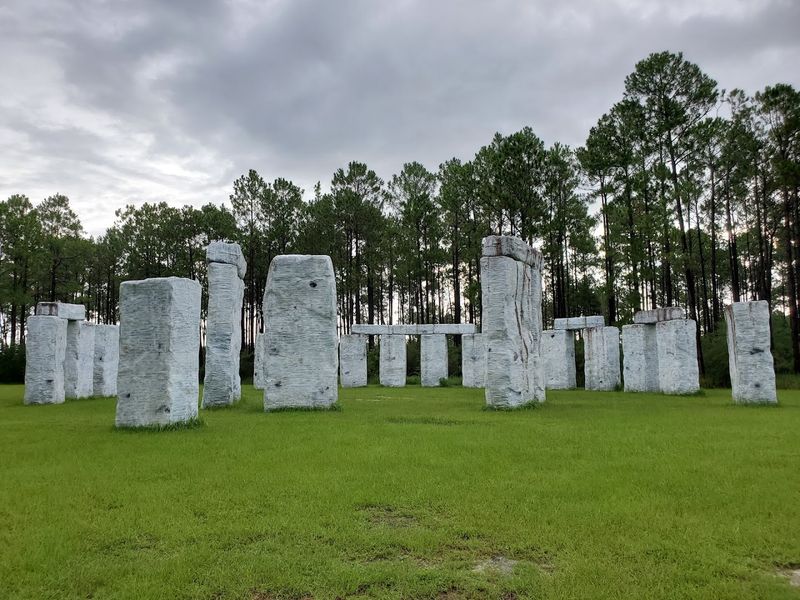
Nobody expects to find a full-size replica of Stonehenge in coastal Alabama, which is exactly what makes Bamahenge so delightfully absurd and wonderful.
Built from fiberglass and standing on the grounds of Barber Marina near Elberta, this quirky roadside landmark is a faithful reproduction of the original monument in England, complete with the towering stone circle and dramatic scale that makes the real thing so iconic.
The fact that it sits in the middle of the Alabama coastal plain makes it feel even more surreal. Bamahenge is completely free to visit and open to the public, which means it regularly draws curious travelers who stumble across it while exploring Baldwin County.
The surrounding property also features a collection of other unusual sculptures that add to the eccentric, anything-goes atmosphere of the place. It is lighthearted, photogenic, and genuinely fun for all ages.
The site is located at 26986 Fish Trap Rd, Elberta, AL 36530, just a short drive from the Gulf Coast town of Foley. After visiting, the nearby town of Fairhope offers excellent dining, art galleries, and a charming walkable downtown along Mobile Bay.
Lulu’s at Homeport Marina in Gulf Shores is also a popular nearby destination for food and waterfront views. Bamahenge proves that Alabama has a sense of humor about itself, and that sometimes the most memorable roadside stops are the ones that make absolutely no geographical sense whatsoever.
9. Ave Maria Grotto
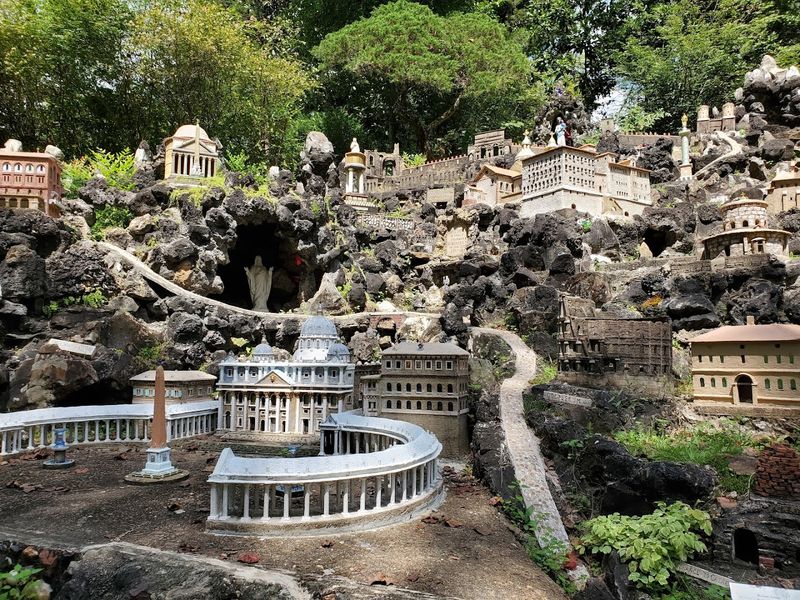
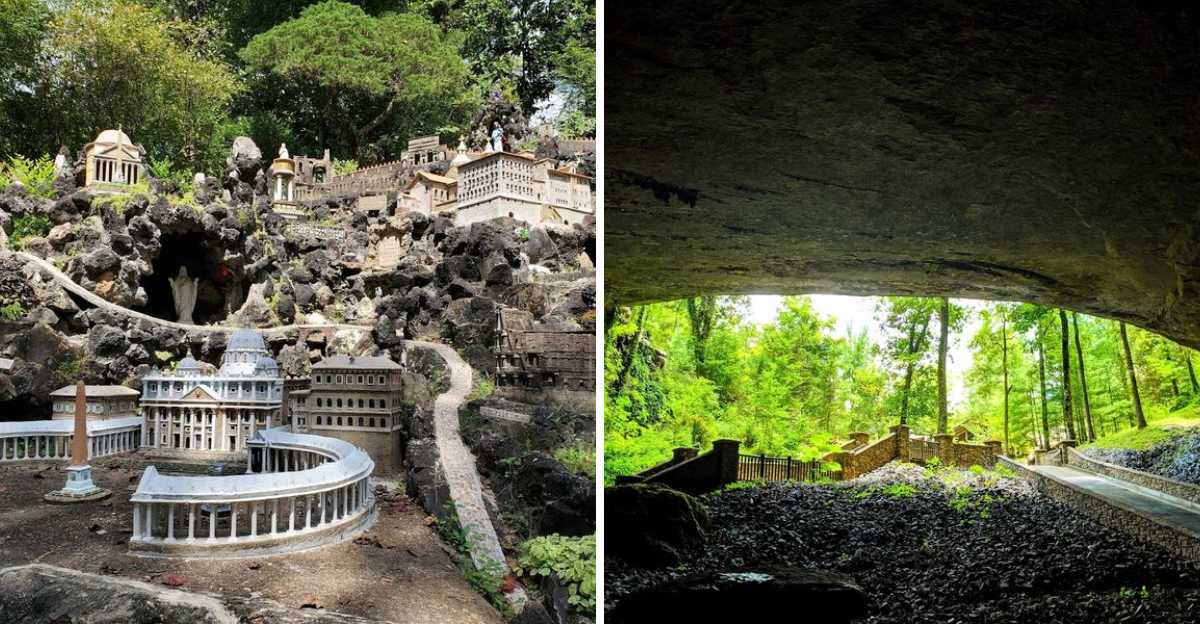
Brother Joseph Zoettl spent decades building a miniature world on a hillside in Cullman, and the result is one of the most quietly extraordinary places in all of Alabama.
Ave Maria Grotto, located on the grounds of St. Bernard Abbey, is a four-acre landscaped park featuring 125 small-scale replicas of famous religious structures from around the world.
The collection includes versions of the Vatican, the Basilica of Lourdes, the Colosseum, and dozens of other landmarks, each built with remarkable detail and care using materials Brother Joseph gathered over his lifetime.
Walking through the grotto feels like traveling across continents without leaving a single hilltop in north Alabama.
The miniatures range from a few inches to several feet tall, and the craftsmanship in each one reflects years of patient, devoted work. The setting itself is peaceful and beautifully maintained, with winding stone paths connecting the various structures across the sloping garden.
The grotto is located at 1600 St. Bernard Drive SE, Cullman, AL 35055, and is open daily with a modest admission fee. A gift shop near the entrance carries religious items and souvenirs.
The town of Cullman itself has a strong German heritage and several excellent local restaurants worth exploring after a visit, including Johnny’s Bar-B-Q at 1401 4th St SW, which has been a local staple for generations.
Ave Maria Grotto is a place that rewards slow walking and genuine curiosity, and it leaves most visitors far more moved than they expected.
10. The Cave Restaurant near Tuscumbia
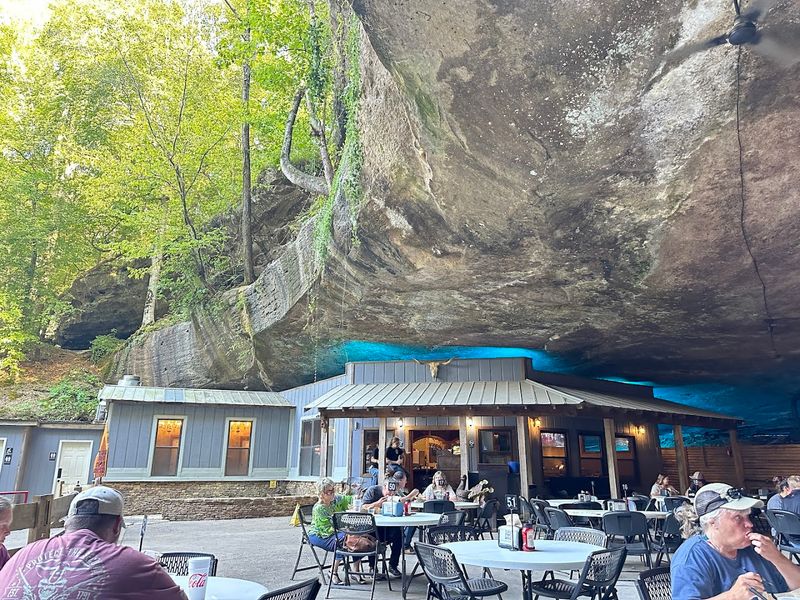
Eating a meal inside a cave is not something most people expect to do in Alabama, yet that is exactly what happens at the cave restaurant located outside Tuscumbia in Colbert County.
Built directly into the face of a limestone bluff under a massive overhanging rock, the dining area sits in a natural cave opening that frames the surrounding woods like a living mural.
The atmosphere is unlike anything else in the state, and the novelty of the setting never quite wears off no matter how many times you visit. Guests reach the restaurant either by hiking a short trail or by riding a pickup truck taxi that shuttles visitors from the parking area down to the cave entrance.
The combination of open-air dining, natural rock overhead, and forest surroundings creates an experience that feels more like something you would find in the mountains of Tennessee or a remote stretch of Appalachia than the Tennessee Valley of Alabama.
The restaurant is located at 1292 Mt Mills Rd, Tuscumbia, AL 35674, and operates seasonally with weekend hours being the most reliable for visiting.
Arriving early to secure a table is strongly recommended, especially during fall when the surrounding foliage adds even more visual drama to the experience. The nearby Helen Keller Birthplace, Ivy Green, at 300 West North Commons, Tuscumbia, makes for a meaningful addition to any day trip in the area.
The cave restaurant is proof that Alabama dining can be as adventurous and unexpected as any landscape the state has to offer.
