Alabama has long been known as one of the more affordable states in the South, but that reputation is changing fast. Home prices across the state have climbed sharply over the past few years, and many residents are finding it nearly impossible to keep up.
Towns that once felt within reach for working families are now pushing people out, forcing them to look elsewhere for a place to call home.
From the suburbs of Birmingham to the Gulf Coast, the housing squeeze is real, and the numbers show exactly which communities are feeling it most.
1. Mountain Brook
Mountain Brook has long carried a reputation as one of the most desirable addresses in all of Alabama. With top-rated schools, manicured neighborhoods, and proximity to Birmingham, it has always attracted buyers willing to pay a premium.
But that premium has grown so steep that even longtime residents are being priced out of staying.
The town lost 204 residents in recent years, a number that points directly to the affordability wall many families are hitting. Home values in Mountain Brook sit well above the state average, and the competition for available properties is fierce.
Buyers often face multiple offers and fast-moving sales that leave average earners without a realistic shot.
For families who grew up in Mountain Brook or built their lives there, the idea of leaving is painful. Many are relocating to nearby communities in Jefferson County where prices are lower, even if the commute gets longer.
The shift is quiet but steady, and local real estate agents are noticing the pattern.
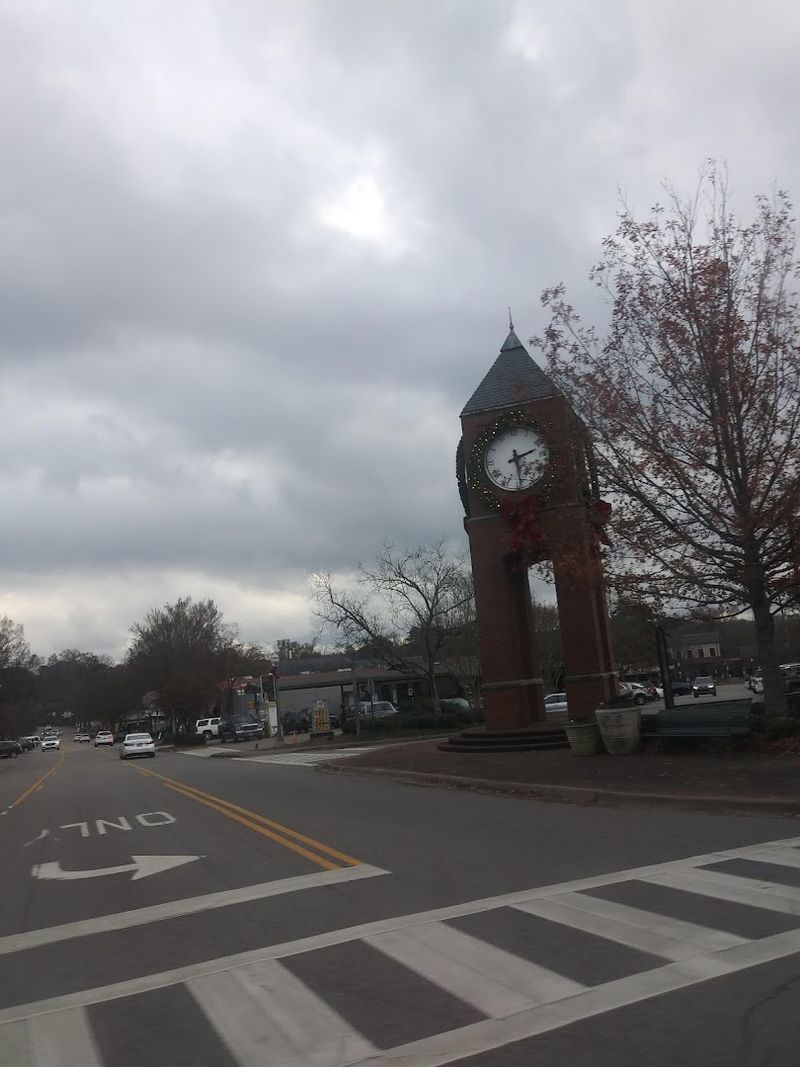
Crestline Village, the charming commercial strip at the heart of Mountain Brook, still draws weekend shoppers and diners. But the people filling those sidewalks are increasingly visitors rather than neighbors who live within walking distance.
When housing costs push residents out of a community they love, the social fabric of that place slowly changes in ways that are hard to reverse.
2. Vestavia Hills
Vestavia Hills sits just south of Birmingham and has spent decades building a reputation built on strong schools, safe streets, and a tight-knit community feel. People move there to stay.
So when a city loses 266 residents in a relatively short period, it signals something significant is shifting beneath the surface.
Housing costs are the clearest culprit. Vestavia Hills consistently ranks among Alabama’s most competitive real estate markets, where homes sell quickly and prices climb year over year.
For buyers without significant savings or strong credit, the entry point has simply become unreachable.
Renters face an equally difficult situation. As property values rise, landlords adjust rental rates to match market conditions, and the ripple effect pushes lower and middle-income households toward communities with more affordable options.
The residents leaving are not just buyers who cannot afford a down payment. They are renters, young professionals, and retirees on fixed incomes who can no longer justify the cost.
Vestavia Hills City Center, the outdoor shopping and dining district along U.S. Highway 31, remains a popular destination for residents across the metro area.
The Vestavia Hills Public Library at 1112 Montgomery Highway continues to serve the community with programs and resources.
But the people these spaces were built to serve are slowly relocating, and the challenge of maintaining community identity while housing costs keep climbing is one city leaders are just beginning to confront seriously.
3. Hoover
Hoover is the largest suburb in Alabama, and for a long time, it felt like the sweet spot between city amenities and suburban comfort. Families flocked there for the schools, the shopping, and the sense of space.
But the market has shifted dramatically, and the typical home value in Hoover reached $439,044 in April 2026.
That number is striking when you consider that the median household income in the area does not come close to supporting a mortgage at that price point comfortably.
Residents who bought homes in Hoover years ago have watched their equity grow, but they openly acknowledge they could not afford to buy their own homes at today’s prices.
That reality is not hypothetical. It is something people in the community talk about openly.
Younger buyers and renters are the ones absorbing the pressure most directly. Many are relocating to communities like Alabaster, Calera, or even further south where prices remain more manageable.
The commute grows longer, but the monthly payment becomes survivable.
The Riverchase Galleria at 2000 Riverchase Galleria in Hoover still draws shoppers from across the region. Moss Rock Preserve at 650 Preserve Parkway offers trails and natural scenery that residents genuinely love.
These amenities make Hoover worth fighting to stay in, but for a growing number of families, the math simply does not add up anymore, no matter how much they want to remain part of the community.
4. Helena
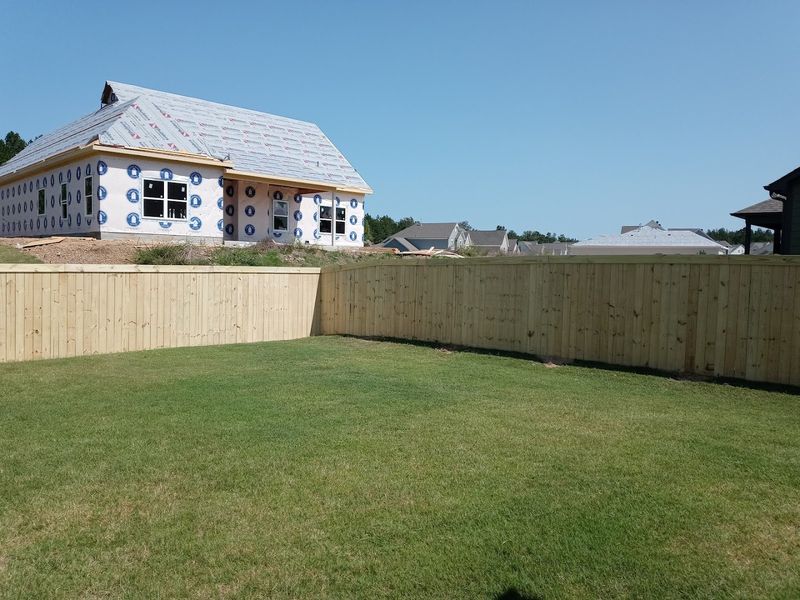
Helena sits in Shelby County just south of Hoover, and it carries that same sense of calm suburban life that draws families looking for something quieter than the city. Growth here has been steady and deliberate, with new developments filling in around the original town center.
But growth has a cost, and residents are starting to feel it.
Like Hoover, Helena’s housing market has climbed to the point where longtime residents and newcomers alike acknowledge they could not afford to buy in today’s market. The sentiment is honest and a little unsettling.
People who already own their homes feel fortunate, while those looking to enter the market feel shut out entirely.
The problem is not just prices. It is the speed at which the market moves.
Homes in Helena often receive offers within days of listing, and cash buyers or those with larger down payments tend to win. Families relying on conventional financing with modest savings find themselves losing out repeatedly before giving up and looking elsewhere.
Helena has a charming downtown area along Highway 52 where local shops and restaurants serve the community. Buck Creek Park at 1680 Highway 52 West offers sports fields and green space that families rely on throughout the year.
The character of Helena is genuinely appealing, and that is precisely why prices keep climbing. But when a town becomes too desirable for its own residents to afford, something fundamental has gone wrong with the system.
5. Gardendale
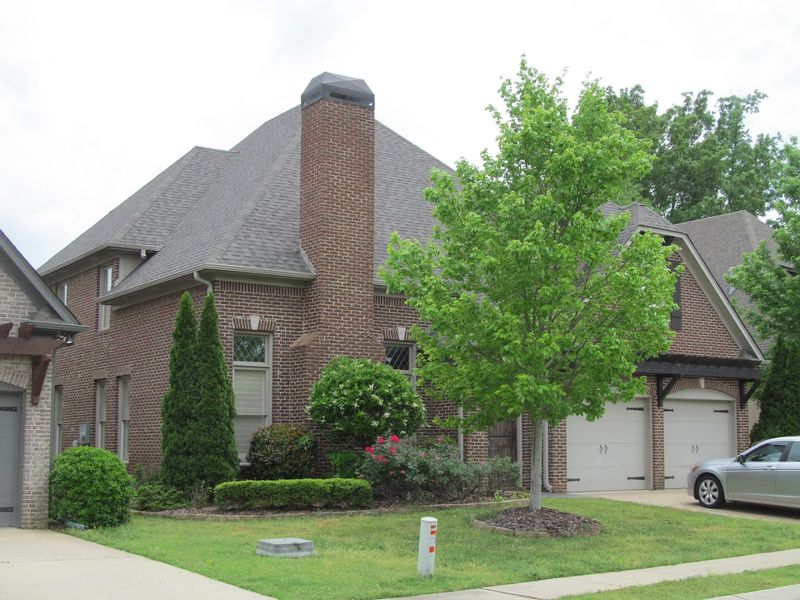
Gardendale sits north of Birmingham in Jefferson County and has historically offered a more affordable alternative to the pricier suburbs on the southern side of the metro. It attracted working families who wanted good schools and a community feel without the Mountain Brook or Vestavia Hills price tag.
That position in the market is eroding.
The town recorded a loss of 117 residents, a number that may seem modest but carries real weight for a smaller city where every household matters to the local economy and community institutions.
When families leave, schools lose enrollment, local businesses lose customers, and the sense of neighborhood cohesion begins to fray.
Rising home prices in Gardendale are partly driven by spillover demand from buyers priced out of more expensive suburbs. As the southern suburbs become unaffordable, buyers push northward, and Gardendale absorbs that pressure.
The result is a market that is getting harder to enter for the very residents who made the city what it is.
The Gardendale Civic Center at 850 Main Street hosts community events and programs that bring residents together throughout the year. Local parks and recreational facilities remain popular gathering spots for families.
But the challenge now is keeping those families in place long enough to benefit from what the community offers. When housing costs outpace wages, even the most loyal residents eventually have to make a painful choice about where they can realistically afford to live.
6. Center Point
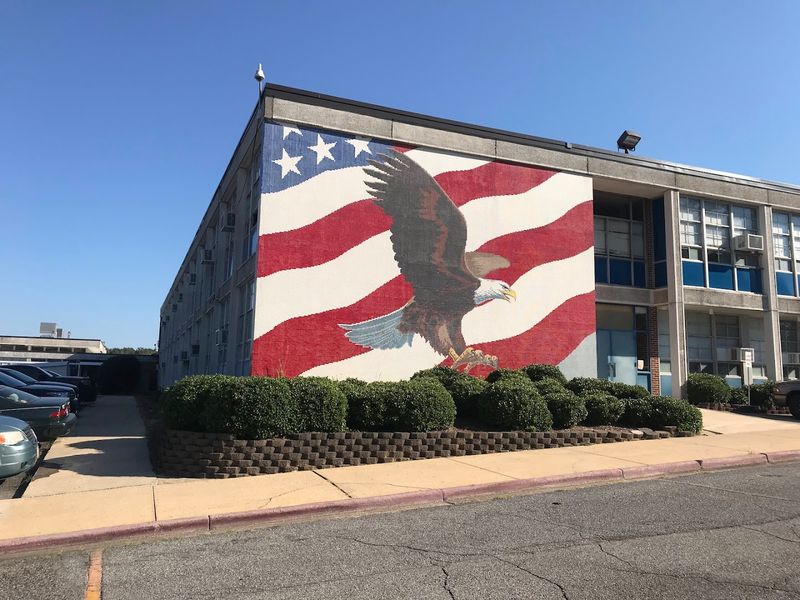
Center Point is an unincorporated community in Jefferson County, northeast of Birmingham, and it has long served as an accessible entry point into the metro area for families with modest incomes.
It is the kind of place where people plant roots and stay for generations, close enough to the city for work but far enough to feel like a neighborhood.
The community lost 1% of its population, a figure that reflects the mounting pressure on residents who have fewer financial resources to absorb rising housing costs.
Center Point does not have the median incomes of Mountain Brook or Vestavia Hills, which means price increases hit harder and faster for the people who live there.
Investors purchasing properties to rent or flip have contributed to the affordability problem in communities like Center Point. When outside money enters a market and competes against first-time buyers or existing renters, local residents often lose.
The result is displacement, not by choice but by financial necessity.
The Roebuck Shopping Center area along Roebuck Parkway provides everyday retail and dining options that residents depend on. Jefferson State Community College at 2601 Carson Road serves the educational needs of the wider community and represents an important anchor institution.
Center Point has real strengths, and its residents have a genuine sense of pride in their community. Protecting that community means making sure housing remains within reach for the people who have always called it home.
7. Phenix City
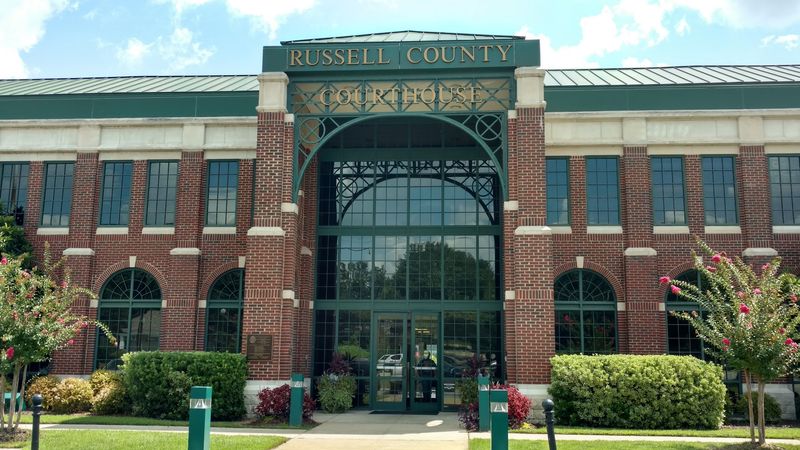
Phenix City sits on the Alabama side of the Chattahoochee River, directly across from Columbus, Georgia, and it has built its identity around working-class pride and community resilience.
It is not a wealthy city by most measures, which makes the housing crisis playing out there especially damaging to the people who can least afford it.
Investor activity is a significant driver of the problem in Phenix City. Outside buyers are purchasing homes with cash, often above asking price, and converting them into rentals or flipping them for profit.
Long-time residents who need a mortgage to buy simply cannot compete in that environment. They lose offer after offer and eventually stop trying.
The forced shift from ownership to renting is not just a financial setback. It removes stability, limits wealth-building, and changes how families plan for the future.
Renters in Phenix City are also finding that landlords are raising rates in response to increased property values, squeezing household budgets from both sides.
The RiverWalk park along the Chattahoochee riverfront gives residents a scenic public space that is genuinely valued in the community. The Columbus-Phenix City metro area offers employment opportunities that make the location practical for working families.
But when the housing market works against the very people who built a community, the damage runs deeper than any economic report can fully capture. Phenix City deserves housing solutions that put residents first.
8. Daphne-Fairhope-Foley Area
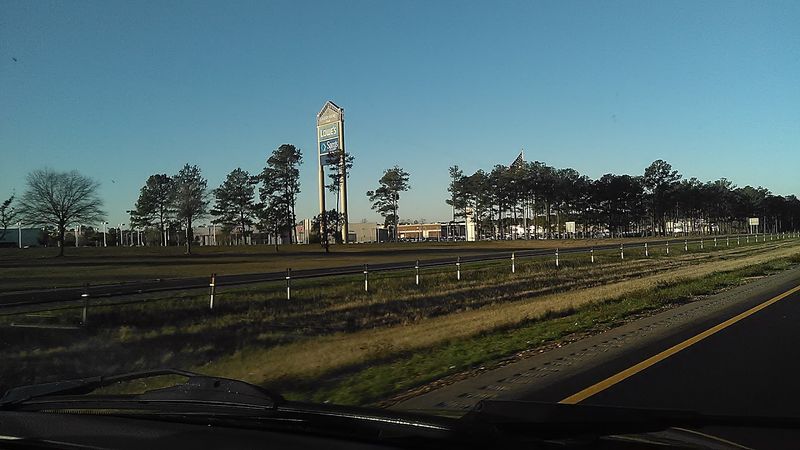
The Daphne-Fairhope-Foley corridor along Mobile Bay and the Gulf Coast has become one of the most talked-about real estate markets in the entire Southeast.
Scenic views, strong schools, and a relaxed coastal atmosphere have drawn buyers from across the country, and the demand has pushed prices to levels that most Alabama residents cannot realistically afford.
In July 2024, the median home list price in this area hit $524,950, which is 54.8% higher than the statewide median. The income-to-home price ratio reached 14.6 to 1, meaning a buyer would need to earn nearly 15 times the annual cost of a home just to be in a reasonable range.
Those numbers tell a stark story about who can and cannot participate in this market.
Local workers in hospitality, retail, healthcare, and education, the people who keep the coastal economy running, are being pushed further inland as prices climb. The commute from more affordable communities to the coast adds time and transportation costs to already stretched budgets.
Fairhope’s downtown along De La Mare Avenue offers galleries, restaurants, and waterfront parks that make the city genuinely beautiful. The Eastern Shore Trail system connects communities throughout Baldwin County.
OWA Parks and Resort in Foley at 1501 OWA Boulevard brings entertainment and tourism to the area. But beauty and amenities cannot offset the reality that median incomes in the region fall far short of what it takes to own a home there today.
9. Auburn-Opelika Area
Auburn and Opelika form a dynamic college-town metro in eastern Alabama that has attracted significant attention from real estate investors, remote workers, and families relocating from higher-cost regions.
The presence of Auburn University brings energy, employment, and a constant influx of new residents, and all of that demand has consequences for housing prices.
In July 2024, the median home list price in the Auburn-Opelika area was $402,865, sitting 18.8% above the statewide median. The income-to-home price ratio reached 10.7 to 1, which means the average earner in the area would need to stretch far beyond comfortable limits to afford a typical home.
That gap between wages and prices is exactly where residents start making the decision to leave.
Students and young professionals face an especially tough environment. Rental demand near campus keeps rates elevated, and the spillover into surrounding neighborhoods affects families who have nothing to do with university life.
Long-term residents find themselves competing in a market reshaped by forces entirely outside their control.
Chewacla State Park at 124 Shell Toomer Parkway in Auburn provides outdoor recreation that residents of all backgrounds enjoy year-round. Downtown Auburn along Magnolia Avenue offers dining and local businesses that give the city its character.
The Opelika Sportsplex at 1001 Andrews Road serves families and athletes across the region. These community anchors matter, but they cannot compensate for a housing market that is moving faster than local wages can follow.
10. Russellville and Midland City
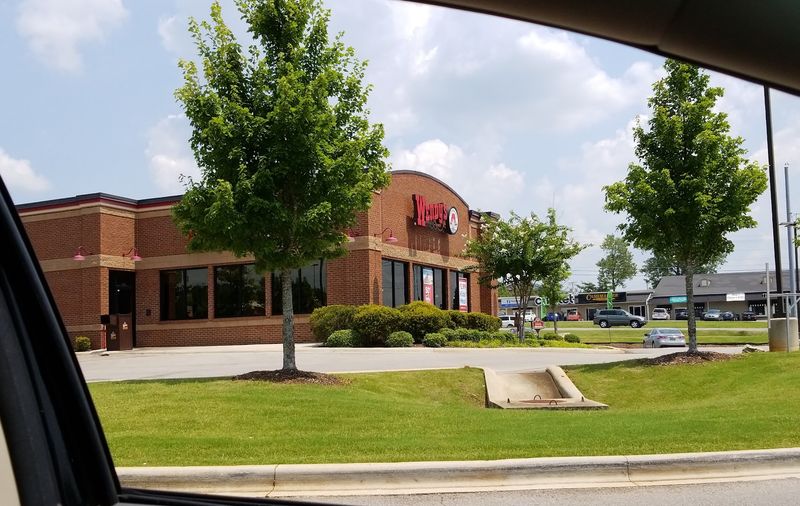
Russellville and Midland City might not appear on most lists of Alabama’s most expensive housing markets, but they represent a different kind of affordability threat.
These are smaller communities where wages are modest and any significant price increase can disrupt the financial stability of working families almost immediately.
Russellville recorded an annual home price growth rate of 7.19% between 2022 and 2025. Midland City saw growth of 5.08% over the same period.
Those numbers may look smaller than what is happening in coastal or suburban markets, but in communities where median incomes are lower, even modest price growth can push homeownership out of reach surprisingly fast.
Investor activity is part of what is driving these increases. When outside buyers identify smaller markets with growth potential, they move in quickly, often purchasing multiple properties and accelerating price trends in ways that local buyers cannot anticipate or compete with.
The result is a market that no longer reflects the economic reality of the people who live there.
Russellville’s downtown district along Lawrence Street has local businesses and community gathering spots that reflect the town’s agricultural roots and working-class identity. Midland City near Dothan in Dale County sits close to Fort Novosel, which provides some economic stability to the surrounding area.
Both towns have real community value and loyal residents. But without policies that protect housing affordability in smaller markets, the quiet displacement happening there will only accelerate over time.
