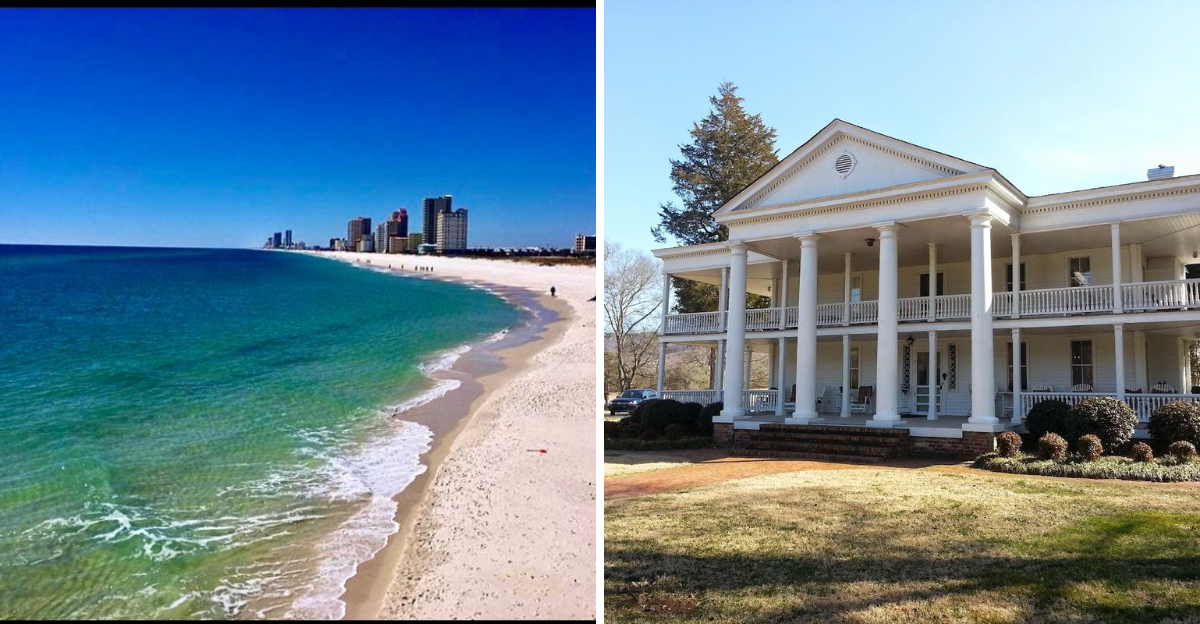
Alabama has some of the most beautiful small towns in the entire South. From quiet mountain villages to historic streets lined with century-old homes, these places have a charm that is genuinely hard to find anywhere else.
But something has been changing in recent years, and not for the better. Out-of-state tourists have been flooding into these communities in numbers that local roads, neighborhoods, and ecosystems were never built to handle.
I find it hard to watch places with so much soul slowly lose what made them special in the first place. Some towns are dealing with trespassing, overcrowding, skyrocketing rents, and a slow erasure of local culture.
This list looks at nine Alabama towns that have felt the heaviest impact from outside tourism pressure, and why the people who actually live there are starting to push back.
1. Magnolia Springs
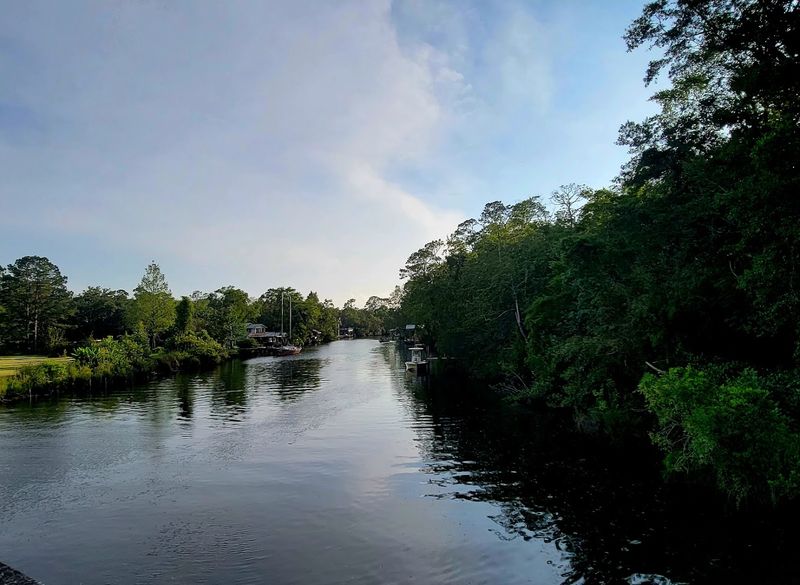
Magnolia Springs is one of those places that feels like it belongs to a different era. It is one of the last communities in the United States that still delivers mail by boat, and that single fact has turned it into a social media magnet.
The problem is that the town was never designed for the kind of traffic it now sees on weekends.
Located at 14469 Oak St, Magnolia Springs, AL 36555, this tiny riverside community has watched its narrow roads turn into parking lots. Visitors park wherever they want, sometimes blocking driveways and walking straight onto private docks for photos.
The river ecosystem is fragile, and unauthorized boat activity has been stirring up real concern among conservation-minded residents.
Locals have put up “Respect Our Community” signs along the water, and the town council has started debating formal parking restrictions. The frustration among long-time residents is real and growing.
People moved here for the quiet, for the slow pace, and for the feeling that time had not caught up with them yet. Now they share their streets with strangers every single weekend.
The charm that drew tourists here in the first place is the exact thing being worn down by too many of them showing up at once.
2. Mooresville
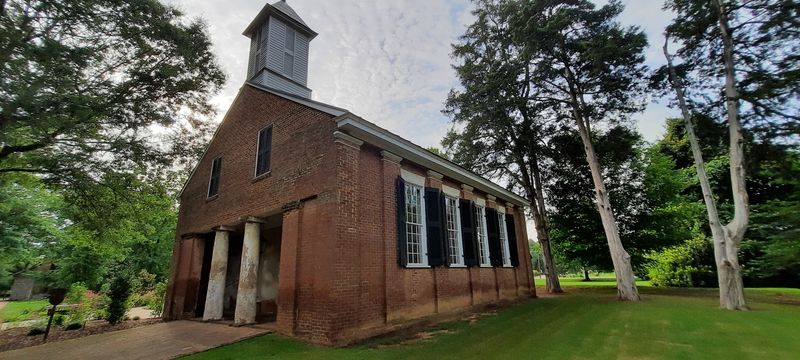
Mooresville holds a title that most people outside Alabama have never heard of. It is the oldest incorporated town in the entire state, and it has fewer than 60 permanent residents.
For most of its history, that tiny population meant a life of genuine peace and privacy. Then social media found it.
Situated at the heart of a preserved 19th-century community near 165 Church Street, Mooresville, AL 35649, this town now sees hundreds of visitors rolling through on weekends. Photographers set up tripods in front of homes.
Influencers block driveways. Some have been caught peering through windows of private residences, apparently unaware or unbothered by the fact that real people actually live there.
Residents have described the experience as being “loved to death.” That phrase captures something important. The attention is not malicious, but the impact is still damaging.
When your town becomes a backdrop for someone else’s content, you stop being a neighbor and start being part of the scenery. Long-time locals report feeling like strangers in their own yards on busy weekends.
There is no visitor center, no organized tourism infrastructure, and no way to absorb this level of foot traffic gracefully. Mooresville was not built to be a destination, and the cracks in that reality are showing more clearly every season.
3. Mentone
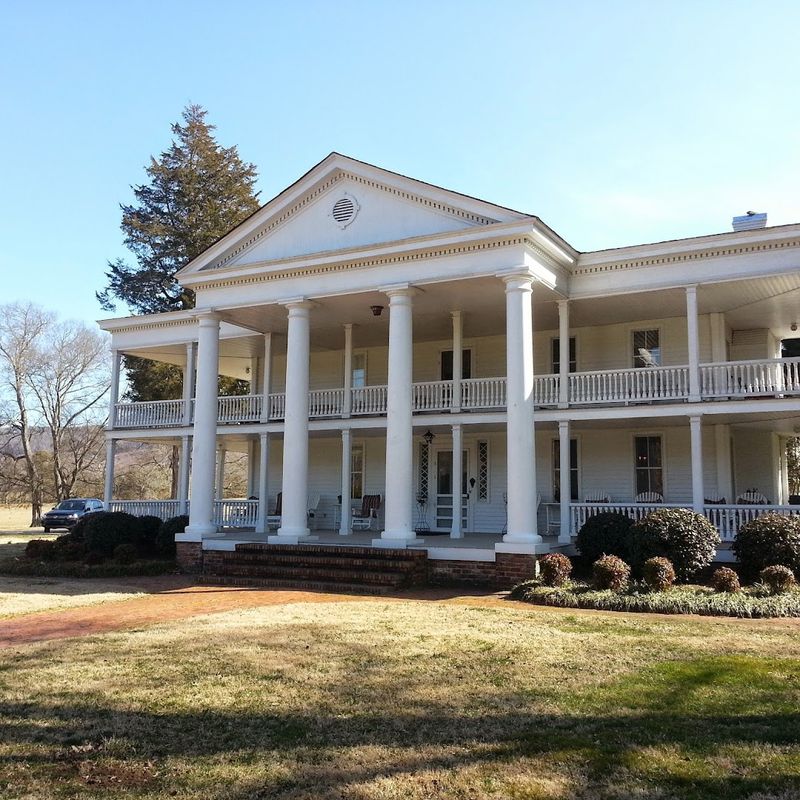
Fall used to mean something different in Mentone. The leaves would change, the air would cool, and the small mountain community would settle into a peaceful seasonal rhythm.
That version of Mentone still exists in old photographs, but it is getting harder to find in real life.
Mentone sits along County Road 89, Mentone, AL 35984, high in the Lookout Mountain area, and it has become one of the most popular leaf-peeping destinations in the state. Traffic now backs up for miles during peak autumn weekends.
Visitors have been seen trampling through private property to get a better shot of the trees. The pressure on local water resources during high-tourist periods has become a genuine infrastructure concern.
The housing situation is perhaps the most damaging long-term effect. Vacation rentals have been replacing long-term housing at a pace that is pricing out the people who actually built this community.
Workers, teachers, and lifelong residents are finding it harder to afford living in a town that was once known for being refreshingly affordable. The quirky art galleries, the handmade signs, the locally owned restaurants that gave Mentone its personality, all of those things depend on a stable local population.
When residents get pushed out, the soul of the place goes with them, leaving behind a polished shell that tourists mistake for authenticity.
4. Gulf Shores
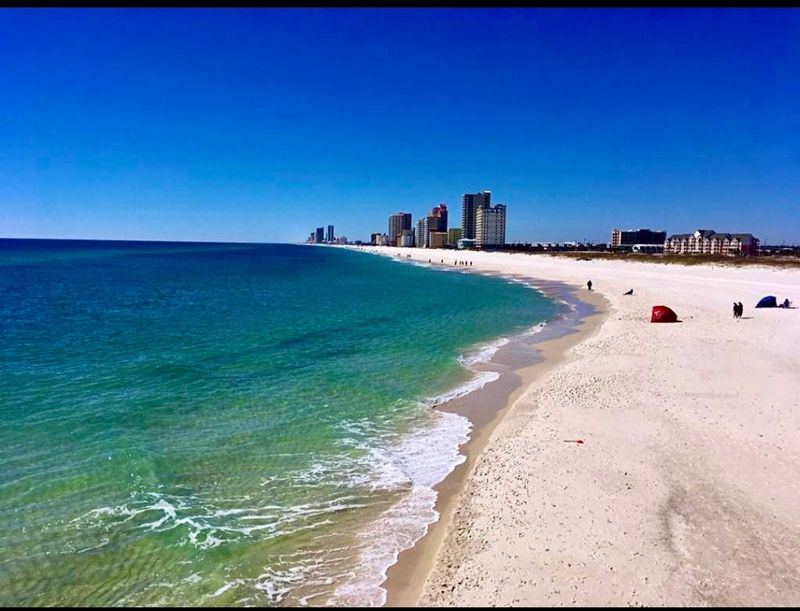
Gulf Shores used to have the kind of beach energy that felt easygoing and local. The Gulf Coast here is genuinely beautiful, with white sand and warm water that rivals anything Florida has to offer.
But the word got out, and the town has spent the last two decades trying to manage what that popularity actually means on the ground. The public beach access near State Route 59, Gulf Shores, AL 36542 now sees its parking lots fill up before 9 a.m. on summer weekends.
High-rise condominiums have replaced stretches of coastline that once held small family cottages. Charter boats and commercial recreation vendors now dominate the waterfront in ways that make the area feel more like a resort strip than a coastal community.
Seasonal rules have had to be put in place just to keep basic order on the beach during spring break, including restrictions aimed at curbing fights, injuries, and public disturbances that have become recurring problems.
Long-time Gulf Shores families talk about how different the town feels now compared to even fifteen years ago.
The beach is still there, but the sense that it belongs to the community has faded. Out-of-state visitors account for the vast majority of summer foot traffic, and local residents often just avoid the beach entirely during peak months rather than fight the crowds.
5. Orange Beach
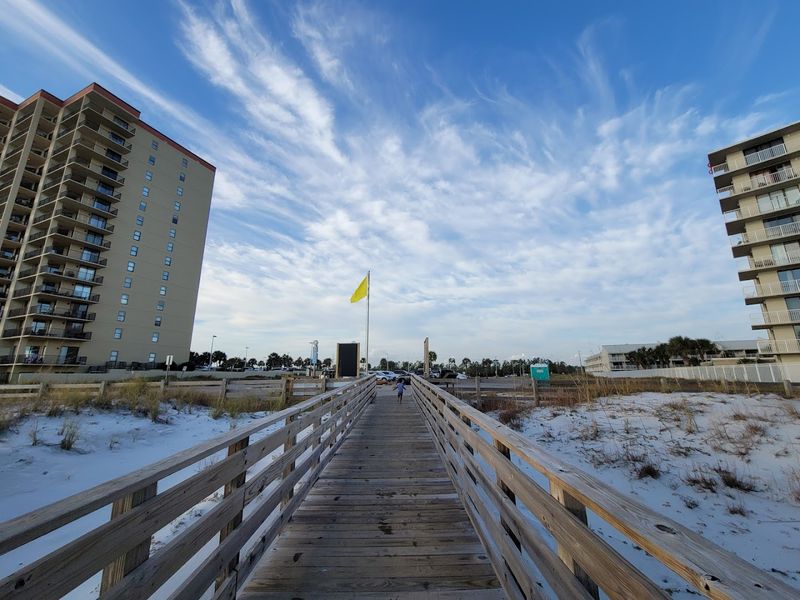
Orange Beach and Gulf Shores grew up side by side, but Orange Beach has developed its own particular version of the overtourism problem.
The small fishing village feel that defined this stretch of coast for generations has been almost entirely replaced by resort development, rental properties, and entertainment complexes built specifically for visitors passing through.
The Wharf entertainment district at 4851 Main St, Orange Beach, AL 36561 is a good example of how the town has reoriented itself around tourism. Shopping, concerts, and commercial attractions now anchor a district that keeps growing to meet outside demand.
Meanwhile, long-term renters have been steadily pushed out as landlords convert residential units into short-term vacation rentals that generate more money per night.
The roads in Orange Beach were not designed for this level of seasonal traffic. Narrow stretches become gridlocked during peak summer weeks, and residents who need to run basic errands find themselves stuck behind caravans of visitors who are in no particular hurry.
Local voices have pointed to zoning laws that have not kept pace with development as a core part of the problem. The town keeps adding capacity for tourists while doing very little to protect the housing and infrastructure that residents actually depend on.
At some point, a community stops being a community and starts being a product, and Orange Beach is getting uncomfortably close to that line.
6. Fairhope
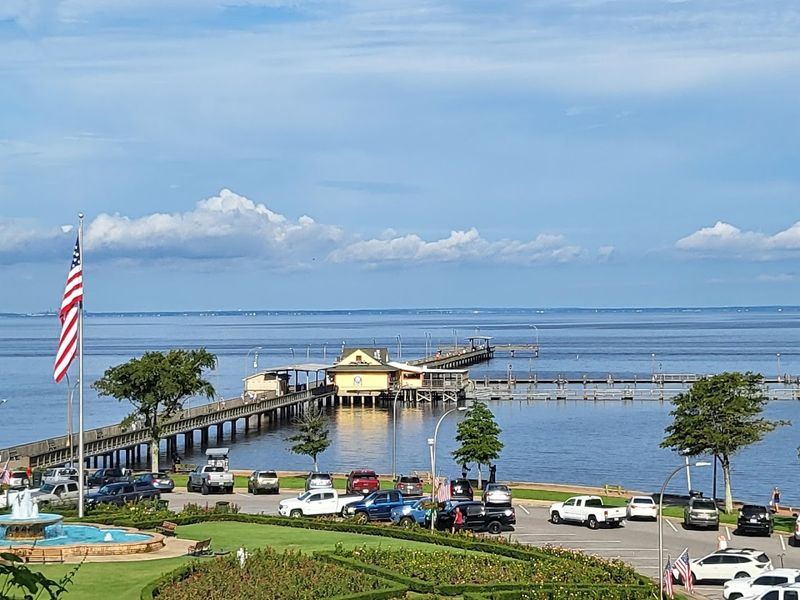
Fairhope has always had a reputation for being one of the most livable small towns in Alabama. The bay views are stunning, the arts community is genuine, and the downtown has a walkable character that took decades to build.
That reputation attracted visitors, and the visitors attracted developers, and now the town is dealing with consequences that feel very hard to reverse.
Downtown along Fairhope Ave, Fairhope, AL 36532, the mix of businesses has been shifting in a direction that long-time residents find discouraging. Family-owned shops that served the community for years have been replaced by souvenir stores and chain concepts dressed up in historic facades.
The streets on weekends now hold more out-of-town visitors than locals, and the energy has shifted from community gathering place to tourist corridor.
Local artists and small business owners talk about feeling squeezed out of the very town that inspired their work. Rents have climbed as property values respond to tourist-driven demand.
The arts scene that made Fairhope worth visiting in the first place depends on affordable studio and retail space, and that space is disappearing. There is something deeply ironic about a town losing its creative identity because too many people came to admire it.
Fairhope is not gone yet, but the version that made it special is shrinking with every season that passes.
7. Fort Morgan
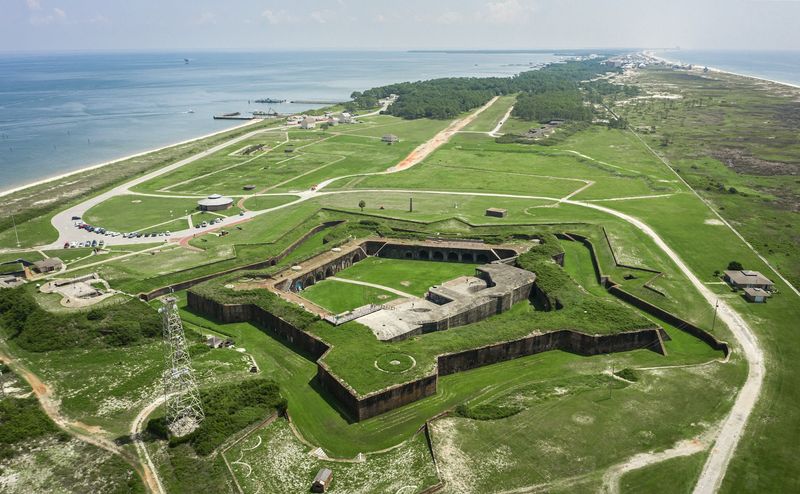
Fort Morgan sits at the very tip of a narrow peninsula, flanked by the Gulf of Mexico on one side and Mobile Bay on the other. The historic fort at the end of the road is a genuinely significant site, tied to some of the most important moments in Civil War naval history.
The scenery along the drive out is also remarkable. All of that has made it a draw, and the peninsula was not built to handle what that draw has become.
Fort Morgan Road leading to 110 AL-180, Gulf Shores, AL 36542 is a two-lane stretch with very limited passing options. During peak summer season, traffic backs up in ways that make a simple trip to the fort feel like a commitment.
Vacation rentals have spread across the peninsula at a rapid pace, pulling in a constant stream of seasonal visitors who treat the area as a private resort with a historic attraction attached.
Permanent residents along the peninsula have watched their quiet corner of coastal Alabama transform season by season. Emergency vehicle access on Fort Morgan Road during heavy traffic periods is a legitimate concern that locals raise with increasing urgency.
The fort itself deserves thoughtful, respectful visitors who come to understand its history. What it often gets instead is a side trip squeezed between beach days, treated as a quick photo stop rather than the significant historical landmark it actually is.
8. Montgomery Historic Districts and Civil Rights Trail Sites
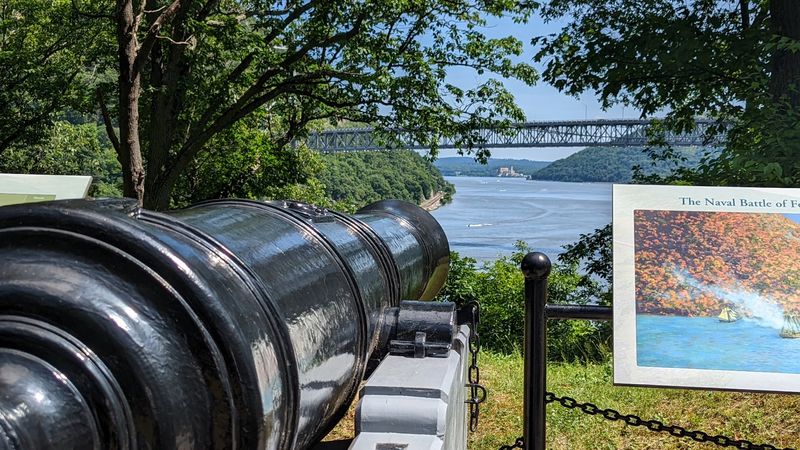
Montgomery carries a weight that very few American cities can match. The Civil Rights Trail sites here, the Dexter Avenue King Memorial Baptist Church, the Rosa Parks Museum, the Legacy Museum, represent some of the most important chapters in the country’s history.
They deserve visitors. They deserve attention.
But the way some of that attention arrives has become a problem that local residents and preservationists are talking about openly.
In the historic districts near downtown at areas around Dexter Ave, Montgomery, AL 36104, tour buses regularly block narrow streets that were never designed for that kind of vehicle. Crowds spill onto sidewalks in residential areas where people are simply trying to live their daily lives.
Some of the most sacred sites on the Civil Rights Trail have started to feel more like photo opportunities than places for genuine reflection and learning.
Local businesses that served the surrounding community for years have been steadily replaced by tourist-facing shops and restaurants. The noise ordinances in historic neighborhoods are under constant pressure from the volume of activity.
Residents who live closest to these sites describe a feeling of being surrounded by a permanent outdoor event they never signed up for. The history here is irreplaceable and worth honoring.
The challenge is finding a way to welcome the world without making the people who actually live in Montgomery feel like they are invisible in their own city.
9. Little River Canyon and the North Alabama Foothills
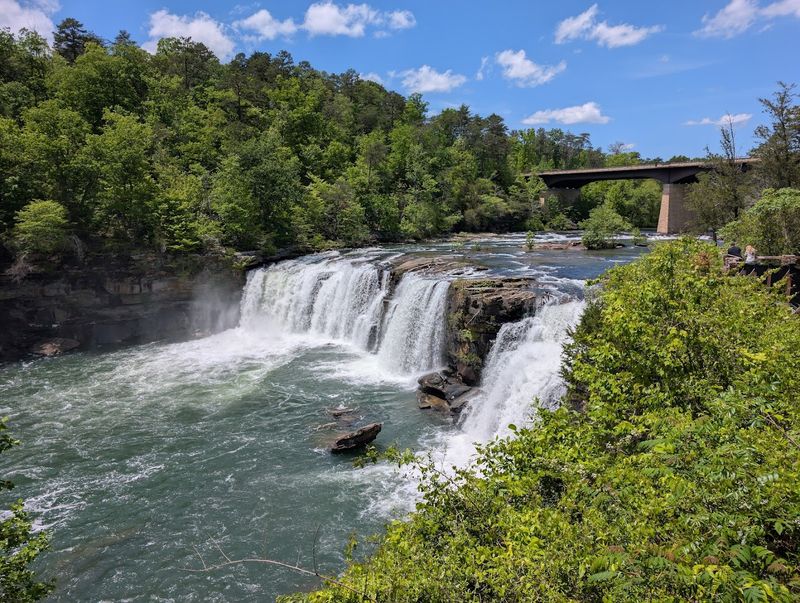
The Appalachian foothills in North Alabama have a rugged, unhurried beauty that has drawn hikers and nature lovers for years.
Little River Canyon National Preserve near Fort Payne is one of the deepest river canyons east of the Mississippi, and the swimming holes, waterfalls, and canyon overlooks are genuinely spectacular.
For a long time, getting there required enough effort that the crowds stayed manageable. That balance has shifted.
The main canyon access near Little River Canyon Rd, Fort Payne, AL 35967 now sees traffic jams on summer and fall weekends that stretch back along roads that were designed for light local use.
Swimming holes that once felt like hidden gems are now packed with visitors, many of whom have no familiarity with the terrain or the safety risks that come with it.
Trail erosion and litter have become recurring problems that park staff and volunteers work hard to address.
The towns and communities surrounding the preserve have felt the ripple effects in their own ways. Short-term rentals have pushed into formerly quiet residential neighborhoods.
Local roads are used as shortcuts by GPS-guided visitors who have no sense of what those routes mean to the people who depend on them daily. The natural beauty of this region is one of Alabama’s best-kept secrets, or at least it used to be.
Managing that beauty responsibly, before it gets worn down completely, is a conversation that cannot wait much longer.
