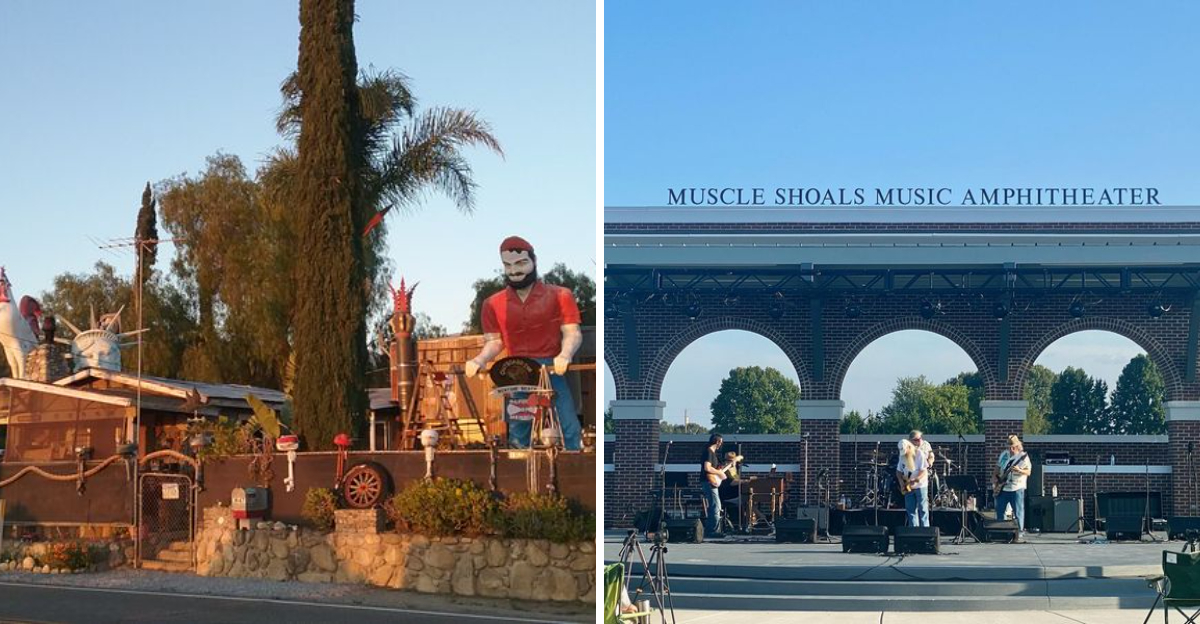
Alabama is more than just rolling hills and southern charm.
Its small towns hold something special that big cities often lack.
Community spirit runs deep in these places, where neighbors know your name and local events bring everyone together.
From artsy bayfront villages to music heritage hubs, each town has its own character shaped by the people who call it home.
Whether it’s a weekly farmers market, a historic preservation project, or a lakeside festival, these communities thrive because residents actively participate in making their towns vibrant.
Visiting these places means experiencing Alabama through the eyes of locals who genuinely care about their heritage and future.
You’ll find independent shops, volunteer-run museums, and festivals that celebrate regional culture.
These aren’t tourist traps with generic attractions.
They’re real towns where authentic connections happen naturally.
Get ready to explore ten Alabama destinations where the sense of belonging is as strong as sweet tea on a summer afternoon.
1. Fairhope
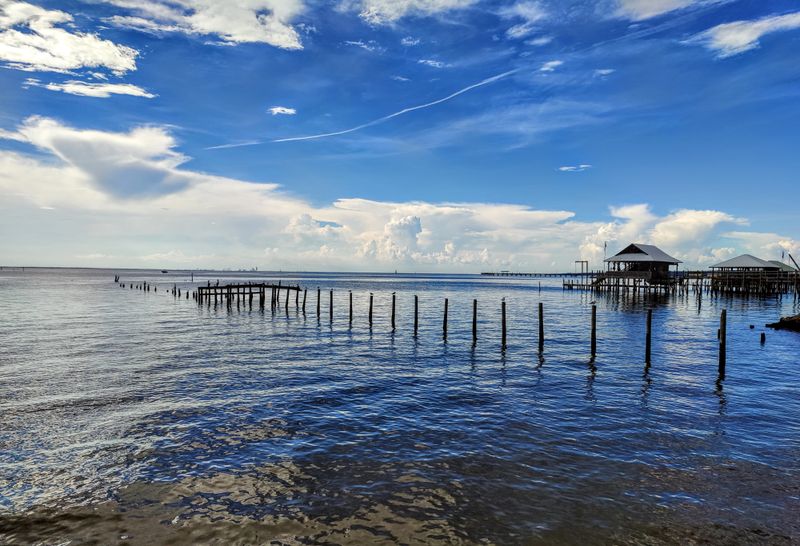
Fairhope sits gracefully on the eastern shore of Mobile Bay, earning its reputation as a jewel among Alabama coastal towns.
The downtown area pulses with creative energy thanks to independent bookstores that host author readings and boutiques showcasing local artisans.
Residents take pride in maintaining the town’s walkable streets and welcoming atmosphere.
Art galleries line the main thoroughfares, displaying works from regional painters and sculptors.
Community members actively support these small businesses, choosing local over chain stores whenever possible.
The town’s unique single-tax colony history still influences its cooperative spirit today.
Neighbors gather at the public pier to watch stunning sunsets over the bay.
Farmers markets draw crowds who chat with growers about seasonal produce.
Coffee shops buzz with conversations between longtime residents and newcomers alike.
Street festivals celebrating arts and culture happen throughout the year, organized by volunteer committees.
The sense of belonging here isn’t accidental but carefully nurtured by people who value connection.
Walking through Fairhope feels like stepping into a place where everyone contributes to the collective experience.
Visitors quickly notice how locals greet strangers with genuine warmth.
This isn’t just a pretty bayfront town but a living example of community done right.
2. Mentone
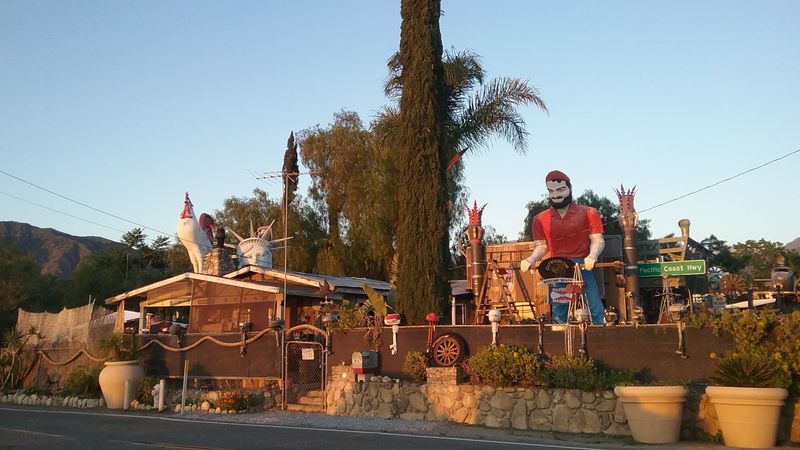
Perched high on Lookout Mountain, Mentone offers cool breezes and a thriving arts scene.
This quiet village has become a haven for creative souls who gather for workshops and lectures.
Local artists open their studios to visitors, sharing techniques passed down through generations.
The community rallies around supporting regional talent through cooperative galleries and exhibition spaces.
Address: 277 County Road 632 marks one of the central gathering spots for cultural activities.
Mountain air seems to inspire both residents and visitors to slow down and appreciate handcrafted beauty.
Pottery classes, painting sessions, and fiber arts demonstrations happen regularly.
Volunteers organize these events, driven by passion rather than profit.
The village maintains its rustic charm while embracing contemporary artistic expression.
Neighbors collaborate on public art projects that beautify shared spaces.
Seasonal festivals showcase the depth of talent concentrated in this small mountain community.
Visitors often comment on how approachable and enthusiastic the artists are about their craft.
Coffee conversations turn into impromptu discussions about creative processes and inspiration.
Mentone proves that geographic isolation can foster rather than hinder cultural richness.
The tight-knit community supports each member’s artistic journey while welcoming outsiders into their creative circle.
3. Fort Payne
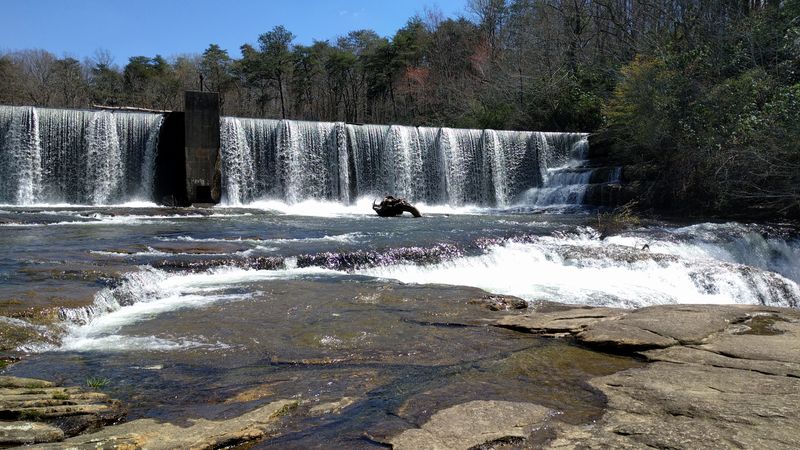
Fort Payne once earned fame as the sock manufacturing capital, but the community has shifted its focus.
Today, residents celebrate their unique history while embracing the natural beauty surrounding them.
The annual Boom Days festival brings everyone together for parades, live performances, and nostalgic celebrations.
Local museum efforts preserve stories from the industrial era and Native American heritage.
Volunteers spend countless hours curating exhibits that educate visitors about regional development.
The downtown area has been revitalized through community-driven restoration projects.
Hiking trails leading to nearby waterfalls attract outdoor enthusiasts who then explore the town.
Small businesses have replaced many of the old factories, creating a diverse economic landscape.
Residents take pride in their ability to adapt while honoring what came before.
Friday evenings see families strolling through the historic district, stopping at ice cream parlors and antique shops.
The sense of shared history creates bonds between generations.
Older residents share memories with younger ones, keeping stories alive through oral tradition.
Community theater productions draw packed audiences who support local talent.
Fort Payne demonstrates how a town can reinvent itself without losing its soul.
The collective effort to preserve and progress defines the experience here.
4. Tuscumbia
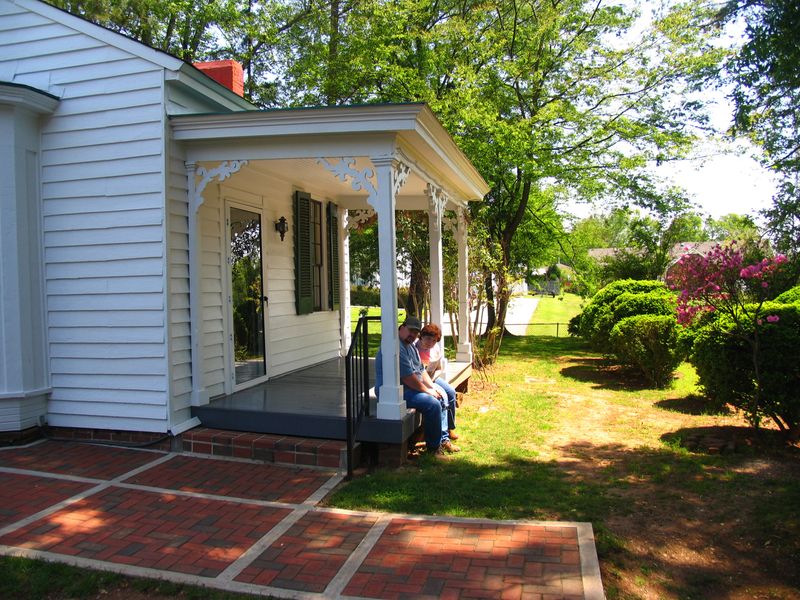
Tuscumbia holds a special place in American history as Helen Keller’s birthplace.
The community has dedicated itself to preserving this legacy through meticulously maintained historic sites.
Ivy Green, located at 300 North Commons Street West, draws visitors from around the globe.
Local volunteers serve as passionate guides, sharing stories with emotional depth and historical accuracy.
The Alabama Music Hall of Fame adds another layer to the town’s cultural offerings.
Residents actively participate in both institutions, ensuring they remain vibrant educational resources.
Annual theatrical productions of “The Miracle Worker” involve community members of all ages.
Rehearsals become social gatherings where friendships form across generational lines.
The town square hosts concerts and heritage celebrations that reinforce collective identity.
Walking tours led by knowledgeable locals reveal architectural gems and hidden historical details.
Small museums operate thanks to dedicated boards who fundraise and organize exhibits.
The pride residents feel for their hometown shines through in every interaction.
Visitors notice how seamlessly history integrates into daily life here.
Children learn about Helen Keller in school and then visit the actual places where she lived.
This connection between past and present creates a unique educational atmosphere that shapes community character.
5. Guntersville
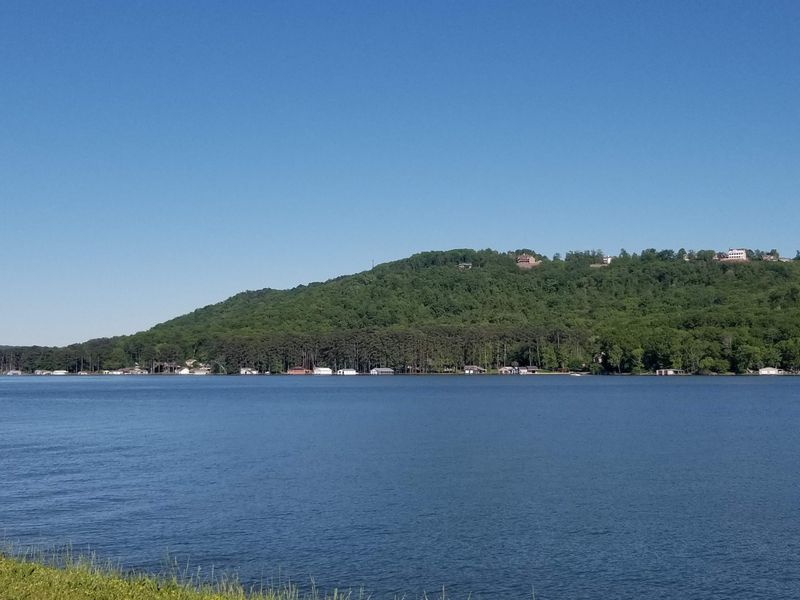
Life in Guntersville revolves around the shimmering waters of Lake Guntersville.
The community has built its identity around this natural resource, hosting events that bring everyone to the shore.
Art on the Lake showcases regional artists while families picnic on the grass and children play nearby.
HydroFest transforms the waterfront into a high-energy celebration featuring boat races and live performances.
These festivals require months of volunteer planning and coordination.
Committees form early in the year, meeting regularly to ensure every detail gets attention.
The collaborative spirit extends beyond special events into everyday life.
Fishing tournaments create friendly competition while strengthening bonds between participants.
Marina owners know their customers by name and inquire about their families.
Lakeside restaurants serve as gathering spots where locals swap stories about the day’s catch.
The natural beauty surrounding Guntersville provides a stunning backdrop for community connection.
State parks offer hiking trails where neighbors encounter each other on weekend mornings.
Birdwatchers share sightings and tips at designated observation points.
The lake isn’t just scenery but the heartbeat of town life.
Every season brings new reasons for people to gather along its banks and celebrate their shared home.
6. Muscle Shoals
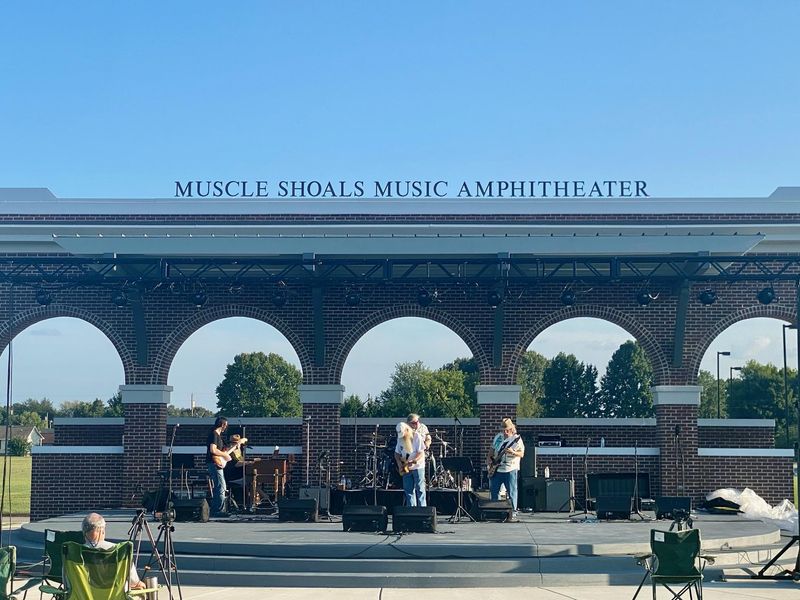
Muscle Shoals carries a musical legacy that reverberates far beyond Alabama’s borders.
The Tennessee River town gained fame through legendary recording studios like FAME.
Residents don’t just acknowledge this history but actively keep it alive through storytelling and preservation.
Tour guides at the studios often grew up hearing tales from musicians who recorded there.
Local elders share memories of watching famous artists walk down their streets.
These personal connections to music history create a shared sense of pride.
Young musicians find mentorship from older generations who understand the area’s significance.
Open mic nights at community venues give emerging talent a platform to perform.
The river itself seems to inspire creativity, flowing steadily like the rhythms created here.
Murals depicting musical icons decorate building walls, painted by local artists.
Annual music festivals draw crowds who come to experience authentic southern sound.
But beyond tourism, the everyday culture remains deeply musical.
Church choirs practice harmonies that echo the gospel roots of many famous recordings.
Barbershops and coffee houses play locally produced tracks rather than generic playlists.
Muscle Shoals demonstrates how a town’s identity can be shaped by its contribution to art and culture.
7. Arab

Arab Historic Village stands as a testament to community dedication and volunteer passion.
This living history project recreates life from the late nineteenth century through the mid-twentieth century.
Knowledgeable volunteers, many of whom are retired teachers and local historians, lead demonstrations.
They show visitors how pioneers cooked, farmed, and built their lives in rural Alabama.
The village wouldn’t exist without countless hours of unpaid labor from residents who value preservation.
Families spend weekends maintaining historic buildings and researching authentic details.
School groups visit regularly, learning regional history from passionate community educators.
Seasonal events like heritage festivals involve the entire town in planning and execution.
Quilting circles meet in period buildings, continuing traditions while socializing.
Blacksmith demonstrations draw crowds fascinated by traditional metalworking techniques.
The village serves as both educational resource and community gathering place.
Volunteers take genuine joy in sharing knowledge with curious visitors.
Their enthusiasm makes history feel immediate rather than distant.
Arab proves that preserving the past can strengthen present-day community bonds.
The collective effort required to maintain the village creates ongoing opportunities for residents to work together toward a common goal.
8. Helena

Helena residents consistently rate their town highly for one simple reason: everyone participates.
Friday night high school football games aren’t just sporting events but whole-town affairs.
Bleachers fill with families, grandparents, and even residents without direct connections to players.
The sense of collective pride in young people’s achievements transcends individual families.
Riverside concerts during warmer months draw crowds with blankets and lawn chairs.
These free events depend on volunteer organizing committees and local business sponsorship.
Musicians often come from within the community or neighboring towns.
Between songs, attendees catch up with neighbors they haven’t seen since the previous week.
Children run freely while parents relax, knowing the entire community watches out for them.
This trust and interconnection define daily life in Helena.
School fundraisers receive overwhelming support from residents who understand that investing in youth benefits everyone.
Local businesses display student artwork and sponsor academic competitions.
The town’s growth hasn’t diminished its small-town character because residents actively protect it.
Newcomers are welcomed into the social fabric through invitations to community events.
Helena shows that maintaining strong community spirit requires intentional effort and genuine care for neighbors.
9. Spanish Fort
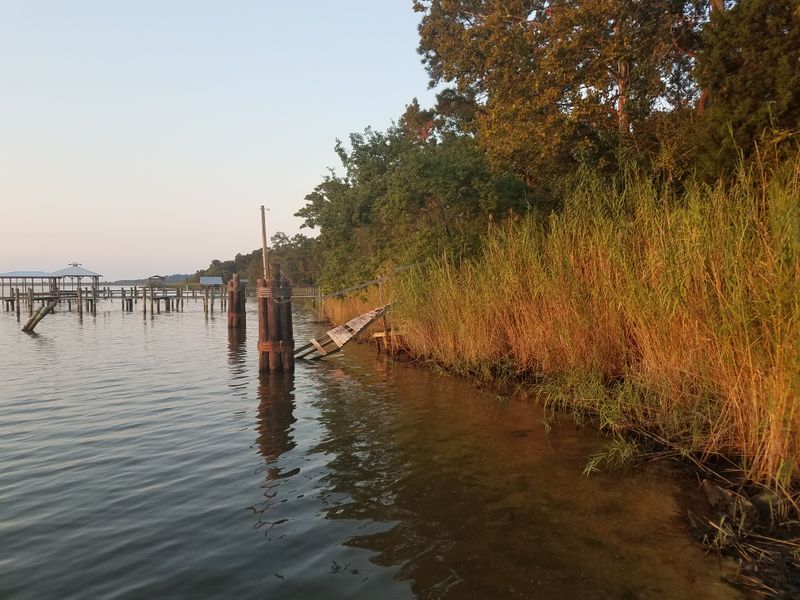
Spanish Fort occupies prime real estate along Mobile Bay with a community committed to preservation.
Historic Blakeley State Park represents this dedication, protecting Civil War battlefields and archaeological sites.
Volunteer groups organize regular cleanup days and educational programs at the park.
Interpretive trails guide visitors through historically significant landscapes while explaining their importance.
Artisan markets held throughout the year showcase local craftspeople and farmers.
These markets create economic opportunities while strengthening social connections.
Vendors often trade tips and collaborate on projects between market days.
Shoppers return week after week, building relationships with the people who grow their food and make their goods.
The bayfront location provides stunning natural beauty that residents work hard to protect.
Environmental stewardship initiatives involve community members in conservation efforts.
Shoreline cleanups attract families who combine service with quality time together.
Educational workshops teach sustainable practices and local ecology.
Spanish Fort balances growth with preservation through active community engagement.
Town meetings draw significant attendance when development proposals are discussed.
Residents voice opinions and participate in shaping their town’s future, ensuring that progress doesn’t erase character or history.
10. Mountain Brook

Mountain Brook maintains a village atmosphere despite being a Birmingham suburb.
The tight-knit community revolves around shared experiences and regular gatherings.
Events like the Tuscan Wine Festival bring residents together for tastings and socializing.
These occasions aren’t just entertainment but opportunities to strengthen neighborhood bonds.
Planning committees for community events include volunteers from various backgrounds and ages.
The collaborative approach ensures diverse perspectives shape the town’s social calendar.
Tree-lined streets and walkable village centers encourage spontaneous encounters between neighbors.
Coffee shops serve as unofficial community centers where familiar faces gather daily.
Local merchants know their customers personally and inquire about family milestones.
This personal touch distinguishes Mountain Brook from typical suburban sprawl.
Parks and green spaces host informal gatherings where children play and adults converse.
The sense of safety and belonging allows residents to enjoy outdoor spaces fully.
Civic organizations thrive here, with high participation rates in volunteer activities.
Fundraisers for schools and charities receive enthusiastic support from the community.
Mountain Brook demonstrates that suburban life doesn’t have to mean isolation when residents prioritize connection and shared experiences over privacy and separation.
Dear Reader: This page may contain affiliate links which may earn a commission if you click through and make a purchase. Our independent journalism is not influenced by any advertiser or commercial initiative unless it is clearly marked as sponsored content. As travel products change, please be sure to reconfirm all details and stay up to date with current events to ensure a safe and successful trip.
