
Ever notice how some people rush through conversations like they’re racing the clock?
That’s a habit visitors often bring with them to Alabama, and locals definitely pick up on it.
Down here, talking isn’t just about swapping words.
It’s about slowing down, listening, and letting the conversation breathe.
People expect pauses, stories that wander a little, and the kind of back-and-forth that feels more like catching up than checking off a list.
When visitors jump in too fast, cut people off, or hurry toward the point, Alabamians usually don’t say anything out loud.
But trust me, they notice.
I’ve seen it myself, locals will smile politely, nod along, and keep the peace, but inside they’re thinking, “Why the rush?”
Because for them, conversation is part of hospitality.
It’s how you show respect and connection.
I like that about this place, it reminds me that slowing down isn’t wasted time, it’s part of the culture.
So next time you’re in Alabama, try easing into the talk, you’ll fit in a whole lot better.
Rushing Conversations Like They’re A Transaction

You ever notice how easy it is to treat a chat like a checkbox?
Visitors often treat small talk as something to get through, not something to sit with.
In Alabama, conversations aren’t filler, they’re part of daily life.
Locals notice when someone answers quickly and moves on.
It signals impatience, even if that’s not the intent.
Ask one follow up and you’ve already shifted the energy, people open up when you give them a little space.
You’re not stalling, you’re choosing to be present, and this state rewards that in quiet ways.
Folks remember the person who didn’t rush off, they remember the smile and the patient nod.
The errand still gets done, just with less friction.
I think that small pause can carry you the rest of the day, it’s like adjusting your stride to match the sidewalk.
Too fast and you miss the turn, just right and the path feels simple.
That’s the trick in Alabama, and it’s not complicated, so slow your reply by a beat and notice the difference.
You’ll sense a softness you didn’t expect.
The talk becomes an exchange instead of a task, that habit travels well beyond this trip.
It makes the whole drive friendlier.
Let the conversation finish you as much as you finish it.
Why Letting Stories Finish Matters Here

I’ve learned that stories aren’t speed bumps here.
Travelers may occasionally chime in with a quick ‘yeah, yeah’ or move ahead to their own point, which locals can sometimes find a bit rushed.
Storytelling is how people connect, not how they waste time.
What visitors could do instead is let the story land.
Picture a chat outside, someone starts a memory and watches to see if you’ll stay with it.
Your eyes and your quiet are part of the reply, cutting in breaks the thread and the trust.
Letting it finish lays out a welcome mat.
You do not have to add a point every time, sometimes a nod says more than a paragraph.
When the tale ends, ask where that left them.
I think that question shows you heard the heart of it.
This state pays attention to that kind of care, it’s a soft rule that holds steady across towns.
You’ll feel it in Mobile and Huntsville the same way, the rhythm is human and steady.
It does not rush to the next thing, I’d say it circles once, then rests.
That pause carries meaning all by itself.
Let the porch light of the story glow, you’ll be invited back without anyone saying it.
That’s the quiet reward for patience.
It’s worth every extra minute.
Assuming Polite Questions Don’t Require Real Answers
This one trips people up a lot.
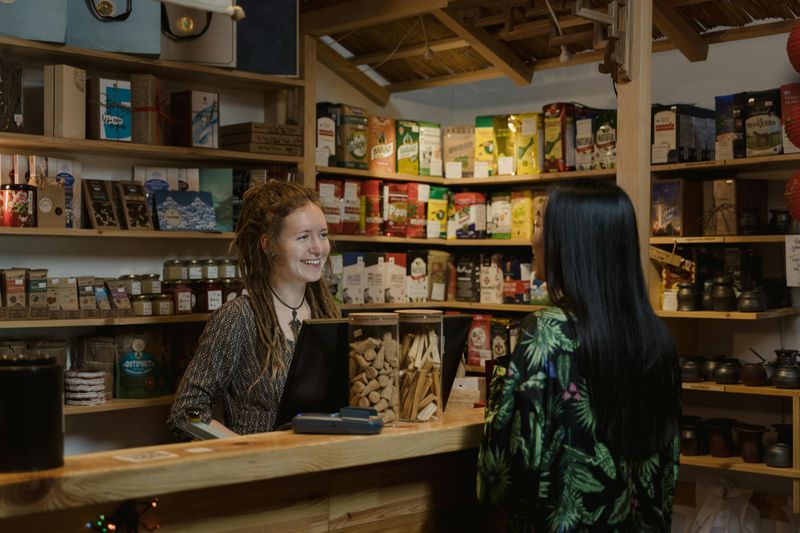
“How are you” isn’t rhetorical here, and locals often answer honestly, even briefly.
When visitors walk away mid-reply, it feels awkward, listening for a few extra seconds makes all the difference.
Try it near the post office or a mall, where lines move with a patient hum.
You’ll hear tiny slices of life shared in a sentence or two.
They’re not loading you with details, I think they’re letting you in for a second.
Stand still and meet that moment, a simple “I hear you” lands better than a rushed nod.
It tells them you were truly present.
You don’t have to build a new friendship each time, just answer with the same honesty you were given.
“Good”, a bit tired, but glad to be out” does fine, that kind of reply reads as genuine and kind.
In Alabama, warmth is a daily practice, it’s as routine as a mailbox run.
Missing it can make you feel oddly out of step, catching it puts you right in rhythm.
On a road trip, that rhythm keeps the day calm.
It smooths the little frictions you don’t need.
Let the question slow you, just a touch, answer like you mean it and wait a breath.
That’s how a minute turns into belonging.
Mistaking Slowness For Inefficiency

I used to think quick meant respectful.
Waiting while someone finishes a thought can feel uncomfortable to travelers, locals see it as respect.
Silence isn’t dead air, it’s breathing room.
Visitors who pause instead of rushing earn quiet goodwill.
Spend a few minutes on the square at 102 S Court St, Florence, Alabama, and watch how conversations stretch without tugging.
A nod, a look, a small inhale, then words again, the pace here keeps people steady, not stalled.
It isn’t a problem to fix, it’s a value to notice.
That change sinks in once you sit long enough, the calm starts to feel like a tool.
You get more clarity with fewer jolts, and the day stops messing around with you.
Your plans still happen, only smoother.
You finish the same list, but with gentler steps, that’s the Alabama stride.
It has its own quiet logic, letting it lead can be a relief, especially when you’re road weary and thin on patience.
Put your phone down for a single pause, and count one breath before you answer.
People will feel the difference right away.
So will you, and it lingers.
Talking Over Elders

Here’s a quick way to lose a room: cutting in front of older voices stands out immediately.
In Alabama, age still carries social weight.
Locals won’t correct you, but they’ll remember, what they wish instead is patience and acknowledgment.
Think about a chat, and an elder starts a memory and the group leans in.
If you wait, you’re part of the circle, and if you jump in, you’re outside it.
A simple after you says plenty, it signals you know the order of things.
You won’t get a medal, just genuine ease.
People relax when respect is obvious, they share more and trust more.
It turns a short stop into a real visit, you’ll leave with names and kind faces in mind.
That sense of place is the best souvenir.
Let the elder set the rhythm and speed, they’ve earned that space, and it shows.
Your patience buys a better story anyway, it also keeps your trip lighter.
No friction means better miles.
When in doubt, hold your thought for a second.
It will still be there when they finish, it may even come out better.
Treating Cashiers Like Background Noise

Checkout lines are tiny stages here.
Some visitors barely look up during checkout.
Locals tend to exchange a few words, even on busy days, and skipping that moment feels cold.
A simple comment or smile goes a long way.
Try it at a neighborhood shop, and lift your head and meet the person in front of you.
Say “how’s your day” and mean it, let them answer without glancing at your phone.
You’ll feel the air warm up a notch.
I think it’s such a small habit shift, but it flips the whole interaction from task to human.
People remember being seen, they really do.
That memory often pays you back in kindness later, a quick wave the next time you walk in.
A name remembered, a smile shared, it takes almost no time.
In Alabama, that beat of friendliness is normal.
When you match it, you fit right in, and when you miss it, the silence gets heavier.
That’s not scolding, just reality.
You’re choosing the tone of your day, make it a little warmer at the register.
The trip will feel better for it.
Jumping Straight To Business

I used to lead with the ask too.
Travelers often lead with requests or directions.
Locals usually start with connection first, the difference feels subtle but matters.
A quick greeting before the ask changes the tone entirely.
Walk into an office in Alabama, and try this approach.
Say “good morning¸” and give your name, share one simple sentence about why you’re there.
Then make the request without rushing your words, the whole room shifts a little kinder.
People cooperate faster when they feel respected.
That’s the quiet math of this place.
Do it at hotels, museums, and visitor centers too, it never hurts and often helps.
Your day runs smoother when the first note is friendly.
That first note keeps echoing through the rest of the chat.
It’s not a script, just a habit, think of it as setting your turn signal early.
Everyone around you adjusts without fuss, business still gets done and done well.
You simply get there with grace instead of grit.
Alabama responds to that kind of ease.
It’s more than manners, it’s culture; match it and you’ll feel the welcome.
Skip it and you’ll feel the distance.
Acting Uncomfortable With Pauses

Pauses scare people who live on fast lanes.
Silence makes some visitors nervous.
Locals are fine letting moments stretch.
Those pauses aren’t awkward, they’re normal, settling into them shows ease.
Words arrive, then rest on the air a second, no one scrambles to fill the space.
The pause lets meaning settle in place, it shapes what comes next without strain.
You can practice by counting one quiet beat.
Keep your shoulders down and your gaze soft, let your reply come slower than usual.
You won’t lose ground, you’ll gain trust, and the calm feels like confidence, not hesitation.
It reads as respect for the person in front of you.
Alabama people pick up on that grace, and they’ll meet you there without fanfare.
It makes the room feel safer for everyone.
The talk turns honest and easy, and pauses become part of the conversation’s shape, like commas, not roadblocks.
Try it a few times on your trip, you’ll find your own rhythm quickly.
It’s a habit worth keeping.
Assuming Everyone Is In A Hurry

I catch myself speed-walking without a reason.
Visitors move fast because they’re on a schedule, locals aren’t always.
When travelers push the pace, it creates friction.
Matching the rhythm earns respect.
Try syncing your steps, and watch how the flow moves steady, not frantic.
Cross with the group instead of darting ahead, hold the door an extra second for the person behind you.
Those small choices signal you get it, no one needs to call it out.
The relief shows up in softer faces.
Your day stops feeling like a race, it turns into a walk with scenery.
That switch changes your whole mood.
I think it changes how folks meet you too, people open up more when you’re not rushing them.
They share directions and tips with patience.
The conversation lasts long enough to be useful, that’s the funny part about going slower.
You end up getting where you need more cleanly.
Alabama rewards that patience again and again.
Let the city set the metronome for a while, your trip will feel less jagged and more kind.
That’s the pace worth learning.
Not Reading The Room

Rooms talk if you listen first.
Some conversations invite depth, others don’t.
Locals expect people to feel that out, barreling ahead with jokes or opinions can misfire.
Listening first is the safer move, try this at a gathering for example.
Hang back a moment and catch the tone: light, serious, private, or wide open.
Then match your volume and energy, people notice when you tune yourself to the space.
It’s like adjusting to the light when you walk inside.
Your eyes need a second to land.
Give your words the same patient focus, ask a small question before sharing your view.
That invitation keeps you from stepping on toes, it also brings better answers.
When you read the room well, doors open.
Folks loop you into the real conversation.
You learn what matters to them, not just to you, that knowledge makes the whole trip richer.
It keeps you from avoidable awkward moments.
Alabama rooms reward people who listen, they steady themselves around considerate energy.
Take that beat and you’ll fit right in, it’s a small skill with big returns.
Leaving Before The Conversation Feels Finished
Exits speak louder than we think.
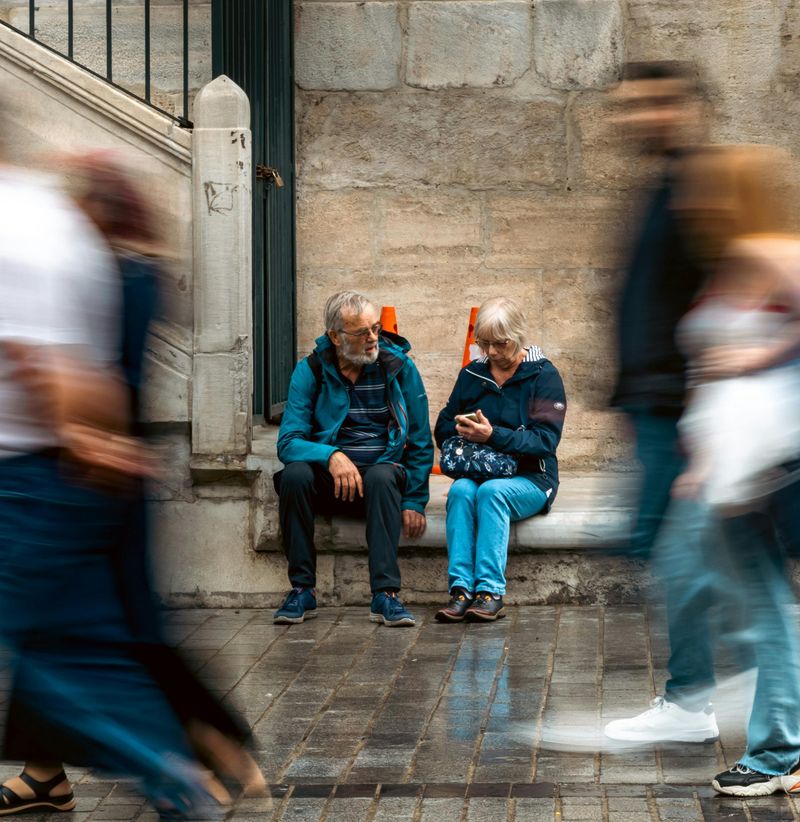
Standing up mid-story or checking a phone sends a message.
Locals interpret that as disengagement, and even if unintentional, it doesn’t land right.
Waiting for a natural pause feels more considerate.
Practice this and let the last sentence land, then rise.
Thank them with a small smile and a word, set a next step or wish them well.
Keep it simple, keep it human, that exit leaves the door open later.
People remember the kindness of clean endings.
They’re far more likely to wave you over next time.
On the road, that matters more than you think, it turns quick stops into steady connections.
Those connections shape your sense of place.
They make this place feel closer with each mile.
You can still be efficient without being abrupt, just time the goodbye with the rhythm of the chat.
You’ll feel the right moment when you listen, practice it a few times and it becomes easy.
Then it becomes natural and steady, that habit will travel home with you.
It’s one of the better souvenirs to keep in my opinion.
Consider it a gentle craft you’re learning.
Dear Reader: This page may contain affiliate links which may earn a commission if you click through and make a purchase. Our independent journalism is not influenced by any advertiser or commercial initiative unless it is clearly marked as sponsored content. As travel products change, please be sure to reconfirm all details and stay up to date with current events to ensure a safe and successful trip.
