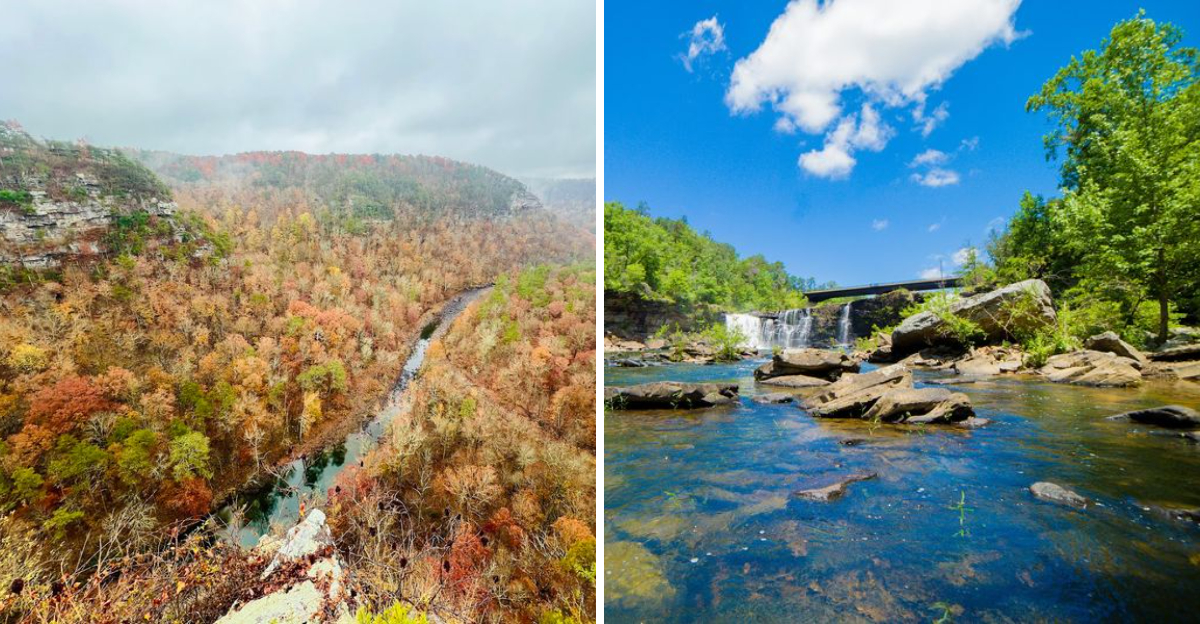
I never expected Alabama to leave me speechless, but this canyon did exactly that. Sitting atop Lookout Mountain in the northeastern part of the state, it is often called Alabama’s Grand Canyon, and once you see it, the comparison starts to make sense.
The landscape drops dramatically, with steep canyon walls framing a river that runs clear through the rock below. What makes it so striking is the contrast between the quiet forested rim and the rugged depth of the gorge.
Scenic overlooks reveal sweeping views that change with the light, while trails and pull-offs give you different ways to experience the area up close. It feels both expansive and intimate at the same time.
For anyone who enjoys outdoor travel or unexpected road trip stops, it is the kind of place that leaves a lasting impression long after you leave.
Majestic Waterfalls That Will Stop You in Your Tracks
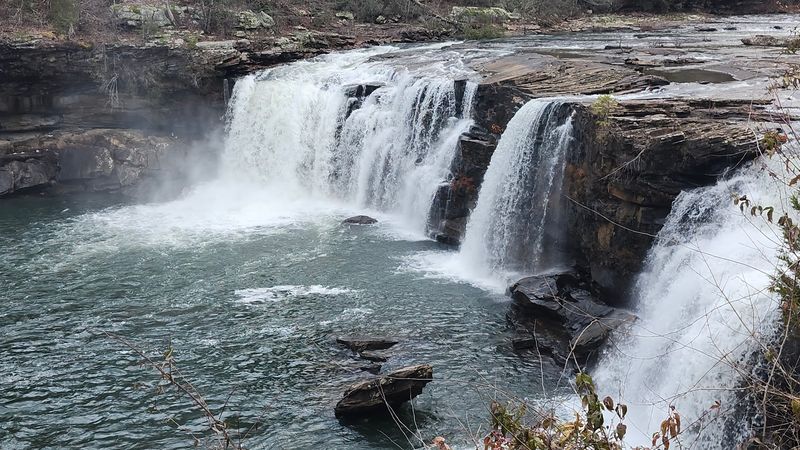
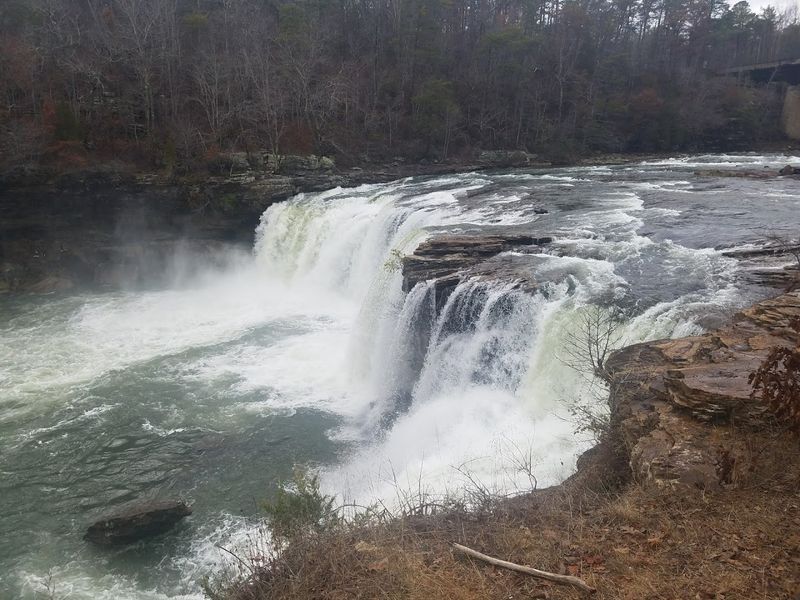
Few things in nature are as immediately satisfying as a well-placed waterfall, and Little River Canyon delivers several that genuinely earn the hike. Little River Falls greets visitors right at the canyon’s entrance, tumbling 43 to 45 feet over a wide sandstone ledge into a churning pool below.
The access is easy, with a ramp and steps leading to well-built viewing decks that frame the falls perfectly for photos.
Further into the preserve, Grace’s High Falls holds the title of Alabama’s tallest waterfall at an impressive 133 feet. It flows seasonally, usually peaking after heavy rains in late winter and spring, so timing your visit around wet weather can reward you with a truly jaw-dropping sight.
Nearby DeSoto Falls, at 104 feet on the West Fork of the Little River, is another powerhouse worth adding to your itinerary.
After days of heavy rain, these falls transform into something almost theatrical, with water thundering over the edges in thick white sheets that mist the air around the viewing areas. Even when flow is lower, the falls hold a quiet, hypnotic charm.
Little River Canyon National Preserve Visitor Center, located at 4322 Little River Trail NE, Fort Payne, Alabama, is a great first stop to get trail maps and check current waterfall conditions before heading out to find these gems on your own.
Hiking Trails for Every Skill Level
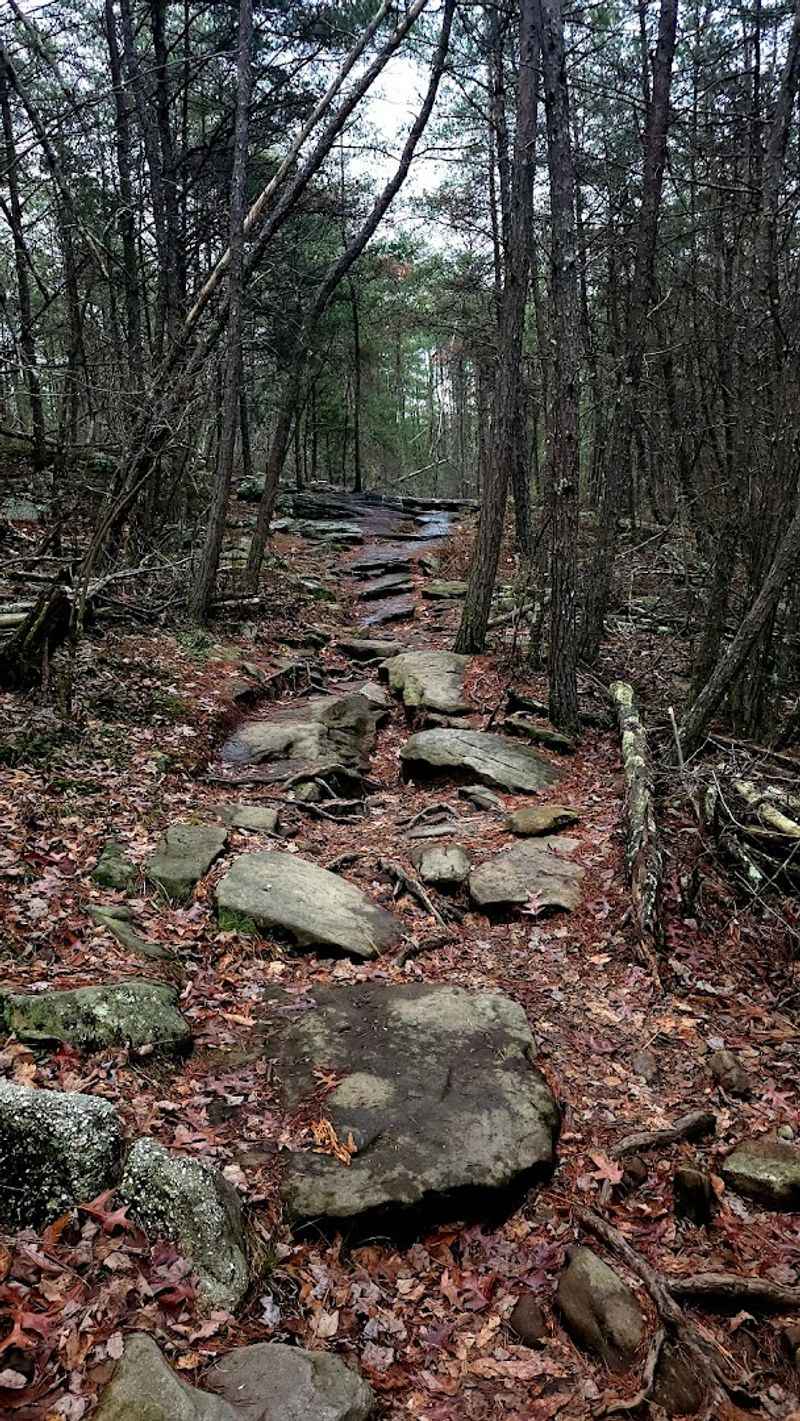
One of the things that sets Little River Canyon apart from other outdoor destinations is how genuinely accessible it is for hikers of all experience levels. You do not have to be a seasoned trail runner to enjoy this place, but if you are, there is plenty here to challenge you.
The Beaver Pond Trail is a family-friendly option that winds through a peaceful wooded area and gives younger hikers a taste of the canyon’s natural beauty without overwhelming them. For those who want more, the canyon rim trail offers scenic walking with consistent views and manageable terrain.
The Eberhart Trail is where things get serious, dropping down into the canyon itself with steep, rocky sections that demand sure footing and a decent fitness level.
What I find compelling about these trails is how different the experience feels depending on which one you choose. The rim trails offer grand, wide-open perspectives, while the descent trails pull you into the canyon’s intimate details, mossy rock faces, rushing water sounds, and dense forest canopy closing in overhead.
Research your trail options before you go, especially if you plan to bring kids or less experienced hikers. The visitor center at 4322 Little River Trail NE, Fort Payne, Alabama has knowledgeable staff who can point you toward the right trail for your group’s ability and how much time you have to spend.
Breathtaking Scenic Views Along Canyon Rim Parkway
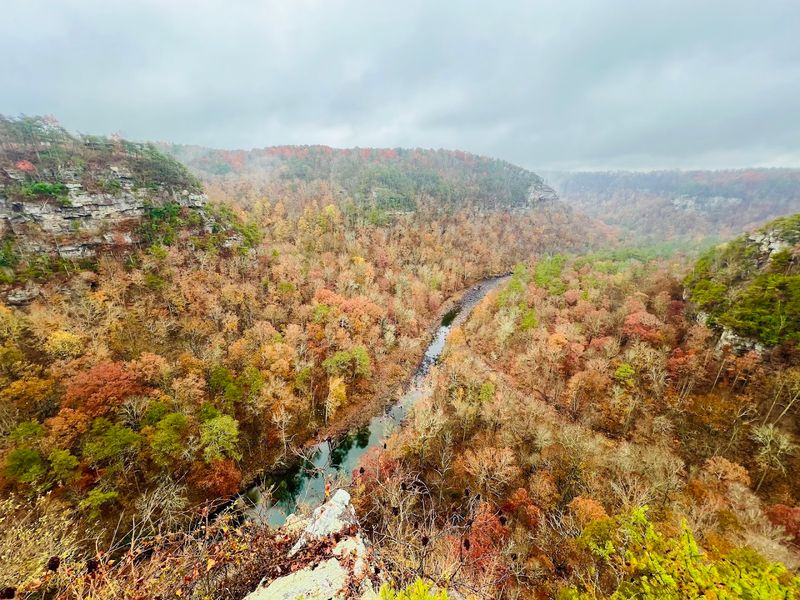
Some views earn their reputation, and the overlooks along the 11-mile Canyon Rim Parkway at Little River Canyon National Preserve are exactly that kind. The drive alone is worth the trip, with pull-offs at Eberhart Point, Crow Point, and Canyon View Overlook each offering a completely different angle on the canyon below.
The cliffs here drop anywhere from 600 to 700 feet in some sections, which puts it among the deepest canyons in the entire southeastern United States. Standing at the edge and looking down at the river winding through the gorge is one of those moments that genuinely quiets your thoughts.
There is no guardrail between you and the view, just open air and raw geology.
What makes this drive special is how varied the experience feels from stop to stop. One overlook gives you a sweeping wide-angle look at the canyon walls, while another frames a narrow slice of the river far below.
Fall is widely considered the most stunning season, when the canyon walls glow with red, orange, and gold foliage. Even in summer or winter, the views never disappoint.
Locals from Fort Payne often make this a Sunday afternoon drive just to reset their week, and honestly, that habit makes complete sense once you see it for yourself.
Thrilling Whitewater Paddling and Kayaking
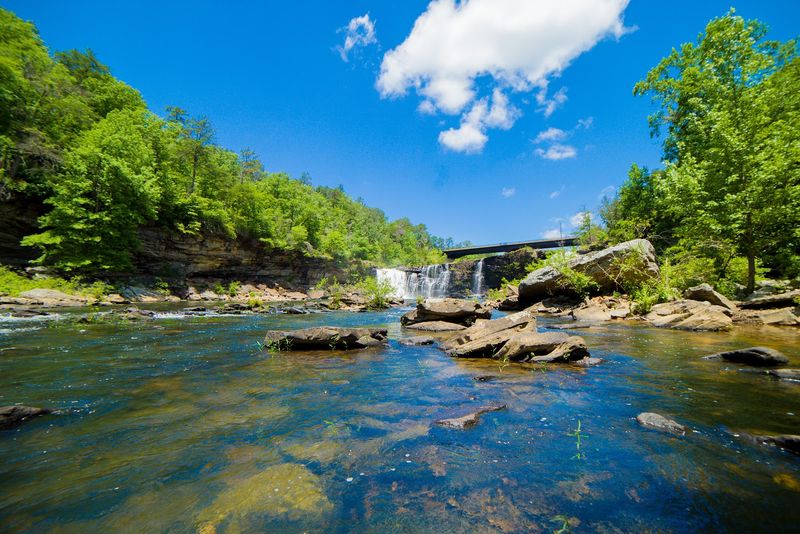
The Little River is one of the most unusual rivers in North America because it flows almost entirely atop a mountain before carving its way through the canyon below. That geography creates something special for paddlers, a river with real personality and serious variety depending on the season and where you put in.
During winter and spring, snowmelt and rainfall push the river into genuinely challenging whitewater territory. Class III through Class VI rapids appear in sections that attract experienced kayakers from across the region.
These are not beginner runs by any stretch, and the canyon walls on either side make the experience feel both thrilling and a little humbling. Summer and early fall bring lower water levels that open up gentler stretches more suitable for recreational paddlers and beginners looking to get their feet wet.
The key to a great paddling experience here is knowing which section of the river matches your skill level and checking water conditions before you launch. Local outfitters in the Fort Payne area can provide current flow information and rental equipment for those who do not bring their own gear.
Canyon Mouth Park, located near the base of the canyon, serves as a popular access point and a gathering spot for paddlers finishing their runs. The combination of dramatic canyon scenery and moving water makes kayaking here a genuinely unforgettable outdoor experience, one that stays with you long after you have dried off and driven home.
Rock Climbing and Rappelling on Rugged Sandstone Cliffs
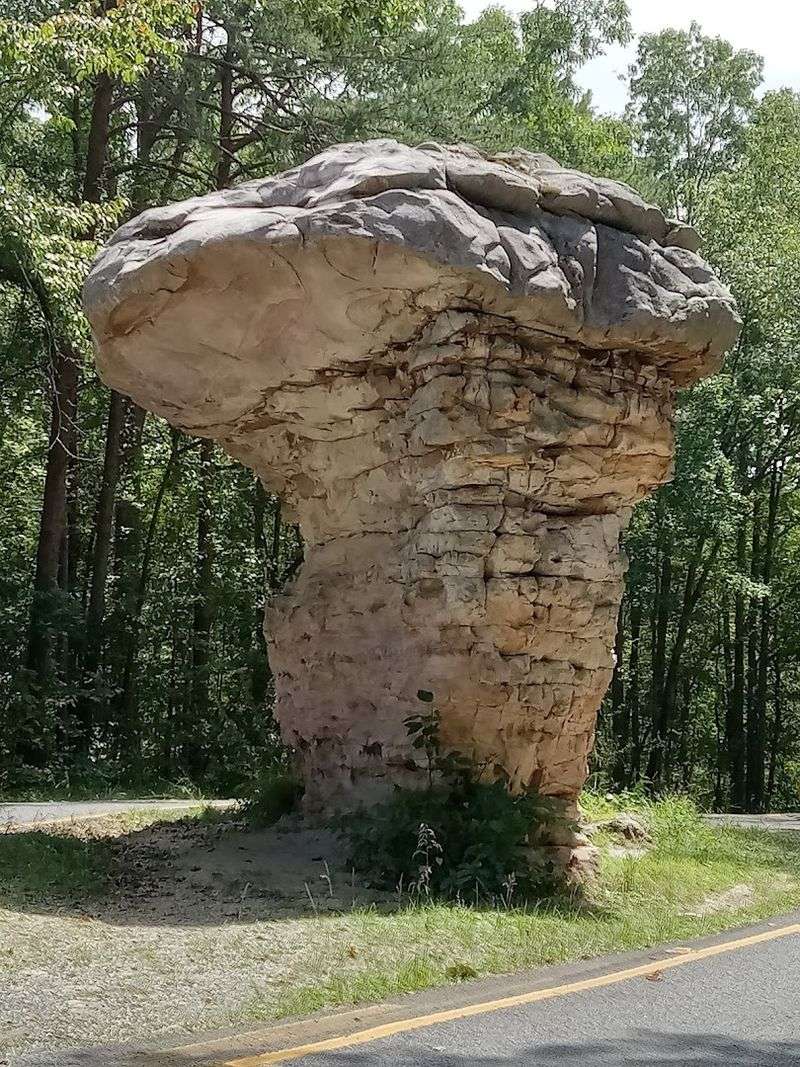
The sandstone cliffs of Little River Canyon have quietly built a reputation among climbers in the Southeast, and it is easy to see why once you get a close look at the rock. The formations are dramatic, textured, and varied, offering routes that challenge beginners and test experienced climbers in equal measure.
Rappelling is equally popular here, with the canyon’s sheer walls providing long, dramatic drops that make for an adrenaline-packed descent. The sensation of backing over the edge of a canyon wall with hundreds of feet of open air below you is not something most people forget quickly.
Groups from climbing clubs across Alabama and neighboring states make regular trips out to Lookout Mountain specifically for the canyon’s climbing opportunities.
Before heading out with gear, it is worth checking current permit requirements with the National Preserve, as certain climbing areas may have access rules or seasonal restrictions to protect nesting birds and sensitive rock formations. The visitor center at 4322 Little River Trail NE, Fort Payne, Alabama is a reliable first stop for updated information.
For those who have never climbed before, guided experiences offered by local outfitters in the area can introduce you to the basics in a controlled, safe setting. Rock climbing here is not just a physical challenge; it is a way of experiencing the canyon from a completely different perspective, one that most visitors never get to see.
Unique Swimming Holes That Feel Like Hidden Treasures
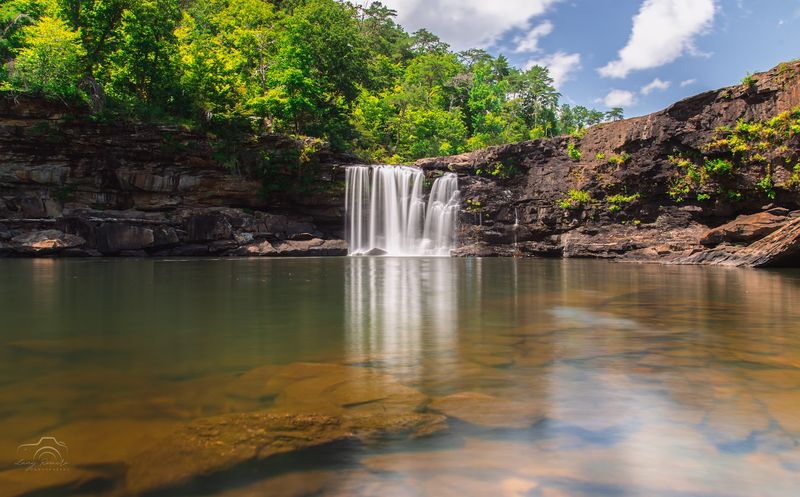
There is something almost magical about stumbling onto a perfect swimming hole in the middle of a canyon, and Little River Canyon has a few that locals have been quietly enjoying for generations. Martha’s Falls, affectionately known as Hippie Hole, is probably the most beloved of these spots, featuring calm, crystal-clear water surrounded by smooth rock ledges that are ideal for sitting, sunbathing, or working up the nerve for a cliff jump.
Canyon Mouth Park offers another popular swimming area that is a bit more accessible for families with young children. The water here runs clear and cool, fed by the river that has been cutting through sandstone for thousands of years.
Getting there requires a short walk from the parking area, usually around 10 to 15 minutes, which keeps the crowds manageable compared to more drive-up accessible spots.
Arriving early on summer weekends is genuinely good advice if you want a comfortable spot to spread out. The preserve is free to enter, which makes it an incredibly accessible outdoor escape for families on any budget.
If the main swimming areas feel crowded, the canyon has enough space and enough shoreline that a short walk upstream or downstream usually reveals a quieter stretch of river to enjoy. Bring snacks, water shoes, and a dry bag for your phone, because once you find your spot along the Little River, leaving early is not something that comes naturally.
Rich Biodiversity and Wildlife That Surprises Every Visitor
Most people come to Little River Canyon for the scenery, but the wildlife has a way of becoming the unexpected highlight of the trip. White-tailed deer move quietly through the forest edges near the rim trails, otters play in calmer river pools, and if you are patient and a little lucky, bobcats have been spotted in the more remote sections of the preserve.
Bald eagles are a genuine draw for birders, particularly in the cooler months when the raptors are more active along the canyon. Watching one soar through the canyon below the overlook while you stand at the rim is the kind of moment that makes you reach for a camera and then just decide to take it all in instead.
The Little River and its tributaries have been designated as Outstanding Alabama Waters, a recognition tied to their exceptional water quality and the health of the ecosystem they support.
The preserve is also home to the green pitcher plant, a carnivorous species that grows in the boggy seeps along the canyon and represents one of the rarer botanical finds in the entire region. For anyone interested in nature beyond just scenery, this level of biodiversity is genuinely exciting.
DeSoto State Park, located at 7104 DeSoto Parkway NE, Fort Payne, Alabama, sits nearby and complements a canyon visit with additional wildlife viewing, picnic areas, and family-friendly nature programs that round out a full day in the mountains.
