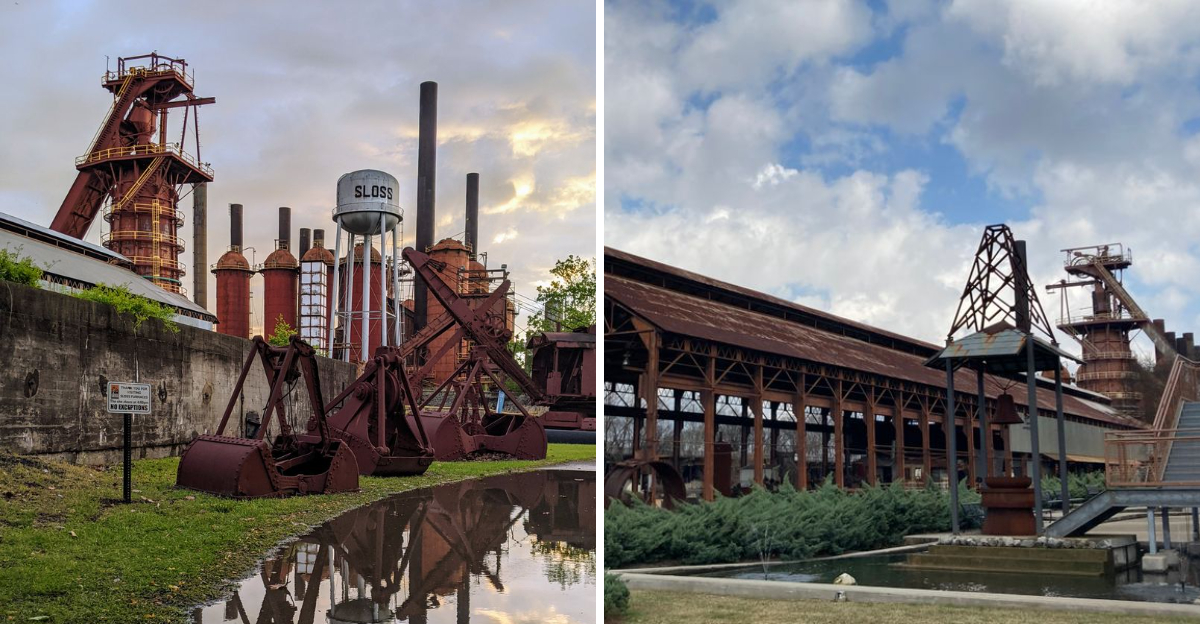
You are about to step into a living chapter of American industry where fire, iron, and grit shaped a city and helped fuel the South.
Sloss Furnaces in Birmingham invites you to wander towering stacks, rusted catwalks, and echoing cast sheds that feel cinematic from every angle.
The site preserves real blast furnace infrastructure while hosting tours, artist demonstrations, and seasonal events that highlight craftsmanship and history.
Whether you love photography, heritage travel, or hands-on learning, this place rewards curiosity with vivid detail at every turn.
Plan well, bring comfortable shoes, and give yourself time to let each structure reveal its story at a relaxed pace.
What Sloss Furnaces Is Today
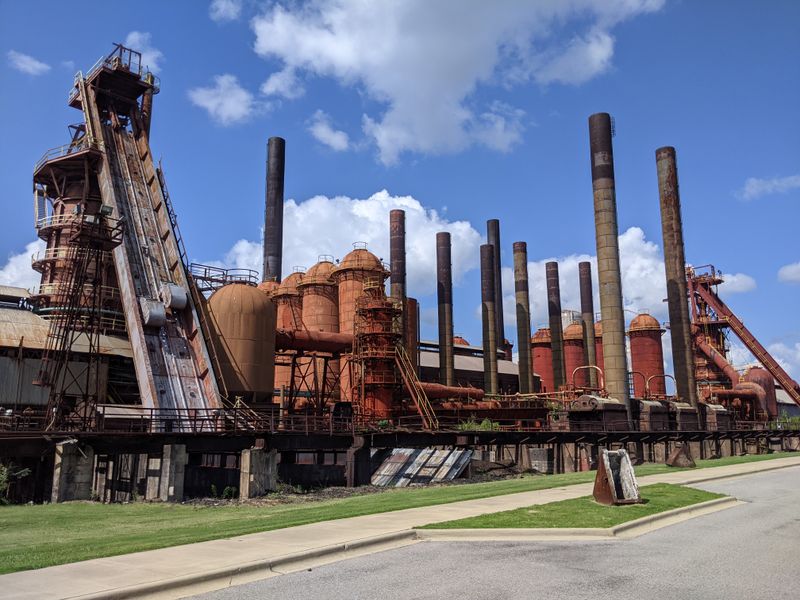
Sloss Furnaces National Historic Landmark stands as a preserved blast furnace complex that operated from 1882 to 1971, and today it serves as a museum and arts center that interprets industrial heritage with care.
Visitors can explore stove pipes, boilers, and casting floors that still frame the skyline of Birmingham with dramatic silhouettes.
You will find informative signs, guided tours on select days, and artist spaces that continue the site’s creative life in a new way.
The official entrance sits at 20 32nd St N, Birmingham, AL 35222, which places you a few minutes from the city center and major interstates.
Operating hours are currently focused on Tuesdays, Fridays, and Saturdays from 10 AM to 4 PM, with closures on most other days, and updates are listed on the website.
Alabama weather can be humid and warm, so plan light layers, water, and comfortable walking shoes for metal grating and uneven surfaces.
Photography is a highlight here because the rust tones, brick textures, and pipes create striking compositions at any time of day.
Staff and volunteers share context about labor history, ironmaking processes, and the reasons Birmingham became known as the Magic City.
You will notice how the site bridges education and creativity through blacksmith demonstrations, metal arts workshops, and occasional public programs listed on the calendar.
Safety briefings guide you around restricted areas while keeping the raw industrial character intact for an authentic visit.
The museum is family friendly, though supervision is essential near steep stairs and heavy equipment.
A stop at the visitor center helps you choose routes, pick up maps, and learn about special tours that bring furnace operations to life with practical explanations and clear visuals in Alabama.
A Brief History of the Blast Furnaces
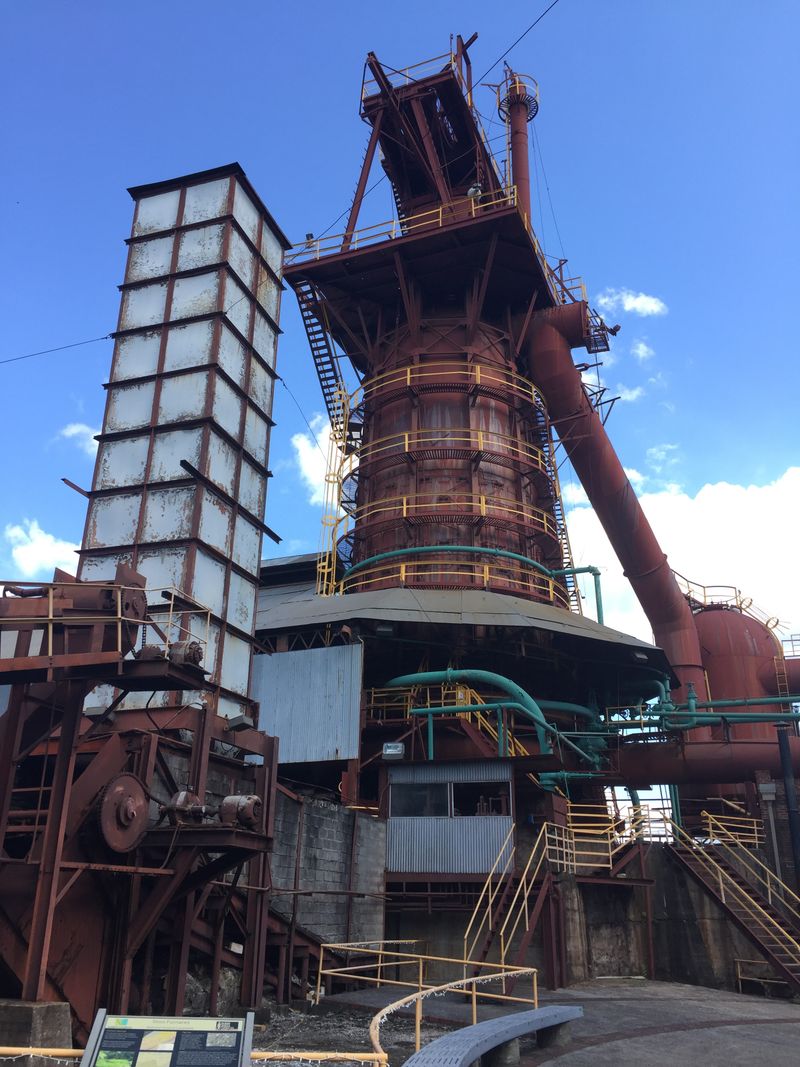
Sloss Furnaces began producing pig iron in 1882, helping transform Birmingham into a fast growing industrial center known for iron and steel.
The plant used local deposits of iron ore, limestone, and coal to charge the furnaces, and the molten metal flowed into sand molds to form pig iron bars.
Over decades the operation upgraded equipment, adjusted to market changes, and weathered cycles of expansion and consolidation in Alabama.
Mid century competition, modernization elsewhere, and shifting demand eventually led to closure in 1971, ending an era that shaped jobs and identities across the region.
Preservation advocates and city leaders later recognized the site’s cultural value and worked to save the complex from dismantling.
Designation as a National Historic Landmark secured momentum and funding to maintain structures and share the story responsibly.
Interpretive exhibits outline how raw materials moved from rail cars to skip hoists, into the furnaces, and through casting processes.
Diagrams and artifacts explain crew roles, from keepers and blowers to machinists and blacksmiths, revealing a complex team effort under difficult conditions.
You can trace the flow line on foot, which makes the technical process easier to visualize in real scale.
The history is not only about machines because it also acknowledges the labor of Black and immigrant workers who powered production through skill and perseverance.
Staff interpretive talks discuss change over time with attention to nuance and verifiable sources rather than myth.
By walking the grounds, you connect what you read in panels to the massive structures that still stand open to the Alabama sky.
Planning Your Visit and Hours
Current public hours emphasize access on Tuesday, Friday, and Saturday from 10 AM to 4 PM, with closures on other days to support maintenance and programming.
It is wise to verify the schedule on the official website before you go, since holiday weeks and special events may bring adjustments.
Phone support at +1 205 254 2025 can confirm tour availability and group arrangements in Alabama.
Arriving at 20 32nd St N, Birmingham, AL 35222 is straightforward with clear signage and on site parking near the visitor center.
You can pick up a site map and ask about suggested routes that match your time and interests.
Staff typically recommend at least ninety minutes if you like to read panels and take photographs at a relaxed pace.
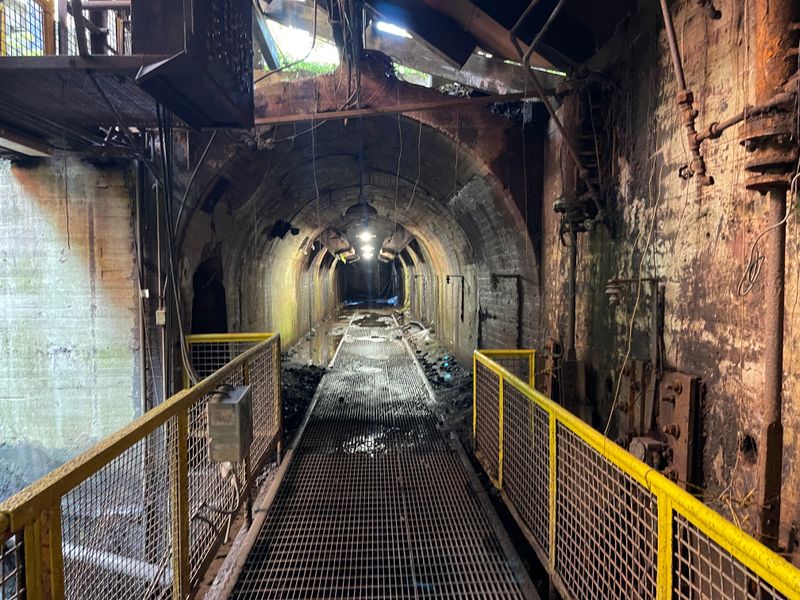
Comfortable closed toe shoes are essential because surfaces can be uneven and metal grates may feel slick after rain.
Bring water, sunscreen, and a lightweight hat in warmer months, since the open areas offer little shade at midday.
Restrooms and seating nooks are available near the entrance and main exhibit zones.
Guided tours operate on select days and focus on core areas like the furnace stoves, casting shed, and powerhouse.
Self guided visits work well thanks to directional markers and interpretive signs placed along clear paths.
To round out the day, plan a short stop at the museum store for books and locally made items that reflect the spirit of Birmingham in Alabama.
Navigating the Grounds and Safety
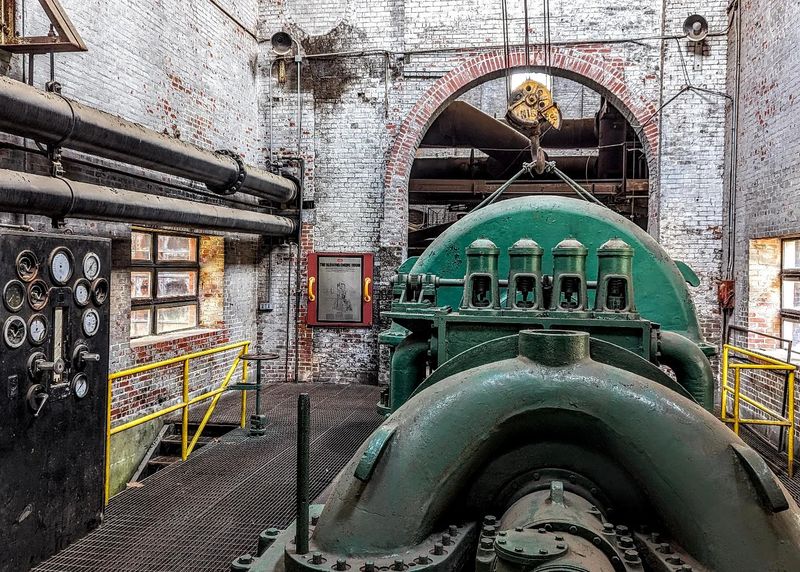
The site maintains a careful balance between authenticity and safety, preserving raw industrial character while guiding you along clearly marked routes.
Handrails, warning placards, and barricades signal where access is restricted to protect visitors and historic fabric.
You are free to linger within open zones and admire the height and geometry of stacks and stoves in Alabama.
Sturdy shoes help you handle steel grating, gravel, and occasional steps that vary in depth.
After rain, surfaces can hold moisture that affects traction, so a slow pace keeps your footing secure.
If mobility is a concern, ask staff at the visitor center for the most accessible paths and elevator alternatives where available.
Photography is welcome in permitted areas, and tripods may require staff approval during busy times.
Drone use is restricted for safety and preservation, with current policies posted at the desk and online.
When visiting with kids, set simple rules about staying within arm’s reach near railings and steep edges.
Emergency procedures are in place, and staff remain visible during public hours to answer questions and assist with directions.
Drinking water stations and restrooms cluster near the entry so you can plan breaks around your route.
These simple steps help you focus on the experience rather than logistics, leaving more attention for the sights and stories of this Alabama landmark.
Understanding the Ironmaking Process
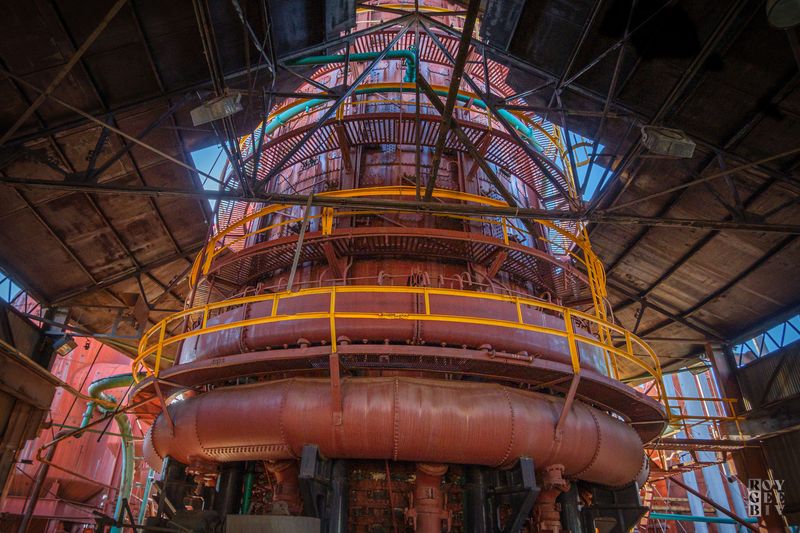
Ironmaking at Sloss began with a charge of iron ore, limestone, and coke loaded into the top of the blast furnace to create a chemical reaction at high heat.
Preheated air blasted through tuyeres near the base, raising temperatures so the ore reduced to molten iron while impurities formed slag.
The resulting iron ran to the cast house where channels directed it into molds for cooling.
Interpretive panels show how stoves preheated air using checker brick, a clever system that recycled heat for efficiency.
You can spot pipe lines, valves, and gauges that once synchronized the entire plant like a living machine.
The physical layout helps you connect each step from materials handling to tapping and casting in Alabama.
Workers coordinated timing with hand signals, whistles, and routines that kept the smelting cycle steady for quality output.
Maintenance crews repaired brick linings, pumps, and blowers to keep operations within safe limits and production goals.
During downtime, teams cleaned molds and prepared the sand beds for the next cast.
Modern readers often ask how tough the job felt, and the short answer is strenuous and hot with constant noise and dust.
Exhibits share photographs, tools, and protective gear that reveal daily life and evolving safety practices across decades.
By walking the cast house and peering at the furnace base, you can picture the decision making that kept iron flowing in Alabama.
Tours, Programs, and Metal Arts
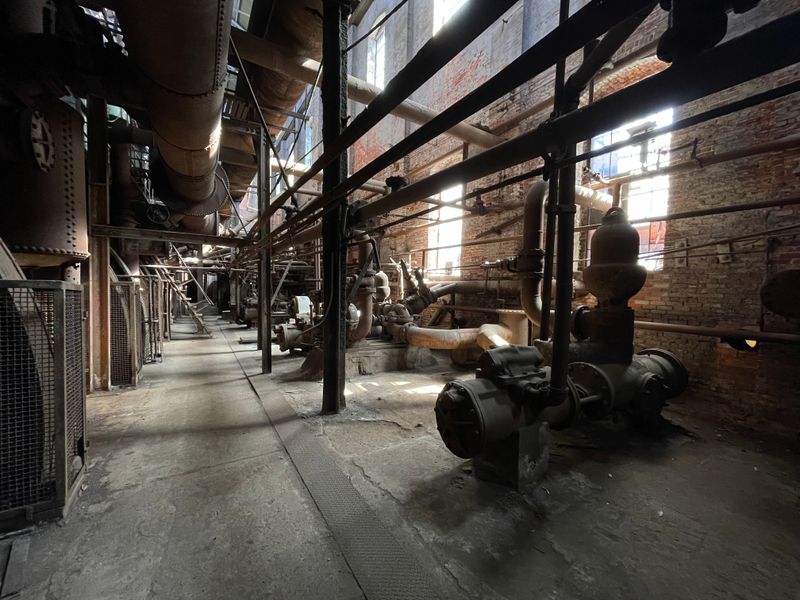
Guided tours bring the site to life by sharing context that signage cannot fully convey, and they often run on select operating days.
Docents point out original features, tell worker stories based on documented sources, and field questions about engineering and labor.
You can ask about seasonal tour themes that highlight different corners of the furnaces in Alabama.
Metal arts programs introduce techniques such as blacksmithing and casting, with safety briefings and clear instruction for beginners.
Demonstrations emphasize respect for heat and tools while making the craft accessible and fun to watch.
Advanced workshops may require registration and fees, and schedules appear on the official calendar when dates finalize.
School groups and educators benefit from curriculum aligned activities that support history, science, and art standards.
Private group tours can be arranged by contacting staff and outlining size, timing, and accessibility needs.
Expect a balance of technical detail and engaging storytelling that suits mixed ages and interests.
Photography focused tours are offered occasionally to guide composition and timing in the most visually striking zones.
Night events happen periodically for concerts or special programs, though schedules vary and are announced on official channels.
Keep an eye on policies, since weather and maintenance can change availability on short notice in Alabama.
Architecture and Industrial Design Highlights
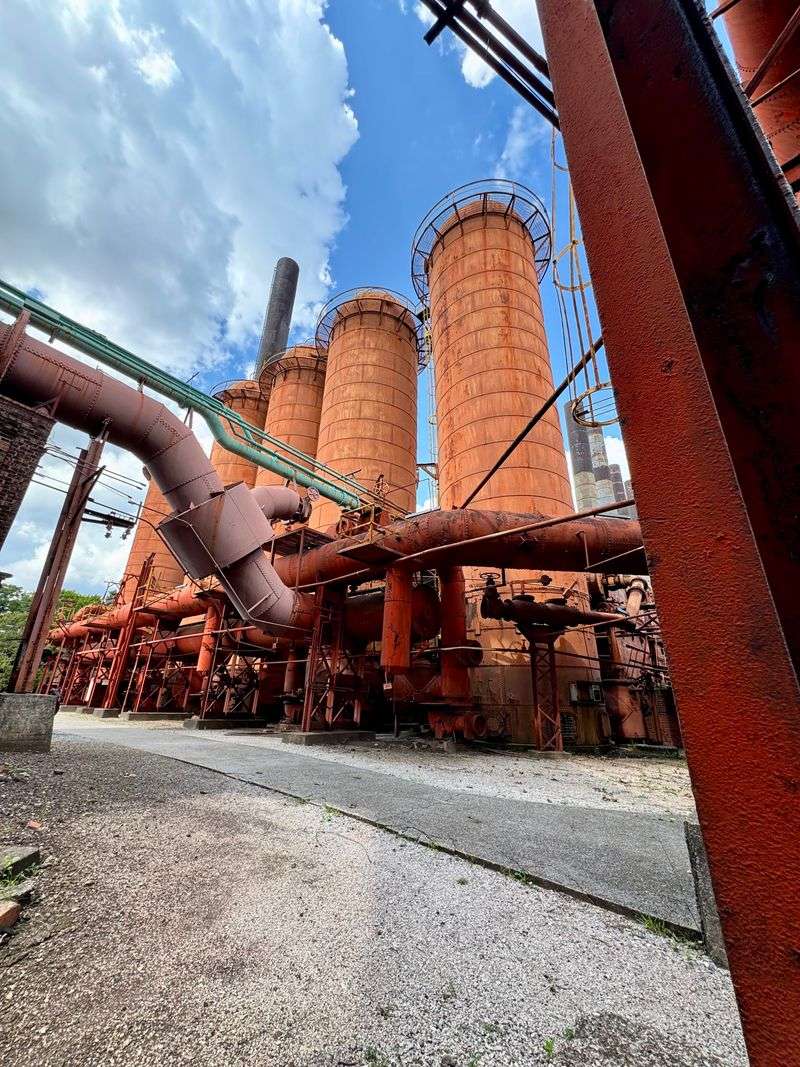
The visual language of Sloss includes riveted tanks, brick cast houses, and towering stacks that articulate scale and function with clean lines.
Catwalks and ladders trace crisp diagonals that photographers love, while stoves rise like sculptural cylinders beside the furnace shells.
Details such as expansion joints, gusset plates, and valve wheels show how engineers balanced heat, pressure, and maintenance cycles in Alabama.
Materials tell their own stories through patterns of rust, soot, and mineral staining that give surfaces rich character.
Brick courses reveal repair campaigns and phased construction, and seams mark the footprint of evolving technology over decades.
As you move from powerhouse to cast floor, each transition frames a new composition that invites slow looking.
Light plays a starring role, with morning glow carving edges and late day sun wrapping forms in warm color.
Overcast conditions also create flattering diffuse light that softens contrast and deepens texture.
Railings and posted lines create foreground elements that help anchor depth and scale in images.
Interpretive panels include cross sections and labels that make machinery legible to non engineers.
Restored elements sit beside stabilized ruins to preserve authenticity without creating a stage set.
These choices keep the complex credible and educational while welcoming casual visitors who want a visually striking experience in Alabama.
Photography Tips and Best Vantage Points
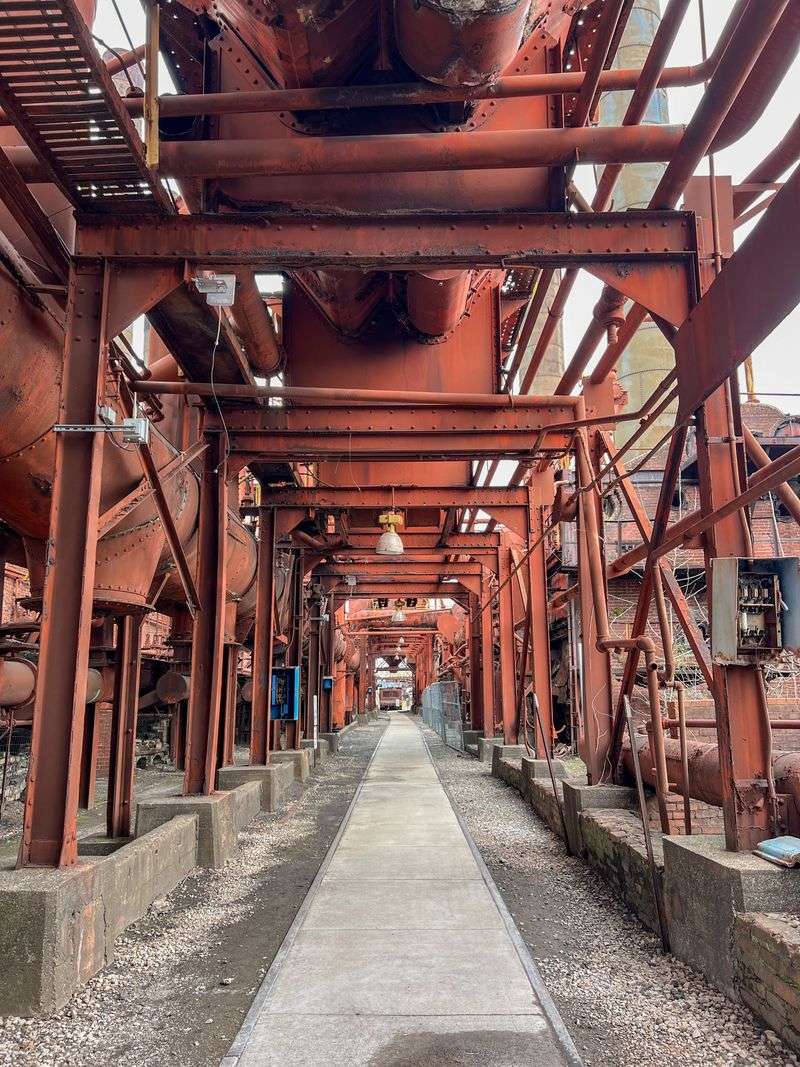
Start near the visitor center to scout angles that layer stacks, stoves, and catwalks for a powerful establishing frame.
Move slowly and watch how light slips between pipes and railings, creating leading lines that guide the eye through the scene.
Switch between wide views and tight details to tell a fuller story of texture and scale in Alabama.
Golden hour adds warmth and long shadows that emphasize rivets and brick joints, while cloudy skies give even tone for metallic surfaces.
Avoid midday glare by seeking shaded sides or shooting backlit silhouettes that read clearly against the sky.
A microfiber cloth helps keep lenses clean from dust that can drift across open areas.
Tripods are helpful for low light and precise compositions, but check current policies before setting up in busy zones.
Look for foreground elements like handwheels or railings to anchor depth, then align verticals carefully to reduce distortion.
If you photograph people, ask for consent and keep walkways clear for safety and courtesy.
Do not climb restricted ladders or cross barriers for a better angle because safety and preservation come first.
Monochrome edits suit high contrast scenes, while color can celebrate the warm spectrum of oxidized steel.
Leave time to revisit favorite spots as light changes, since small shifts can reveal fresh perspectives in Alabama.
Local Legends and Documented Stories
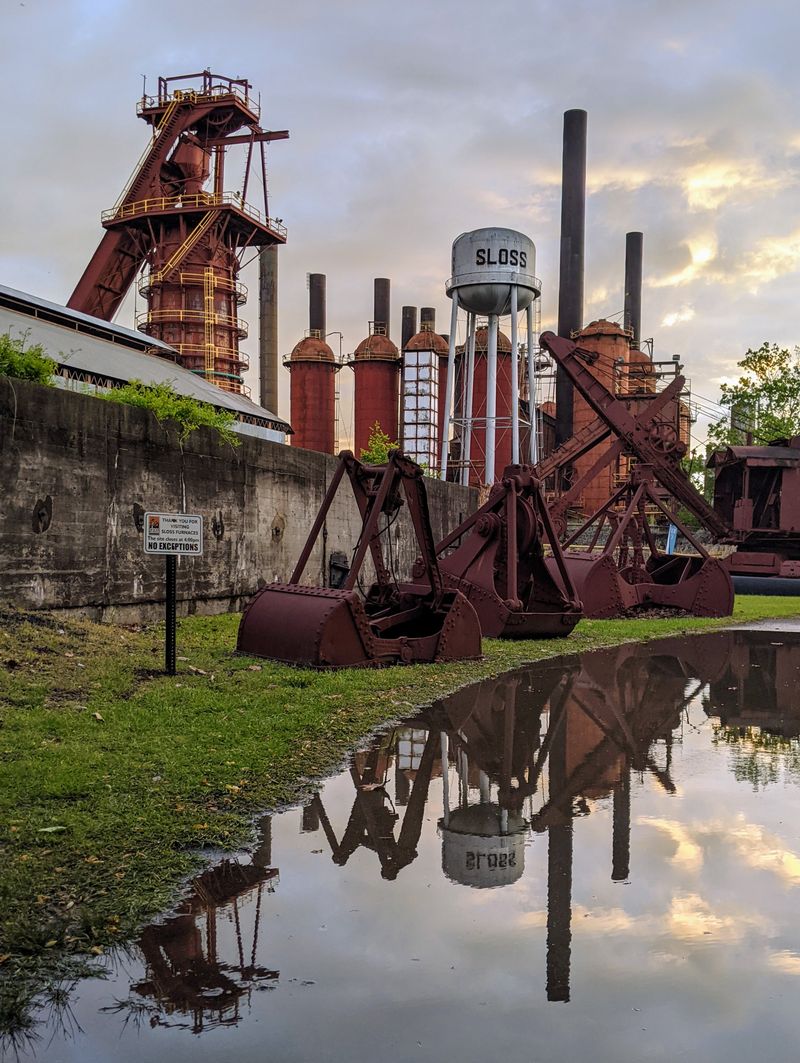
Sloss carries lore that visitors love to discuss, and staff distinguish between documented history and local legends during programs.
Stories about mysterious sounds and sightings circulate widely, yet they are labeled as folklore rather than confirmed fact.
The museum focuses on verifiable records, worker accounts, and photographs that ground the narrative in evidence in Alabama.
Workers faced heat, noise, and heavy labor, and public talks present those realities through pay records, job roles, and union history.
Some tales grow from the atmosphere of night events, where metal and shadow can play tricks on senses.
Staff acknowledge the appeal while steering the conversation back to what archives and maintenance logs can support.
If you enjoy ghost stories, treat them as local color that adds texture without replacing research.
The nighttime silhouette of stacks against a cloudy sky certainly sets a cinematic tone for any imagination.
During special programs, guides may share cautionary tales that double as safety reminders in a dramatic but clear way.
Panels encourage empathy for crews who kept equipment running through shifts that demanded skill and attention.
Personal artifacts and historic images make the past feel nearby without overstating what we can prove.
This approach respects memory and myth while centering the documented contributions that built Birmingham in Alabama.
How to Make the Most of Your Time
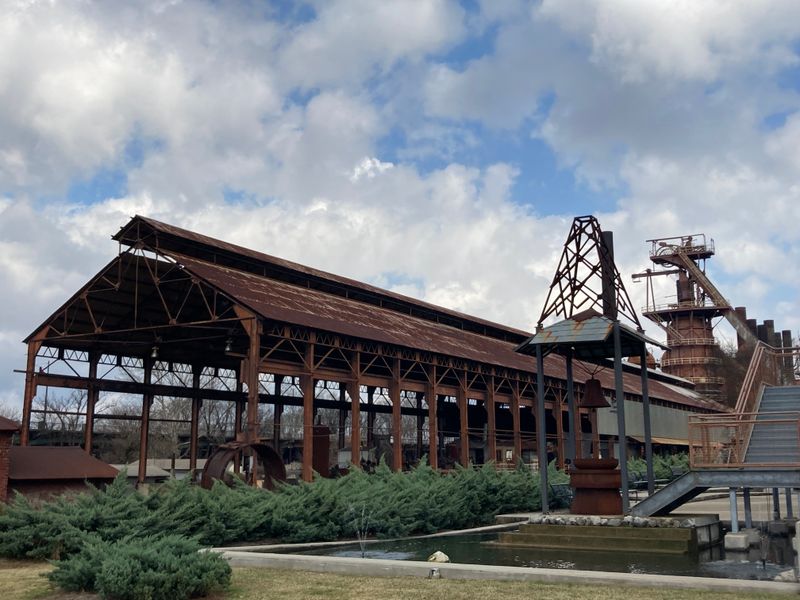
Begin with the visitor center to confirm open areas, tour times, and any temporary closures that affect your route.
Pick a loop through the cast house, furnace base, and stoves, then leave time for the powerhouse if available.
Short breaks help you absorb details rather than rush from sign to sign in Alabama.
Set a photography plan that covers a wide establishing shot, a series of mid range frames, and a few close textures.
Keep an eye on light and revisit key spots when conditions shift to catch new angles.
If you travel with kids, build in hands on moments by reading diagrams and finding labeled parts together.
Ask staff for current program highlights because demonstrations can become the most vivid memories of the day.
Look up the calendar before arrival so you can secure any registrations needed for workshops.
When energy dips, pause on a bench and review one or two facts that stood out to you.
Wrap up at the store to find resources that deepen learning after the visit, including books on Birmingham industry and design.
Check the website for educator guides if you plan a return with students or a community group.
Leaving with a short list of must see areas makes the next Alabama visit even more rewarding.
Dear Reader: This page may contain affiliate links which may earn a commission if you click through and make a purchase. Our independent journalism is not influenced by any advertiser or commercial initiative unless it is clearly marked as sponsored content. As travel products change, please be sure to reconfirm all details and stay up to date with current events to ensure a safe and successful trip.
