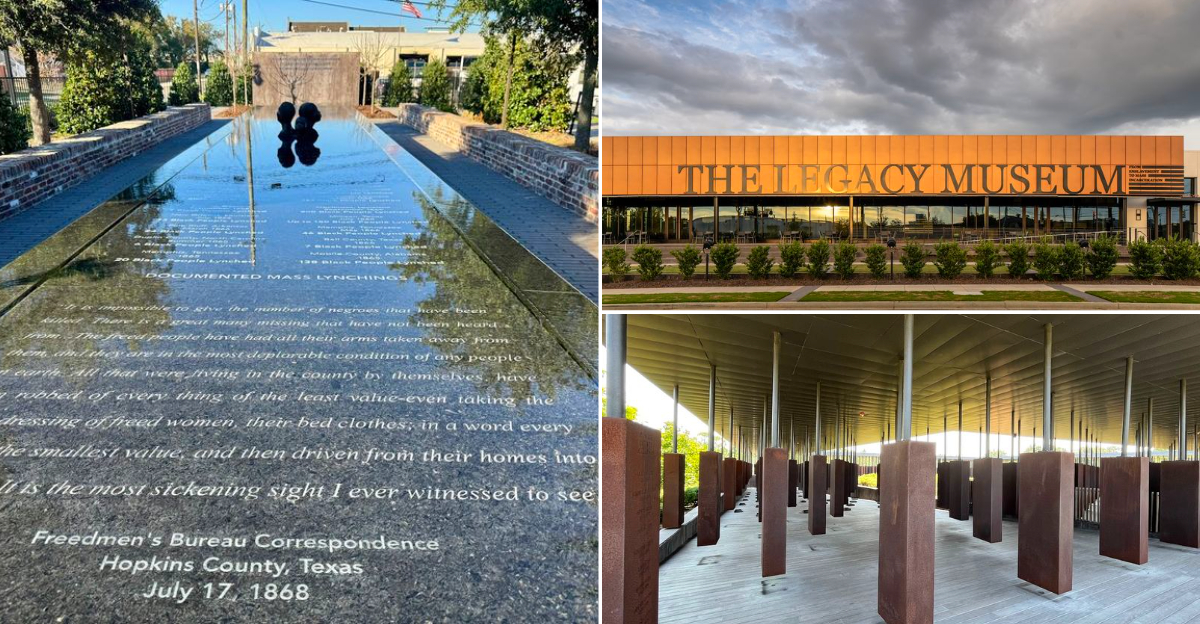
Think you already understand Southern history because you took one class and watched a few movies? The Legacy Museum in Montgomery, Alabama, has a way of stopping that confidence in its tracks.
It does not give you the comfortable, polished version of the past. The experience is immersive, direct, and carefully built to connect timelines that visitors often keep separated in their heads.
You move through exhibits that use documents, storytelling, and powerful visuals to show how “then” becomes “now” without a clean break. It is the kind of museum that changes the tone of your whole trip, in a good way, because it replaces assumptions with context.
You leave quieter than you arrived. And you leave sharper, too, because you cannot unlearn what it lays out so clearly.
A Montgomery Museum Visit That Changes The Tone Of The Whole Trip
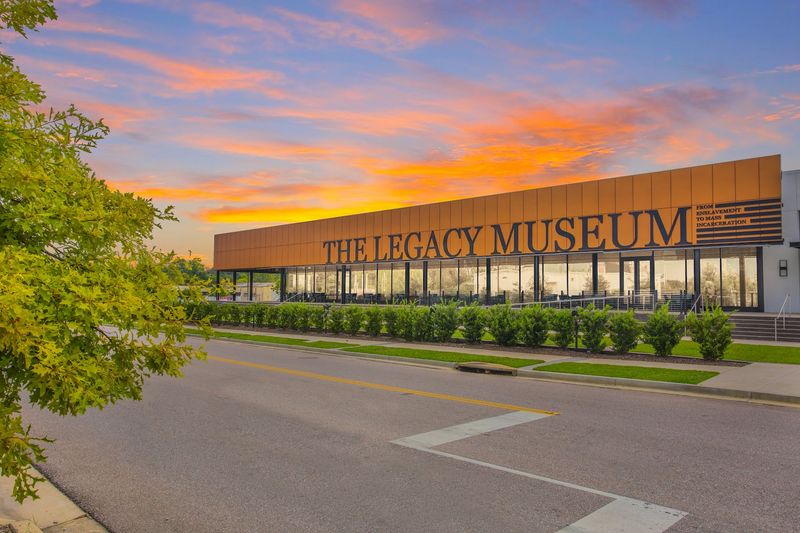
Start here, right in downtown Montgomery, because this stop shifts how the rest of Alabama feels once you have been inside. The Legacy Museum at 400 N Court St, Montgomery, AL 36104, United States, carries a quiet that asks you to match it.
Walking in, you feel the space hold two things at once, welcome and weight.
The lighting is soft, the corridors are deliberate, and you automatically slow your steps.
I noticed how my voice dropped without thinking, like the room tuned me to the right volume. You will probably do the same and not even notice until later.
Montgomery itself reads differently once you leave. Streets and buildings get new context, and simple walks feel layered.
Give yourself time on the front end, because you will not want to rush. If you can, arrive right when doors open and let the day stretch around it.
Photos rarely capture the tone inside, so take mental snapshots.
The texture of the walls and the measured design will stay with you.
It is not a heavy-handed place, just a deeply honest one. That honesty becomes your travel companion for the rest of your Alabama plans.
You will talk softer on the drive afterward. And you will notice how the landscape holds stories you had not heard in full.
What Makes The Legacy Museum Different From A Typical History Stop
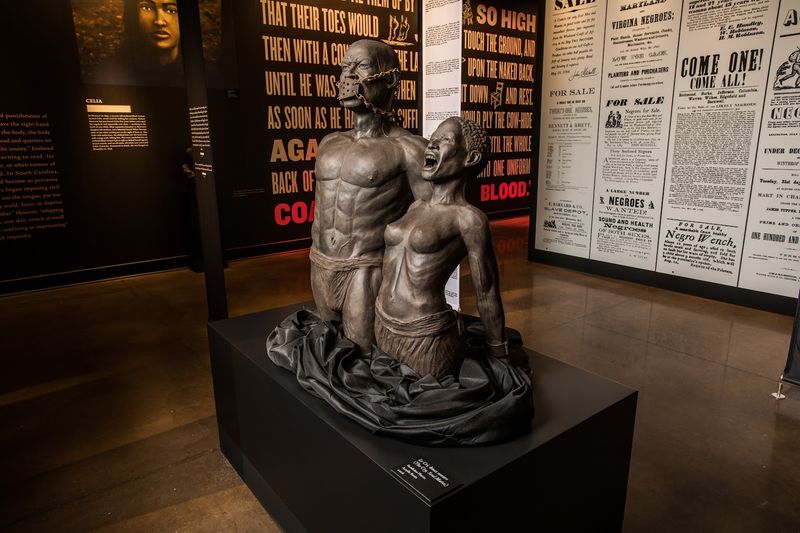
Here is the difference, plain and simple. This museum is not set up to let you skim and feel done.
It uses immersion like a guide rather than a gimmick. Rooms hold soundscapes, documents, and first-person accounts that stand still while you do the moving.
Instead of a glass case with a caption, you face a story that looks right back.
The design makes you a participant without putting you on stage.
Timelines slip into walls without fuss, so dates do not do the heavy lifting alone. Voices and artifacts carry the meaning forward.
I did not feel nudged toward a reaction. I felt invited to sit with it, which somehow lands harder.
Because everything is so intentional, you stop hunting for the big moment. The whole visit becomes the moment, and it stays steady.
There is also a clarity about cause and effect that many places avoid.
The museum lays connections down carefully and lets you walk them.
If your brain likes maps, you will love how the narrative is built. It shows how personal stories stack into systems you can actually see.
That is why it does not feel like a typical stop. It is a full conversation, paced by design, anchored by presence.
By the time you reach the final rooms, you are not just learning. You are noticing how you are learning, and that sticks long after you leave.
The Timeline Approach That Connects Past To Present Fast
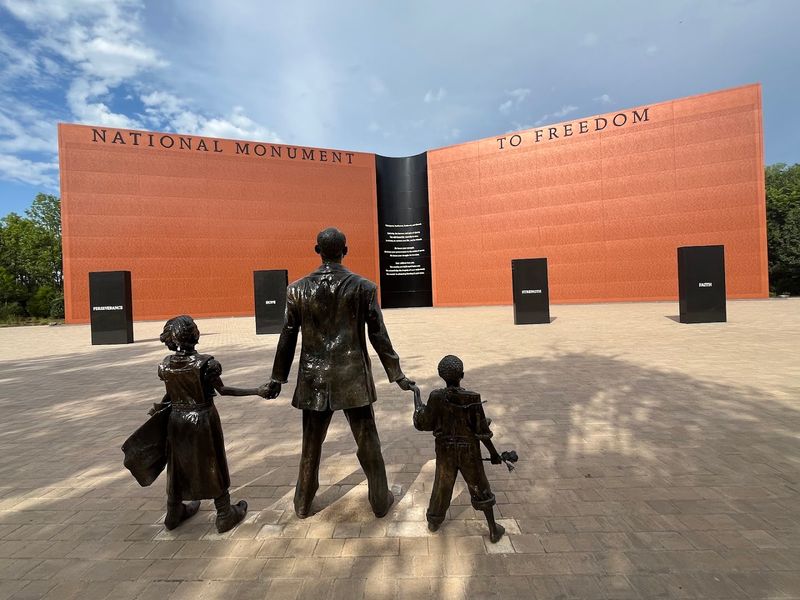
You know when a place threads history together so cleanly you stop checking dates? That is the timeline here, and it clicks almost immediately.
It starts with the earliest chapters in a way that grounds you. Then it opens paths that run forward without breaking your stride.
Nothing feels rushed, but nothing drags either. The panels do not shout, they guide.
You can follow one line and then loop back to another without getting lost.
The rooms make the path obvious without being bossy.
I found myself making connections I had not lined up before. The museum lays them side by side, and your brain finishes the bridge.
There is a rhythm to it, like walking a steady beat. You feel the tempo rise in places where the stakes are clear.
Maps, records, and first-person narratives keep the line human. You are never just reading policy, you are meeting people.
By the time the present comes into frame, you are already there emotionally.
The jump never feels like a jump at all.
That is the magic of the timeline. It carries you, and you forget to fight the current.
When you step back out into Montgomery, the now looks connected to the then. Alabama as a whole starts to look like one long, living map.
Exhibits That People Walk Through More Slowly Than They Expect
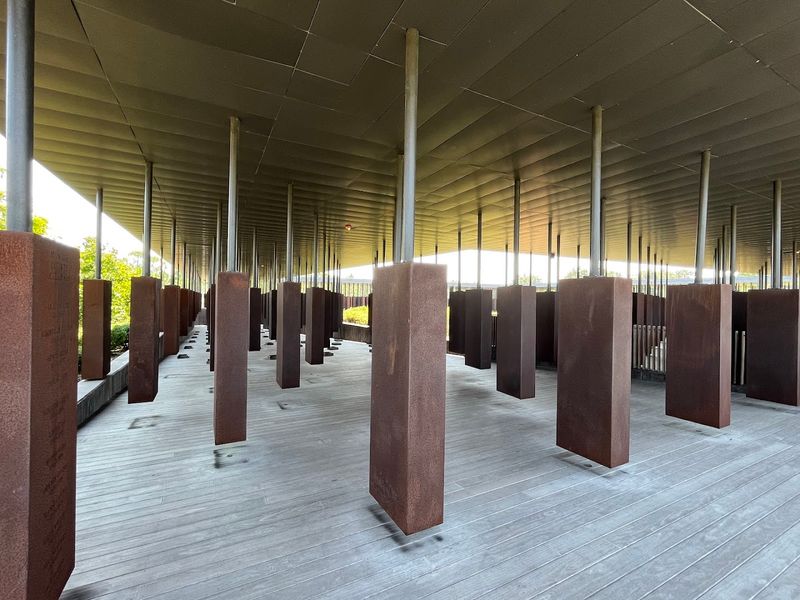
I noticed everyone moving at a slower speed, like the building had its own gravity. You feel it right away and you follow it.
Some rooms have audio that fills the space without crowding it.
You stand, you listen, and you realize you have not checked your phone in a while.
Displays are layered so you catch one detail, then the next. It pulls you deeper without fanfare.
There are moments where you simply pause because silence feels appropriate. The design makes space for that without pressure.
Text is clear and direct, so your brain does not burn energy decoding. Your energy goes to understanding, not decoding the layout.
I appreciated the benches that appear right when you need them.
A seat can turn a quick glance into real attention.
If you go with a friend, agree to drift apart and reconvene. That way you both get the pace that fits.
The lighting is gentler than most museums, which helps you settle in. It reads as care, not theatrics.
Before you know it, you have stayed longer than planned. That is usually a good sign.
When you exit that section, do not rush to fill the air with chatter. Let the slower gear ride with you, and the next room will open up even more.
Why This Museum Leaves You Quiet For A Minute After
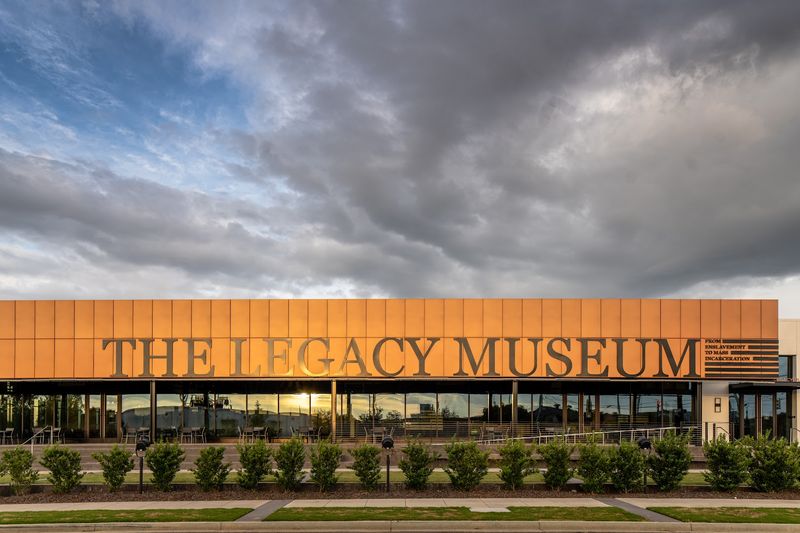
Stepping outside, you might not want to talk right away. That quiet is not emptiness, it is processing.
There is a lot to hold, and your brain sorts it gently when you give it space.
Even the street sounds feel a little far off for a minute.
I like to take a short walk around the block. It helps reset your sense of time without shaking anything loose.
Montgomery has a calm to it that meets you halfway after a heavy visit. Alabama skies do some quiet work too.
Your thoughts may not form into tidy takeaways. They can just be thoughts, circling until they find language.
If you are with someone, a simple nod can say plenty.
Conversations land better when the first beat is silence.
You are not leaving the story behind when you exit. You are carrying it, and that takes a second to feel normal.
That pocket of quiet is part of the design, I think. The pacing keeps going even on the sidewalk.
When words do come, they usually sound softer and clearer. That is a good sign that you listened well.
Give the museum that minute, and give yourself that minute too. The rest of your day will settle into place around it.
How To Plan Your Visit So You Are Not Rushing
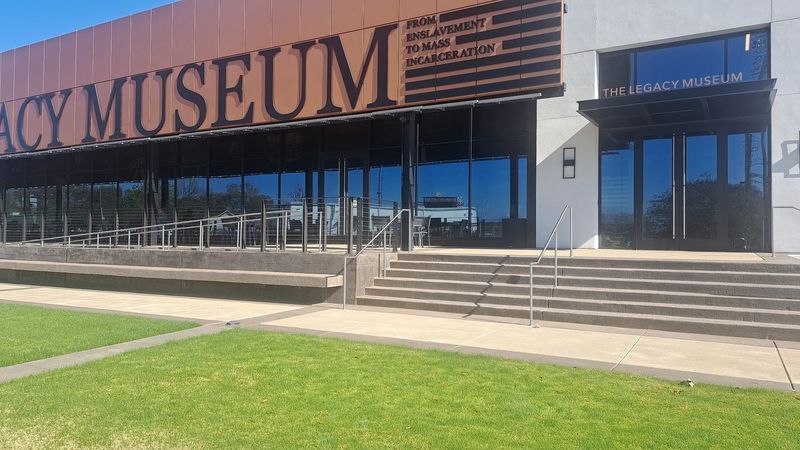
Plan it like an anchor, not a squeeze-in. Give yourself a long window and protect it.
Start earlier than your instinct says. The first hour inside sets your pace for the rest.
Building in margins helps you handle emotion and curiosity. Both take time, and both deserve it.
Wear comfortable shoes and bring a small notebook if that is your style.
You will not need much else besides attention.
I like to set a loose midpoint break. Step into the lobby, breathe, and then decide if you loop back.
Keep the rest of the day light. One or two nearby stops is plenty if you want to keep the thread.
If you are driving across Alabama, place this stop near the center of your route. It shapes the surrounding miles in a good way.
Check the latest visitor information before you go so timing lines up. Little details can shift the whole day.
Have a plan for where to decompress afterward, even if it is just a bench in the shade.
Small resets keep the learning steady.
Most of all, let the museum set the tempo once you are inside. You will move better when you follow its lead.
The Emotional Pacing Tip: Take Breaks, Then Come Back In
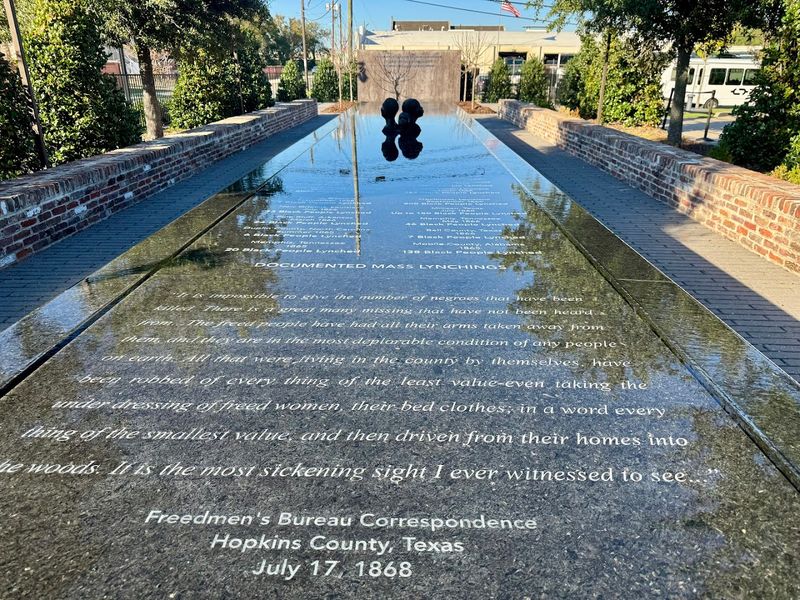
Here is the trick that changed the visit for me. Take small breaks on purpose, then step right back in.
Think of it like reading a powerful book in steady chapters. You pause, not to escape, but to absorb.
There are natural spots to sit without leaving the flow. Use them when your attention starts to blur.
Short breaks protect your focus instead of breaking it. That is how you stay present for the whole arc.
I would sit, jot two words, then reenter with fresh eyes. Those tiny resets kept me open.
If you are with someone, agree on hand signals for a pause. It saves the energy of explaining out loud.
The museum seems designed for this rhythm.
Paths reconnect easily so you do not lose your place.
By cycling in and out, you avoid going numb to the hard chapters. Your empathy stays available and steady.
It is the difference between white-knuckling and walking. The latter gets you farther with more clarity.
Try it and notice how the last rooms feel as immediate as the first. That is the gift of pacing yourself on purpose.
What To Read Before You Go So The Experience Hits Deeper
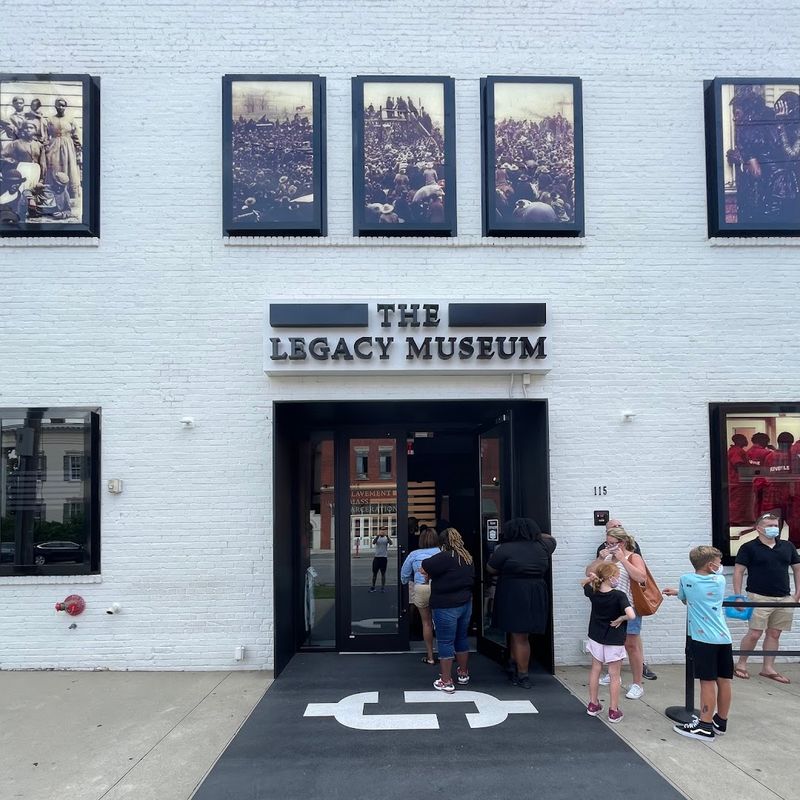
A little reading beforehand makes the visit land with more texture. It does not have to be heavy, just grounding.
Look for first-person narratives connected to the museum’s themes. Those voices echo in your head when you move through the rooms.
Short articles on Montgomery’s civil rights landscape help too.
You start noticing street names and sites in a different way.
Skim a timeline of major events so you are not anchoring on dates inside. Then the exhibits can carry the deeper work.
I like to arrive with two or three questions I want to hold. They guide my focus without boxing me in.
If you keep a notes app, make a quick list before you go. Check it once in the lobby and then tuck your phone away.
Reading about Alabama’s broader history also adds helpful context.
The state’s story ties closely to what you will see.
Even a brief primer on Montgomery’s role will pay off. Streets will feel like footnotes you can actually walk.
It is not homework, it is a warm-up. The museum will do the rest, and you will be ready to meet it.
On the other side, you can read deeper if you want. But front-loading a little makes the whole day feel more connected.
Pairing The Visit With Nearby Sites For A Full Day

If you want a full day that stays in conversation, pair the museum with nearby sites. Keep the distance short and the focus steady.
The memorial connected to this story is close enough to weave in smoothly.
Walking between places gives your mind room to process.
Stick to just a couple of stops so you do not dilute the meaning. Quality of attention beats quantity every time.
I like to end the loop somewhere quiet where you can sit and think. A calm public space works better than anything loud.
Montgomery makes it easy to keep the thread. The city’s layout and markers help you read as you go.
If you are moving through Alabama on a road trip, this structure travels well. Anchor one or two main sites and let them talk to each other.
Bring comfortable shoes and give yourself time buffers for reflection. That is what turns sightseeing into learning.
Ask yourself what you want the day to hold before you start. Then check back with that intention at the midpoint.
Small, deliberate choices shape the experience. They protect your attention and your energy.
By sunset, the day will feel whole without feeling crammed. That is the sweet spot when the story settles in.
How This Museum Rewrites What People Think They Know
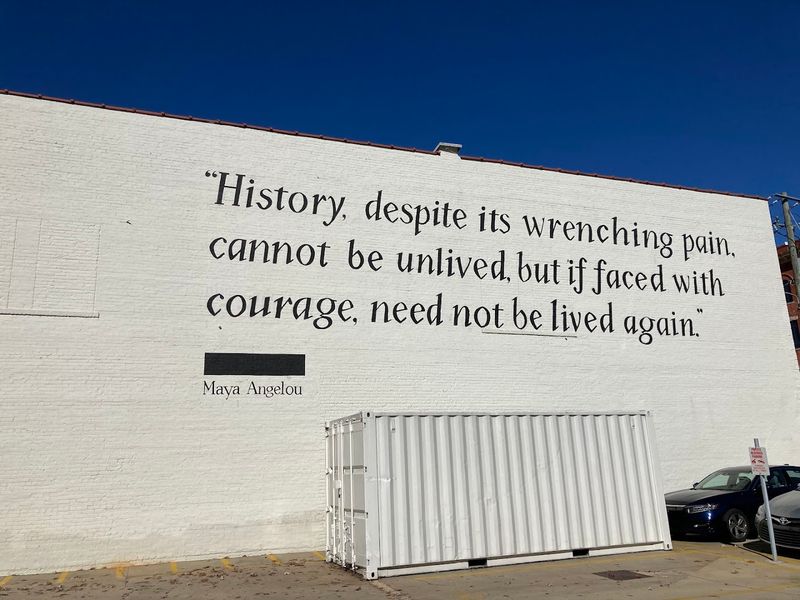
Here is the big shift I felt leaving the building. What I thought I knew did not vanish, it rearranged.
The museum does that by refusing shortcuts. It lets complexity stand where it belongs.
Facts are not thrown like stones. They are placed like stepping-stones you can actually cross.
You end up seeing patterns instead of isolated events. That is how understanding gets sturdy.
I noticed language changing in my head as I walked. Softer in tone, clearer in shape.
Instead of debating points, you start tracing lines. Those lines carry you from then to now without jerking.
Alabama becomes a living classroom rather than a backdrop.
The South reads less like myth and more like memory.
By the time you finish, humility sneaks in alongside clarity. You get curious where you were once sure.
That is the rewrite people talk about. Not a lecture, a recalibration you feel in your stride.
And honestly, it is a relief to learn this way. You walk out lighter, even after holding something heavy.
Dear Reader: This page may contain affiliate links which may earn a commission if you click through and make a purchase. Our independent journalism is not influenced by any advertiser or commercial initiative unless it is clearly marked as sponsored content. As travel products change, please be sure to reconfirm all details and stay up to date with current events to ensure a safe and successful trip.
