One of the easiest ways to get caught off guard on an Alaska drive is to assume a familiar traffic rule works exactly the way you think it does. That is a big part of what makes this law such an effective surprise for out-of-state drivers.
It sounds ordinary at first, which is exactly why people tend to lower their guard around it. Alaska’s DMV still flags it specifically in its driver manual, and the state has continued highlighting it in highway safety messaging, which says a lot about how seriously officials want drivers to take it.
That is what gives the rule its travel-story appeal. Visitors are usually busy thinking about long scenic stretches, mountain views, and the next stop on the route, not the possibility that one familiar-sounding law could suddenly matter more than expected.
The name of the rule sounds straightforward, but the way it can affect drivers is what keeps catching people. By the time many travelers realize this is not just another forgettable road technicality, the surprise has already done its job.
Why This Law Catches Visitors Off Guard So Fast
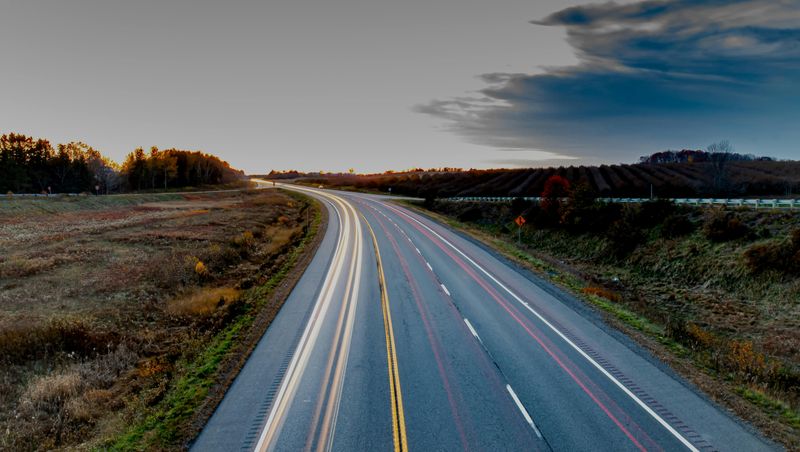
You know how a road rule can feel theoretical until it jumps right in front of you with strobes and a narrow shoulder? That is how the Alaska move-over law introduces itself, especially when the first responder is parked on a curve.
You think you have time, and then the lane ends faster than expected and the shoulder drops to snow.
The law itself is clear: if an emergency or service vehicle sits stopped with flashing lights, you move over to the next lane if you can do that safely, or you slow down to a reasonable and prudent speed. Reasonable and prudent sounds simple, yet it shifts with wind, black ice, slush, and traffic.
That flexibility is kind to judgment, but it punishes distraction.
Visitors often meet the rule on the Glenn or the Parks when a trooper assists a spinout. The lights reflect off ice, and depth perception gets weird, and suddenly the safe gap is smaller than it looked a moment ago.
That is when calm steering, steady braking, and a clean signal matter more than bravado. If the lane change is not safe, you commit to slowing early and giving the widest berth you can.
Alaska rewards patience, and this law proves it.
The Flashing Lights That Trigger The Rule Right Away
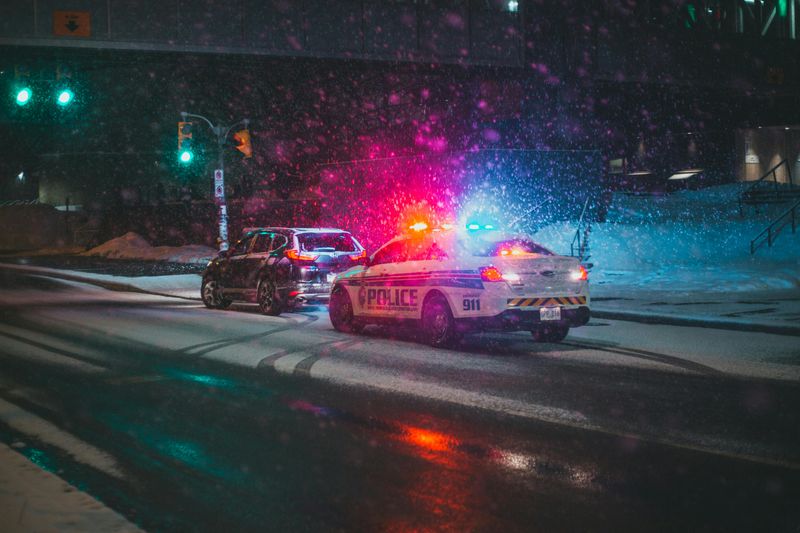
Those lights are not decoration, and they do not leave room for guessing. In Alaska, the moment you see emergency or service lights on a stopped vehicle, the rule kicks in and your next move matters.
Blue, red, and amber all tell you to create space.
It is not just troopers and fire engines. Ambulances, tow trucks, animal control, and highway incident units all count when they are parked and working.
If the lights are active and the vehicle is stationary, you either slide over to the next lane or you slow down safely.
Think about how they look on the Seward or the Sterling when the sky is gray and the spray off tires throws mist into the beams. The lights scatter across wet asphalt, and your brain chases the reflection more than the source.
That is your cue to lift off the gas early and smooth out your steering. Signal sooner than you normally would, double check mirrors, and pick a calm gap.
If a lane change will squeeze anyone, back off and pass slowly with a big cushion. Those lights mean people on foot are close.
What Drivers Are Actually Supposed To Do Here
Let us cut through the noise because the expectation is straightforward. When you approach a stopped emergency or service vehicle with flashing lights in Alaska, you change lanes away from it if you can do that safely.
If you cannot shift over, you slow to a speed that is reasonable and prudent for the conditions.
Reasonable and prudent is not a slogan, it is a sliding target shaped by traffic, weather, and sight lines. Dry pavement and light traffic let you carry more speed than a polished sheet of ice on the Glenn.
If you are uncertain, that is a sign to bleed off speed earlier.
Use a clear signal, check your mirrors, and keep your inputs smooth. Do not dive across a lane just to check the box, because scaring the driver behind you helps nobody on that shoulder.
If a semi is alongside you on the Parks and a snow berm blocks the left, commit to the slowdown and hold a steady line. Give the workers time and room, then ease back up once you are well past the scene.
The letter of the law is simple, and the spirit is respect.
Why Changing Lanes Is Not Always The Easy Part
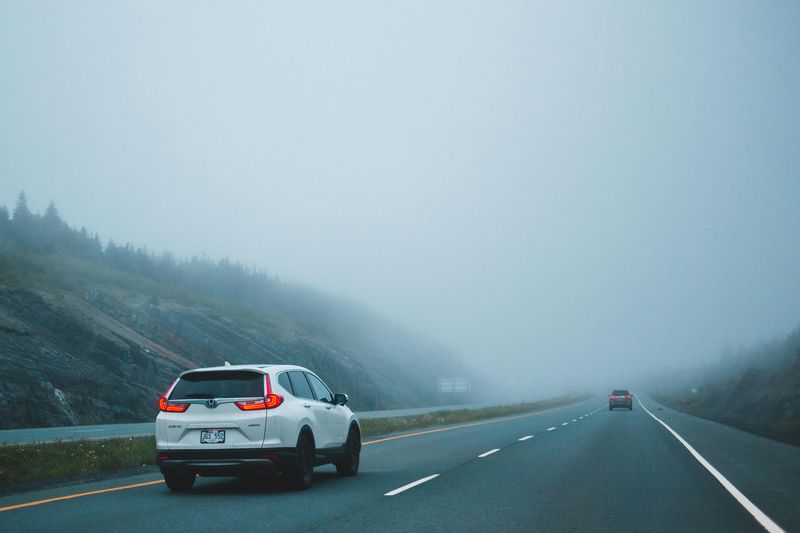
On paper, sliding left seems like the quick win. Then you meet Alaska traffic in winter ruts with a plow crawling ahead, a semi to your left, and a shoulder full of windblown snow.
Suddenly the clean lane change feels like threading a needle with gloves on.
That is where timing beats urgency. You spot the lights early, lift gently, and begin signaling before anyone panics.
If the left lane is busy, back off to open a gap while keeping your tires straight.
Think about curves on the Chugach side of the Seward where the guardrail tightens the view. A last-second swerve there only creates new problems.
Instead, hold a predictable line, leave space for drivers who might also be trying to move, and wait for a gap that does not force anyone to brake hard. If it never appears, the law fully expects you to slow down and pass with a wide margin.
The point is not heroics, it is safety for the folks on that shoulder and for you too.
When Slowing Down Matters Just As Much
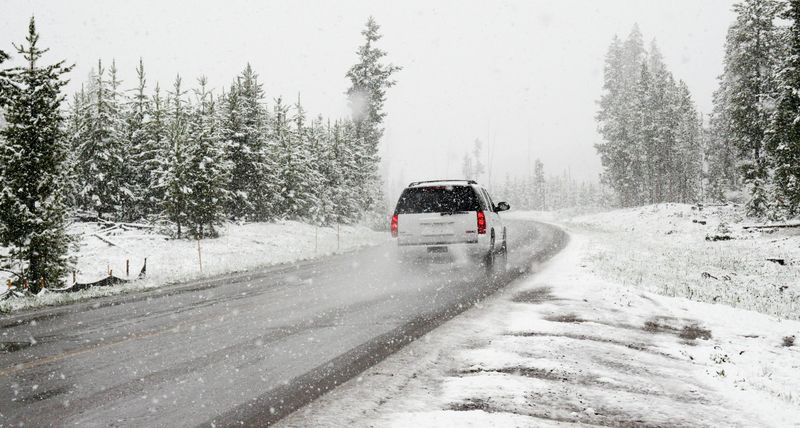
There are days when the left lane is a fantasy and your best move is a calm, early slowdown. Alaska expects that choice when space is tight, visibility is poor, or traffic is stacked.
Reasonable and prudent becomes your north star, not a magic number.
Start easing off the throttle the moment the lights come into view. That early lift signals your intentions to everyone behind you and gives the responders a steadier buffer.
It also keeps you from stabbing the brakes on slick patches where traction can change in a blink.
Picture a tow working a spinout near Turnagain Pass while flurries thicken the air. Dropping speed well in advance means you reach the scene composed, with time to read the road and settle the car.
Keep your lane steady, shoulders relaxed, and eyes scanning for anyone stepping around equipment. Once you are past the people and the hazard, add speed gradually so the traffic behind you does not bunch.
Slowing down is not a failure to change lanes, it is the right move when the lane change would add risk instead of removing it.
The Roadside Situations That Turn Serious Very Quickly
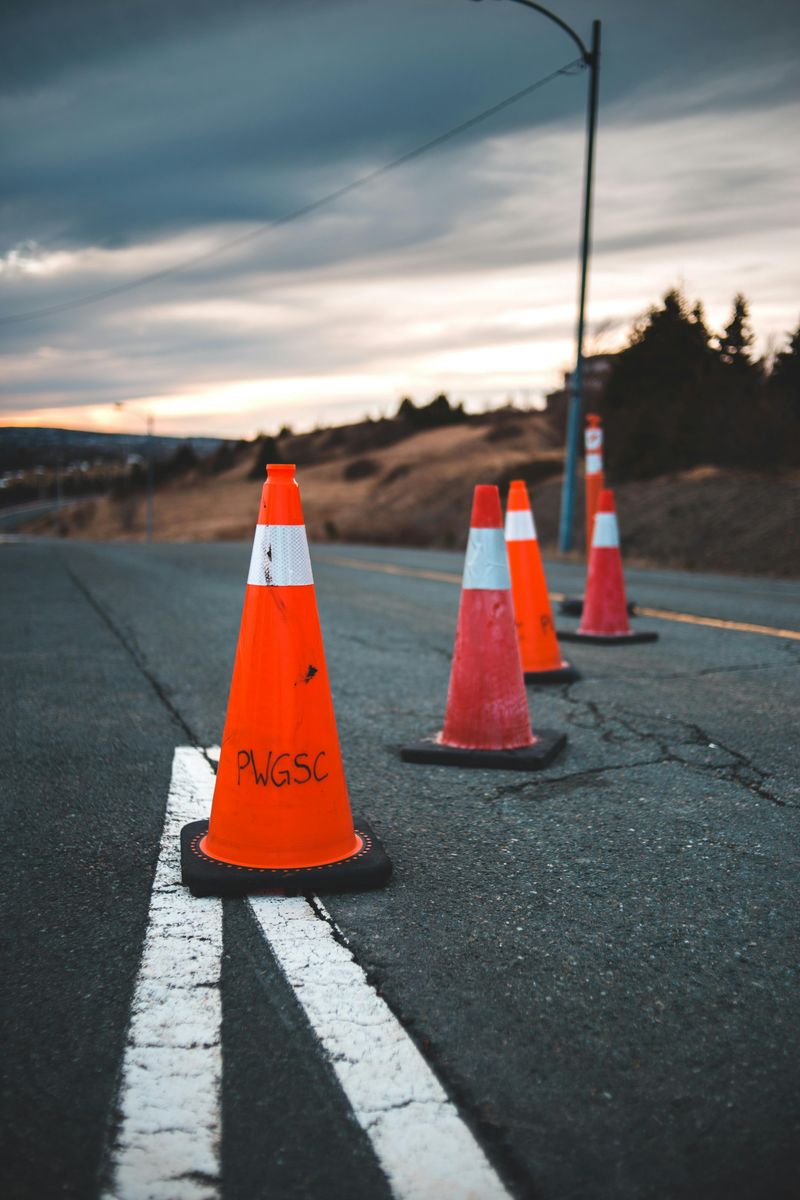
A shoulder scene can pivot from routine to chaotic in a heartbeat. In Alaska, snow berms hide tools, slush masks potholes, and gusts shove spray across the lane.
Add a distracted glance or a last-second swerve, and suddenly people on foot are exposed.
Think about a fire crew tending a small engine fire on the Glenn while flares hiss on wet asphalt. Or a trooper helping with a tire on a narrow bridge approach where there is barely a scrap of shoulder.
These are not abstract hazards, they are real people working inches from traffic.
The law exists because one car drifting close can undo the careful choreography that keeps everyone safe. Your job is to give them room or give them time.
Move over when you can take a clean gap without jolting anyone, and slow decisively when you cannot. Watch for cones, boots, and reflective stripes appearing where you did not expect them.
Alaska demands that extra margin, and the margin can be the difference between a normal day and a tragic one.
Why Alaska Takes This Driving Rule So Seriously
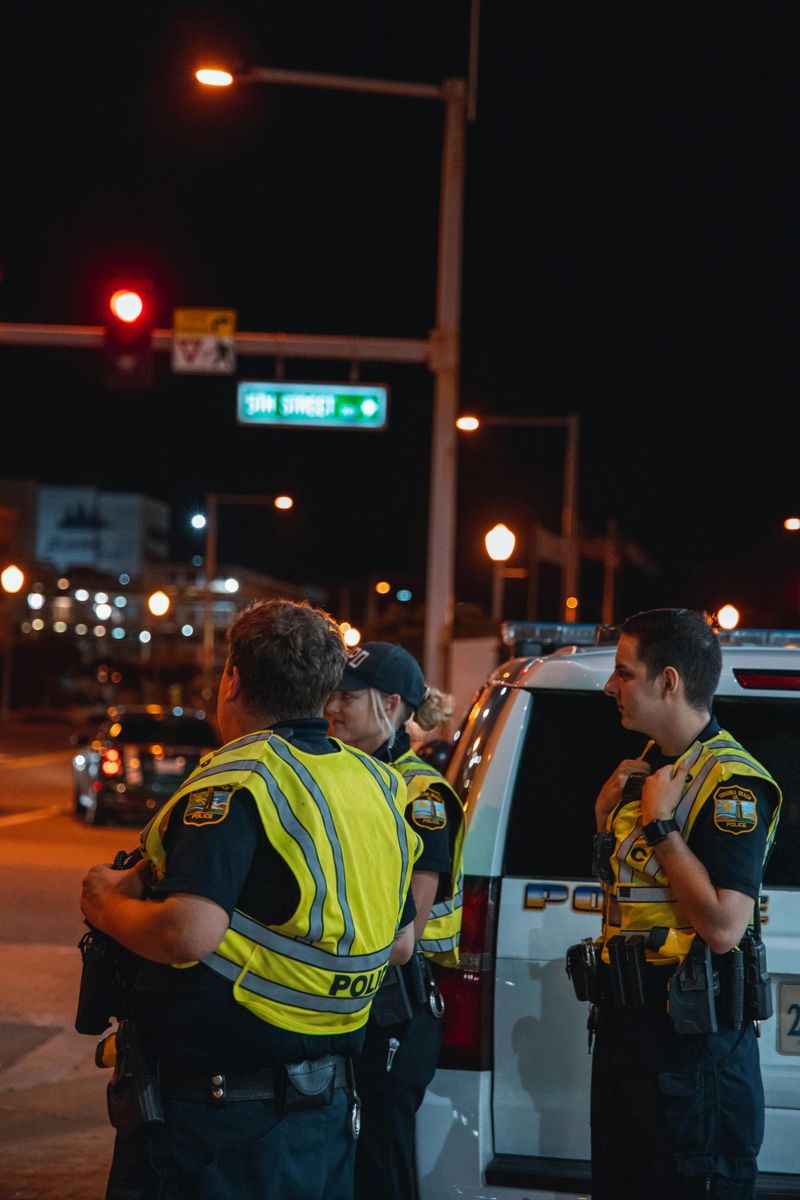
This is not some quirky local habit. Alaska treats the move-over law as core safety because responders, tow operators, and animal control officers spend their shifts inches from live traffic.
A single inattentive pass can ripple into injury for workers and drivers alike.
State safety teams push reminders through signs, outreach, and seasonal campaigns because awareness still lags. Plenty of people slow down instinctively without knowing the rule by name, and the gap between instinct and certainty matters in bad weather.
The message is steady: make space or give time, and do it early.
Talk to anyone who has stood on a shoulder near the Parks while trucks roll by and you will hear how wind alone can shove a person. That is why the law covers more than police and fire, stretching to tow trucks and animal control too.
The job is the same: help someone and get home unharmed. When you carry that picture in your head, moving over feels like the easiest promise you will keep on Alaska roads.
The Out-Of-State Mistake That Happens Again And Again

The classic visitor move is waiting too long. Out-of-state habits say you might squeeze by, keep speed, and flick your eyes over quickly.
Alaska punishes that delay because distances feel big until they shrink without warning.
The rule is not optional once the lights appear. You either change lanes safely or you slow to a careful, condition-based pace that leaves real space for the people working.
Hesitation eats up the runway you need to do either one well.
I see it with rentals on the Sterling when a tow has a sedan on a hook and the wind is swirling. The driver floats in the middle, blinks, and then tries to make two decisions at once.
The fix is simple and calm: decide early, commit, and let your blinker talk. If the gap is there, take it smoothly and hold it.
If it is not, back off sooner than feels natural, straighten the wheel, and give that crew a wide, steady pass. You will feel better, and they will get to finish their job without a scare.
How A Normal Drive Can Suddenly Get Expensive
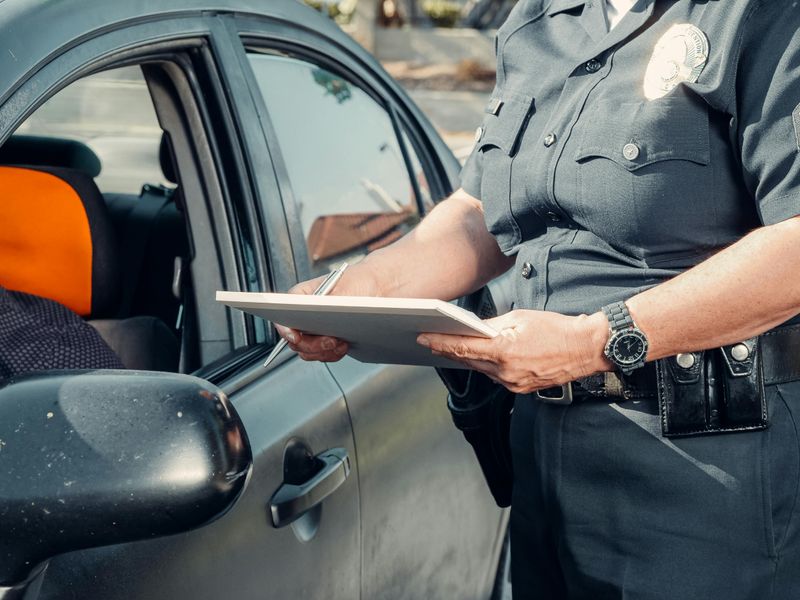
No one starts a morning drive planning to explain a roadside decision to a trooper. Yet in Alaska, ignoring the move-over rule turns a routine trip into a lesson you will remember.
The moment lights are flashing on a stopped vehicle, your choices are on stage.
Enforcement is not about gotcha, it is about visible deterrence and protecting people who stand in cold wind while traffic slips past. If you barrel through without moving over or slowing reasonably, you can expect consequences that follow you home.
A calm lane change or early slowdown is cheaper than any after-the-fact conversation.
Picture a normal commute on the Glenn with podcasts humming and your mind elsewhere. You crest a rise, see amber lights hugging the shoulder, and you either float or you act.
Acting means signal, mirror, gap, and if no gap appears, easing down to a safe, steady crawl relative to the flow. Once clear of the scene, you bring it back up and continue like nothing happened.
That is the affordable outcome, and it respects every person standing in that spray.
Dear Reader: This page may contain affiliate links which may earn a commission if you click through and make a purchase. Our independent journalism is not influenced by any advertiser or commercial initiative unless it is clearly marked as sponsored content. As travel products change, please be sure to reconfirm all details and stay up to date with current events to ensure a safe and successful trip.
