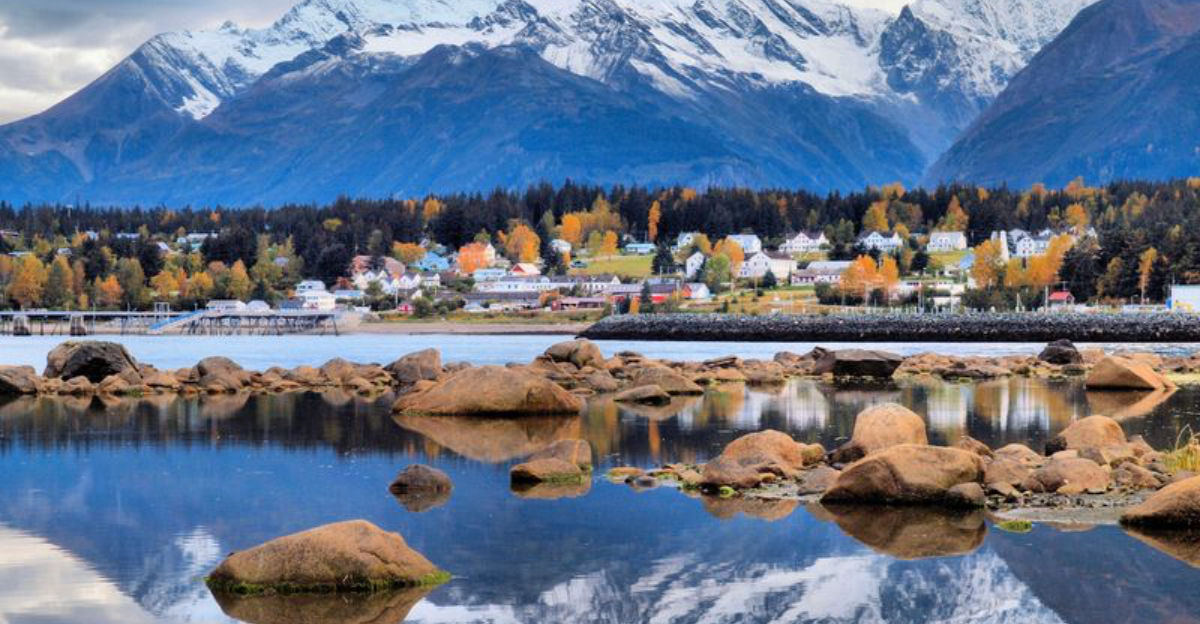
Winter in Alaska can seem distant on a map, yet Haines turns that distance into a feeling you can step into.
The village sits between mountains and saltwater, where quiet streets meet a working harbor that never fully sleeps.
You feel the season in the air, on the boardwalks, and along the shoreline that bends with the fjord.
Keep reading, because the calm surface hides a town that moves with its own steady winter rhythm.
A Harbor That Stays Active Despite the Cold
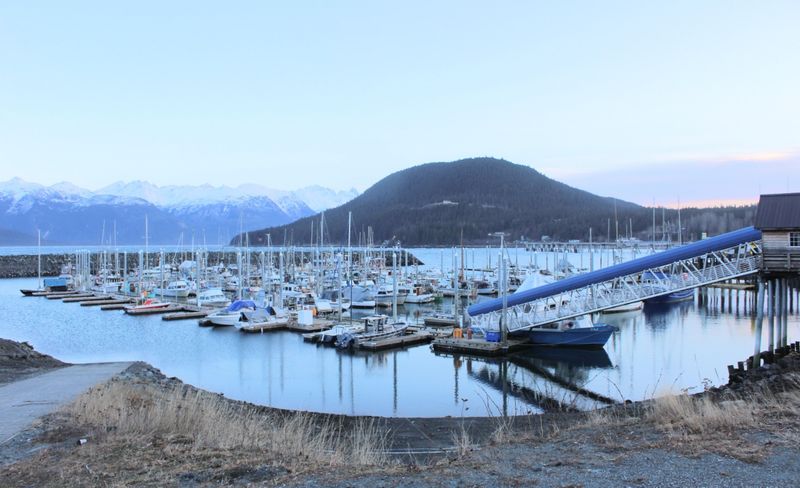
Fishing boats remain in use through winter, and their movement breaks the stillness of the harbor.
Steam from engines and cold air rising off the water create a layered atmosphere that defines the town’s seasonal character.
Lines creak, fenders bump, and the sound travels across planked walkways that hold a light crust of snow.
You can watch crews check gear, then ease out along the channel where the fjord meets the tides.
The pace looks steady rather than hurried, shaped by daylight windows and the predictability of weather patterns.
Harbor lights reflect in the water, drawing slim golden paths that stretch between pilings and hulls.
This is Alaska working quietly, where routine and safety guide every decision on the dock.
Even the gulls seem to read the rhythm, settling on railings when the vessels idle near the fuel float.
You see layered jackets and knit caps, practical choices that fit the ambient chill that sits over the slips.
A stiff breeze can turn the surface pebbled, then smooth again as the wind falls behind the breakwater.
The harbor master’s office feels like a nerve center, small and calm, with a view of every lane of water.
Visitors pause on the public float, careful with footing, and listen to the muffled thrum of engines under load.
It is not a show, yet the scene keeps pulling your eye because movement is rare elsewhere in town.
The boats write slow arcs as they depart, then fade into the gray seam where fjord and sky meet.
By afternoon, the slips fill again, and the harbor settles into a low murmur that carries through evening.
A Downtown That Holds Onto Its Frontier Bones
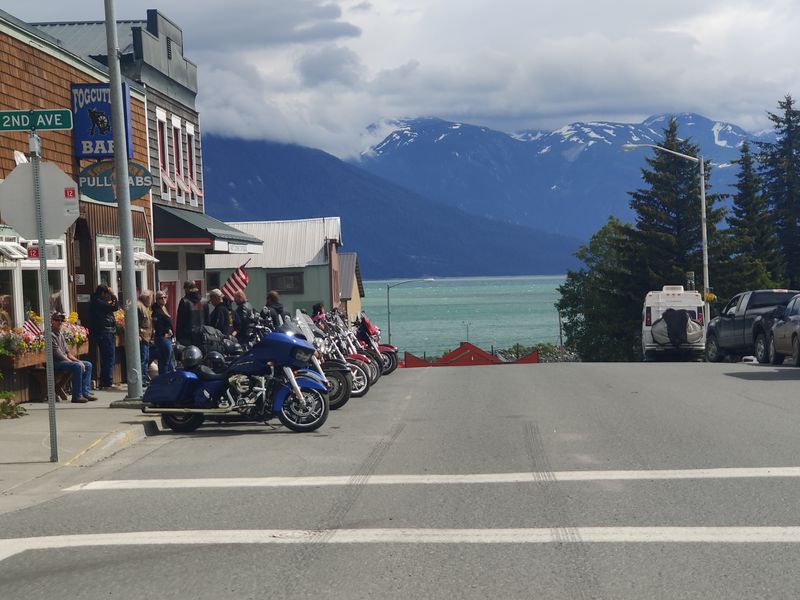
Historic wooden storefronts and practical, weather ready buildings anchor the village center.
Snow outlines porches, rooflines, and boardwalks, highlighting the blend of heritage and everyday function.
Painted trim pops against muted winter light, and small signs hang from brackets that sway gently in the breeze.
You can stroll past the visitor center and local shops that keep regular hours even when days run short.
Window displays favor handmade goods, warm layers, and art that translates the landscape into carved lines and prints.
The sidewalks crunch underfoot, a soft sound that matches the soft light that filters through overcast skies.
Alaska history feels close here, not as a museum piece but as a set of buildings still doing their job.
Simple facades share space with updated interiors, where heaters hum and the air smells faintly of cedar.
Boardwalk edges are brushed clear, leaving neat paths that guide you from one doorway to the next.
Locals trade greetings on the corner, then step inside for supplies before the early dim settles over town.
Nothing feels staged, because the downtown works for the people who live here across the whole year.
Snow on awnings frames the signage, so names look crisp and easy to read from across the street.
When the sky brightens, color returns to the clapboard, and the street looks almost like a painted set.
Then a light flurry moves in, and the edges blur again, leaving a quieter tone that suits evening.
Downtown Haines keeps its frontier bones by staying useful, and that is what makes it beautiful in winter.
A Fjordside Village That Feels Larger Than Its Map

Haines sits on the shores of the Lynn Canal, one of North America’s longest, deepest fjords.
Winter sharpens every line of the landscape, making the surrounding peaks feel impossibly close to the village streets.
The water reads dark and reflective, carrying the outlines of ridgelines that seem to fold into the harbor.
You can stand near the ferry terminal and watch the fjord stretch away, a corridor that channels weather and light straight into the village.
Salt air mixes with the faint scent of wood heat, a small town signal that life continues through the season.
Even on quiet days, gulls trace slow circles over the docks, and the echo of their calls travels along the water.
Alaska reveals scale differently here, because the steep faces around Lynn Canal compress distance and deepen every view.
Snow accents rock bands and timber lines, so each slope reads like a map that you can study from downtown.
When the sky opens, the fjord reflects pale blues and silver, turning shop windows into mirrors of the shoreline.
You notice how the village lanes align with the contours of the coast, as if the streets learned their shape from the tides.
The result is a place that feels compact yet expansive, a pocket of community beside a highway of water.
Walk a block, and the scene changes from harbor edge to mountain curtain, with the fjord always within sight or sound.
That constant presence gives winter days a steady anchor, a calm line that frames errands and rambles.
Visitors often slow their pace here, because the views encourage it without any push.
Haines uses its setting as a compass, and the fjord is the north that keeps everything true.
Chilkat Mountains That Turn Into a Winter Wall
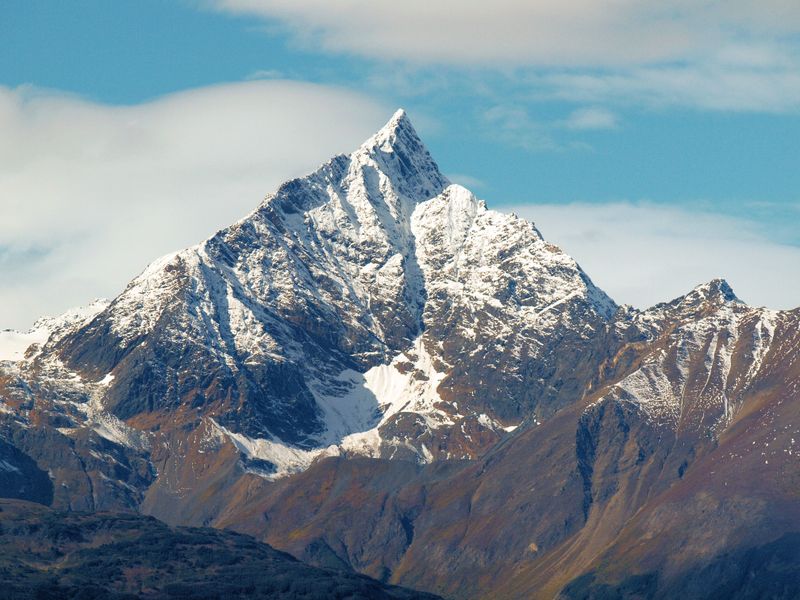
The Chilkat Range rises abruptly behind town.
When the peaks catch early morning light or a passing snow squall, the entire skyline becomes a dramatic backdrop visible from nearly every street.
Ridges step upward in quick increments, and the snow holds in slots that read like bright rivers.
You can stand near the river flats and watch clouds drift across gullies that drop toward the village edge.
Every change in weather writes a new script on the faces, with sun cutting hard lines and shade smoothing detail.
Cliffs sit close enough that sound seems to bounce, so a single raven call can feel amplified above town.
This is Alaska scale in plain view, a vertical story that begins at sea level and climbs out of sight.
Winter adds contrast, painting the spruce dark and the slopes white until the forms look almost abstract.
By midday, light wraps around the ice and picks out cornices that hover along the skyline.
In a squall, the wall softens to a silhouette, and the village feels tucked under a high eave.
When the weather clears, every notch returns with surprising clarity, and it is hard not to stop and stare.
Walk a block in Haines, and the mountains reappear between buildings, like a repeated chorus in a favorite song.
The peaks do not crowd the town, they frame it, giving streets a sense of direction without a map.
Evening brings a faint alpenglow, a quiet wash that spreads across the highest points before fading.
The Chilkat wall stands through it all, steady and close, shaping winter days with a constant horizon.
Short Days That Transform the Village Rhythm
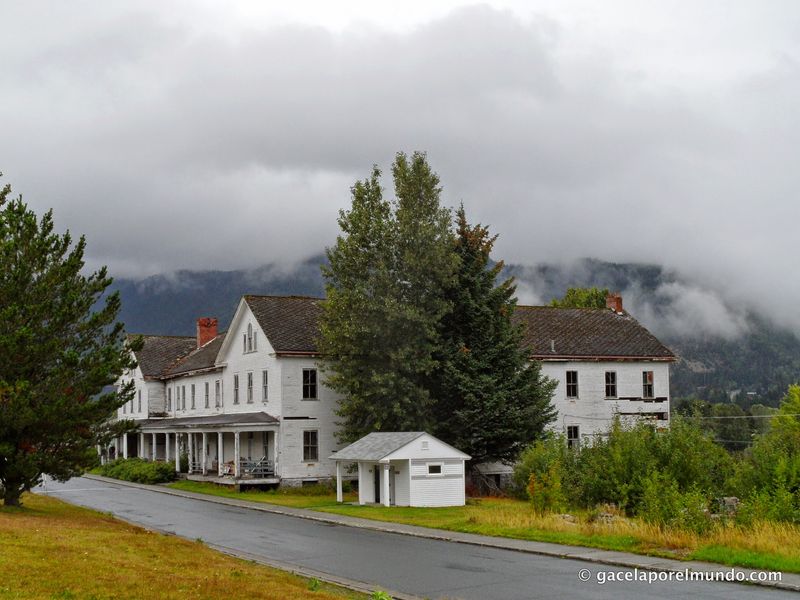
Winter daylight arrives late and leaves early.
The narrow window of soft light adds a reflective pace to the town, with long stretches of blue hour giving Haines a distinctive calm that visitors rarely forget.
Mornings begin in a dim hush, and lights in windows guide you toward the center of town.
Errands fit into a measured arc, because the day feels organized around sky color rather than the clock.
People walk with an easy pace, choosing the cleared side of the street where the footing feels sure.
As the sun edges over the ridge, roofs brighten first, then a delicate glow reaches the boardwalks.
This is Alaska winter as a mood, more about tone and texture than dramatic change.
Shadows stay long, and the village listens to small sounds that carry farther in the cold air.
A lone truck passes, then the quiet returns, and the breath you see in front of you becomes part of the view.
By afternoon, warm light slips into windows and turns shops into beacons along the main blocks.
It feels natural to pause, look up, and let the sky decide your next move for a moment.
When evening arrives, it does not rush, it settles, and the town accepts the slower tempo.
Blue deepens into a calm gray that softens corners and makes footsteps sound distinct.
Streetlights switch on, and the sidewalks take on a gentle glow that keeps the scale personal.
The short day leaves room for reflection, and Haines leans into that space with quiet confidence.
A River Corridor Famous for Its Winter Visitors
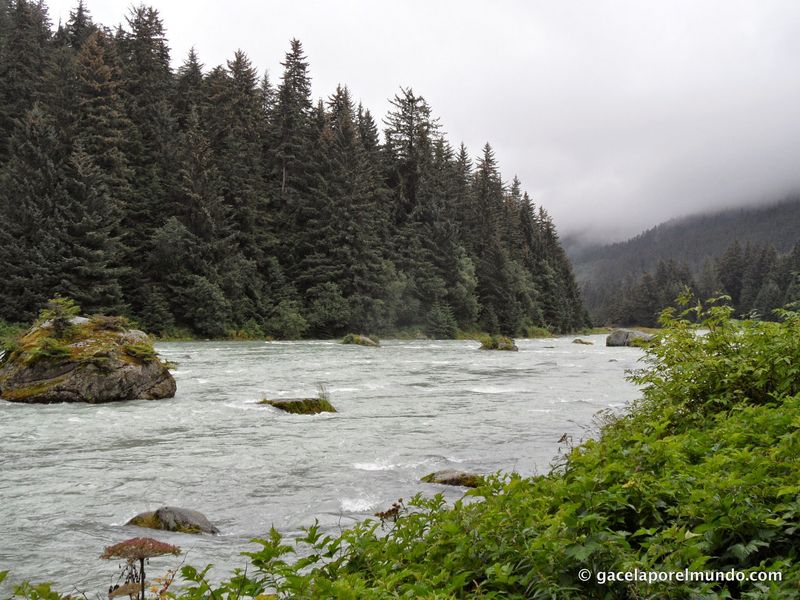
Just outside town, the Chilkat Bald Eagle Preserve remains active through winter thanks to unfrozen river sections.
Eagles gather in remarkable numbers, adding movement and life to the otherwise snow dominated landscape.
Open water steams in the cold, and the sound of rushing current threads through the quiet of the flats.
You can watch birds ride thermals above gravel bars, then drop toward perches that line the river bends.
The scene changes minute by minute, with sudden flights that scatter snow from branches as wings lift.
Guided viewing pullouts allow easy access, and signs help visitors understand how the river stays warm enough for fish.
This is Alaska wildlife that feels immediate, yet it unfolds with a patience that rewards careful watching.
Binoculars bring detail into focus, from talon grip to frost on feathers at the edge of the beak.
Footprints mark the margins of packed paths where viewers return to the same dependable sight lines.
Clouds drift low along the valley, and the mountains step in and out of view behind the broadened river.
Silence collects between wingbeats, and then the water speaks again with a steady winter sound.
Visitors often stand longer than planned, because the rhythm of the place slows the idea of time.
The preserve reads like an outdoor gallery where the subject keeps rearranging the frame.
Haines benefits from this corridor, which carries energy even during the quietest part of the season.
When you leave, the river keeps moving, and the eagles keep writing their lines across the sky.
A Quiet Arts Community That Stays Vibrant in Cold Months
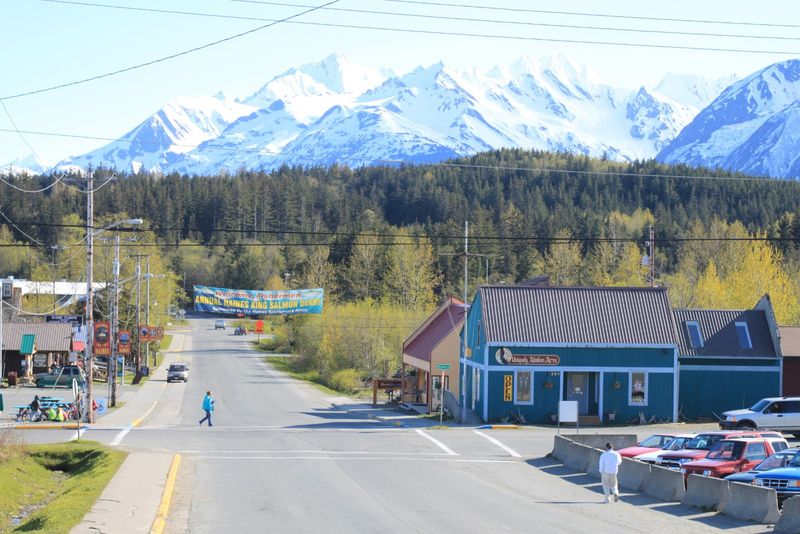
Local artists, carvers, and craftspeople keep studios open year round.
The calm season highlights their work, and winter exhibitions feel intimate rather than crowded.
Small galleries glow in the early afternoon, and the warmth inside balances the hush outdoors.
You can browse prints that trace mountain lines, carvings that reference clan stories, and textiles that echo shoreline patterns.
Workbenches show tools in use, which turns a visit into a conversation about process and place.
Haines supports this scene with community events that keep creative spaces on the calendar during the darker months.
This is Alaska art grounded in local materials, where wood grain and fiber choice carry meaning.
Visitors often meet the makers, which gives each piece a voice that stays with you after you leave.
Window light plays across frames and shelves, and the air holds a clean scent of fresh cut cedar.
Snow on the sill reminds you that these studios are part of the same winter that shapes the views outside.
Every room invites lingering, because the scale feels human and the stories are shared face to face.
Displays rotate, so returning later in the season reveals new work with different textures and themes.
Kids point to bold prints, adults lean close to see fine cuts in a block, and everyone moves at an easy pace.
The result is a quiet vibrancy that belongs to the village and grows stronger when days are short.
Art here does not imitate the landscape, it converses with it, and winter gives that conversation space.
Snowfall That Turns Everyday Scenes Striking
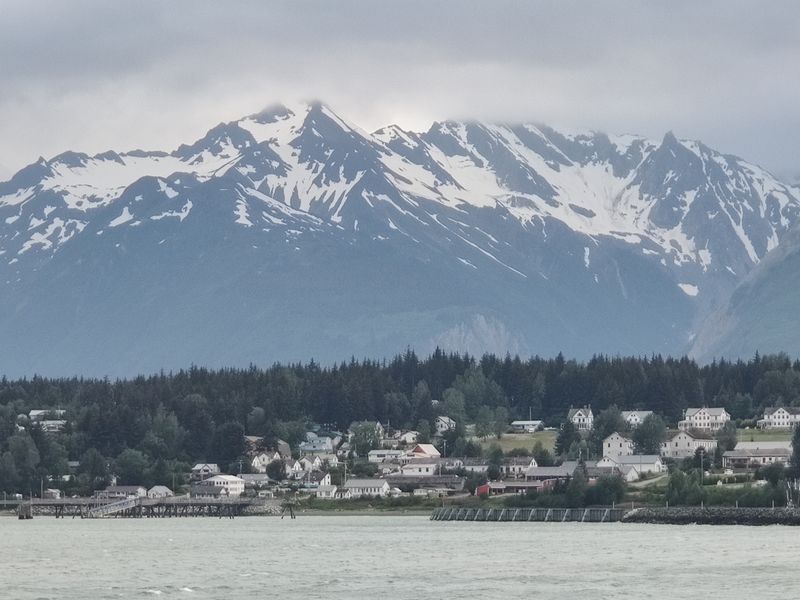
Haines doesn’t always receive massive snow totals, but when storms sweep in, the mountains, harbor, and village streets gain a crisp, monochrome beauty that stands out sharply against the dark water of the fjord.
Fresh flakes mark handrails and mooring lines, turning small details into clean strokes of white.
Street signs look newly lettered, and tracks on the boardwalk record the morning like tidy handwriting.
You can hear the hush that snowfall brings, a soft filter that lowers volume without removing motion.
Harbor pilings gather collars of snow, and boats wear even layers that round their angles for a day.
Low clouds knit the scene together, and the fjord reads like a graphite sketch beneath a pale sky.
This is Alaska showing restraint, where beauty arrives as a thin veil rather than a heavy cover.
As wind shifts, the flakes tilt and dance, and the whole town seems to breathe in time with the weather.
Windows glow brighter during a storm, and the downtown looks storybook simple without feeling staged.
After the front passes, plows carve neat lines, and the village returns to clear paths and tidy shoulders.
Trees hold delicate stacks that tumble quietly when the sun warms the branches for a moment.
Footsteps sound hollow on packed snow, and the echo leads you from the waterfront to the first rise of the hills.
By late day, the sky opens just enough to throw a silver wash across the canal.
Shadows sharpen, color returns, and the town exhales as the last flakes drift away.
Snow leaves Haines polished, like a carefully drawn print that still carries the artist’s hand.
Winter Trails That Begin Almost at Doorsteps

Trails near the waterfront, along the Lutak Inlet, and into the forested edges allow residents and visitors to reach quiet winter views without long travel.
The mix of shoreline and mountain terrain makes each route distinct.
Footpaths leave from neighborhood streets, then open onto overlooks where the canal runs dark and steady.
You can follow a packed line through spruce, listening for creeks that remain partly open under thin ice.
Trail markers stand at comfortable intervals, and the snow around them holds a record of recent passage.
Views expand suddenly at small clearings, showing ridges that bracket the village with clean white arcs.
This is Alaska access at its best, because the wild feels near and welcoming without feeling risky.
Where the path meets the beach, you can trace the shore while the tide draws stacked patterns in the snow.
Light wind carries the sound of distant boats, then fades behind the hush of the trees.
Short daylight fits well with these routes, since a loop can be enjoyed between late morning and early afternoon.
Benches appear at intervals, simple and sturdy, offering a place to watch cloud bands move over the canal.
Footing changes with temperature, so traction tips at the trailhead help you choose the right approach.
Locals greet with a nod, and conversations are brief and friendly, because the scene does most of the talking.
Returning to town feels like stepping from one calm into another, with shop windows ahead and peaks behind.
The ease of these starts makes winter walking a gentle habit that deepens any visit to Haines.
A Small Alaska Town Where Winter Feels Fully Alive
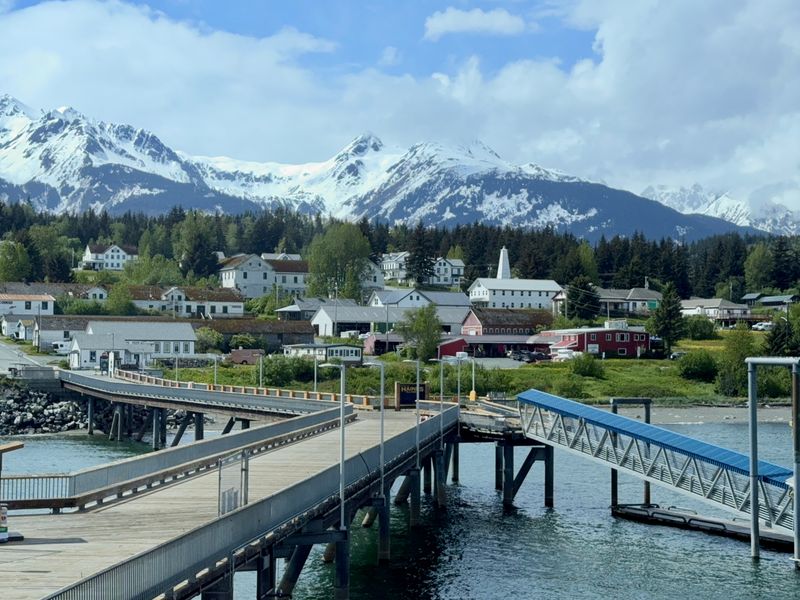
Haines looks calm from a distance, but once you arrive, winter reveals a layered, dynamic village set between mountains and sea.
Its working harbor, deep fjord, and winter rhythms turn the quiet season into something far richer than expected.
You notice how the town holds together, with streets that point to water and roofs that echo the slope of nearby ridges.
Every day brings a small change, maybe a shift in wind or a beam of light that cuts under the cloud deck.
The result is a mood that feels steady, never dull, and always shaped by the land and the canal.
This is Alaska as lived experience, not a postcard, where warmth comes from community and good planning.
Visitors fold into that pattern by walking the docks, pausing at viewpoints, and letting the short day set the schedule.
Conversations on the boardwalk carry a neighborly tone, and you can feel welcome even on your first loop through town.
From the Chilkat wall to the harbor lanterns, the contrasts are gentle, and they balance in a natural way.
By evening, lights stitch together a quiet map that guides you from one familiar corner to the next.
The calm does not erase activity, it frames it, so each small task reads as part of a larger story.
Weather remains a companion rather than a challenge, and that perspective shapes how the town faces winter.
When you leave, the sound of the canal lingers, a steady note that follows you up the road.
You might plan to return, because Haines turns winter into an invitation rather than an obstacle.
That feeling stays with you, and it defines the village long after the trip ends.
Dear Reader: This page may contain affiliate links which may earn a commission if you click through and make a purchase. Our independent journalism is not influenced by any advertiser or commercial initiative unless it is clearly marked as sponsored content. As travel products change, please be sure to reconfirm all details and stay up to date with current events to ensure a safe and successful trip.
