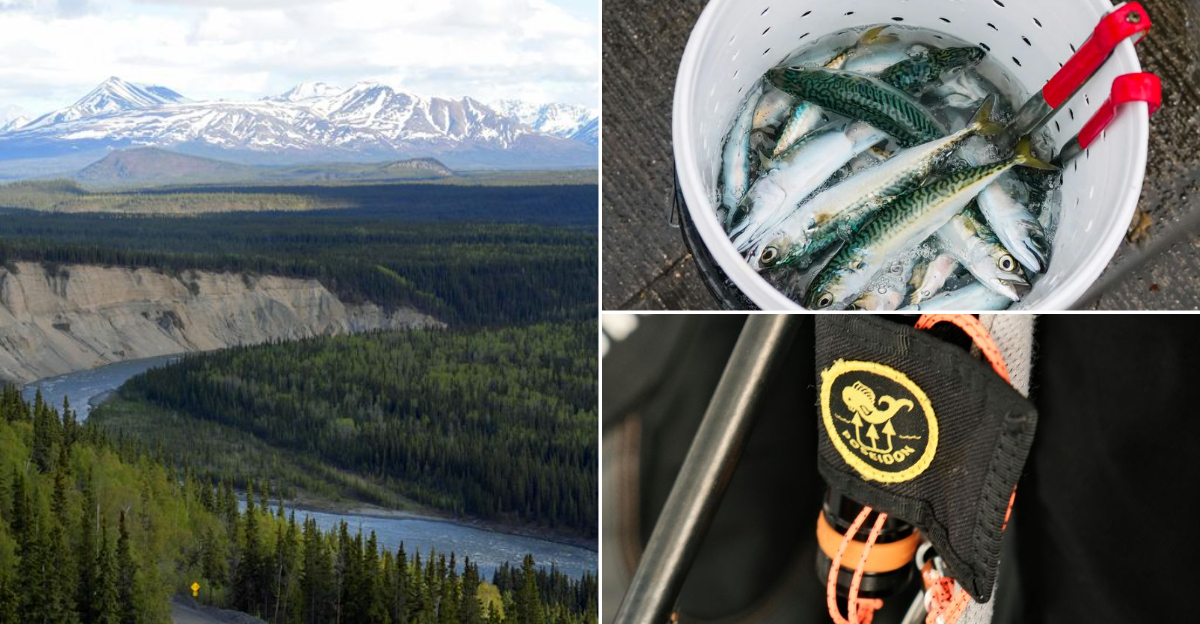
You think Alaska is the last place anyone would tell you what to do outdoors? Step into the wild here and you will quickly learn that freedom comes with a surprisingly detailed rulebook.
Many of these laws exist because Alaska’s landscapes are extreme and unforgiving. Wildlife encounters, fragile tundra, subsistence hunting traditions, and remote rescue realities have all shaped strict regulations that visitors often do not expect.
Some rules control how close you can get to animals, what gear you must carry, and how you handle food and waste in remote areas. Travelers often imagine Alaska as a wide open playground with no boundaries.
In reality, rangers, land managers, and local communities take these rules seriously to protect people and nature. Knowing them ahead of time can save you from fines, forced changes to your plans, or risky mistakes while exploring the far north.
1. Wasting Big-Game Meat Is A Crime
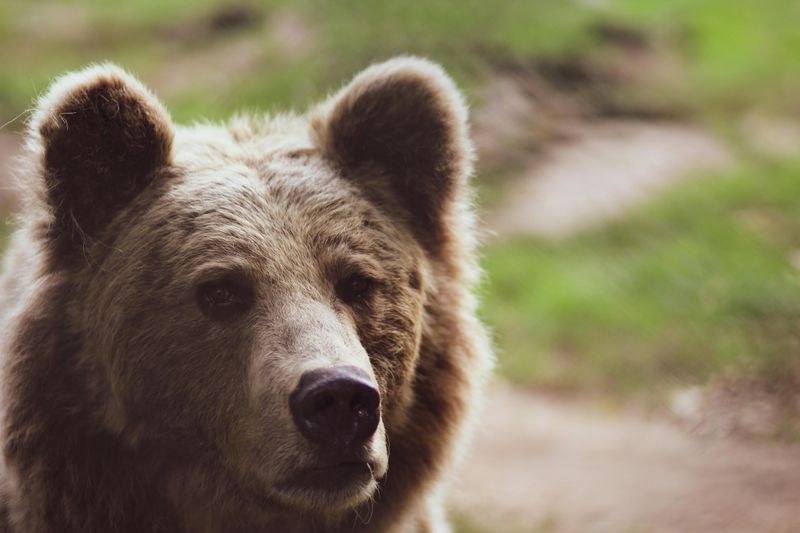
This one lands hard the first time you hear it, but it makes sense once you feel the scale of Alaska. If you take a big-game animal, you must salvage the edible meat before anything else, and that is the north star.
Guides talk about it the way pilots talk about checklists.
You tag, you cool the quarters, you move meat first, and you do it carefully.
I have hauled bags in drizzle with ravens watching like critics. The trick is planning for meat care before you ever shoulder a rifle or bow.
Think game bags that actually breathe and a route that avoids swamp slogs. Think timing your shot so you are not chasing light and heat at the same time.
The law is blunt because waste hits the land twice. It disrespects the animal, and it invites bears and chaos where people camp and fish.
Wardens see the aftermath faster than social media does.
They know when a rack went out first and the meat rotted on a slope.
So you slow down, and you work clean. You leave the site looking like someone thoughtful was there.
Out here, discipline reads as respect. That tone sticks with you on the river and in the timber.
If you are unsure, call a biologist or the local office before you hunt. A five minute chat beats a backcountry mistake every time.
Alaska rewards the folks who show up prepared and humble. The law just makes that non negotiable.
2. You Can’t Keep Antlers Without Keeping The Meat
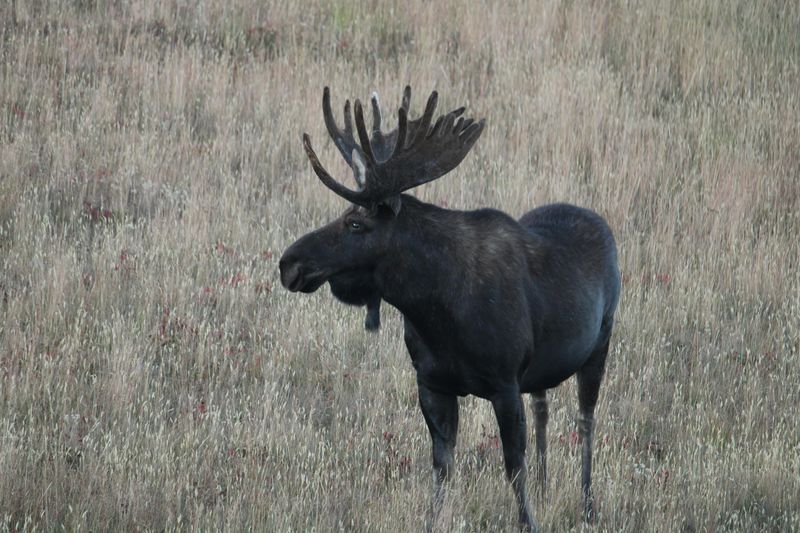
I get why antlers draw people in, but Alaska draws a line you can feel. You cannot take the head or the antlers and leave meat behind, and officers know the difference between pride and priorities.
On a fly out drop, the order of operations matters.
You shuttle meat first, then the showpiece, and you document what you did.
Photos help, but meat on ice helps more. Keep a simple log with times, bags, and loads so nothing gets fuzzy.
I have watched folks learn this the hard way on a gravel bar. A rack without quarters sends the wrong story before anyone asks questions.
The point is not to kill the thrill. It is to match the story with the work and the respect that Alaska expects.
Guides will nudge you if they see the balance tipping. Listen and you save yourself and the group a world of headache.
Even in cold weather, spoilage sneaks up. Shade, air flow, and clean cuts matter more than the hero shot.
Back in town, the freezer packs feel better than any mount.
You will taste the trip later and remember the sweat that earned it.
If a rule forces patience, that is not punishment. It is a reminder about what really counts out there.
Antlers are a chapter, not the book. The meat is the proof you told the whole story.
3. A Wanton-Waste Conviction Can Cost Your Hunting License
Here is where the consequences get real. A wanton waste conviction can suspend or yank your hunting license, and that can ripple into future seasons.
Losing the license is not just about sitting out. It also brands you with a story that follows you in bush towns and on radio chatter.
I have seen crews reshuffle trips because of one bad call.
Nobody wants that vibe in a place that runs on trust and planning.
The fix is boring and effective. Know the salvage list and the timelines, and keep the meat moving.
When weather swings, adjust fast. Pitch a tarp, open the bags, and pick shade over speed every time.
If you are traveling, learn the local unit rules before you land. Alaska loves details and expects you to love them too.
Officers are not guessing out there. They look for cuts, cooling, and care that matches the terrain and the day.
Your future self will thank you for overdoing it.
Good habits are lighter than fines and hearings later.
None of this kills the adventure. It sharpens it and takes the slop out of the plan.
Keep the license clean, and everything else opens up. That is how you keep coming back to Alaska without drama.
4. Wasting Salmon Is Specifically Prohibited
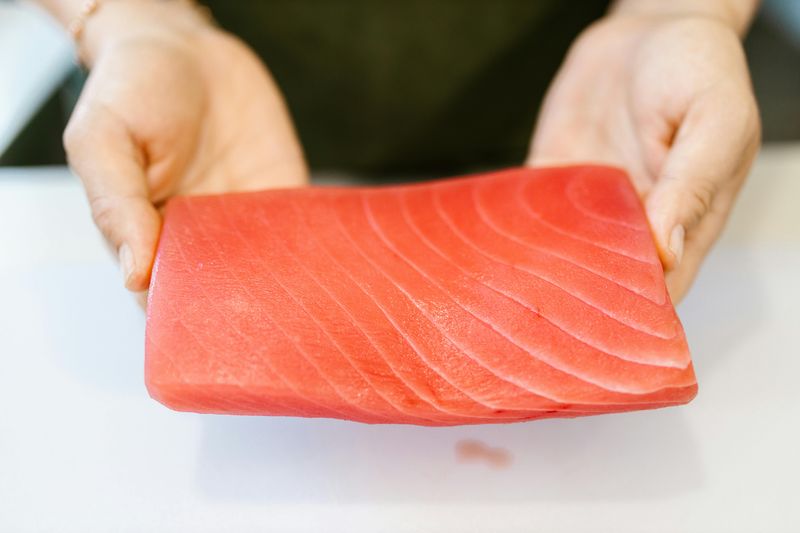
Salmon feel like the heartbeat here, so the law gets sharp. You cannot let edible salmon go to waste, and that includes how you handle them on the bank and back at the truck.
On the Kenai, I learned to prep before the first cast.
Cooler ready, ice lined, knives clean, and a plan for what you keep.
It is easy to get caught in the run and forget the follow through. The rule forces you to match the excitement with care.
Bleed, chill, and store fast. If you are bouncing between holes, do not let fish bake in a bag on gravel.
Alaska does not treat salmon as souvenirs. They are food, culture, and a long chain of responsibility that you can feel in every town.
Boards at access points spell it out. Check them, because openings and methods shift with conditions.
I keep a small checklist in the tackle bag. It sounds nerdy until the sun hits and the clock starts on quality.
When you only keep what you can process, the day feels saner.
You end up proud of your cooler instead of defensive about it.
Ravens will audit your mess if you slack. So will the current when it carries scraps the wrong way.
Do it clean and the river feels like it welcomed you. That is the Alaska people love to return to.
5. Taking Or Possessing Fish/Game Without Authorization Is Illegal
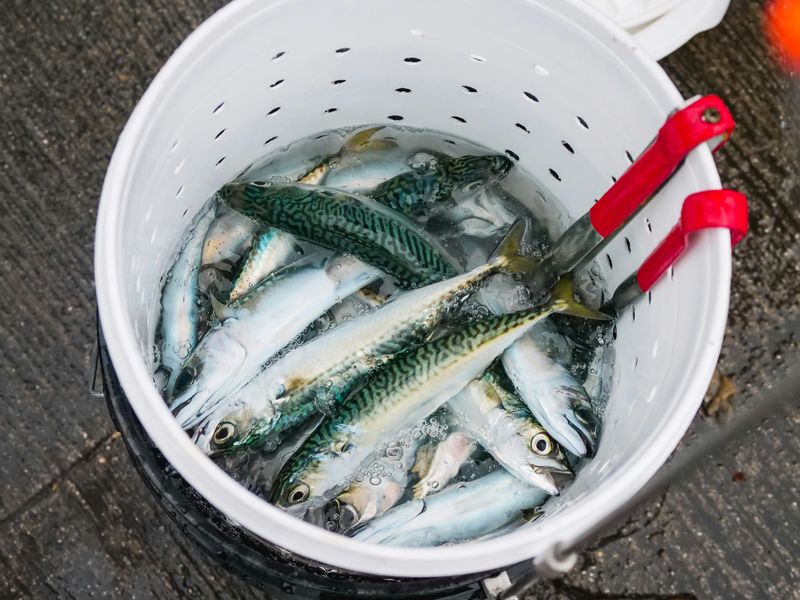
This is the catch all that trips folks who skim. Taking or holding fish or game without the right license, permit, tag, or season is a straight up no.
In Alaska, the units matter. What is legal over one ridge can be wrong the moment you cross a drainage.
I like to download the regs and mark them in my nav app.
Paper backup rides in a dry bag because batteries love to bail.
Possession is where people forget the details. Even transporting meat or antlers for a buddy requires the right notes and proof.
Officers are friendly until the facts do not match. Then it is citation time and a long talk in the rain.
It helps to rehearse the story you would tell. If it sounds fuzzy, you probably need a permit you do not have yet.
Calls to the local office are easy. Folks there want your trip to be clean and boring on the legal side.
When your paperwork is tight, the rest of the day feels lighter.
You stop glancing over your shoulder at every boat wake.
Alaska asks for homework and patience. Pay that bill up front and the backcountry pays you back all week.
It is not red tape for sport. It is how the state keeps the wild actually wild.
6. Littering Is Prohibited Statewide (Land Or Water)
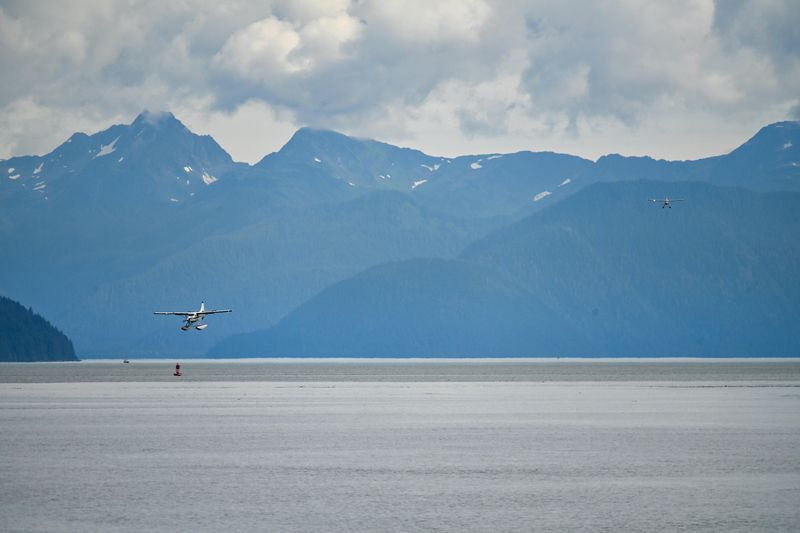
If you think nobody will notice that wrapper, Alaska will. Littering on land or water is illegal statewide, and the wind will broadcast your mistake anyway.
I stash a couple heavy duty bags in the rig.
One for my trash, one for the campground hero moment that always shows up.
Boat days need even more intention. Anything that can fly, floats away, or shreds in the bow should be tied, boxed, or banned.
Wardens and rangers see micro trash before they see tents. It tells them how the week is going to go with a group.
Ravens remember your camp like a GPS. They will test every zipper and turn a loose bag into confetti.
You learn to treat the site like a porch that faces the whole state. Leave it better and your neighbors smile when they roll in.
Alaska has too many clean vistas to mess up the frame.
The law just backs up what common sense would ask for anyway.
Pack it in, pack it out is more than a sticker. It is the fastest way to pass the vibe check anywhere up here.
Keep a glove in your pocket. You will use it more than you think and feel weirdly proud every time.
A tidy camp sleeps better. That is science and also just comfort speaking.
7. Causing Pollution Is Broadly Prohibited

This one sounds obvious until you are staring at a dripping jerry can. Causing or allowing pollution is broadly prohibited across Alaska’s waters and lands.
Fuel, soap, gray water, the mystery bucket from the back of the truck, all of it needs a plan.
The law does not care about good intentions after the sheen spreads.
I keep absorbent pads in the boat and the truck. A cheap funnel has saved more trips than any fancy gadget I own.
Camps near creeks need extra discipline. Wash gear and yourself well away from the flow, and let the ground do its work.
Harbors post rules that are easy to ignore on a busy morning. Read them, because a dock neighbor will notice faster than you will.
When something spills, act fast and call it in if it is more than a rag can handle.
Nobody likes paperwork, but everyone hates oily ducks more.
Alaska’s clean look is not an accident. People step in early and the law gives them teeth when they do.
It feels good to leave no trace and no scent. The wildlife deserves quiet water and so do you.
Bring more containers than you think you need. Empty space invites leaks and loose caps at the worst time.
Do the boring stuff well. The views get louder when the gear stays silent.
8. Digging Up Or Removing Archaeological Items Without A Permit Is Illegal

Those old cabin nails or stone flakes are not souvenirs. Alaska protects archaeological resources, and taking or disturbing them without a permit is illegal.
I have walked past middens that look like random shell piles.
They are history in plain sight, and they ask for quiet feet and hands.
The best move is to take a photo and leave the thing where it lives. Location matters more to science than your coffee table ever will.
If you think you found something real, mark a pin and call it in. Folks will figure out if it needs attention or just respect.
Beachcombing is still fine when it is just modern junk. The line gets bright when you hit cultural layers or features.
Signs do not always catch every site. When in doubt, do not dig, pry, or pocket anything that looks older than your boots.
Alaska feels wild, but people have been here a long time. The law makes space for their story to stay put.
Guides are good at reading the ground. Ask before you poke around near old posts or mounds.
You can learn a ton at local museums and centers.
Then the field makes more sense and you see more without touching a thing.
Leave the past for the next set of eyes. That is how a trail keeps teaching instead of thinning out.
9. In State Parks, Don’t Remove Or Damage Natural Objects
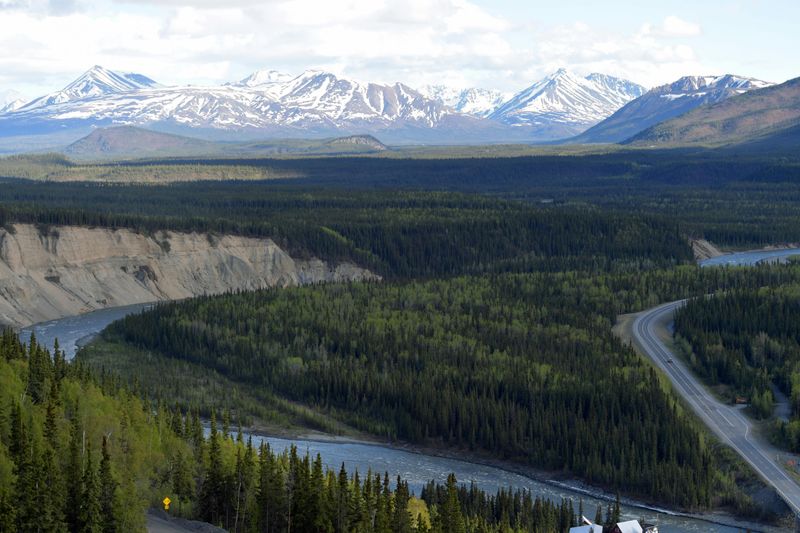
It is funny how a pretty rock can start an argument. In Alaska state parks, you are not supposed to remove, cut, or damage natural objects, and the rule reads broad by design.
That means antlers you find on the trail, driftwood centerpieces, and even those flowers by the overlook. Leave them be and take a photo instead.
Rangers care because the little things add up fast.
A thousand tiny souvenirs turn into a dull trail by the end of a season.
I like to treat parks like living rooms that we all share. You admire the rug, you do not trim it for your pocket.
Look but do not pluck is a solid mantra. It keeps the vibe generous for the next family walking through.
Alaska’s parks feel big, but the traffic sneaks up.
Popular loops get loved hard, and rules keep them from going threadbare.
If you want a keepsake, grab a map from the kiosk. It carries the story without stealing from the set.
Your pack ends up lighter too. That counts more at the end of the day than another shell on the shelf.
Ask a ranger if you are unsure. They would rather chat than write.
Shared space works when we actually share. The rule just nudges us to act like it.
10. Using Artificial Light To Take Game Is Generally Prohibited (With Narrow Exceptions)
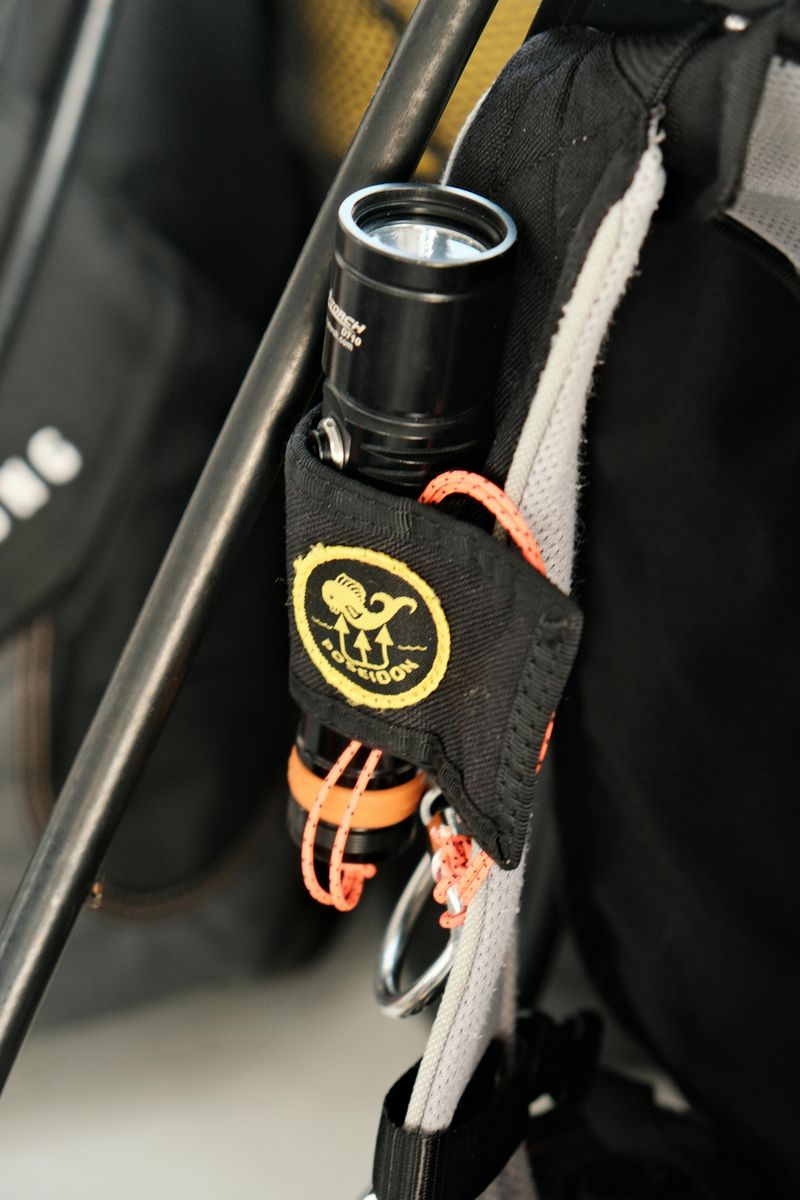
Night light tricks might fly in stories, but not here. Alaska generally bans taking game with artificial light, with narrow exceptions that you need to read like a pilot brief.
Headlamps, spotlights, even vehicle lights can tip into trouble.
The idea is to keep the hunt fair and the scene safe for everybody else nearby.
I plan night moves like logistics, not hunting. That means walking, glassing at first light, and saving batteries for camp chores.
Predator control rules can differ in certain programs. If you think you are in one, make absolutely sure before acting.
Officers hear the difference between a casual story and a clean plan. They will ask how you saw what you shot, and when.
Carry the reg text in your phone for the unit you are in.
Screenshots beat weak signal and fuzzy memory every time.
Alaska nights are dramatic without gadgets. Let the sky run the lighting department and keep your ethics simple.
If you do see lights sweeping a ridge, steer clear. Let someone else explain their setup to a truck with antennas.
The cleanest hunts feel calm. You remember the cold air and not the gear you should not have used.
Keep it bright at camp and dark in the field. That balance keeps you legal and relaxed.
Dear Reader: This page may contain affiliate links which may earn a commission if you click through and make a purchase. Our independent journalism is not influenced by any advertiser or commercial initiative unless it is clearly marked as sponsored content. As travel products change, please be sure to reconfirm all details and stay up to date with current events to ensure a safe and successful trip.
