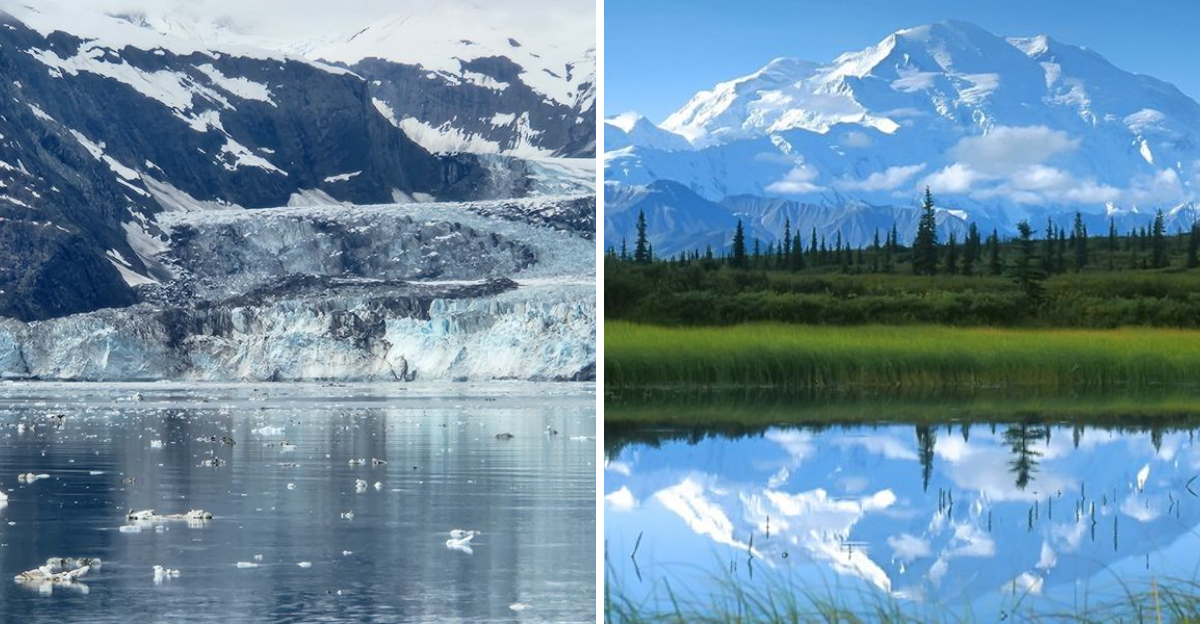
Alaska stands as America’s last great frontier, a land where wilderness reigns supreme and nature unfolds in its most spectacular forms.
The state hosts some of the most breathtaking national parks on the planet, each offering unique landscapes that range from towering peaks to icy fjords.
These protected lands provide visitors with unforgettable encounters with wildlife, glaciers, and pristine ecosystems found nowhere else.
Whether you seek adventure, solitude, or simply wish to witness nature’s grandeur, Alaska’s national parks deliver experiences that will stay with you forever.
From accessible roadside wonders to remote Arctic wilderness, these ten remarkable destinations showcase the very best of what Alaska has to offer.
Each park tells its own story through dramatic scenery and incredible natural features.
Prepare to explore places where grizzlies roam freely, glaciers calve into turquoise waters, and mountains pierce the clouds.
1. Denali National Park and Preserve
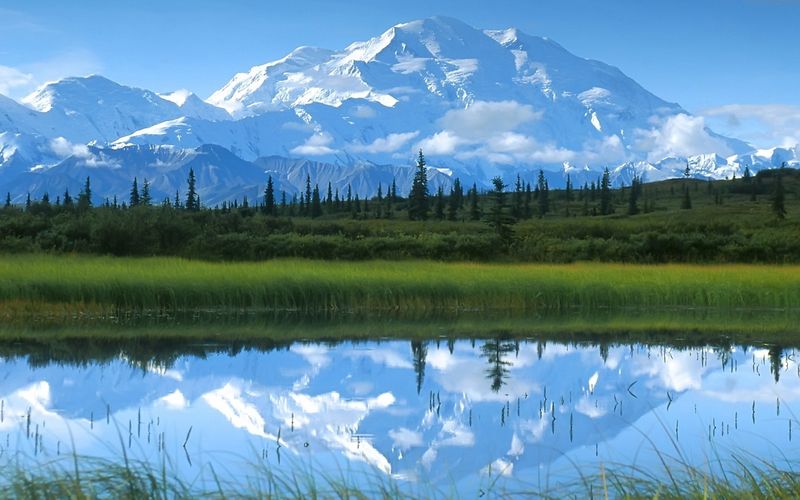
North America’s tallest mountain dominates the skyline at this legendary park, where Denali rises over 20,000 feet into the Alaskan sky.
The single park road stretches deep into wilderness territory, offering access to some of the continent’s best wildlife viewing opportunities.
Visitors board specially designed buses that navigate the winding route, providing elevated vantage points for spotting animals.
Grizzly bears wander the tundra searching for berries and ground squirrels.
Moose browse in willow thickets near glacial streams.
Caribou herds migrate across vast open spaces.
Wolves patrol their territories in search of prey.
The park’s location in Alaska means long summer days allow for extended exploration.
Rangers share their knowledge about the ecosystem during guided tours.
Photography enthusiasts find endless subjects in the dramatic landscapes and abundant wildlife.
Hiking trails near the entrance area offer closer encounters with the subarctic environment.
Backcountry permits allow experienced adventurers to venture off-trail into true wilderness.
Weather can change rapidly, so layered clothing proves essential.
The mountain itself hides behind clouds much of the time, making clear views a special treat.
Denali National Park and Preserve, Alaska, United States
2. Kenai Fjords National Park
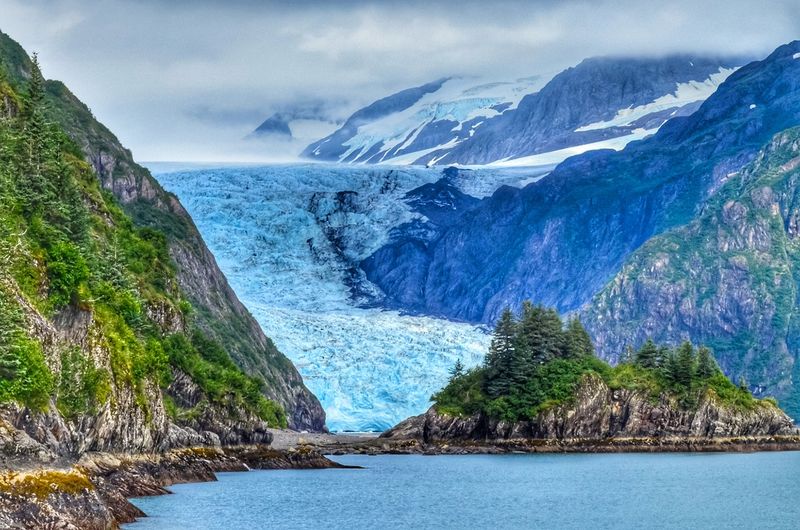
Massive ice fields crown the mountains above this coastal wonderland where glaciers flow down to meet the sea.
The Harding Icefield spans hundreds of square miles, feeding numerous glaciers that carve through the landscape.
Day cruises departing from Seward provide the primary way to experience the park’s marine environment.
Tidewater glaciers calve enormous chunks of ice into the fjords with thunderous crashes.
Humpback whales breach and feed in the nutrient-rich waters.
Sea lions haul out on rocky islands, barking loudly at passing boats.
Puffins nest on cliff faces, their colorful beaks brightening the grey rock.
Exit Glacier offers a land-based alternative, accessible by a short drive from Seward.
Trails lead to viewpoints where visitors can witness the glacier’s blue ice up close.
The landscape shows clear evidence of glacial retreat over recent decades.
Rangers conduct walks explaining the geology and ecology of this dynamic environment.
Kayakers with proper experience can paddle among icebergs in protected coves.
Rain gear is necessary as the coastal climate brings frequent precipitation.
Wildlife sightings vary by season, with different species appearing throughout the year.
1 Kenai Fjords Dr, Seward, AK 99664, United States
3. Wrangell-St. Elias National Park & Preserve
Size becomes almost incomprehensible when exploring America’s largest national park, a region bigger than several countries combined.
Multiple mountain ranges converge here, creating a jumbled landscape of peaks that seem to stretch forever.
The park contains numerous mountains exceeding 16,000 feet in elevation.
Glaciers flow between valleys, some spanning dozens of miles in length.
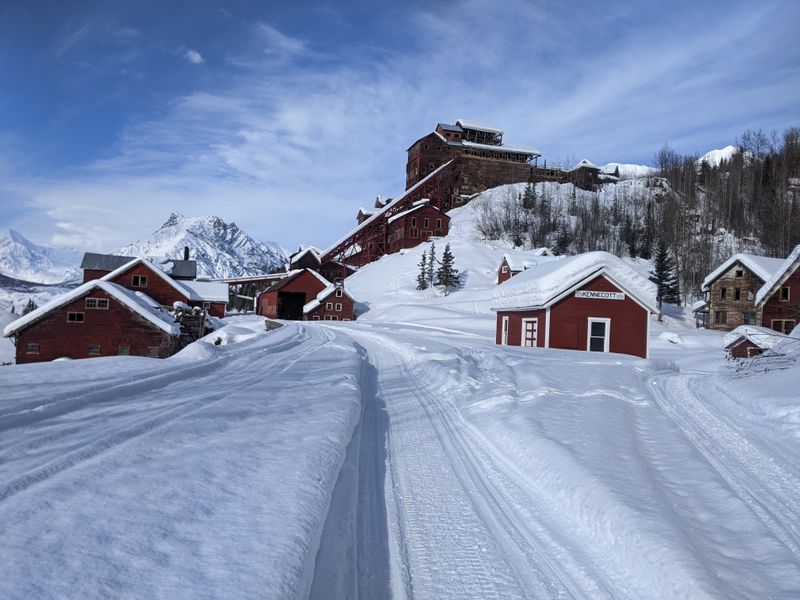
Historic Kennicott stands as a testament to early copper mining operations.
The abandoned mill buildings create a striking contrast against the wild surroundings.
A rough gravel road provides vehicle access to this ghost town from Chitina.
Visitors can explore the old structures and imagine life during the mining boom.
Flightseeing tours reveal the true scale of the park’s vast wilderness.
Small planes soar over endless mountains and glaciers inaccessible by any other means.
Rafting trips down wild rivers offer multi-day adventures through remote valleys.
The park sees relatively few visitors compared to its immense size.
This means solitude comes easily for those willing to venture into the backcountry.
Proper preparation and wilderness skills are essential given the remote nature of the area.
Wrangell-St. Elias National Park and Preserve, Alaska, United States
4. Glacier Bay National Park and Preserve
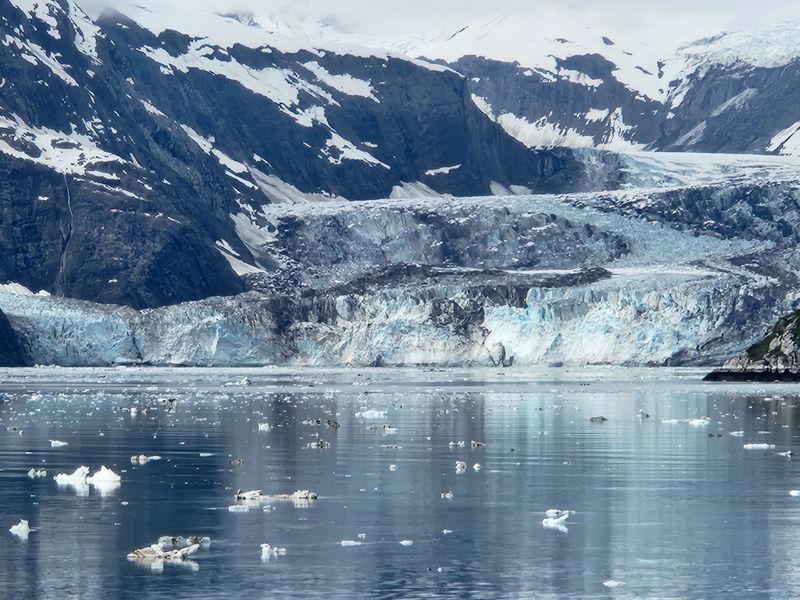
UNESCO recognized this remarkable place for its outstanding glacial landscapes and rapid ecological changes.
Tidewater glaciers dominate the scenery, their towering ice faces rising directly from the sea.
The bay itself was completely covered by ice just over two centuries ago.
Glacial retreat has proceeded at an astonishing pace, revealing new land and creating habitat for returning species.
Cruise ships and tour boats provide the main access since no roads reach the park.
Humpback whales feed in the productive waters during summer months.
Sea otters float on their backs, cracking shellfish against rocks balanced on their chests.
Harbor seals rest on icebergs drifting through the fjords.
Brown bears patrol the newly exposed shorelines searching for food.
The park headquarters in Gustavus offers exhibits about glacial processes and ecosystem succession.
Rangers sometimes accompany cruise ships, providing narration about the geology and wildlife.
Kayakers can obtain permits to paddle in designated areas away from cruise ship traffic.
The silence broken only by calving ice creates an almost meditative atmosphere.
Weather conditions can limit visibility, so flexibility helps when planning visits.
Glacier Bay National Park and Preserve, Alaska, United States
5. Katmai National Park and Preserve
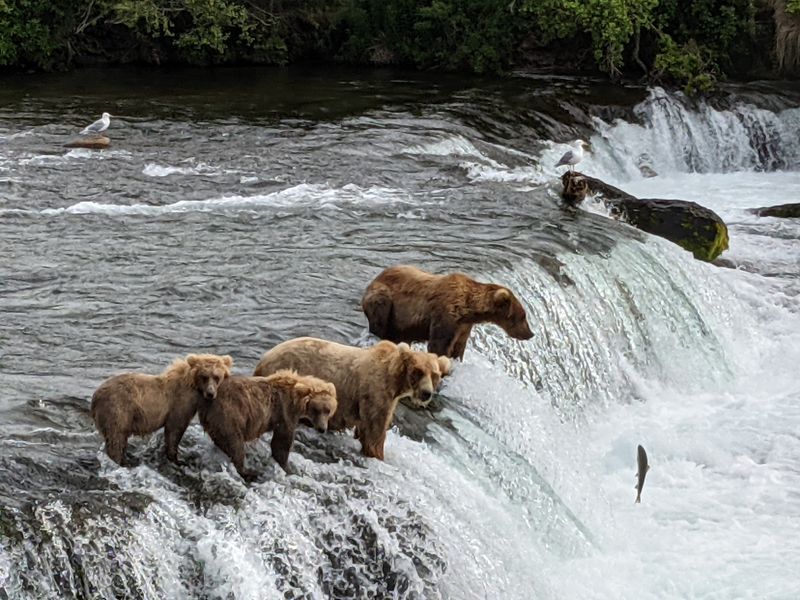
Brooks Falls has become world-famous for its incredible bear viewing opportunities during salmon runs.
Brown bears gather at the waterfall, positioning themselves to catch leaping fish.
Elevated platforms allow visitors to watch this natural spectacle from a safe distance.
The sight of a massive bear plucking a salmon from mid-air never grows old.
Dozens of bears frequent the area during peak season, each employing different fishing techniques.
Some wade into the current, while others wait patiently at the base of the falls.
Rangers manage visitor access to ensure both human safety and minimal bear disturbance.
The park also contains the Valley of Ten Thousand Smokes, formed by a massive volcanic eruption.
This otherworldly landscape of ash and pumice stretches across miles of barren terrain.
Tours to the valley depart from Brooks Camp, following a rough road through the wilderness.
Floatplanes provide the only access to the park, landing on Naknek Lake.
Reservations for lodging and platforms should be made well in advance due to limited capacity.
The remote location in Alaska ensures a true wilderness experience.
Visitors must be comfortable with basic facilities and rustic accommodations.
Katmai National Park and Preserve, King Salmon, Alaska, United States
6. Lake Clark National Park and Preserve
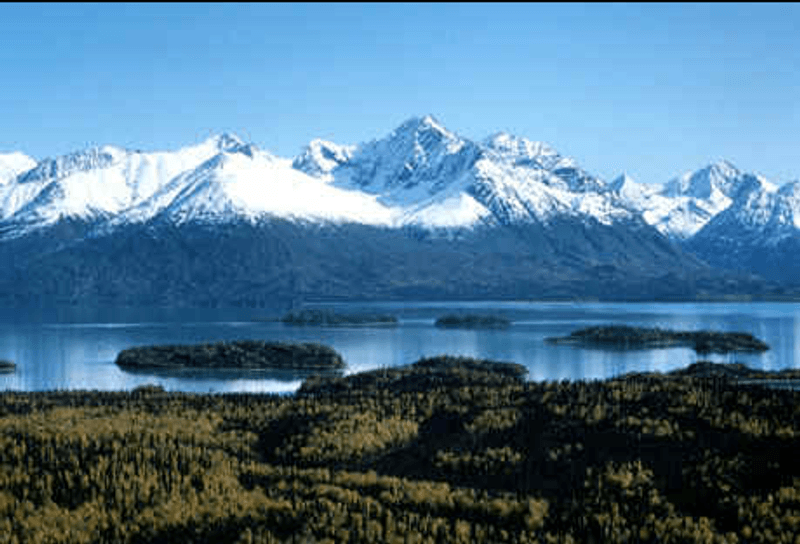
Volcanic peaks rise dramatically above turquoise waters in this diverse and spectacular park.
The landscape encompasses everything from coastal rainforests to alpine tundra within its boundaries.
Two active volcanoes, Redoubt and Iliamna, occasionally steam and rumble.
Pristine lakes reflect surrounding mountains in mirror-like surfaces on calm days.
Wild rivers carve through valleys, offering world-class fishing opportunities.
Brown bears congregate along streams when salmon return to spawn.
Several lodges within the park specialize in bear viewing experiences.
Visitors can watch bears from safe distances as they fish and interact with each other.
Access requires floatplanes departing from Anchorage, Homer, or other nearby communities.
No roads penetrate this wilderness, preserving its wild character.
Backpackers find endless opportunities for remote hiking through untouched landscapes.
Kayakers paddle along the coast, exploring hidden coves and beaches.
The park sees fewer visitors than more accessible Alaska destinations.
This relative solitude appeals to those seeking genuine wilderness experiences.
Weather can be unpredictable, sometimes delaying flights in or out of the park.
Lake Clark National Park and Preserve, Port Alsworth, Alaska, United States
7. Gates of the Arctic National Park and Preserve
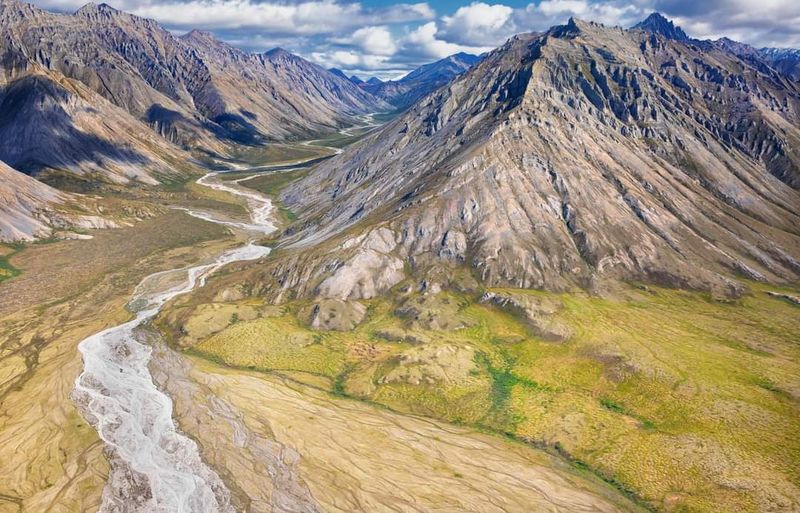
Venture north of the Arctic Circle to discover America’s most remote national park.
No roads, trails, or facilities exist within the park’s vast boundaries.
This is wilderness in its purest form, unchanged by human development.
The Brooks Range mountains stretch across the landscape in endless waves of peaks.
Caribou herds migrate through valleys following ancient routes.
Wolves and grizzlies roam freely across territories spanning hundreds of miles.
Rivers flow clear and cold through landscapes that have remained wild for millennia.
Experienced backpackers come here seeking true solitude and challenge.
Navigation skills are essential as there are no marked paths to follow.
Visitors must be completely self-sufficient and prepared for any emergency.
Air taxis from Bettles or Coldfoot provide the only access to the park interior.
Summer brings continuous daylight, allowing for extended hiking days.
Mosquitoes can be intense during certain periods, requiring proper protection.
The reward for reaching this remote corner of Alaska is an unmatched wilderness experience.
Few places on Earth remain this untouched by modern civilization.
Gates of the Arctic National Park and Preserve, Bettles, Alaska, United States
8. Kobuk Valley National Park
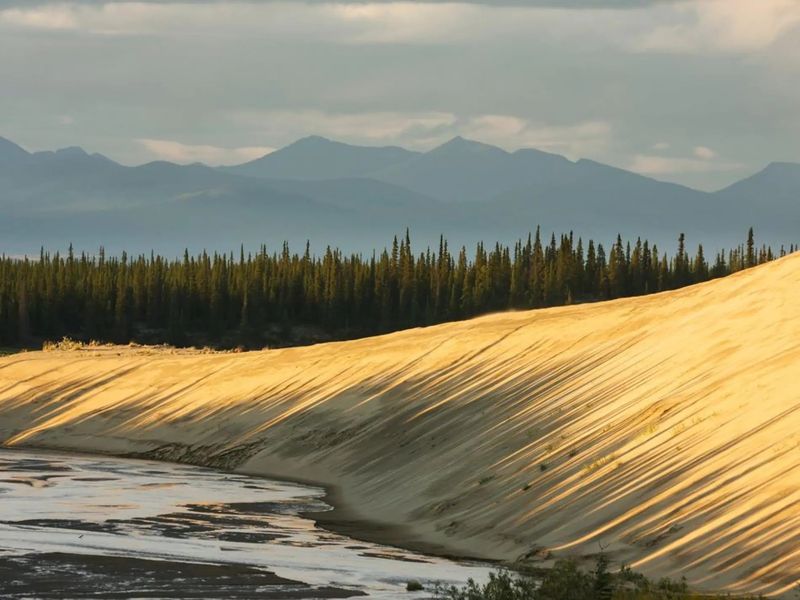
Sand dunes seem impossibly out of place in the Arctic, yet here they stretch across the landscape.
The Great Kobuk Sand Dunes form the largest active dune field this far north.
These ancient dunes were created by glacial processes thousands of years ago.
Wind continues to shape and reshape the sandy hills even today.
The contrast between golden sand and surrounding tundra creates surreal scenery.
Twice each year, massive caribou herds migrate through the valley.
Hundreds of thousands of animals move together in one of nature’s great spectacles.
The Kobuk River flows through the park, providing a water highway for visitors.
Rafting trips offer multi-day journeys through this remote landscape.
No roads reach the park, so chartered floatplanes provide the primary access.
Most visitors fly in from Kotzebue, the nearest community with regular air service.
Archaeological sites reveal evidence of human presence spanning thousands of years.
Ancient peoples hunted caribou at traditional crossing points along the river.
Summer temperatures can be surprisingly warm, making the sand dunes comfortable to explore.
This park remains one of the least visited in the entire national park system.
Kobuk Valley National Park, Kotzebue, Alaska, United States
9. Sitka National Historical Park
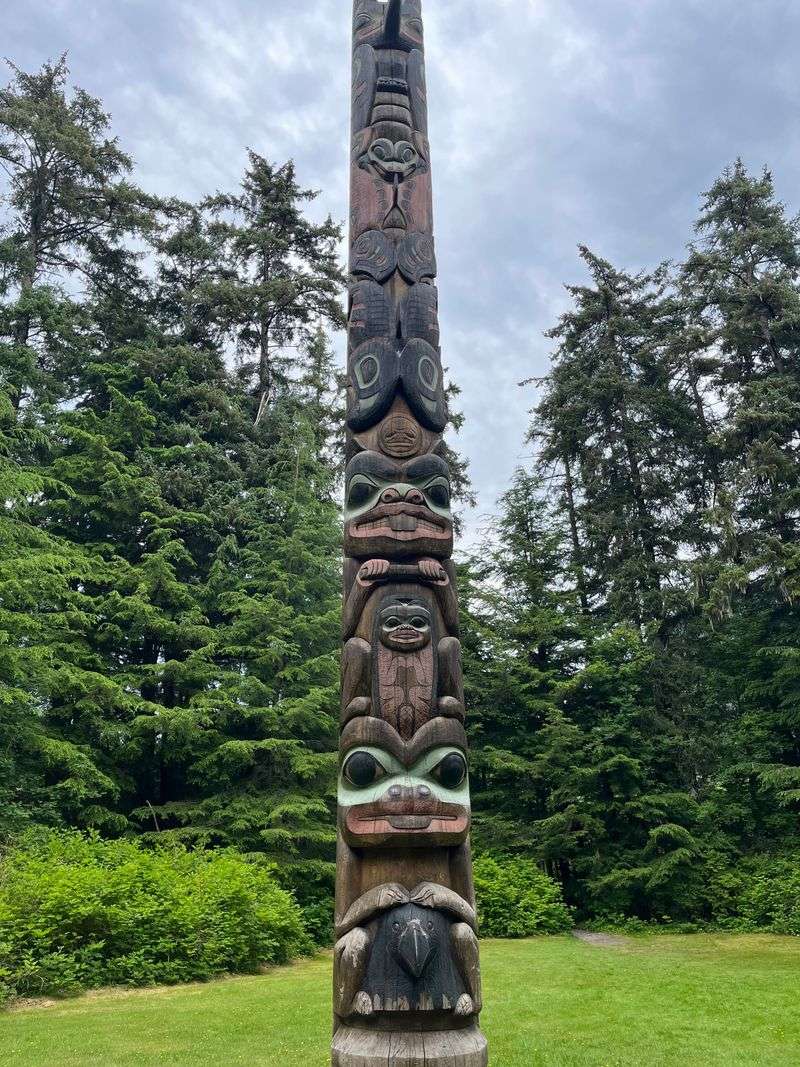
History and culture take center stage at Alaska’s oldest federally designated park.
The focus here shifts from wilderness to the rich heritage of Alaska Native peoples.
Totem poles line the scenic coastal trail, each telling stories through carved figures.
These impressive monuments represent both Tlingit and Haida artistic traditions.
The park commemorates the Battle of Sitka, a significant conflict between Russian forces and Tlingit warriors.
Walking the battlefield trail, visitors can imagine the events that unfolded here.
A cultural center features Native artists demonstrating traditional crafts.
Carvers work on totem poles and other projects, sharing their techniques with interested visitors.
Weavers create intricate patterns using traditional methods passed down through generations.
The temperate rainforest setting provides a lush backdrop for the cultural exhibits.
Spruce and hemlock trees tower overhead, creating a cathedral-like atmosphere.
Salmon spawn in the Indian River, which flows through the park grounds.
Rangers offer programs about both natural and cultural history throughout the day.
The park is easily accessible from downtown Sitka, requiring no special transportation.
103 Monastery St, Sitka, Alaska, United States
10. Yukon-Charley Rivers National Preserve
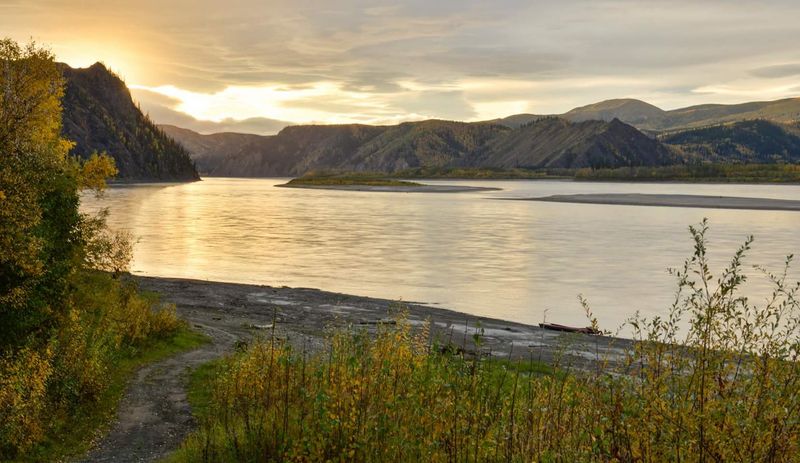
The legendary Yukon River flows through this vast preserve, carrying stories of gold rush adventurers.
Historic cabins dot the riverbanks, remnants of prospectors who sought their fortunes here.
Some structures date back over a century, slowly weathering in the harsh climate.
The Charley River, a designated Wild River, joins the Yukon within the preserve.
Its clear waters contrast sharply with the silty Yukon at their confluence.
Float trips provide the best way to experience this remote landscape.
Paddlers and rafters spend days drifting through untouched wilderness.
Peregrine falcons nest on limestone bluffs overlooking the river.
These impressive raptors hunt smaller birds with breathtaking speed and precision.
The preserve protects a massive watershed in the Alaska interior.
Few people visit each year, ensuring a genuine wilderness experience.
Access typically involves flying to Circle or Eagle, small communities along the Yukon.
From there, boats or planes transport visitors into the preserve.
The midnight sun allows for extended summer exploration under continuous daylight.
4175 Geist Rd, Fairbanks, Alaska, United States
Dear Reader: This page may contain affiliate links which may earn a commission if you click through and make a purchase. Our independent journalism is not influenced by any advertiser or commercial initiative unless it is clearly marked as sponsored content. As travel products change, please be sure to reconfirm all details and stay up to date with current events to ensure a safe and successful trip.
