
Winter in Alaska transforms the landscape into a quiet wonderland where small towns become havens of tranquility.
Far from crowded tourist hotspots, these communities offer a slower pace and a chance to experience the season in its purest form.
Snow-covered streets, cozy lodges, and the possibility of northern lights create an atmosphere unlike anywhere else.
We organized this list using factors such as tranquility, natural surroundings, and local recommendations for winter visitors.
Accessibility, weather, and services can vary, and the ranking reflects editorial perspective rather than an exhaustive assessment.
1. Talkeetna
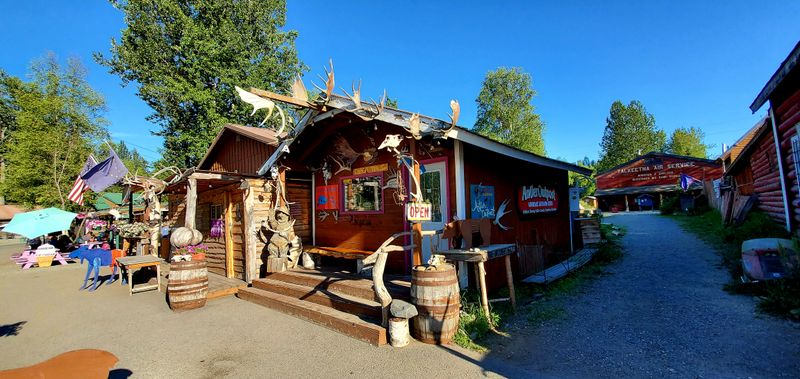
Tucked between three rivers and framed by distant mountain ranges, Talkeetna feels like stepping into a frontier storybook during winter months.
The town maintains its historic character with wooden storefronts and a laid-back atmosphere that invites visitors to slow down and breathe.
Winter brings a special kind of silence here, broken only by the occasional sound of snow falling from rooftops or friendly greetings from locals.
The small downtown area is easily walkable, with galleries, cafes, and shops offering warm refuges from the cold.
Many visitors come to witness Denali from this vantage point, and winter often provides the clearest views of North America’s tallest peak.
The mountain dominates the northern horizon on clear days, creating a stunning backdrop for photographs and quiet contemplation.
Dog mushing remains an integral part of life in this community, and several kennels offer tours where you can meet working sled dogs and learn about their training.
The enthusiasm of these animals is contagious, and watching them work is a highlight for many travelers.
Accommodations range from rustic cabins to comfortable lodges, many with views of the surrounding wilderness.
The absence of large hotels contributes to the town’s intimate feel and ensures that crowds remain small even during peak viewing seasons.
Local restaurants serve hearty meals perfect for cold weather, often featuring Alaskan ingredients like fresh fish and game.
The pace here encourages lingering over coffee or spending evenings swapping stories with fellow travelers.
Cross-country skiing and snowshoeing trails wind through nearby forests, offering peaceful ways to explore the winter landscape.
The stillness of the woods in winter creates an almost meditative experience for those who venture out.
2. Homer
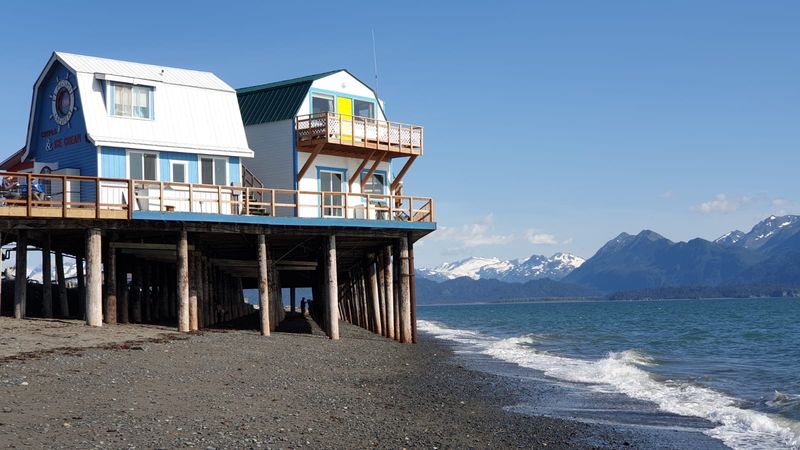
Perched on the edge of Kachemak Bay, Homer offers a coastal winter experience that differs dramatically from inland Alaskan towns.
The famous Spit extends into the bay like a narrow finger, creating a unique landscape where land and water meet in dramatic fashion.
Winter temperatures here remain relatively mild compared to interior Alaska, though the maritime influence brings frequent weather changes.
Snow-dusted beaches and ice formations along the shoreline create ethereal scenes that change with the tides.
Artists and writers have long been drawn to this community, and their presence is evident in the numerous galleries and studios scattered throughout town.
The creative energy here provides cultural enrichment that complements the natural beauty surrounding the area.
Bald eagles gather in impressive numbers during winter months, often perching in bare trees or along the beach.
Watching these magnificent birds against a backdrop of snow and sea makes for unforgettable wildlife viewing opportunities.
The town’s location on the Sterling Highway makes it accessible year-round, though winter driving requires caution and preparation.
This accessibility means visitors can enjoy remote beauty without the extreme isolation of more northern communities.
Fishing continues even in winter, with charter boats offering halibut trips when weather permits.
The bay remains ice-free most winters, allowing maritime activities to continue throughout the season.
Cozy coffee shops and restaurants provide gathering spots where locals and visitors mingle freely.
The friendly atmosphere makes it easy to strike up conversations and learn about life in this seaside town.
Nearby state parks offer winter hiking and wildlife viewing, with trails that wind through coastal forests and along dramatic bluffs.
The combination of mountains, ocean, and forest creates diverse scenery within a small geographic area.
3. Seward
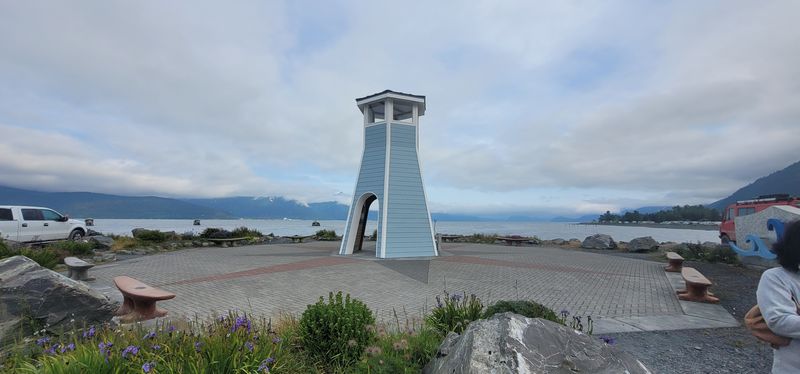
Nestled at the head of Resurrection Bay, Seward sits where mountains plunge dramatically into the sea.
Winter transforms this port town into a quieter version of its summer self, with fewer cruise ships and more opportunities to experience the landscape without crowds.
The harbor remains active throughout winter, with fishing boats and smaller vessels creating a working waterfront atmosphere.
The contrast between industrial maritime activity and pristine mountain scenery creates a distinctly Alaskan character.
Snow typically blankets the surrounding peaks by November, creating a stunning amphitheater of white that encircles the town.
On clear days, the reflection of these mountains in the calm bay waters creates mirror images that seem almost surreal.
The Alaska SeaLife Center operates year-round, providing educational exhibits and rehabilitation facilities for marine mammals.
Winter visits offer a more intimate experience with smaller crowds and more time to observe the animals and interact with staff.
Historic downtown buildings house shops and eateries that cater to both residents and the steady trickle of winter visitors.
The slower pace allows for genuine interactions and a sense of community that can be overwhelmed during busy summer months.
Cross-country skiing and fat biking trails wind through nearby areas, taking advantage of the reliable snowfall and maintained routes.
The variety of terrain accommodates different skill levels, from gentle coastal paths to more challenging mountain routes.
Winter storms rolling in from the Gulf of Alaska can be dramatic to witness from the safety of town.
The power of nature on display during these events reminds visitors of the forces that shape this landscape.
Accommodations become more affordable and available during winter, making it an ideal time for budget-conscious travelers.
Many lodging options offer views of the bay or mountains, enhancing the overall experience of staying in this scenic location.
4. Gustavus
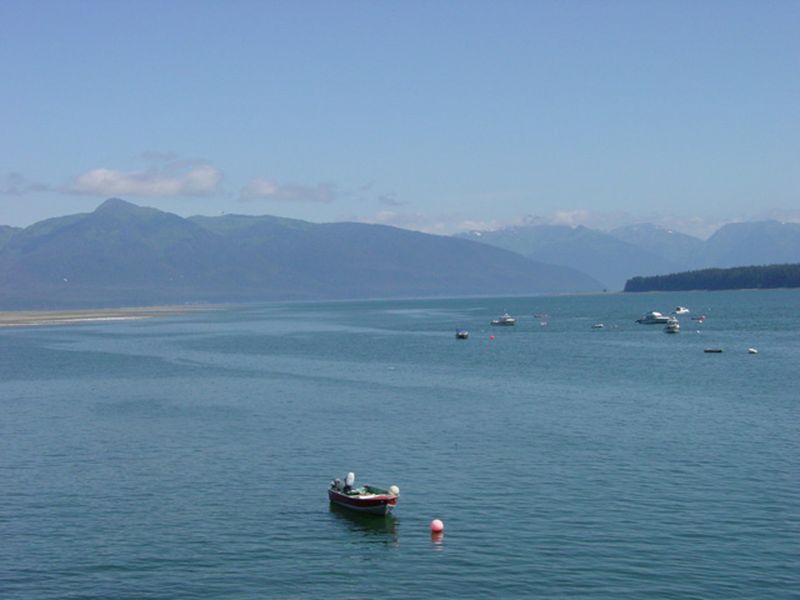
Gustavus is the small gateway community for Glacier Bay National Park, and in winter it feels especially quiet.
The community spreads across a flat plain with the Fairweather Mountains rising to the west and the waters of Icy Strait to the north.
Winter here brings profound quiet, with most tourism operations closed and the population shrinking to year-round residents.
This seasonal shift creates an atmosphere of genuine remoteness that appeals to those seeking true escape from modern life.
Access requires either a small plane or ferry, adding to the sense of journey and destination.
The limited transportation options naturally control visitor numbers, ensuring that those who make the effort find solitude and space.
Snow-covered beaches stretch for miles, often without a single footprint marking their surface.
Walking these empty shores with mountains on one side and ocean on the other provides a rare sense of having the world to yourself.
Wildlife viewing continues through winter, with eagles, ravens, and occasional moose sharing the landscape with human residents.
The absence of dense development means animals move freely through the area, creating unexpected encounters.
A few lodges remain open during winter, offering comfortable accommodations and home-cooked meals.
The intimate scale of these operations means personalized service and genuine hospitality from owners who choose to live in this remote location.
Cross-country skiing and snowshoeing can be enjoyed on trails and roads throughout the area.
The flat terrain makes for easy travel, while the surrounding scenery provides constant visual interest.
Evening skies often display northern lights during winter months, with minimal light pollution allowing clear viewing.
The combination of aurora, stars, and silhouetted mountains creates natural light shows that need no enhancement.
5. Haines
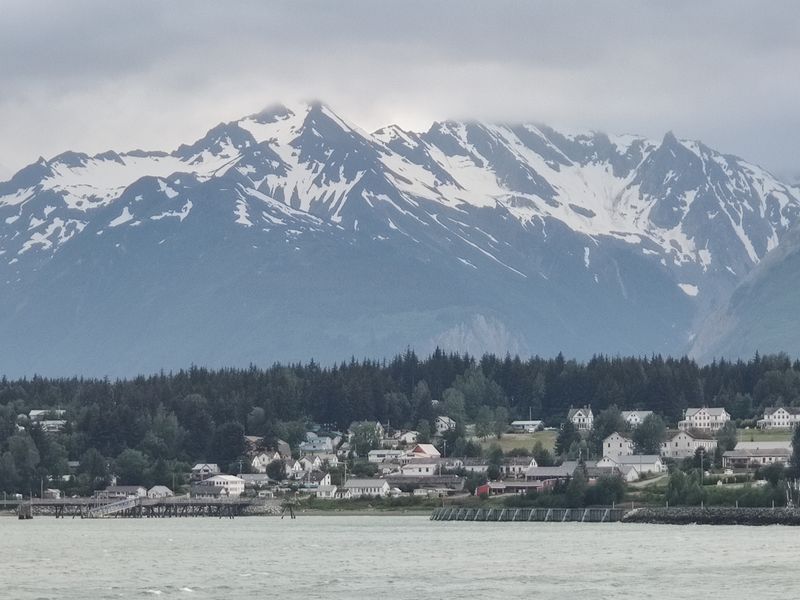
Situated along the shores of Lynn Canal with the Chilkat Range towering above, Haines combines dramatic scenery with accessible winter activities.
The town maintains a strong connection to its Tlingit heritage and gold rush history, visible in its architecture and cultural sites.
Winter brings one of Alaska’s most spectacular wildlife events as thousands of bald eagles gather along the Chilkat River.
The concentration of these birds creates unparalleled viewing opportunities, attracting photographers and nature enthusiasts from around the world.
The town itself retains an authentic character with locally owned businesses and a population that includes artists, fishermen, and outdoor enthusiasts.
This diversity creates a welcoming atmosphere where visitors can experience genuine Alaskan community life.
Snow conditions here support excellent skiing, with both groomed trails for Nordic skiing and backcountry terrain for more adventurous travelers.
The variety of options means both beginners and experienced skiers find suitable challenges.
Fort Seward, a former military installation, adds historical interest with its distinctive buildings arranged around a central parade ground.
The fort now houses galleries, studios, and lodging, creating a unique neighborhood within the larger community.
Winter weather tends to be milder than interior Alaska due to maritime influence, though snowfall remains substantial.
This combination provides genuine winter conditions without the extreme cold that can limit outdoor activity in other regions.
Local guides offer tours ranging from eagle viewing to glacier exploration, providing expert knowledge and access to areas visitors might not find independently.
These guided experiences often include cultural and historical context that enriches understanding of the region.
Restaurants and pubs serve as social hubs during winter evenings, with live music and community events bringing people together.
The warmth of these gatherings contrasts pleasantly with the cold outside, creating memorable social experiences.
6. Sitka
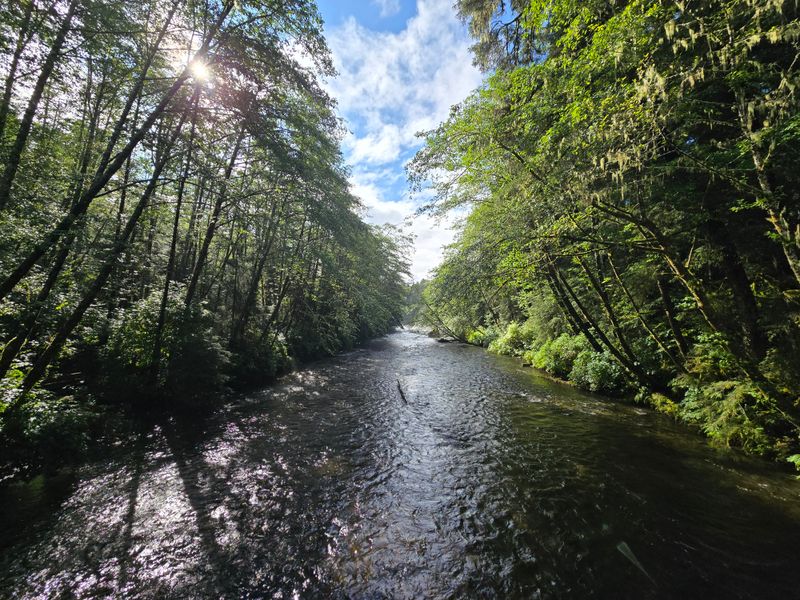
Built on the west side of Baranof Island facing the Pacific Ocean, Sitka blends Russian colonial history with Tlingit culture and stunning natural surroundings.
The town spreads along the waterfront with Mount Edgecumbe, a dormant volcano, visible across the sound.
Winter here feels distinctly maritime, with frequent weather changes and temperatures moderated by ocean influence.
Snow falls regularly but rarely accumulates to extreme depths, keeping the town accessible and navigable throughout the season.
Russian Orthodox churches with their distinctive onion domes create a visual link to the community’s past as the capital of Russian America.
These architectural treasures stand in contrast to traditional Tlingit totem poles, reflecting the area’s complex cultural heritage.
The Alaska Raptor Center operates year-round, caring for injured birds of prey and providing educational programs.
Winter visits offer opportunities to see eagles, owls, and other raptors up close while learning about conservation efforts.
Sitka National Historical Park preserves both cultural sites and coastal temperate rainforest, with trails winding through towering spruce and hemlock trees.
Walking these paths in winter, with snow dusting the forest floor and totem poles, creates a serene and contemplative experience.
The town’s location on the outer coast means access by air or ferry only, which helps maintain its distinct character.
This isolation from the road system contributes to a sense of being somewhere truly different from the mainland.
Local seafood remains fresh and abundant year-round, with restaurants serving halibut, salmon, and crab caught in nearby waters.
The quality and freshness of these offerings rival any coastal community in Alaska.
Cultural events continue through winter, including concerts, lectures, and performances that reflect the community’s artistic inclinations.
These activities provide indoor entertainment that complements outdoor exploration.
7. Valdez
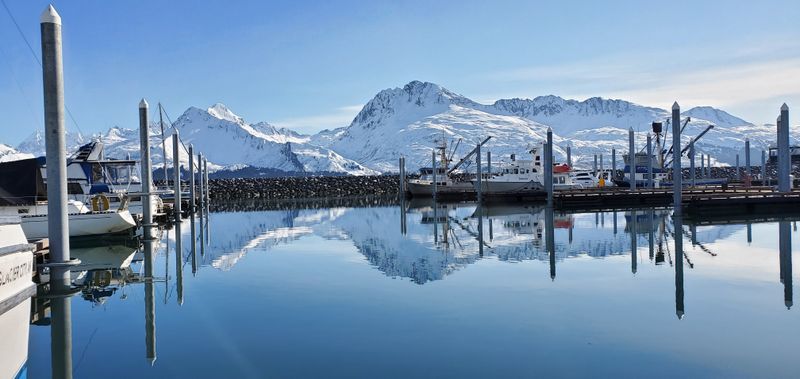
Surrounded by some of the most dramatic mountain terrain in Alaska, Valdez sits at the head of a fjord that cuts deep into the Chugach Mountains.
The town’s location creates a natural amphitheater where peaks rise directly from sea level to heights that capture massive amounts of snowfall.
Winter transforms Valdez into a snow sports paradise, with annual snowfall measured in hundreds of inches rather than feet.
This abundance attracts backcountry skiers and snowboarders seeking untracked powder and challenging terrain.
The marine terminal and fishing fleet maintain operations through winter, giving the town a working character that distinguishes it from pure tourism destinations.
The sight of commercial vessels against a backdrop of snow-covered peaks creates striking industrial-wilderness contrasts.
Several helicopter skiing operations based here provide access to remote mountain terrain that would be otherwise unreachable.
These guided adventures offer experienced skiers the opportunity to explore pristine alpine environments with professional support.
The town itself spreads across a relatively flat area at the base of the mountains, with services and accommodations concentrated along a few main streets.
This compact layout makes it easy to navigate and creates a sense of community cohesion.
Winter weather can be intense, with storms bringing heavy snowfall and strong winds.
These conditions require preparation and flexibility but also create the deep snowpack that makes the area famous among winter sports enthusiasts.
Local museums and cultural centers provide indoor activities for days when weather limits outdoor pursuits.
Learning about the area’s history, including the 1964 earthquake and subsequent relocation, adds depth to understanding the community’s resilience.
Accommodations range from basic hotels to more comfortable lodges, with most offering amenities suited to winter travelers.
The focus here is less on luxury and more on functionality and access to the surrounding mountains.
8. Skagway
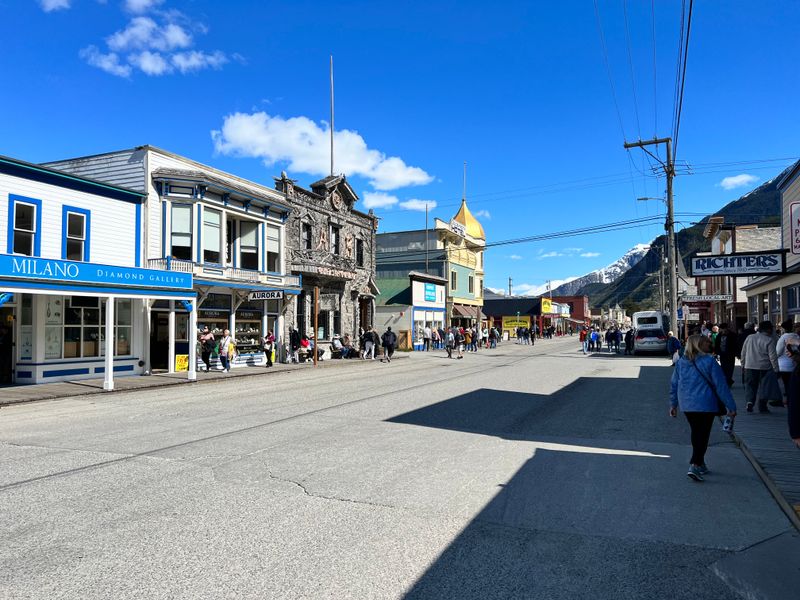
Preserved as a living museum of the Klondike Gold Rush era, Skagway maintains its historic character through carefully maintained buildings and wooden boardwalks.
The town sits at the head of the Lynn Canal, hemmed in by steep mountains that rise dramatically from the waterfront.
Winter brings a profound change from the cruise ship crowds of summer to a quiet community of year-round residents.
This seasonal transformation allows visitors to experience the town as it might have felt during the gold rush winters when stampeders prepared for their journey over the passes.
The White Pass and Yukon Route Railroad is primarily a summer-season operation in Skagway, typically running from late spring through mid-September, so winter visits usually rely on self-guided town walks, local tours, and snowshoe or ski outings when conditions allow.
The historic narrow-gauge railway provides a comfortable way to experience the dramatic scenery that challenged gold seekers over a century ago.
Snow-covered streets and frost-covered storefronts create photogenic scenes that capture the imagination and transport viewers to another era.
The preservation of historic architecture makes Skagway feel like a time capsule where the past remains visible and tangible.
Hiking trails that lead up to mountain viewpoints become snowshoe routes in winter, offering different perspectives on familiar landscapes.
The effort required to reach these vantage points is rewarded with panoramic views of the town, fjord, and surrounding peaks.
Local businesses that remain open during winter provide personalized service and often share stories about life in this unique community.
The slower pace allows for conversations and connections that might not happen during the hectic summer season.
Northern lights occasionally appear in the winter sky above the mountains, adding another layer of magic to the historic setting.
Watching aurora dance above gold rush buildings creates a surreal blend of human history and natural phenomena.
Accommodations become significantly more affordable during winter months, making it possible to stay in historic hotels at reasonable rates.
The authentic atmosphere of these buildings enhances the overall experience of visiting this remarkable town.
9. Fairbanks
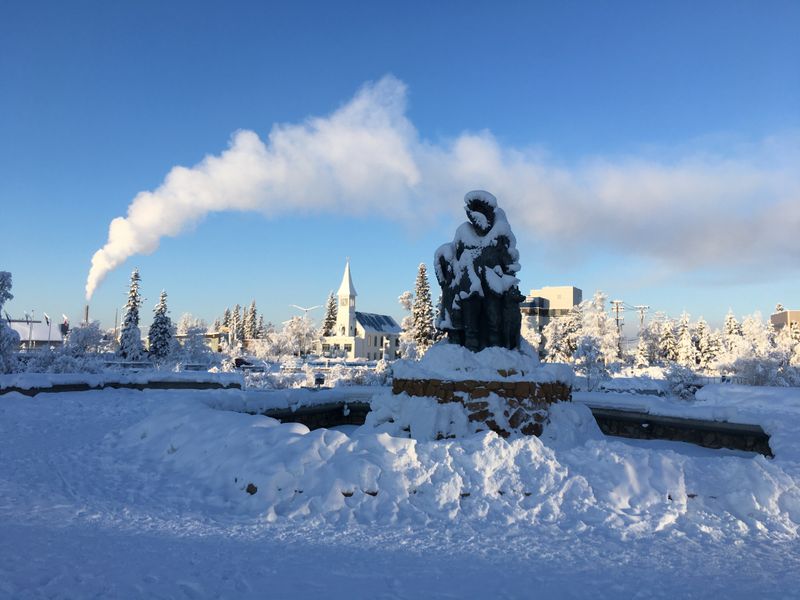
Located in the heart of interior Alaska, Fairbanks experiences winter in its most extreme form with temperatures that can plunge far below zero.
Despite the cold, or perhaps because of it, the city offers unique winter experiences that draw visitors seeking authentic arctic conditions.
The University of Alaska Museum of the North provides world-class exhibits on northern cultures, wildlife, and geology.
Winter visits offer a comfortable indoor activity that deepens understanding of the environment outside.
Ice fog creates ethereal conditions when temperatures drop extremely low, transforming the city into a mysterious landscape where buildings appear and disappear in the mist.
This phenomenon occurs only in the coldest climates and creates otherworldly photographic opportunities.
Chena Hot Springs, located outside the city, offers the perfect antidote to winter cold with natural hot water pools surrounded by snow and ice.
Soaking in steaming water while watching northern lights overhead ranks among the most memorable experiences available anywhere in Alaska.
The aurora appears frequently during winter months, with Fairbanks positioned directly beneath the auroral oval.
Clear, cold nights provide ideal viewing conditions, and numerous tours help visitors find the best locations away from city lights.
Dog mushing culture thrives here, with several kennels offering tours and rides.
Meeting working sled dogs and learning about this traditional form of transportation provides insight into how people and animals adapted to northern conditions.
The city maintains an active cultural scene with theaters, concerts, and events continuing through winter.
These activities create social opportunities and entertainment options that balance outdoor adventures.
Local restaurants serve everything from traditional Alaskan fare to international cuisine, providing warm gathering spots after days spent in the cold.
The diversity of dining options reflects the cosmopolitan nature of this northern city.
10. Juneau
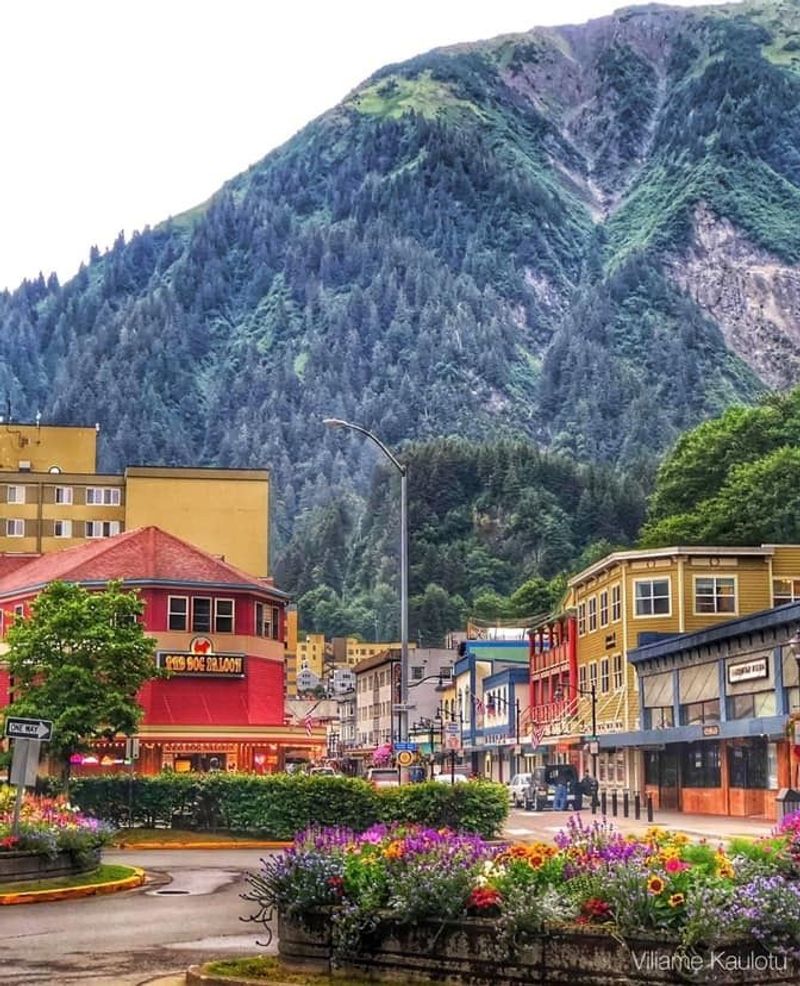
As Alaska’s capital city, Juneau combines government functions with tourism and natural beauty in a setting accessible only by air or sea.
Mountains rise steeply behind the downtown area, while the Gastineau Channel separates the city from Douglas Island across the water.
Winter weather here tends toward rain and mild temperatures compared to other parts of the state, though snow does fall at higher elevations.
This maritime climate means outdoor activities remain possible throughout the season without extreme cold.
Mendenhall Glacier sits just outside the city, easily accessible by road and offering dramatic views year-round.
Winter transforms the glacier and surrounding landscape, with ice formations and snow-covered peaks creating stunning scenery.
The Alaska State Museum houses extensive collections related to native cultures, natural history, and the state’s development.
Winter provides an ideal time to explore these exhibits without summer crowds.
Downtown streets lined with shops, galleries, and restaurants maintain activity through winter, serving both residents and visitors.
The mix of government workers, locals, and travelers creates a diverse atmosphere unlike smaller Alaskan communities.
Whale watching continues through winter months, with humpback whales often present in nearby waters.
Tour operators offer boat trips to see these magnificent creatures along with sea lions, seals, and abundant bird life.
Hiking trails wind through temperate rainforest and up mountain slopes, with options ranging from easy walks to challenging climbs.
The variety of terrain means visitors can choose activities matching their fitness level and available time.
Cultural performances and events reflect the community’s blend of Tlingit heritage and contemporary arts.
These programs provide entertainment and education about the region’s rich cultural traditions and ongoing creative expressions.
Dear Reader: This page may contain affiliate links which may earn a commission if you click through and make a purchase. Our independent journalism is not influenced by any advertiser or commercial initiative unless it is clearly marked as sponsored content. As travel products change, please be sure to reconfirm all details and stay up to date with current events to ensure a safe and successful trip.
