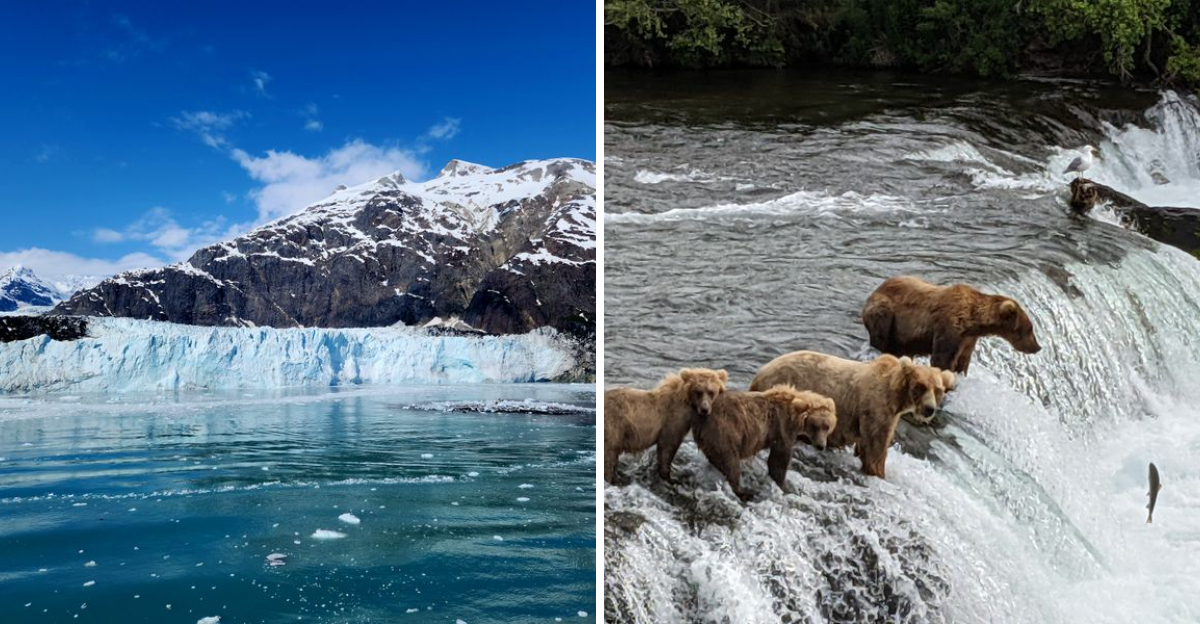
Alaska stands as one of Earth’s last great wilderness frontiers, a place where jagged peaks pierce the sky and glaciers carve their ancient paths through valleys untouched by time.
Travelers journey here seeking the raw beauty of nature in its purest form, hoping to witness wildlife roaming freely and landscapes that stretch beyond imagination.
Yet beneath this stunning facade, a quieter story unfolds as growing visitor numbers and expanding populations begin to strain the very resources that make Alaska so special.
Understanding both the magnificence and the mounting pressures helps us appreciate what makes this northern realm irreplaceable.
1. Denali National Park
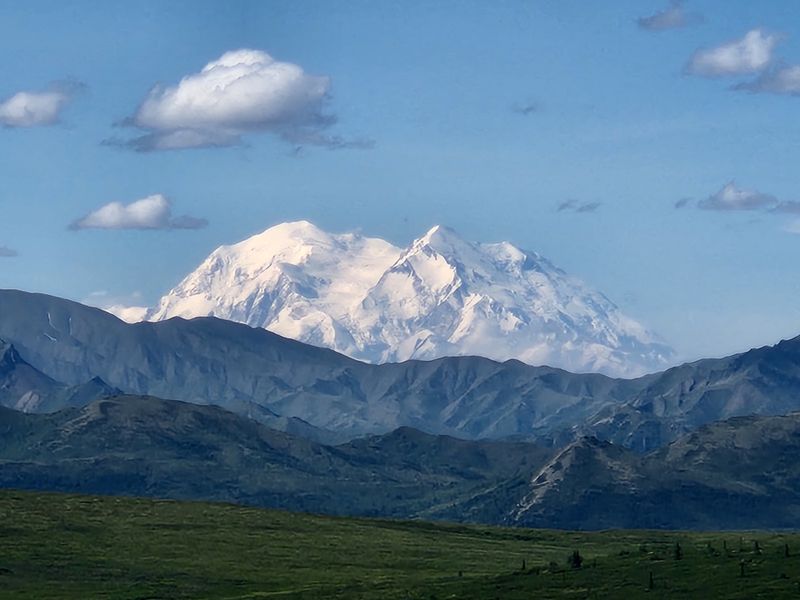
Towering above the subarctic tundra, Denali rises more than 20,000 feet into the Alaskan sky, creating a spectacle that draws visitors from every corner of the globe.
The mountain itself remains cloaked in clouds for much of the year, making clear sightings a treasured experience that travelers often wait days to witness.
Six million acres of protected wilderness surround this iconic peak, offering habitat to grizzly bears, caribou, wolves, and countless other species that thrive in these remote lands.
Summer months bring an influx of tourists eager to explore the single park road that winds 92 miles through varied terrain, from forested valleys to high alpine passes.
Park shuttle buses carry visitors deeper into the wilderness, providing opportunities to spot wildlife and absorb the vastness of this untamed landscape.
However, increased visitation has begun to create challenges that park managers must carefully navigate.
Popular trails show signs of erosion where thousands of boots have worn away delicate vegetation that takes decades to regenerate in the harsh climate.
Wildlife behavior patterns shift as animals encounter humans more frequently, potentially disrupting feeding and breeding cycles essential to their survival.
Campground reservations fill months in advance, leaving spontaneous travelers with limited options and creating pressure on nearby communities to accommodate overflow visitors.
The park service now employs timed entry systems and visitor quotas in certain areas to protect fragile ecosystems while still allowing people to experience this remarkable place.
Balancing access with preservation remains an ongoing conversation as Denali’s popularity continues to grow each season.
2. Glacier Bay National Park
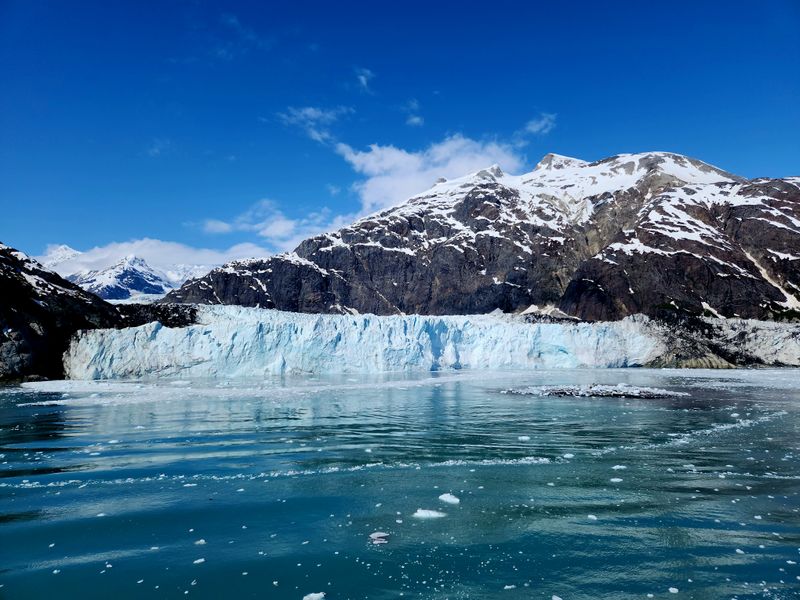
Massive rivers of ice flow down from mountain heights to meet the sea in Glacier Bay, creating a dynamic landscape where the crack and rumble of calving glaciers echo across the water.
This UNESCO World Heritage Site protects more than 3.3 million acres of wilderness, including temperate rainforests, alpine tundra, and the spectacular tidewater glaciers that give the bay its name.
Cruise ships navigate these protected waters throughout the summer, bringing thousands of passengers who line the decks hoping to witness chunks of ancient ice breaking free and crashing into the sea.
The bay itself was entirely covered by ice just 250 years ago, and the dramatic retreat of glaciers here provides scientists with valuable insights into climate change impacts.
Humpback whales, orcas, sea otters, and harbor seals thrive in these nutrient-rich waters, often surfacing near boats to the delight of observers.
Yet the concentration of vessel traffic during peak season raises concerns about marine life disturbance and water quality.
The National Park Service limits the number of cruise ships allowed to enter daily, recognizing that too many vessels could harm the very ecosystems visitors come to see.
Smaller kayaking groups and tour boats also ply these waters, seeking more intimate encounters with the glacial landscape.
Shore facilities remain minimal by design, preserving the wilderness character while still providing basic services for the relatively small number of visitors who arrive by air or boat.
Managing this delicate balance between access and conservation requires constant vigilance and adaptive strategies as tourism patterns evolve.
The glaciers themselves continue their retreat, creating new landscapes even as visitor numbers climb.
3. Kenai Fjords National Park
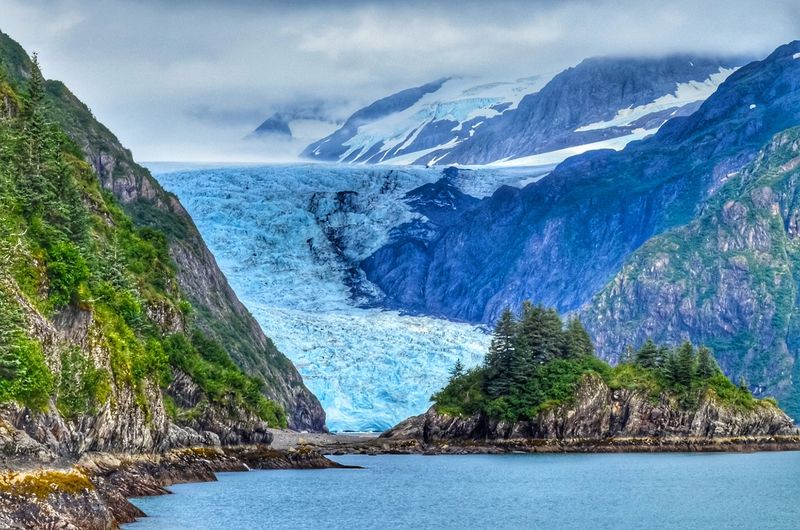
Where mountains plunge directly into the ocean, Kenai Fjords creates a realm of dramatic beauty accessible from the small coastal town of Seward.
The Harding Icefield crowns this landscape, a vast expanse of ice covering 700 square miles and feeding nearly 40 glaciers that carve their way toward the sea.
Exit Glacier stands as the park’s most accessible feature, reached by a short drive and offering trails that bring visitors face to face with living ice.
Interpretive signs along the glacier trail mark the ice’s retreat over recent decades, providing a sobering visual timeline of climate change impacts.
Boat tours departing from Seward allow exploration of the park’s remote coastline, where steep fjord walls rise dramatically from deep waters.
Steller sea lions haul out on rocky outcrops, puffins nest in cliff-side colonies, and otters float lazily on their backs among kelp beds.
The proximity to Seward makes this park particularly vulnerable to overcrowding during summer months when cruise ships dock and tour buses arrive.
Exit Glacier’s parking area frequently fills to capacity, forcing visitors to wait or return at different times.
Trail conditions suffer from heavy foot traffic, requiring constant maintenance to prevent environmental damage and ensure visitor safety.
The narrow roads leading to the glacier become congested, and the small town of Seward strains to provide services for the seasonal surge of travelers.
Park rangers work to educate visitors about Leave No Trace principles, hoping to minimize individual impacts while managing the collective pressure of thousands of annual guests.
The challenge grows more complex each year as word spreads about this accessible window into Alaska’s glacial world.
4. Anchorage and the Chugach Mountains
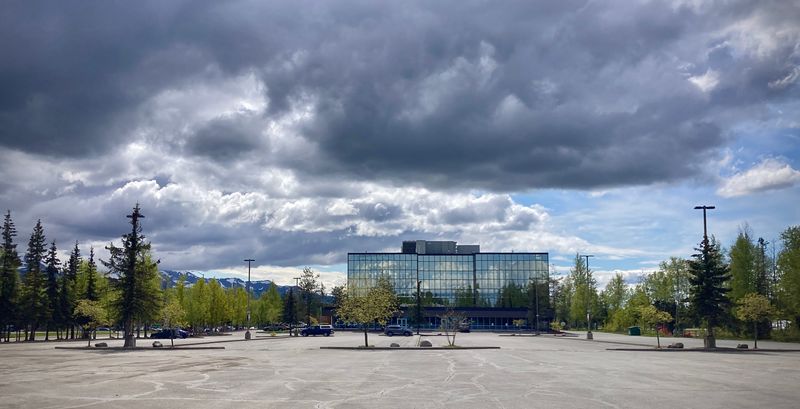
Half of Alaska’s entire population calls Anchorage home, creating a unique city where moose wander through residential neighborhoods and bears occasionally raid garbage cans.
The Chugach Mountains rise abruptly from the city’s eastern edge, providing immediate access to wilderness trails, skiing, and outdoor recreation without lengthy travel.
This unusual proximity to wild lands makes Anchorage a launching point for adventures while also serving as Alaska’s urban hub with restaurants, museums, and cultural attractions.
Flattop Mountain, one of the most popular hikes in the state, sees thousands of hikers each summer, creating a well-worn path up its slopes.
The city’s trail systems extend for hundreds of miles, connecting parks and green spaces that preserve wildlife corridors even amid urban development.
Housing costs in Anchorage have risen steadily as population growth outpaces construction, creating affordability challenges for longtime residents and newcomers alike.
The strain on infrastructure becomes particularly evident during summer when tourists flood into the city, filling hotels and restaurants to capacity.
Traffic congestion, once rare in Alaska’s largest city, now occurs regularly during peak commute times and tourist season.
Popular trailheads require early arrival to secure parking, and once-quiet hiking paths now see steady streams of visitors throughout daylight hours.
The balance between maintaining Anchorage’s frontier character and accommodating growth presents ongoing challenges for city planners and residents.
Wildlife management becomes increasingly complex as human-animal interactions multiply in areas where development encroaches on traditional habitat.
The city represents Alaska’s future in microcosm, where wilderness and civilization meet in ways both wonderful and complicated.
5. Arctic Slope Region
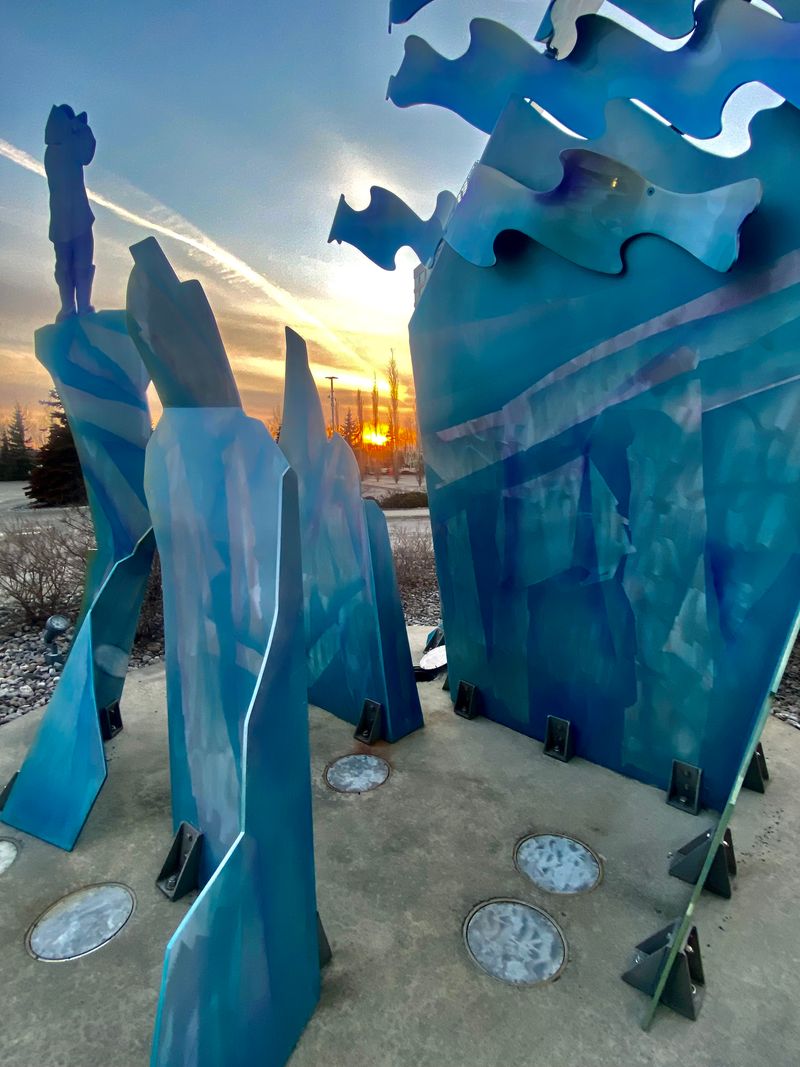
Far above the Arctic Circle, communities cling to existence in one of Earth’s most challenging environments, where winter darkness lasts months and permafrost lies just beneath the surface.
Traditional subsistence lifestyles continue here, with residents hunting caribou, fishing, and gathering foods that have sustained indigenous peoples for thousands of years.
The Arctic Slope region faces a housing crisis that statistics barely capture, with overcrowding rates reaching 27 percent compared to the national average of just 3 percent.
Families often share homes not by choice but by necessity, as the extreme costs of construction and limited building seasons make new housing prohibitively expensive.
Materials must be barged or flown in during brief summer months, and specialized techniques are required to build on permafrost that shifts with seasonal freezing and thawing.
Fifteen percent of homes in this region qualify as overcrowded, while another 12 percent meet the definition of severely overcrowded.
These conditions create stress on families and contribute to health issues in communities already facing significant challenges.
Young people leaving for education or work opportunities find few housing options when they wish to return home, fragmenting communities and threatening cultural continuity.
Climate change compounds these difficulties as permafrost thaws, undermining building foundations and requiring costly repairs or relocations.
Government programs struggle to keep pace with needs, and the remoteness of these communities makes every solution more complex and expensive to implement.
The housing shortage represents more than discomfort; it threatens the survival of distinct cultures and ways of life that have persevered through countless generations.
Solutions require both resources and respect for the communities working to maintain their presence on ancestral lands.
6. Lake Clark National Park
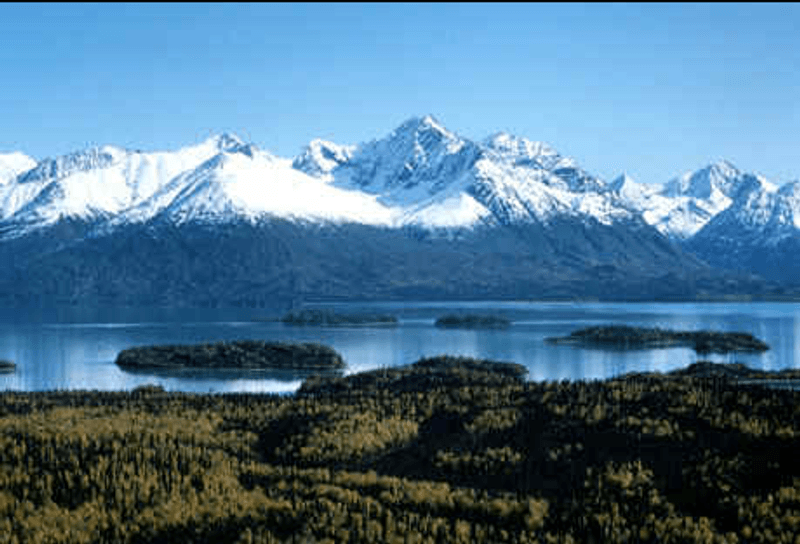
Accessible only by float plane or boat, Lake Clark remains one of Alaska’s least visited national parks, a distinction that both preserves its character and highlights its vulnerability.
Two active volcanoes anchor the landscape, their snow-capped peaks reflected in the crystalline waters of the lake that gives this park its name.
Brown bears congregate along salmon streams here in numbers that astound first-time visitors, with dozens sometimes visible from a single vantage point during peak fishing season.
The growing interest in bear viewing has brought more visitors to areas that were once known only to a handful of wilderness enthusiasts and local residents.
Small lodges and guide services have expanded their operations to meet demand, bringing economic opportunities but also raising questions about capacity.
The National Park Service monitors visitor impacts carefully, concerned that too many observers could alter bear behavior or create dangerous situations.
Bears that become habituated to human presence may lose their natural wariness, potentially leading to conflicts that rarely end well for the animals.
Salmon runs that sustain these bear populations face their own pressures from climate change and commercial fishing, making protection of spawning habitat increasingly critical.
The park’s remoteness provides some natural limitation on visitor numbers, as access requires significant expense and planning.
Yet even small increases in visitation can have outsized impacts in ecosystems where wildlife evolved without regular human presence.
Striking the right balance means preserving opportunities for people to witness these remarkable animals while ensuring that bears can continue their essential role in the ecosystem.
The quiet impact of overcrowding here manifests not in traffic jams but in subtle shifts in wildlife patterns and the gradual erosion of true wilderness.
7. Bering Straits Region
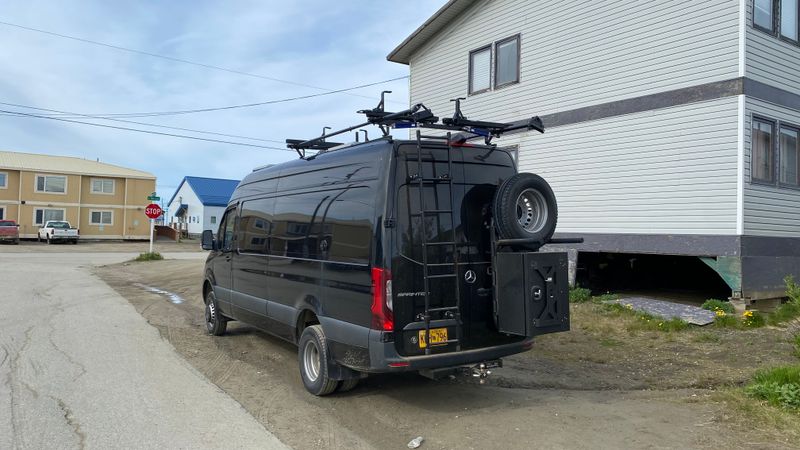
Where Asia and North America nearly touch, separated by just 55 miles of ocean at the narrowest point, the Bering Straits region holds communities with deep cultural roots and modern challenges.
Indigenous peoples have inhabited these windswept coasts for millennia, developing sophisticated knowledge systems that allowed them to thrive in conditions that would defeat most outsiders.
Today, these communities face housing shortages that rank among the most severe in the nation, with 14 percent of homes overcrowded and another 13 percent severely overcrowded.
The combination of high construction costs, extreme weather, and limited infrastructure makes addressing this crisis extraordinarily difficult.
Supplies arrive by barge during the brief summer shipping season, and storms can delay deliveries for weeks, leaving communities to manage with what they have on hand.
Multigenerational households become the norm when alternatives simply do not exist, straining relationships and creating living situations that no one would choose if options were available.
Young families starting out have nowhere to go, and elders who need quiet and space for health reasons find themselves in crowded environments.
The cultural importance of extended family living makes some shared housing natural and desired, but the current situation goes far beyond traditional patterns.
Schools and health clinics struggle to serve populations living in inadequate conditions, and social problems multiply when basic needs go unmet.
Federal and state housing programs exist but cannot keep pace with demand, and the specialized construction required in this climate exceeds standard program budgets.
Community members often possess construction skills but lack materials and financing to build homes themselves.
The housing crisis here represents a failure to support communities maintaining presence in strategically important and culturally significant lands.
8. Juneau and the Tongass National Forest
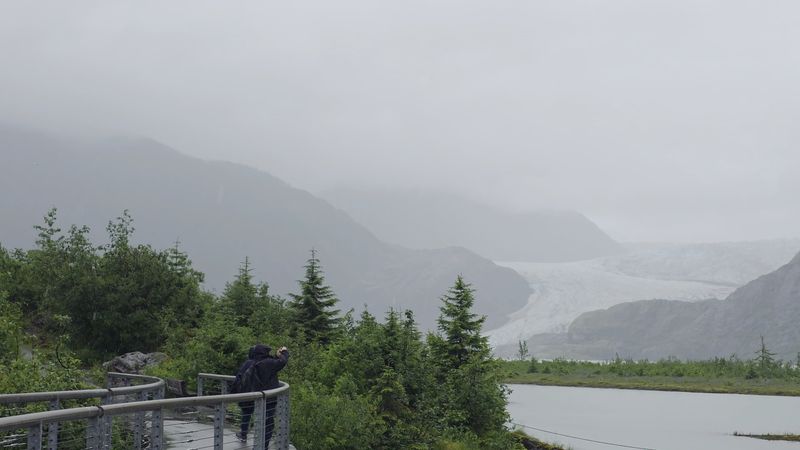
Alaska’s capital city sits accessible only by boat or plane, surrounded by the Tongass National Forest, the largest intact temperate rainforest in the world.
Massive trees draped in moss create cathedral-like spaces where rainfall can exceed 90 inches annually, nourishing ecosystems of remarkable complexity and beauty.
Mendenhall Glacier flows down from the Juneau Icefield, terminating in a lake just 12 miles from downtown and drawing hundreds of thousands of visitors each summer.
Cruise ships dock in Juneau multiple times daily during peak season, disgorging passengers who have just hours to experience what they can of Alaska before departing.
The sudden influx overwhelms the small capital city, creating traffic snarls and crowding trails and attractions designed for far fewer people.
Local residents time their errands to avoid cruise ship days when possible, and some businesses close during winter when the ships stop coming and the town returns to its quieter rhythm.
The economic benefits of tourism flow unevenly, with some residents prospering while others see only rising costs and diminished quality of life.
Housing prices have climbed steeply, making it difficult for service workers and young families to afford living in the community they serve.
Trail erosion at popular sites like Nugget Falls requires constant maintenance, and wildlife viewing areas see crowding that can stress the animals people come to observe.
The Tongass itself faces pressures from logging, development, and climate change, with old-growth forests taking centuries to regenerate once cut.
Balancing economic needs with environmental protection and community well-being requires difficult conversations and compromise.
Juneau exemplifies the complex reality of tourism-dependent economies in wild places.
9. Katmai National Park
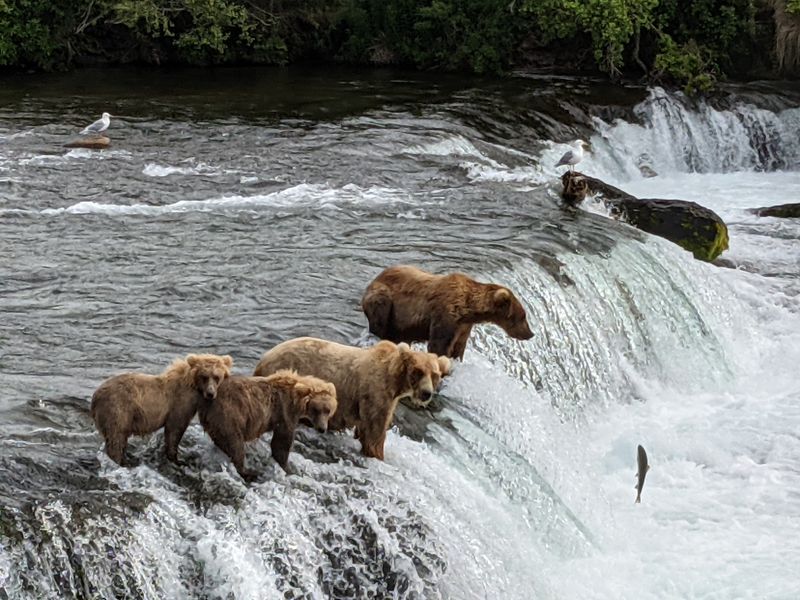
Images of brown bears standing at waterfalls catching leaping salmon have made Brooks Falls one of the most iconic wildlife viewing sites on the planet.
Katmai National Park protects this remarkable place, where bears gather in concentrations rarely seen elsewhere and visitors can observe them from elevated platforms designed to keep humans and bears safely separated.
The park lies on the Alaska Peninsula, accessible only by float plane, which naturally limits visitor numbers but has not prevented crowding during peak bear viewing times.
July brings salmon runs that draw bears to the falls, and viewing platforms can fill completely, requiring visitors to wait for spaces to open.
The National Park Service implemented a reservation system to manage demand and prevent overcrowding that could endanger both visitors and bears.
Rangers carefully monitor bear behavior, watching for signs that human presence causes stress or alters natural feeding patterns.
The bears themselves seem remarkably tolerant of observers, having learned that the platforms pose no threat, but this habituation requires careful management to maintain.
Photographers sometimes spend entire days at the falls, hoping to capture the perfect shot of a bear catching a salmon in mid-air.
The concentration of visitors in this relatively small area creates challenges for waste management and facilities in a roadless wilderness setting.
Brooks Camp, the park’s main visitor area, operates at capacity throughout the summer season, with lodge rooms and campsites booked months in advance.
The success of bear viewing here has inspired similar operations at other locations, spreading both opportunities and impacts across a wider area.
Managing this beloved destination means constantly evaluating whether current visitor levels remain sustainable for the ecosystem and the bears that make it so special.
Dear Reader: This page may contain affiliate links which may earn a commission if you click through and make a purchase. Our independent journalism is not influenced by any advertiser or commercial initiative unless it is clearly marked as sponsored content. As travel products change, please be sure to reconfirm all details and stay up to date with current events to ensure a safe and successful trip.
